

Salt Conveyor Belt: Hygroscopic Load, Corrosion and Washdown
The inlet may still look perfectly dry. Under the tail pulley, they may need scraping off. Follow the return run before choosing a replacement. On the layout, put a ring around the very first damp patch you find. Trace the white collar on the tagged roller back toward the discharge. A belt order needs those locations, plus the operating condition in which they appeared.

01 Why Salt Attacks a Belt Differently
Imagine walking this conveyor after a wet shift. At the head: a smear beyond the cleaner. At the tail: crust around a return roller. Along one edge: a dark line under a lifted cover. On the nearby steel: rust where brine sat. These marks point to different repairs, although the purchase order may call all of them “salt damage.”
Write the salt grade beside each conveyor on the drawing. An enclosed refined-salt packing run needs access for cleaning and, at open-product contact, a declaration for the supplied grade. A yard stacker takes rain and grit from the stockpile. An industrial feed line may collect fine dust in enclosed returns. Send that marked drawing with the rubber conveyor belt enquiry.
| Salt line | Likely exposure to check | First design question |
|---|---|---|
| Refined edible salt | Fine product, cleaning water, open food contact | Can the exact belt grade and joint be cleaned and documented for this use? |
| Industrial salt feed | Variable moisture, fines and brine at low points | Where can liquid enter the edge, splice or roller bearing? |
| Outdoor de-icing salt | Rain, grit, lumps and yard debris | Will the transfer, cover and return equipment tolerate those additions? |
02 Hygroscopic Load: Moisture, Caking and Sticky Carryback
Three sources of water
Take a sample when the line starts caking. Keep its batch, moisture result and shift conditions together. Look for condensation above the transfer, a pipe drip or rain entering the gallery. Draw the nozzle fan across a section of the belt; does it strike the exposed edge? Yesterday’s freely running load tells you little about this morning’s damp one. Set the two retained samples side by side and request composition as well as moisture data.
Check the chute lip
Mark the centre of the stream with the chute clean, then mark it again after the lip has built up. That may be enough to put fresh rub marks on one belt edge. Check the lip with the machine isolated. At the head, look at what passes the cleaner: loose grains, a wet smear or a compacted layer. The carryback guide and cleaning guide give options after that observation.
“It slips only after we wash” belongs on the fault sheet, with a time and load. Inspect the lagging and take-up, then look for water left at the drive. Tightening the belt before checking those points may increase joint load without restoring traction.
03 Chloride Corrosion at the Cut Edge and the Splice
Follow the first dark line
On a removed belt, mark the first place where the edge seal is missing. If fabric is exposed there, liquid may travel into the plies. Does the opposite edge look sound? If so, measure the clearance beside the damaged strip. Put “sealed after final trimming” beside the finished width. Trimming a sealed roll to width later can remove the protection you paid for.
Check the joint as a separate part
A lifted splice tip deserves a photograph of both belt faces before anybody peels it further. Which tip opened first? Is there salt packed into a step, or a clean-looking separation? Pull the installation record: cure procedure, materials, joint length and operating tension. The splicing guide helps check the terms. Salt on an open tip is evidence of exposure, not a verdict on what started the opening.
Ask for the smallest pulley diameter before adding another millimetre of cover. More rubber gives a useful wear allowance at some transfers, but a stiffer build must still bend through the existing layout. Include the cleaning agents on the enquiry too; the chemical-duty guide covers a related selection problem.
04 Where crystals collect on the return
At the shutdown, tag the noisy roller and photograph the adjacent clean one. Keep the removed crust in a sample bag. Run the post-cleaning inspection under the site procedure; a persistent rough sound warrants a bearing check. With the line isolated under site procedure, inspect the shell, rotation and seals. Write down the roller number and the drip or carryback point above it.
A clean replacement shell under the same leak will soon look like the old one. Put the drip, scraper discharge and drainage on the roller work order. Request the proposed shell finish and seal arrangement by part number; see the corrosion-resistant roller and idler guides.
05 Abrasion From Crystals and Tramp Material
A yard belt may carry grit and a broken pallet nail with the salt. At a loading point, caked lumps also strike the cover differently from fine grains. Leave the debris in a tray and put a ruler beside the hole for the photo. A wide scuff says “contact”; a single puncture sends you looking upstream for the object.
Find the damaging object
Tag the steel fragment with its discovery point, then inspect upstream equipment for its missing part. The magnet will not find a piece of wood or every metal alloy. A new belt fitted against the same rubbing chute edge can be cut almost at once.
06 Cover and Carcass Selection for Salt Duty
Match the cover to the exposure
For each candidate cover, ask the supplier for its grade sheet and test limits. Compare discharge release against the damp sample, wear at the actual transfer, and exposure to the named wash chemical. “Chemical resistant” by itself is too broad. The cover-grade guide helps decode the offer, but the offered grade needs its own data.
Choose the carcass from the conveyor calculation
The current belt is a useful starting sample. Record its rating, plies, stretch, joint and smallest pulley. Then compare EP and NN proposals against the calculated tension, impact and supplier moisture data. An extra ply can make a short conveyor less forgiving at the pulley. The EP versus NN comparison explains the construction terms.
07 Edible salt and food-contact paperwork
The declaration and the delivered belt code should match character for character. Does it cover the market, contact conditions and actual grade being installed? Check the splice material too. A white face makes stray product easier to see; it does not certify the polymer. Walk the underside and transfer with the cleaning team before choosing a surface.
Separate product contact from bulk handling
Keep separate specifications for open edible product and the yard stacker. The food-grade documentation, PVC buyer and PU hygiene guides serve the former. A bulk incline needs its load, impact and pulley checked first. See also the PVC/rubber comparison.
08 After the wash: where does the brine go?
Watch the full rinse, including the return run. A nozzle aimed at a fabric edge belongs on the marked-up wash drawing. Puddles below the return should be mapped before cleanup hides them. Send the supplier the actual dilution, temperature and dwell from the cleaning log. The exact grade must tolerate that cycle.
Give the water an exit
Look under the covers and at the frame corners after the wash. A pocket that stays damp overnight can recoat a clean return run. Drain and access changes need a review under the site guarding procedure. Use the spray cleaning guide beside the plant method, then obtain grade-specific chemical approval.
09 Inclines, Cleats and Transfer Points at a Salt Plant
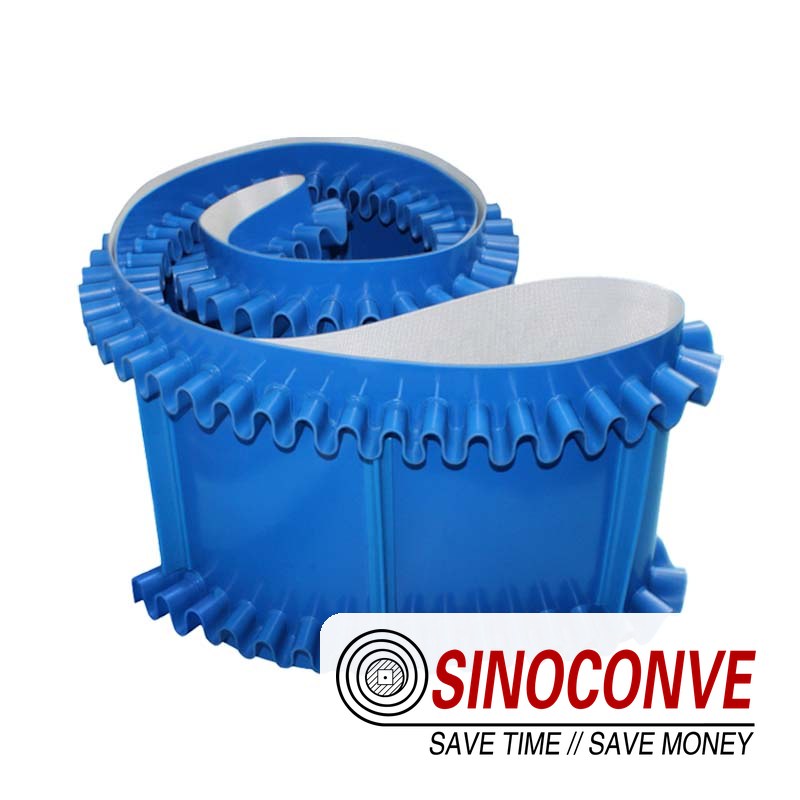
Test the incline with the product condition that has caused rollback, not only with a dry sample from the store. If a smooth cover cannot hold it, compare a chevron or cleated profile. A sidewall belt can fit a tight lift. Show each proposed root and sidewall to the wash crew; salt can lodge there.
Look at the drop point
At full flow, draw where the stream lands and measure the drop. A ridge of caked salt at the chute lip can press against one strip of cover. Remove that interference before buying a tougher grade to live with it.
10 Tracking a Belt That Is Never Dry
Log belt position at the same two frame marks on a dry and a wet shift. Observe only from approved safe points while running. At the stop, work from the loading point along the return toward the pulleys; put each contact mark on the drawing. After each adjustment, add a new edge-position reading to the log. The tracking guide sets out the sequence.
| Observed mark | Inspect first | Record for the repair |
|---|---|---|
| Dark, lifting edge | Edge contact, seal and liquid path | Side, length and first point of separation |
| Joint opens | Splice preparation, tension and deposits | Opening location on both belt faces |
| Periodic thump on return | Roller shell build-up and bearing condition | Roller position and deposit source |
| Wide cover loss at chute | Loading, trapped grit and chute clearance | Wear width and remaining cover |
| Wander after cleaning | Wet loading, lagging, rollers and take-up | Before/after path under controlled load |
11 Acceptance Checks Before a Salt Line Restarts
Bring the old belt code and line drawing to acceptance. Check width, cover, rating, pulley limit, edge finish and joint procedure against the order. The joint handover needs the installer, materials, cure record and a close-up photograph. For a specified strength test, arrange a sample joint before installation. Keep the production joint intact.
| Item | Request in writing | Verify on the line |
|---|---|---|
| Cover | Grade, limits for cleaner and temperature | Marking, sample and actual wash routine |
| Carcass and edges | Rating, ply construction, final edge treatment | Roll identification and exposed-fabric check |
| Splice | Method, materials and installer procedure | Joint condition and installation record |
| Return rollers | Shell finish, seals and duty | Free rotation and drainage at each position |
| Food contact, if needed | Declaration for the exact grade and use | Match document to supplied belt code |
The splice buyer checklist and vulcanising process guide can support the handover. The store needs the actual roller part number and approved joint-kit code, not “salt conveyor spares.”

12 Frequently Asked Questions
We wash every day. Is the existing heavy-duty belt suitable?
Sometimes. First put the cleaner sheet beside that belt’s grade sheet; then inspect its edges and joint. Washing helps only when deposits leave the system and the belt can dry as required by the process.
What fails first on a salt conveyor belt?
There is no fixed order. There is no reliable “first failure” for every salt line. Mark the old belt before taking it off; the earliest cut is often the useful clue.
Does road salt need food-contact certification?
For a dedicated road-salt stacker, start with weather, grit, load and roller exposure. If the same equipment serves food production, assess that use separately and obtain the relevant declaration.
The cover looks sound. Why did the joint open?
Lay the joint photo beside the cure record and the take-up setting. A crust on the tip is one clue. The first separated finger and its underside tell more.
Is PVC better than rubber for salt?
Neither material wins in every layout. A light indoor packing run may suit a specified PVC grade. A bulk incline or rough outdoor transfer may call for rubber. Compare the actual grade sheets, pulley diameter, load and cleaning conditions.
Why is one return roller crusted again?
Look directly above it for a drip or a streak of carryback; then inspect the shell and seal. Otherwise the new roller inherits the same shower.
What should we stock as spares for a salt line?
Use the site's critical spares assessment. Start with the exact splice kit, the vulnerable roller part numbers and matching scraper blades. Add repair belt stock if the plant’s repair plan calls for it.
When is the washed belt ready for salt?
Use the plant’s release check, not a timer copied from another site. Look under the return and at the joint. A wet first load will show up as paste at the cleaner. A fixed wait in minutes cannot account for a sheltered wet pocket.
Related Products You May Need
- Rubber belt for bulk salt handling
- EP fabric belt options
- PVC belt options for light indoor runs
- Conveyor rollers and idlers