
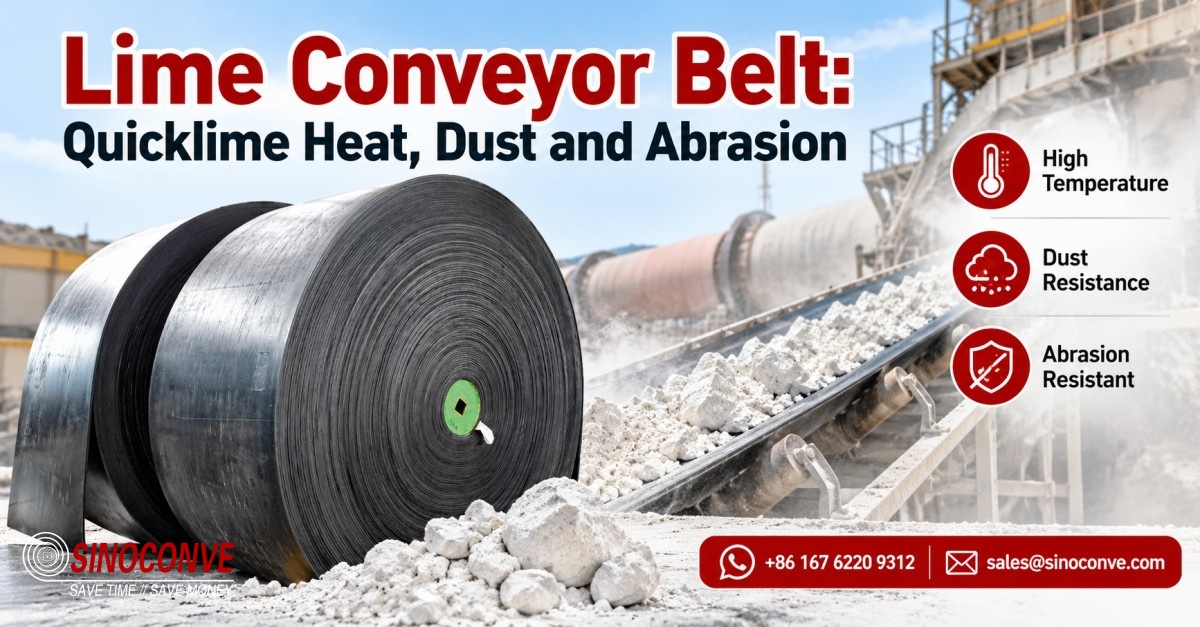
Write 'lime belt' on an enquiry and three suppliers may picture three different machines. One sits below a kiln. Another takes fine hydrate to a bagging plant. The third runs near a wet slaking process. Before anyone picks a rubber grade, put the actual loading point on the drawing and name what falls onto it.

01What Lime Does to a Belt That Cement Does Not
A clinker belt is often fed after a cooler. A quicklime belt may be much closer to its kiln. 'Often' and 'may' matter here: some lime plants have cooling and storage between kiln and conveyor; some cement transfers remain very hot. Walk this particular route instead of borrowing the last plant's specification.
Where the two duties diverge
Take a handful of the discharged material, if the site procedure allows it. Lumps that crumble at the transfer create the fine powder that later appears on the return rollers. At the same stop, check where the stream hits and whether the skirt holds it against the rubber. Send both observations to the conveyor belt manufacturer.
Trace the route from kiln to belt
The quickest useful sketch shows kiln, cooler or silo, chute, loading bed and first scraper.
Related reading
This page stays with lime, particularly the awkward combination of heat at loading and powder on the return. See: cement conveyor belt selection · guide to heat-resistant conveyor belt grades
02At the kiln discharge
Mark a safe measurement position just after loading and record the material temperature there as well. Keep the time of day and operating condition with each number.
Check the pattern of damage
Suppose a crack appears at one narrow band across the cover. Was that band under the chute, under a cleaner blade, or at a pulley bend?
Record the hottest operating period
State the method, belt speed and the length of the hot period. Then compare the record with the proposed industrial conveyor belt data, including the maker's test conditions. A grade name alone cannot settle it.
A chute modification can change the landing point without changing the belt specification. The new chute exit belongs on the drawing; the old drop height no longer describes this belt.
03Identify the lime stream
There are three separate conversations hidden in the word 'lime'.
| The form of lime reaching the belt | What the belt receives at the loading point | Where the specification has to answer for it |
|---|---|---|
| Burnt lime straight from the kiln, still shedding heat | Hot friable lumps with a heavy fraction of reactive fines | Short bursts of contact heat on an already cooled cover |
| Hydrated lime out of the hydrator, cooler but very fine | A light dry alkaline powder that coats every surface | Dust ingress at the splice and carryback control |
| Milk of lime or another wet lime stream, if conveyed on this equipment | Wet, alkaline fines; confirm whether the stream is pumpable slurry or dewatered cake | Drainage, wet abrasion, corrosion and cleaning access |
State the material form in the enquiry
A plant can have all these duties behind one gate. See: conveyor belt supplier
04Alkaline Dust, Burn Risk and What It Means for Belt Choice
At this transfer, keep dry deposits away from leaks and wash water.
Look at the exposed edges
Follow the edge with a light at a planned stop. Is the fabric showing? That pattern sends the inspection toward tracking, a skirt or a seized roller. See: rubber conveyor belt
The people removing spillages are often closest to the dust. Give them access that does not require working under a running transfer. Enclosure, extraction and a working cleaner do more for this area than an extra millimetre of top cover.
05Abrasion and the Fine Dust That Reaches Everything
Put thickness marks at the chute and each skirt contact line. Measure at the same marks later; otherwise wear from one location gets averaged into an unhelpful overall number.
At the tail, clear away any dust before judging tracking. If seals keep failing, compare the installed arrangement with the options in guide to conveyor idler selection.
The drive belts on the kiln fan are another job. See: transmission belt manufacturer · V-belt manufacturer
06Cover Hardness, Cut Growth and Edge Condition
On a sample card, hardness is easy to compare. A compound that looks good on a flat test piece still has to bend around the smallest pulley every circuit.
Match the cover to the pulley and feed
Keep a failed offcut. It may show whether the crack began at the edge or in the running surface.
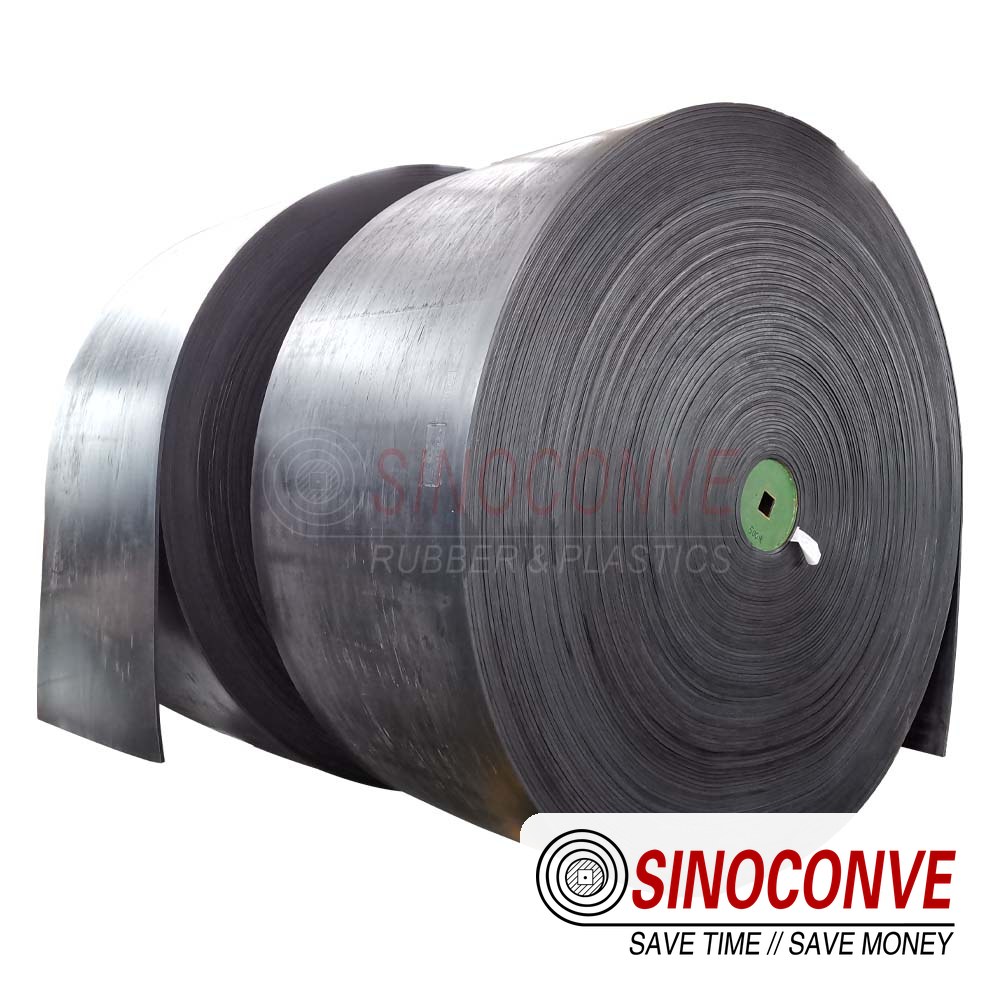
Put the spare roll details beside the old belt record. See: wholesale conveyor belts
07Heat Resistance: What a Cover Can and Cannot Survive
No cover can cool lime that arrives too hot for its rating. Compare the temperature at the loading point with the compound data, not with the kiln setpoint. See: heat resistant conveyor belt
Treat a cracked skin and a lifted splice as two separate investigations. See: conveyor belt distributor · conveyor belt factory
| How the failure shows up on inspection | What usually caused it on a lime line | What we check next on the site visit |
|---|---|---|
| Cover surface has gone hard and shows fine crazing | Check thermal exposure, bend fatigue and compound ageing against the site record | Peak cover temperature taken during an actual discharge surge |
| Cover lifting away from the carcass near the splice | Check cure, bond and heat history; trapped deposits may contribute | Splice cure record and the condition of the step edges |
| Edge fraying with fabric visible along one side only | Belt trained against steelwork or a skirt set too tight | Skirt clearance, pulley alignment and measured edge wear depth |
| Hard scale building on the return rollers and frame | Carryback of fine dust that hydrates wherever moisture collects | Scraper contact across the full width of the belt |
| Grooving worn into the cover directly under the chute | Impact and sliding abrasion at a short steep loading point | Chute geometry, dead bed condition and skirt rubber wear |
08Splice Choice Under Repeated Heat Cycling
Put the splice drawing and cure sheet where the maintenance team can find them.
The joint must pass through the smallest pulley and the cleaner without fouling either one. See: guide to conveyor belt splicing methods · vulcanizing press guide
09Transfer Points, Chutes and Dust Control
A transfer is easiest to understand while carrying its normal load.
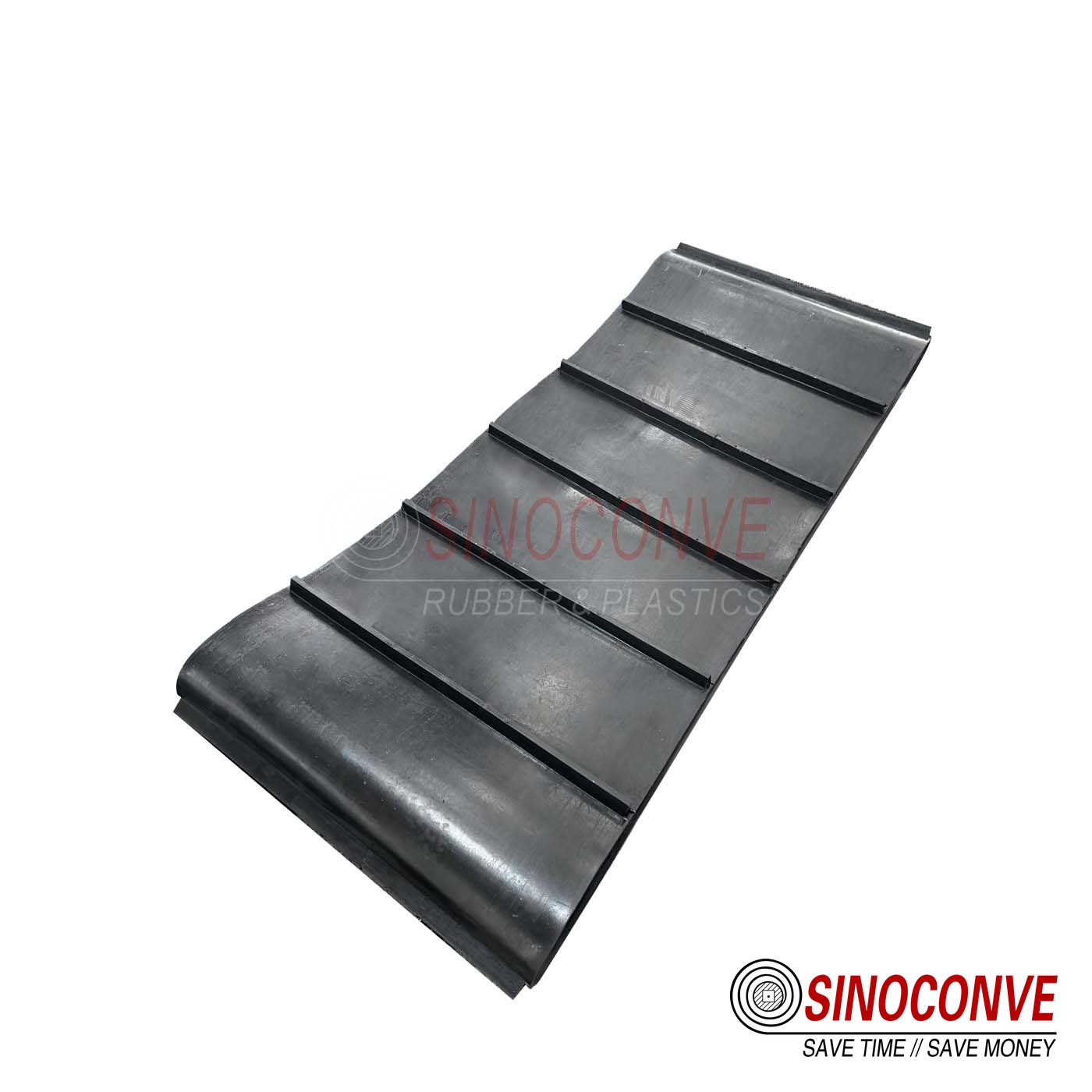
Do not casually turn a dry quicklime transfer into a water-spray station. Water and quicklime react, and damp deposits may set around hardware. Review the process before changing dust control; enclosed transfers and dry extraction are options to assess. If the belt still walks into the skirt, use EP conveyor belt tracking guide to work through alignment in order.
10Cleaning Without Water
Stand at the head and see where the carryback drops. Then follow the return to the tail. The primary blade, secondary cleaner and tail plough each have a distinct patch to keep clear. A blade worn down to its holder may look installed while doing little cleaning.
A cleaner pressed hard against the belt can make its own groove. A loose one leaves an uneven trail of dust. Adjust for contact across the working width and revisit it after the first loaded shift. See conveyor carryback solutions, belt cleaning methods and schedules and return side belt cleaning for the component positions and maintenance routine.
11Acceptance Checks and a Spares Strategy
Check the replacement roll and the splice kit against the purchase order while both are still in store.
| What to check before the line restarts | How to check it without relying on guesswork | What a miss here costs you later on |
|---|---|---|
| Cover thickness measured across the width and along the length | Take readings at the same points used on the old belt | Investigate the actual gauge reading against the approved tolerance |
| Edge condition on both sides, looking for exposed fabric | Walk the whole return side with a torch, not the head only | Alkaline wicking into the carcass from an unnoticed edge |
| Splice record covering platen temperature, pressure time and cooling | Compare the record against the procedure given to the crew | A joint that lets go in the first weeks of kiln operation |
| Roller and frame alignment checked cold, then again under load | Watch the belt at the tail pulley with the line running full | Edge damage that starts on the first day and never stops |
| Spare roll and splice kit held on site in the approved compound | Confirm the batch number matches what was actually installed | A longer outage if the approved compound or splice materials are unavailable |
At a later inspection, compare the same positions.

12Frequently Asked Questions
Can an ordinary heat-resistant belt handle lime kiln discharge?
It depends on the measured load. Some lines have cooling before the belt; a direct discharge can be hotter. A generic grade label is insufficient.
What is different between a lime belt and a clinker belt?
The difference is the job, not the word on the plant gate. Cooled clinker commonly brings hard, abrasive granules. Lime may bring hot, friable lumps and fine reactive powder. Document the feed to this specific conveyor.
Why does the cover crack before the carcass fails?
The cover meets heat and bending first. Its surface can crack while internal plies appear sound, but appearances are not proof.
How do we stop lime dust from getting into the splice?
Fill and seal the joint steps during installation. Inspect both shoulders at planned stops.
Should we wash the belt down at the end of a shift?
A wet lime process has different cleaning requirements. On a dry quicklime line, avoid routine washdown: lime reacts with water and deposits may harden.
How often should the scrapers be adjusted on a lime line?
Look at the cleaned return at the head pulley. Adjust the blade when it leaves an uneven band of carryback.
What makes a lime belt mistrack when nothing has changed?
Begin with deposits and free-running rollers on the return, then check pulley faces, take-up and skirt contact. Watch it under load. The position of the falling stream may have changed too.
Which joint suits a lime plant, vulcanised or mechanical?
Check the pulley and cleaner clearances before making the joint. Use a compatible vulcanised splice on the main belt when the field cure can be done properly. Mechanical fastening can suit a short auxiliary belt.
Related Products You May Need
- Heat resistant conveyor belt for kiln discharge duty
- Rubber conveyor belt in abrasion and heat grades
- EP rubber conveyor belt for bulk lime conveying
- Full conveyor belt product catalog