
On the receiving floor: a bag opener, then a narrow chute, then the first skirt. That short stretch tells the story. Glass may slide out with wet paper; a fork can sit crosswise at the rubber seal. Note the first contact point on the drawing before ordering anything.
When the old roll comes off, circle the earliest damage in paint and mark its station. The worst tear may be metres away from its cause. Keep an offcut with the travel arrow and date; without those labels, the piece is hard to interpret later.
The route below follows a typical sorting plant from tip to reject. Use the positions and checks as a worksheet alongside the plant drawing; substitute the dimensions and waste mix from your own line.

01 Mixed Waste at the Receiving End: Read the Damage Before Picking a Grade
Open the bag. A bottle shoulder and a fork can leave a narrow score; wet pulp sticks; wire may stay pinned under the sealing rubber. At the landing point, look for bruising. Farther along the skirt, look for a line running with the belt. Location gives the first clue.
Keep a piece of the retired belt, marked 'travel' with an arrow and the station number. An unmarked sample loses half its value by the time it reaches the purchasing desk. The shop floor can usually tell whether it came from the chute, the scraper or the tail.
Glass Scores; Ceramic Bruises
Parallel line beside the skirt? Suspect glass held there. For a stopped inspection, open a loose flap enough to see whether fabric is visible. Exposed ply and trapped moisture make a very different repair from a superficial score.
A ceramic impact often leaves a wide mark with little missing rubber. Feel around it for a weak patch. In the offer sheet, put cut resistance, adhesion and smallest pulley beside hardness; the four figures have to work together.
The Wet Fraction Finds Every Opening
Collect from the low trough point, where the fines sit overnight. Label the jar by date and conveyor. The mixture includes whatever was washed off that shift, so a sample from another plant may be irrelevant.
Lay a strip of the old cover beside the unused offcut. The difference in thickness and feel may be obvious, but measure it. Keep the hardness reading and edge photographs with the roll number. Then ask the conveyor belt manufacturer for an immersion result in that plant liquid, if swelling appears to be the failure route.
Wet-run drift: clear the return and tail; examine the joint. One packed pulley cheek changes tracking. Soft cover damage looks different. Adjusting a training idler without checking either leaves the cause in place.
For the conveyor belt supplier enquiry, include a ruler beside the damage in a photograph. Add conveyor position and what the liquid sample represents. A width and ply count alone will produce a price, not a diagnosis.
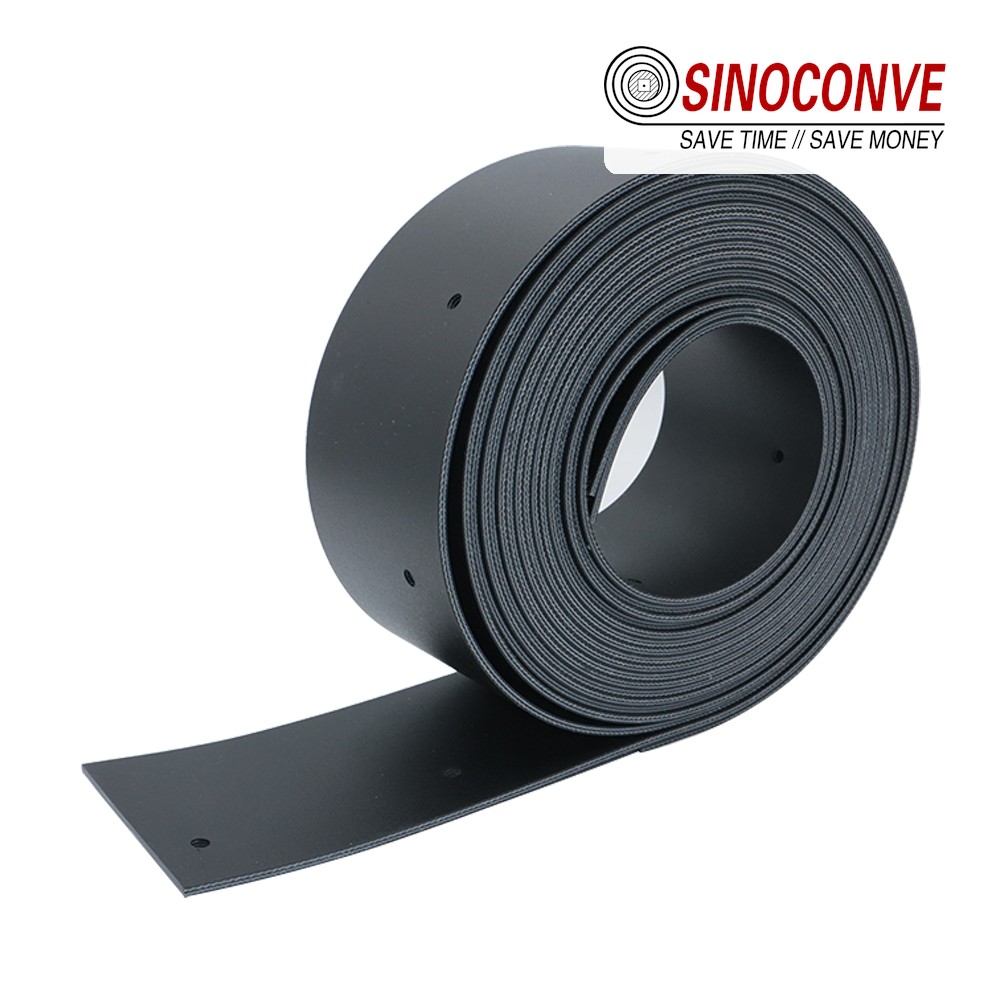
Smooth PVC deck belt before installation at the picker station.
02 Four Positions, Four Different Belt Decisions
Draw four boxes on the line sketch: receiving, primary feed, picking or optical sorting, and residue. Then write what reaches each belt after the previous machine has done its work. A tyre, bottle and wet bag may arrive together at the first box; the optical deck should see a much thinner, more uniform stream.
Mark up the recycling plant conveyor configurations page with the actual chute heights and reject fractions. Treat the website drawing as a map, then write your machine numbers on top of it.
Receiving and Bag Opening
A concentrated bruise under the feed may be a support problem. A long score beginning beyond the chute suggests a point of contact. Note where each mark starts before buying a stronger carcass; the two patterns call for different work.
Look at the feed with material on it. Is the chute throwing across the belt? Does the impact zone fall between support sets? Correct the landing and support before assuming that ply count will absorb every lump. The belt strength still needs its own tension calculation.
An Optical Deck Has to Present the Material Consistently
One item per view, a predictable background and a joint that does not kick the material: these are questions for the sorter vendor. Have them state the accepted surface colour, finish, speed and flatness. A light smooth belt is common here, yet the installed pulley and waste stream still decide whether that particular construction can run.
Ask the sorter maker how much joint height and lateral travel it can accept. Put those limits in the belt order. Then run a loaded calibration with the installed industrial conveyor belt; the sample swatch will never show how the joint behaves at speed.
| Line position | First damage to look for | Construction direction | Measure before quoting |
|---|---|---|---|
| Receiving after bag opening | Impact bruise or a cut below the chute | Impact capable fabric belt with suitable cover | Drop, largest lump and support pitch |
| Wet feed to primary trommel | Swollen cover, wet edges, open joint | Liquid compatible cover and protected edges | Leachate, incline and smallest pulley |
| Optical sorting deck | Unstable tracking or a raised joint | Smooth stable belt approved by sorter maker | Speed, surface requirement and splice limit |
| Residue or reject line | Glass scores and gouges | Cut resistant cover over adequate carcass | Reject composition, drop and hours |
03 Do Not Copy a Belt Specification From Another Recycling Stream
A shared spares shelf is convenient until someone fits a tyre line belt to a wet presort. The word 'recycling' on both purchase orders is no evidence that the covers, joints and cleaners see comparable duty.
Electronic scrap brings sharp board edges and conductive dust. Check puncture and housekeeping at that machine; the belting for electronic scrap shredding lines deals with the stream. The sump chemistry from household refuse says little about this line.
A length of bead wire can hook the cover and ride with the moving belt. Inspect what comes past the separator before selecting breaker and rip protection. The conveyor belts in tyre shredding and granulation plants gives the tyre line context.
Demolition feed raises the drop and lump weight questions; protruding rebar can make an ugly first contact. Use the construction and demolition debris belt guide for that route. It deserves a separate load point drawing.
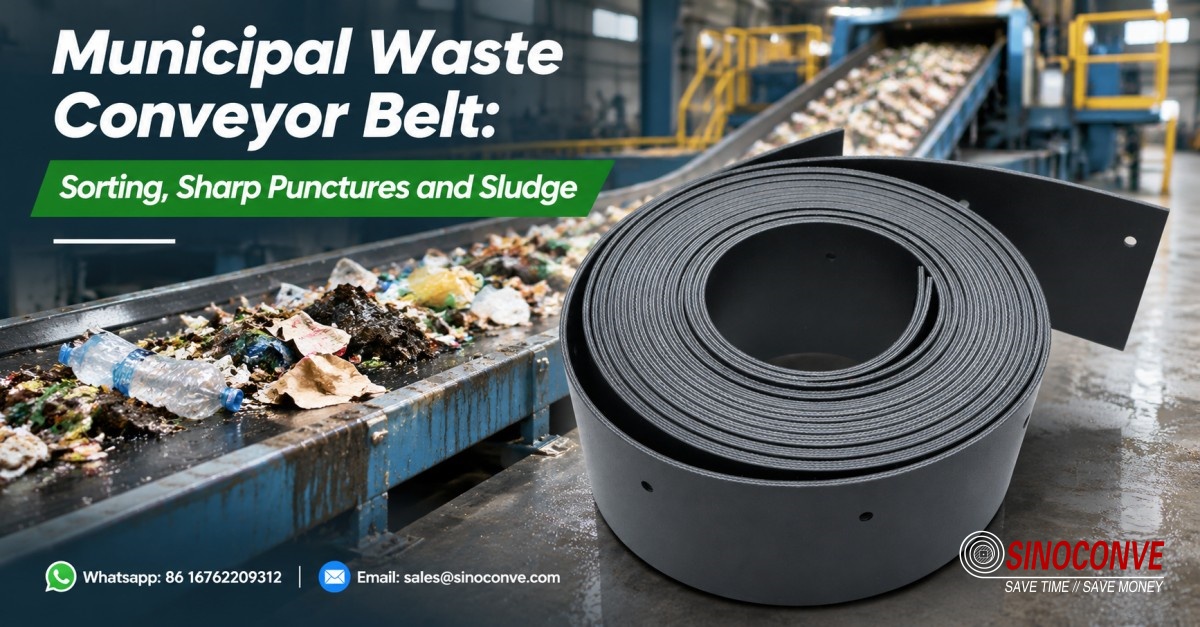
At municipal presort, keep the three recurring clues together in the log: shallow scoring, sticky return and wet splice edges. If the intake also accepts bulky commercial loads, state that exception rather than burying it in a generic 'MSW' description.
Where one facility handles several streams, keep separate belt schedules and identify the shared components deliberately. The wider conveyor configurations across different industries can help organise the drawing, but the quotation should name the feed at each machine.
04 Choose the Cover After Looking at the Liquid and the Cut
Put the failed presort strip next to the reject strip. One may have grown soft, the other may have lost chips of cover while still feeling hard. Their appearance makes a stronger argument for separate compounds than a single plant-wide grade code.
Fats and Oil: Ask for an Immersion Result
For fat exposure, obtain a nitrile formulation candidate and immerse it in the plant's liquid. Record volume, hardness and adhesion before and after. Put a project-specific acceptance value next to each result in the quotation. A mineral-oil-only certificate belongs in a separate column; kitchen grease and wash detergent are another exposure.
Cut Resistance and Flexing Must Be Checked Together
A narrow point cuts by pressure. On the reject belt, compare tear and cut results as well as abrasion. A thin smooth thermoplastic deck has advantages for single-layer sorting; the same deck underneath a high drop may be the wrong place for it.
Measure every snub, including the one hidden behind a guard. Add the belt-and-joint pulley limit to the rubber conveyor belt drawing. A mismatch at that point means revising the construction or the frame before ordering.
For the wet station, consider what happens after the shift rather than what a compound label promises. Can an operator reach the dirty surface? Does water leave via the drain, or pool beneath a roller? Put the cleaning agent on the chemical compatibility sheet. Inspect the return the following morning.
| Cover material | Wet duty check | Cutting duty check | Line position |
|---|---|---|---|
| Nitrile based rubber | Test in actual leachate for volume change | Check cut and tear values as well | Wet primary feed |
| Smooth thermoplastic | Check wash chemical compatibility | Check impacts and pulley flexing | Picking or optical deck |
| Cut resistant rubber | Check fat exposure separately | Compare cut test and adhesion | Residue and reject line |
| Profiled surface | Fines may lodge in the pattern | Rib roots and edges need inspection | Incline where plain cover rolls back |
05 Carcass, Support and Splice: Keep the Sorting Deck Predictable
Watch the picking deck full and empty. On a wide belt, bottles may settle toward the centre or one edge even though the empty run looks level. A measurement of the loaded profile at two or three stations is more useful than a photograph from the head.
Set Cross Rigidity With the Machine
Compare the weave and ply schedule with the support drawing at the proposed tension. Another ply changes weight and bending behaviour as well as strength. The loaded cross section is the question to settle with the supplier; the longitudinal rating answers only the pull along the run.
A shallow deck spreads items for picking. Put its real trough angle and support pitch on the request for quote. The receiving section may use the same width but a different arrangement under its drop.
Loaded drift is an investigation, not a verdict on the belt. Is the feed off centre? Is a return roll packed? Does the frame sit square? Compare elongation data when assessing wholesale conveyor belts, but inspect those machine details before replacing a sound roll.
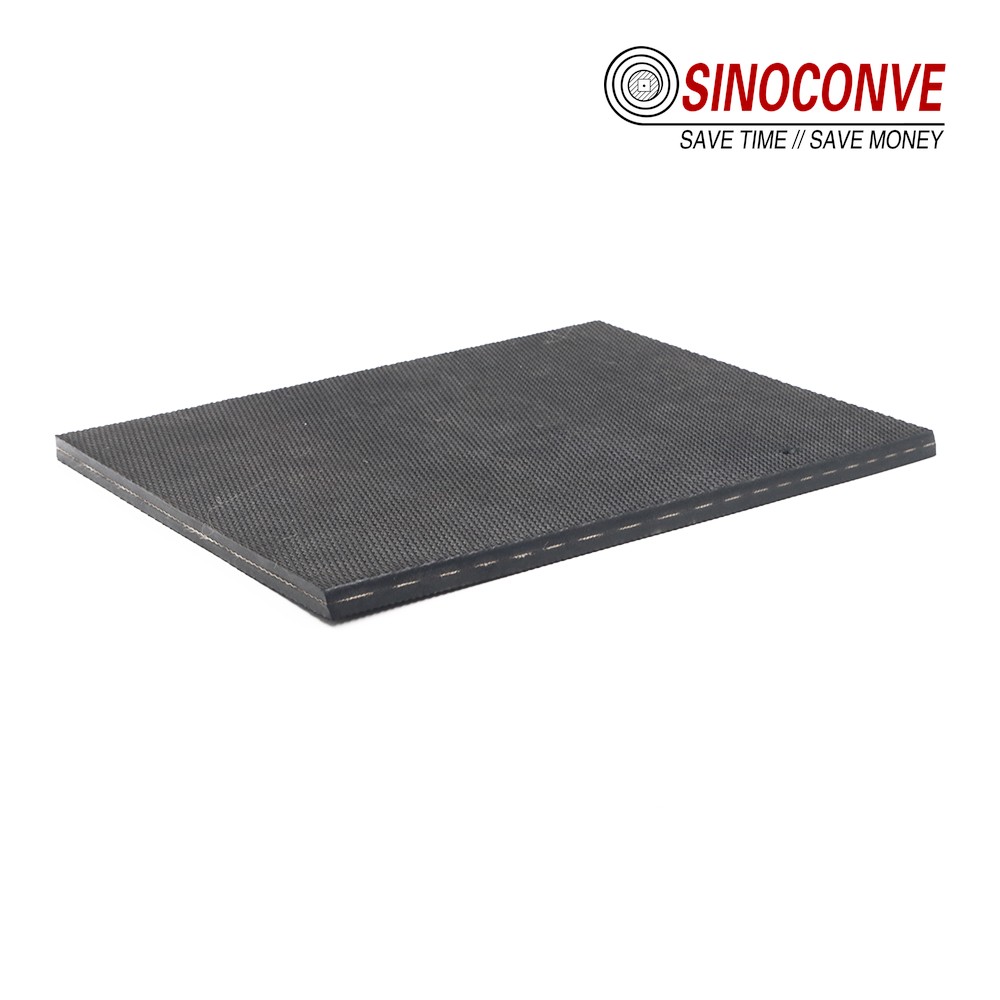
Cover thickness, ply lay-up and edge construction on a rough top belt built for a wet pre-sort deck.
Splices and Edges on a Wet Line
At the wet station, a lifted joint edge is a snag and a liquid path. The order should say 'endless' or 'open length' plainly, with the person or contractor responsible for the finished site splice named.
Choose the joint for its material and access conditions. A vulcanised fabric joint or welded thermoplastic joint may work, subject to the supplier's procedure. A temporary mechanical fastener brings holes and projections into a wet, scraper-equipped machine. Check the cleaning hardware against the chosen joint before the line starts.
Look for visible fabric where the belt passes the chute, and check for contact with steel. Seal an exposed edge only after correcting any rub. Put the side clearance in the enquiry. The chevron belt product shows a different product family; do not borrow its dimensions for this municipal belt.
06 Cleaning the Return: Sludge Has to Leave the Machine
Under the head, inspect the return after a dirty shift. A bright carrying face can conceal wet fines falling from below. Mark the first roller with residue, then the last one; if the pile ends at the tail, clean there before touching tracking adjustments.
A Scraper Can Miss a Thin Film
Check the primary blade's contact line across the width. A greasy stripe may remain after loose material has gone. Groove, poor blade contact, lifted joint: inspect each before adding pressure.
For a water trial, sketch the catch tray and drain before installing the spray. Use a dirty run as the reference. If water is barred from that part of the process, trial a dry cleaning arrangement instead.
A second blade and a brush are alternatives worth testing on the remaining film. Inspect the tail after either trial. Our conveyor belt cleaning methods and maintenance schedules compares the arrangements; a clean head with a wound brush shaft is still a failed trial.
Brush Drives and Return Rollers
A brush wears unevenly if one end presses harder. Draw its access envelope before guards go on. Allow enough room for bristle replacement and for removing fibre wrapped on the shaft under isolation. With a wet friction drive, check for slip during the dirty run.
Write down the brush drive V-belt section and length. A spare chosen because it 'looks close' can work empty and slip on the first sticky shift.
On the return sketch, mark the space beneath a proposed spiral roller. If shed material has no clear exit, expect another accumulation point. The guard must still allow a cleaner to reach it; see the cleaning the return side of a conveyor belt note for the rest of the return path.
Leaking bales keep this problem alive after sorting. Check the outbound return as well as the waste transfer and warehouse handling page layout, with particular attention to drainage near bearings and joints.
| Device and position | Job on the line | Failure sign | Routine check |
|---|---|---|---|
| Primary blade at discharge | Remove loose pieces | Uneven contact or smear remains | Blade pressure and wear |
| Spray before secondary cleaning | Loosen film where water is allowed | Blocked nozzle or poor drainage | Pattern, strainer and runoff |
| Powered brush after blade | Lift persistent film | Wound fibre or worn bristles | Contact width and drive |
| Return roller before tail | Shed residual carryback | Packed discs or pile beneath | Roller and floor clearance |
07 Write the Enquiry So the Supplied Belt Fits the Line
The purchase order should identify each belt by machine position. State whether the price includes an endless loop, an open roll, a site splice, installation and commissioning. These details are easy to miss when two bids show the same width, strength and cover thickness.
Dimensions to Put on the RFQ Sketch
At the frame, record tail and snub diameters, take-up travel, feed drops and width. Add support pitch, incline and trough angle to the same sketch. Alongside the normal throughput, describe the occasional bulky load the intake actually sees.
Now specify top and bottom covers, fabric, edges, joint, and minimum pulley. Add the test method and acceptance value for each critical property. A grade name by itself leaves the inspection team with nothing to measure.
List auxiliary drives separately. A trommel, fan or wash pump may use a V-belt drive, while the main carrying belt has different dimensions and inspection needs. For baler and outbound sections at the edge of the process, see industrial equipment conveying and keep their spares distinct in the order schedule.
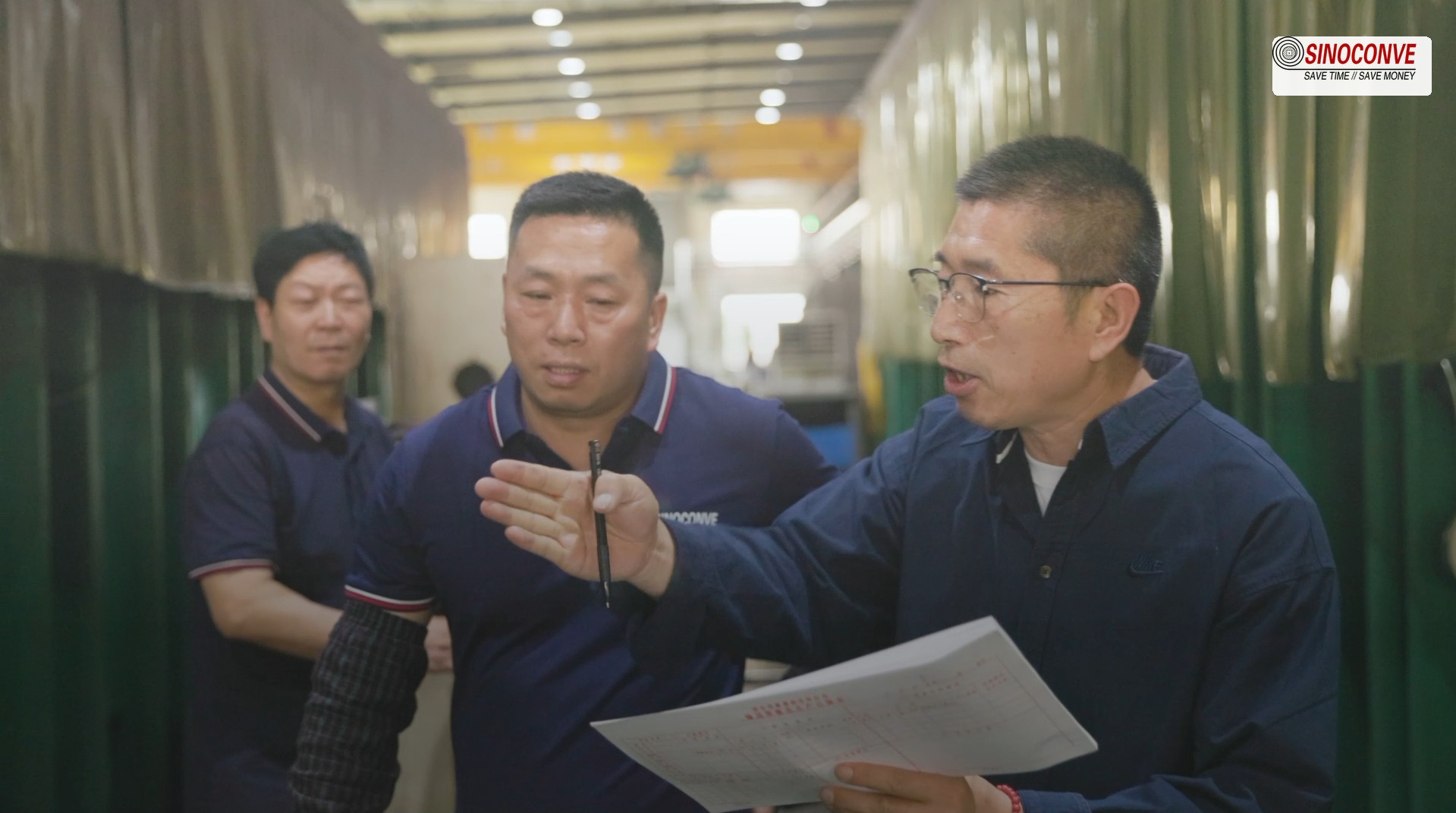
Cover thickness and splice inspection at the works, before a municipal sorting belt is rolled for shipment.
Keep the inspection sheet with the roll number and the order. List the batch measurements; for an endless belt, attach the joint procedure and check record. Ask the conveyor belt factory to make those identifiers match the item delivered to the dock.
Arrival Check and First Loaded Run
Check the label before unrolling. Measure width and covers, then photograph any damaged edge while the roll is still accessible. At an optical sorter, check the finished joint against the vendor's step limit before running material.
The first loaded run is the time for notes, not simultaneous adjustments. Watch each transfer and the return, with special attention after a wet shift. Record where the first score begins and whether drift follows feed changes. Once several idlers have been moved, the original clue is gone.
| Enquiry item | Plant measurement or decision | Reason for recording it | Acceptance evidence |
|---|---|---|---|
| Smallest pulley | Tail and snub diameters | Limits belt and splice construction | Approved belt drawing |
| Top and bottom cover | Separate measured thicknesses | Controls wear allowance and flex | Roll inspection record |
| Leachate exposure | Sample and cleaning chemicals | Guides cover compatibility test | Named method and result |
| Splice and supply state | Endless, open or joined on site | Changes installation and joint risk | Procedure and joint record |

08 Questions From Municipal Sorting Lines
Will glass cut through a standard cover quickly?
There is no useful service life figure without the glass content, drop, skirt condition and running hours. Inspect the first scores at the loading zone and beneath the skirt. If the carcass is being exposed while most cover remains intact elsewhere, correct the trapping point and compare cut performance of proposed covers rather than simply ordering extra thickness.
Does cooking oil automatically rule out rubber?
No. Put the candidate compound in the actual plant liquid and inspect its change after exposure. A nitrile based cover may suit the duty, but the joint and cut edges still need protection from the same liquid.
Why does a replacement change an optical sorter's rejects?
Compare the old and new belt surfaces in the sensor's view. Colour, sheen and the finished joint can all matter. Check tracking at operating speed, then run the equipment maker's calibration with the replacement in place. Apply its specified static control if needed.
Is a scored cover worth patching?
It depends on the fabric below the score. A local dry gouge can sometimes be repaired. Exposed or delaminating plies and a travelling tear call for isolation and a splicer's assessment, especially if leachate has reached the joint.
Why does an empty belt track well and a loaded one drift?
Watch the feed point first. Material landing to one side, a full tail pulley or a crooked idler may be enough. If the machine checks out, measure loaded elongation and inspect the carcass. The symptom alone cannot identify the cause.
How should replacement timing be budgeted?
Keep each machine's own record: hours, thickness at the same marked points, first cut location and repairs. Compare one wet presort belt with its successor, not with an optical deck somewhere else in the building. That record will show whether the new cover or the new cleaner earned its cost.
Related Products You May Need
- EP fabric rubber conveyor belt for trommel feed and residue lines
- Smooth PVC sorting deck belt for optical and picking stations
- Oil resistant cover for fat-rich municipal waste streams
- Rough top belt for short inclines feeding the trommel
- Corrugated sidewall belt where the layout has no room for inclines
Related Blog Posts
- What a recycling conveyor belt manufacturer should ask before quoting
- Choosing an oil resistant belt for wet recycling streams
- Belt selection for glass cullet handling and sorting
- Reducing carryback sludge on wet material conveyors
- Splice or mechanical fastener: which joint fits your line
- How cover grades are described and what the labels hide