

Glass Cullet Conveyor Belt: Sharp Shards, Heat and Colour Sorting
From the aisle you see a sound cover. At the skirt, you may find the fabric exposed. That is why a quick glance across the top of a cullet belt tells so little. Before choosing a replacement, I would ask where the glass came from. Fresh factory rejects on a short take-off and mixed bottle glass at a recovery plant are different jobs, even when both purchase orders say “cullet.”

01Hot Take-Off and Cold Recovery Are Two Different Duties
Think of a short reject take-off squeezed between machines, then of a wet recovery feed crossing several transfers. The word cullet appears on both orders. The temperatures, pulley sizes and unwanted items in the load have to be written down separately; a bottle-bank shard can still have a keen edge. Measure the temperature at the actual loading point and look at the largest pieces that land there.
What leaves the container plant and what arrives at the recovery plant
The two sites give you different inspection clues. For factory rejects, log the stationary pile temperature, not just the normal running value. For recovered glass, remove the skirt cover and photograph the jammed pieces. The drawing should accompany both records.
| Location | Material arriving | First site measurement | Damage to inspect | Specification direction |
|---|---|---|---|---|
| Factory reject take-off | Newly broken pieces, sometimes warm | Glass and cover temperature at load and after a stop | Local cuts, heat ageing and flex cracks | Check compound temperature limit and smallest pulley together |
| Mixed-glass recovery | Wet shards with fines and stray packaging | Size range, moisture and drop height | Edge cuts, trapped pieces and carryback | Check cut and tear resistance, sealed edges and cleaning access |
02Where This Belt Sits in Your Line
Draw the route before discussing cover thickness. Put three marks on the layout: the chute beneath the hopper, the picking bed and the sorter feed. One belt grade across those marks is possible only after comparing their loading and pulleys. Screened fractions also behave differently from large mixed pieces. The belt is successful when it delivers the intended size and spread to the next machine without dropping glass into its own return run.
Reading the three pages in the right order
For the whole plant layout, our recycling line belt range is a useful starting point. Belt solutions for container and packaging plants concern the equipment around a glass-making line; belts matched to crushing and sorting equipment deal with another interface. The recycling conveyor system guide addresses route and purchase planning, while the cleated belt notes for recycling lines address incline profiles. Here the question is narrower: what must this particular belt survive at its loading, discharge and return points?
03Cullet Cuts, and Cutting Is Not Abrasion
An abrasion number describes gradual surface loss in a test. It cannot tell you whether a long glass point will open a cut above an unsupported span. Look for narrow cuts that reach fabric while the broad center of the cover retains its original texture. If the loss is wide and even, then ordinary wear is back in the discussion. The two patterns should not be entered under the same failure code.
Hardness is only one number
An impressive Shore A value says little about a slit left by a pointed bottle base. Compare tear data and the proposed belt on the smallest pulley. If possible, put actual cullet on a sample. Extra cover buys depth above the fabric, but the landing point still needs support.
Where the first cut appears
Map the damage against the machine. Cuts directly beneath a drop chute suggest impact and support deserve attention. A long slit beside a skirt suggests a fragment held against the moving edge. A repeating mark at one pitch on the return cover points toward a roller, pulley or trapped shard. With the system isolated, check underneath the belt too. A cover grade change cannot correct a metal lip that catches glass on every pass.
04Compound, Thickness and Carcass: Three Decisions, Not One
Start with the smallest pulley and the loading arrangement. The short take-off may have no space for a bigger nose pulley. Put its diameter on the quote request and have the maker approve the complete build, joint included. Only then settle the cover gauge and carcass.
What extra thickness buys and what it costs elsewhere
At a cut site, extra rubber may delay fabric exposure. It also changes belt stiffness, pulley bending and the geometry at a close transfer. Compare the proposed total thickness with the existing nose and snub pulleys before accepting a thicker quote. The return cover should be specified for its own contact and cleaning conditions rather than copied from the carrying side.
What a crown cap or a ceramic shard does differently
A cap can wedge at a skirt or cleaner. CSP—ceramics, stones and porcelain—has to be removed for glass quality as well. A cap caught at a skirt may keep scoring the belt until someone clears it. Separation upstream and a reachable tail are part of the answer; a different rubber compound cannot extract a trapped piece.
05The Hot End: Warm Shards and Nowhere to Put a Transfer
The phrase “hot take-off” needs a temperature reading. Do not place rubber under newly formed glass on the strength of a “heat resistant” label. If the route begins beside the former, first establish where the reject has cooled enough for belting. Log the contact temperature during normal running and after the longest credible stop. A pile of warm rejects sitting still can expose one patch longer than a moving stream does.
Why a warm shard grips harder once the line stops
The question is whether pieces embed while the cover is warm and remain there through a cold start. A chalk mark at the stationary pile makes the next morning inspection easier. Photograph that patch cold. A pit under the reject drop suggests embedded glass; a transverse crack appearing at the nose suggests a bending or ageing problem. The furnace reading says nothing about the rubber contact point. Quote the measured contact cycle to the compound supplier.
06The Cold End: Water, Fines and Fractions You Did Not Order
Watch the material after rain or washdown. On a wet shift, look under the skirt and ahead of the tail before the line is cleaned. Cut edges with loose yarn or a lifted ply need attention, even if the carrying face looks good. Record the condition of that deposit before the cleaner touches it.
Why the return side turns into a lapping compound
Find the first place where fines collect on the inside of the belt. It may be a transfer, a return roller or the tail. A deposit there is pressed repeatedly between moving surfaces. A cleaner that drops grit onto the next return roller simply moves the problem. Give the discharge a tray and check it after one shift. The picking bed may use a thin smooth belt; a chute under heavy cullet may call for rubber. The transfer details settle that choice.
07What the Optical Sorter Sees
Get the camera layout from the sorter supplier. Is the cullet photographed against the belt, a chute, or air? Cover colour is a specification item in the first arrangement. In the others, discharge and particle spacing matter more than its shade. In every design, steady feed presentation matters: a ridge, overlap or unexpected bounce can give the camera less useful information and make the ejector's job harder.
Wear moves the background the sorter was taught on
If the camera sees the belt, show the sorter vendor both a new sample and the polished lane from the old one under working lights. Record the approved finish and the calibration procedure. For chute or free-fall inspection, film the release at the nose; a lumped feed will defeat a good background.
08Spillage and Tracking Cost More Than Cover Wear
Trace the escaping glass back to the chute
Clear the tail, run the conveyor loaded and find the first leak. It might start at one damaged skirt corner, well before the mound beside the pulley. The mound is evidence of a leak; it can also disturb tracking once it lifts a return roller.
| What you find | Confirm at the machine | First action |
|---|---|---|
| One edge polished beside a skirt | Running gap and frame alignment at several points | Correct contact and check after a loaded run |
| Fines ahead of tail pulley | Source of return-side deposit | Capture discharge and clean before the nip |
| Tracking changes after buildup | Roller load and accumulated material | Clear buildup, then survey geometry |
| Short longitudinal edge tear | Nearby lip, guard or trapped fragment | Remove snag and assess repairability |
Slip is another fault to separate from cuts. If the drive slips after a wet shift, check what is on the drum, the lagging and take-up position. Simply pulling harder on the belt can hide a dirty contact face. The V-belts on the drive, where fitted, have their own dimensions and order line.
09Splices in a Shard Stream
Inspect the existing joint after a full shift, especially where it passes the skirt and cleaner. Look into the hinge recess on the old fastener: is it packed with glass? If so, compare an approved vulcanised splice with the available installation access. Its edges must lie flat and pass the cleaner without lifting. Endless construction may be convenient for a small take-off if the frame allows installation. The machine layout and belt maker's joint procedure decide; there is no splice type that can be named for every cullet line.
10Cleaning, Water and What Each Method Costs
A cleaner should remove shards without turning them into a blade between cleaner and cover. Check its contact pressure and the path of the removed glass. A spray can help with dusty, wet duty when the belt, edge and bearings are specified for it and drainage is controlled. Water aimed into a cut edge or a bearing seal creates another repair. Try the proposed routine on a small section, inspect the return after a shift, then write the settings into maintenance instructions.
11Acceptance, Spares and What Belongs in the Enquiry
The useful enquiry is a drawing and a handful of measurements, not “belt for glass.” Include the worst feed that the belt actually sees. A photograph with a scale beside the largest shard can be more instructive than the plant's annual tonnage.
| Information to supply | Why it changes the proposal | Acceptance check |
|---|---|---|
| Shard size, shape and loading drop | Cut, impact and support requirement | Trial or agreed test evidence |
| Measured temperature at belt contact and stoppage | Compound ageing and safe operating range | Maker's temperature rating for the cycle |
| Wet/dry cycle and cleaning method | Edge and splice sealing | Inspect seal after wet trial |
| Smallest pulley and center distance | Total thickness and joint flexibility | Confirm minimum diameter in writing |
| Sorter model and sensing arrangement | Feed presentation and possible background requirement | Approve sample with sorter maker |
Stock a spare around actual lead time and the cost of stopping that conveyor. A spare loop that cannot be threaded through the frame is no spare at all. Decide in advance whether the guard and take-up permit endless installation. Keep the replacement drawing and joint method with the part number.

12Questions from the Cullet Line
Can we run an ordinary EP belt on cullet?
Possibly, if the shard size, loading point, pulley and expected life suit that construction. Have the maker show how the proposed build performs in tear testing. On the old belt, record the deepest local slit and remaining cover above fabric.
Do chevron or cleated profiles help with glass?
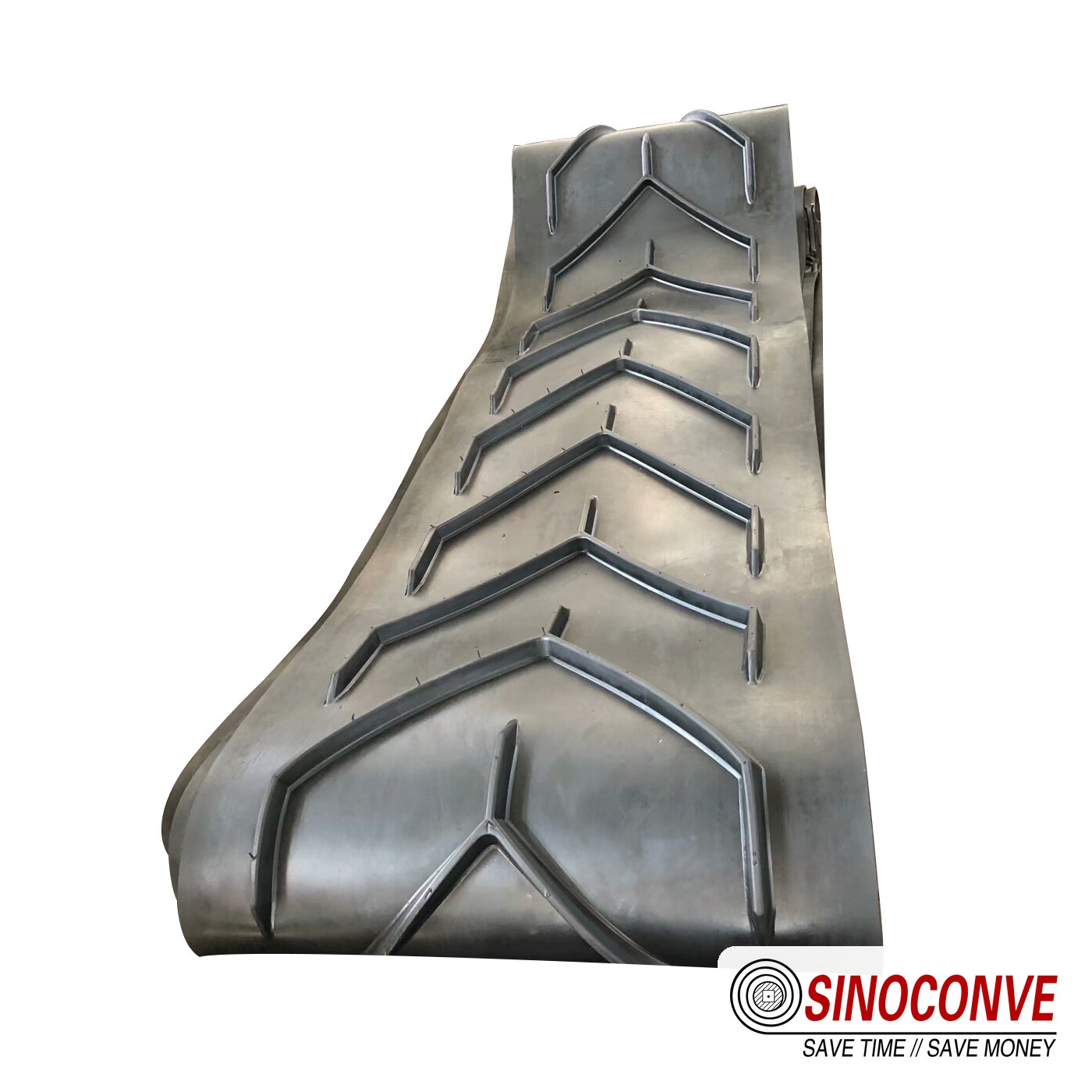
They can restrain rollback on an incline. After a shift, inspect the roots of the cleats for trapped grit. Where a camera sees the belt, obtain approval for the profile and its shadow in the sensor field.
Which fails first, the edge or the top cover?
Follow the first visible defect. A rubbed skirt edge, a cut beneath the chute and a crack at the hot nose call for three different fixes. The location of the first defect is the better clue.
Is wet washing acceptable on a glass recovery line?
It can be, provided the line drains and its joints and bearings tolerate the chosen method. Immediately after a wash, check beneath the return and at the edge seal. Keep the allowed spray pressure with the maintenance instructions.
When does belt colour matter to the optical sorter?
When the camera looks through the cullet onto the cover, yes. Get that surface signed off by the sorter maker. A chute or free-fall machine may never image the belt; in that layout, film the feed as it leaves the nose.
Which splice should we specify?
Choose against the pulley size, access and exposure to glass and water. Review the finished joint profile, adhesion and cleaner clearance. Inspect the finished profile and bond regardless of where the joint was made.
What damage calls for replacing the belt?
Visible fabric, a growing slit, a lifted joint or separation between plies calls for a planned stop and assessment. Compare photographs and measurements over time instead of using a fixed month count.
What should we keep as spares?
Keep the belt or repair materials that match the critical line's dimensions, construction and splice procedure. The number depends on replacement lead time, installation access and downtime cost.
Related Products You May Need
- Rubber conveyor belts for cullet feed and transfer runs
- EP fabric belts with cut-resistant covers
- Heat-resistant belts for hot take-off duty
- PVC belts for picking and sorting stations
Related Blog Posts
- Abrasion resistance where the material is sharp
- EP belt tracking, from frame to loading point
- Sealed rollers for fine dust and glass fines
- Cleaning methods and their real maintenance cost