
An empty test run can be misleading. Watch the belt while the pit is actually taking grain. A drift that appears only under load is a clue about the falling stream. The training roller can wait. At the first return roll, a lump of dust on the left of the shell is worth bagging or at least photographing. See if it grows back by tomorrow. The top cover may be fine while an edge is already rubbing on steel. This is why I would not order one stock construction for every conveyor in a grain house.

01What Wears First in a Grain House
A belt can look surprisingly fresh when it is taken off a grain elevator. The trouble may be confined to a narrow edge, or to a joint that was started under load one time too many. Ask the crew which silo spout was open when the belt walked. On the return, one dirty roller can give the belt a sideways shove each time it passes. The top may show no sign of it. Measure the cover too. But for this failure, the edge tells the better story.
Look at the edge before the cover
Start at the head pulley and follow a pinch of loose grain. One house will drop most of it straight onto the floor. At another, the return brings it back to the intake and piles it under a skirt. The latter can grind one side of the belt for weeks. An apparently sound centre cover says very little about that narrow strip. When you contact the conveyor belt manufacturer, send a photograph of the dirty conveyor as well as one of the belt. It gives the edge damage a location.
There are pits where more top rubber is a fair choice. But suppose the loaded stream always lands left of centre and the skirt is tight on the right. A thicker belt will still be pushed sideways. It may be heavier to start as well. The useful record here is plain: feed position with grain running, the rubbed edge, the state of the first return roll and the remaining take-up stroke. You can collect all four during one intake shift.
02Map the Belt to Its Position
The bucket elevator may stand beside this conveyor, but its buckets and fasteners are a separate job. Here we're dealing with the troughed runs between pit, dryer, silo, reclaim and loadout. Put a number on each run in the site sketch. I mark the dryer exit, the oilseed route and the dark corners at the changeover points. A drawing that stops at width and centre distance misses those awkward corners.
Our grain and harvest handling belt solutions page follows the whole plant. Here I walk the conveyors in order, starting at the pit. The intake belt has to receive a messy tip; the upper gallery may carry cool grain with almost no impact. At the pit, I want to see what the impact bed looks like; upstairs, I want to open a skirt and find out what is caught behind it. Both belts might be 800 mm wide. That fact alone says almost nothing about their jobs.
Adjacent duties need their own answer
Some familiar advice belongs to another machine. The seasonal, mobile duty is in agricultural conveyor belts on farm equipment. The soaked material of a malt house is discussed in conveying grain through steeping, germination and kilning. For port work with a troublesome incline, there is steep transfer and spillage at bulk terminals. Each can supply a useful detail. None tells you what is stuck behind the skirt in this particular grain house.
For a group order of wholesale conveyor belts, I would tag the dryer discharge and the oilseed route separately on the equipment list. The quiet gallery runs may share a stock belt. Add a measured temperature beside the dryer run and the annual seed schedule beside the other. Those two notes are small, but they tell the person quoting the belts where a standard cover may be a poor fit.
| Run | Incoming grain | What to check | Belt discussion | Cleanout |
|---|---|---|---|---|
| Intake | Damp chaff, occasional debris | Tip lands left? Skirt packed? | Drop support and edge clearance | Pit, head, return |
| Dryer exit | Warm, dry | Cracks at bend? Take-up travel? | Temperature and pulley diameter | Fines at transfer |
| Silo top | Dry and dusty | Rolls coated? Spout shifts load? | Cover and electrical records | Tripper pockets |
| Reclaim | Stored; perhaps damp | Full start? Wet return? | Joint and tension reserve | Tunnel low points |
| Loadout | Intermittent, off-centre | Edge spray? Boom position? | Impact support and tracking | Spout ledges |
03Receiving Starts With the Loading Point
The pit is easiest to understand with a truck still on the grid. The first rush may bring chaff and a damp clump, and this particular load might strike well left of the belt centre. When the hopper empties, does the edge return to its old position? That difference matters. I mark the landing point on a sketch and make a note of which truck was tipping; it is more useful than a photograph of the conveyor running empty.
Setting the skirt without trapping grain
The skirt is often adjusted to stop a leak, then forgotten. Open it at a scheduled stop. Are kernels wedged under the rubber? Is there a matching narrow groove in the cover? That is where I would look for an edge being dragged. A wide gap leaks; a tight one can rub. Rather than choose a setting from the drawing, observe what the loaded belt is doing and leave enough access to clear any trapped grain.
A stone in the intake is better caught ahead of the conveyor. If a hard object gets through, keep it with the failure photograph when possible. At the skirt the damage might be a straight score. Directly below the hopper, a round hole points elsewhere. Fabric showing at the edge? Check it for moisture during the stopped inspection. The repair ticket ought to record where the sharp material entered. That is the part the replacement belt inherits.
Mid-harvest, the spare industrial conveyor belt from the sister plant is sitting right there on a rack. Lay its carcass and cover specification beside the smallest pulley diameter first. Will it trough on this short incline? The fitter will also need to handle its heavier joint. A lighter fabric rubber conveyor belt could be the one that actually takes the trough, once the chute has been fixed. The answer comes from the machine, not the label on the spare roll.
04Checking a Dryer Discharge Belt
The dryer exit deserves its own line in the equipment list. How hot is the grain on a difficult day, rather than on the day somebody takes a sample? Put a thermometer at the stream where it meets the rubber. The gallery air can feel quite ordinary while the belt sees hotter batches. Keep a piece of the removed belt from the hot run, marked with its location; set it next to a piece from the cool gallery. The difference in feel may be obvious, particularly beside the old joint.
Record the temperature and take-up movement
Where is the take-up pointer now? Last month's photograph would help. If it has moved, there may be more than one explanation, so inspect the splice and installation history before ordering a belt with a grander heat label. The short transfer off the dryer gets many bends in a shift. Note its smallest pulley and the operating temperature in the enquiry. If the take-up pointer is already at the stop on day one, there is no adjustment left after the joint settles.
The maintenance ticket may say “dryer belt” when it means the fan drive. Ask which machine stopped. A hot, slipping fan V-belt should be examined at its own sheaves. Send those dimensions and the drive complaint to the V-belt manufacturer; it is a different fault from cracks in the conveyor cover.
05Filling and Reclaim: Different Starts
Imagine the filling run with the first spout open, then the fifth. Does the grain hit the same part of the trough? Does the shuttle reverse between them? Now picture the reclaim belt after a shutdown, grain still resting along its length. It starts with a very different burden. The joint drawing ought to account for that loaded start. There are layout drawings in inter-silo and warehouse transfer belt configurations; find the one that resembles the site's arrangement before comparing belt choices.
A price request to a conveyor belt supplier is much more useful with a hand sketch of the take-up and the words “starts full” where applicable. Reversal belongs on the same sketch, since a forward-only assumption changes the joint discussion. I prefer to settle the joint drawing before the installation crew is waiting at the gate. A crew arriving with only width, ply count and delivery date has to make too many decisions on site.
06Oilseed Exposure on a Shared Line
On a shared grain route, canola can be a few weeks on the schedule and still change the cover. At the end of an oilseed run, I look for a softer patch near the edge and a splice shoulder that no longer lies quite flat. The silo-top wheat run may never see enough oil to justify the same compound. The operator’s campaign log, especially whether the seed was crushed or intact, is more helpful than the broad word “grain”. That is the sort of detail a compound choice needs.
Decide from the campaign, not a label
Two houses may make different calls on the same short sunflower campaign. One has time to inspect and clean the route afterwards. The other cannot afford a stoppage at changeover and gives oilseed its own belt. A generic oil-resistant label tells little until the supplier sees the seed and the cleaning chemical. Suppose a conveyor belt distributor offers chevron for the slope. Before buying it, put a sample in the cleaning crew’s hands. They'll be the ones getting seed out of it.
07Dust and Sources of Ignition
Look upward after the floor has been swept. There may be a ledge above the transfer still grey with fines. Look above eye level, inside the chute and around the return rolls. The concern is the combination of a deposit, a possible cloud and a source of heat or discharge. A belt order covers only one piece of that picture. Someone responsible for the plant needs to check the bearings, drive, bonding and housekeeping together.
For the proposed belt, request the electrical test information from the conveyor belt factory. Then trace the actual path to earth on the installed machine. A grounding connection removed during a repair will not show up in the belt datasheet. Neither will a slipping pulley, so the speed monitoring and its stop action should be tested at the conveyor. This is a site check, not a rubber sample check.
08Species Change and a Verifiable Cleanout
At species change, I start with the awkward corners. Open a skirt and old kernels may fall out. Check the splice shoulder, the chute ledge and any cleat root next. In one shift the cleaner may never have been told that the rubber could be opened. The next shift then finds a kernel there. For a segregated load, the handover sheet should identify who opened each cover and what was found.
Access decides what can be cleaned
Lift the skirt during a trial cleanout and look for kernels underneath. The visible belt may already have been swept. On a climbing run, a plain surface might not be practical. Put the proposed chevron sample on a bench and time the crew as they clear its rib roots. That extra time belongs in the changeover plan.
The vacuum unit has a little belt drive of its own. When it begins to slip, the cleanout slows even though the main conveyor is healthy. The transmission belt manufacturer will need the actual sheave details to identify its belt. We keep the replacement with the vacuum equipment, not somewhere in the conveyor spares rack.
09At the Truck Spout and Ship Boom
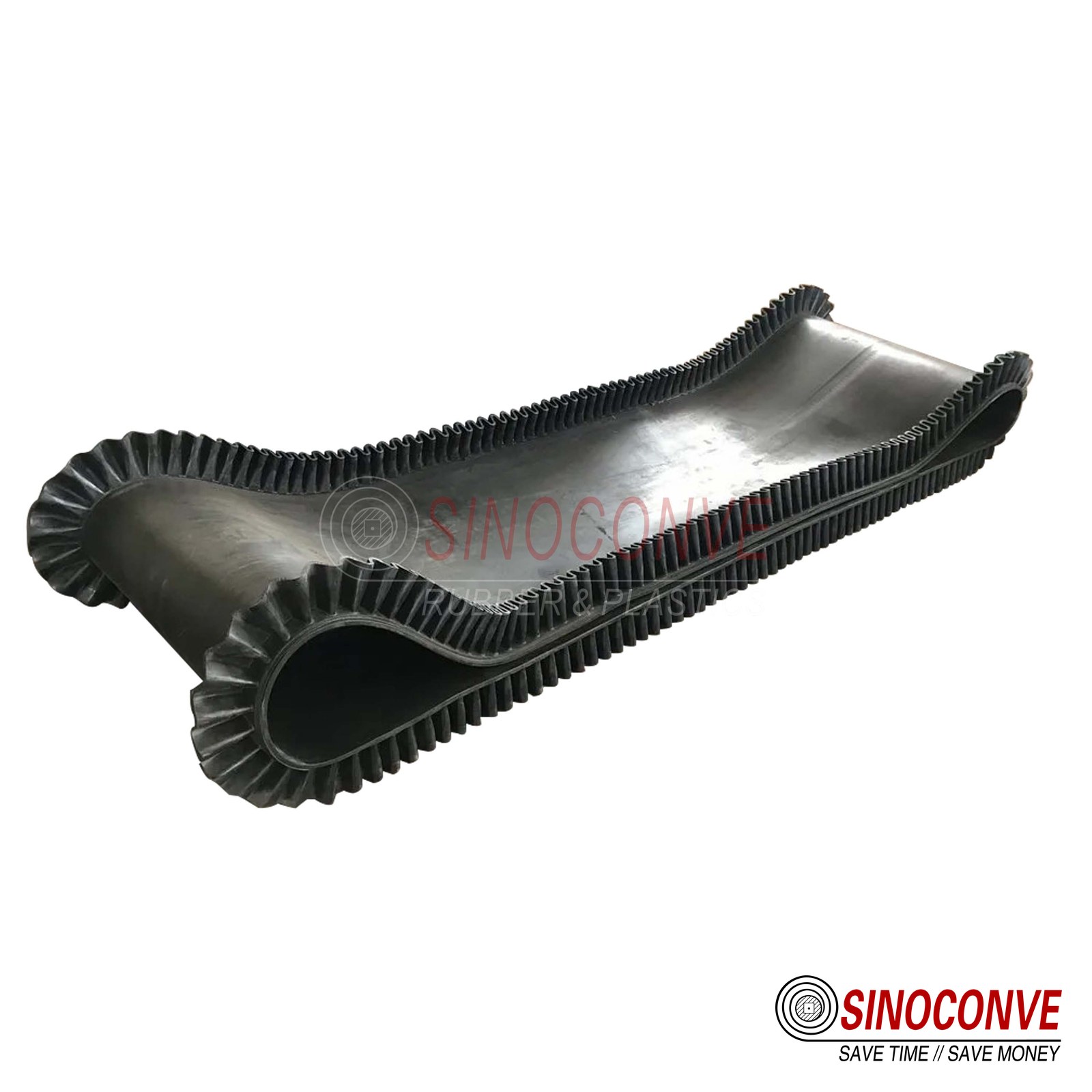
Picture a truck spout with a crescent of grain along the left skirt that returns after every sweep. With material running, the chute may visibly favour that side. The short belt can stop for each truck, giving its joint more starts than the tonnage sheet suggests. At the next planned stop, the fitter should check for a reluctant idler under the stream. The chute and the roll are separate fixes; both are easier to locate when the loading pattern has been observed.
A ship loader can look perfectly aligned with the boom low and lose its centre when the boom is raised. The stream has moved across the trough as the machine changed angle. Make a note at both positions, with material running, and repeat for reverse movement if that is part of the site's operation. Our ship loading and bulk terminal belt arrangements place the loader in the terminal layout. The drawing for this particular boom still has to show its range and joint.
10Diagnosing Tracking and Tension
“It wanders” is a poor fault report. Which spout was open? Was the shuttle moving forward or back? Did it happen only with grain aboard? An idler set to guide a forward run may be badly placed for reverse travel. I would write those answers on the frame drawing first, then look for a dirty pulley or an unsquare idler. Training a belt with no load can hide the very movement the crew reported.
The take-up pointer should have a little history attached to it. Draw a line at commissioning, then photograph it after the first loaded week. A screw arrangement has only so much movement available; on a gravity take-up the travel has a different meaning. If it is close to the stop, ask what changed before anyone cuts out a length of belt. A splice that settled, a slipping drive or a loaded start can each send the investigation in another direction.
| Reported problem | Look here | Then |
|---|---|---|
| Walks with one spout | Feed point, both skirts | Move feed; reset skirts |
| Return dust | Head scraper, first roll | Clean; adjust scraper |
| Joint corner opens | Joint drawing, start load | Find cause; remake joint |
| Dryer-side cracks | Actual grain heat, pulley | Review compound and bend |
| Slips on startup | Lagging, tension, dampness | Restore traction |
| Old grain remains | Skirts, cleats, chute | Open and verify |
| Frayed edge | Frame contact under load | Align, then repair edge |
11Acceptance and Purchasing Notes
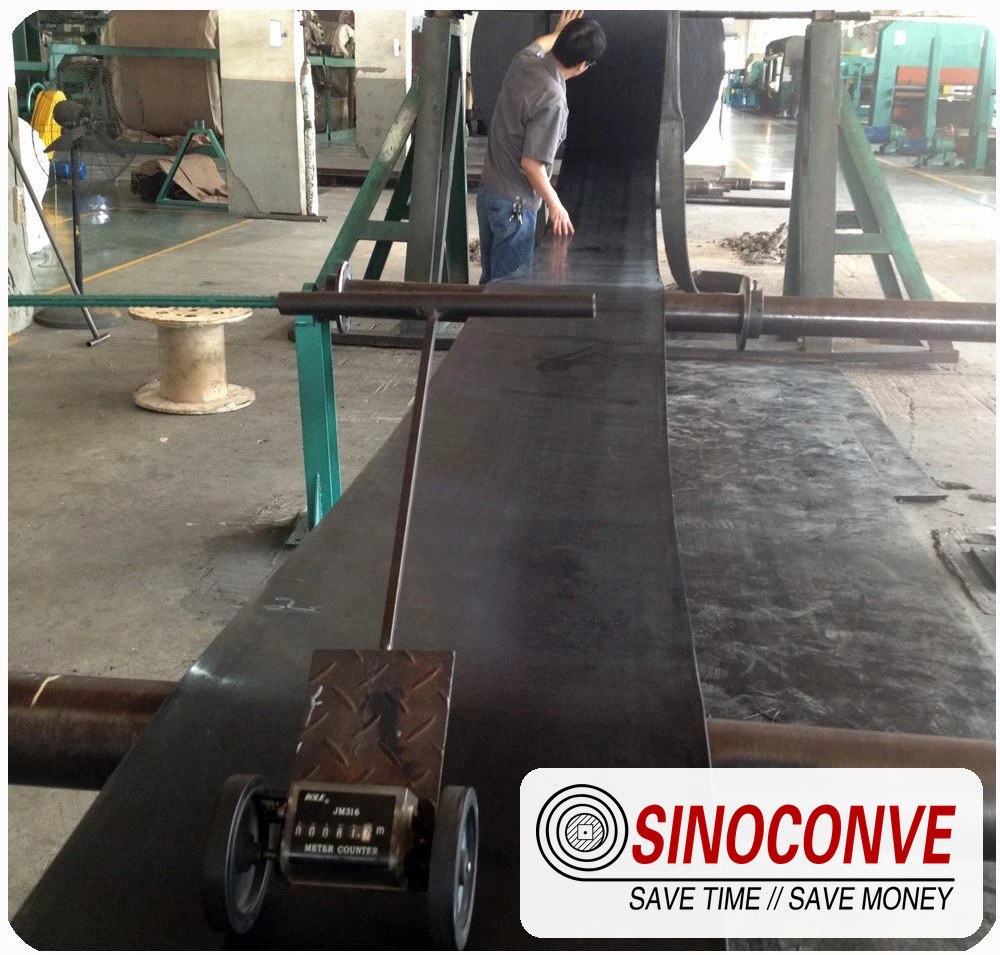
Handover is when the photographs are most valuable. Set a rule next to both belt edges, photograph the joint at its shoulders and note the take-up pointer. The crew can compare those pictures with the splice drawing while everyone who installed it is still there. Then put grain on the belt. I want a record of what it did at each spout, including a reverse run for a shuttle, because an empty run can flatter a poor installation.
For spares, picture the receiving conveyor stopped on the busiest morning. The buyer can then compare a belt length on the rack with the supplier's real delivery time, including a crew to join it. That answer decides the priority. A matched splice kit and skirt rubber belong with the belt. The fan drive has its own V-belts; we list them with dryer supplies so somebody actually checks the sizes before harvest.
| RFQ detail | Why it matters | Acceptance check |
|---|---|---|
| Species and schedule | Oil and residue | Cover matches route |
| Dryer location and heat | Compound and flex | Recorded temperature |
| Joint and crew | Loaded starts | Approved joint |
| Skirt dimensions | Edge contact | Loaded observation |
| Changeover cleaning | Trapped kernels | Verified access |
| Dust-zone requirements | Electrical behaviour | Test and bonding records |
| Take-up stroke | Adjustment reserve | Position marked |

12Questions from Grain Elevator Teams
Is a standard EP belt enough for a grain elevator?
The cool gallery is where I would first consider a standard EP fabric belt. But I would measure its tightest pulley and look at the existing joint before signing that choice. A dryer discharge and a long oilseed campaign deserve their own entries in the purchase sheet; proximity to the gallery does not make their rubber see the same duty.
Do we really need an oil-resistant belt?
The campaign log is the first thing to read. Whole sunflower passing for a week leaves a different question from broken canola carried for months. Show that schedule, and the cleaning chemical, to the compound supplier. At changeover, compare the cover and splice shoulder with their pre-campaign photographs. An unusual softness is more informative than a generic “oil-resistant” sticker.
Should hot grain from the dryer run on its own belt?
Treat the dryer exit as its own belt specification. On the enquiry sheet, leave a box for grain temperature measured as it falls onto the belt, then add the smallest pulley diameter and a photograph of the new take-up pointer. The cool gallery belt across the aisle may provide a comparison later, but it has a different temperature history.
What should be checked in a dust zone?
The site dust assessment should say what electrical record is needed for this belt. I would put that record beside an inspection of the installed earth connection and a test of the pulley slip stop. The state of the bearings and the dusty ledges matters as well. Nobody can infer those things from the label attached to the belt roll.
How do we clean between species?
At the first changeover, I lift the skirt in front of the next shift and let them see the old kernels. Then we open the chute ledge and run a light along the joint. Different tools reach those places; the crew gets to try them while the belt is stopped. On the handover sheet, the locations and the findings go next to the cleaner's name.
Where can cleats hide old grain?
After brushing, a cleat root may still hold a kernel. The short steep lift might nevertheless need that profile. The level gallery has an easier choice. During the trial, put the belt sample on a bench and have the cleaners clear a few rib roots; their time will tell you what the pattern costs at every changeover.
What changes on a moving ship loader?
Move the boom through its normal travel with grain aboard. At its lowest setting the stream may land near a shoulder. Later, at a higher angle, the same stream may fall nearer the centre. Note the belt's position at each setting; a fixed-gallery test cannot tell us how this moving feed will behave.
How should we plan spares and minimum order?
The spare discussion starts with the intake manager's tolerance for a stopped line. Suppose the roll is on the rack but there is no joiner available this week. It has less value than the same roll with a prepared crew. Our spares sheet puts the belt length, matching joint material, minimum order and the real delivery promise on one line, before harvest begins.
Related Products You May Need
- Rubber conveyor belt for troughing runs in grain galleries
- EP fabric-carcass belting for receiving and silo distribution
- Heat-resistant belt for the dryer discharge section
- Full belt range with construction and cover options