

Engineered belt solutions for demanding industries worldwide

Recent Posts
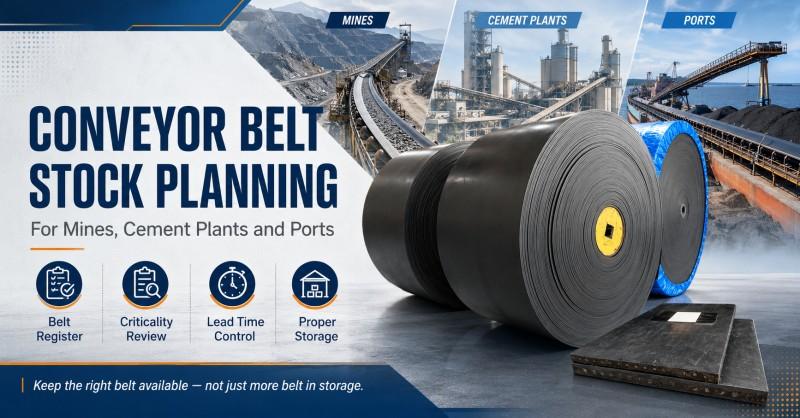
Conveyor Belt Stock Planning for Mines, Cement Plants and Ports

Conveyor Belt Stock Planning for Mines, Cement Plants and Ports

Effective conveyor belt stock planning depends on duty, line criticality, true interchangeability, lead time, storage and installation readiness. This article helps mines, cement plants and ports build practical replacement inventories without tying up stock in unusable belt specifications.
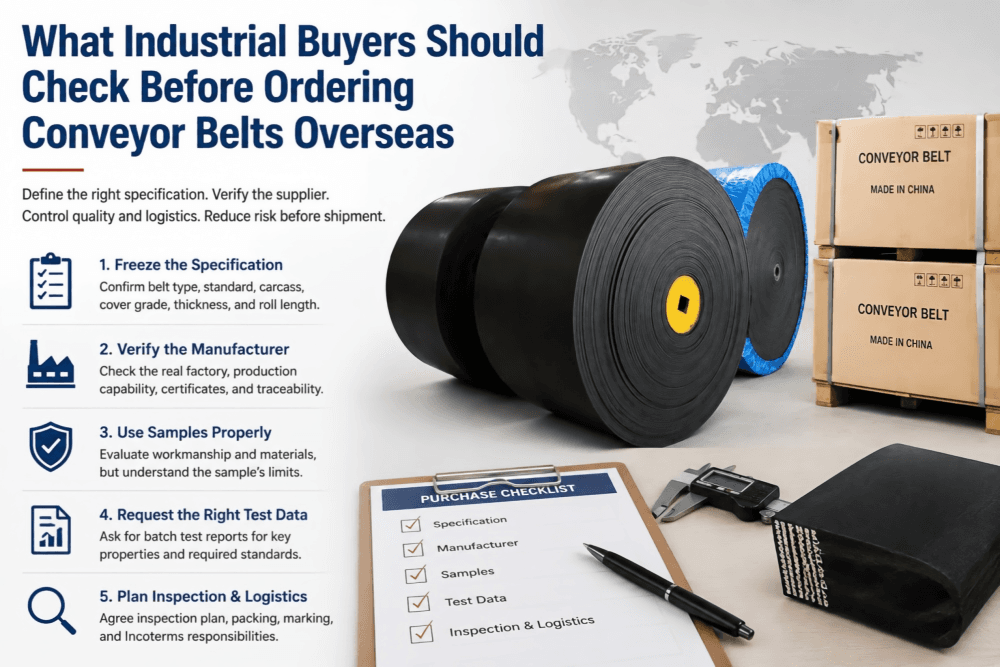
What Industrial Buyers Should Check Before Ordering Conveyor Belts Overseas

What Industrial Buyers Should Check Before Ordering Conveyor Belts Overseas

A buyer-focused checklist for importing conveyor belts, covering specification control, factory verification, samples, test data, pre-shipment inspection, export packing, documentation, Incoterms, and quotation comparison.
Conveyor Belt Sourcing Guide: How to Reduce Replacement Risk and Downtime

Conveyor Belt Sourcing Guide: How to Reduce Replacement Risk and Downtime

Global sourcing risk can turn a routine belt replacement into a production delay. This buyer-focused guide explains how to evaluate conveyor belt manufacturers, define RFQ and inspection requirements, control OEM bulk orders, verify lead time, and reduce replacement risk through better supplier qualification and spare planning.
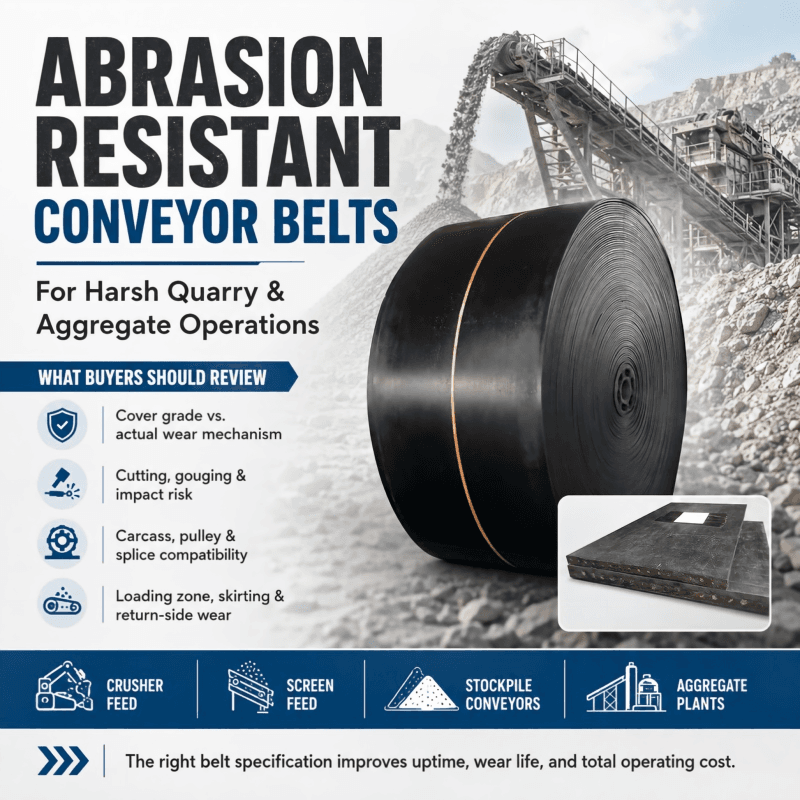
Abrasion Resistant Conveyor Belts for Harsh Quarry and Aggregate Operations

Abrasion Resistant Conveyor Belts for Harsh Quarry and Aggregate Operations

Quarry belt life depends on more than abrasion resistance. This article explains how cover grade, sharp stone, loading impact, belt support, carcass construction, pulley compatibility, and failure evidence affect conveyor belt selection for crushers, screens, stockpiles, and aggregate plants.
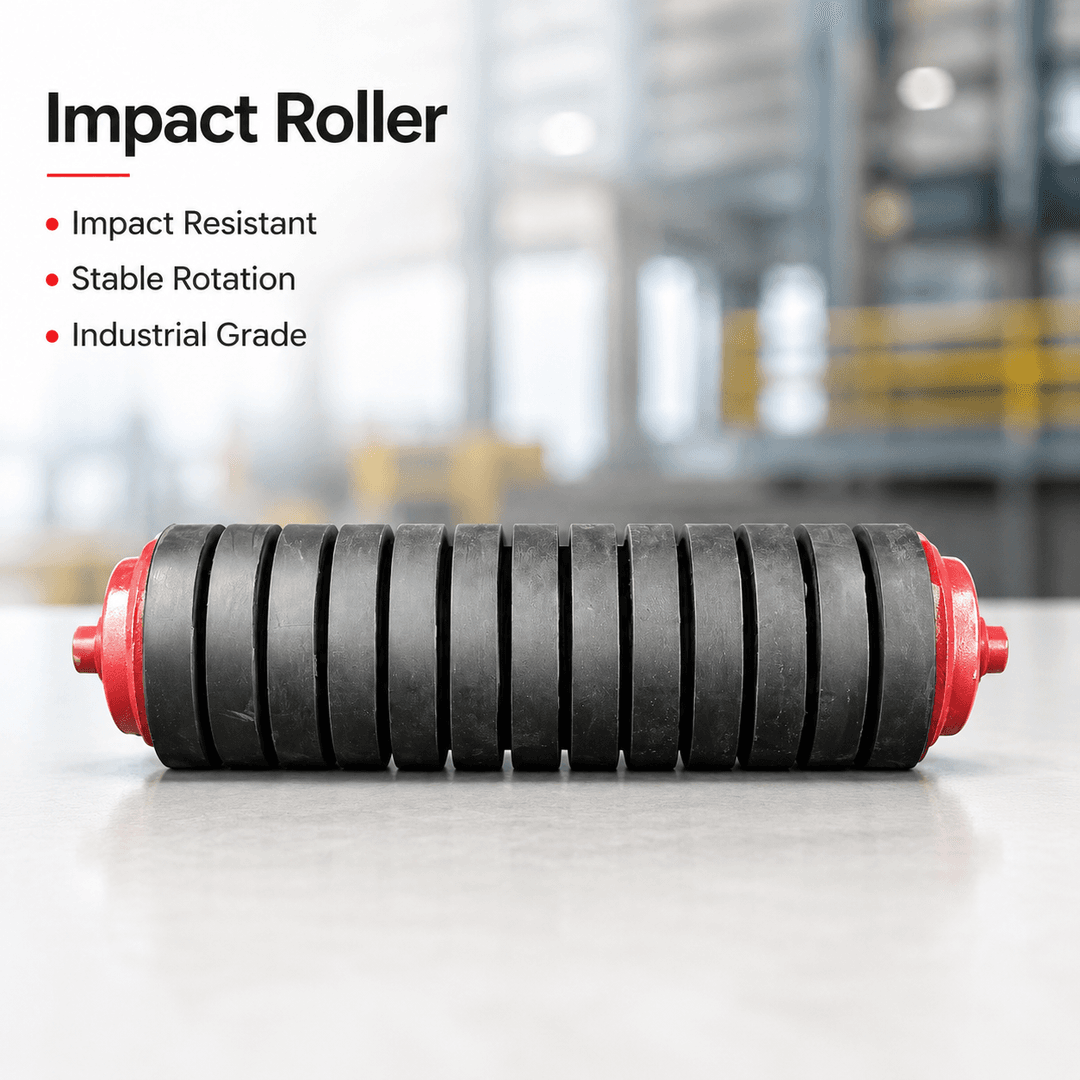
Self-Aligning Roller: Choosing the Right Conveyor Solution

Self-Aligning Roller: Choosing the Right Conveyor Solution

1. What a self-aligning roller is really solving 2. Quick take: when this component belongs in the design 3. How the segmented impact design helps 4. Selection criteria that matter more than the brochure wording 5. Common mistakes buyers make 6. Buyer-facing guidance for conveyor maintenance planning 7. What to ask before you place the order 8. Next step
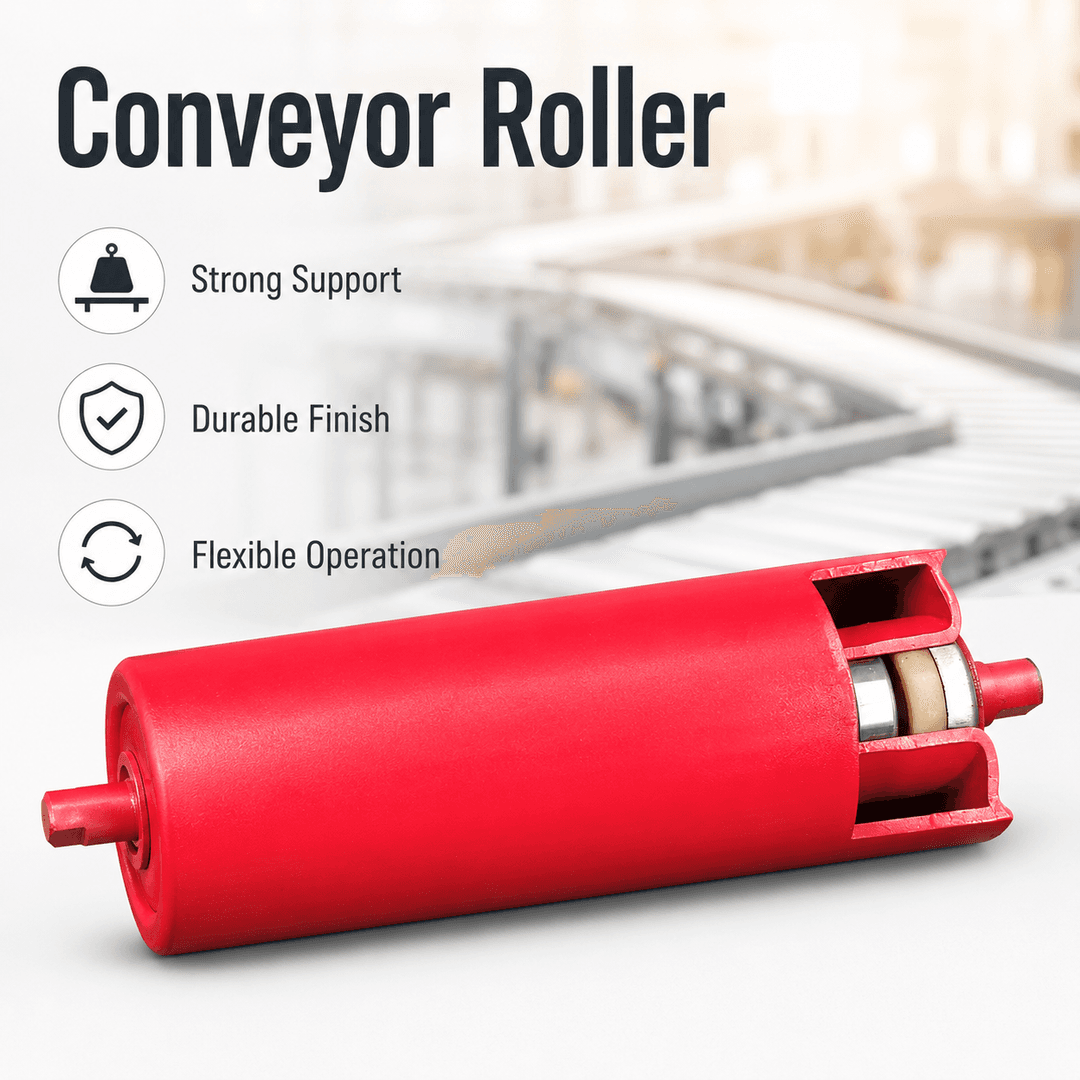
Conveyor Idler Roller Guide: How to Choose the Right One

Conveyor Idler Roller Guide: How to Choose the Right One

A conveyor idler roller should be selected by its installed position, dimensions, load, speed, shaft ends, bearings, seals, runout, and operating environment. This guide explains carrying, return, impact, rubber-disc, and self-aligning idlers, along with failure signs and RFQ requirements.

Conveyor Belt Stock Planning for Mines, Cement Plants and Ports

Conveyor Belt Stock Planning for Mines, Cement Plants and Ports

Effective conveyor belt stock planning depends on duty, line criticality, true interchangeability, lead time, storage and installation readiness. This article helps mines, cement plants and ports build practical replacement inventories without tying up stock in unusable belt specifications.

Read More
What Industrial Buyers Should Check Before Ordering Conveyor Belts Overseas

What Industrial Buyers Should Check Before Ordering Conveyor Belts Overseas

A buyer-focused checklist for importing conveyor belts, covering specification control, factory verification, samples, test data, pre-shipment inspection, export packing, documentation, Incoterms, and quotation comparison.

Read More
Conveyor Belt Sourcing Guide: How to Reduce Replacement Risk and Downtime

Conveyor Belt Sourcing Guide: How to Reduce Replacement Risk and Downtime

Global sourcing risk can turn a routine belt replacement into a production delay. This buyer-focused guide explains how to evaluate conveyor belt manufacturers, define RFQ and inspection requirements, control OEM bulk orders, verify lead time, and reduce replacement risk through better supplier qualification and spare planning.

Read More
Abrasion Resistant Conveyor Belts for Harsh Quarry and Aggregate Operations

Abrasion Resistant Conveyor Belts for Harsh Quarry and Aggregate Operations

Quarry belt life depends on more than abrasion resistance. This article explains how cover grade, sharp stone, loading impact, belt support, carcass construction, pulley compatibility, and failure evidence affect conveyor belt selection for crushers, screens, stockpiles, and aggregate plants.

Read More
Self-Aligning Roller: Choosing the Right Conveyor Solution

Self-Aligning Roller: Choosing the Right Conveyor Solution

1. What a self-aligning roller is really solving 2. Quick take: when this component belongs in the design 3. How the segmented impact design helps 4. Selection criteria that matter more than the brochure wording 5. Common mistakes buyers make 6. Buyer-facing guidance for conveyor maintenance planning 7. What to ask before you place the order 8. Next step

Read More
Conveyor Idler Roller Guide: How to Choose the Right One

Conveyor Idler Roller Guide: How to Choose the Right One

A conveyor idler roller should be selected by its installed position, dimensions, load, speed, shaft ends, bearings, seals, runout, and operating environment. This guide explains carrying, return, impact, rubber-disc, and self-aligning idlers, along with failure signs and RFQ requirements.

Read More

Explore more

We are committed to providing you with better products and services. Welcome to browse more content for details