

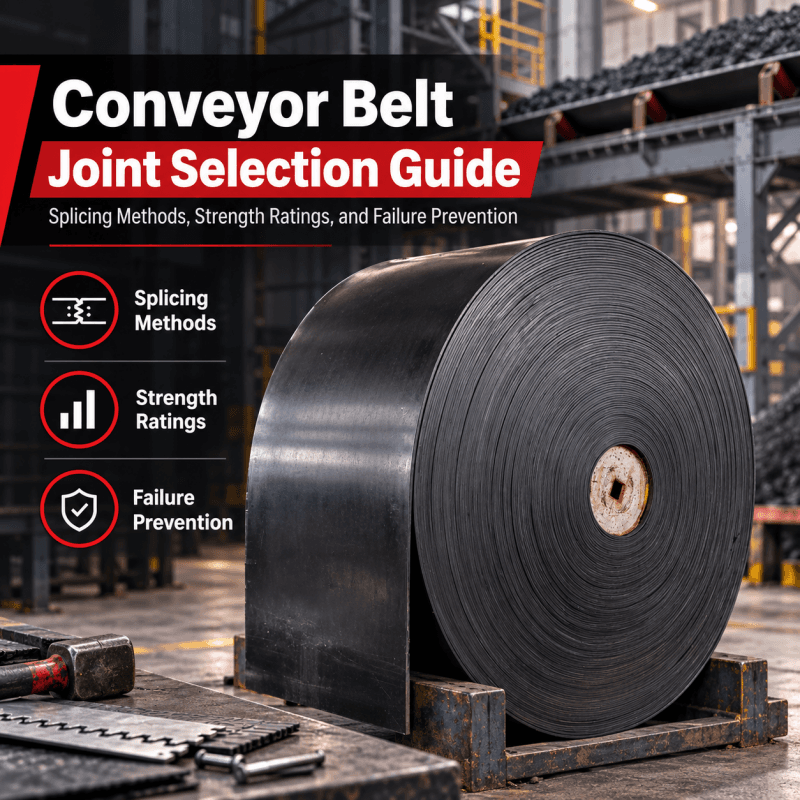
Conveyor Belt Joint Methods: A Comprehensive Guide
Conveyor belt joints directly affect splice strength, belt tracking, downtime, and long-term conveyor reliability. This guide explains common conveyor belt joint methods, including mechanical fasteners, cold bonding, hot vulcanizing, and finger or stepped splices. It compares each method by application, strength, installation difficulty, and maintenance risk, then gives selection factors, preparation checks, failure causes, inspection points, and FAQ for industrial conveyor systems.
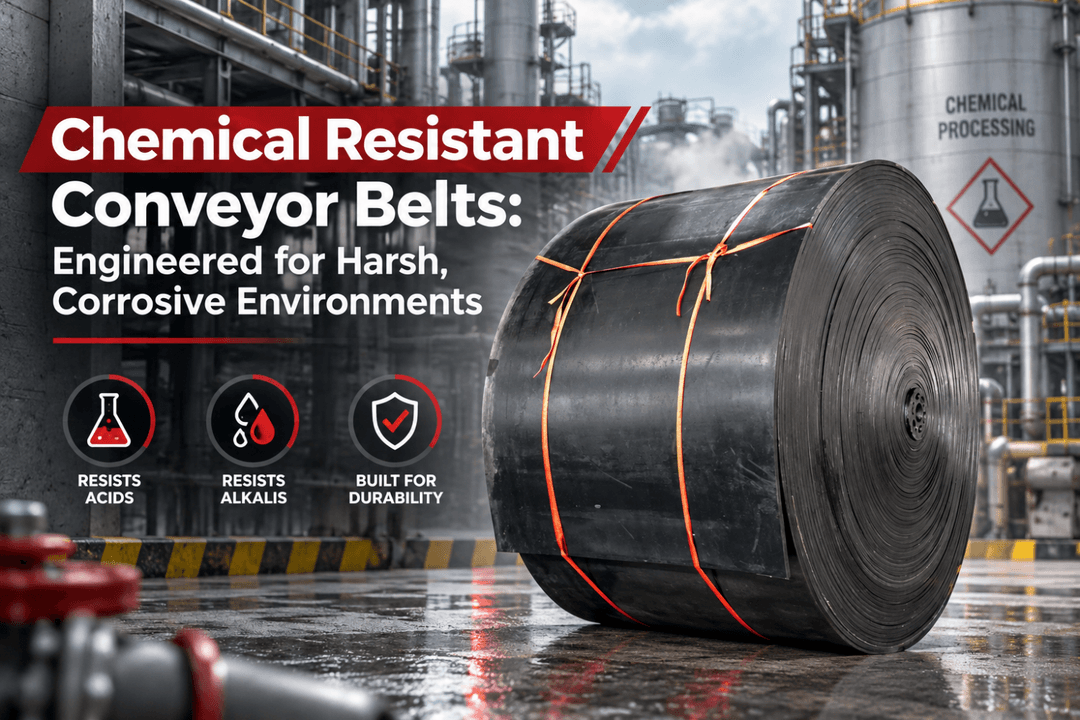
Chemical Resistant Conveyor Belts: Engineered for Harsh, Corrosive Environments
Chemical-resistant conveyor belts exist because aggressive materials attack ordinary rubber long before they wear it out. This guide explains what chemical resistance actually means in belt construction - which acids, alkalis, solvents and oils matter, how the cover compound is selected for each family, and why the carcass and the splice deserve the same attention as the cover. It covers the industries where chemical attack is routine: fertilizer production, chemical handling, wastewater treatment, mineral processing and food processing washdown environments. A selection section sets out the operating data a manufacturer needs to recommend a compound - material carried, concentration, temperature, exposure duration and cleaning regime - and a system section explains how loading, tracking and inspection intervals change when a belt runs in a corrosive environment. The article closes with the compound options and documentation available from the factory.
Explore more
We are committed to providing you with better products and services. Welcome to browse more content for details