
A power plant conveyor belt is not chosen by a single temperature number, and anyone who quotes one that way is guessing. It is chosen by the zone it runs in, because a fuel line, an ash line and a flue-gas desulfurization line put completely different materials, moisture and heat on the same rubber conveyor belt. Fix the zone map first, and the belt grades, roller types and cleaning methods mostly fall into place on their own. This guide walks a plant zone by zone, then closes with the procurement and acceptance checks we ask for before any belt leaves our works.

01Start With the Zone, Not the Temperature Rating
When a station sends us a belt inquiry, the first thing our engineers ask for is not the heat class but the zone list. Every plant, whether it burns coal, biomass or municipal waste, breaks into a handful of material paths, and each path asks a different question of the belt. A fuel reclaim belt carrying wet, sandy wood chip has almost nothing in common with a bottom-ash belt carrying hot, abrasive grit, yet both sit under the same roof. Treating them as one specification is how a plant ends up replacing a belt in the same wrong place every year.
Zones do not share wear rates, and they do not share moisture, so a single belt grade applied across the plant is always wrong in at least one place. The fuel belt dies of cuts and slippage, the ash belt dies of heat and grit, and the gypsum belt dies of carryback and clogging, which means three separate specifications before anyone talks about a common spare.
Read the Plant as a Material Map
We draw the plant as a set of paths rather than a list of machines. Fuel comes in, is stockpiled, reclaimed, screened, crushed and metered toward the combustion chamber. Ash and slag leave in the other direction, hot and abrasive. Limestone flows into the flue-gas desulfurization island and gypsum flows back out, one side dusty and one side wet and sticky. The table below is the map we start from, and every zone in it drives a different belt decision.
| Operating zone and the material it carries | What the belt actually faces in that zone | The selection consequence it pushes you toward |
|---|---|---|
| Fuel receiving and reclaim lines move raw biomass, RDF or coal from the truck dump and stockpile into the plant. | Seasonal moisture, trapped foreign objects and irregular lump sizes arrive with the material and sit on the belt together. | You lean toward thicker covers, rip resistance and aggressive cleaning rather than a high heat class. |
| Metering, screening and crushing feed lines deliver a controlled flow into the size-reduction equipment. | Impact at the crusher inlet, fine dust and occasional uncrushable metal objects hammer the same short belt. | Impact beds, cut-resistant covers and magnetic separation upstream become more important than tensile rating. |
| Boiler and incinerator feed systems meter fuel into the combustion chamber at a steady, controlled rate. | Radiant heat from the furnace mouth, fine fuel and a demand for precise, steady metering define the duty. | A heat-resistant cover, good troughing and reliable tracking matter more than raw abrasion resistance. |
| Bottom ash and slag removal lines carry the residues out of the furnace and quench systems. | Residual heat, hard abrasive particles and occasional lumps of fused slag scour the cover and the return side. | You combine heat resistance with high abrasion resistance and design for easy access to the return side. |
| Flue-gas desulfurization lines carry limestone in and gypsum out of the absorber island. | Fine limestone dust builds on one run while damp, sticky gypsum cakes and clings on the reverse run. | Cleaning and water management become the deciding factors, with cover selection tuned to each material. |
| Wastewater sludge and auxiliary runs move dewatered sludge, additives and spare-path materials. | Variable moisture, corrosive salts and long idle periods between short bursts of duty stress the belt unevenly. | Chemical resistance, sealing and a belt that tolerates standing moisture decide the specification. |
One number cannot cover all of that. The plant that writes a single belt grade into its standard and applies it everywhere usually finds that the grade is overbuilt in two zones and dead in a third.
02Fuel Receiving, Reclaim and Storage Conveyors
The fuel path starts where trucks tip or the stockpile reclaims, and this is where moisture does its worst work. A biomass plant in a wet region can see delivered chip arrive at more than half its weight in water during the rainy season, and that water changes every belt behavior at once. Slippage rises on the drive pulley, fines stick to the cover instead of releasing at the head, and carryback that would normally fall away now rides back down the return run and drops off under the stringers.
We treat the receiving belt as a handling problem before we treat it as a wear problem, because a belt that cannot grip wet fuel will never live long enough to show its abrasion rating.
Moisture and Foreign Objects Decide This Zone
Foreign objects arrive here too. Reclaimed demolition wood, baled RDF and agricultural straw carry wire, nails, stones and stray metal that the crusher is supposed to catch but that the belt meets first. A thin, soft cover will be cut to pieces by those objects long before the drive or the idlers fail, which is why the receiving zone is where we specify rip and cut resistance ahead of heat class. The heat simply is not the main threat at this point in the route.
Field note from our engineers: On one wet-wood receiving line we watched the same belt slip almost 20 percent further on a rainy morning than it had slipped the dry afternoon before. The belt had not changed; the moisture in the fuel had. That split is the difference between a specification problem and a day-to-day operating condition, and they need different answers.
Reclaim from an open stockpile adds a second variable. Material that has sat in rain and sun for weeks arrives caked, frozen in cold regions or hardened on the surface, and the belt has to carry those lumps up an incline without the load sliding backward. A patterned cover helps here, and a steeper trough angle with a higher side profile keeps the fines on the belt. We usually pair a patterned cover with a lagged head pulley so the two work together instead of fighting each other.
This is also where we tell a station to share its full zone map with the conveyor belt manufacturer rather than send a one-line heat-class request, because the receiving duty alone can point to three different belts depending on the fuel.
Transfer points inside the receiving building deserve their own look, because that is where wet fuel sticks and dry fuel dusts.A chute that drops the load dead center onto the belt and a skirt that stays in contact with the cover keep most of the mess on the belt, and a short enclosure with dust pick-off keeps the fines out of the air.We have seen receiving buildings where the belt was fine and the transfer points were the whole maintenance budget, simply because nobody designed them together.
03Metering, Screening and Crushing Feed Lines
Once fuel leaves the reclaim area it is sized and metered, and the duty changes again. The belts that feed a crusher or a shredder see short, violent bursts of impact rather than a long steady stream, because material drops from a chute or vibrating feeder onto a belt that is barely moving between surges. Impact cuts and edge damage at the load point show up here more than anywhere else on the plant.
Magnetic separation sits upstream of these belts in most modern plants, but it catches metal after the belt has already met it. A stray piece of tramp iron can ride the full length of the receiving belt and only get pulled at the magnet, so the feed belt still has to survive the ride. An industrial conveyor belt with a cut-resistant cover and a reinforcing breaker, sitting on an impact bed under the load point, does more for belt life on this run than a thicker top cover ever would.
Impact and Dust, Not Heat
Dust is the second enemy. Crushing and screening liberate fines that settle on the return side, build on the idlers and work their way into the covers, and a dusty belt running inside an enclosure is a fire and maintenance problem as much as a housekeeping one. Sealing the load point and running a cleaning system on the return side keeps that dust from migrating through the whole building.
Chute geometry does half the work here. A load that lands square and settled lets a standard impact bed do its job, while a load that hits the belt at a sharp angle hammers one edge and drives the belt into the stringers. When we see persistent edge cuts on a crusher feed line, we look at the chute before we change the belt, because the belt is usually the victim, not the fault.
04Boiler and Incinerator Feed Systems
The belts nearest the furnace carry fuel toward radiant heat, and here the heat class finally earns its place. A grate-fired biomass boiler or a waste-to-energy furnace radiates enough heat back toward the feed chute that an ordinary cover will harden and crack well before it wears out, even though the belt never actually touches hot material. We have seen covers near the furnace mouth turn brittle within a single season while an identical belt fifty meters back still looks new.
A heat-resistant cover is the obvious fix, but the specification has to name both the material temperature and the radiant condition. A heat-resistant conveyor belt rated for elevated material temperature may still need a higher grade when the furnace mouth faces the belt directly. The supplier should see the layout drawing, not just the temperature figure, because radiant heat does not show up in a material temperature reading.
Steady metering matters more than throughput on this run. The combustion control system asks for a predictable flow, so a belt that slips on the drive or wanders in the trough changes the fuel feed and, with it, the steam output. Tracking and tension stability become part of the combustion guarantee, not just a maintenance nuisance, because a surging feeder on a slipping belt gives the burner a flow it did not ask for.
Belt speed gets chosen with the same care. A slow, wide belt carries the same tonnage with a lower dust cloud and a gentler drop into the furnace feed chute, while a fast, narrow belt saves floor space but throws fines and makes the metering less forgiving. Near a radiant furnace mouth the slower option usually wins, because the cover lasts longer when it is not running hot dust through a hot zone at speed.
Metering Stability Becomes the Specification
Auxiliary drives around the furnace island run on V-belts rather than conveyor belts, and the same transmission belt manufacturer that supplies the plant can usually quote the whole drive set. We raise that only because stations sometimes buy conveyor belts and transmission belts from two suppliers and then spend a year chasing two different document sets for the same outage.
05Bottom Ash and Slag Removal Conveyors
Residue leaves the furnace hot, and the belt that carries it has to survive heat and abrasion at the same time, which is a harder combination than either one alone. Bottom ash is typically quenched or cooled before it reaches the belt, but "cooled" in a furnace island can still mean material well above the limit of an ordinary cover, and the quench water adds its own problems on top of the heat.
Heat and Abrasion Arrive Together
A hot, abrasive material attacks a cover in two ways at once, because heat softens the rubber while the grit grinds it. Many plants try to solve this with a higher heat class alone and then wonder why the cover wears thin at the load points. The belt usually needs a heat-resistant compound that also carries a high abrasion rating, and the two properties have to be balanced in one formulation rather than traded against each other.
The conveyor roller under an ash line earns equal attention, because a hot, gritty load passes its heat and dust straight down onto the idlers. Sealed rollers with a serviceable bearing survive here; open rollers fill with grit in weeks.
Slag Is Harder Than Ash
Slag sits a step above bottom ash in hardness. Where ash is mostly fine and free-flowing once cooled, slag can contain fused lumps that arrive at the belt with sharp edges and enough mass to punch through a soft cover. Those lumps are why an ash route may justify a steel-cord carcass or a heavy textile carcass with a breaker, even when the conveyor is short and the tension is modest.
Field note from our engineers: On a bottom-ash line we once pulled a belt whose cover had glazed hard and smooth within weeks, while the belt just below the loading point still looked healthy. The cause was radiant heat off the ash, not the ash temperature itself, and the fix was a compound change rather than a thicker cover.
Some stations run ash and slag on a drag chain or a pan conveyor instead of a belt, and that choice is legitimate for the very hottest, lumpiest residue. A belt becomes the better answer once the material is quenched, the lumps are screened down and the plant wants lower noise, lower maintenance and easier sealing. The decision belongs to the material, not to a preference for one machine.
Quench water is the quiet part of the ash story. The water that cools the ash also wets the belt, washes fine grit into the rollers and can carry dissolved salts that attack steel shells over time. We specify the rollers and the return-side sealing for that wet, gritty condition, not just for the temperature, because a roller that survives the heat but seizes on the slurry still stops the line.
06FGD Limestone In, Gypsum Out
The flue-gas desulfurization island runs two belts that could not be more different, yet plants often spec them as a pair because they sit in the same building. Limestone enters as a fine, dry, abrasive powder that grinds covers and fills every gap, while gypsum leaves as a damp, sticky cake that refuses to let go of the belt at the discharge. Each material punishes the other's belt choice.
Limestone In Is a Fine, Abrasive Powder
Fine limestone behaves like a grinding paste when it gets between the cover and the idlers, and it dusts the whole enclosure at every transfer. The belt here wants a hard, abrasion-resistant cover and a load-point seal that actually seals, plus return-side cleaning that keeps the powder from carrying back under the stringers. Dust suppression and enclosed transfer points do more for the belt than a premium cover alone ever will.
Gypsum Out Is Wet, Sticky and Heavy
Gypsum is the opposite problem.It carries free moisture, cakes into a heavy layer and sticks to a smooth cover, so the belt tends to slip and the discharge tends to clog. A stiffer belt with enough transverse rigidity to stay in the trough, a slightly rougher or patterned surface where the material needs grip, and aggressive head-end scrapers together keep the gypsum moving. The return run matters here too, because whatever does not scrape off at the head will rain back down as wet residue.
Between the two, cleaning is the system, not an accessory. A plant that buys the right cover but skips the scrapers will still spend its weekends clearing a caked return run.
Gypsum moisture is the number to watch, because the same cake that scrapes clean at one moisture level becomes a clay-like smear at another. If the plant runs the vacuum belt or centrifuge slightly wetter, the discharge behavior changes and the scrapers that worked last month stop working. We ask for the moisture range, not a single figure, so the cleaning set stays matched to the worst case.
07Wastewater Sludge and Auxiliary Material Runs
The remaining belts in a station are easy to underrate because they carry less tonnage. Sludge, lime, activated carbon and spare-path materials move in short bursts with long idle periods between them, and that pattern is hard on a belt in a different way. Standing moisture and corrosive salts attack the covers during the idle hours, and the belt hardens or swells in place before the next run starts.
The Sludge Run and the Idle Problem
A sludge belt spends most of its life stopped. When it does run, it carries a wet, often slightly corrosive material at low speed, which means chemical resistance and water tolerance matter more than tensile strength. We specify these belts for the standing-water condition, not for the peak load, and we ask the plant whether the material carries salts or treatment chemicals before we pick the compound.
This is the one zone where a conveyor belt supplier should push back if the request only says "standard belt". The duty is quiet, but the failure is a stuck line in a place nobody wants to dig out.
08How Biomass, RDF and SRF Change the Selection
A coal plant and a biomass or waste-to-energy plant both move fuel on belts, and that is roughly where the similarity ends. Coal arrives as a fairly uniform, dense, well-understood bulk solid; biomass and refuse-derived fuel arrive as an unpredictable mix of shapes, sizes, moisture and contamination. The belt selection splits along exactly those differences.
Irregular Shapes and Trapped Metal
Wood chip, straw, pellets, RDF fluff and SRF bales do not flow like coal. They bridge, they snag, and they carry wire, strapping and metal pieces that a coal stream rarely contains. The belt has to resist cutting and tearing from those objects, and the transfer points have to be designed so the material does not hang up and pull back against the belt edge.
Moisture Swings and Calorific Variety
Moisture is the wilder variable, and it swings with the season and the feedstock. Wet fuel slips and sticks, while a sudden run of dry, dusty fuel changes the same belt into a static and dust hazard, so a single fuel line can behave like two different materials inside one week. The table below lays out how each common feedstock pushes the belt in a different direction.
| Fuel type and how it behaves in the stream | The belt and system change that behavior forces |
|---|---|
| Crushed coal is dense, uniform and free-flowing, so abrasion and heat dominate the selection on a coal route. | A heat and abrasion balance matters most, and the receiving belt handles a well-behaved bulk solid without extreme cut risk. |
| Wood chip is light, bulky and often wet, and it carries splinters, bark and occasional metal from forestry handling. | Cut resistance, good troughing and aggressive cleaning matter more than heat class on the chip route. |
| Straw and stalks are fibrous and springy, so they bridge in chutes and wrap around idlers and pulley shafts. | Open transfer geometry, lower trough loads and protected rollers keep the fiber from binding the line. |
| RDF fluff is a loose, dusty, stringy mix with plastic film, wire and metal fragments that cut and snag the cover. | Rip and cut resistance plus magnetic separation upstream decide how long the belt survives. |
| SRF arrives as dense bales or pellets that can be abrasive and, in bale form, heavy at the load point. | Impact support and a tough cover handle the bale drops, while pellet lines lean back toward abrasion resistance. |
The lesson we keep repeating to buyers is that the fuel name on the purchase order is not a specification. Two plants can both say "biomass" and need two very different belts because one runs chip and the other runs straw.
Density is the other quiet variable. A belt rated for a given volume of coal can be badly underloaded or overloaded when the same route carries light fluff or dense SRF bales, and that changes troughing, belt speed and drive sizing all at once. We ask for the bulk density of the actual feedstock, not the design fuel, because plants often switch feedstocks after commissioning and the belts are the first to notice.
09Fire, Dust and Static: Where the Compliance Questions Come From
Non-coal power plants ask about fire resistance for a reason that has little to do with coal. Biomass dust, RDF fines and dried sludge can all form a combustible dust layer or, in the right concentration, a dust cloud, and a conveyor that carries or stirs that material sits inside the hazard. The question is not whether the belt can burn; it is whether the belt adds to a fire that is already possible.
Why Fire Resistance Appears on a Non-Coal Line
Three mechanisms drive the requirement. Combustible dust settles on the return side and on the idlers and can smolder or ignite if a bearing overheats or a hot particle lands on it. Static charge can build on a fast, dry belt and discharge into a dust cloud. And a belt that catches at the load point can carry flame along the gallery. A flame-resistant and anti-static belt reduces each of those contributions, but it does not remove the hazard by itself.
Housekeeping, belt cleaning and enclosure design sit on the same side of that equation as the belt compound. A plant that specs a flame-resistant belt and then lets dust build a centimeter deep on the return side has bought insurance and cancelled it in the same month.
The Compliance Boundary Belongs to the Plant
We can supply a belt with flame-resistant and anti-static properties and the supporting test evidence, but we cannot tell a plant which category its local code requires. That decision sits with the plant's safety and electrical engineering teams, who know the zoning, the dust testing and the insurer's requirements. The belt supplier's job is to say clearly what the belt is and how it was tested; the plant's job is to confirm that this matches the site classification. If the two are not aligned, the order should pause until they are.
We keep the coal-specific flame-resistance test discussion in a separate guide, because it deserves a longer treatment than a non-coal system overview can give it. The mechanism above is shared, but the standards and formulations belong over there.
Enclosure and ventilation pull their weight here too. A dusty conveyor inside a closed gallery can hold a dust cloud in suspension, and it is that cloud, not the settled layer, that turns a small ignition into a pressure event.Keeping the transfer points enclosed and the returns clean lowers the dust load before the belt compound ever enters the conversation, so the belt choice then supports a clean system instead of being asked to rescue a dirty one.
10A Component Combination That Survives Each Zone
A belt is only one part of a conveyor, and in a power plant the belt succeeds or fails as part of a set. The same cover grade behaves very differently on a sealed roller in a clean gallery than it does on an open roller under a dusty transfer, so we always quote the belt together with the rollers, cleaners and loading support that belong with it. The matrix below pairs the main zones with the component choices that hold up in each one.
Pair the Parts, Not Just the Belt
| The zone and the load it puts on the line | The belt, roller, cleaning and splice set that holds up under it |
|---|---|
| Fuel receiving lines carry wet chip, straw or RDF with trapped metal and swing widely in moisture from week to week. | A cut-resistant cover, sealed rollers, an impact bed at the drop and a mechanical splice that resists tearing hold up best. |
| Crusher feed lines take short, heavy impacts and a steady fall of fine dust onto a slow-moving belt. | A breaker-reinforced belt on impact idlers, with return-side cleaners and a vulcanized splice, survives the abuse. |
| Boiler feed lines run close to radiant heat and must meter fuel smoothly into the combustion controls. | A heat-resistant cover, well-sealed rollers, gentle loading and a carefully tracked splice keep the flow steady. |
| Bottom ash and slag lines carry hot, abrasive residue with occasional sharp, heavy lumps. | A heat and abrasion balanced belt, heavy sealed rollers, an impact bed and a robust splice resist both wear and puncture. |
| FGD gypsum lines carry a wet, sticky cake that clings at the discharge and slips on the drive. | A stiff troughing belt, a patterned or rough surface, aggressive head scrapers and good lagging keep the line clear. |
| Sludge and auxiliary lines sit idle for long stretches with standing moisture and corrosive salts. | A chemical-resistant cover, corrosion-tolerant rollers, a water-resistant splice and simple scrapers match the quiet duty. |
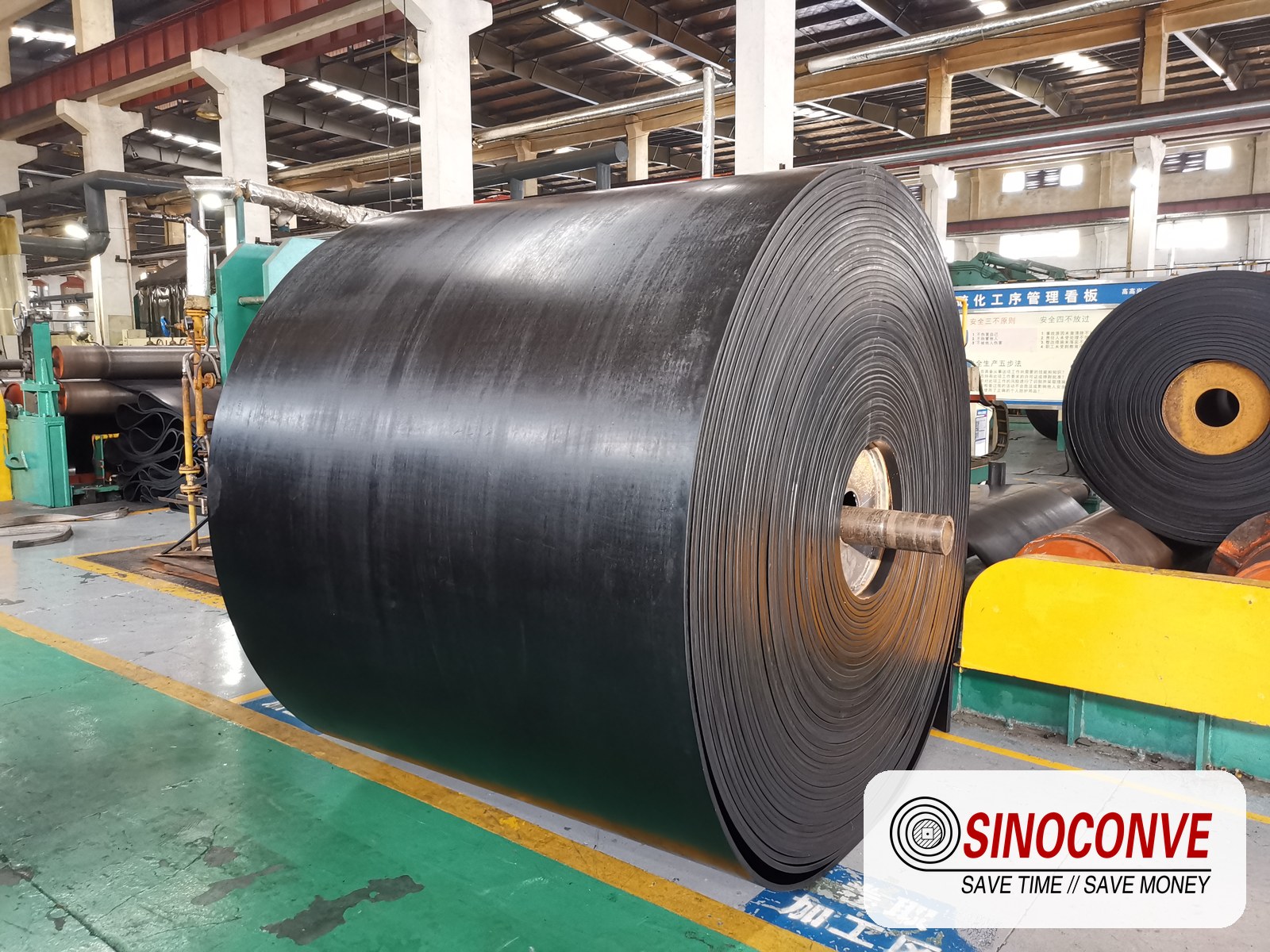
The combination matters more than any single line item. A premium belt on worn open rollers will still die early, and sealed rollers under a belt that cannot release the material will just pack full and seize.
11Downtime Risk, Bypass Lines and Spare-Belt Thinking
A power station earns its money by staying online, and a fuel conveyor that stops often stops the whole plant. That is the difference between a power plant and a quarry: in a quarry a stopped belt means a lost hour, but in a station it can mean a derated unit and a missed dispatch window. The downtime math therefore drives design choices that would look like overkill on a lighter line.
Where a Single Point of Failure Hurts
The fuel feed path is where redundancy pays first. If the only route from the stockpile to the boiler is one belt, then every idler and every splice on that belt is a single point of failure. Plants handle this with a bypass or a second parallel line on the critical stretch, or with a reclaim system that can reach the bunker through more than one path. The belts that feed the combustion chamber directly are usually the ones that justify a spare roll on the shelf.
Spare Belts and the Outage Window
Spare-belt strategy follows the same logic. A station should hold a spare for the belts that cannot be spliced or sourced inside its own outage window, and the length, width and splice allowance on that spare have to match the installed line exactly. Buying a longer spare and cutting it on site is normal; discovering the spare does not match the pulley diameter is not. We usually ask the plant to list its critical belts and their outage tolerance before we propose a spares package, because the answer changes which belts we keep in stock for them.
Many stations also run a V-belt manufacturer's matched sets on their fans and pumps, and those wear out on their own schedule. One supplier who understands the whole plant can hold both the conveyor belts and the drive belts, which shortens the chase when a fan drive fails the night before a unit restart.
For a plant buying spares across several sites, wholesale conveyor belts pricing is one lever, but the real saving comes from holding the right belts in the right places, not from a bulk discount on the wrong ones.
Condition monitoring closes the loop, because a fuel line rarely fails without warning. Bearing temperature on the critical idlers, belt alignment and a rip detector on the long runs together give a station the early sign it needs to schedule a short repair instead of a full outage. We recommend the belts that are easiest to splice and the rollers that are easiest to watch on the single-path stretches, because that is where a warning buys the most hours.
12Procurement and Acceptance Checklist
The purchase order is where a good zone map turns into a belt that actually ships, and this is the stage where vague wording costs the most. A request that says "heat-resistant belt, 800 mm" tells the supplier almost nothing, and two suppliers will read it two different ways. The checklist below is what we ask a station to provide, and it is also what we hold ourselves to before anything leaves the works.
Documents Before Delivery, Checks at the Door
| The document or check to request from the supplier | Why that item matters on a power plant line |
|---|---|
| Request a material and heat-resistance declaration that names the compound and the temperature range it is rated for. | It stops a supplier from quoting a general-purpose cover where a heat-resistant one was specified. |
| Ask for flame-resistant and anti-static test evidence that matches the exact belts and carcass you are buying. | A report covering one belt family does not automatically cover every thickness and reinforcement you ordered. |
| Ask for batch traceability that links each delivered roll back to its raw material and production record. | It lets you recall a problem roll and proves the delivered belt is the one you approved. |
| Request the splice procedure and the curing method your site will actually use. | A poorly controlled splice becomes the weakest point on the line and can spoil the belt on day one. |
| At acceptance, measure width, length, cover thickness and top and bottom cover hardness against the order. | These are the checks that catch a substituted or mis-specified belt before it is ever hung. |
| When you change suppliers, re-run the static and heat checks on the same position rather than a different one. | The same belt on different rollers and tension behaves differently, so comparisons must stay like for like. |
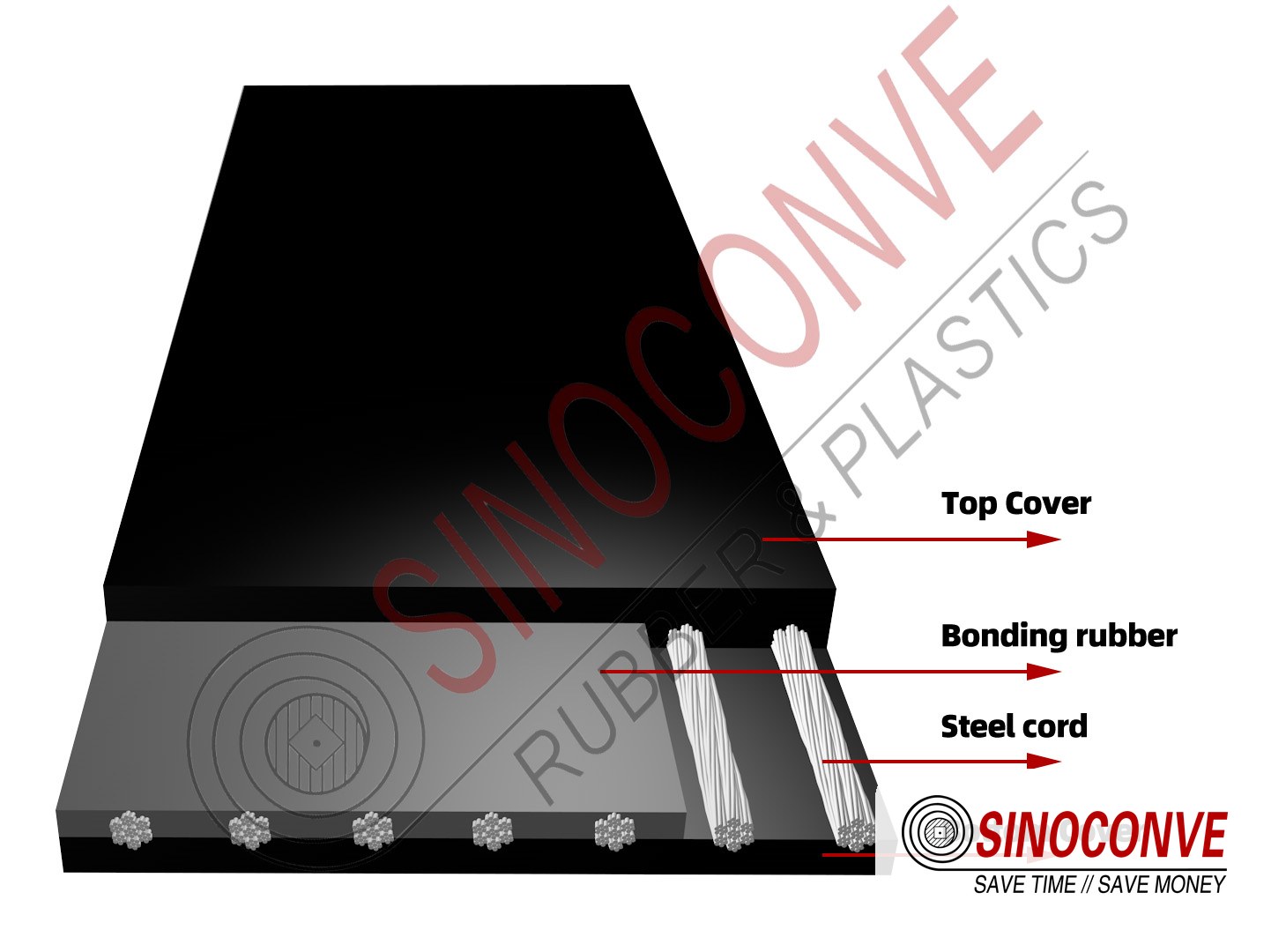
Whether you buy direct from a conveyor belt factory or through a conveyor belt distributor, the same documents and the same acceptance checks apply. A trustworthy supplier will ask for your zone map and your outage window before it quotes, and it will flag the missing data instead of silently guessing around it.
If you are ready to turn a zone map into a belt-by-belt proposal, contact us with the drawings and we will come back with the grades, rollers and spares that fit each path.
One more discipline matters when a plant changes suppliers: re-verify the same position, not a different one. A new belt of the same nominal grade can run differently on the existing rollers and tension, so the first few weeks after a supplier switch are when we ask the site to watch tracking, carryback and splice temperature closely. A small adjustment early is cheaper than a repeat failure later.
13How This Guide Relates to Our Flame-Resistant Belt Article
We split the power plant topic deliberately. This guide covers the plant as a system, zone by zone, with the fuel paths, ash paths, desulfurization paths and procurement checks that apply whether the plant burns coal, biomass or waste. The flame-resistance question gets its own, longer treatment elsewhere, because the test standards and cover formulations for coal handling deserve more space than a system overview can give them.
Where This Guide Stops and the FR Guide Begins
If your station is coal-fired and the conversation is about flame test categories, anti-static requirements, drum-friction behavior or the exact evidence to request for a fire-safety approval, read our flame-resistant conveyor belt guide for coal power plants instead. That article walks the test standards and formulations this one intentionally does not repeat. Use the two together: this guide for the zones and the components, that one for the fire and static compliance detail.

14Frequently Asked Questions
What conveyor belt is used in power plants?
There is no single belt for a power plant; the correct belt depends on the zone, so a fuel line, an ash line and a desulfurization line usually each run a different grade.
Do biomass and waste-to-energy plants need different belts than coal plants?
Yes, and the difference is mostly in cut resistance and handling rather than heat. Coal is uniform and dense, while biomass and RDF bring trapped metal, irregular shapes and wide moisture swings that punish a soft cover.
How do you handle wet biomass fuel on a conveyor?
Treat it as a handling problem first. Raise the drive wrap or lag the head pulley so the belt grips the wet load, use a patterned cover where the incline is steep, and keep the return side clean so wet fines do not ride back and pack under the stringers. Moisture changes with the season, so the fixes have to work on the worst day, not the average one.
What belt is used for bottom ash handling?
A heat-resistant belt with a high abrasion rating, plus a breaker or a steel-cord carcass when the ash contains hard, lumpy slag.
How do you deal with limestone and gypsum in FGD systems?
Split the two materials. Limestone wants a hard, abrasion-resistant cover with sealed transfer points and return-side cleaning, while gypsum wants a stiffer, grippier belt with aggressive head scrapers. Treating them as one belt is the usual mistake.
Do power plant conveyors need fire resistant belts?
That depends on the plant's dust and zoning assessment, not on a rule of thumb. Where combustible dust or a classified area exists, flame-resistant and anti-static properties are commonly specified, and the plant's safety and electrical teams have to confirm the required category. The belt is one control among several; housekeeping, cleaning and detection matter just as much. We supply the belt and its test evidence, and the plant confirms the site requirement.
How do you reduce downtime risk on a fuel conveyor?
Build redundancy on the critical fuel path, keep a spare belt that matches the installed line, and work with a supplier who holds the right spares close. The belts that feed the combustion chamber directly deserve the first spare on the shelf.
What should a buyer ask for before accepting a belt?
Ask for the compound and temperature declaration, the flame and static test evidence, batch traceability and the splice procedure. Then measure width, length, cover thickness and hardness against the order before the belt is hung.
Should a plant run one belt specification everywhere or split by zone?
Split by zone; a single grade is always overbuilt somewhere and underbuilt somewhere else, and the extra cost is the least of it.
Related Products You May Need
- Steel cord conveyor belt for long, high-tension ash and fuel routes
- Heat resistant conveyor belt for furnace and boiler feed lines
- EP rubber conveyor belt for medium-duty fuel and limestone runs
- Sealed and impact conveyor rollers for dusty, abrasive zones
- Full conveyor belt and component product catalog
Related Blog Posts
- Flame Resistant Conveyor Belts for Coal Handling and Power Plants
- Impact Roller Supplier for Loading Zones
- Steel Cord Conveyor Belt Selection Guide for Heavy-Duty Use
- Sealed Conveyor Roller Manufacturer for Fine Dust
- Conveyor Belt Cleaning Methods, Schedules and When Scrapers Will Not Work
- Conveyor Belts for Chemical and Fertilizer Plants