

Engineered belt solutions for demanding industries worldwide

Recent Posts
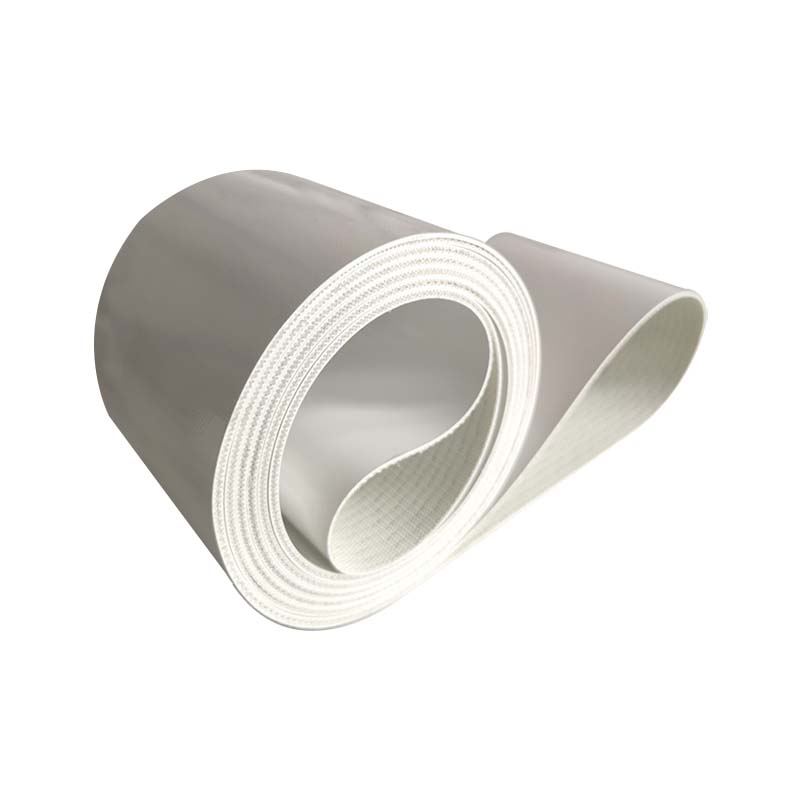
White Rubber Conveyor Belt: What Buyers Should Know

White Rubber Conveyor Belt: What Buyers Should Know

1. What Buyers Usually Mean by a White Rubber Conveyor Belt 2. Where White Conveyor Belts Tend to Be Used 3. What to Look at Before You Specify One 4. How the White Belt Fits Into Wider Web Handling and Conveyor Decisions 5. Common Buyer Errors 6. Quick Selection Questions 7. Practical Takeaway for Buyers

PVC Conveyor Belt Selection: What Buyers Should Know

PVC Conveyor Belt Selection: What Buyers Should Know

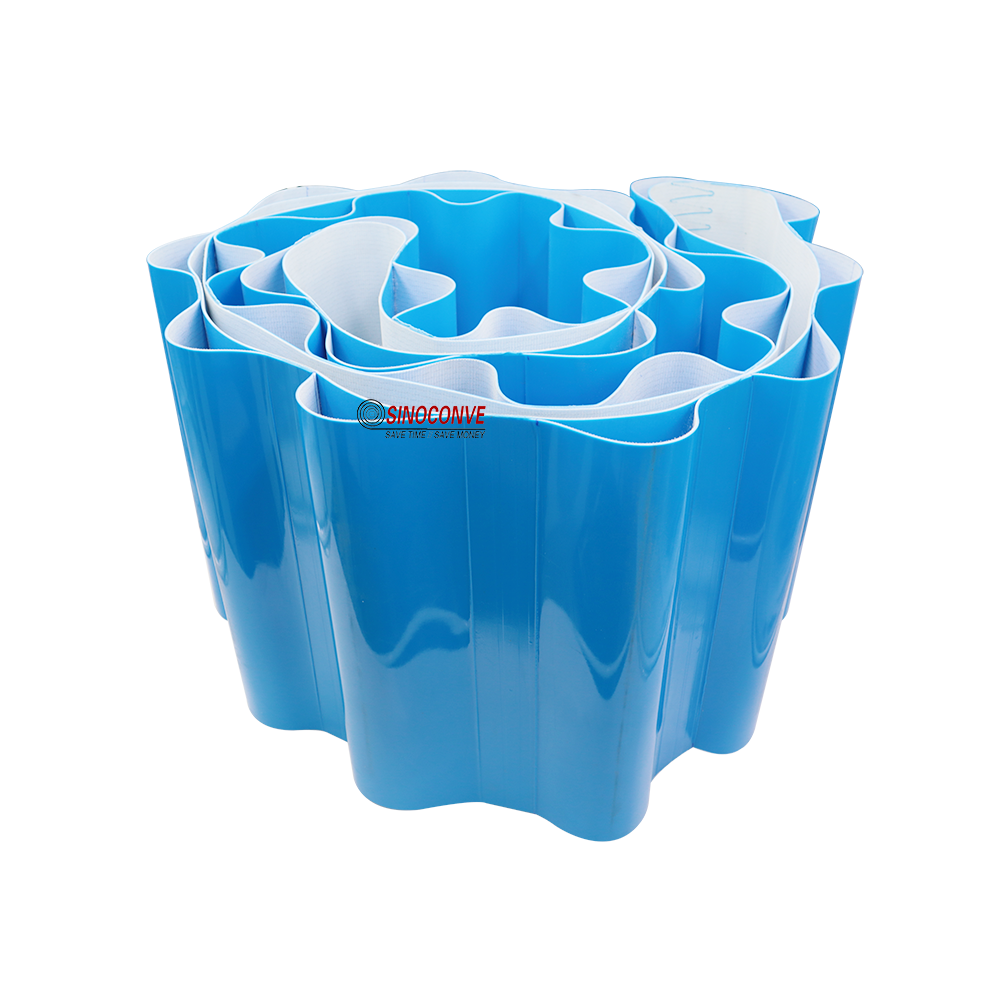
1.PVC conveyor belt selection looks simple — until line speed, cleaning requirements, or product mix changes. 2.Rolled continuous format adds installation flexibility, but only when joining method and end preparation are done correctly. 3.Flat PVC conveyor belts are mechanically straightforward but sensitive to tensioning, pulley condition, and alignment. 4."Easy to clean" is a hypothesis to verify against your process, not a guaranteed property of the material. 5.Most belt complaints trace back to installation or system maintenance — not the belt itself. 6.Selecting by thickness alone, assuming surface consistency across suppliers, and confusing perforated strip with conveyor belt are the three most common sourcing mistakes. 7.Changeover speed, specification discipline, and maintenance simplification are the three trends reshaping how buyers approach belt procurement.

Rubber Conveyor Belt Selection Guide for Industrial Lines

Rubber Conveyor Belt Selection Guide for Industrial Lines

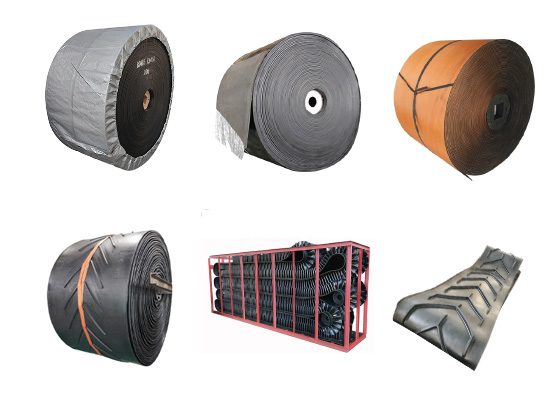
A rubber conveyor belt is one of the few components that touches nearly every part of a production system. When the specification is wrong — wrong compound, wrong reinforcement, wrong surface — the problem spreads beyond the belt itself. This guide covers what actually drives selection decisions, how conveyor belt production quality affects real-world performance, and where buyers most often get it wrong.

How to Choose Conveyor Belt: Rubber Belt Solutions

How to Choose Conveyor Belt: Rubber Belt Solutions

Wrong belt selection is one of the more expensive mistakes in bulk material handling — premature wear, tracking problems, and downtime all trace back to a specification that did not match the application. Knowing how to choose a conveyor belt starts with material type, operating environment, incline angle, and load volume. This guide maps each variable to the right rubber conveyor belt construction.

Heavy Duty Rubber Conveyor Belt for Mining Industry Efficiency

Heavy Duty Rubber Conveyor Belt for Mining Industry Efficiency

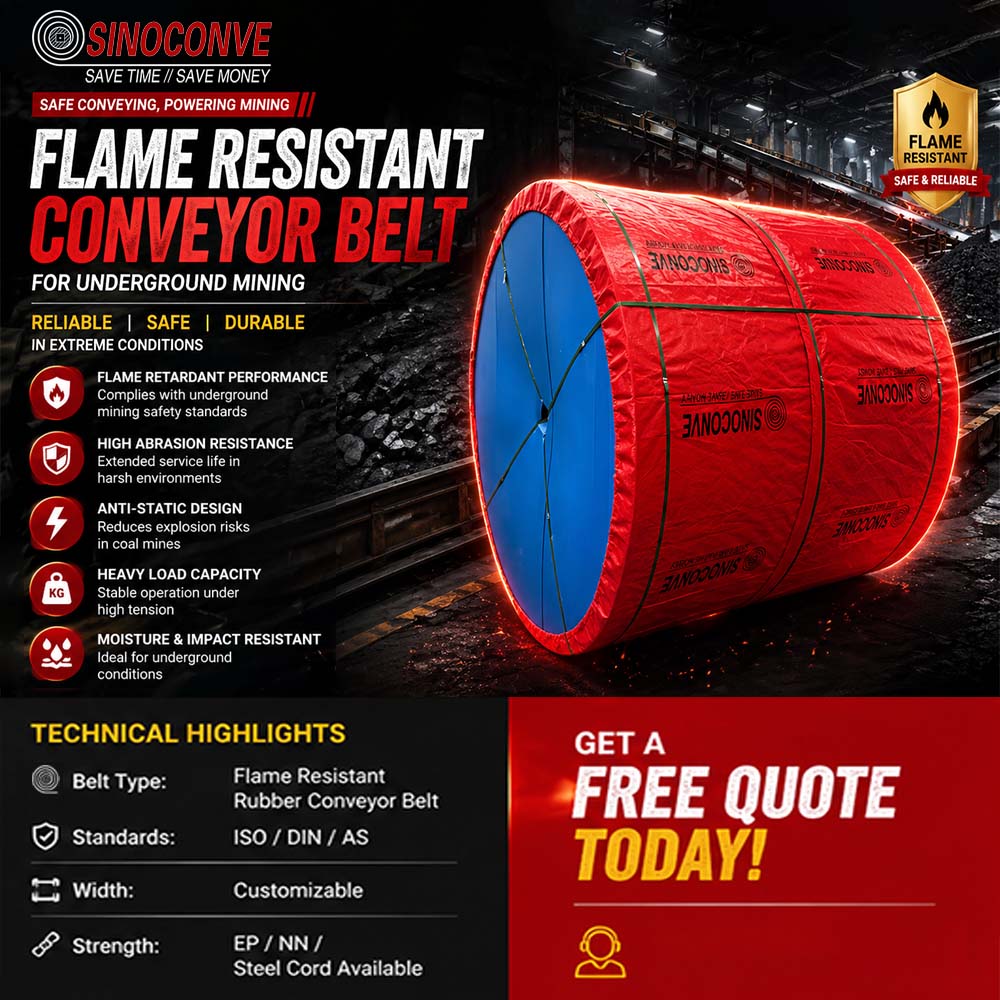
Mining exposes every weakness in a conveyor belt specification: abrasive ore, high-impact loading, underground fire risk, and continuous long-distance operation. A heavy duty mining industry rubber conveyor belt is not just a thicker standard belt — flame resistance, anti-static compliance, carcass tensile rating, and cover abrasion grade are separate engineering decisions. This guide covers what each means and how to match specification to actual mining conditions.

Light Conveyor Belt Solutions for Fruit Handling

Light Conveyor Belt Solutions for Fruit Handling

A light conveyor belt for fruit handling should be selected by fruit type, moisture, surface grip, cleaning access, pulley layout, and sidewall design. This article explains where pvc conveyor belt, food conveyor belt, and fruit conveyor belt options fit in washing, sorting, grading, and packing lines.

White Rubber Conveyor Belt: What Buyers Should Know

White Rubber Conveyor Belt: What Buyers Should Know

1. What Buyers Usually Mean by a White Rubber Conveyor Belt 2. Where White Conveyor Belts Tend to Be Used 3. What to Look at Before You Specify One 4. How the White Belt Fits Into Wider Web Handling and Conveyor Decisions 5. Common Buyer Errors 6. Quick Selection Questions 7. Practical Takeaway for Buyers

PVC Conveyor Belt Selection: What Buyers Should Know

PVC Conveyor Belt Selection: What Buyers Should Know

1.PVC conveyor belt selection looks simple — until line speed, cleaning requirements, or product mix changes. 2.Rolled continuous format adds installation flexibility, but only when joining method and end preparation are done correctly. 3.Flat PVC conveyor belts are mechanically straightforward but sensitive to tensioning, pulley condition, and alignment. 4."Easy to clean" is a hypothesis to verify against your process, not a guaranteed property of the material. 5.Most belt complaints trace back to installation or system maintenance — not the belt itself. 6.Selecting by thickness alone, assuming surface consistency across suppliers, and confusing perforated strip with conveyor belt are the three most common sourcing mistakes. 7.Changeover speed, specification discipline, and maintenance simplification are the three trends reshaping how buyers approach belt procurement.

Rubber Conveyor Belt Selection Guide for Industrial Lines

Rubber Conveyor Belt Selection Guide for Industrial Lines

A rubber conveyor belt is one of the few components that touches nearly every part of a production system. When the specification is wrong — wrong compound, wrong reinforcement, wrong surface — the problem spreads beyond the belt itself. This guide covers what actually drives selection decisions, how conveyor belt production quality affects real-world performance, and where buyers most often get it wrong.

How to Choose Conveyor Belt: Rubber Belt Solutions

How to Choose Conveyor Belt: Rubber Belt Solutions

Wrong belt selection is one of the more expensive mistakes in bulk material handling — premature wear, tracking problems, and downtime all trace back to a specification that did not match the application. Knowing how to choose a conveyor belt starts with material type, operating environment, incline angle, and load volume. This guide maps each variable to the right rubber conveyor belt construction.

Heavy Duty Rubber Conveyor Belt for Mining Industry Efficiency

Heavy Duty Rubber Conveyor Belt for Mining Industry Efficiency

Mining exposes every weakness in a conveyor belt specification: abrasive ore, high-impact loading, underground fire risk, and continuous long-distance operation. A heavy duty mining industry rubber conveyor belt is not just a thicker standard belt — flame resistance, anti-static compliance, carcass tensile rating, and cover abrasion grade are separate engineering decisions. This guide covers what each means and how to match specification to actual mining conditions.

Light Conveyor Belt Solutions for Fruit Handling

Light Conveyor Belt Solutions for Fruit Handling

A light conveyor belt for fruit handling should be selected by fruit type, moisture, surface grip, cleaning access, pulley layout, and sidewall design. This article explains where pvc conveyor belt, food conveyor belt, and fruit conveyor belt options fit in washing, sorting, grading, and packing lines.

Explore more

We are committed to providing you with better products and services. Welcome to browse more content for details