

Engineered belt solutions for demanding industries worldwide

Recent Posts
Oil Resistant Conveyor Belt: What Buyers Should Check First

Oil Resistant Conveyor Belt: What Buyers Should Check First

1. Why oil exposure changes the conveyor belt conversation 2. What oil resistance is meant to solve 3. Quick buyer takeaways before you compare options 4. Where oil resistant belts are commonly used 5. Selection criteria that actually matter 6. Common mistakes buyers make 7. Practical advice for sourcing teams and engineers 8. FAQ 9. Next step

Abrasion Resistant Conveyor Belt Guide for Quarry and Steep-Angle Conveying

Abrasion Resistant Conveyor Belt Guide for Quarry and Steep-Angle Conveying

1. Why an abrasion resistant conveyor belt matters in heavy-duty conveying 2. What this type of belt is trying to solve 3. Quick reference: where the design fits best 4. How abrasion resistance and sidewall design work together 5. Buyer criteria that usually decide the job 6. Common mistakes when specifying these belts 7. What to ask before placing a production order

Steel Cord Conveyor Belt: What Buyers Should Know Before Specifying One

Steel Cord Conveyor Belt: What Buyers Should Know Before Specifying One

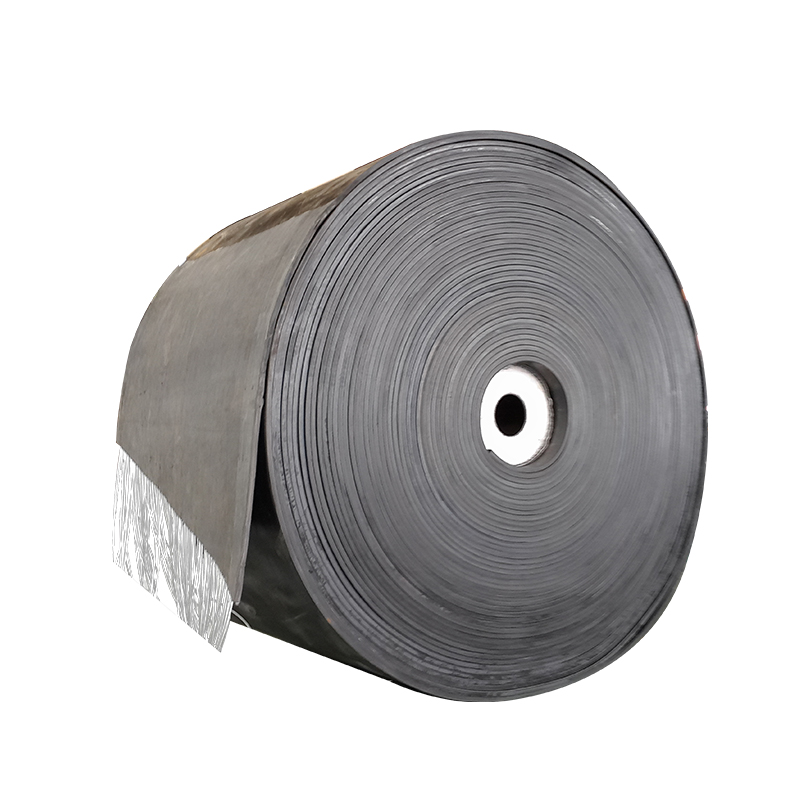
A steel cord conveyor belt should be selected by conveyor length, ST rating, cover grade, pulley diameter, splice design, and loading conditions. This article explains when high strength steel cord conveyor belt construction fits mining and long distance conveyor systems, and what buyers should confirm before ordering.

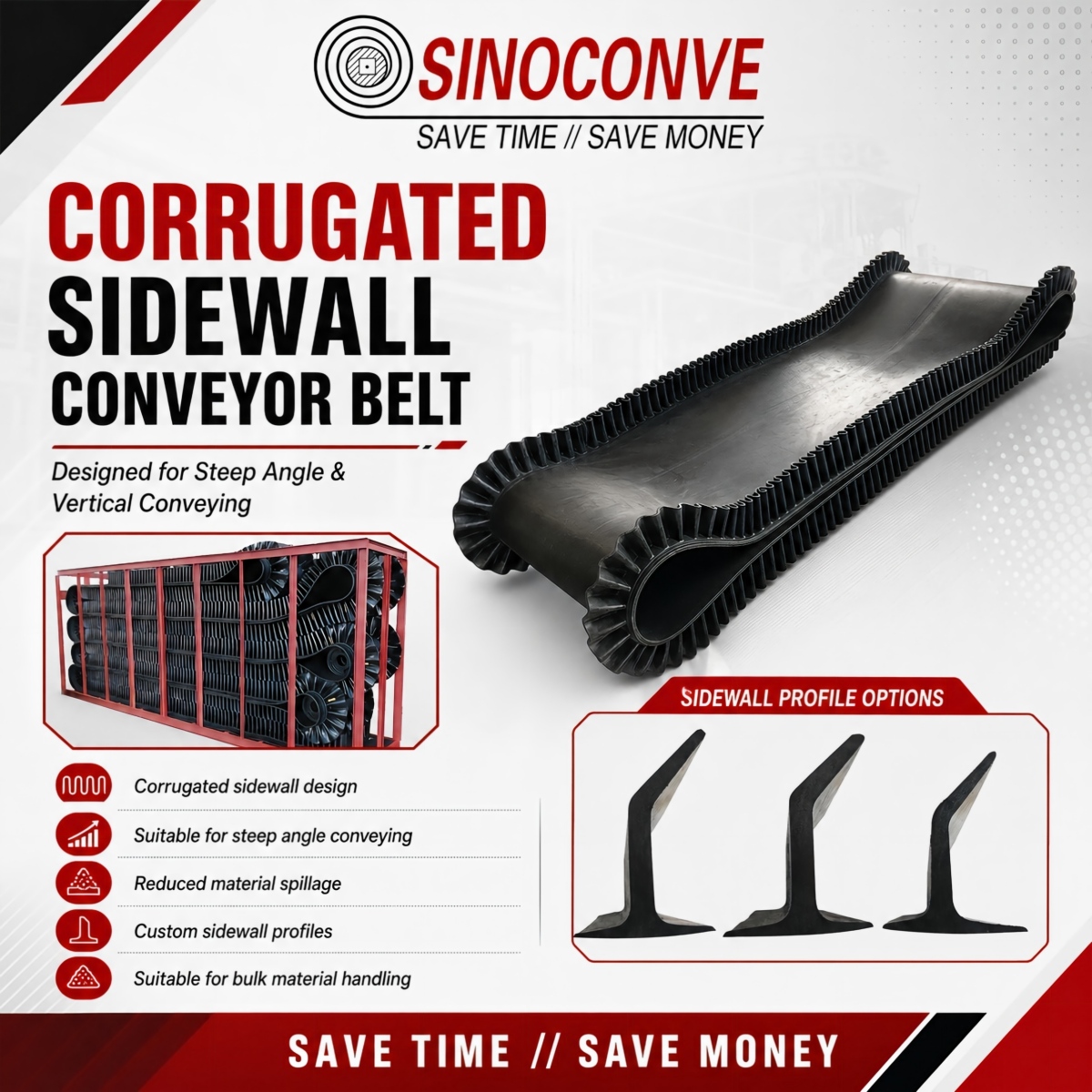
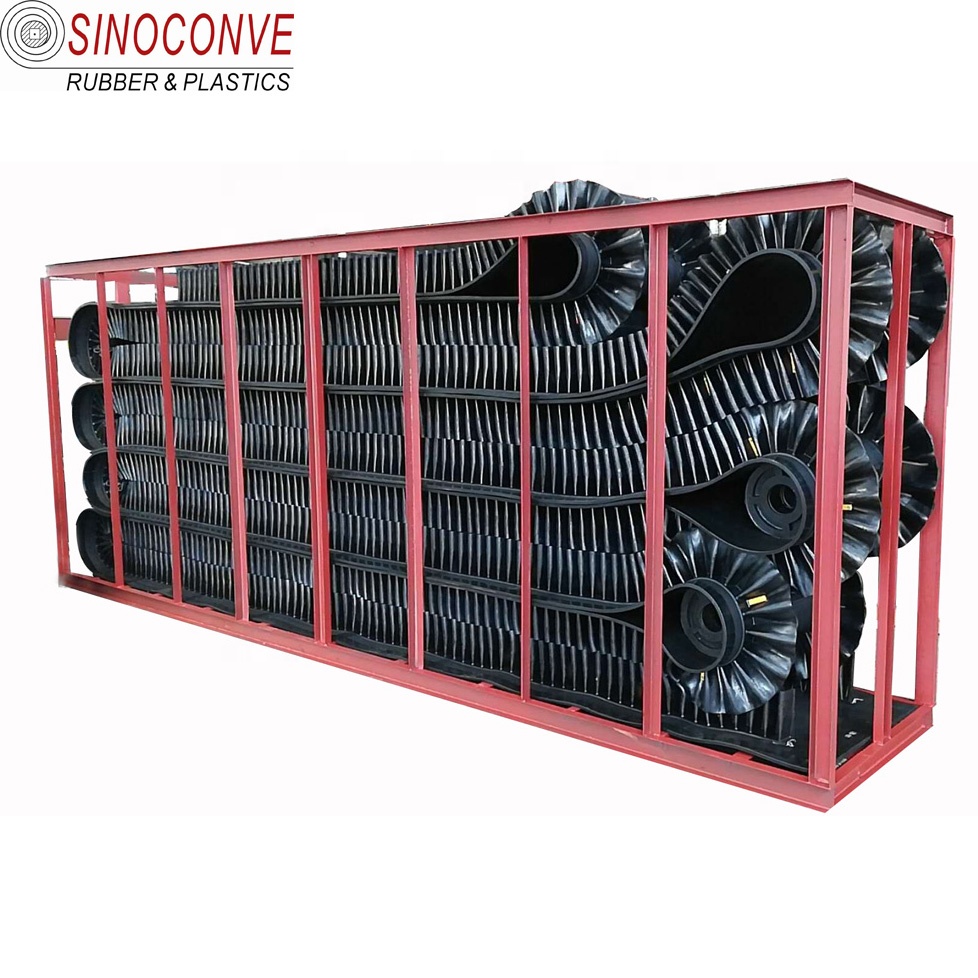
Sidewall Conveyor Belt: When Steep Angle Conveying Saves Space

Sidewall Conveyor Belt: When Steep Angle Conveying Saves Space

1.Flat belts lose bulk material on steep inclines — sidewall systems contain it mechanically. 2.Steep angle conveying compresses horizontal footprint and reduces transfer points. 3.Material behavior drives sidewall height and cleat spacing — not incline angle alone. 4.Loading zone design determines whether the belt performs or becomes a maintenance problem.

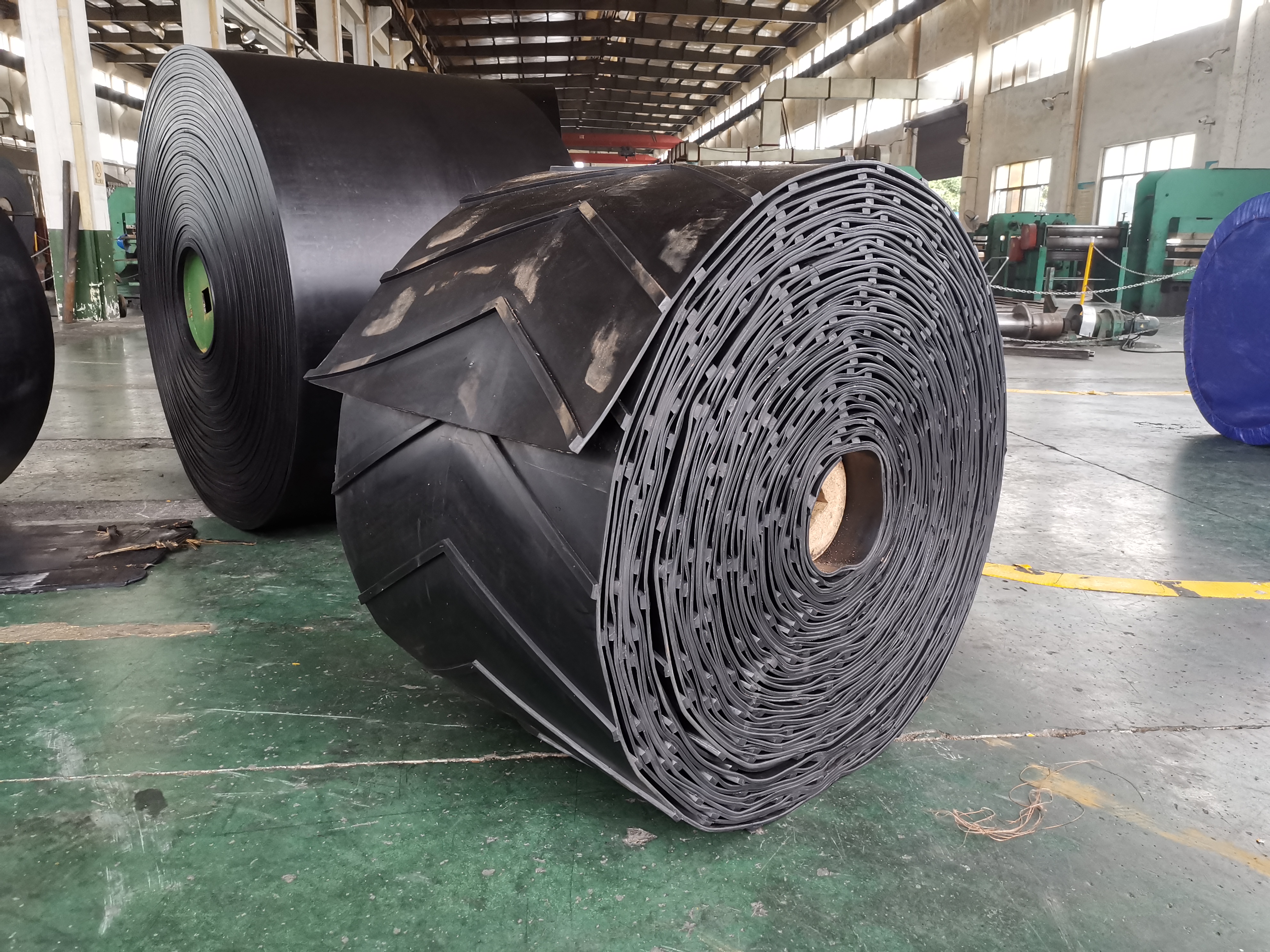
Chevron Conveyor Belt for Steep Bulk Material Handling

Chevron Conveyor Belt for Steep Bulk Material Handling

A chevron conveyor belt helps control loose bulk material on an inclined conveyor, especially sand gravel, aggregate, grain, and similar loads. This article explains how profile shape, material behavior, conveyor angle, loading point, pulley layout, and failure marks affect belt selection and long-term performance.

Flame Resistant Conveyor Belt: What Buyers Need to Know

Flame Resistant Conveyor Belt: What Buyers Need to Know

1. Why a flame resistant conveyor belt is a serious buying decision 2. What buyers usually need to decide first 3. Where this belt type is commonly used 4. Construction clues that matter in a conveyor belt roll 5. Selection criteria that help avoid expensive mistakes 6. Buyer-facing questions to ask a supplier 7. Practical next step

Oil Resistant Conveyor Belt: What Buyers Should Check First

Oil Resistant Conveyor Belt: What Buyers Should Check First

1. Why oil exposure changes the conveyor belt conversation 2. What oil resistance is meant to solve 3. Quick buyer takeaways before you compare options 4. Where oil resistant belts are commonly used 5. Selection criteria that actually matter 6. Common mistakes buyers make 7. Practical advice for sourcing teams and engineers 8. FAQ 9. Next step

Abrasion Resistant Conveyor Belt Guide for Quarry and Steep-Angle Conveying

Abrasion Resistant Conveyor Belt Guide for Quarry and Steep-Angle Conveying

1. Why an abrasion resistant conveyor belt matters in heavy-duty conveying 2. What this type of belt is trying to solve 3. Quick reference: where the design fits best 4. How abrasion resistance and sidewall design work together 5. Buyer criteria that usually decide the job 6. Common mistakes when specifying these belts 7. What to ask before placing a production order

Steel Cord Conveyor Belt: What Buyers Should Know Before Specifying One

Steel Cord Conveyor Belt: What Buyers Should Know Before Specifying One

A steel cord conveyor belt should be selected by conveyor length, ST rating, cover grade, pulley diameter, splice design, and loading conditions. This article explains when high strength steel cord conveyor belt construction fits mining and long distance conveyor systems, and what buyers should confirm before ordering.

Sidewall Conveyor Belt: When Steep Angle Conveying Saves Space

Sidewall Conveyor Belt: When Steep Angle Conveying Saves Space

1.Flat belts lose bulk material on steep inclines — sidewall systems contain it mechanically. 2.Steep angle conveying compresses horizontal footprint and reduces transfer points. 3.Material behavior drives sidewall height and cleat spacing — not incline angle alone. 4.Loading zone design determines whether the belt performs or becomes a maintenance problem.

Chevron Conveyor Belt for Steep Bulk Material Handling

Chevron Conveyor Belt for Steep Bulk Material Handling

A chevron conveyor belt helps control loose bulk material on an inclined conveyor, especially sand gravel, aggregate, grain, and similar loads. This article explains how profile shape, material behavior, conveyor angle, loading point, pulley layout, and failure marks affect belt selection and long-term performance.

Flame Resistant Conveyor Belt: What Buyers Need to Know

Flame Resistant Conveyor Belt: What Buyers Need to Know

1. Why a flame resistant conveyor belt is a serious buying decision 2. What buyers usually need to decide first 3. Where this belt type is commonly used 4. Construction clues that matter in a conveyor belt roll 5. Selection criteria that help avoid expensive mistakes 6. Buyer-facing questions to ask a supplier 7. Practical next step

Explore more

We are committed to providing you with better products and services. Welcome to browse more content for details