
Steel Cord Conveyor Belt: What Buyers Should Know Before Specifying One
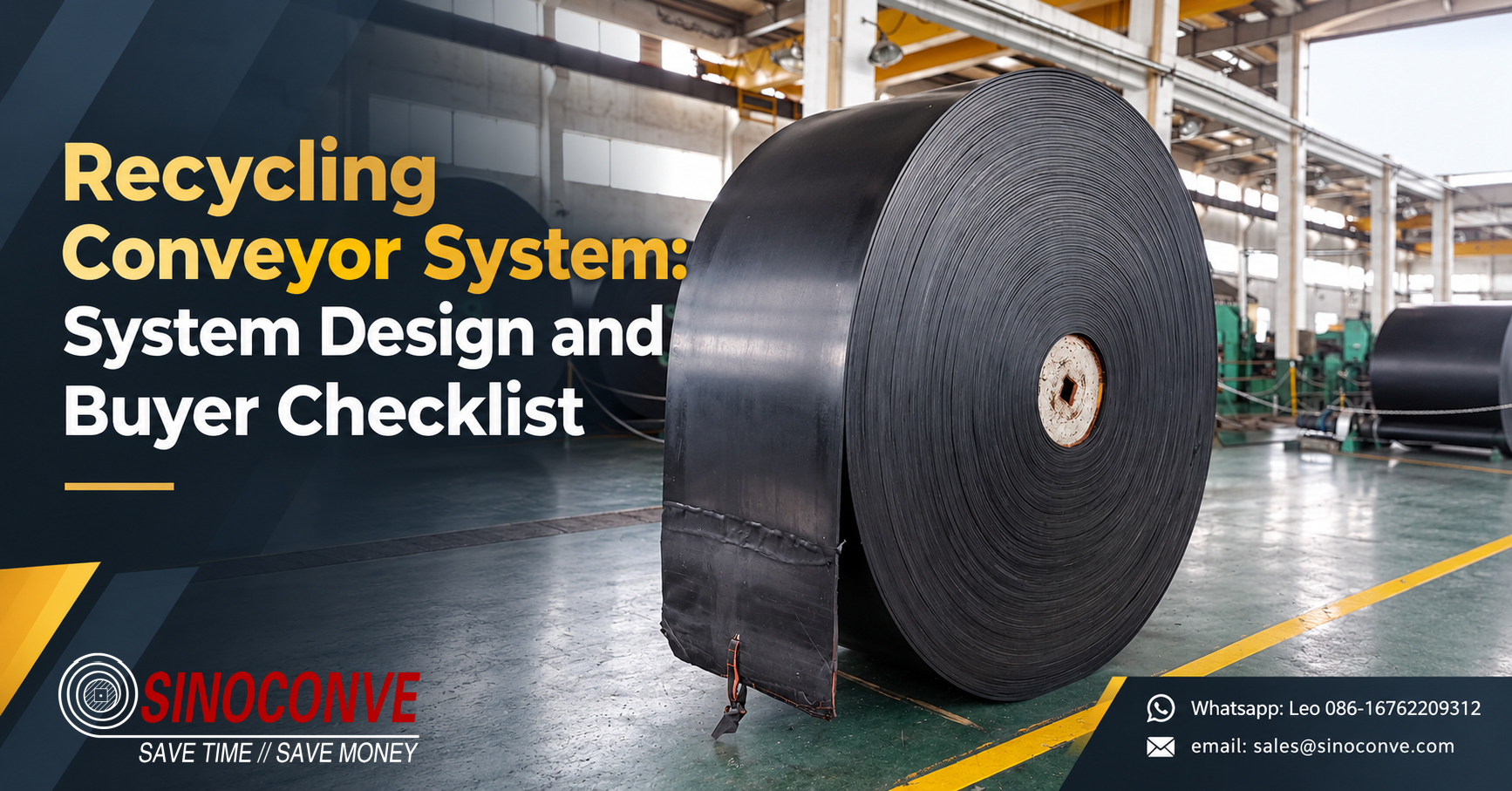
Start with the conveyor, not the roll image. A steel cord conveyor belt may look like another black rubber belt from the outside, but the buying decision is tied to line length, take-up travel, tension, pulley diameter, splice plan, and the material being carried. In mining and other heavy bulk handling projects, that difference matters. The belt is not simply expected to carry material; it is expected to hold shape over distance, resist stretch, and keep the line stable while the system works under load.
A fabric belt can be the better answer on many short or medium-duty conveyors. A steel cord belt becomes more interesting when the conveyor is long, the tension is high, or the project cannot afford frequent retensioning and repeated splice trouble. For a long distance conveyor, low elongation is often part of the reason the system can remain manageable at the drive and take-up ends.
The useful question for buyers is not whether steel cord is “stronger.” It is whether the conveyor design, loading point, pulley arrangement, and maintenance team can actually use that strength. A high strength steel cord conveyor belt can be wasted on a poorly prepared system. It can also become expensive if the cover grade, splice design, or installation method is treated as an afterthought.
Where a steel cord conveyor belt usually makes sense
Steel cord reinforcement is usually considered for heavy-duty conveyors where fabric carcass stretch, belt tension, or conveyor length becomes a limiting factor. In mining, that may mean moving coal, ore, overburden, aggregate, or crushed rock over long runs. In ports and terminals, it may mean continuous ship loading or stockyard transfer. In cement and steel plants, it may mean heavy raw material movement where belt downtime affects several downstream stages.
What changes inside the belt
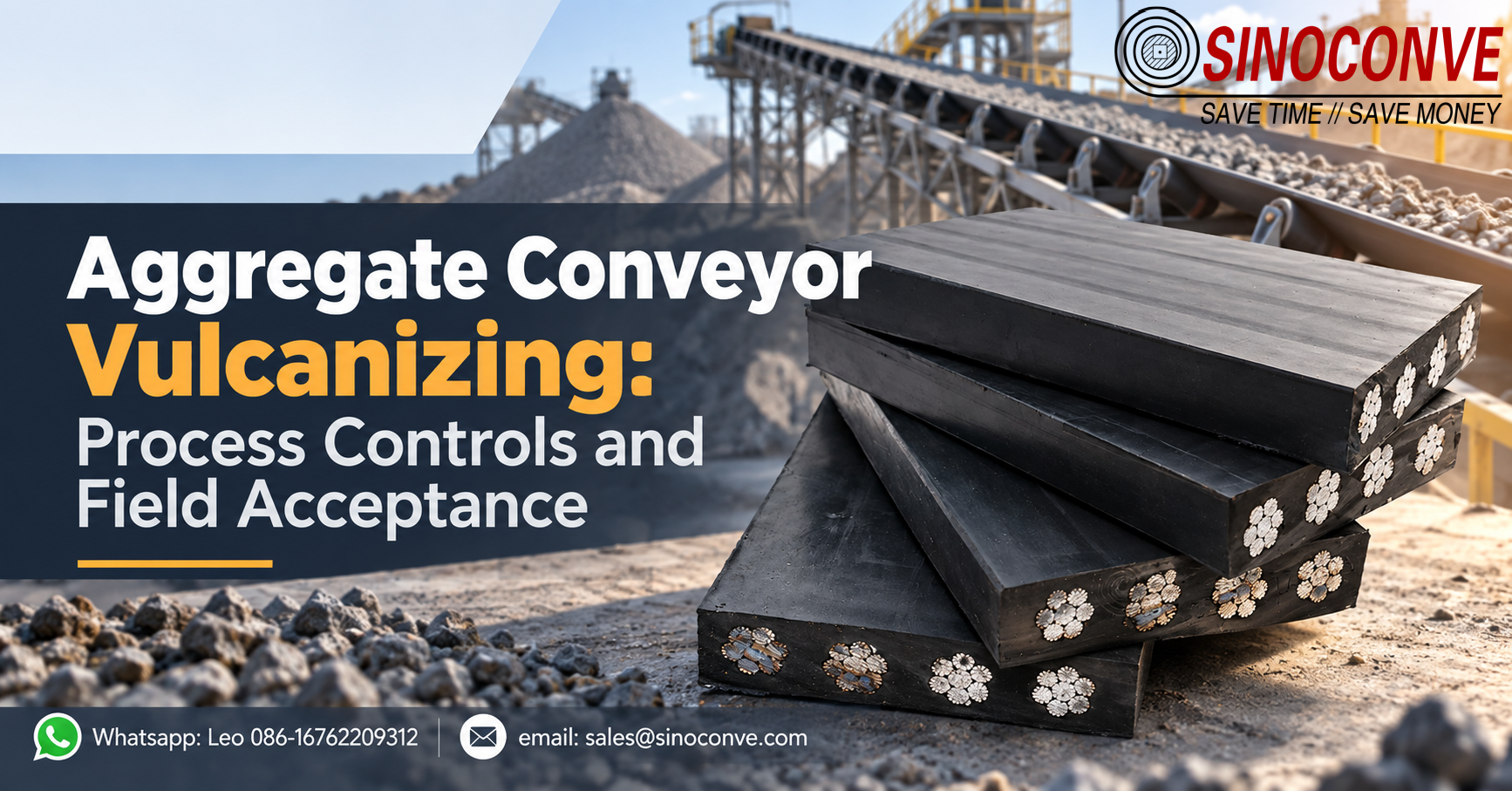
The steel cords run lengthwise through the belt body. Rubber covers protect the working surfaces, while skim rubber and bonding layers help the cords and covers behave as one structure. This internal construction is why a steel cord conveyor belt can carry higher tension with much lower stretch than many textile-reinforced belts. The trade-off is that the belt, splice, pulleys, and installation procedure become more demanding.
|
Belt part |
What it does |
What buyers should confirm |
|
Top cover |
Takes abrasion, impact, cutting, heat, oil, or weather exposure from the conveyed material. |
Cover grade, thickness, and whether the material is sharp, hot, oily, wet, or dusty. |
|
Steel cord layer |
Carries the main tensile load and controls elongation along the conveyor length. |
ST rating, cord layout, cord diameter, cord pitch, and matching pulley diameter. |
|
Skim / bonding rubber |
Transfers load between rubber and cords and helps prevent separation under repeated bending. |
Manufacturer bonding quality, splice instructions, and whether dynamic duty is severe. |
|
Bottom cover |
Runs against pulleys and idlers and protects the reinforcement from underside wear. |
Pulley condition, idler quality, return-side contamination, and cover thickness. |
|
Splice area |
Becomes one of the most important working points in the whole belt. |
Hot splice method, step design, trained technicians, curing conditions, and inspection plan. |
Steel cord belt vs fabric belt: not a simple upgrade
A steel cord belt is often the right choice for a long distance conveyor, but it is not automatically the best belt for every mining or industrial line. Fabric belts still make sense where the route is shorter, pulleys are smaller, field splicing needs to stay simple, or the load does not require very high tensile strength.
|
Question |
Steel cord conveyor belt |
Fabric conveyor belt |
|
Best fit |
Long-distance, high-tension, heavy-load conveying. |
Shorter or medium-duty conveyors with simpler maintenance needs. |
|
Elongation |
Low elongation helps control take-up travel and tracking over long routes. |
More stretch than steel cord, but often acceptable on shorter systems. |
|
Splicing |
Requires trained hot splicing and careful quality control. |
Mechanical or vulcanized joining may be easier depending on belt type. |
|
Cost logic |
Higher upfront cost can be justified when downtime and stretch control matter. |
Often more economical when the duty does not demand steel cord reinforcement. |
|
Buyer risk |
Over-specification, wrong pulley diameter, or poor splice execution. |
Under-specification, early stretch, cover wear, or ply separation. |
Selection points that deserve pressure before ordering
For a steel cord conveyor belt, the specification should be built from the conveyor duty rather than copied from a product name. The belt width and ST rating are only part of the decision. Cover compound, pulley diameter, take-up arrangement, idler condition, loading height, and splice method can all decide whether the belt performs well in service.
In mining, a high strength steel cord conveyor belt may carry heavy ore or coal for long periods, but the top cover still faces abrasion, impact, and cutting. If the cover is under-specified, the cords may be protected poorly even though the tensile rating looks impressive. If the pulley diameter is too small for the belt construction, bending fatigue and splice stress become more likely.
Three operating details that change the specification
Long route length: A long distance conveyor needs low elongation, stable tracking, and take-up travel that the system can manage. Steel cord reinforcement helps here, but only when the belt rating and splice plan match the conveyor design.
Impact at the loading zone: Heavy lumps dropped from height can damage the cover long before tensile strength becomes the issue. Impact beds, chute design, skirt sealing, and cover grade should be discussed together.
Moisture, heat, oil, or fire risk: These are cover-compound questions. A strong carcass does not make the cover suitable for hot clinker, oily material, underground mining, or wet corrosive service. The cover compound must be selected for the actual hazard.
|
Specification item |
Why it matters |
Buyer note |
|
ST rating / tensile strength |
Controls the belt’s ability to carry tension over the conveyor length. |
Do not select by strength alone; match the system calculation. |
|
Cover grade |
Protects the carcass from abrasion, cutting, heat, oil, weather, or fire risk. |
Material behavior decides the compound. |
|
Cord pitch and diameter |
Affects flexibility, impact behavior, splice design, and pulley compatibility. |
Ask the supplier for the construction detail, not only the belt name. |
|
Pulley diameter |
Too small a pulley can stress the belt and splice. |
Confirm minimum pulley recommendations before ordering. |
|
Splice method |
The splice often decides real belt reliability. |
Use trained technicians and follow the specified splice materials. |
|
Loading zone design |
Impact and off-center loading can damage even a strong belt. |
Check chute angle, drop height, skirt sealing, and idler support. |
Failure signs buyers should not ignore
The old belt usually gives useful evidence. A photo of the full belt surface is helpful, but close-ups of the loading zone, edge, splice, return side, and pulley contact areas are even better. These marks often show whether the replacement should change cover grade, construction, or installation method.
|
Observed problem |
Possible cause |
What to check before replacing the belt |
|
Top cover wears quickly |
Abrasive material, poor loading design, wrong cover grade, impact at one point. |
Material size, drop height, chute direction, impact support, cover compound. |
|
Longitudinal rip or cut |
Sharp tramp material, poor detection, trapped material at chute or skirt. |
Rip detection, chute clearance, skirt condition, material control. |
|
Splice opens early |
Wrong splice design, poor curing, contamination, excessive pulley stress. |
Splice records, pulley diameter, bend points, installation procedure. |
|
Edge damage |
Mistracking, off-center loading, frame contact, damaged idlers. |
Tracking history, loading alignment, idler rotation, frame clearance. |
|
Repeated tension adjustment |
Wrong belt selection, take-up issue, conveyor overload, splice movement. |
Take-up travel, load profile, belt rating, drive design. |
Information to send with an inquiry
A serious inquiry for a steel cord conveyor belt should describe the conveyor, not just the belt size. This saves time for both buyer and supplier and reduces the risk of quoting a belt that looks right but behaves wrong.
|
Information |
Why the supplier needs it |
|
Belt width, length, and required ST rating |
Basic sizing and tensile selection. |
|
Material handled and lump size |
Cover grade, impact resistance, and wear risk. |
|
Conveyor length, lift height, and inclination |
Tension, elongation, and system duty. |
|
Pulley diameters and drive layout |
Bending stress and compatibility with belt construction. |
|
Operating environment |
Heat, oil, moisture, UV, underground use, or fire resistance needs. |
|
Old belt photos and failure marks |
Helps avoid repeating the same failure. |
|
Splice preference and installation plan |
Steel cord splicing must be planned early. |
|
Packaging and delivery requirements |
Important for export, storage, and site handling. |
Common mistakes in steel cord belt purchasing
• Buying only by tensile rating. Strength matters, but cover grade, splice quality, and loading-zone design often decide field life.
• Ignoring pulley diameter. A belt that is too stiff for the pulley layout may suffer early splice or bending problems.
• Treating mining as one condition. Coal, ore, limestone, overburden, and clinker do not wear a belt in the same way.
• Copying an old belt without checking why it failed. If the old belt failed because of the conveyor layout, the new belt may fail the same way.
• Leaving splice planning until installation week. Steel cord belt splicing requires materials, time, tools, and trained people.
FAQ
Is a steel cord conveyor belt always better than a fabric belt?
No. It is better when high tension, low elongation, or long distance conveying is required. For shorter or lighter systems, a fabric belt may be simpler and more economical.
Where is a high strength steel cord conveyor belt commonly used?
It is commonly used in mining, ports, cement plants, steel plants, quarrying, power plants, and other heavy bulk handling systems where long service and tension control matter.
Can I judge the specification from a belt roll photo?
No. A roll photo can show the surface and packaging condition, but not the ST rating, cord layout, cover grade, splice design, or expected performance.
What makes a steel cord belt fail early?
Common reasons include wrong cover compound, pulley mismatch, poor splice execution, off-center loading, impact damage, trapped material, and ignoring old failure marks.
What should I ask the supplier before ordering?
Ask for the full belt specification, cover compound, cord construction, pulley recommendations, splice instructions, packaging method, and application suitability for your conveyor conditions.
Final note
A steel cord conveyor belt should be specified from the conveyor duty, not from a catalog label. If the line is long, heavily loaded, or sensitive to stretch, steel cord reinforcement can be the right answer. But the final choice still depends on cover grade, pulley layout, splice quality, loading conditions, and maintenance access. Buyers who confirm those details before ordering usually save more time than those who compare only price and tensile rating.