

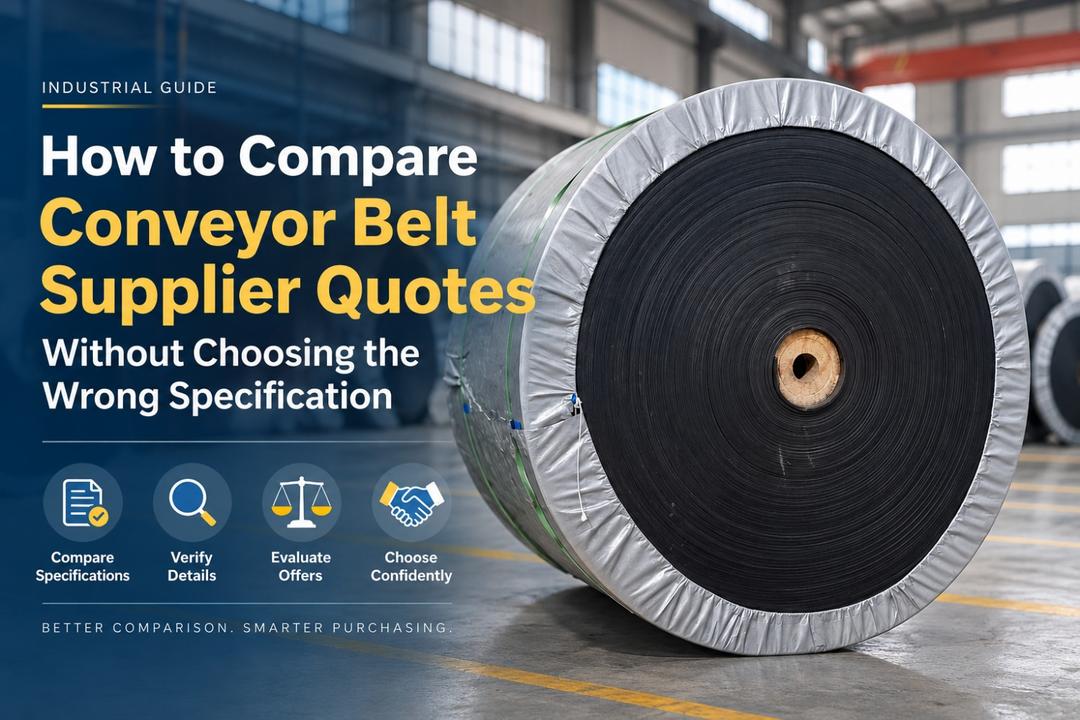
Conveyor Belt Manufacturer Pricing: What Changes Your Factory Quote in 2026?
Conveyor belt quotes for the same specification can differ by 30% — and the gap is rarely an accident. This guide explains what actually changes a factory quote in 2026: the materials inside the belt, the RFQ data you send, the order shape you choose, and the commercial layers from packing and freight to payment terms and validity. It walks procurement teams and importers through a twelve-point quote review, shows how to normalize offers so they can be compared line by line, lists the red flags that signal a weak construction hidden behind a low price, and explains how to negotiate cost without buying a weaker belt. Use the tables as your checklist for the next tender.
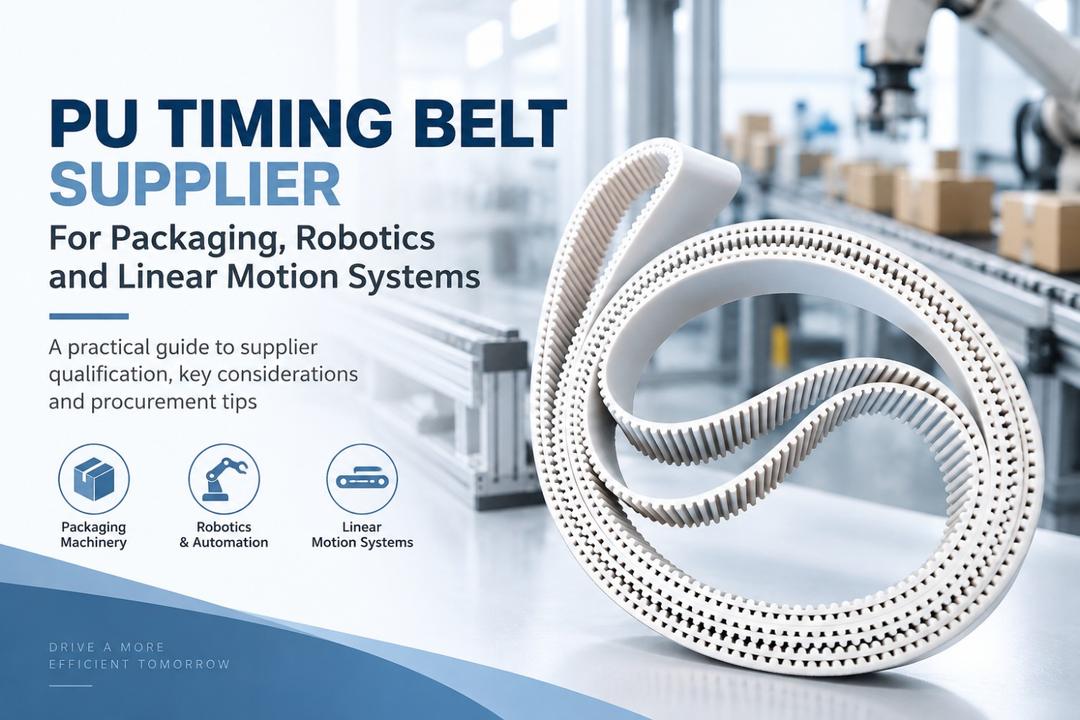
PU Timing Belt Supplier for Packaging, Robotics and Linear Motion Systems
Selecting a PU timing belt supplier for packaging, robotics or linear motion systems requires more than comparing belt price and delivery. OEM buyers need to verify tooth and pulley compatibility, tensile-member construction, working surfaces, motion conditions, sample approval and batch consistency. This guide explains how to qualify polyurethane timing belts technically and commercially, what information belongs in an RFQ, which supplier red flags deserve attention, and how to move from prototype validation to repeatable bulk sourcing.
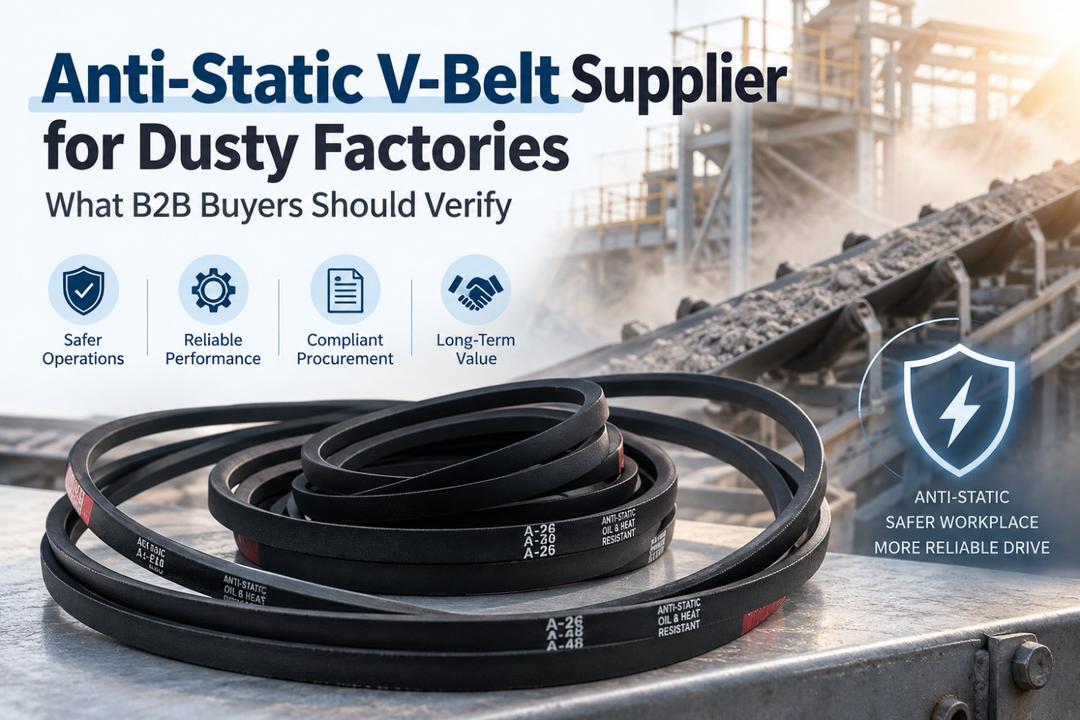
Anti-Static V-Belt Supplier for Dusty Factories: What B2B Buyers Should Verify
Buying an anti-static V-belt for a dusty factory requires more than checking a catalog claim. Procurement teams need to verify the exact belt specification, applicable electrical-conductivity requirement, test method, documentation, traceability and supplier production controls. This guide explains how B2B buyers can qualify an anti-static V-belt supplier, evaluate ISO 1813-related evidence, avoid common RFQ mistakes, manage sample approval and prepare the technical and commercial information needed for a more reliable bulk-order decision.
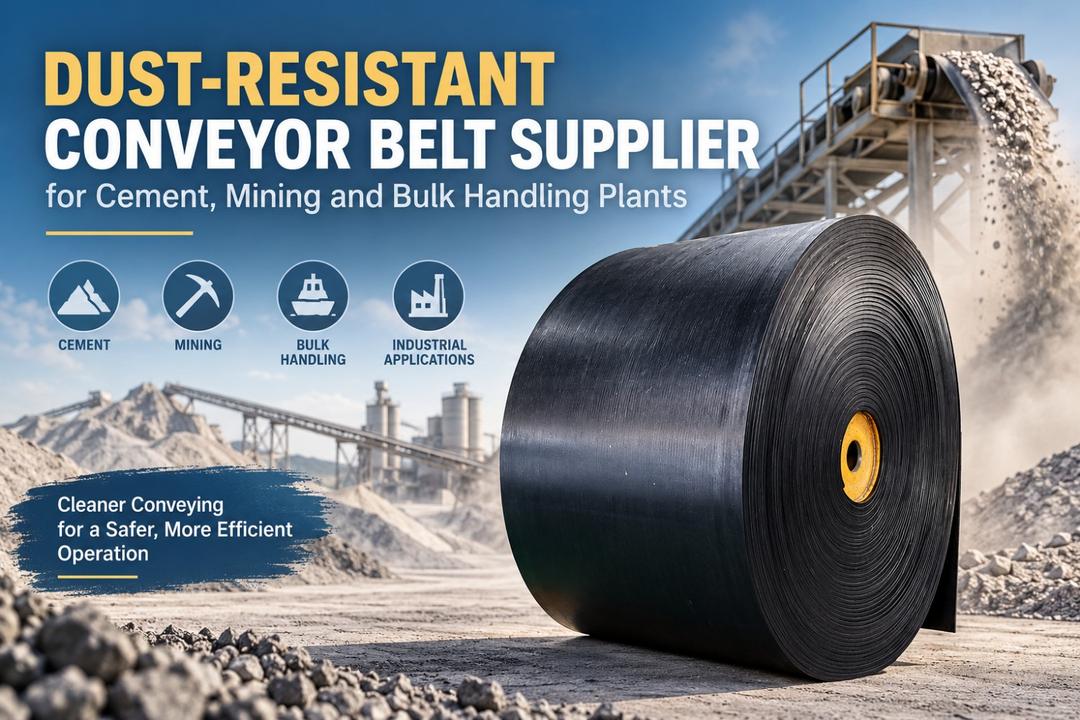
Dust-Resistant Conveyor Belt Supplier for Cement, Mining and Bulk Handling Plants
Dust control in cement, mining and bulk handling is not solved by a single “dust-resistant” belt grade. Buyers need to evaluate conveyed material, abrasion, impact, loading conditions, belt construction, tracking, carryback and transfer-point control together. This guide explains how to specify a conveyor belt for dusty applications, what information belongs in an RFQ, how to compare supplier quotations, and which manufacturing, inspection and documentation capabilities procurement teams should verify before placing an order.
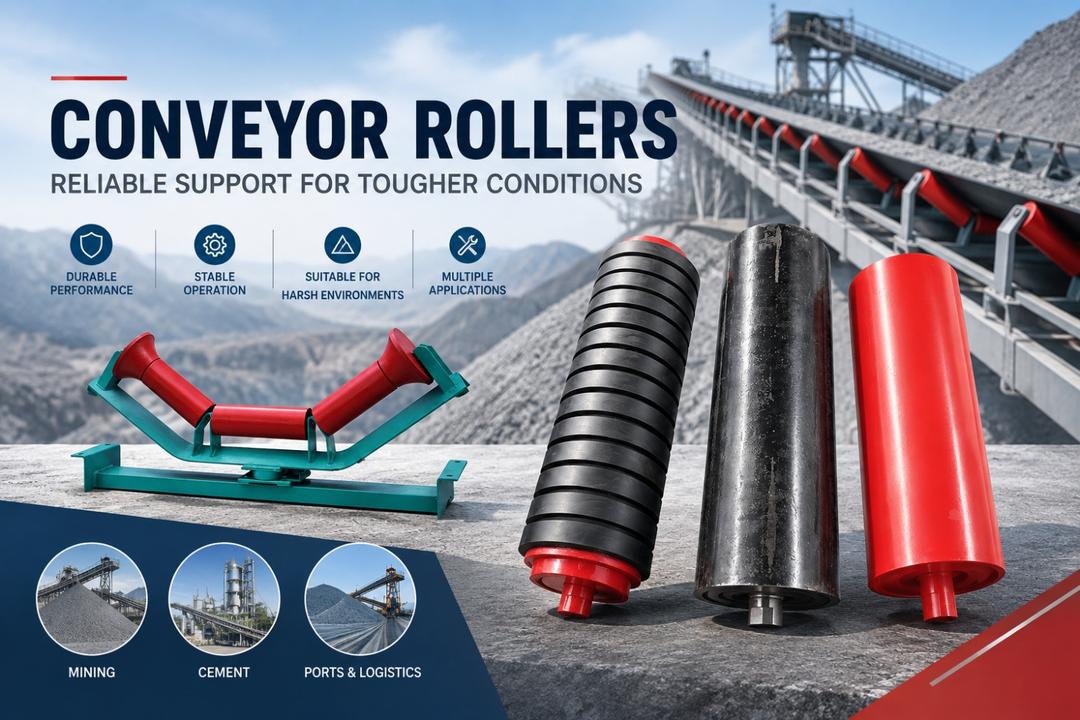
Sealed Conveyor Roller Manufacturer for Fine-Dust Industrial Environments
Fine dust can turn an apparently interchangeable conveyor roller into a recurring maintenance problem when sealing, bearing protection and operating duty are poorly specified. This guide helps mining, cement and bulk-material buyers evaluate a sealed conveyor roller manufacturer beyond price and nominal dimensions. It explains contamination risks, seal and roller construction, supplier qualification, standards, inspection evidence, quotation comparison and the RFQ data manufacturers need to propose a suitable roller for dusty industrial service.
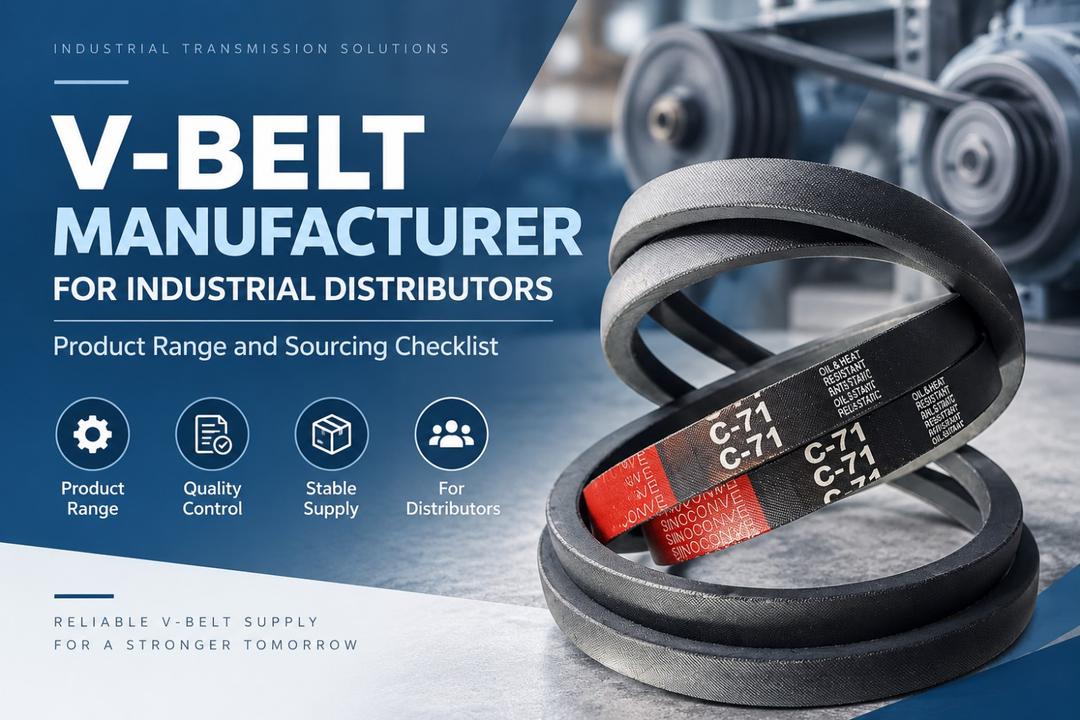
V-Belt Manufacturer for Industrial Distributors: Product Range and Sourcing Checklist
Industrial distributors need more from a V-belt manufacturer than a broad catalog and competitive unit price. This guide explains how to evaluate V-belt product coverage, profile and length compatibility, MOQ by SKU, private-label control, sample approval, quality documentation, production lead time and repeat-order consistency. It also provides a practical RFQ checklist for wholesalers and importers that want to reduce specification errors, control inventory commitments and build a more reliable industrial V-belt sourcing program.
Explore more
We are committed to providing you with better products and services. Welcome to browse more content for details