
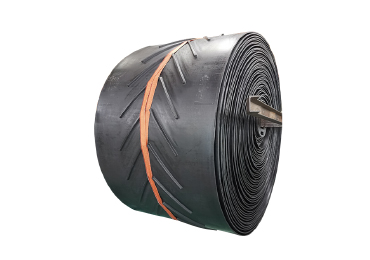
Cleated Conveyor Belt: Practical Selection for Bulk Handling
Learn how a cleated conveyor belt improves inclined bulk handling, when to choose rubber cleated belts, and what buyers should check.
Engineered belt solutions for demanding industries worldwide

Learn how a cleated conveyor belt improves inclined bulk handling, when to choose rubber cleated belts, and what buyers should check.
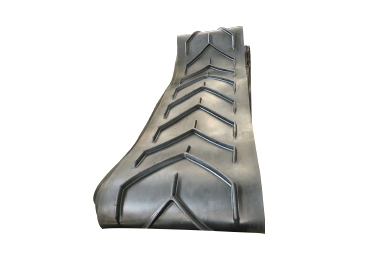
A conveyor belt 4 fabric plies is often used when a light belt stretches, mistracks, or wears too quickly, but the conveyor does not require a steel cord belt. This guide explains how four fabric plies affect strength, flexibility, pulley fit, splice life, and cover wear. It also covers selection checks, failure signs, rubber conveyor manufacture factors, and inquiry details for buyers comparing SINOCONVE belt options.
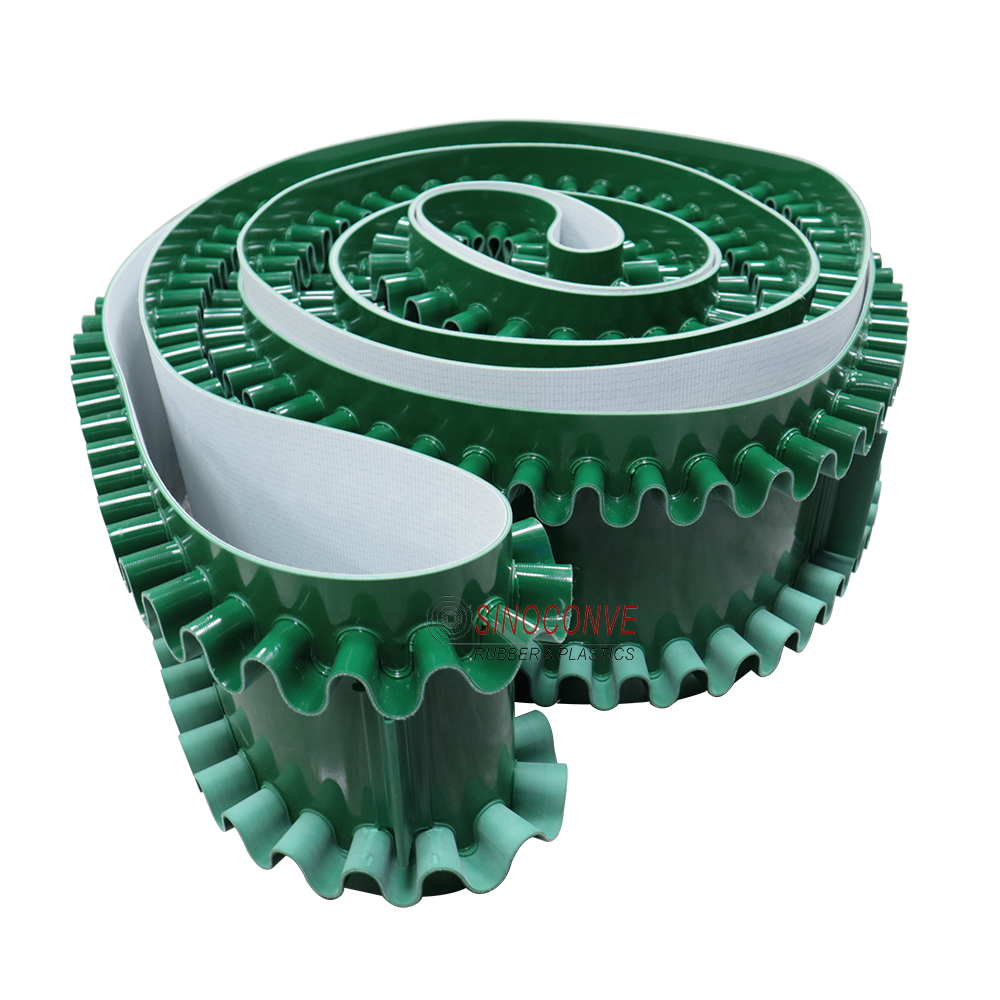
PVC Conveyor Belts and Belting Solutions are used in packaging, food handling, warehouse sorting, light manufacturing, and inclined transfer lines where clean surface control, stable tracking, and easy maintenance matter. This guide explains how pvc conveyor belt structure, surface finish, reinforcement, cleats, sidewalls, pulley layout, and joint method affect performance. It also compares PVC and rubber belts and gives buyer quotation details.
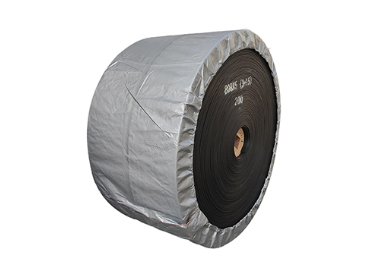
A conveyor belt 4 fabric plies or EP-strength rubber belt should be selected by working tension, material load, pulley layout, cover grade, splice method, and failure marks, not by strength number alone. This guide explains how EP100, EP200, EP300, and EP400 rubber conveyor belt options differ, where each may fit, and what buyers should confirm before ordering a SINOCONVE belt for industrial conveying systems.
A GRADE M TEXTILE CORD CONVEYOR BELT should be selected by cover grade, textile carcass, splice method, pulley layout, loading impact, and material condition rather than by grade name alone. This guide explains how Grade M cover performance works with fabric reinforcement, where this RUBBER CONVEYOR BELT type may fit, what failure marks buyers should check, and what information to send before ordering from SINOCONVE.
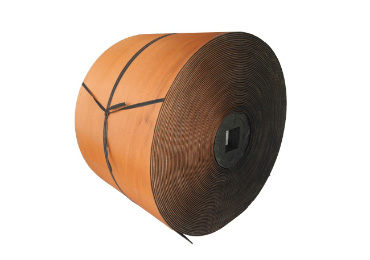
An Agricultural harvester packing belt should be selected by crop type, machine position, surface grip, pulley layout, splice method, and field conditions. This guide explains how an Agricultural harvester belt works inside harvesting and packing equipment, where a conveyor belt or agriculture conveyor belt may fail, and what buyers should check before ordering. It also includes application tables, failure signs, maintenance notes, and quotation information.
Learn how a cleated conveyor belt improves inclined bulk handling, when to choose rubber cleated belts, and what buyers should check.
A conveyor belt 4 fabric plies is often used when a light belt stretches, mistracks, or wears too quickly, but the conveyor does not require a steel cord belt. This guide explains how four fabric plies affect strength, flexibility, pulley fit, splice life, and cover wear. It also covers selection checks, failure signs, rubber conveyor manufacture factors, and inquiry details for buyers comparing SINOCONVE belt options.
PVC Conveyor Belts and Belting Solutions are used in packaging, food handling, warehouse sorting, light manufacturing, and inclined transfer lines where clean surface control, stable tracking, and easy maintenance matter. This guide explains how pvc conveyor belt structure, surface finish, reinforcement, cleats, sidewalls, pulley layout, and joint method affect performance. It also compares PVC and rubber belts and gives buyer quotation details.
A conveyor belt 4 fabric plies or EP-strength rubber belt should be selected by working tension, material load, pulley layout, cover grade, splice method, and failure marks, not by strength number alone. This guide explains how EP100, EP200, EP300, and EP400 rubber conveyor belt options differ, where each may fit, and what buyers should confirm before ordering a SINOCONVE belt for industrial conveying systems.
A GRADE M TEXTILE CORD CONVEYOR BELT should be selected by cover grade, textile carcass, splice method, pulley layout, loading impact, and material condition rather than by grade name alone. This guide explains how Grade M cover performance works with fabric reinforcement, where this RUBBER CONVEYOR BELT type may fit, what failure marks buyers should check, and what information to send before ordering from SINOCONVE.
An Agricultural harvester packing belt should be selected by crop type, machine position, surface grip, pulley layout, splice method, and field conditions. This guide explains how an Agricultural harvester belt works inside harvesting and packing equipment, where a conveyor belt or agriculture conveyor belt may fail, and what buyers should check before ordering. It also includes application tables, failure signs, maintenance notes, and quotation information.
We are committed to providing you with better products and services. Welcome to browse more content for details