
A conveyor belt 4 fabric plies is usually considered when a light belt begins to stretch, mistrack, or wear out too quickly, but the application does not yet justify a steel cord belt. That middle ground is common in quarries, sand plants, cement handling, recycling lines, and many bulk material conveyors where the belt has to carry weight, absorb impact, and still flex around ordinary pulleys.
The mistake is treating “four plies” as a strength label only. In practice, the fabric carcass, rubber cover, splice method, pulley diameter, loading point, and material being conveyed all decide whether the belt will run well. A four-ply belt can be a good choice. It can also fail early if the compound, tension rating, or conveyor layout is wrong.
What Four Fabric Plies Actually Change
The carcass is the load-carrying structure inside the belt. In a conveyor belt 4 fabric plies, four layers of textile reinforcement are bonded inside the rubber body. These plies are commonly made from polyester, nylon, or blended fabric constructions, depending on the required tension, flexibility, and impact behavior.
Adding plies increases the belt’s ability to handle tension and resist tearing, but it also changes bending behavior. A belt with more plies is not automatically better. If the pulley diameter is too small, the belt may flex poorly, heat up, or stress the splice area. That is why a serious rubber conveyor manufacture process does not only ask for width and length; it also checks the conveyor layout.
|
Part of the belt |
What it controls |
Buyer should check |
|
Top cover |
Abrasion, impact, material contact |
Material type, lump size, loading height |
|
Four fabric plies |
Tension strength, stability, tear resistance |
Working tension, conveyor length, load pattern |
|
Bottom cover |
Pulley and idler contact |
Return-side wear, pulley condition |
|
Rubber skim layer |
Bonding between plies |
Delamination risk, heat and moisture exposure |
|
Splice area |
Weakest practical point in the belt loop |
Joint method, pulley diameter, tension setting |
When a Four-Ply Conveyor Belt Makes Sense
A four-ply fabric belt often fits applications where the conveyed material is heavier or more abrasive than packaged goods, but the conveyor is not extremely long. It is commonly used for crushed stone, sand, gravel, coal handling, agricultural bulk materials, construction aggregates, and general industrial transport.
For a short, lightly loaded conveyor, four plies may be unnecessary and can reduce flexibility. For a long overland conveyor or very high-tension system, a fabric belt may not be enough and a steel cord design may be more realistic. The useful question is not “Is four-ply strong?” but “Does this carcass match the load and pulley system?”
|
Conveyor condition |
Four-ply belt fit |
Note |
|
Medium-duty aggregate line |
Often suitable |
Cover grade and loading point matter |
|
Light package conveyor |
Usually excessive |
A thinner belt may track and flex better |
|
Short quarry transfer conveyor |
Often suitable |
Check impact zone and splice type |
|
Long-distance high-tension conveyor |
May be insufficient |
Steel cord or higher-rated fabric belt may be needed |
|
Inclined bulk handling |
Possible |
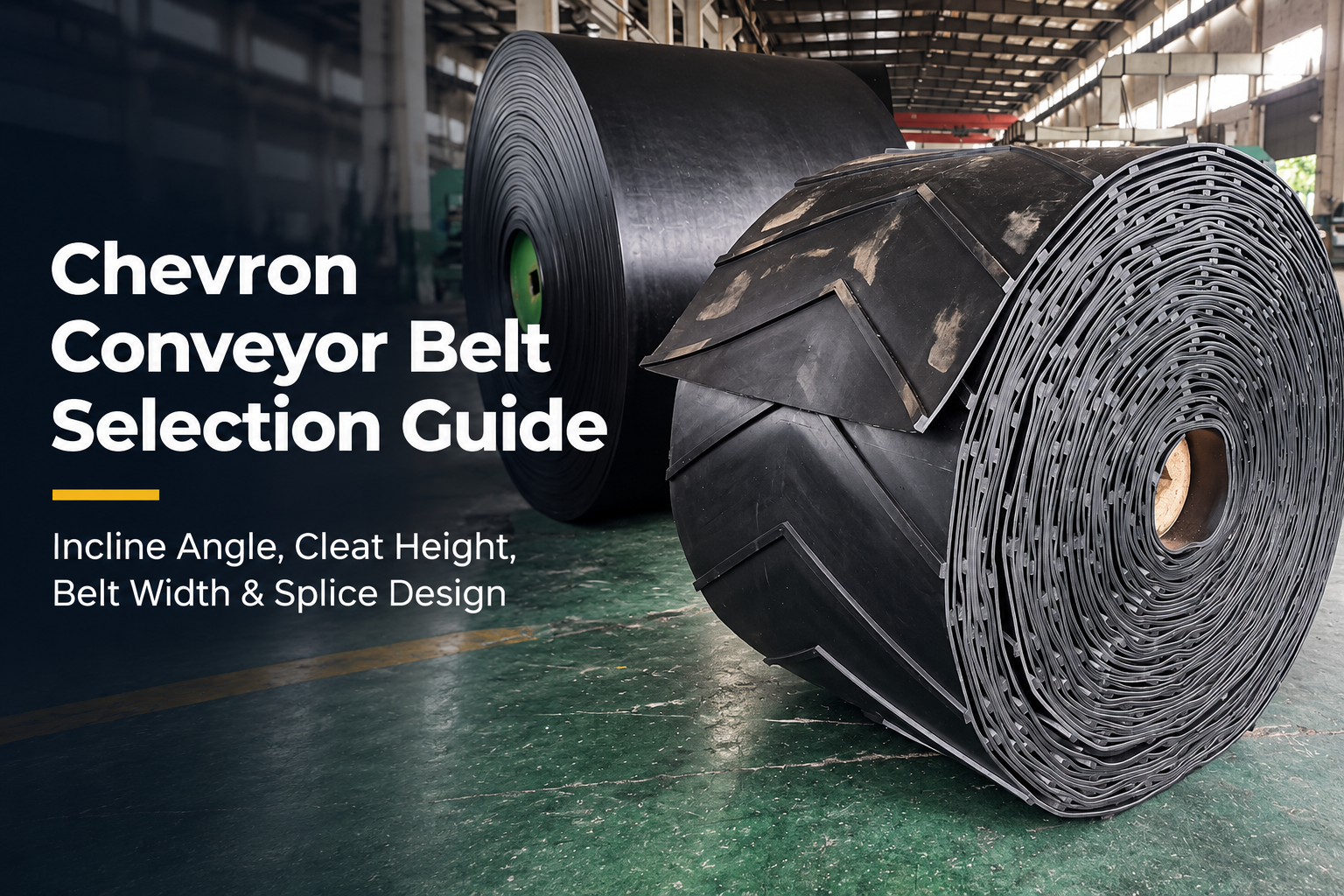
May need chevron, cleats, or sidewall design |
Cover Grade Matters as Much as Ply Count
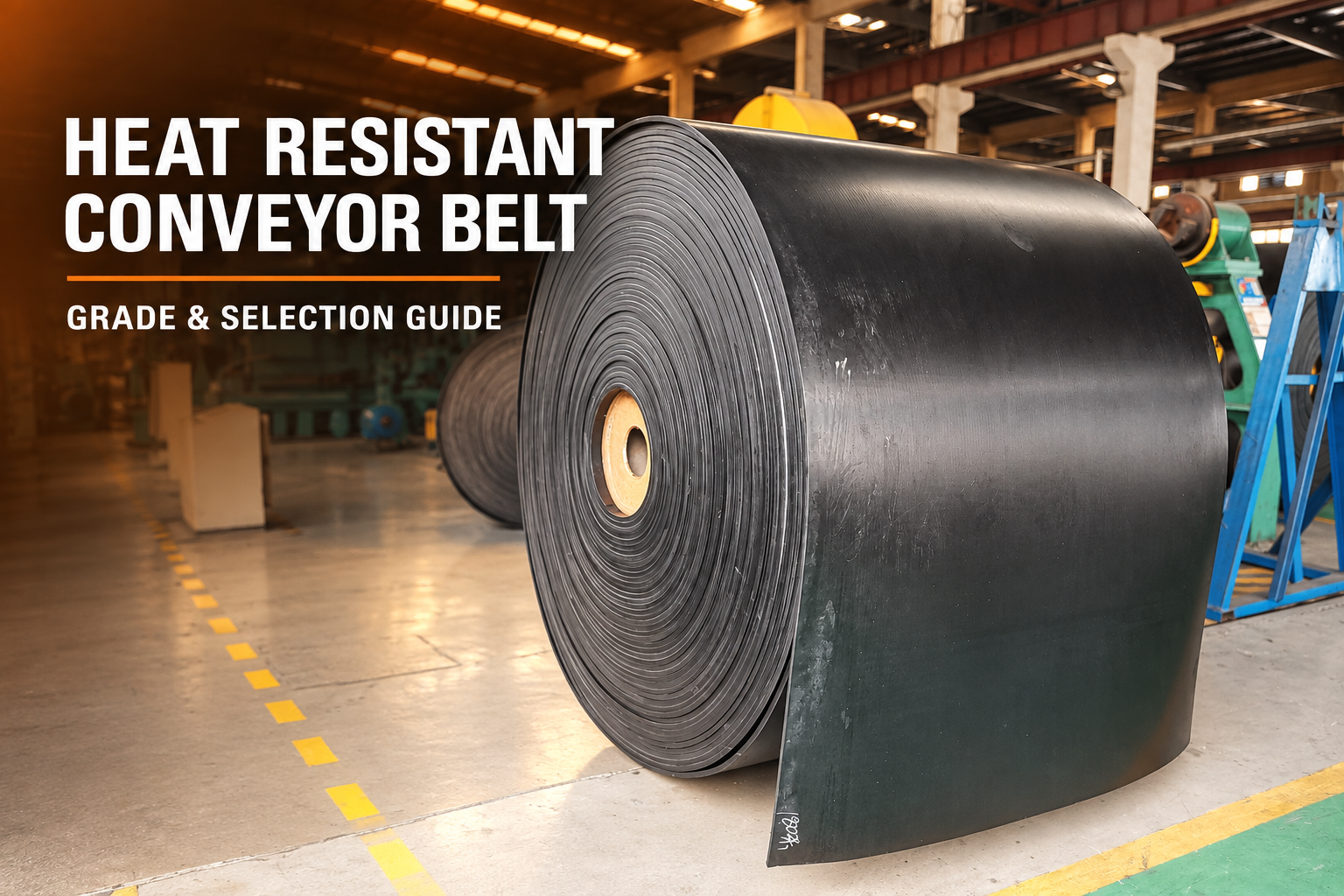
A conveyor belt can have the correct number of plies and still fail because the cover compound is wrong. Abrasive stone needs a different cover from grain. Hot clinker needs a heat-resistant compound. Oily materials or chemical exposure need their own confirmation. The fabric carcass carries tension, but the cover takes the first damage.
This is where rubber conveyor manufacture experience becomes useful. During production, fabric tension, rubber skim bonding, cover thickness, vulcanization, and edge finishing all affect the final belt. A sinoconve belt can be specified according to belt width, thickness, EP strength class, cover grade, surface profile, and application requirements rather than being selected only by ply count.
Selection Checklist Before Ordering
For buyers, the fastest way to avoid a wrong belt is to send application data before asking only for price. A supplier cannot judge a conveyor belt 4 fabric plies properly from the phrase alone. The old belt may provide useful clues, but the conveyor condition explains why it failed.
|
Information to send |
Why it matters |
|
Belt width and total length |
Basic sizing and quotation |
|
Material handled |
Determines abrasion, impact, oil, heat, or moisture needs |
|
Lump size and loading height |
Affects cover thickness and impact resistance |
|
Conveyor length and angle |
Affects tension, tracking, and possible cleat/chevron need |
|
Pulley diameter |
Checks whether the four-ply structure can flex safely |
|
Working hours per day |
Indicates service severity |
|
Splice method |
Mechanical fastener, cold joint, or hot vulcanized splice |
|
Photos of old belt failure |
Shows edge wear, cover cuts, delamination, or splice issues |
Installation Points That Decide Service Life
Many early failures are blamed on the belt when the installation deserves part of the blame. A four-ply belt needs proper tension, clean pulley surfaces, correct tracking, and a splice that suits the working load. Over-tensioning may stop slip for a few days, but it can overload bearings and shorten the splice life. Under-tensioning allows slip, heat, cover glazing, and mistracking.
Before installation, the conveyor frame should be checked for seized rollers, material buildup, worn pulley lagging, and sharp structure contact. After installation, the belt should run empty first, then under light load, and only then under normal load. Edge movement during the first run tells more than a perfect-looking belt sitting still.
Common Failure Signs and What They Usually Mean
|
Observed problem |
Likely area to inspect first |
|
Top cover wears quickly |
Material abrasion, cover grade, loading chute, impact bed |
|
Edges fray or tear |
Tracking, frame contact, off-center loading |
|
Layers separate |
Moisture ingress, poor splice, heat, bonding fatigue |
|
Belt slips on drive pulley |
Tension, pulley lagging, overload, contamination |
|
Splice opens early |
Splice method, curing quality, pulley diameter, tension |
|
Repeated mistracking |
Idler alignment, loading direction, belt stiffness, frame condition |
How SINOCONVE Supports Four-Ply Belt Selection
SINOCONVE supplies rubber conveyor belts for mining, cement, construction, agriculture, material handling, and general industrial applications. For fabric belts, the company can discuss width, thickness, EP rating, cover grade, surface pattern, packaging, logo, and OEM/ODM requirements. The goal is not to sell the thickest belt every time; it is to match the belt to the system so the buyer avoids unnecessary downtime and repeated replacement.
For repeat orders, keeping the sinoconve belt specification record can also reduce sample confusion when the same conveyor line needs another belt months later.
That is also where the company’s “Save Time, Save Money” idea fits. Clear application details reduce back-and-forth quotation work. Correct belt selection reduces emergency replacement. A well-matched sinoconve belt helps buyers spend less time guessing and more time keeping the conveyor running.
FAQ
What does conveyor belt 4 fabric plies mean?
It means the belt carcass contains four fabric reinforcement layers inside the rubber body. Those plies help carry tension and improve structural stability, but the correct choice still depends on the conveyor and material.
Is a four-ply conveyor belt always better than a three-ply belt?
No. Four plies may offer higher strength, but it can also reduce flexibility. A three-ply belt may work better on small pulleys or lighter conveyors.
What should I confirm before buying a four-ply rubber conveyor belt?
Confirm belt width, length, material handled, lump size, conveyor angle, pulley diameter, cover grade, working environment, and splice method.
Why do fabric belts delaminate?
Common causes include moisture ingress, poor splice preparation, excessive heat, chemical exposure, repeated bending stress, or weak bonding between plies.
Can SINOCONVE customize a conveyor belt 4 fabric plies?
Customization can be discussed based on width, thickness, cover grade, EP strength, surface pattern, packaging, logo, sample, or drawing requirements.
Final Note
A four-ply belt is not a universal upgrade. It is a specific structure for a specific working range. Before choosing a conveyor belt 4 fabric plies, start with the material, load, pulley diameter, splice method, and failure history. Those details tell a rubber conveyor manufacture team far more than a product name alone.