
Freezing Conveyor Belt: Frost, Stiff Covers and Washdown Ice

“Freezer belt slips” is an incomplete fault report. Mark the tunnel entrance, drive, transfer nose and impact chute on a sketch before selecting a repair.
01How to Read a Freezer Belt Failure
Start with a stopped, isolated conveyor and the last damaged belt. On the old belt, circle the earliest scar. Against it write the shift and operating condition in which it appeared.
| Line position | Exposure during production | Fault signature to document | Check while the line is stopped | Figure or document needed for a replacement |
|---|---|---|---|---|
| Receiving | Lump impact | Bruise below chute or one-sided skirt scrape | Inspect support directly beneath actual landing spot | Largest piece; chute height; load-zone drawing |
| Wet prep | Rinse and foam | Dark yarn, lifted lip | Follow nozzle jets and drains | Cleaner sheet; join and edge details |
| Tunnel mouth | Doors admit damp air | Slip linked to opening | Check lagging and underside during the event | Door and defrost times; belt temperature |
| Packing | Tight nose and short return | Outer-face crack at repeatable bend | Measure diameter and joint thickness | Reverse-bend sketch; installed pulley list |
| Cold store and dispatch | Long cold dwell interrupted by open doors and moving totes | Tracking changes, iced roller, edge contact | Roller rotation, take-up location, loaded alignment | Running temperature; load distribution; travel length |
02Where the Belt Fits in the Line
An arrow on the plant drawing showing infeed and discharge clears up which conveyor is meant. Food packing and crop intake call for different load data. Our line layouts by industry show the surrounding equipment.
03Receiving and Raw Material Intake
Receiving may never reach deep-freeze temperature. Its worst cut often comes from a frozen block landing between supports. Inspect that gap before specifying extra cover.
Frozen Lumps and the Impact Zone
| What the old belt shows | On-machine observation | Working interpretation | Action before selecting a new rubber conveyor belt |
|---|---|---|---|
| Bruise immediately under the chute | Belt bends into space between supports | Impact energy concentrated in an unsupported span | Review impact bed or idler layout and largest expected piece |
| Long scratch parallel to one edge | Product or skirt touching at a fixed position | Repeated rubbing rather than landing impact | Adjust containment without pinching the moving edge |
| Crack near a pulley after cover thickness increased | Existing diameter unchanged | Added thickness may exceed the proposed construction's bend limit | Check the manufacturer's minimum diameter for the finished belt |
A conveyor belt factory will need a picture with the chute empty and a second with the failed section identified. “High abrasion” describes neither the impact location nor the edge contact.
04Pre-Treatment, Washing and Water Carryover
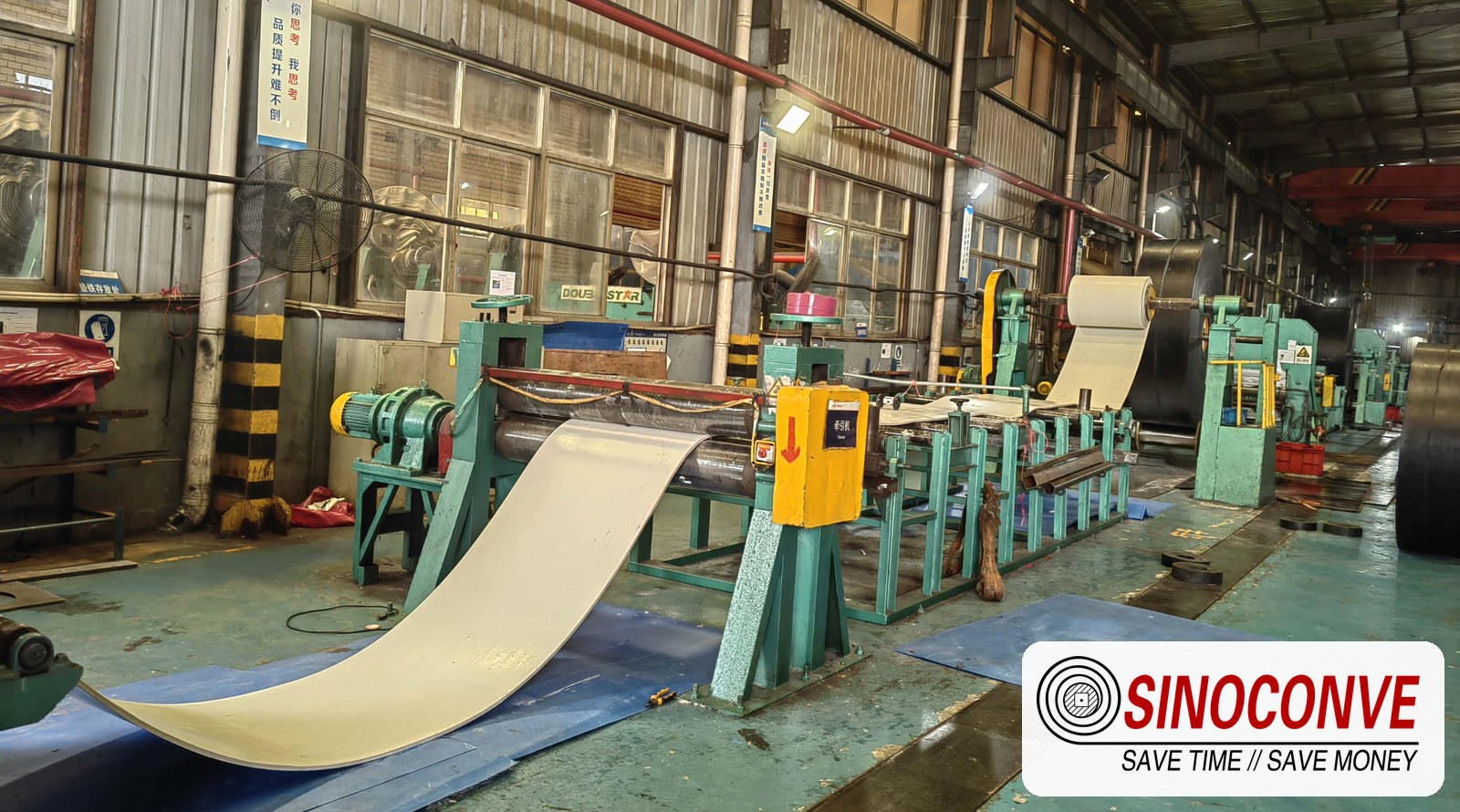
A top cover can look dry with water still under a joint flap. Check exposed edge yarn and cleat bases too. If a wet belt enters the cold zone, record whether the weak point opens further after the next cold start.
Washdown Water as a Permanent Resident
| Wash feature | Where water can collect | How to inspect it | What the belt order should say |
|---|---|---|---|
| Nozzle aimed along the belt edge | Exposed yarn and joint ends | Inspect at the end of the rinse; compare both edges | Sealed-edge construction and joint compatible with the wash process |
| Frame with poor fall to drain | Return-side puddles | Trace where rinse water stands after wash | Drainage correction belongs in frame scope |
| Joint step facing a spray | Under the leading flap | Examine joint after wash and after cold start | Joining method, site installation and inspection access |
The spray cleaning in practice guide gives nozzle context. The line's own map should show where every jet lands. Record cleaner concentration and dwell separately from water temperature.
05Tunnel Mouth: Frost, Ice Film and Slip
Identify the icy surface. The photograph should show the frosted face. For underside and pulley inspection, stop and isolate the drive.
Why Frost Turns Into Slip
| Complaint | Look here | Then check | Do not jump to |
|---|---|---|---|
| Slip follows a door-open period | Pulley lagging and underside condition | Humid-air entry path; door operation | Adding tension before examining traction |
| Ice appears on carry face only | Product wetness and release at discharge | Tunnel air balance and defrost cycle | Assuming top texture will solve drive slip |
| Iced drive | Lagging wear and belt contact | Water source and take-up range | New top cover on the same wet pulley |
Any proposed air barrier needs a check against the tunnel airflow design. Tension changes stay within the belt and conveyor makers' limits.
When Product Sticks to the Belt
| Product condition on entry | Discharge symptom | First process check | Belt detail to review afterward |
|---|---|---|---|
| Free water under a pack | Pack travels around discharge | Drain or remove water before the tunnel | Surface release and scraper contact |
| Sticky food residue plus ice | Deposit builds under blade | Wash and dry sequence | Scraper compatibility and cover finish |
06Packing Room: Small Pulleys and Tight Noses
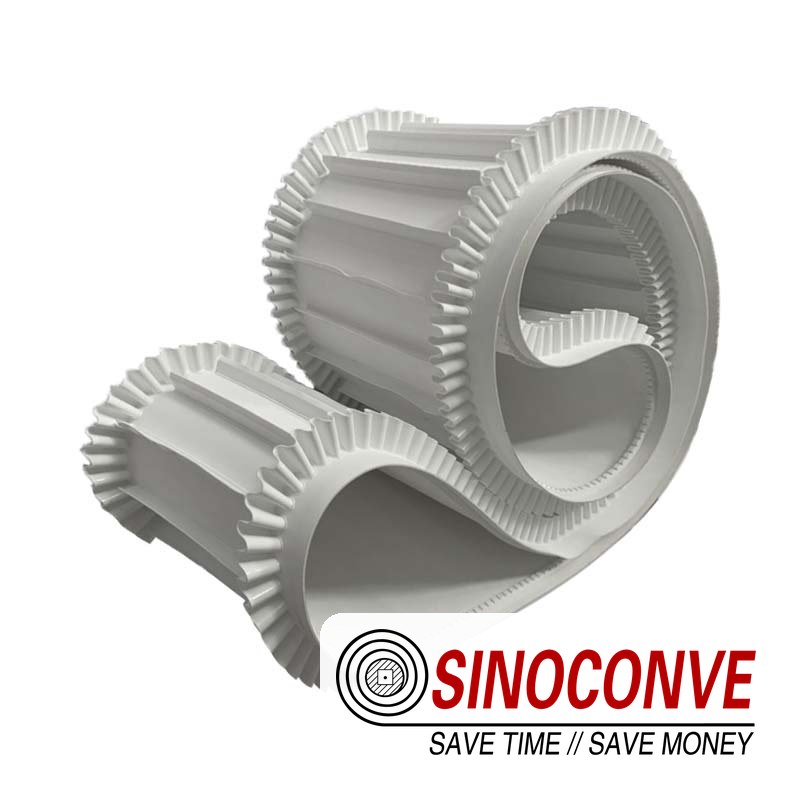
The little conveyor beside the wrapper may make the sharpest bend on the site. Its temperature is only one input. The finished thickness of the belt and its splice, nose diameter and any reverse bend belong in the same comparison.
| Feature | Measure on the installed line | Ask on the product data sheet | Failure if overlooked |
|---|---|---|---|
| Nose pulley or bar | Effective diameter or radius | Minimum permitted transfer geometry | Edge or splice fatigue at the nose |
| Return pulley | Diameter and wrap | Minimum pulley diameter for chosen join | Crack on outer face of repeated bend |
| Reverse bend | Position and direction | Different limit, if any, for reverse flexing | Joint opens or reinforcement fatigues |
| Cover thickness | Finished dimension, both faces | Limit for this construction and temperature | Too-stiff belt at a tight transfer |
Surface pattern options for light belts help with handling packs; they do not cancel a pulley limit. Tunnel fans and wrappers have separate transmission belts.
07Cold Store Transfer and Order Picking
Door traffic provides the timing clue here. Record tracking with the conveyor loaded during a busy period and again after a quiet interval. Inspect the return rollers for ice before assigning the fault to the carcass.
The warehouse conveyor layout guide covers transfer interfaces. If a conveyor belt distributor keeps a spare locally, identify construction, profile and join on the spare itself; width and length do not identify the complete belt.
08Low-Temperature Flexibility and Pulley Diameter
What Cold Does to a Cover Compound
Do not infer a temperature rating from the polymer family or belt colour. Put three documents side by side: grade sheet, joining instructions and food-contact declaration. Add chemical approval for the wash used on site.
| Specification field | Why it must be stated | Supporting evidence |
|---|---|---|
| Minimum working temperature | The cover and join must flex at the belt's actual condition | Product-grade temperature range and operating profile |
| Minimum pulley diameter | The tightest bend can disqualify an otherwise suitable cover | Manufacturer's limit for chosen construction and join |
| Belt thickness | Changes bend demand and transfer clearance | Finished nominal thickness and tolerances |
| Reinforcement | Affects stretch and joint design | Carcass or cord type, rated tension |
| Cleaner exposure | May affect coating and splice | Written compatibility for actual conditions |
Why the Smallest Pulley Decides the Compound
Measure drive, tail, snub and nose pulleys, including field modifications. The cold-resistant belt compounds guide provides background; use the specific product limit. V-belt sheave data applies to separate machine drives.
Where the Splice Fits in That Argument
| Join | Practical installation issue | Cold-line check | Hygiene or inspection question |
|---|---|---|---|
| Workshop endless | May require frame opening | Finished joint through smallest wrap | Smoothness and cleaning access |
| Site finger joint | Needs skilled tooling and space | Flex and quality at cold start | Edge finishing and repeatability |
| Stepped joint | Adds a locally different section | Step orientation and bend limit | Raised lip collecting water |
| Mechanical fastener | Useful where disassembly is difficult | Manufacturer limit and joint flex | Metal detector and cleanability requirements |
The comparison of splice methods explains the general options. Select from the installed geometry and wash conditions, not from a universal ranking of joint names.
09Cleaning Chemistry Against Belt Compound
Attach the hygiene sheet to the RFQ. Include cleaner concentration, temperature, dwell, rinse and frequency. Recheck compatibility after changing sanitizer.
| Cleaning record | What to put in the enquiry | What to inspect afterward |
|---|---|---|
| Foam formulation | Brand or chemical identity; dilution; dwell | Surface change, joint edge and residue |
| Rinse | Temperature, pressure, nozzle direction | Retained liquid at underside and edges |
| Periodic descaling | Acid identity and frequency | Cover and joint material compatibility |
| Cold restart | Drain and drying procedure | Ice at pulley nip, cleat and return run |
Keep written chemical approval for the selected belt and splice. A dry carry face can conceal wet fabric.
10Cleats, Sidewalls and the Root of a Crack
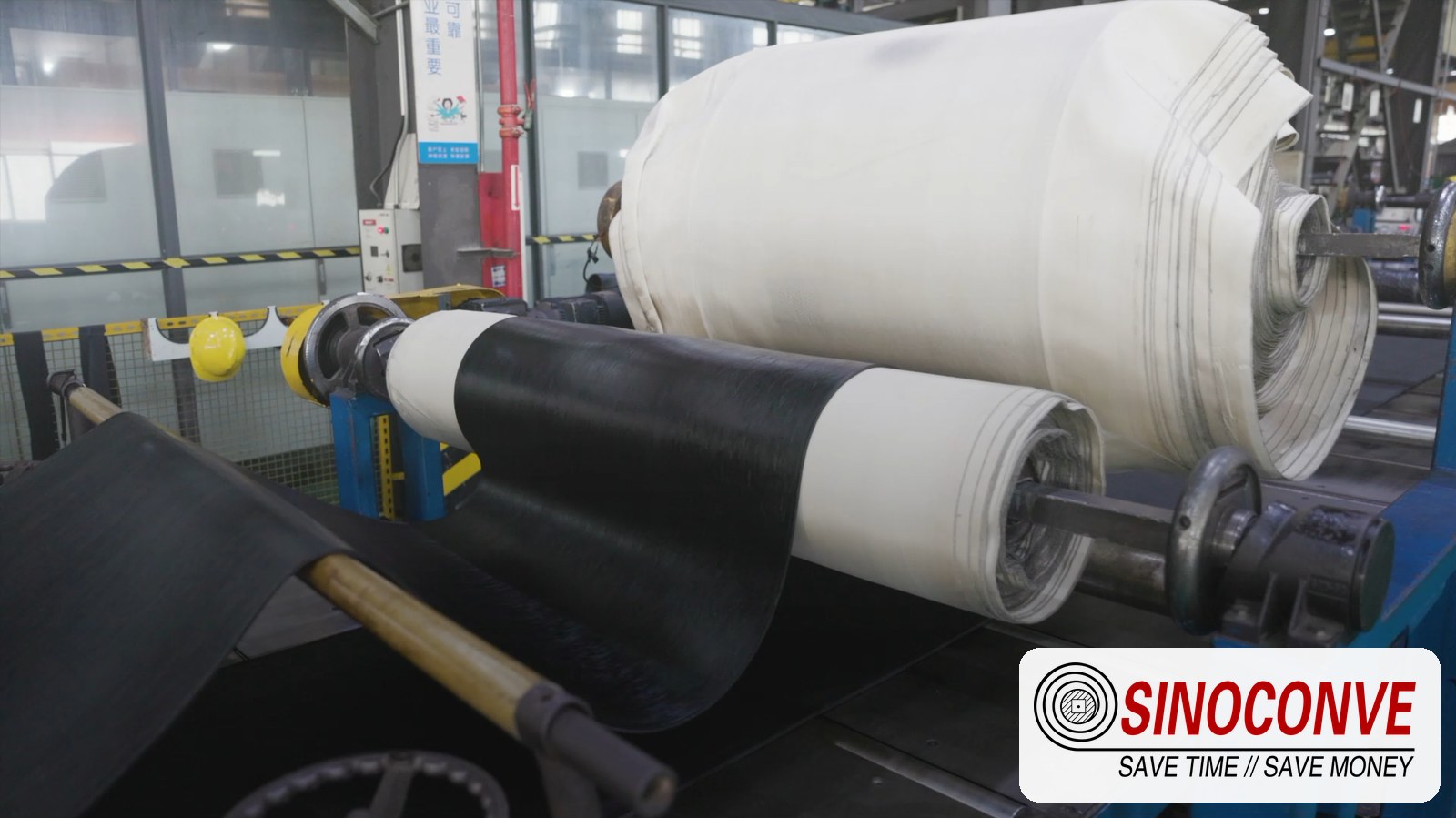
Fold a damaged cleat back at the base during the stopped inspection. Ice packed behind it may explain an odd wrinkle. A crack at every root is a different clue from one torn cleat caught on a skirt.
| Visible damage | Check in the conveyor | Information for the replacement |
|---|---|---|
| Several roots crack at one pulley | Bend radius and attachment type | Pulley diameter, cleat pitch, cold grade |
| One cleat tears on one side | Skirt, guide or product obstruction | Clearance photos and profile width |
| Sidewall base opens | Frozen deposit behind wall; base flex | Base width, wall height, pulley and cleanout access |
| Loose piece missing | Product and foreign-material control | Removal record and planned replacement |
A sidewall belt on an incline transfer requires the whole profile drawing. The PVC sidewall arrangement used on fruit lines illustrates layout, but its compound cannot be assumed suitable for deep-freeze service.
11Buyer Enquiry and Field Acceptance
Send the drawing with the failed belt photos. Mark the lowest belt temperature, measured pulley diameters, reverse bends, normal load, door schedule, cleaning chemistry and available installation access. The notes on qualifying a food-grade belt supplier cover the documentation questions.
| Enquiry field | Why the supplier needs it | Acceptance observation |
|---|---|---|
| Temperature and cold dwell | Exact cover and join limits | Start cold; inspect edge and joint |
| Drive, tail, snub and nose diameters | Bending limits and construction | Run through each wrap at normal load |
| Cleaning sheet and water path | Chemical and refreezing exposure | Complete approved wash and restart |
| Door and defrost pattern | Frost and traction at entrance | Observe a representative production cycle |
| Joint and installation access | Supply form and tooling | Fit without damaging edge or splice |
| Existing failure location | Separates damage modes | Compare new baseline at the old fault point |
Acceptance Runs Worth Doing
Record belt ID, take-up position and operating conditions at handover. Watch the joint and both edges at cold start, then loaded. After the approved wash and restart, inspect the same points again. Keep those observations with the belt ID.
12Frequently Asked Questions
Is the existing white rubber belt suitable for freezer duty?
Check the exact grade's low-temperature rating and its minimum pulley diameter, including the join. White colour and food-contact status answer different questions. See the guide to white rubber belt selection.
PU or PVC for a line from ambient into deep freeze?
Specify the grade, reinforcement, thickness, join and cold exposure. A generic PU-versus-PVC answer can overlook a small nose pulley or a chemical incompatibility.
The belt slips at the tunnel mouth only in humid weather. Where do we start?
At the drive pulley and belt underside. Check for water or ice, then relate the event to doors and defrost. Only adjust tension within the maker's range.
Do we have to remove water after washdown before re-entry?
Yes. Use the validated sanitation and restart sequence, including the edge, joint, return run and pulley nips where free water can remain.
Is a cracked cleat root inevitable on an incline?
No. Inspect attachment, bend geometry, skirt contact and product frozen behind the cleat. Remove loose material under the plant's contamination procedure.
What does a metal detector need from the belt?
Tell the detector supplier the belt construction and joint, including fasteners. Validate performance with the installed belt, real product and approved test pieces.
Will cleaning chemicals attack the cover?
Possibly. Get written compatibility for the exact cleaner, concentration, temperature and exposure time on the specified belt and join.
How do we choose a spare and replacement timing?
Label the spare with construction, profile and join, and follow the maker's storage instructions. Trend edge cracks, joint condition and take-up travel for planned replacement.
Related Products You May Need
- PVC conveyor belt for chilled packing and inspection lines
- Rubber conveyor belt for intake and heavier frozen product
- EP fabric belt for long runs through cold stores
- V belts for tunnel fans and packing hall drives
Related Blog Posts
- Cold-resistant belt compounds for sub-zero service
- How to qualify a food-grade belt supplier before the RFQ
- What buyers should know about white rubber belts
- PU belts on hygienic food handling lines