Conveyor Belt Cleaner for Carryback Control
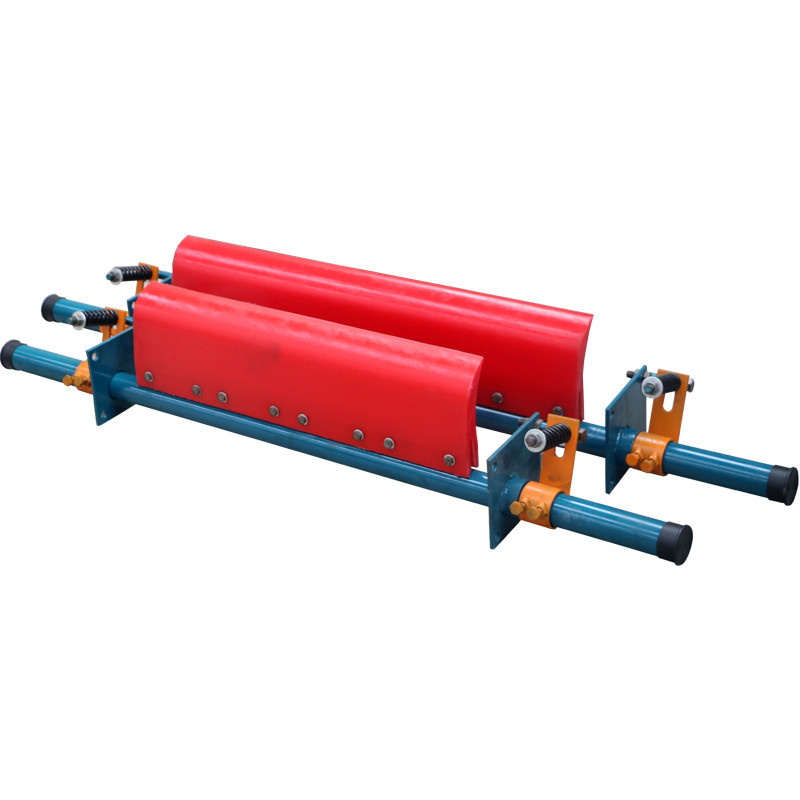
A conveyor belt cleaner helps control carryback before residue damages return rollers, pulleys, belt covers, and maintenance areas. This article explains how a dual blade cleaner works, why polyurethane blade pressure and mounting position matter, and where cleaners are useful in mining, cement, agriculture, recycling, and manufacturing lines. It also covers common cleaner problems, selection checks, quotation information, and maintenance points for buyers comparing belt cleaning options.
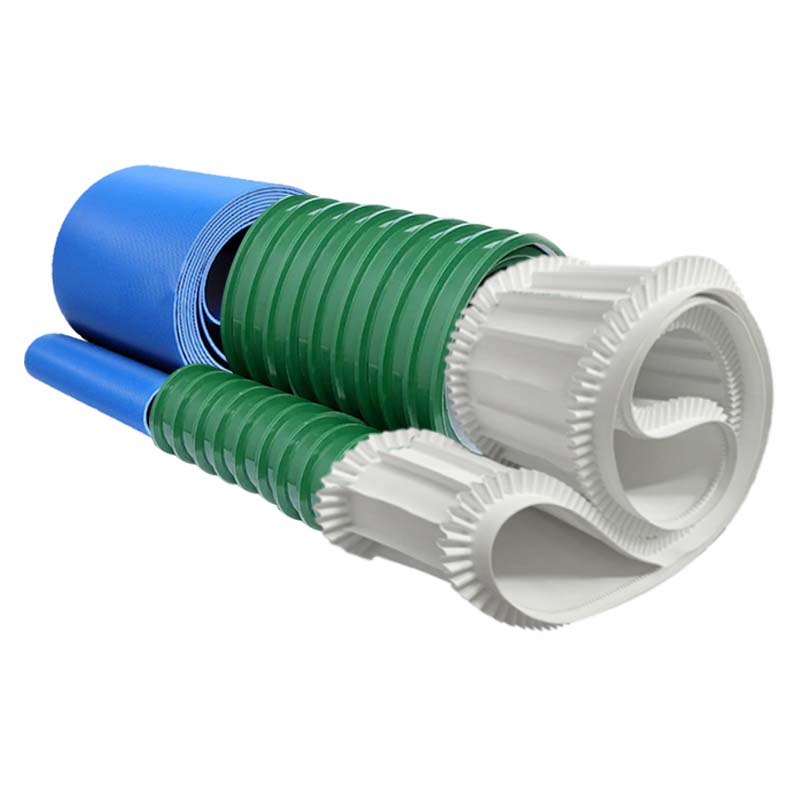
PVC Conveyor Belt: Solving Material Handling Issues
A pvc conveyor belt should not be selected only by color, thickness, or price. The real choice depends on product contact, surface grip, pulley layout, cleaning method, incline angle, and failure marks on the old belt. This article explains where PVC belts work well, when a Customized PVC conveyor belt is needed, and what buyers should confirm before ordering belts for packaging, logistics, food handling, and light manufacturing lines.
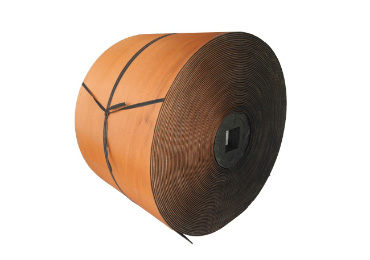
Application of Rough Top Rubber Conveyor Belt
1.A rough top rubber conveyor belt is useful when product stability is the real handling problem. It helps cartons, bags, parcels, panels, and packaged goods stay controlled on inclined or short transfer sections.
2.The belt should not be selected by surface name alone. Buyers need to check product base material, incline angle, belt speed, pulley diameter, cleaning method, and old belt wear marks before choosing a rough top surface.
3.For better Application of rough top rubber conveyor belt systems, buyers should send clear working-condition details. Photos of the old belt, pulley area, transfer point, surface wear, and failure marks help suppliers recommend a more accurate rubber conveyor belt.
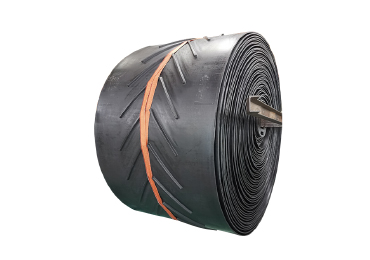
Farm Chevron Conveyor Belt for Inclined Handling
1.A Farm chevron conveyor belt is useful when loose farm materials need more grip on inclined conveyors. Grain, feed, fertilizer, soil, and crop residue behave differently, so the belt pattern should match the real material condition.
2.Chevron height alone does not decide belt performance. Buyers also need to check conveyor angle, pulley diameter, base belt construction, cover rubber, splice method, loading point, and cleaning access.
3.A good quotation should start from working conditions, not only belt size. Photos of the old belt, pulley area, loading point, splice, and failure marks help suppliers recommend a more accurate chevron conveyor belt.
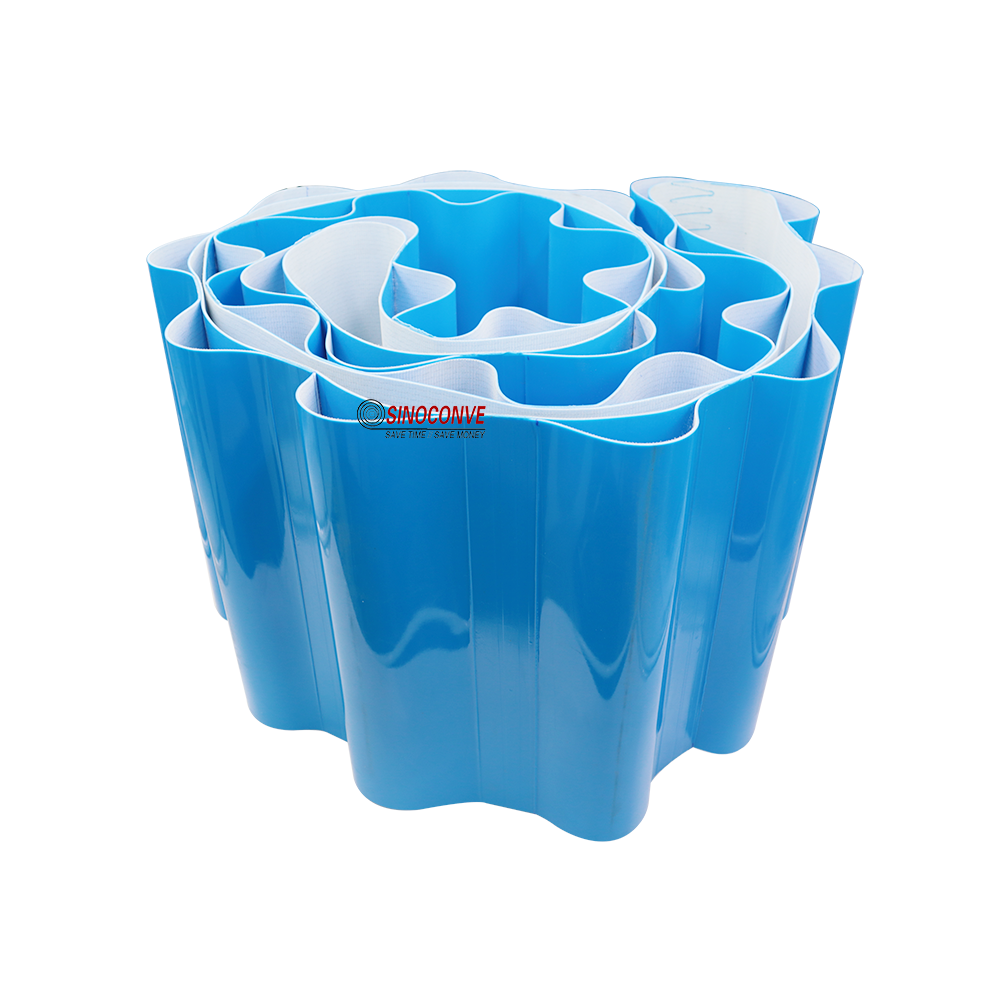
Fruit Conveyor Belt: SINOCONVE PVC Sidewall Solution
A fruit conveyor belt should be selected by fruit type, moisture, surface grip, cleaning access, sidewall design, and pulley layout. This article explains when a pvc conveyor belt or Fruit pvc conveyor belt with corrugated sidewalls makes sense for fruit washing, sorting, grading, packing, and inclined transfer lines.
Cleat PVC Conveyor Belt for Inclined Handling
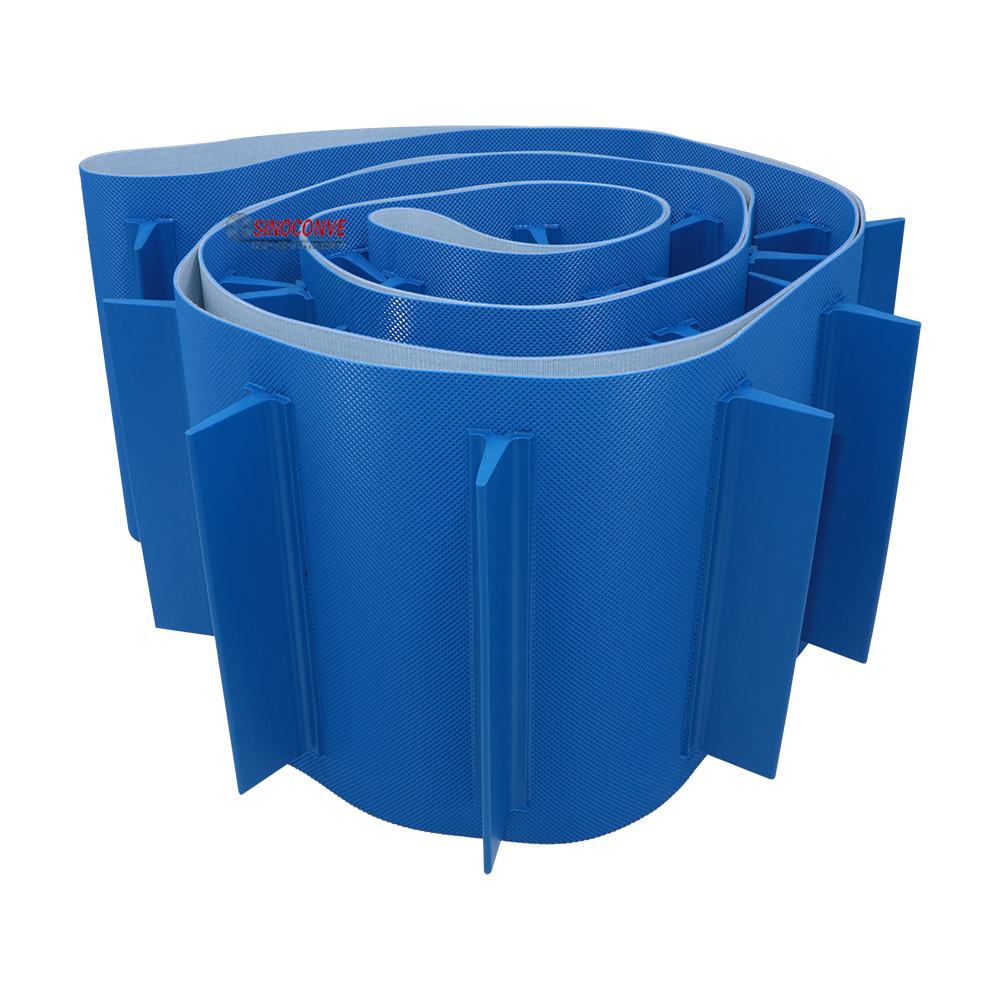
A cleat PVC conveyor belt is used when flat belts cannot hold products steadily on inclines, feeding sections, or short transfer lines. This article explains how cleats change product movement, where PVC conveyor belt systems are suitable, how cleat height and spacing affect performance, and what buyers should confirm before ordering. It also compares PVC and rubber belt options for cleated conveyor belt applications.