Engineered belt solutions for demanding industries worldwide

Recent Posts
Rubber Conveyor Belt Price Guide & Buying Tips

Rubber Conveyor Belt Price Guide & Buying Tips

Rubber Conveyor Belt Price is affected by belt width, length, carcass type, cover grade, thickness, pattern, splicing, packaging, and application conditions. This guide explains why the cheapest belt is not always the lowest-cost choice, how to compare Rubber Belt Company options, and what information buyers should send to Industrial Conveyor Belt Suppliers for a clear quotation.

Application of Rubber Conveyor Belt in Modern Industry

Application of Rubber Conveyor Belt in Modern Industry

Rubber conveyor belts are used across mining, cement, ports, agriculture, logistics, recycling, and general manufacturing because they move materials continuously under different working conditions. This guide explains how each Rubber Conveyor Belt Application depends on material type, loading impact, conveyor angle, temperature, abrasion, moisture, and maintenance planning. It also includes application tables, selection checkpoints, common failure causes, and FAQ for buyers choosing the right belt for industrial systems.

Conveyor Belt Joint Methods: A Comprehensive Guide

Conveyor Belt Joint Methods: A Comprehensive Guide

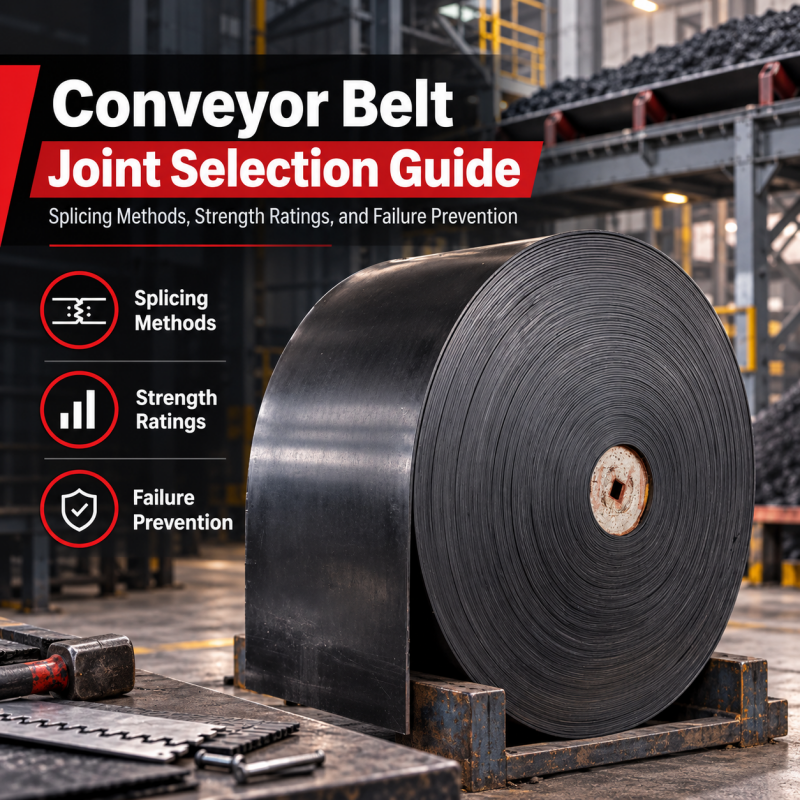
Conveyor belt joints directly affect splice strength, belt tracking, downtime, and long-term conveyor reliability. This guide explains common conveyor belt joint methods, including mechanical fasteners, cold bonding, hot vulcanizing, and finger or stepped splices. It compares each method by application, strength, installation difficulty, and maintenance risk, then gives selection factors, preparation checks, failure causes, inspection points, and FAQ for industrial conveyor systems.

Mastering Conveyor Belt Vulcanizing Machines

Mastering Conveyor Belt Vulcanizing Machines

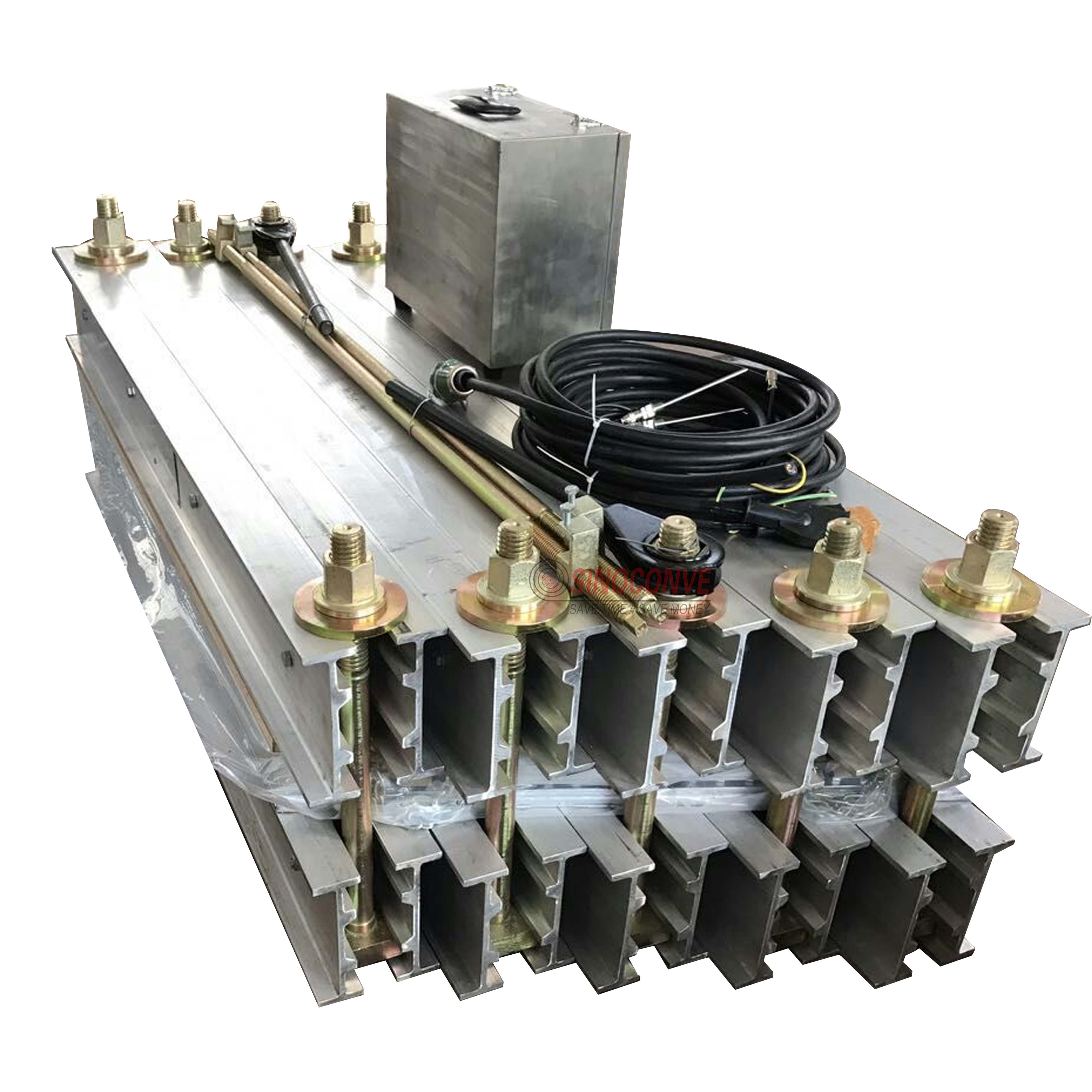
A conveyor belt vulcanizing machine is used to repair or join rubber conveyor belts by applying controlled heat and pressure to the splice area. This guide explains how vulcanizing machines work, where they are used, how to choose the right equipment, and what maintenance teams should check before and after vulcanizing. It also compares hot vulcanizing, cold bonding, and mechanical fasteners to help buyers reduce downtime and improve splice reliability.

Sidewall Rubber Conveyor Belt: Efficiency Redefined

Sidewall Rubber Conveyor Belt: Efficiency Redefined

When a steep incline makes a standard belt impractical, most operations add more equipment — more transfer points, more structure, more maintenance. A sidewall rubber conveyor belt removes that trade-off by containing material within corrugated walls and transverse cleats, enabling incline angles up to 90 degrees in a single continuous run. This guide covers how the design works, how it compares to conventional belting, and what determines the right specification for your application.

Revolutionize Material Handling with Rough Top Conveyor Belt

Revolutionize Material Handling with Rough Top Conveyor Belt

1.A rough top conveyor belt is mainly used when products need extra grip during inclined or declined conveying. 2.Its textured top surface helps reduce slipping, rolling, and unstable movement of cartons, parcels, bags, and packaged goods. 3.It is commonly used in logistics centers, airport baggage systems, postal sorting lines, packaging plants, and warehouse conveyors. 4.The correct belt should be selected according to product weight, incline angle, belt speed, surface texture, and pulley size. 5.For B2B buyers, long-term performance depends on matching the belt surface, carcass, thickness, and working environment instead of choosing only by price.


Rubber Conveyor Belt Price Guide & Buying Tips

Rubber Conveyor Belt Price Guide & Buying Tips

Rubber Conveyor Belt Price is affected by belt width, length, carcass type, cover grade, thickness, pattern, splicing, packaging, and application conditions. This guide explains why the cheapest belt is not always the lowest-cost choice, how to compare Rubber Belt Company options, and what information buyers should send to Industrial Conveyor Belt Suppliers for a clear quotation.

Application of Rubber Conveyor Belt in Modern Industry

Application of Rubber Conveyor Belt in Modern Industry

Rubber conveyor belts are used across mining, cement, ports, agriculture, logistics, recycling, and general manufacturing because they move materials continuously under different working conditions. This guide explains how each Rubber Conveyor Belt Application depends on material type, loading impact, conveyor angle, temperature, abrasion, moisture, and maintenance planning. It also includes application tables, selection checkpoints, common failure causes, and FAQ for buyers choosing the right belt for industrial systems.

Conveyor Belt Joint Methods: A Comprehensive Guide

Conveyor Belt Joint Methods: A Comprehensive Guide

Conveyor belt joints directly affect splice strength, belt tracking, downtime, and long-term conveyor reliability. This guide explains common conveyor belt joint methods, including mechanical fasteners, cold bonding, hot vulcanizing, and finger or stepped splices. It compares each method by application, strength, installation difficulty, and maintenance risk, then gives selection factors, preparation checks, failure causes, inspection points, and FAQ for industrial conveyor systems.

Mastering Conveyor Belt Vulcanizing Machines

Mastering Conveyor Belt Vulcanizing Machines

A conveyor belt vulcanizing machine is used to repair or join rubber conveyor belts by applying controlled heat and pressure to the splice area. This guide explains how vulcanizing machines work, where they are used, how to choose the right equipment, and what maintenance teams should check before and after vulcanizing. It also compares hot vulcanizing, cold bonding, and mechanical fasteners to help buyers reduce downtime and improve splice reliability.

Sidewall Rubber Conveyor Belt: Efficiency Redefined

Sidewall Rubber Conveyor Belt: Efficiency Redefined

When a steep incline makes a standard belt impractical, most operations add more equipment — more transfer points, more structure, more maintenance. A sidewall rubber conveyor belt removes that trade-off by containing material within corrugated walls and transverse cleats, enabling incline angles up to 90 degrees in a single continuous run. This guide covers how the design works, how it compares to conventional belting, and what determines the right specification for your application.

Revolutionize Material Handling with Rough Top Conveyor Belt

Revolutionize Material Handling with Rough Top Conveyor Belt

1.A rough top conveyor belt is mainly used when products need extra grip during inclined or declined conveying. 2.Its textured top surface helps reduce slipping, rolling, and unstable movement of cartons, parcels, bags, and packaged goods. 3.It is commonly used in logistics centers, airport baggage systems, postal sorting lines, packaging plants, and warehouse conveyors. 4.The correct belt should be selected according to product weight, incline angle, belt speed, surface texture, and pulley size. 5.For B2B buyers, long-term performance depends on matching the belt surface, carcass, thickness, and working environment instead of choosing only by price.
Explore more

We are committed to providing you with better products and services. Welcome to browse more content for details