
Steel Cord Conveyor Belts for Heavy Loads and Long Distances
A steel cord conveyor belt is usually discussed when a fabric belt is no longer enough. Not because fabric belts are weak, but because some conveying lines ask for a different kind of stability: long center distance, high working tension, heavy ore, steep lift, or limited tolerance for stretch during operation.
In those conditions, the buyer is not simply choosing a stronger rubber belt. The decision affects pulley diameter, take-up distance, splice design, cover grade, impact protection, inspection method, and the way spare belts are planned. A high strength conveyor belt can solve a real system limit, but it can also create cost and installation problems if it is specified only by ST rating.
This is where a steel cord belt needs a more careful discussion. It is common in mining conveyor belt systems, port loading lines, cement raw material handling, long overland conveyors, and other applications where belt elongation and tension control matter as much as cover wear.

01What Makes a Steel Cord Conveyor Belt Different
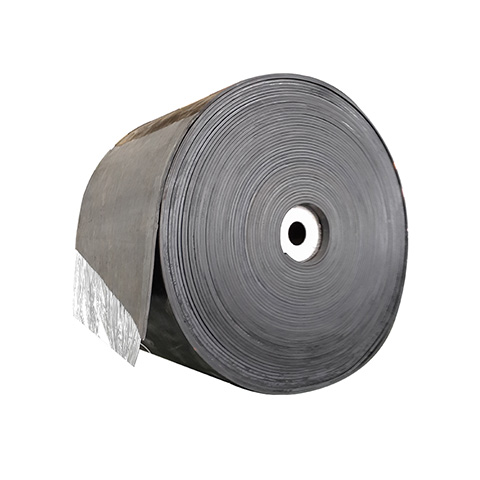
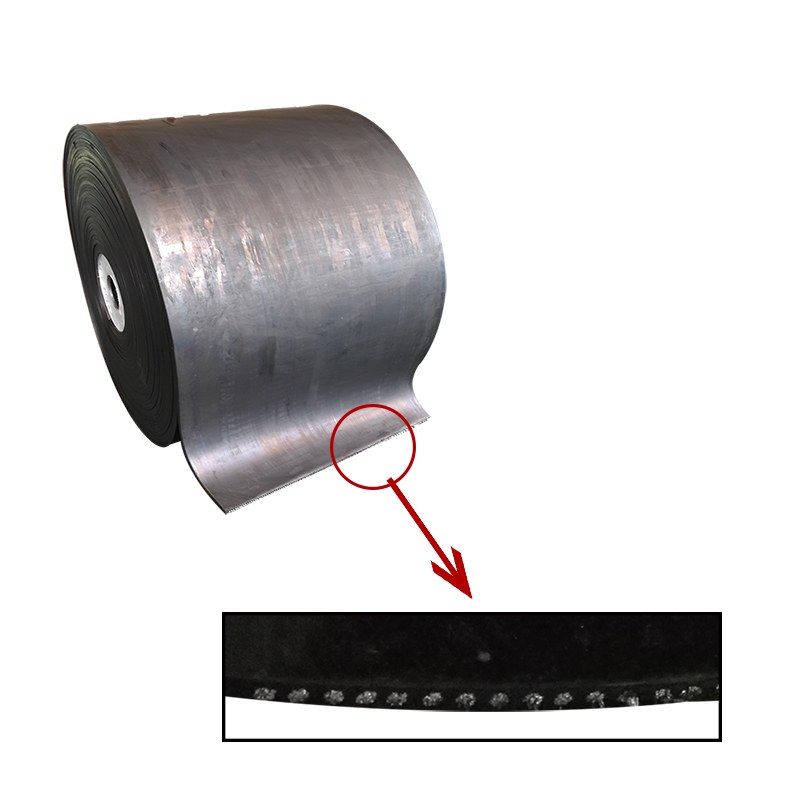
The main difference sits inside the carcass. A textile conveyor belt uses fabric plies to carry tension. A steel cord conveyor belt uses longitudinal steel cords embedded in rubber. Those cords carry the pulling force along the belt length and help keep elongation low on long or heavily loaded conveyors.
The rubber is still important. The top cover takes abrasion, impact, cutting, heat, oil, or flame exposure depending on the material being conveyed. The bottom cover runs over pulleys and rollers. The skim rubber around the cords must bond well to the steel reinforcement. If cord adhesion is weak, the belt may look acceptable outside while internal damage develops near a splice or impact area.
That is why a steel cord belt should not be judged only by its surface thickness. Cord diameter, cord pitch, cover compound, transverse reinforcement, edge quality, and splice design all affect service life.
|
Belt area |
What it does |
What buyers should check |
|
Top cover |
Protects against abrasion, impact, cutting, heat, oil, or flame depending on material |
Material size, loading impact, cover grade, old wear pattern |
|
Steel cord layer |
Carries the main longitudinal tension with low elongation |
ST rating, cord pitch, corrosion protection, splice requirement |
|
Skim rubber |
Bonds steel cords to rubber body and supports fatigue resistance |
Cord adhesion, manufacturer QC, storage and handling |
|
Bottom cover |
Contacts pulleys, idlers, and return rollers |
Pulley buildup, return-side wear, cleaner setup |
|
Splice area |
Connects the belt into a working loop |
Splice length, vulcanizing skill, pulley diameter, shutdown window |
02Where Steel Cord Belts Make Sense
A steel cord belt is not the default answer for every heavy conveyor. It becomes useful when the system is limited by tension, elongation, distance, lift height, or load stability. On a short conveyor moving moderate material, a well-selected EP fabric belt may still be simpler and easier to splice. On a long mine conveyor carrying ore continuously, the calculation changes.
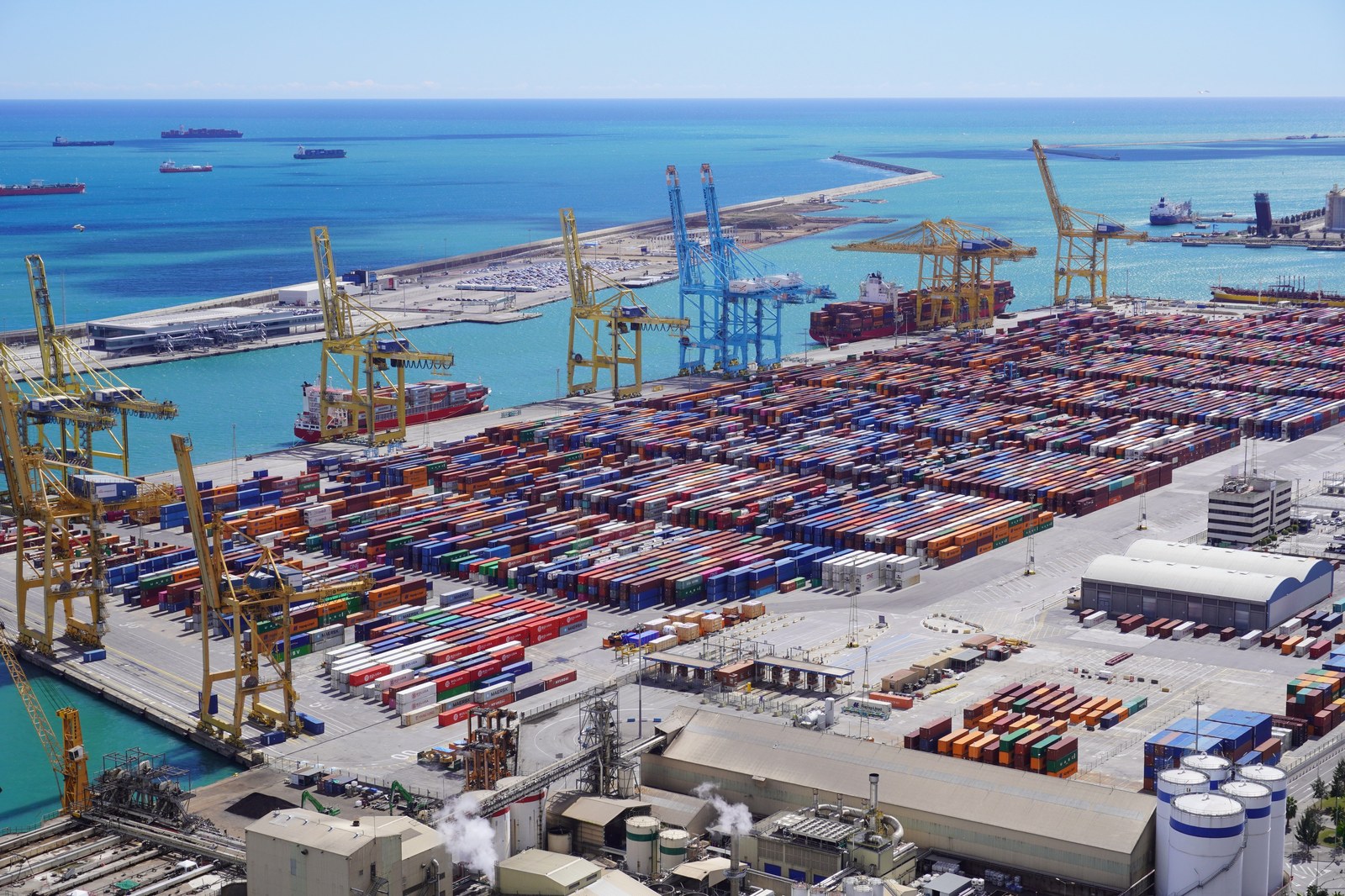
In a long-distance mining conveyor, belt stretch can affect take-up design and tracking behavior. If the belt elongates too much, the system may require frequent tension adjustment. In a port or terminal conveyor, high throughput and continuous operation make splice reliability and cover wear more important than the price per meter. In a cement or steel plant, hot or sharp material may attack the cover before the steel cords ever reach their tension limit.
The right question is not whether a steel cord conveyor belt is stronger. It is whether the conveyor system actually needs that strength, and whether the layout can support the belt properly.
|
Application |
Why steel cord may be considered |
Selection risk |
|
Long-distance mining conveyor |
Low elongation and high tension capacity help with stable long runs |
Wrong splice design can become the first failure point |
|
High-capacity port conveyor |
Continuous bulk handling needs stable tension and reliable cover performance |
Cover grade may be under-specified if only ST rating is discussed |
|
Steep lift conveyor |
Higher belt tension and controlled stretch may be required |
Pulley diameter and take-up design must be checked |
|
Cement or steel plant |
Heavy, abrasive, or hot materials may require stronger belt construction |
Heat and abrasion may damage cover before cord strength is used |
|
Overland conveyor |
Long runs require careful tension, tracking, and splice planning |
Transport, installation, and storage become part of the specification |
03ST Rating Is Important, But It Is Not the Whole Specification
Many buyers start with an ST number. That is understandable. ST rating gives a quick indication of tensile strength class. But two belts with the same ST rating may perform differently if the cover compound, cord pitch, transverse reinforcement, splice quality, or working environment is different.
For example, a mining conveyor belt carrying large lump ore may need cut and gouge resistance in the top cover. A coal handling belt may need flame-resistant or anti-static properties depending on local regulations and the conveyor location. A long outdoor conveyor may need attention to edge protection, water exposure, and corrosion risk around steel cords.
Over-specifying can also create problems. A very heavy belt may need larger pulleys, more difficult handling, longer splice preparation, and more installation labor. Under-specifying is worse, but over-specifying without checking the conveyor layout is not good engineering either.
|
Specification point |
Why it matters |
Common mistake |
|
ST rating |
Relates to tensile strength class and system tension |
Choosing only by ST number |
|
Cover grade |
Controls abrasion, heat, oil, flame, cut, or gouge resistance |
Using a strong carcass with the wrong cover |
|
Cord pitch and diameter |
Affects tension distribution, impact behavior, and splice design |
Ignoring cord layout when comparing suppliers |
|
Pulley diameter |
Controls bending stress and splice fatigue |
Installing a belt on pulleys that are too small |
|
Transverse reinforcement |
May help with rip or impact risk in severe loading zones |
Assuming every steel cord belt includes the same protection |
|
Splice method |
Usually decides long-term reliability on high-tension systems |
Treating splicing as an afterthought |
04Failure Patterns Worth Reading Before Reordering
The old belt often tells the buyer what the next specification should fix. A top cover worn through in one loading zone points toward chute design, impact bed condition, material size, or cover grade. Edge damage may come from mistracking, frame contact, or buildup on return rollers. A splice opening early is often a system problem, not just a belt problem.
With steel cord belts, hidden internal damage is more serious than surface marks. A small cover cut may allow moisture to reach the cords. If corrosion begins around the steel reinforcement, the belt may lose strength from the inside. For harsh mining or outdoor conveyors, regular inspection is not optional.
|
Observed problem |
Likely cause |
What to check before changing belt |
|
Top cover wears fast near loading point |
Impact loading, abrasive material, poor chute control |
Cover grade, impact bed, drop height, lump size |
|
Belt edge damage |
Mistracking, frame rubbing, pulley buildup |
Return rollers, pulley face, belt alignment, skirtboard contact |
|
Splice opens early |
Incorrect splice design, poor vulcanizing, pulley stress |
Splice length, pulley diameter, vulcanizing procedure, shutdown time |
|
Longitudinal cut or rip |
Sharp material, trapped objects, poor loading control |
Rip detection, transverse reinforcement, chute and cleaner layout |
|
Surface crack near cover damage |
Heat, weathering, wrong compound, poor storage |
Operating temperature, cover grade, storage condition |
|
Repeated tension adjustment |
Wrong belt class, take-up issue, splice stretch, system overload |
Take-up travel, load calculation, ST rating, drive condition |
05Steel Cord vs Fabric Conveyor Belt: A Practical Comparison
The comparison is not about which belt is better in every case. Fabric belts are easier to handle and are often practical for short to medium conveyors. Steel cord belts fit systems where low elongation, high strength, and long-distance stability justify the extra cost and installation requirements.
|
Item |
Steel cord conveyor belt |
Fabric conveyor belt |
|
Best fit |
Long distance, high tension, heavy load, large lift |
Short to medium runs, moderate load, easier maintenance |
|
Elongation behavior |
Low elongation under working tension |
More elongation than steel cord, depending on fabric and rating |
|
Splicing |
Requires trained vulcanizing and careful cord alignment |
Usually simpler, depending on belt type |
|
Handling |
Heavier and more difficult to transport or install |
Lighter and easier to handle |
|
Cost logic |
Higher investment, justified by system demand |
Often better value when high tension is not required |
|
Buyer risk |
Over-specification or poor splice planning |
Under-specification on long or high-load conveyors |
06What Buyers Should Send Before Asking for a Price
A quotation for a steel cord conveyor belt should not start and end with belt width and ST rating. The supplier needs to understand the conveyor, the material, the old failure pattern, and the installation condition. Otherwise, the quotation may look competitive but fail to solve the actual site problem.
|
Information to send |
Why it matters |
|
Belt width, length, and required ST rating |
Basic sizing and strength-class reference |
|
Material handled |
Determines cover grade and impact/cut risk |
|
Conveyor length, lift height, and incline angle |
Affects tension calculation and take-up design |
|
Pulley diameter and drive layout |
Checks bending stress and splice suitability |
|
Belt speed and capacity target |
Helps match cover, carcass, and system demand |
|
Old belt marking and failure photos |
Shows what worked and what failed before |
|
Required standard or project specification |
Clarifies ISO, DIN, AS, or customer project requirements |
|
Splice plan and available shutdown window |
Important for installation, vulcanizing, and maintenance planning |
|
Packing and transport requirements |
Steel cord belts are heavy; export packing should be confirmed early |
07How SINOCONVE Approaches Steel Cord Belt Projects
For SINOCONVE, a steel cord conveyor belt project usually starts with the working condition, not with the catalog code alone. The same ST rating can be used in very different conveyors, so the belt must be matched to material behavior, tension demand, cover wear risk, and installation method.
SINOCONVE supplies rubber conveyor belt products for mining, cement, ports, power plants, steel plants, construction material handling, and related industrial systems. For steel cord belts, the discussion may include belt width, ST rating, cover compound, top and bottom cover thickness, transverse reinforcement, splice requirements, branding, packaging, and shipment planning.
This is where Save Time, Save Money fits the purchase process. Clear drawings and old belt photos save quotation time. Correct cover selection saves replacement cost. Proper packing and splice planning reduce installation problems. A high strength conveyor belt only delivers value when it is specified for the real conveyor, not just for a strong product name.
FAQFAQ
What is a steel cord conveyor belt used for?
It is used in high-tension, long-distance, heavy-load, or steep conveyor systems where low elongation and stable belt strength are important.
Is a steel cord belt always better than a fabric belt?
No. Fabric belts can be more practical for shorter conveyors or moderate loads. Steel cord belts make sense when the conveyor calculation demands higher strength and lower elongation.
What does ST rating mean?
ST rating refers to the tensile strength class of a steel cord belt. It is important, but it should be checked together with cover grade, pulley diameter, splice design, and material condition.
Why do steel cord conveyor belts fail early?
Common causes include wrong cover grade, poor splice quality, small pulley diameter, high loading impact, material cuts, water entering damaged covers, or poor conveyor alignment.
What should I provide for a quotation?
Send belt width, length, ST rating, material handled, conveyor layout, pulley diameter, old belt photos, failure marks, required standard, quantity, and packing requirements.
08Final Note for Industrial Buyers
A steel cord conveyor belt is not just a heavier version of a fabric belt. It changes the way the conveyor must be designed, installed, spliced, inspected, and maintained. For a mining conveyor belt or any long-distance high-load system, the correct choice starts with the conveyor calculation and the material condition.
The safest buying habit is simple: match the strength class to the system tension, match the cover to the material, match the splice to the pulley layout, and use old failure marks as evidence. Once those points are clear, price comparison becomes much more meaningful.
09Why Choose Sinoconve’s Steel Cord Belts?
At Sinoconve, we produce steel cord conveyor belts with:
-
Full control over cord manufacturing and rubber compounding
-
ST630–ST5400 standard models with custom options
-
Flame-resistant, anti-tear, heat- and oil-resistant formulations
-
SGS/ISO-certified quality testing and product traceability
-
Global delivery for mining, cement, and port projects
With 20+ years of export experience and belts running in over 100 countries, we understand what long-term durability truly means.
10Built to Last, Engineered for Demanding Loads
Steel cord conveyor belts are not just belts—they are the backbone of your bulk handling system. A properly selected and maintained steel cord belt ensures higher uptime, safer operation, and a lower cost per ton.
📩 Contact us for specifications, pricing, or custom project support via our homepage or directly on the contact page.

Products You May Need
| Steel Cord Conveyor Belt High-tensile construction for long distances. |
Rubber Conveyor Belt Multi-ply fabric belting for general bulk handling. |
| EP Rubber Conveyor Belt EP carcass belts for abrasive, high-tension duties. |
Chevron Conveyor Belt Patterned covers for inclined conveying. |
| Full Product Catalog Browse the complete SINOCONVE belt and roller range. |
Contact Us Send conveyor data for a specification review. |
Related Blog Posts
- EP vs NN Conveyor Belt: Which Fabric Carcass Should You Choose?
- Rubber Conveyor Belt Cover Grades Explained: DIN Y, X, W and RMA
- Conveyor Belt Joint Methods: A Comprehensive Guide
- Mining Conveyor Belt Manufacturer: What Quarry Projects Require
- Conveyor Belt Manufacturer Quality Control: 10 Tests Industrial Buyers Should Ask
- How Importers Can Reduce Supply Risk When Choosing an Industrial Belt Supplier