Engineered belt solutions for demanding industries worldwide

Recent Posts
Application for V Belt: Efficiency in Mechanical Systems

Application for V Belt: Efficiency in Mechanical Systems

This article explains the main Application for v belt systems in industrial machinery, agricultural equipment, automotive auxiliary drives, HVAC units, and workshop machines. It focuses on how pulley groove condition, belt section, load pattern, speed, heat, dust, and maintenance access affect belt choice. The guide also compares classic and cogged V-belts and gives practical ordering information for buyers selecting SINOCONVE V-belts.

Application of Rubber Conveyor Belt in Modern Industry

Application of Rubber Conveyor Belt in Modern Industry

Rubber conveyor belts are used across mining, cement, ports, agriculture, logistics, recycling, and general manufacturing because they move materials continuously under different working conditions. This guide explains how each Rubber Conveyor Belt Application depends on material type, loading impact, conveyor angle, temperature, abrasion, moisture, and maintenance planning. It also includes application tables, selection checkpoints, common failure causes, and FAQ for buyers choosing the right belt for industrial systems.

Comparing PU Timing Belts with Rubber Alternatives

Comparing PU Timing Belts with Rubber Alternatives

This article compares PU timing belts with rubber timing belts from a practical application view. It explains how polyurethane and rubber behave differently in automation, automotive drives, packaging equipment, positioning systems, and general machinery. The guide covers wear resistance, flexibility, noise, pulley matching, cord reinforcement, and buyer selection points to help users choose the right timing belt based on real working conditions rather than material name alone.

Classic V Belts vs Cogged: SINOCONVE's solutions

Classic V Belts vs Cogged: SINOCONVE's solutions

This article compares classic v belt and cogged v belt use in real pulley drive systems. It explains where a classic v belt still works well, when a cogged v belt becomes more practical, and how buyers should choose based on pulley size, heat, load, bending stress, and working environment. The guide also introduces SINOCONVE’s V-belt range for industrial, agricultural, and automotive power transmission.

V Belt: Enhancing Industrial Efficiency & Durability

V Belt: Enhancing Industrial Efficiency & Durability

A v belt is a wedge-shaped transmission belt used to transfer power between pulleys in motors, pumps, fans, compressors and industrial machines. This short guide explains how a v belt works, why rubber construction and tension cords matter, where drive belt systems are commonly used, and what buyers should check before choosing a belt for industrial or automotive power transmission.

Conveyor Belt Joint Methods: A Comprehensive Guide

Conveyor Belt Joint Methods: A Comprehensive Guide

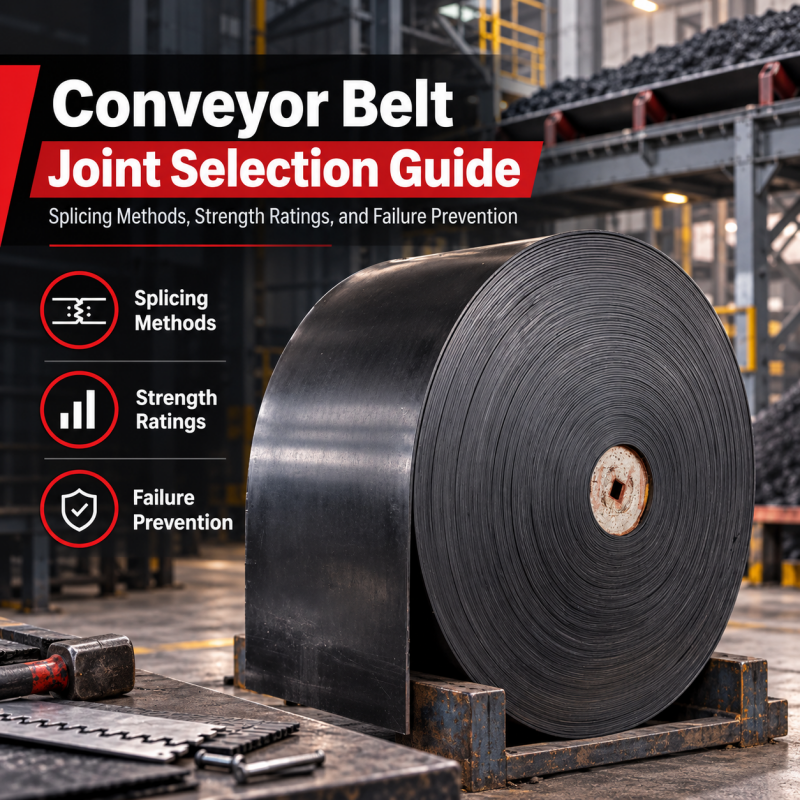
Conveyor belt joints directly affect splice strength, belt tracking, downtime, and long-term conveyor reliability. This guide explains common conveyor belt joint methods, including mechanical fasteners, cold bonding, hot vulcanizing, and finger or stepped splices. It compares each method by application, strength, installation difficulty, and maintenance risk, then gives selection factors, preparation checks, failure causes, inspection points, and FAQ for industrial conveyor systems.


Application for V Belt: Efficiency in Mechanical Systems
SINOCONVE
Sep 22, 2025

Application for V Belt: Efficiency in Mechanical Systems

This article explains the main Application for v belt systems in industrial machinery, agricultural equipment, automotive auxiliary drives, HVAC units, and workshop machines. It focuses on how pulley groove condition, belt section, load pattern, speed, heat, dust, and maintenance access affect belt choice. The guide also compares classic and cogged V-belts and gives practical ordering information for buyers selecting SINOCONVE V-belts.

Application of Rubber Conveyor Belt in Modern Industry
SINOCONVE
Sep 22, 2025

Application of Rubber Conveyor Belt in Modern Industry

Rubber conveyor belts are used across mining, cement, ports, agriculture, logistics, recycling, and general manufacturing because they move materials continuously under different working conditions. This guide explains how each Rubber Conveyor Belt Application depends on material type, loading impact, conveyor angle, temperature, abrasion, moisture, and maintenance planning. It also includes application tables, selection checkpoints, common failure causes, and FAQ for buyers choosing the right belt for industrial systems.

Comparing PU Timing Belts with Rubber Alternatives
SINOCONVE
Sep 17, 2025

Comparing PU Timing Belts with Rubber Alternatives

This article compares PU timing belts with rubber timing belts from a practical application view. It explains how polyurethane and rubber behave differently in automation, automotive drives, packaging equipment, positioning systems, and general machinery. The guide covers wear resistance, flexibility, noise, pulley matching, cord reinforcement, and buyer selection points to help users choose the right timing belt based on real working conditions rather than material name alone.

Classic V Belts vs Cogged: SINOCONVE's solutions
SINOCONVE
Sep 17, 2025

Classic V Belts vs Cogged: SINOCONVE's solutions

This article compares classic v belt and cogged v belt use in real pulley drive systems. It explains where a classic v belt still works well, when a cogged v belt becomes more practical, and how buyers should choose based on pulley size, heat, load, bending stress, and working environment. The guide also introduces SINOCONVE’s V-belt range for industrial, agricultural, and automotive power transmission.

V Belt: Enhancing Industrial Efficiency & Durability
SINOCONVE
Sep 17, 2025

V Belt: Enhancing Industrial Efficiency & Durability

A v belt is a wedge-shaped transmission belt used to transfer power between pulleys in motors, pumps, fans, compressors and industrial machines. This short guide explains how a v belt works, why rubber construction and tension cords matter, where drive belt systems are commonly used, and what buyers should check before choosing a belt for industrial or automotive power transmission.

Conveyor Belt Joint Methods: A Comprehensive Guide

Conveyor Belt Joint Methods: A Comprehensive Guide

Conveyor belt joints directly affect splice strength, belt tracking, downtime, and long-term conveyor reliability. This guide explains common conveyor belt joint methods, including mechanical fasteners, cold bonding, hot vulcanizing, and finger or stepped splices. It compares each method by application, strength, installation difficulty, and maintenance risk, then gives selection factors, preparation checks, failure causes, inspection points, and FAQ for industrial conveyor systems.
Explore more

We are committed to providing you with better products and services. Welcome to browse more content for details