Mastering Conveyor Belt Vulcanizing Machines
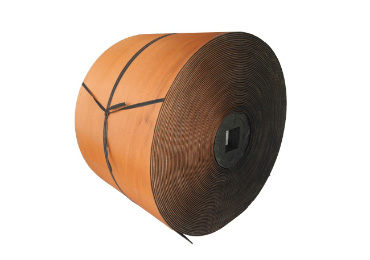
A conveyor belt vulcanizing machine is used to repair or join rubber conveyor belts by applying controlled heat and pressure to the splice area. This guide explains how vulcanizing machines work, where they are used, how to choose the right equipment, and what maintenance teams should check before and after vulcanizing. It also compares hot vulcanizing, cold bonding, and mechanical fasteners to help buyers reduce downtime and improve splice reliability.
Auto EPDM Rubber pk Belt for Vehicle Durability
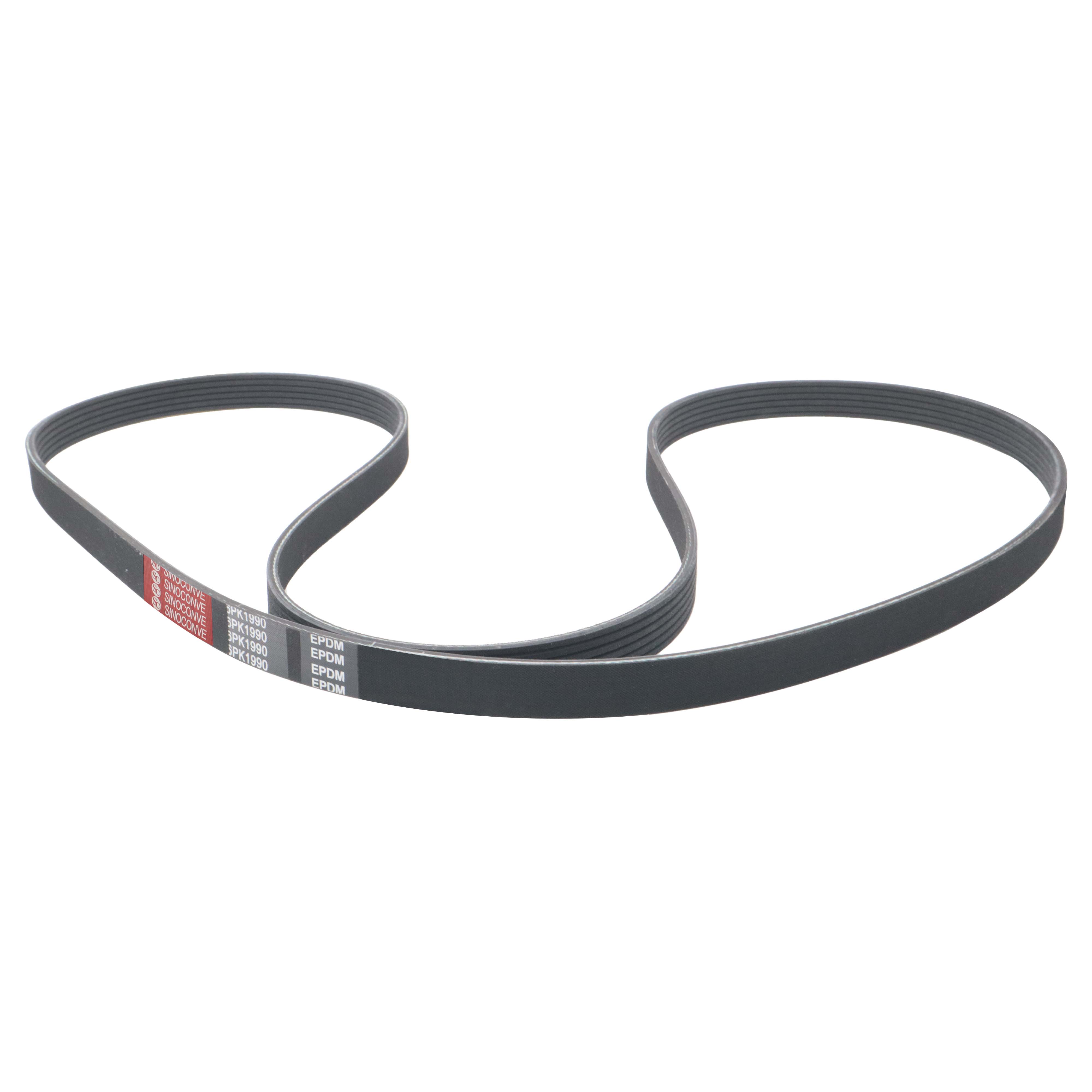
An Auto EPDM Rubber pk Belt is a multi-rib automotive belt used in vehicle accessory drive systems. This article explains how EPDM rubber, PK rib profile, belt length, cord reinforcement and ribbed belt design affect durability, grip, noise control and long-term performance. It also covers 6PK1990 belt code meaning, buyer selection points, EPDM vs general rubber belts, quality inspection, quotation information and FAQ for automotive parts buyers.
Auto EPDM Rubber Timing Belt: Durability & Precision
An Auto EPDM Rubber Timing Belt is a precision transmission component used to synchronize engine movement while resisting heat, ozone, moisture, and repeated flexing. This guide explains how EPDM rubber, tooth profile, tensile cords, and fabric reinforcement affect timing accuracy and service life. It also includes application tables, selection checkpoints, quality inspection points, comparison content, FAQ, and sourcing guidance for automotive, OEM, maintenance, and industrial buyers.
Sidewall Rubber Conveyor Belt: Efficiency Redefined
When a steep incline makes a standard belt impractical, most operations add more equipment — more transfer points, more structure, more maintenance. A sidewall rubber conveyor belt removes that trade-off by containing material within corrugated walls and transverse cleats, enabling incline angles up to 90 degrees in a single continuous run. This guide covers how the design works, how it compares to conventional belting, and what determines the right specification for your application.
Discover the Cutting Edge SINOCONVE Timing Belt
A timing belt that skips a tooth fails instantly — no warning, immediate damage. This guide decodes the HTD 670-5M specification, explains what the internal cord construction actually does, and covers what installation errors shorten belt life most.
Revolutionize Material Handling with Rough Top Conveyor Belt
1.A rough top conveyor belt is mainly used when products need extra grip during inclined or declined conveying.
2.Its textured top surface helps reduce slipping, rolling, and unstable movement of cartons, parcels, bags, and packaged goods.
3.It is commonly used in logistics centers, airport baggage systems, postal sorting lines, packaging plants, and warehouse conveyors.
4.The correct belt should be selected according to product weight, incline angle, belt speed, surface texture, and pulley size.
5.For B2B buyers, long-term performance depends on matching the belt surface, carcass, thickness, and working environment instead of choosing only by price.