Engineered belt solutions for demanding industries worldwide

Blog

Blog

Home/Blog
Recent Posts
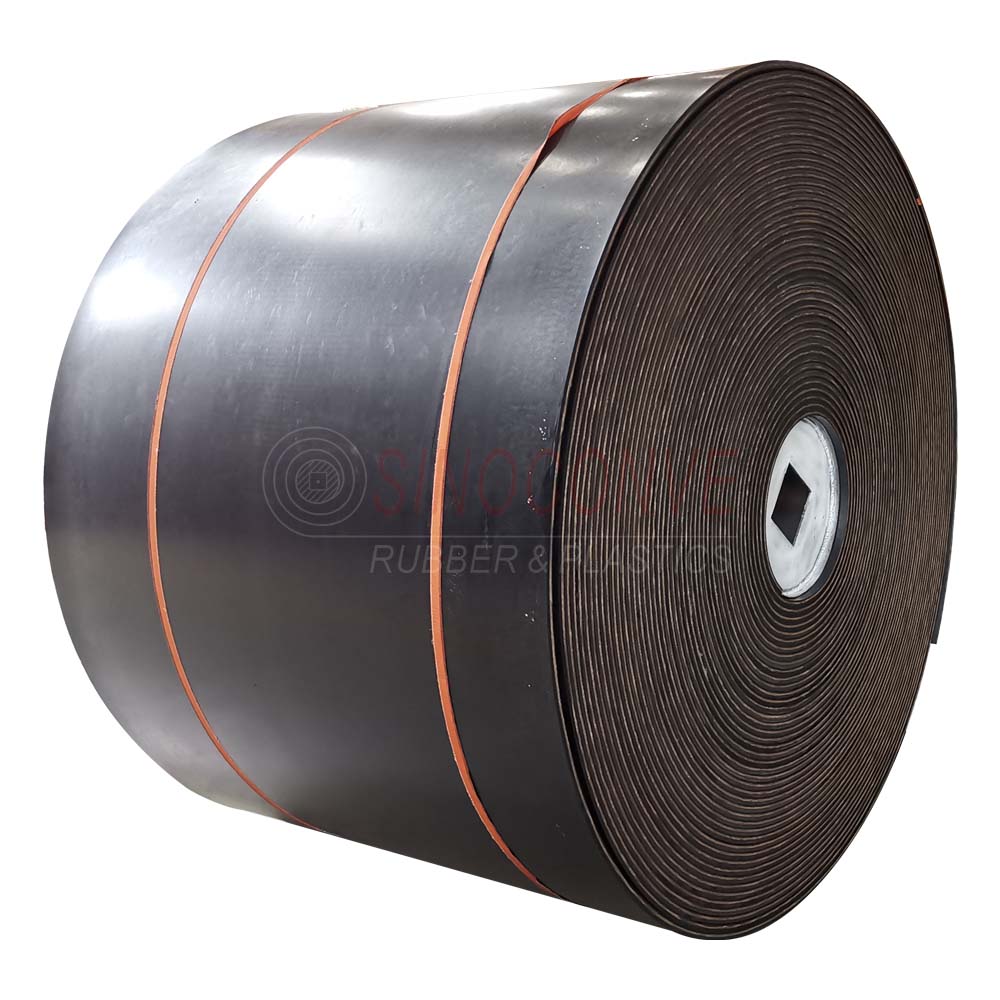
Steel Cord Conveyor Belt: Selection Guide for Heavy-Duty Use

Steel Cord Conveyor Belt: Selection Guide for Heavy-Duty Use

1.Fabric belts hit their limits on long runs — steel cord is what the calculation points to next. 2..Tensile rating alone does not make a selection. Cover grade, splice method, and conveyor geometry matter equally. 3.Mining, ports, cement, and quarrying use steel cord for different but overlapping reasons. 4.Lifecycle cost, not purchase price, is the right frame for the decision.

EP Conveyor Belt Selection for Stone Crusher and Aggregate Plants

EP Conveyor Belt Selection for Stone Crusher and Aggregate Plants

1. Why EP conveyor belt selection matters in bulk material handling 2. What EP construction usually means in practice 3. Where this belt type is commonly used 4. Quick buyer takeaways before you quote or order 5. Selection points that engineers should check 6. Common mistakes buyers make 7. Practical questions to ask the supplier 8. FAQ 9. Next step for buyers

Rubber Conveyor Belt: What Buyers Should Check First

Rubber Conveyor Belt: What Buyers Should Check First

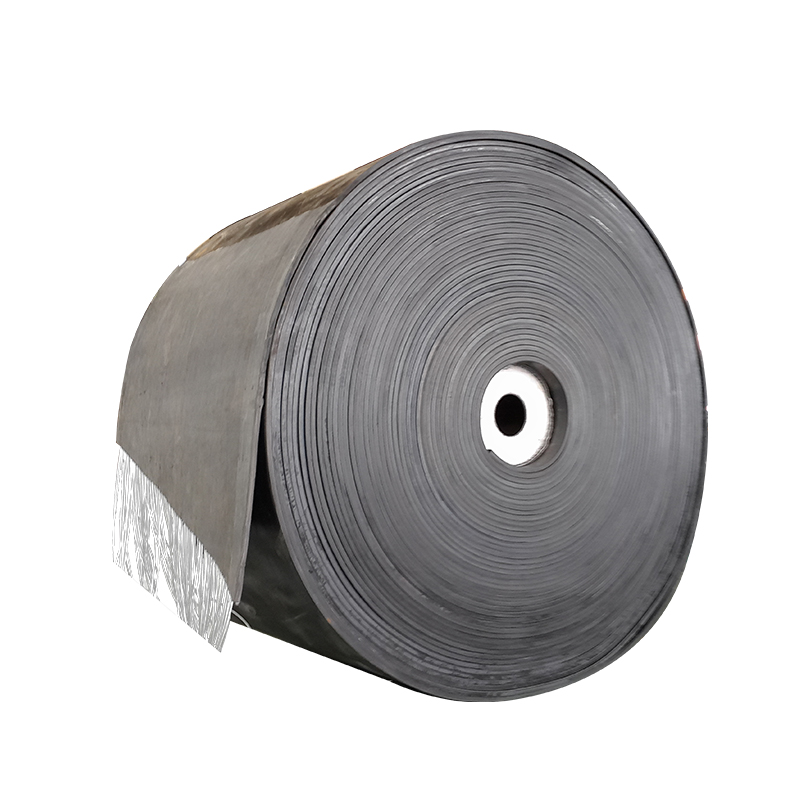
1.Wrong belt spec costs more than the belt itself — spillage, downtime, and structure wear add up fast. 2.Mining, quarrying, and bulk material handling each stress belts differently. 3.Cover grade, carcass type, and transfer point design matter more than width alone. 4.Most belt failures start at the loading zone, not the belt itself.

Extension Test Guide for Flexible Sheet Materials

Extension Test Guide for Flexible Sheet Materials

A flexible sheet material can look fine on the bench and fail in service. Extension testing is what closes that gap — it shows how a material behaves under load: how far it stretches, where failure starts, and whether layered structures hold together. For sourcing teams qualifying suppliers or approving incoming material, understanding what an extension test measures is worth the time.

Banded V-Belt for Heavy-Duty Drive Stability

Banded V-Belt for Heavy-Duty Drive Stability

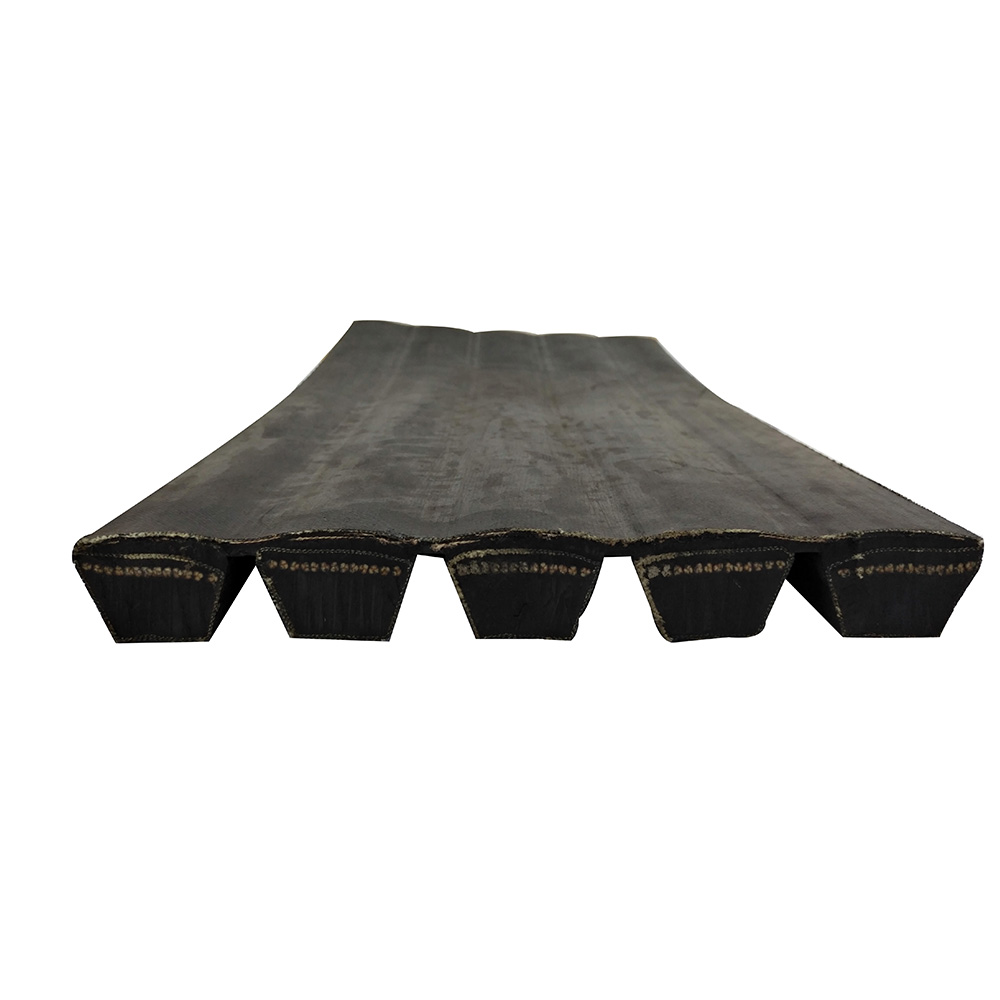
A banded V-belt helps multi-groove drives reduce belt whip, rollover, uneven load sharing, and repeated adjustment. This article explains where banded belts fit, how they differ from bandless V-belts, and what buyers should check before ordering for industrial machinery.

Sidewall Conveyor Belt for Quarry and Bulk Handling

Sidewall Conveyor Belt for Quarry and Bulk Handling

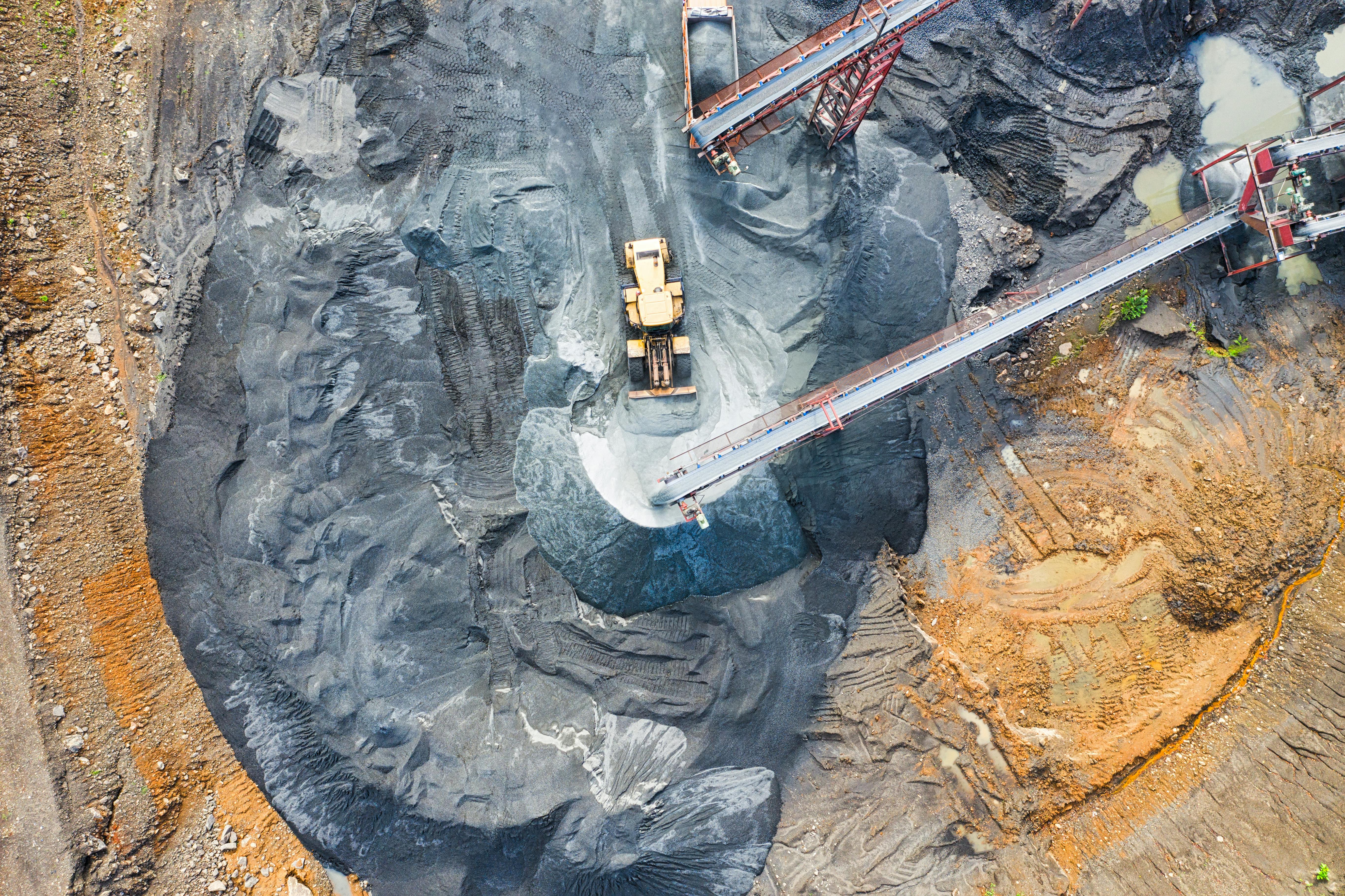
A sidewall conveyor belt is useful when quarry material must move steeply with better containment. This article explains where it fits, how it differs from flat, chevron, and steel cord belts, and what buyers should check before ordering for aggregate and bulk handling lines.


Steel Cord Conveyor Belt: Selection Guide for Heavy-Duty Use
SINOCONVE
Jun 11, 2026

Steel Cord Conveyor Belt: Selection Guide for Heavy-Duty Use

1.Fabric belts hit their limits on long runs — steel cord is what the calculation points to next. 2..Tensile rating alone does not make a selection. Cover grade, splice method, and conveyor geometry matter equally. 3.Mining, ports, cement, and quarrying use steel cord for different but overlapping reasons. 4.Lifecycle cost, not purchase price, is the right frame for the decision.

EP Conveyor Belt Selection for Stone Crusher and Aggregate Plants
SINOCONVE
Jun 10, 2026

EP Conveyor Belt Selection for Stone Crusher and Aggregate Plants

1. Why EP conveyor belt selection matters in bulk material handling 2. What EP construction usually means in practice 3. Where this belt type is commonly used 4. Quick buyer takeaways before you quote or order 5. Selection points that engineers should check 6. Common mistakes buyers make 7. Practical questions to ask the supplier 8. FAQ 9. Next step for buyers

Rubber Conveyor Belt: What Buyers Should Check First
SINOCONVE
Jun 09, 2026

Rubber Conveyor Belt: What Buyers Should Check First

1.Wrong belt spec costs more than the belt itself — spillage, downtime, and structure wear add up fast. 2.Mining, quarrying, and bulk material handling each stress belts differently. 3.Cover grade, carcass type, and transfer point design matter more than width alone. 4.Most belt failures start at the loading zone, not the belt itself.

Extension Test Guide for Flexible Sheet Materials
SINOCONVE
Jun 08, 2026

Extension Test Guide for Flexible Sheet Materials

A flexible sheet material can look fine on the bench and fail in service. Extension testing is what closes that gap — it shows how a material behaves under load: how far it stretches, where failure starts, and whether layered structures hold together. For sourcing teams qualifying suppliers or approving incoming material, understanding what an extension test measures is worth the time.

Banded V-Belt for Heavy-Duty Drive Stability
SINOCONVE
Jun 05, 2026

Banded V-Belt for Heavy-Duty Drive Stability

A banded V-belt helps multi-groove drives reduce belt whip, rollover, uneven load sharing, and repeated adjustment. This article explains where banded belts fit, how they differ from bandless V-belts, and what buyers should check before ordering for industrial machinery.

Sidewall Conveyor Belt for Quarry and Bulk Handling
SINOCONVE
Jun 04, 2026

Sidewall Conveyor Belt for Quarry and Bulk Handling

A sidewall conveyor belt is useful when quarry material must move steeply with better containment. This article explains where it fits, how it differs from flat, chevron, and steel cord belts, and what buyers should check before ordering for aggregate and bulk handling lines.
Explore more

We are committed to providing you with better products and services. Welcome to browse more content for details