
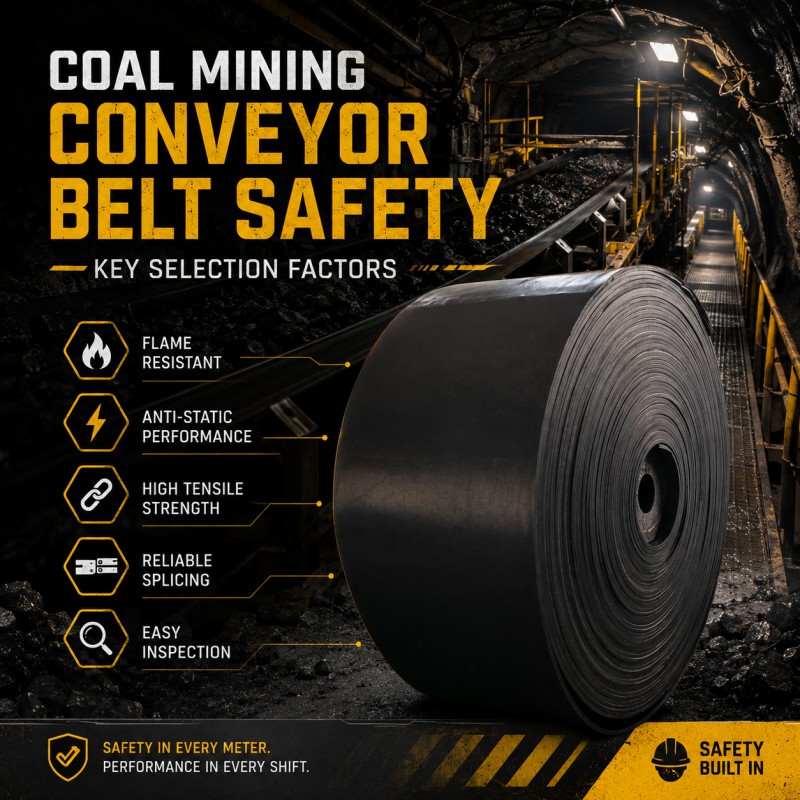
Conveyor Belt Safety in Coal Mining: Key Selection Factors
A buyer-focused guide to selecting coal mining conveyor belts by flame resistance, anti-static performance, strength, splice design, compliance evidence, and inspection priorities.
Engineered belt solutions for demanding industries worldwide

A buyer-focused guide to selecting coal mining conveyor belts by flame resistance, anti-static performance, strength, splice design, compliance evidence, and inspection priorities.
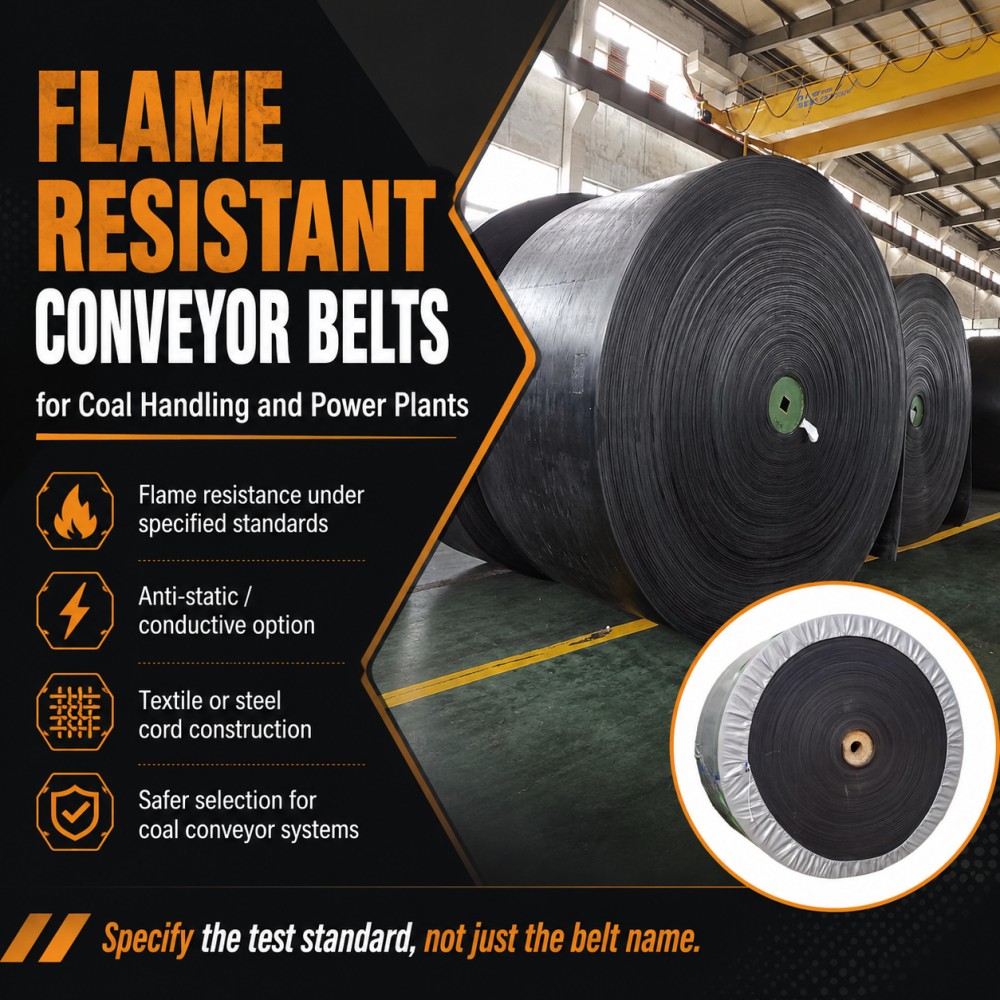
Coal handling fires are rarely a belt-only problem. This article explains how to specify flame resistant conveyor belts, separate flame and anti-static requirements, read failure marks, compare standards, and prepare an RFQ for power plant conveyors.
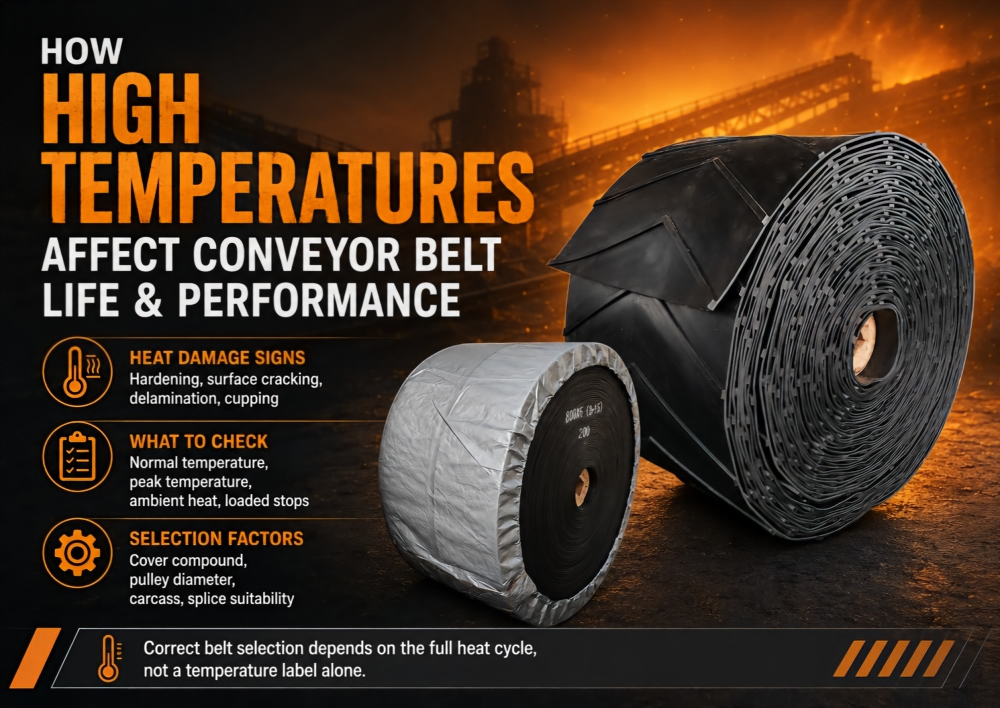
High temperatures accelerate rubber aging, hardening, cracking, and adhesion loss. This article explains how to interpret conveyor belt temperature, diagnose heat damage, compare heat-resistant grades, and prepare a more accurate RFQ.
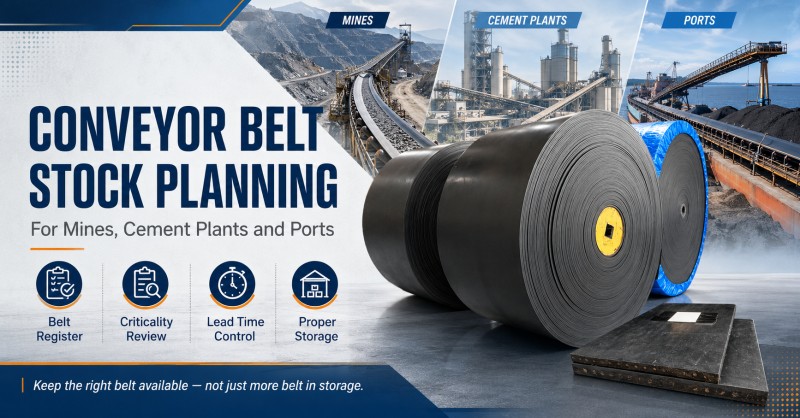
Effective conveyor belt stock planning depends on duty, line criticality, true interchangeability, lead time, storage and installation readiness. This article helps mines, cement plants and ports build practical replacement inventories without tying up stock in unusable belt specifications.
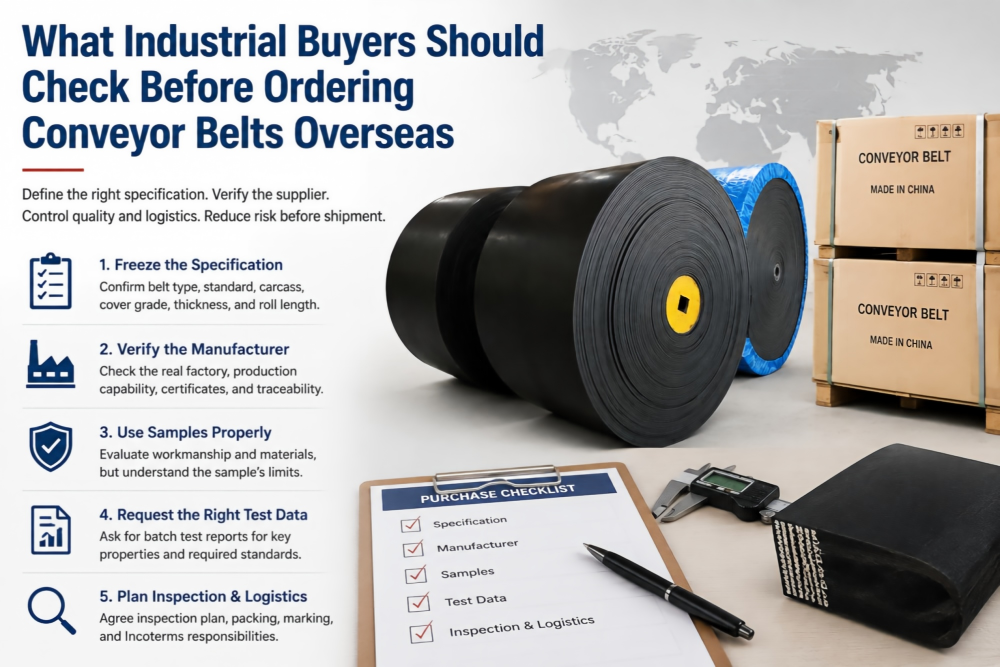
A buyer-focused checklist for importing conveyor belts, covering specification control, factory verification, samples, test data, pre-shipment inspection, export packing, documentation, Incoterms, and quotation comparison.
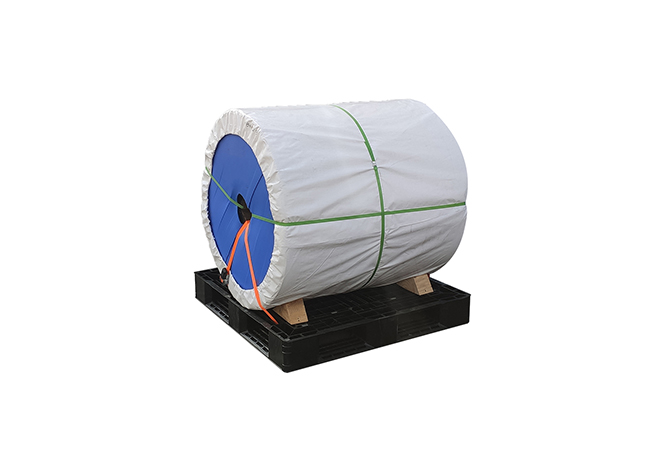
Global sourcing risk can turn a routine belt replacement into a production delay. This buyer-focused guide explains how to evaluate conveyor belt manufacturers, define RFQ and inspection requirements, control OEM bulk orders, verify lead time, and reduce replacement risk through better supplier qualification and spare planning.
A buyer-focused guide to selecting coal mining conveyor belts by flame resistance, anti-static performance, strength, splice design, compliance evidence, and inspection priorities.
Coal handling fires are rarely a belt-only problem. This article explains how to specify flame resistant conveyor belts, separate flame and anti-static requirements, read failure marks, compare standards, and prepare an RFQ for power plant conveyors.
High temperatures accelerate rubber aging, hardening, cracking, and adhesion loss. This article explains how to interpret conveyor belt temperature, diagnose heat damage, compare heat-resistant grades, and prepare a more accurate RFQ.
Effective conveyor belt stock planning depends on duty, line criticality, true interchangeability, lead time, storage and installation readiness. This article helps mines, cement plants and ports build practical replacement inventories without tying up stock in unusable belt specifications.
A buyer-focused checklist for importing conveyor belts, covering specification control, factory verification, samples, test data, pre-shipment inspection, export packing, documentation, Incoterms, and quotation comparison.
Global sourcing risk can turn a routine belt replacement into a production delay. This buyer-focused guide explains how to evaluate conveyor belt manufacturers, define RFQ and inspection requirements, control OEM bulk orders, verify lead time, and reduce replacement risk through better supplier qualification and spare planning.
We are committed to providing you with better products and services. Welcome to browse more content for details