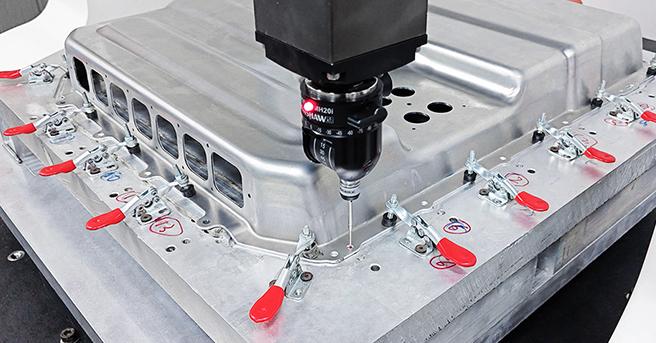
Conveyor Belt Splice Failure: 8 Causes and How to Prevent Repeat Downtime
A conveyor belt splice can fail even when the belt body is still serviceable. This engineering guide explains how to read failure patterns, correct installation risks, and specify the joint properly before ordering.
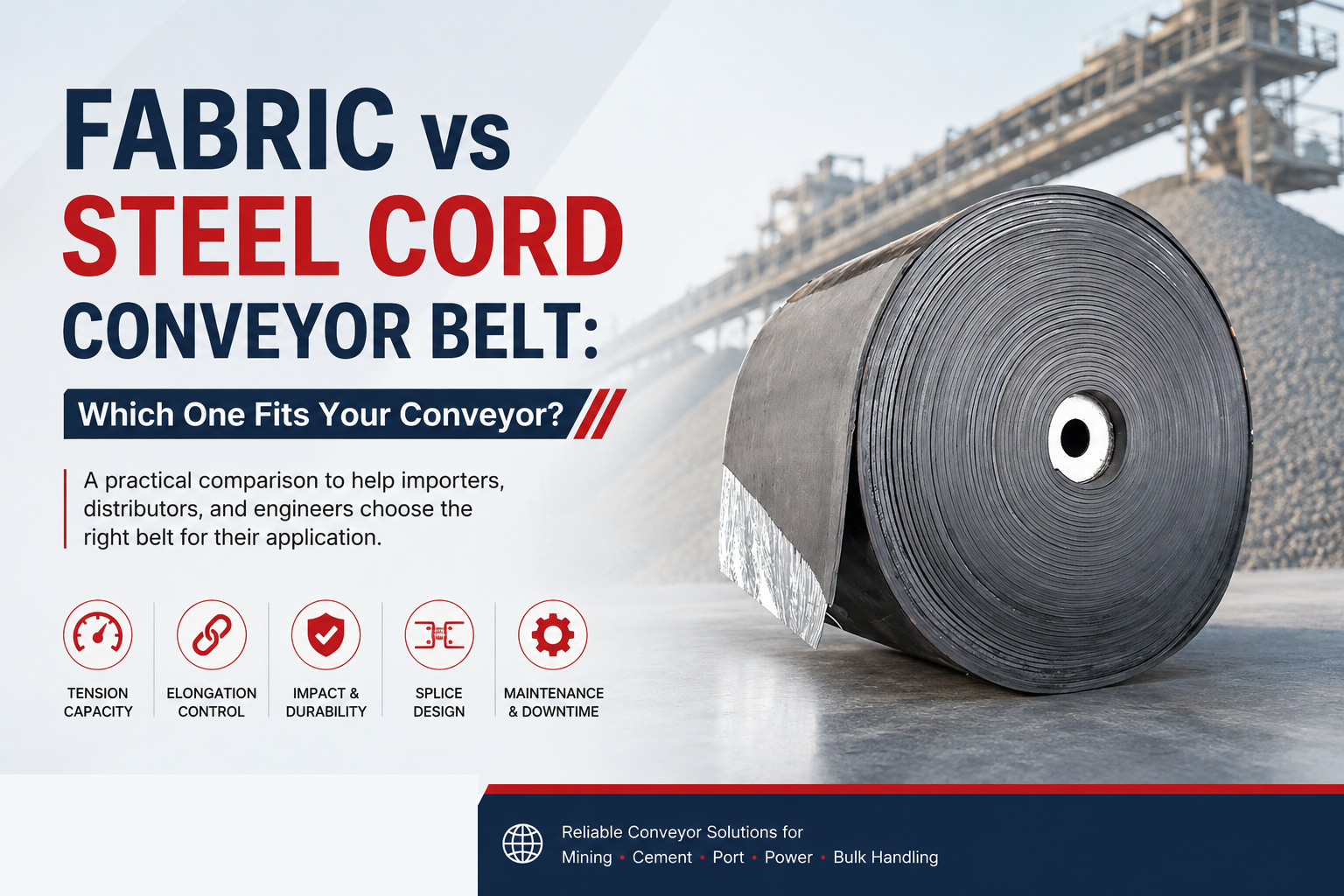
Fabric vs Steel Cord Conveyor Belt: Which One Fits Your Conveyor?
Fabric and steel cord conveyor belts solve different engineering problems. This buyer guide explains how to compare carcass construction, conveyor duty, splice requirements, pulley geometry, maintenance, and total procurement risk.
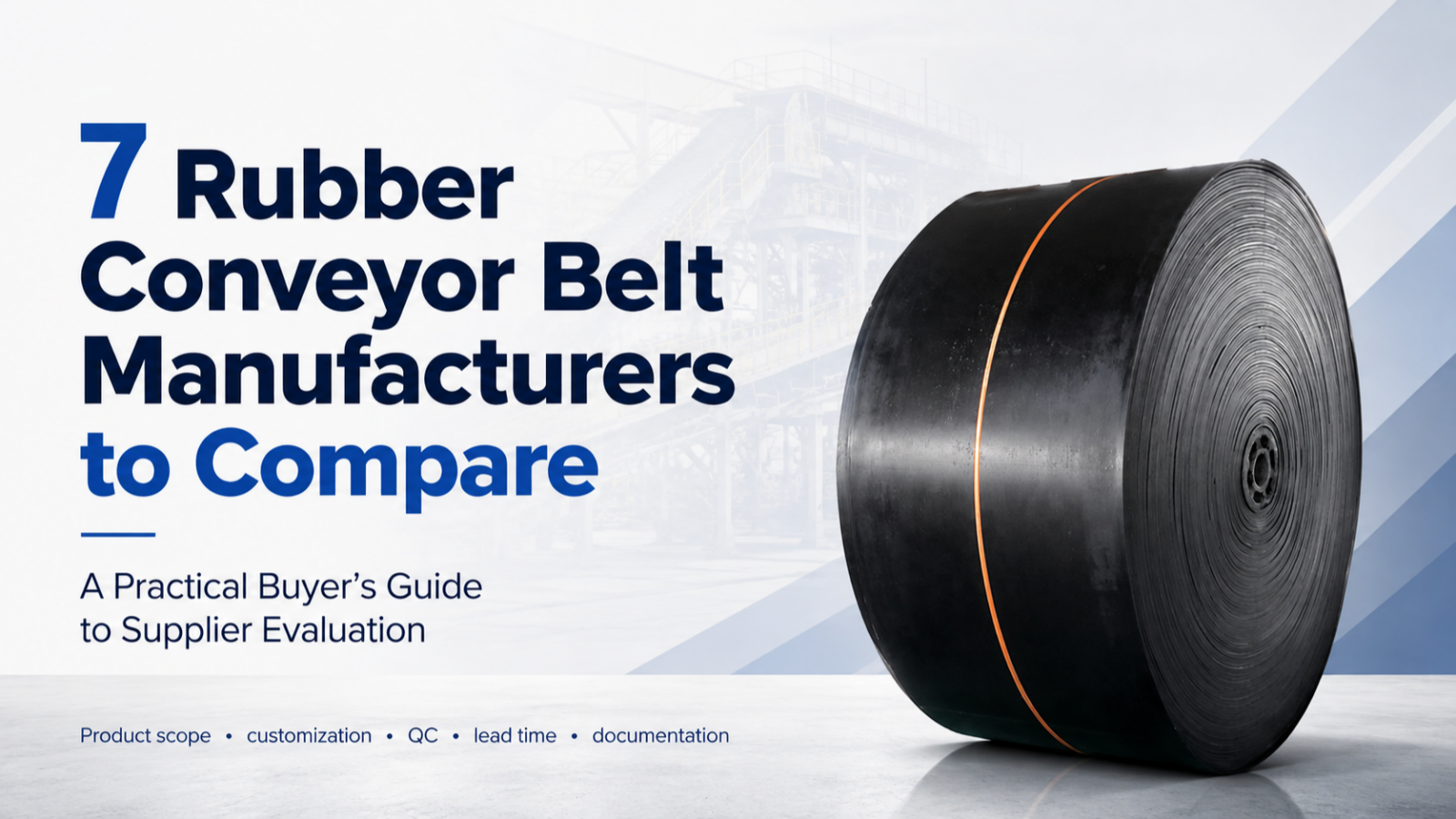
Rubber Conveyor Belt Manufacturers: 7 Global Suppliers Buyers Can Compare
Comparing rubber conveyor belt manufacturers requires more than checking brand size or price per meter. This guide reviews seven global manufacturers from different sourcing profiles and explains how buyers should evaluate production scope, fabric versus steel cord capability, customization, testing, documentation, lead time, and application fit. It also shows where SINOCONVE fits for distributors, importers, replacement orders, and industrial projects, with a practical RFQ checklist to help buyers obtain technically comparable quotations.
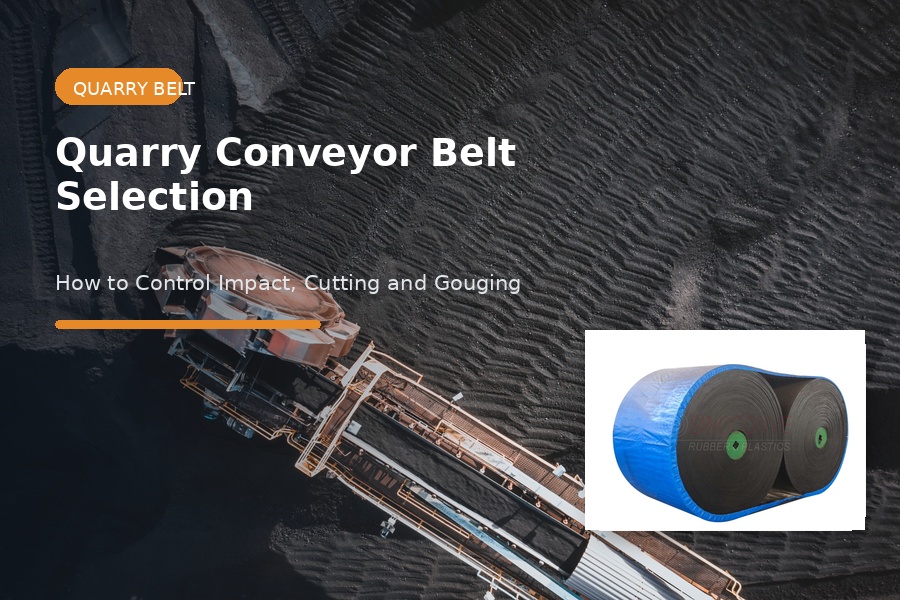
Quarry Conveyor Belt Selection: How to Control Impact, Cutting and Gouging
Quarry and crusher belts often fail from impact, cutting, gouging, mistracking, or loading-zone damage before uniform wear reaches its limit. Use this field-focused selection method to reduce repeat replacement.
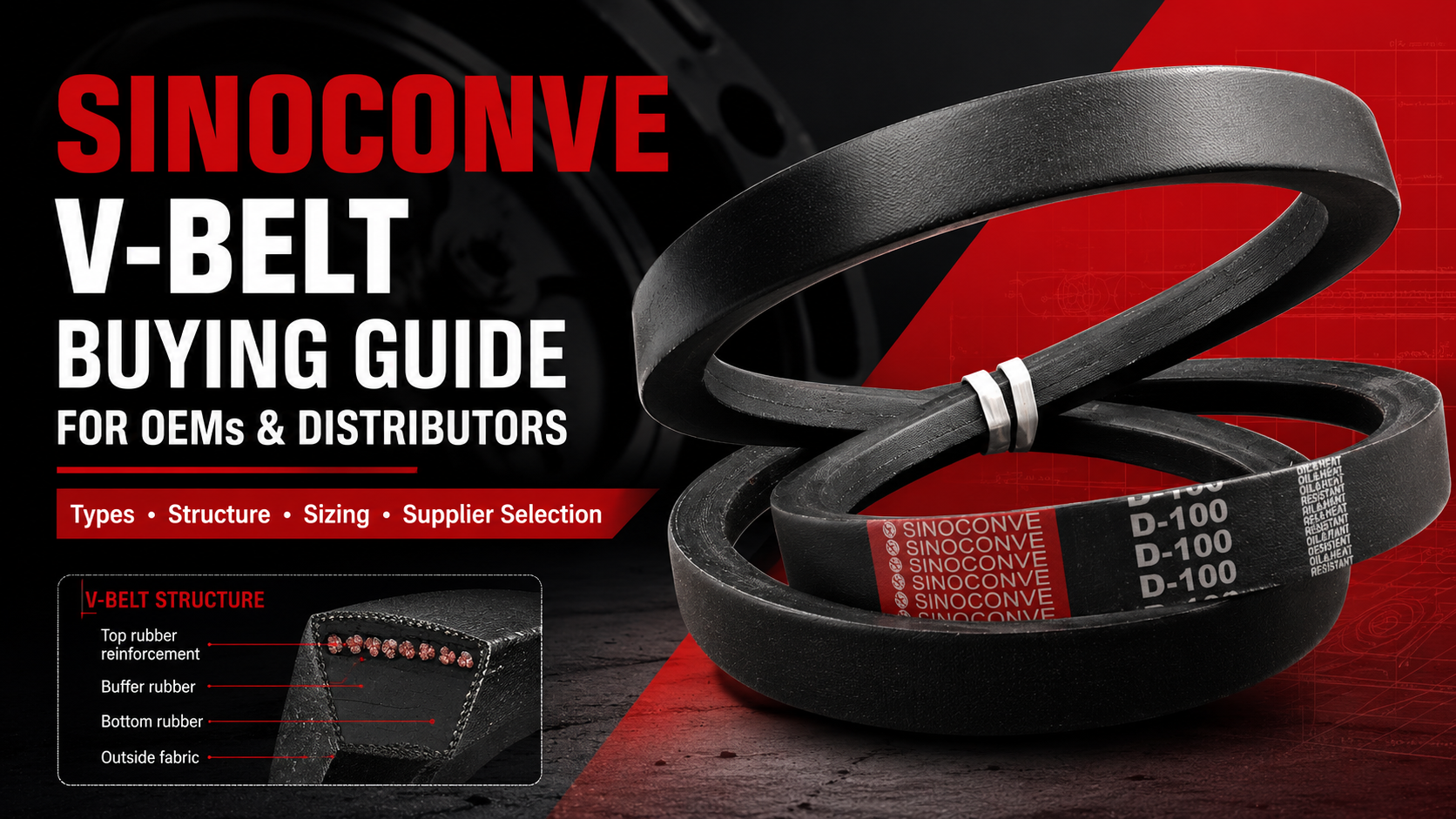
V-Belt Buying Guide for OEMs and Distributors: Profiles, Lengths and Applications
V-belt sourcing becomes risky when profile, pulley geometry and length conventions are treated as interchangeable. This guide helps OEMs and distributors specify industrial V-belts for replacement and new-drive applications. It explains classical and narrow profiles, length systems, construction choices, application conditions, failure clues and multi-belt considerations. Buyers also get a practical RFQ framework covering drive data, operating environment, quantities, customization and documentation—making supplier quotations easier to compare and reducing compatibility problems before production.
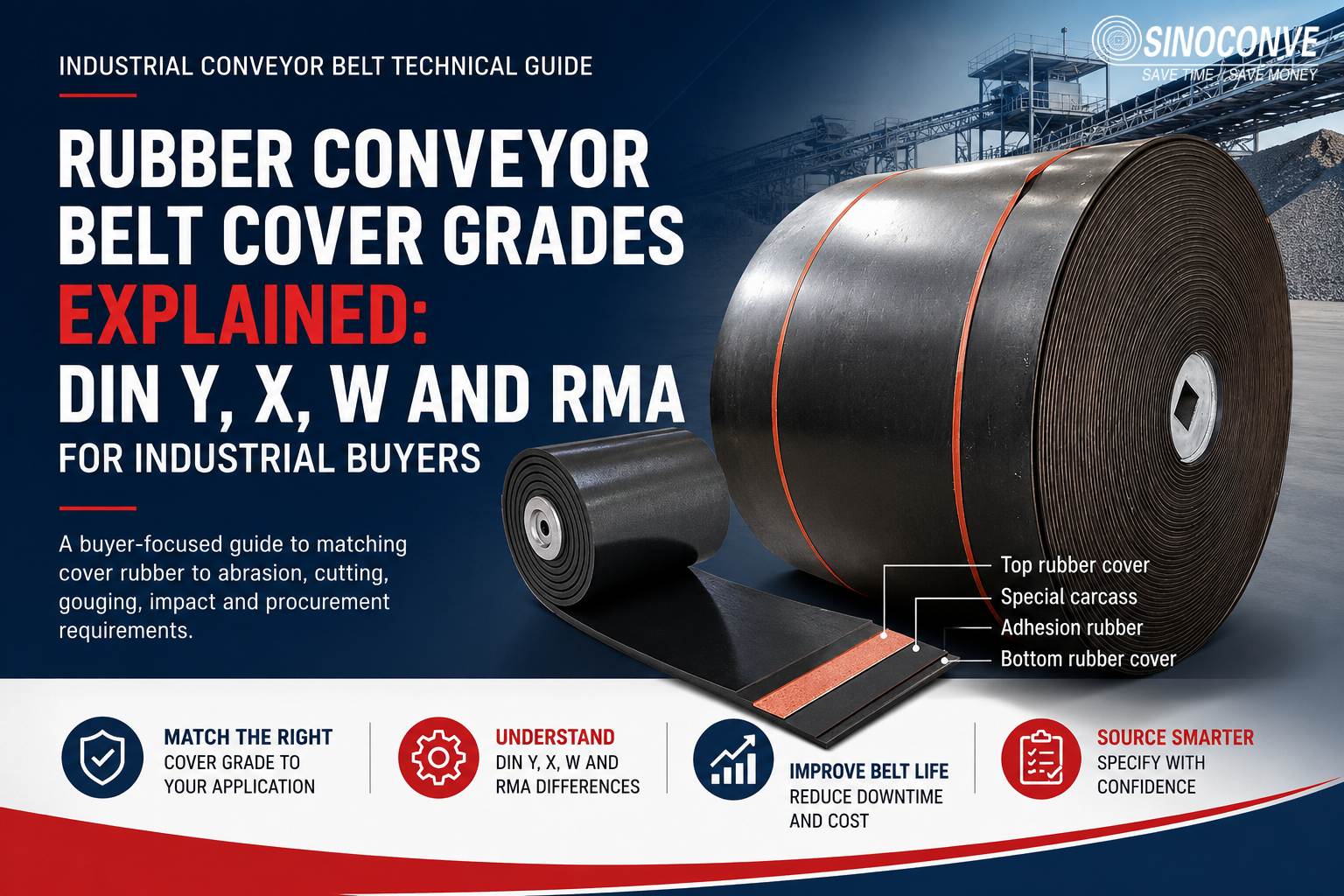
Rubber Conveyor Belt Cover Grades Explained: DIN Y, X, W and RMA for Industrial Buyers
Conveyor belt cover grades should be selected around the actual failure mechanism, not simply the grade with the lowest abrasion number. This guide compares DIN Y, DIN X and DIN W, explains where RMA Grade I and Grade II fit in industrial procurement, and shows how abrasion, cutting, gouging and impact change the specification decision. It also gives buyers a practical RFQ and verification framework for comparing rubber conveyor belt quotations without relying on grade labels alone.