
Standard flat conveyor belts have a hard ceiling on incline angle. Push past roughly 18 to 22 degrees and material starts sliding back, spillage increases, and throughput drops. For operations with limited floor space or significant elevation changes between process stages, that ceiling creates real layout problems.
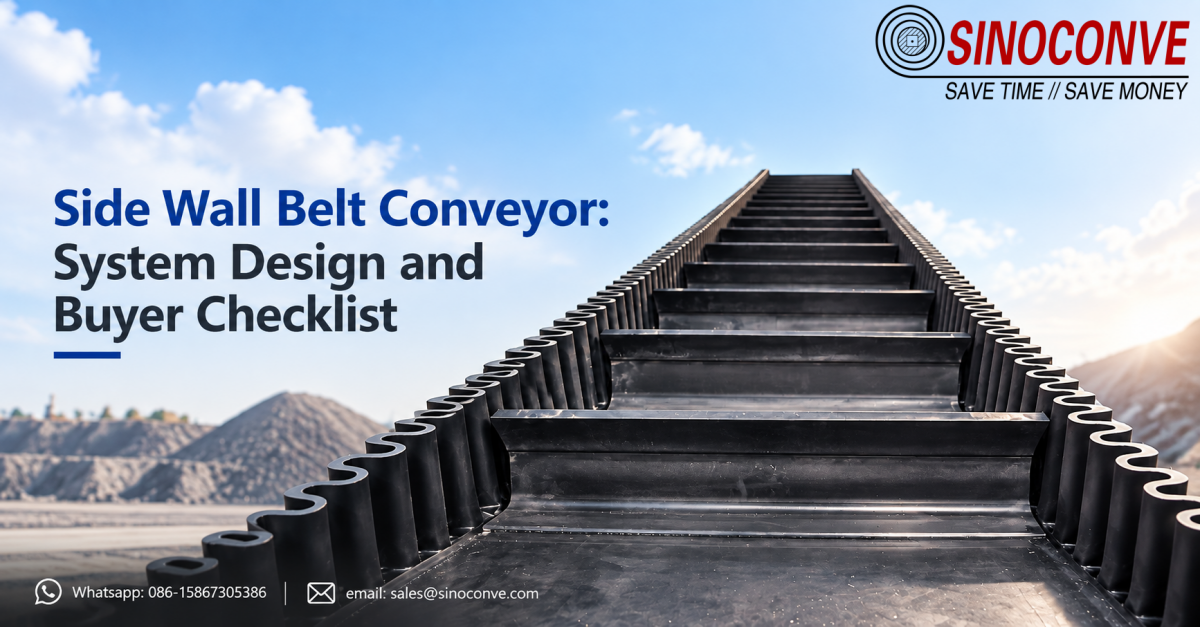
The sidewall conveyor belt solves this by changing the belt's geometry. Corrugated sidewalls and transverse cleats vulcanized onto a rubber conveyor belt base create enclosed pockets that carry material rather than just supporting it. The result is a system that can handle steep inclines — in some configurations up to 90 degrees — without the mechanical complexity of bucket elevators or skip hoists.
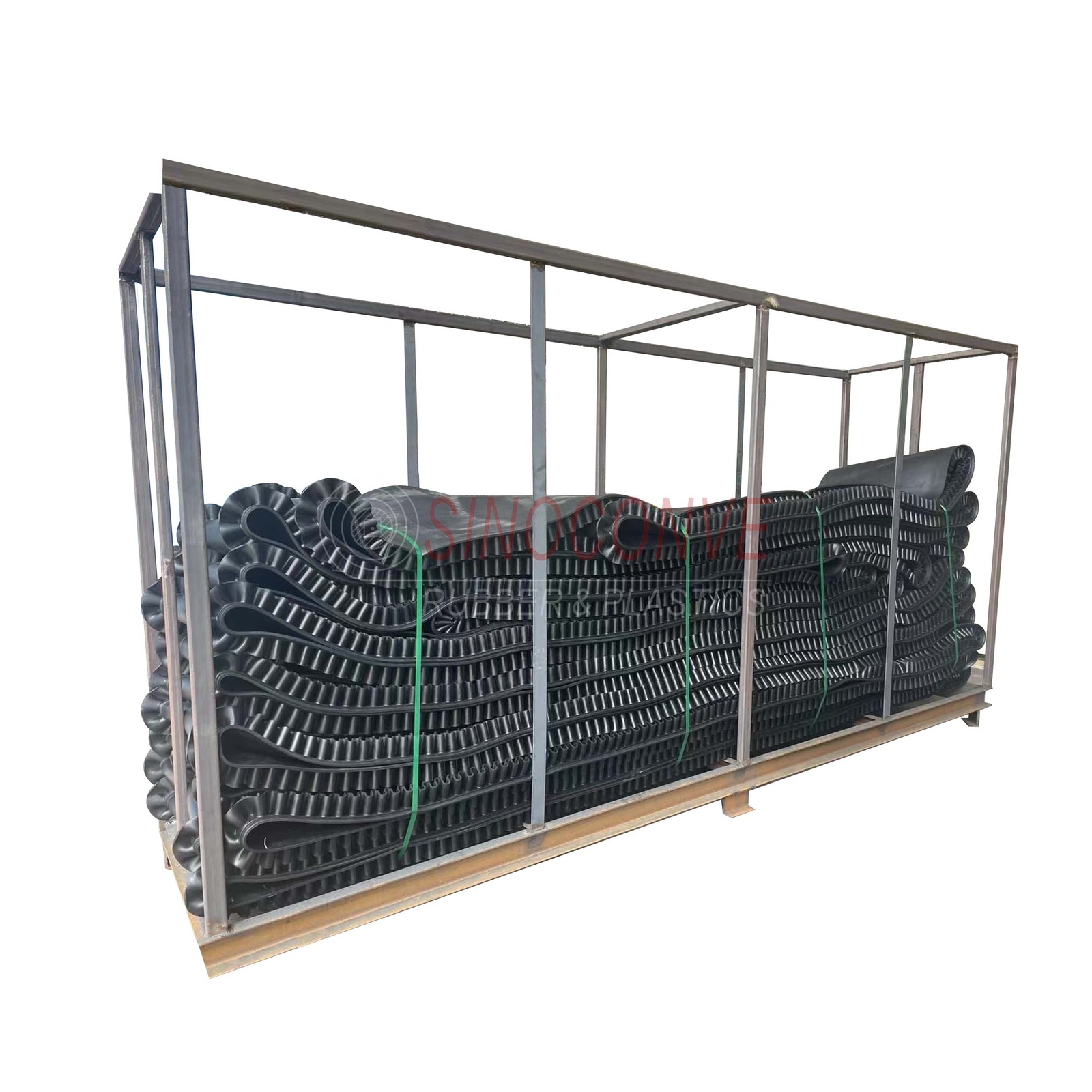
Corrugated sidewalls and transverse cleats form enclosed pockets that carry material on steep inclines.
01How the Design Works
Three components work together in a sidewall conveyor belt system. The base belt carries the structural load and runs on the drive and return system like any standard rubber conveyor belt. The corrugated sidewalls attach along both edges, creating flexible vertical containment walls that move with the belt. The transverse cleats sit perpendicular to belt travel, dividing the space between the sidewalls into individual pockets.
Each pocket effectively acts as a small container. Material loaded at the bottom of the system sits within a cleat-bounded pocket, contained laterally by the sidewalls. As the belt climbs, gravity pulls the material into the cleat rather than down the belt surface, which is what allows steep-angle operation without rollback.
All three components — base belt — are vulcanized together rather than mechanically fastened. That bond is what allows the assembly to flex around pulleys and return rollers without delaminating. The profile heights of both sidewalls and cleats can be varied to suit different material volumes and lump sizes.

02Steep Angle Conveying and What It Means for Site Layout
The practical incline angle of a sidewall conveyor belt system — often between 45 and 90 degrees depending on configuration — compresses the horizontal footprint of an elevation change significantly. A conveyor run that would need 30 meters of horizontal distance at a 20-degree incline can cover the same vertical height in a fraction of that space at 60 degrees.
For facilities where floor space is constrained — processing plants, underground mining operations, port terminals, urban construction sites — this is a genuine layout advantage, not just a theoretical one. Eliminating intermediate transfer points that would otherwise be needed to change elevation also reduces the number of potential spillage and maintenance points in the system.
The comparison with bucket elevators is worth making directly. Bucket elevators achieve similar elevation changes in compact footprints, but they involve more mechanical components — individual buckets, chains or belts with attachment hardware, and enclosed housing structures. A sidewall rubber conveyor belt system has fewer moving parts, which typically translates into lower maintenance frequency and simpler troubleshooting when problems do occur.
03Material Containment and Spillage
Spillage in conveying systems is a cost that tends to be underestimated until someone adds it up properly. Lost product, housekeeping labor, slip hazards, and equipment damage from material buildup on rollers and structure — the total is usually higher than the belt specification sheet would suggest.
The sidewall rubber conveyor belt design addresses containment structurally rather than through operator intervention. Material sits within enclosed pockets for the entire conveying distance. Fine powders, granular products, and loose bulk materials that would scatter from an open flat belt in the same incline application are held within the pocket geometry until they reach the discharge point.
This matters differently depending on the material. For high-value products or hazardous materials, containment is a cost and compliance issue. For abrasive bulk materials like ore or aggregate, reducing spillage at the belt edges extends the life of the conveyor structure and reduces the maintenance work needed to clear accumulated material.
04Construction and Durability
The base belt in a sidewall system is a rubber conveyor belt built to the same compound and carcass standards as flat belting. Abrasion-resistant cover grades suit applications with hard, sharp material. Heat-resistant compounds are available where material temperature is a factor. The carcass — fabric ply or steel cord depending on load and run length — provides the tension capacity the system needs.
Sidewalls and cleats are manufactured from rubber compounds selected for flexibility and fatigue resistance. These components flex continuously as the belt wraps around head and tail pulleys. A compound that loses flexibility over time will crack at the fold points, which is why sidewall and cleat compound specification is a separate consideration from the base belt cover.
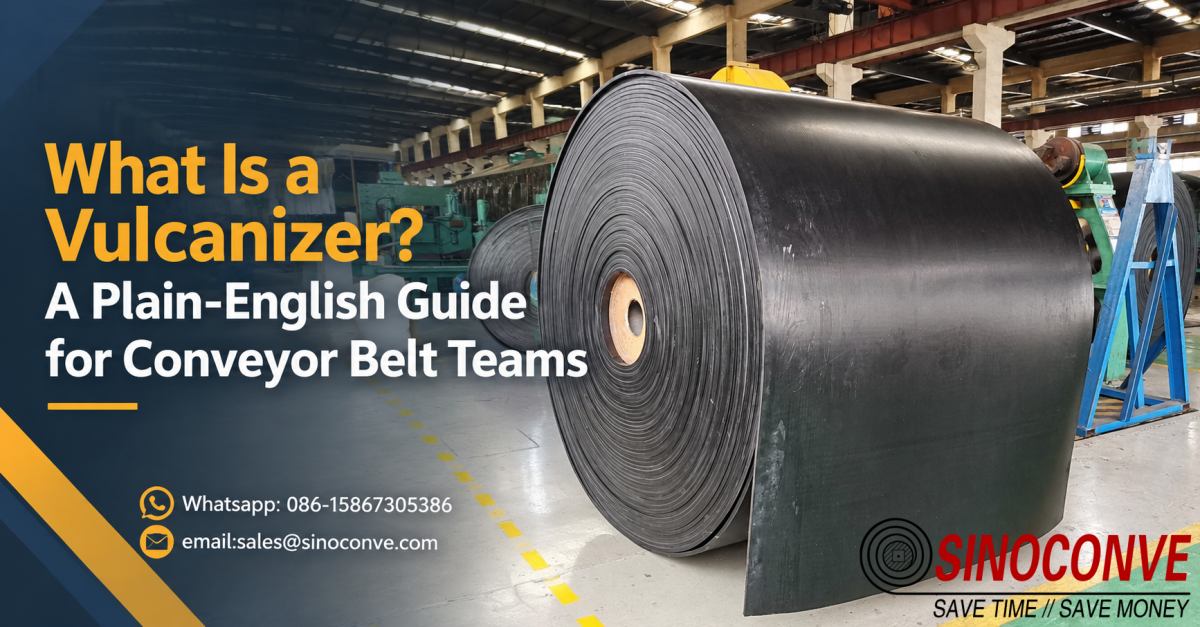
The vulcanized attachment between base belt, sidewalls, and cleats is the structural joint that the whole assembly depends on. It needs to hold under the combined stress of tension, flexing, and material load without peeling. This is a manufacturing quality variable — not something that can be assessed from a product photograph.
05Where Sidewall Belts Are Used
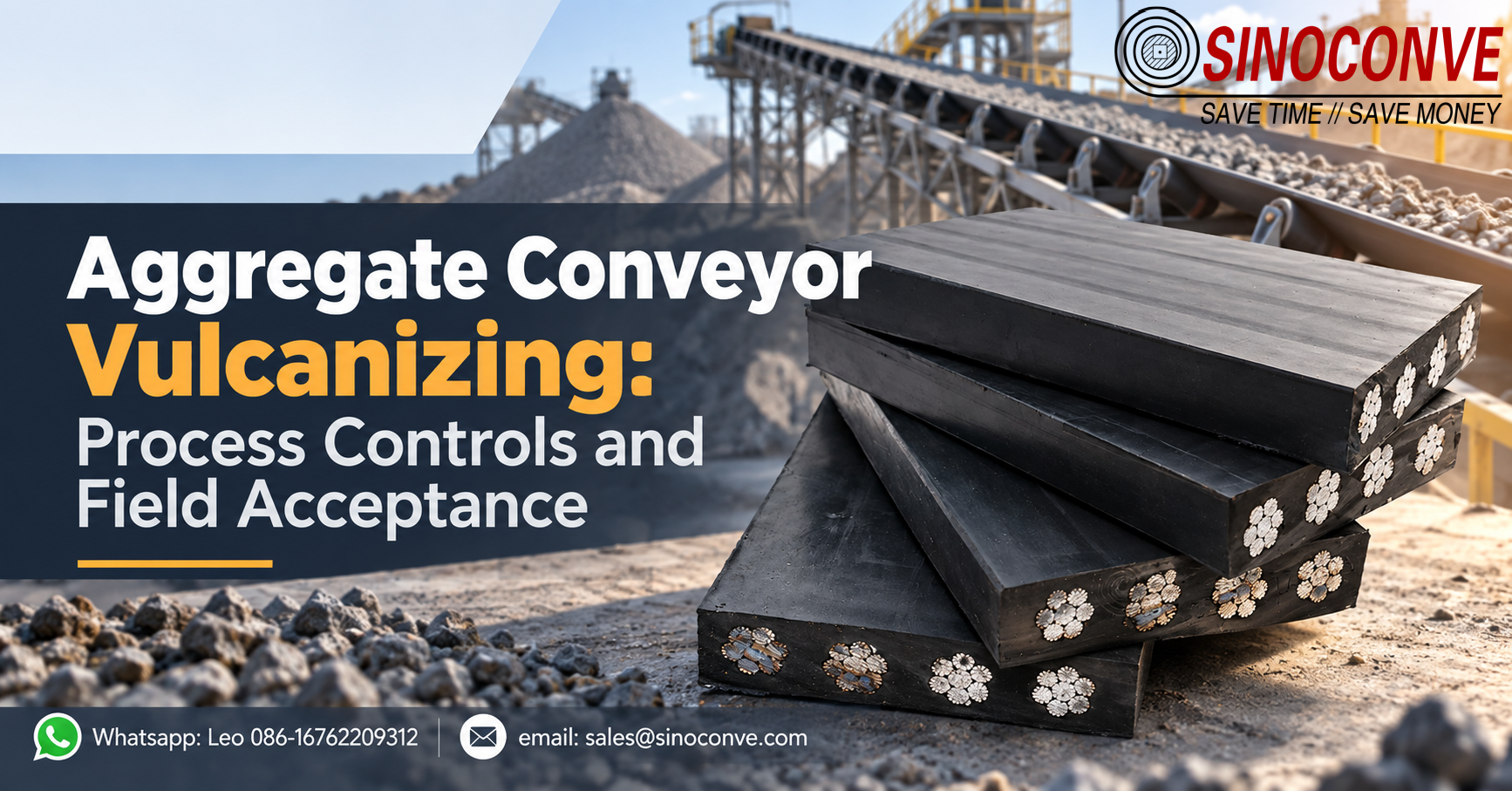
Mining and quarrying use sidewall conveyor belt systems to move crushed rock, ore, and coal up from extraction levels to processing or stockpile areas. The combination of abrasive material, steep elevation change, and constrained underground or pit geometry suits the design well.
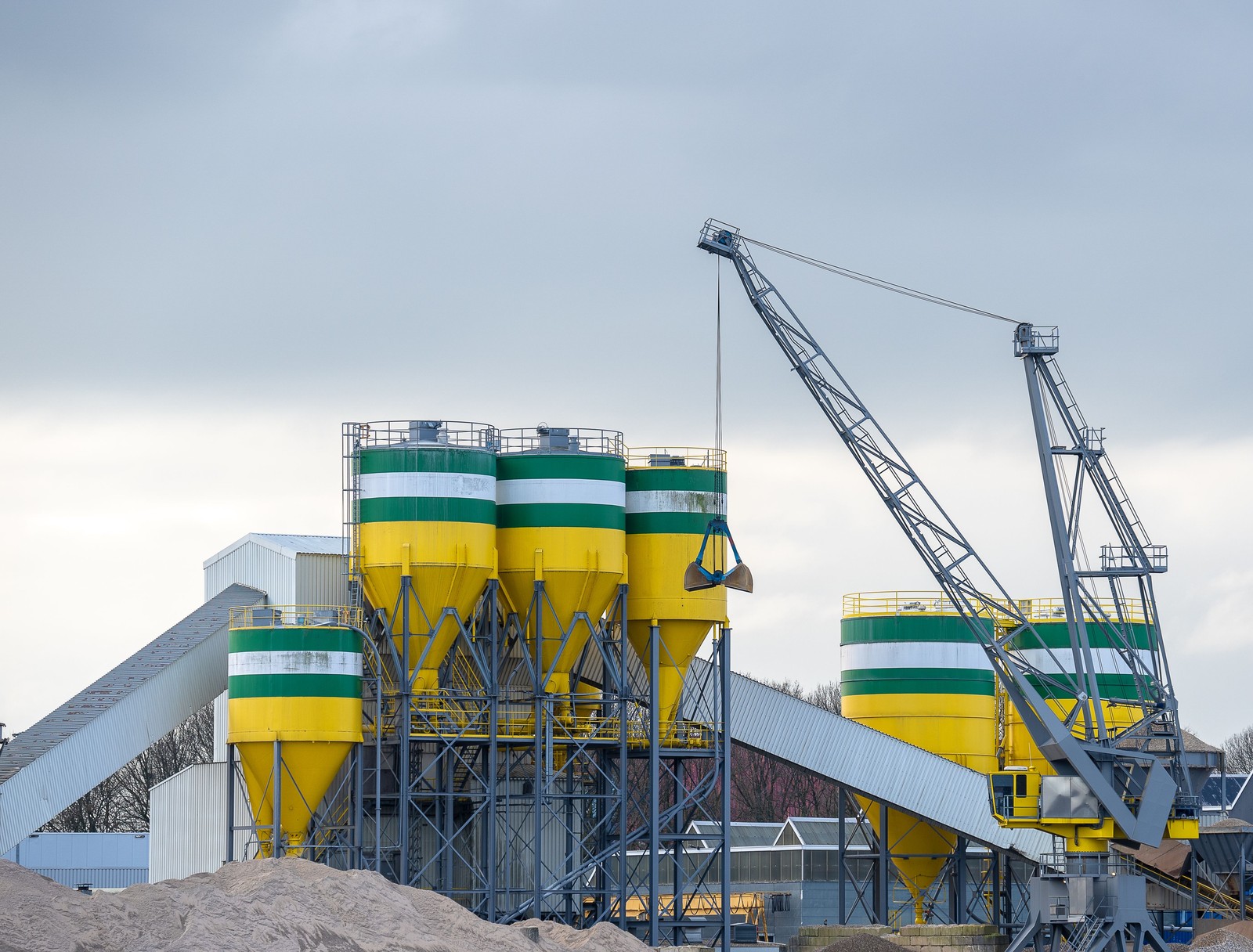
Mining, quarrying and recycling sites use sidewall belts where elevation changes are steep and floor space is short.
Food and agricultural processing rely on sidewall systems for grain, animal feed, flour, and other bulk products where containment matters for both yield and hygiene. The enclosed pocket design limits dust generation and product loss that would occur on open flat belting at equivalent incline angles.
Recycling facilities move mixed material streams — shredded material, sorted fractions, processed output — through elevation changes between sorting and processing stages. Construction sites use sidewall belting to move sand, gravel, and mixed aggregate between ground level and elevated work areas without the equipment cost of cranes or hoists for every material lift.
06Specification Considerations
Sidewall height, cleat height, cleat spacing, base belt specification, and compound grades all need to be matched to the actual application. Material type and lump size determine pocket geometry. Operating incline angle determines how the cleats need to be configured to prevent material from riding up and over at the discharge point. Conveyor speed and throughput volume determine belt width and drive requirements.
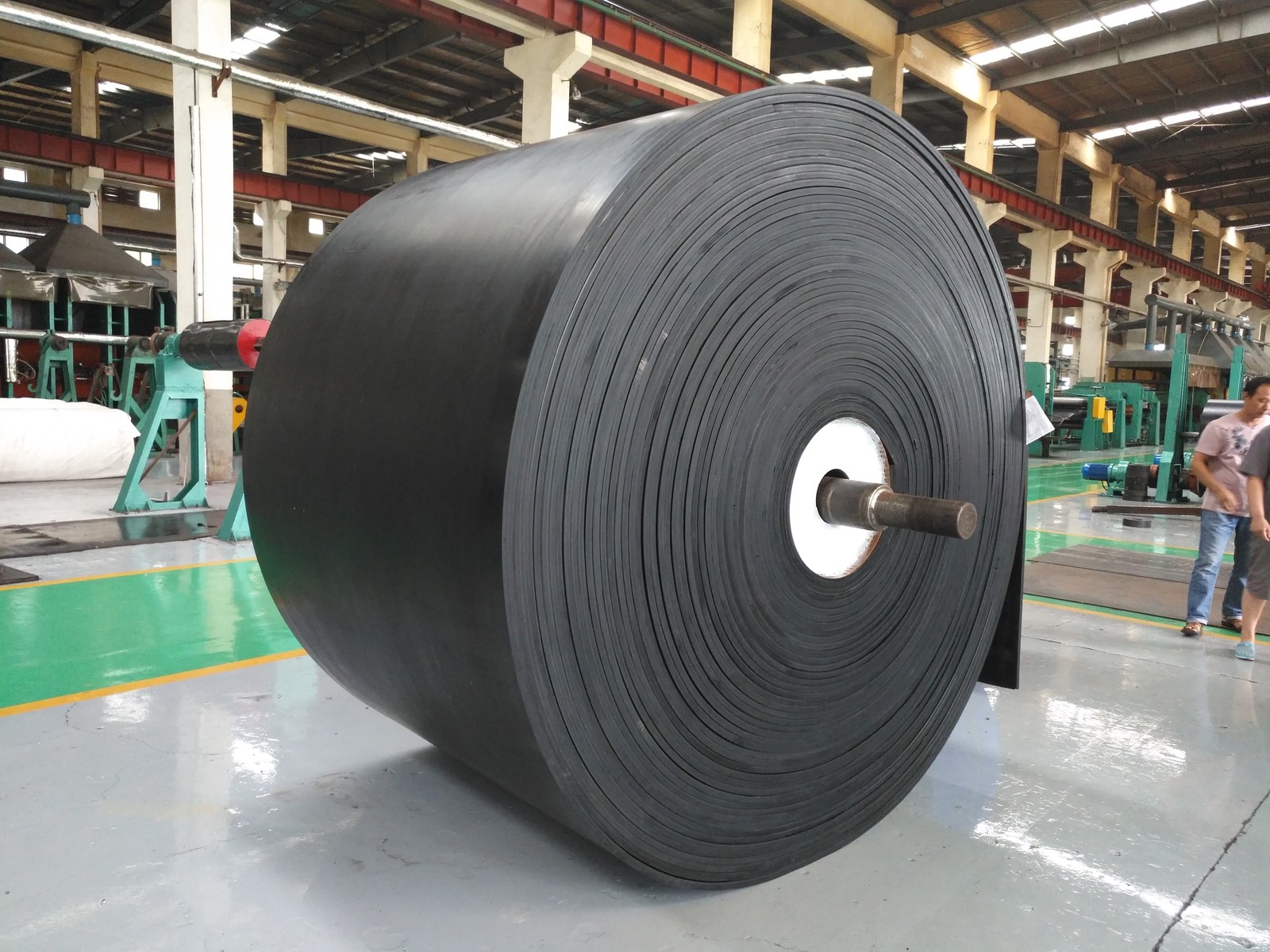
The vulcanized joint between base belt, sidewalls and cleats is a manufacturing quality variable.
Ningbo Sinoconve Belt Co., Ltd. manufactures sidewall conveyor belt systems with corrugated sidewalls and transverse cleats vulcanized to rubber conveyor belt bases, covering standard and application-specific configurations for mining, agriculture, recycling, and bulk material handling. Products are manufactured to DIN, RMA, and AS standards with compound options for abrasion-resistant, heat-resistant, and general-purpose applications.
If you are evaluating sidewall belting for a steep or space-constrained conveyor, send SINOCONVE the material type and lump size, the incline angle, belt width and throughput. Sidewall height, cleat height and base belt specification can then be confirmed from your operating data.

Products You May Need
| Sidewall Conveyor Belt Cleated sidewall belts for steep conveying |
Chevron Conveyor Belt Patterned cover belts for inclined conveying |
| Rubber Conveyor Belt General-purpose rubber conveyor belts |
Steel Cord Conveyor Belt High-tension long-distance conveyor belting |
| Full Product Catalog Browse the complete SINOCONVE range |
Contact SINOCONVE Send specifications for a quotation |