

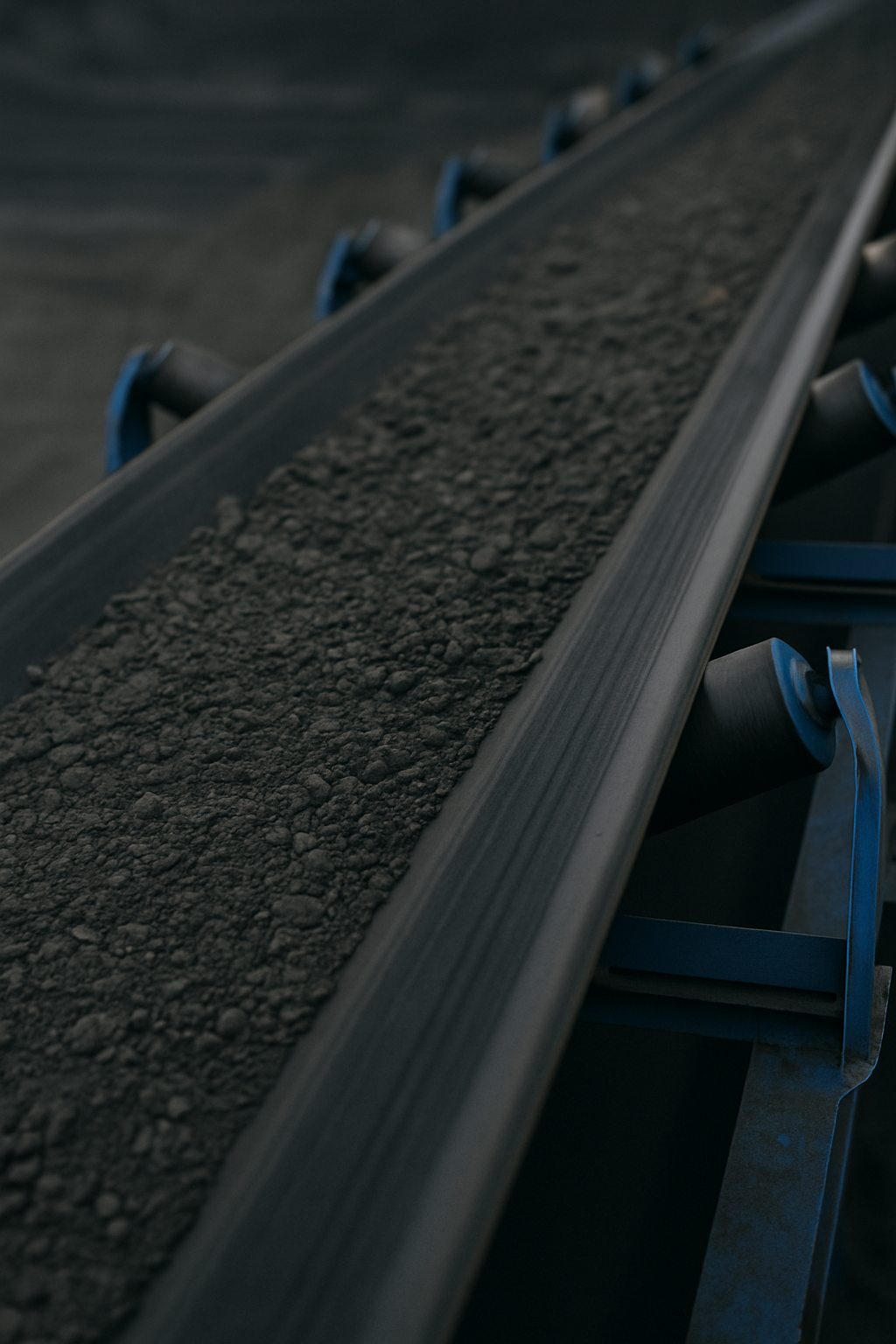
Rubber Conveyor Belts: Material Choices, Failure Risks, and Best Use Cases
A rubber conveyor belt is often ordered too late in the decision process. The conveyor layout is already fixed, the material has already been tested, and the buyer sends a short request: belt width, length, and price. That may be enough for a basic quotation. It is not enough for a belt that has to survive sharp aggregate, oil contamination, high loading impact, or heat from clinker and foundry material.
The rubber cover is not just the black surface people see from the outside. It decides how the belt handles abrasion, impact, oil, heat, weathering, and sometimes flame risk. The carcass carries the tension, but the rubber for conveyor belt applications is what meets the material first. When the compound is wrong, the belt usually tells the story quickly: swelling, cracking, glazing, cover gouging, hardening, or fast wear near the loading point.
This article looks at rubber conveyor belt selection from a buyer and maintenance point of view. It avoids treating SBR, NBR, CR, EPDM, and natural rubber as simple catalog names. The better question is where each compound makes sense, where it does not, and what information a supplier needs before recommending an industrial rubber belt.

01Start With the Material Being Conveyed
The first selection step is not rubber type. It is the material on the belt. Crushed stone and iron ore attack the top cover by abrasion and impact. Oily scrap or automotive parts can soften or swell the wrong compound. Hot cement clinker, asphalt, or foundry sand may cause ordinary rubber to harden, crack, or lose elasticity. Grain and fertilizer may look easier, but moisture, dust, and cleaning routines still affect the cover and splice.
A common purchasing mistake is asking for a stronger belt when the real problem is cover mismatch. A belt with a strong fabric carcass can still fail early if the rubber cover is not made for the material. The opposite is also true: a special cover compound cannot save a conveyor with poor chute design, sharp belt tracking contact, or a splice that does not match the pulley layout.
|
Working condition |
Common belt damage |
Rubber selection direction |
|
Sharp aggregate, stone, ore |
Top cover cuts, fast abrasion near loading point |
Abrasion-resistant rubber cover; also check chute height and impact bed |
|
Oil, grease, mixed recycling waste |
Cover swelling, softening, surface tackiness |
Oil-resistant compound such as NBR-based cover where needed |
|
Hot clinker, asphalt, foundry material |
Hardening, cracking, cover separation |
Heat-resistant cover; EPDM-based or heat-grade compound may be considered |
|
Outdoor conveyor, moisture, sunlight |
Weather cracking, edge aging, cover checking |
Weather-resistant cover; storage and installation condition also matter |
|
Underground or enclosed dusty area |
Safety concern if ignition risk exists |
Flame-retardant / anti-static grade according to project requirement |
02Rubber Compounds Are Not Interchangeable
SBR is common in general-purpose and abrasion-focused belts because it gives a practical balance of wear resistance and cost. It is often considered where the main enemy is friction from sand, gravel, ore, or similar dry bulk material. But SBR should not automatically be used near oils or aggressive chemicals.
NBR is selected when oil resistance matters. In recycling plants, auto parts handling, oily grains, or some industrial waste lines, ordinary rubber may swell or soften after repeated contact. That changes belt tracking and surface life. NBR can help, but it still needs to match the real oil, temperature, and cleaning method.
EPDM is normally discussed when heat and weather resistance matter. It is not the default answer for every conveyor. If the material is abrasive but not hot, an abrasion grade may be more practical. If the material is both hot and abrasive, the supplier needs to balance heat aging and cover wear rather than quoting a generic heat-resistant belt.
CR, often called neoprene, is used in some applications where weathering, flame resistance, or a balanced resistance profile is needed. Natural rubber is still valued where flexibility and tensile behavior matter, but it may not suit oil-heavy or high-heat applications. The point is simple: rubber choice should follow the operating condition, not the name that sounds most advanced.
|
Rubber compound |
Where it is often considered |
Selection caution |
|
SBR |
Abrasion-focused general conveying, quarry, mining, cement, sand and gravel |
Not the first choice where oil or strong chemical contact is present |
|
NBR |
Oil, grease, oily waste, recycling, certain food or auto-parts related lines |
Check actual oil type, cleaning method, and temperature before ordering |
|
EPDM |
Heat exposure, weathering, hot bulk materials in suitable belt constructions |
Heat grade does not automatically solve severe abrasion or impact |
|
CR / Neoprene |
Weather, flame-related, or mixed resistance requirements depending on grade |
Must be matched to project safety and cover requirements |
|
Natural rubber |
Flexible conveying, some impact or general applications |
May age poorly in oil, ozone, or high-heat conditions if not protected |
03Four Failure Patterns That Point to the Wrong Rubber Cover
A worn belt is often more useful than a clean datasheet. If the buyer can send photos of the old belt surface, edges, splice, loading point, and return side, the supplier can usually see whether the issue is material abrasion, chemical attack, heat aging, or mechanical layout.
The following patterns are common in rubber conveyor belt replacement work. They are not laboratory diagnoses, but they help narrow the discussion before a new belt is ordered.
|
Failure pattern |
Likely cause |
What to check before reordering |
|
Top cover worn through in one loading zone |
Material impact, sharp aggregate, poor chute angle, insufficient cover grade |
Loading height, material size, impact bed, top cover thickness, abrasion grade |
|
Cover swells or becomes sticky |
Oil, grease, chemical contact, wrong compound |
Actual contaminant, cleaning routine, NBR requirement, old belt photos |
|
Surface cracks or hardens |
Heat aging, ozone, UV, wrong storage, unsuitable rubber grade |
Material temperature, outdoor exposure, storage time, heat-resistant cover need |
|
Edges fray or ply becomes visible |
Tracking problem, frame contact, belt runs off-center |
Pulley alignment, idlers, return rollers, edge rubbing marks |
|
Splice opens before belt body fails |
Wrong joint method, contamination, tension, small pulley diameter |
Splice type, pulley diameter, belt thickness, shutdown window |
04Where Rubber Conveyor Belts Deliver the Most Value
A rubber conveyor belt makes the most sense where the belt has to absorb impact, resist cover wear, and carry bulk material over rollers or troughed idlers. In mining and aggregates, the load is often heavy and abrasive. In cement plants, dust, clinker, sharp limestone, and repeated loading all influence belt life. In ports and terminals, moisture, long operating hours, and bulk loading patterns matter. In recycling, the challenge may be mixed waste: sharp edges, oils, and unpredictable material shape.
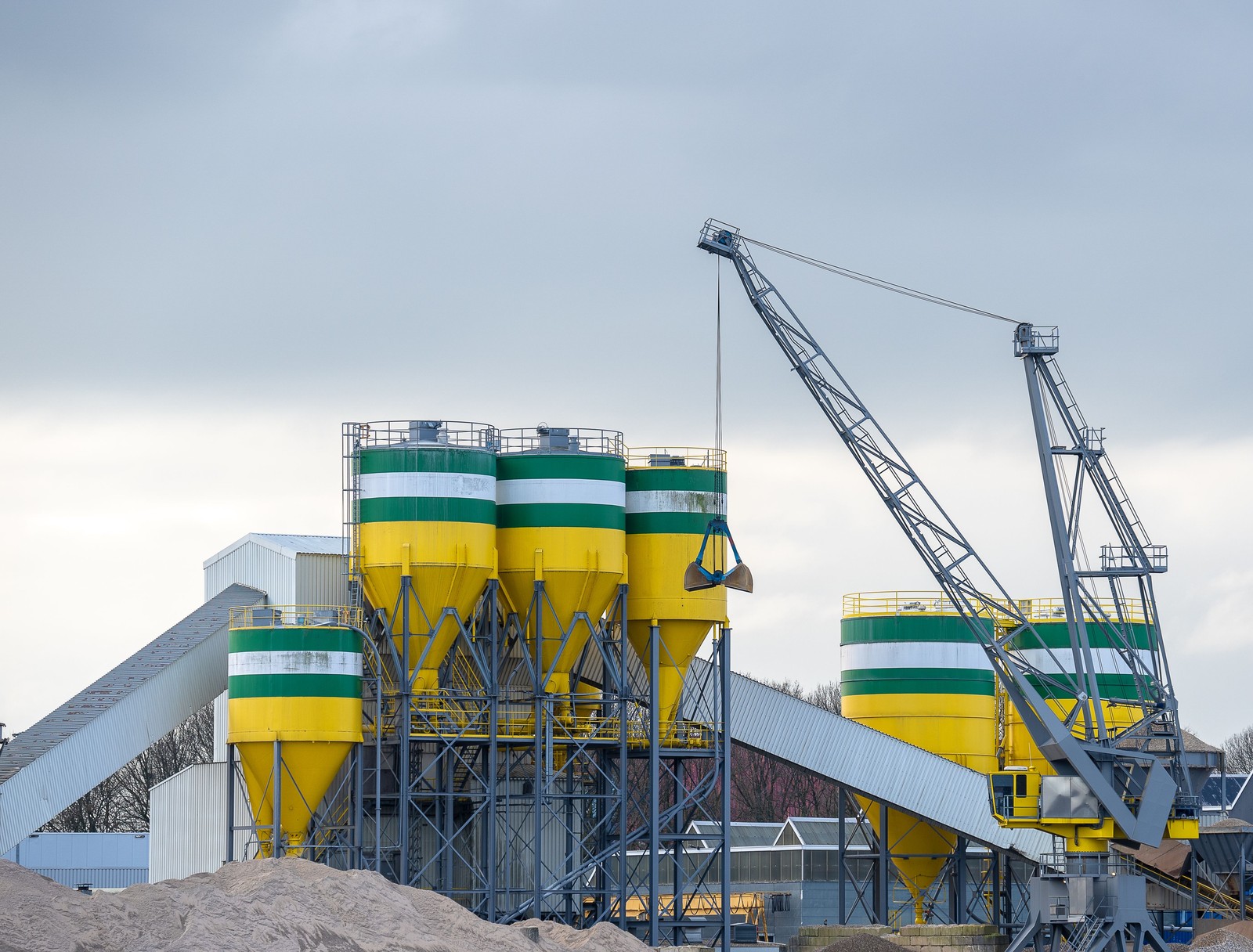
Agricultural conveying is different again. Grain may not cut like ore, but dust, moisture, fertilizer, outdoor storage, and seasonal operation can still shorten belt life. A belt that sits idle for months and then runs hard during harvest has a different risk profile from a continuous cement plant conveyor.
|
Industry |
Why rubber belt is often used |
Buyer decision point |
|
Mining and aggregates |
Impact, abrasion, heavy material, troughed conveying |
Cover grade, carcass strength, splice method, chute design |
|
Cement and construction materials |
Dust, limestone, clinker, mixed abrasion and heat |
Abrasion vs heat balance; loading point condition |
|
Ports and bulk terminals |
Long operating hours, moisture, large volumes |
Belt strength, cover wear, tracking, export spare planning |
|
Recycling facilities |
Mixed sharp materials, oil, chemicals, unpredictable loads |
Oil resistance, cut resistance, cleaning and safety requirements |
|
Agriculture and biomass |
Seasonal use, dust, moisture, fertilizer, outdoor handling |
Moisture/weather resistance, belt storage, surface grip |
05Do Not Buy by Cover Thickness Alone
Cover thickness affects wear life, but it is not a shortcut for correct selection. A thicker cover can help if the top cover is being consumed by abrasion. It may do little if the belt is running against the frame, if the material is attacking the rubber chemically, or if the splice is failing due to pulley size and tension. It can also make the belt less flexible around smaller pulleys.
The same logic applies to EP rating and ply count. A higher-strength carcass is useful when tension and conveyor length require it. It is not automatically better for every short conveyor. Over-specification adds cost and may create handling or bending issues. Under-specification causes stretch, tracking problems, and early carcass fatigue. The right belt sits between those two mistakes.
06Buyer Checklist Before Asking for a Quotation
|
Information to send |
Why it matters |
|
Material handled and lump size |
Determines abrasion, impact, cut, and cover grade requirements |
|
Oil, heat, chemical, flame, or outdoor exposure |
Helps select the right rubber for conveyor belt service conditions |
|
Belt width, length, thickness, ply, EP rating if known |
Basic production and replacement matching information |
|
Conveyor length, angle, pulley diameter, belt speed |
Affects carcass selection, flexibility, tracking, and splice method |
|
Photos of old belt surface, edge, splice, and loading point |
Shows the real failure pattern and avoids repeating the same problem |
|
Required standards or test reports |
Clarifies project compliance and avoids vague quality claims |
|
Packing, label, roll size, quantity, delivery plan |
Supports OEM, distributor, and project purchasing requirements |
For B2B buyers, this information is more useful than asking for the lowest price first. A serious rubber conveyor belt supplier should ask about the application before recommending a compound. If the supplier quotes the same belt for quarry stone, oily scrap, hot clinker, and grain, the buyer should slow down and ask more questions.
This is where SINOCONVE's Save Time, Save Money idea fits naturally. Clear working-condition information saves time before production. Correct compound selection saves money after installation. A belt that matches the material, conveyor layout, and maintenance reality is usually cheaper than a lower-priced belt that fails during production.
07Common Purchasing Mistakes
· Choosing by rubber name only. SBR, NBR, EPDM, CR, and natural rubber are useful only when they match the actual working condition.
· Treating all black belts as similar. Two belts can look identical but have very different cover grades, carcass strength, adhesion, and aging behavior.
· Ignoring the old belt. The previous failure pattern often explains what the new belt must fix.
· Over-specifying strength while under-specifying cover grade. A strong carcass does not stop the wrong rubber cover from wearing out.
· Skipping standards or test reports for demanding projects. General claims are not enough for mining, cement, ports, tunnels, or safety-sensitive environments.
08FAQ
What is a rubber conveyor belt used for?
It is used to move bulk materials such as ore, coal, stone, cement, sand, grain, fertilizer, waste, and industrial products through material handling systems.
What rubber for conveyor belt applications should I choose?
Start with the material and environment. Abrasion, oil, heat, flame risk, chemicals, moisture, and outdoor exposure all point to different rubber compounds.
Is EPDM always the best choice for heat-resistant belts?
Not always. EPDM may be useful in heat-related applications, but abrasion, impact, pulley layout, and splice method still need to be checked.
Why does a rubber conveyor belt fail early?
Common causes include wrong cover compound, high loading impact, sharp material, oil attack, poor tracking, small pulley diameter, or a splice that does not match the belt construction.
What should I send before ordering an industrial rubber belt?
Send belt size, material handled, temperature or oil exposure, conveyor layout, pulley diameter, old belt photos, failure symptoms, and any required standards or reports.
09Final Note for Industrial Buyers
A rubber conveyor belt should be selected from the working condition outward. First look at the material, then the cover risk, then the carcass strength, pulley layout, splice, and maintenance routine. Rubber compound names are useful, but only when they are tied to a real operating problem.
For buyers comparing industrial rubber belt options, the safest approach is not to ask which compound is best. Ask which compound is best for the material, temperature, oil exposure, abrasion level, loading point, and conveyor layout. That question usually leads to a better belt, fewer wrong samples, and fewer repeat failures.
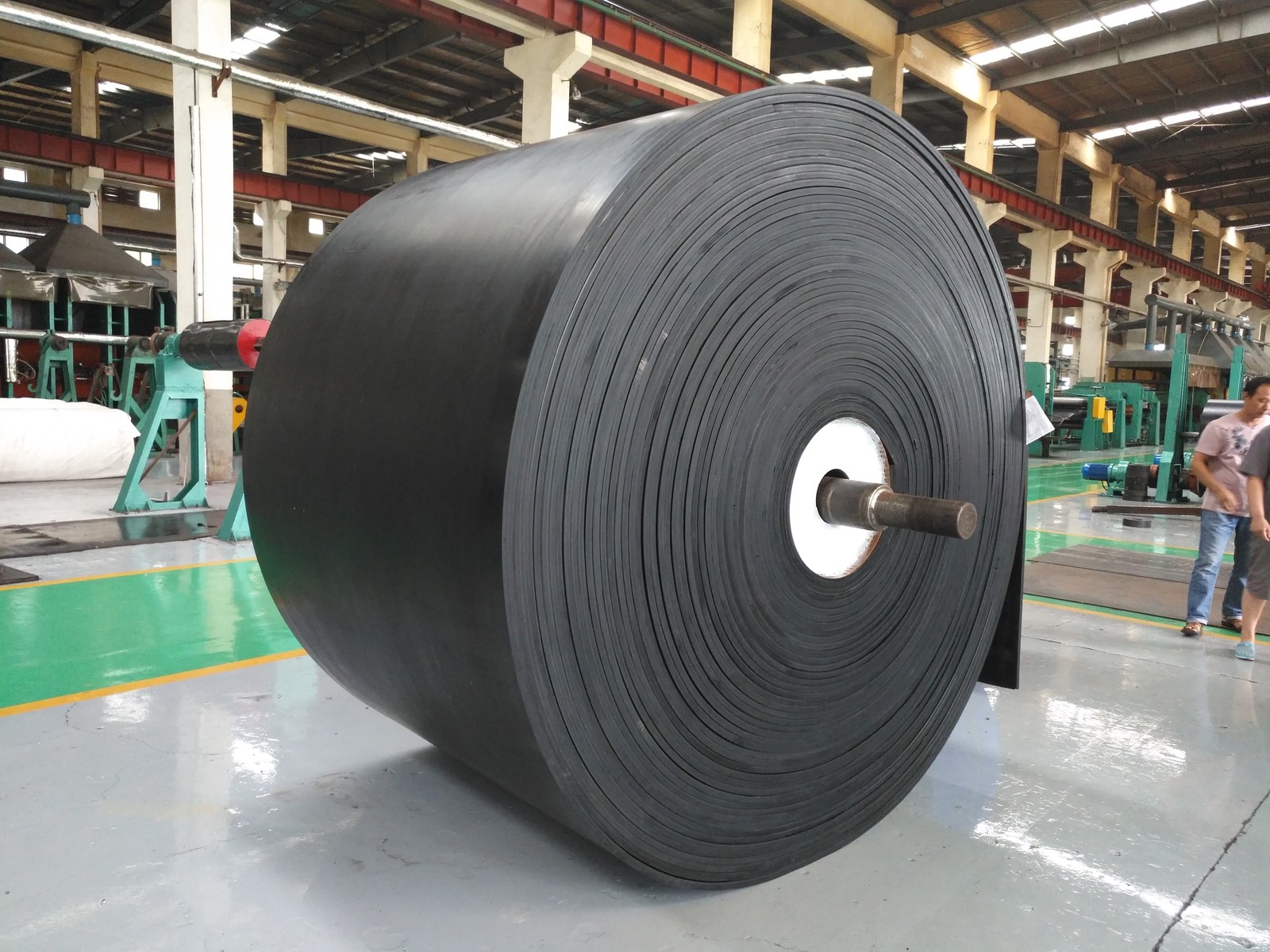
10Why Industrial Clients Choose Sinoconve
Sinoconve delivers rubber conveyor belts with:
-
Certified rubber compounds for each application
-
Tensile ratings from EP100 to EP500 and above
-
Custom options: Chevron, sidewall, cleated, oil- and fire-resistant
-
Fast global shipping and OEM support with low minimums
-
Standards compliance: ISO, DIN, RMA, SANS, SGS
Used in over 117 countries, our belts power critical systems in mining, cement, ports, and energy.

11Get the Right Rubber Belt—Built for Your Workload
Don’t let the wrong rubber cost you more. Whether you’re running heavy-load mining lines or oil-sensitive recycling systems, the material inside the belt determines your success.
To get expert help choosing the right belt, visit our homepage or reach out through our contact page.
If you are selecting a rubber cover or replacing a belt that wears faster than expected, send SINOCONVE the material, working temperature, damage pattern and current belt details. The compound and construction can be confirmed against DIN, RMA or ISO test criteria before production.
Products You May Need
| Rubber Conveyor Belt General-purpose rubber conveyor belts |
EP Rubber Conveyor Belt High-strength fabric carcass belting |
| Steel Cord Conveyor Belt High-tension long-distance conveyor belting |
Chevron Conveyor Belt Patterned cover belts for inclined conveying |
| Full Product Catalog Browse the complete SINOCONVE range |
Contact SINOCONVE Send material details for a quotation |


