Engineered belt solutions for demanding industries worldwide

Blog

Blog

Home/Blog
Recent Posts
Chemical Resistant Conveyor Belts: Engineered for Harsh, Corrosive Environments

Chemical Resistant Conveyor Belts: Engineered for Harsh, Corrosive Environments

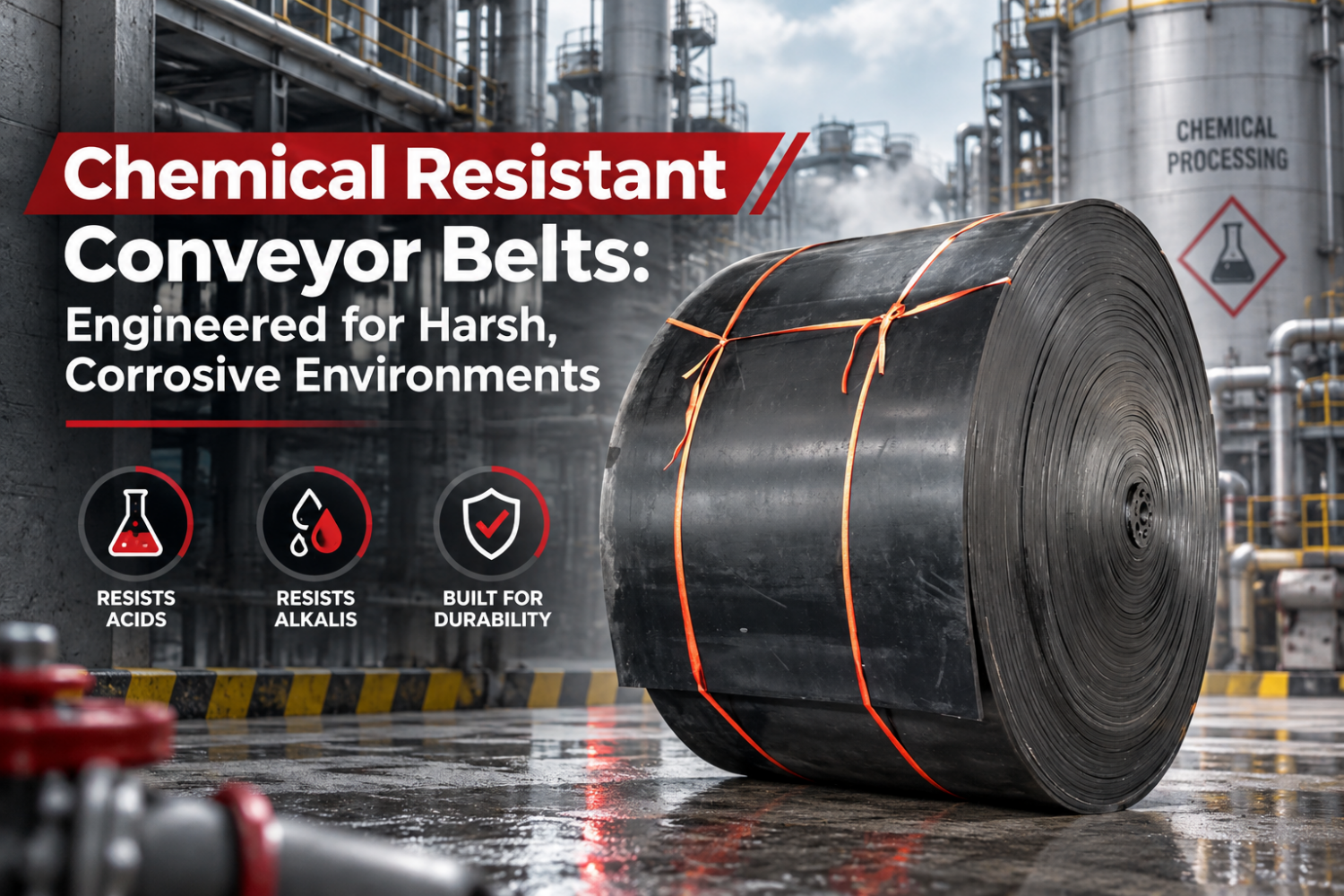
Chemical-resistant conveyor belts exist because aggressive materials attack ordinary rubber long before they wear it out. This guide explains what chemical resistance actually means in belt construction - which acids, alkalis, solvents and oils matter, how the cover compound is selected for each family, and why the carcass and the splice deserve the same attention as the cover. It covers the industries where chemical attack is routine: fertilizer production, chemical handling, wastewater treatment, mineral processing and food processing washdown environments. A selection section sets out the operating data a manufacturer needs to recommend a compound - material carried, concentration, temperature, exposure duration and cleaning regime - and a system section explains how loading, tracking and inspection intervals change when a belt runs in a corrosive environment. The article closes with the compound options and documentation available from the factory.

Heat Resistant Rubber Conveyor Belt: Modern Solutions

Heat Resistant Rubber Conveyor Belt: Modern Solutions

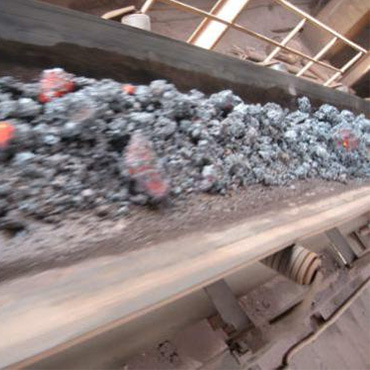
Heat is one of the quietest ways a conveyor belt fails: the rubber hardens, cracks and loses its bond to the carcass long before the belt looks worn. This guide explains what heat resistant actually means in belt construction, starting with the grades and the continuous material temperatures they are built for, and why cover compound, carcass type and splice design all have to be matched to the duty rather than bought separately. It covers the industries where the temperature ceiling is crossed regularly - cement plants, steel mills, foundries, power generation and clinker handling - and the system considerations that decide belt life, from loading zone impact and pulley diameter to inspection intervals and spare planning. A selection section sets out the information a manufacturer needs to recommend the right grade, and the closing section covers the production and testing behind a heat-resistant belt range.

Sidewall Conveyor Belts: Space-Saving Solutions for Steep and Vertical Transport

Sidewall Conveyor Belts: Space-Saving Solutions for Steep and Vertical Transport

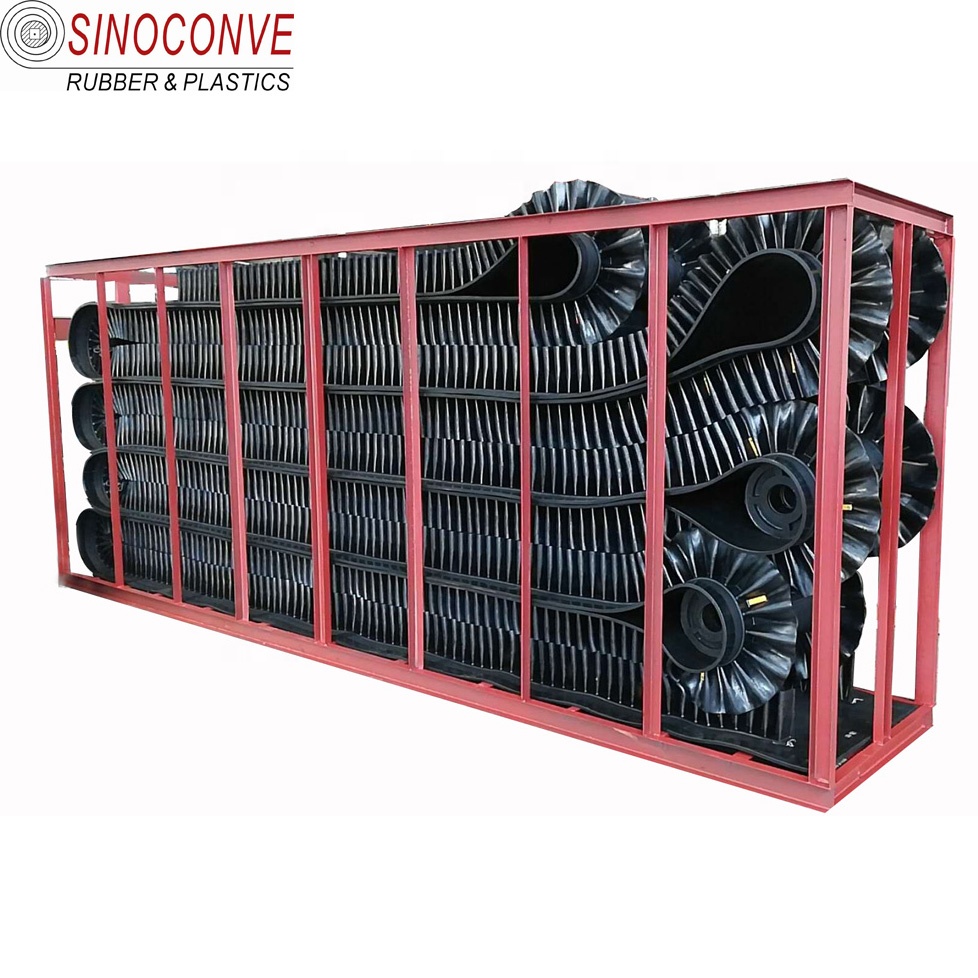
A sidewall conveyor belt changes what a conveyor can do in a tight footprint. By vulcanizing corrugated sidewalls and transverse cleats onto a rubber or PVC base belt, it creates enclosed pockets that carry material up steep inclines and vertical lifts instead of letting it slide back. This guide explains how the construction works, what the key advantages are compared with long inclined flat belts and bucket elevators, and where sidewall belts are used in practice - mining and quarrying, ports, food and agriculture, recycling and construction. A selection section covers the data that determines the configuration: material type and lump size, incline angle, throughput and belt width, plus compound choices for abrasive or hot material. The article closes with the factory options available for custom sidewall heights, cleat spacing and custom profiles, and the information to send with an RFQ.

Steel Cord Conveyor Belts for Heavy Loads

Steel Cord Conveyor Belts for Heavy Loads

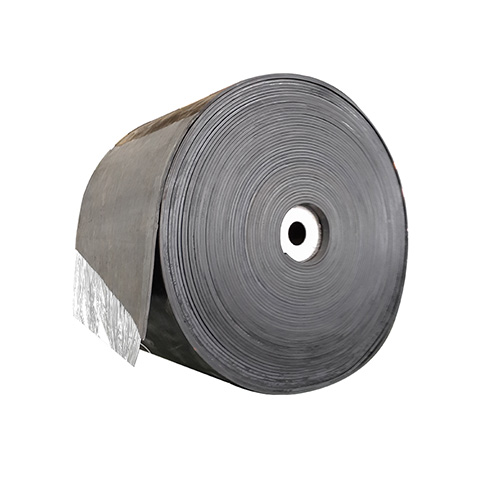
A steel cord conveyor belt is usually specified when a fabric belt is no longer enough: long centre distances, high working tension, heavy ore, steep lift, and very little tolerance for stretch. This guide explains what the steel cord construction actually changes, starting with how parallel high-tensile cables embedded in rubber carry far higher tension with much lower elongation than multi-ply fabric. It covers the applications where steel cord belts earn their cost - mining, port terminals, power generation and cement - and the specification variables that decide performance: ST rating, cord diameter and spacing, cover grade and thickness, troughability and impact protection at the loading zone. A failure-pattern section explains what broken cords, splice damage and cover wear reveal before a reorder, and a buyer checklist lists the conveyor data to send with an RFQ so quotations can be compared on the same technical basis.

PH and PK Ribbed Belts: Technical Guide for Compact and High-Speed Drive Systems

PH and PK Ribbed Belts: Technical Guide for Compact and High-Speed Drive Systems

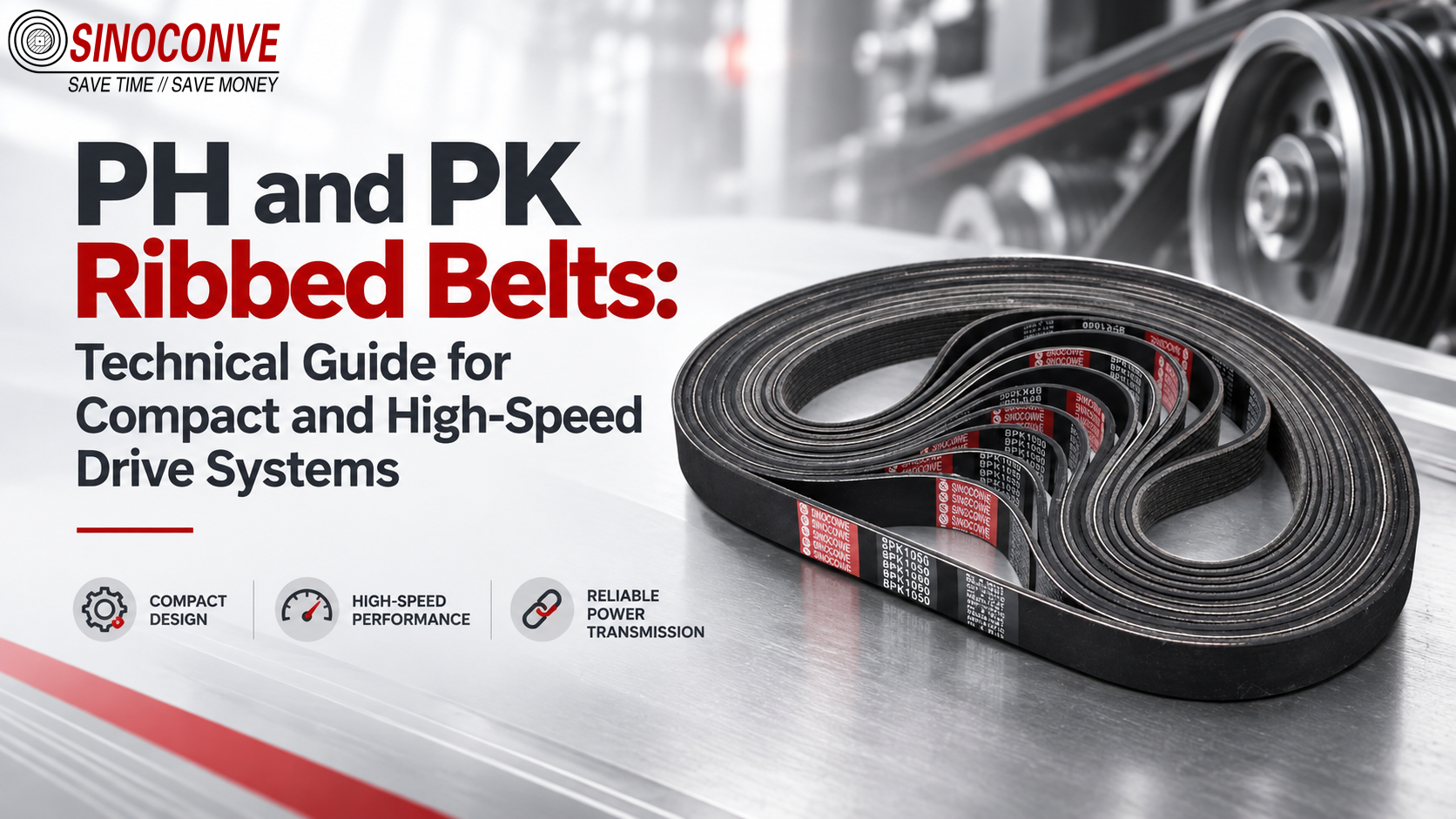
1.PH and PK ribbed belts look similar externally — using one in place of the other is a reliable way to cause early failure or drive noise. 2.PH belt: 1.6 mm pitch, light-duty, ultra-quiet — suited for medical equipment, office automation, robotics, and 3D printers. 3.PK belt: 3.56 mm pitch, medium to heavy-duty — the standard for automotive serpentine drives, HVAC, and industrial machinery. 4.Rib pitch and rib count are both fixed specifications, not ranges — both must match the pulley exactly. 5.Compound grade cannot be assumed from visual appearance — EPDM and standard rubber look the same and perform very differently under heat or oil. 6.Serpentine routing and small pulley diameters favor PH; sustained torque under dynamic load favors PK. 7.Continuous-duty systems need certified fatigue resistance; frequent-replacement applications benefit from standard pitch for easy field sourcing.
Not All PVC Conveyor Belts Are the Same: How to Match the Right Type to Your Workflow

Not All PVC Conveyor Belts Are the Same: How to Match the Right Type to Your Workflow

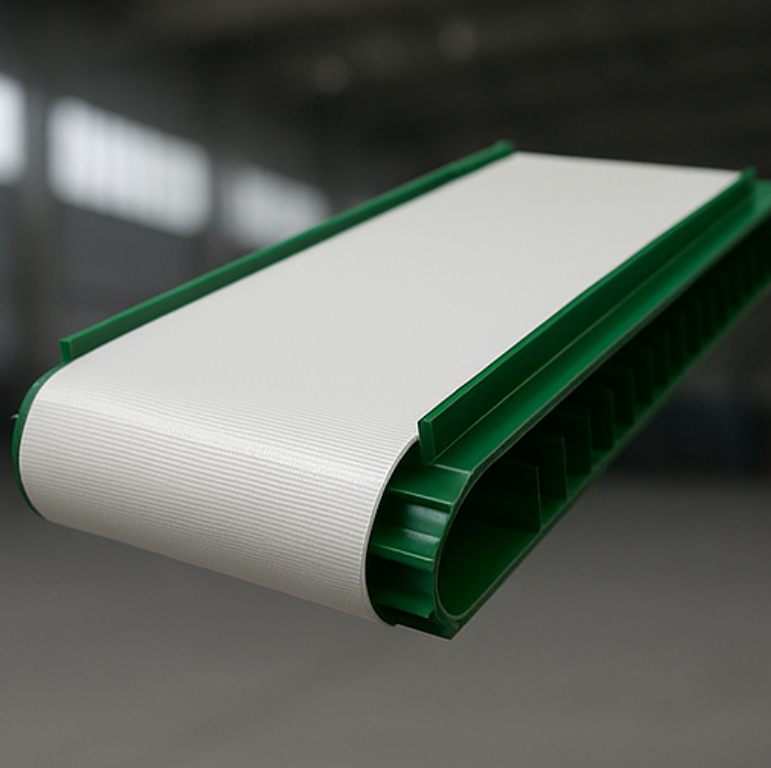
Not all PVC conveyor belts are the same, and matching the wrong structure to the workflow is an expensive way to learn that. This guide compares the four main PVC belt structures - clipper joint, flat, guide strip and sidewall - and explains what each one is best at: fast mechanical joints for lines that are frequently serviced, flat surfaces for clean food and pharmaceutical conveying, welded guide strips for precise tracking on narrow high-speed conveyors, and sidewalls for inclined or vertical lifting in tight footprints. Each section sets out the applications and advantages in practical terms, followed by a selection table that links installation method, cleanliness, tracking accuracy and elevation to the right structure. A buyer checklist lists the information to include in a PVC belt RFQ, and a short comparison explains how lightweight PVC belting relates to rubber, chevron and EP belt families when a plant sources more than one duty. The article closes with customization options and factory support for OEM and export programs.


Chemical Resistant Conveyor Belts: Engineered for Harsh, Corrosive Environments

Chemical Resistant Conveyor Belts: Engineered for Harsh, Corrosive Environments

Chemical-resistant conveyor belts exist because aggressive materials attack ordinary rubber long before they wear it out. This guide explains what chemical resistance actually means in belt construction - which acids, alkalis, solvents and oils matter, how the cover compound is selected for each family, and why the carcass and the splice deserve the same attention as the cover. It covers the industries where chemical attack is routine: fertilizer production, chemical handling, wastewater treatment, mineral processing and food processing washdown environments. A selection section sets out the operating data a manufacturer needs to recommend a compound - material carried, concentration, temperature, exposure duration and cleaning regime - and a system section explains how loading, tracking and inspection intervals change when a belt runs in a corrosive environment. The article closes with the compound options and documentation available from the factory.

Heat Resistant Rubber Conveyor Belt: Modern Solutions

Heat Resistant Rubber Conveyor Belt: Modern Solutions

Heat is one of the quietest ways a conveyor belt fails: the rubber hardens, cracks and loses its bond to the carcass long before the belt looks worn. This guide explains what heat resistant actually means in belt construction, starting with the grades and the continuous material temperatures they are built for, and why cover compound, carcass type and splice design all have to be matched to the duty rather than bought separately. It covers the industries where the temperature ceiling is crossed regularly - cement plants, steel mills, foundries, power generation and clinker handling - and the system considerations that decide belt life, from loading zone impact and pulley diameter to inspection intervals and spare planning. A selection section sets out the information a manufacturer needs to recommend the right grade, and the closing section covers the production and testing behind a heat-resistant belt range.

Sidewall Conveyor Belts: Space-Saving Solutions for Steep and Vertical Transport

Sidewall Conveyor Belts: Space-Saving Solutions for Steep and Vertical Transport

A sidewall conveyor belt changes what a conveyor can do in a tight footprint. By vulcanizing corrugated sidewalls and transverse cleats onto a rubber or PVC base belt, it creates enclosed pockets that carry material up steep inclines and vertical lifts instead of letting it slide back. This guide explains how the construction works, what the key advantages are compared with long inclined flat belts and bucket elevators, and where sidewall belts are used in practice - mining and quarrying, ports, food and agriculture, recycling and construction. A selection section covers the data that determines the configuration: material type and lump size, incline angle, throughput and belt width, plus compound choices for abrasive or hot material. The article closes with the factory options available for custom sidewall heights, cleat spacing and custom profiles, and the information to send with an RFQ.

Steel Cord Conveyor Belts for Heavy Loads

Steel Cord Conveyor Belts for Heavy Loads

A steel cord conveyor belt is usually specified when a fabric belt is no longer enough: long centre distances, high working tension, heavy ore, steep lift, and very little tolerance for stretch. This guide explains what the steel cord construction actually changes, starting with how parallel high-tensile cables embedded in rubber carry far higher tension with much lower elongation than multi-ply fabric. It covers the applications where steel cord belts earn their cost - mining, port terminals, power generation and cement - and the specification variables that decide performance: ST rating, cord diameter and spacing, cover grade and thickness, troughability and impact protection at the loading zone. A failure-pattern section explains what broken cords, splice damage and cover wear reveal before a reorder, and a buyer checklist lists the conveyor data to send with an RFQ so quotations can be compared on the same technical basis.

PH and PK Ribbed Belts: Technical Guide for Compact and High-Speed Drive Systems
SINOCONVE
Aug 21, 2025

PH and PK Ribbed Belts: Technical Guide for Compact and High-Speed Drive Systems

1.PH and PK ribbed belts look similar externally — using one in place of the other is a reliable way to cause early failure or drive noise. 2.PH belt: 1.6 mm pitch, light-duty, ultra-quiet — suited for medical equipment, office automation, robotics, and 3D printers. 3.PK belt: 3.56 mm pitch, medium to heavy-duty — the standard for automotive serpentine drives, HVAC, and industrial machinery. 4.Rib pitch and rib count are both fixed specifications, not ranges — both must match the pulley exactly. 5.Compound grade cannot be assumed from visual appearance — EPDM and standard rubber look the same and perform very differently under heat or oil. 6.Serpentine routing and small pulley diameters favor PH; sustained torque under dynamic load favors PK. 7.Continuous-duty systems need certified fatigue resistance; frequent-replacement applications benefit from standard pitch for easy field sourcing.

Not All PVC Conveyor Belts Are the Same: How to Match the Right Type to Your Workflow

Not All PVC Conveyor Belts Are the Same: How to Match the Right Type to Your Workflow

Not all PVC conveyor belts are the same, and matching the wrong structure to the workflow is an expensive way to learn that. This guide compares the four main PVC belt structures - clipper joint, flat, guide strip and sidewall - and explains what each one is best at: fast mechanical joints for lines that are frequently serviced, flat surfaces for clean food and pharmaceutical conveying, welded guide strips for precise tracking on narrow high-speed conveyors, and sidewalls for inclined or vertical lifting in tight footprints. Each section sets out the applications and advantages in practical terms, followed by a selection table that links installation method, cleanliness, tracking accuracy and elevation to the right structure. A buyer checklist lists the information to include in a PVC belt RFQ, and a short comparison explains how lightweight PVC belting relates to rubber, chevron and EP belt families when a plant sources more than one duty. The article closes with customization options and factory support for OEM and export programs.
Explore more

We are committed to providing you with better products and services. Welcome to browse more content for details