
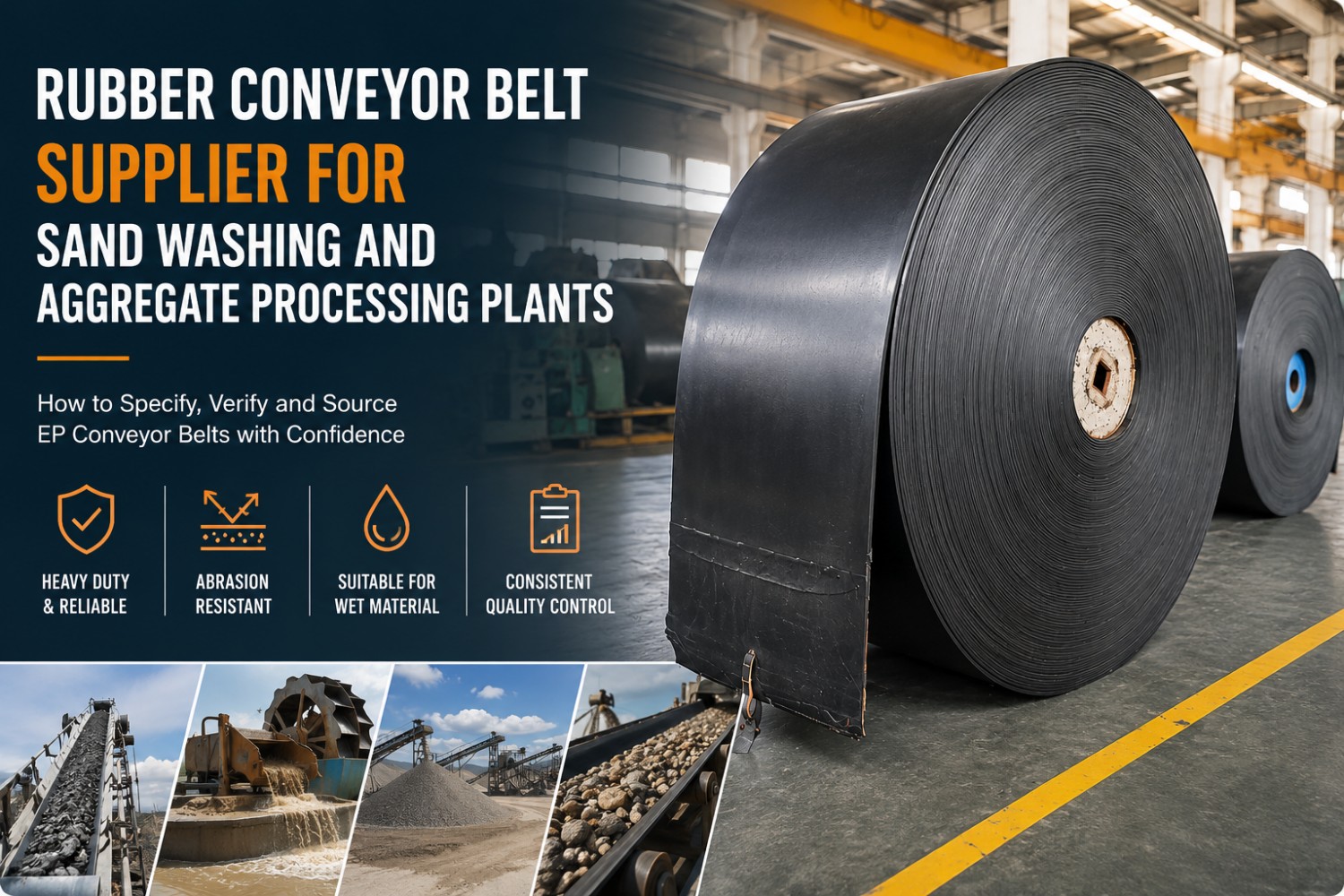
Rubber Conveyor Belt Supplier for Sand Washing and Aggregate Processing Plants
A sand washing or aggregate processing plant does not give a conveyor belt an easy job. Depending on its position in the line, the belt may handle wet sand, crushed stone, sharp aggregate, fines, repeated loading impact, slurry contamination, or material that changes significantly between dry and washed conditions. For a buyer, this means that sourcing a belt by width, length, and price alone leaves too many technical and commercial risks unresolved.
The more useful question is whether a rubber conveyor belt supplier can translate the plant conditions into a belt specification that can be manufactured, inspected, documented, and repeated on the next order. EP carcass strength matters, but so do cover selection, loading conditions, pulley compatibility, splice requirements, quality control, production capacity, and the information included in the RFQ.
This guide explains what aggregate plant buyers should verify before placing a bulk conveyor belt order—and what evidence to request from the factory before treating two quotations as technically comparable.
Quick Answer: For sand washing and aggregate processing, do not qualify a conveyor belt supplier from an EP rating or unit price alone. Define the conveyed material, wet or dry condition, belt dimensions, required carcass strength, cover requirement, loading impact, conveyor layout, pulley information and applicable standard. Then verify whether the supplier can manufacture the required construction, test it before shipment and provide documentation that matches the purchase specification.
1. Why Sand Washing and Aggregate Plants Are Demanding Belt Applications
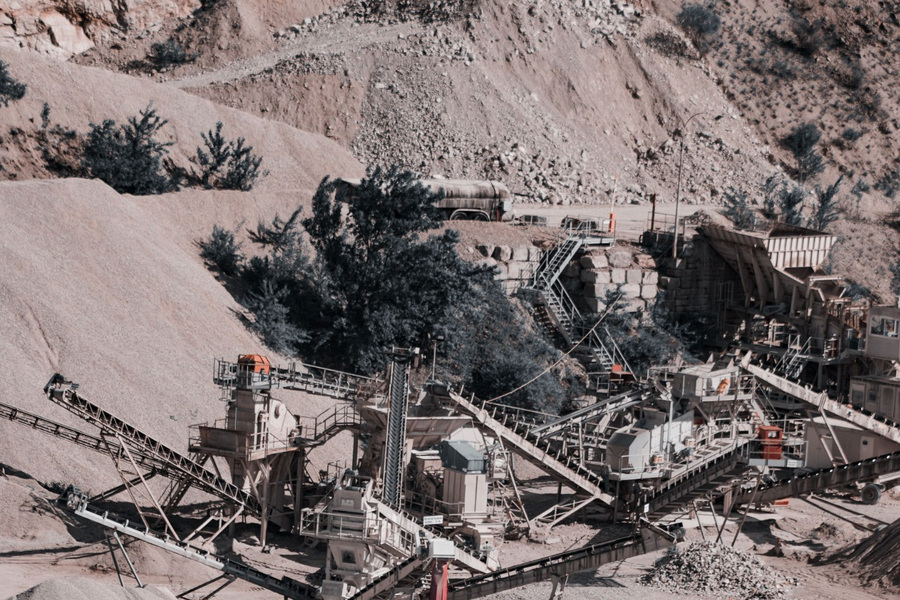
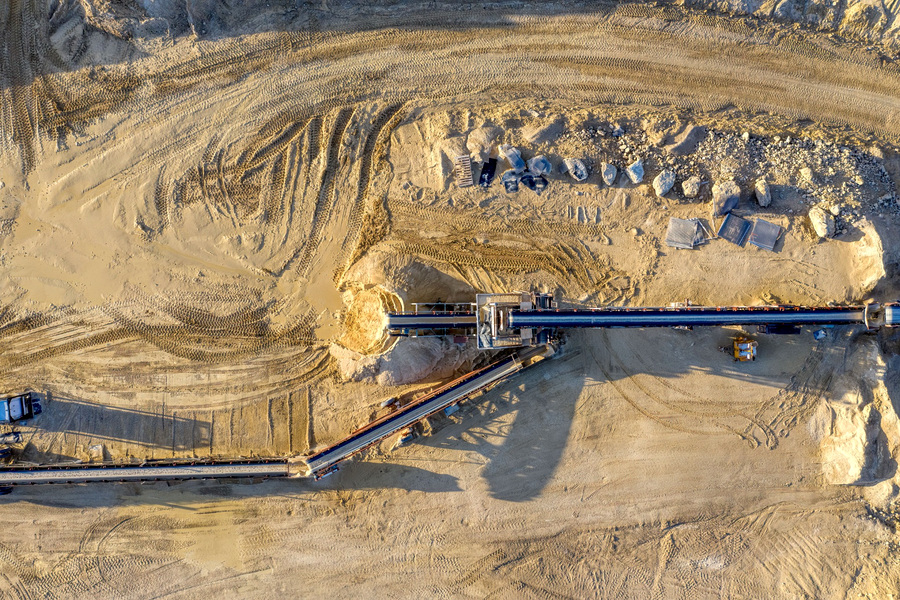
An aggregate plant may use several conveyors, but they do not necessarily experience the same wear mechanism. A belt below a crusher can receive coarse, angular material with considerable loading impact. A transfer conveyor may experience repeated abrasion and localized wear around the loading and skirting zones. A conveyor downstream of a washing process must operate around water, wet fines and material carryback.
This distinction matters because “heavy duty conveyor belt” is not a complete engineering specification. The belt construction should follow the actual duty of each conveyor.
| Plant Condition | Main Risk | What the Buyer Should Verify |
|---|---|---|
| Crusher discharge | Impact, cutting and gouging from coarse or angular material | Lump size, drop height, loading arrangement, cover requirement and carcass construction |
| Aggregate transfer | Continuous cover abrasion and localized skirting wear | Material abrasiveness, cover grade and thickness, loading position and skirt condition |
| Wet sand or washed aggregate | Water exposure, fines accumulation, carryback and tracking problems | Carcass construction, cover condition, cleaning arrangement, tracking and splice protection |
| Inclined conveying | Material rollback or loss of conveying capacity | Incline angle, material behavior and whether a flat, chevron or other profiled belt is appropriate |
For this reason, the old belt specification is useful but should not automatically become the new purchase specification. If the existing belt has been operating reliably, its marking and construction provide a strong reference. If it has suffered premature cover wear, edge damage, repeated splice problems or excessive adjustment, the failure pattern should be investigated before reordering the same construction.
Buyers dealing with severe stone and aggregate wear can also review the practical selection factors discussed in SINOCONVE's abrasion resistant conveyor belt guide for quarry and aggregate operations.

2. Why EP Conveyor Belts Are Common in Aggregate Handling
EP conveyor belting uses a textile carcass with polyester in the longitudinal direction and polyamide, commonly called nylon, in the transverse direction. This construction is widely used for industrial bulk handling because the carcass can combine tensile load carrying capability with flexibility and troughability.
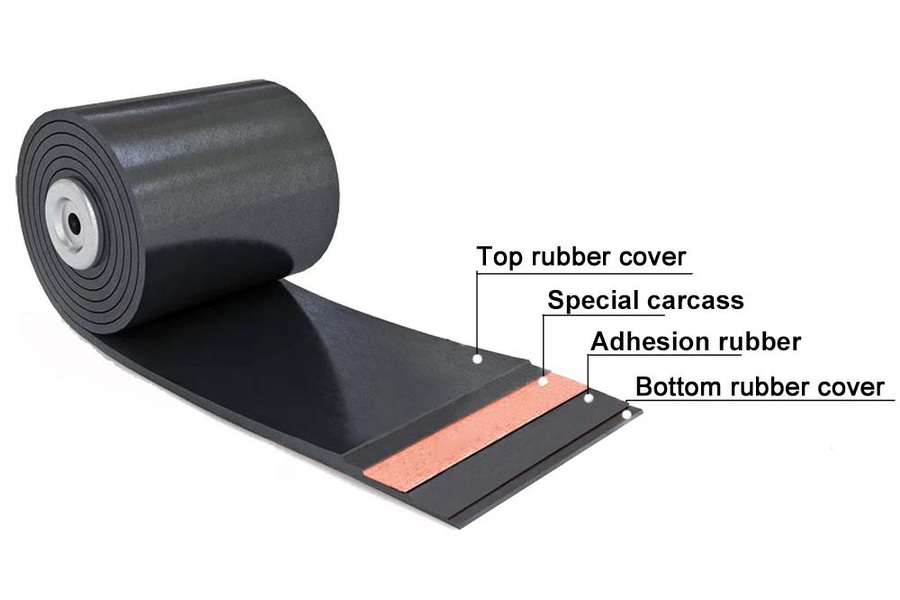
For sand, gravel and aggregate conveyors, however, specifying “EP conveyor belt” is still only the beginning. EP100, EP200, EP300, EP400 and higher ratings describe different fabric strength classes; the correct rating depends on the required belt strength and conveyor design rather than on how abrasive the material looks.
This distinction prevents a common purchasing mistake: increasing the EP rating when the actual failure is in the rubber cover. Carcass strength and cover performance solve different problems. A stronger carcass does not automatically prevent rapid top-cover wear caused by abrasive aggregate, and a more abrasion-resistant cover cannot compensate for inadequate tensile capacity.
SINOCONVE manufactures EP rubber conveyor belts for industrial material handling. According to the company's confirmed manufacturing information, its fabric conveyor belt production range includes EP100 through EP600, with available widths from 100 mm to 3000 mm and total belt thicknesses from 3 mm to 100 mm. The final construction still needs to be selected against the specific conveyor conditions rather than simply choosing the highest available rating.
Buyer Tip: If an RFQ only says “EP400 rubber belt,” ask what the complete belt designation needs to include. Strength class without belt width, ply/construction information, cover requirement and operating conditions is rarely enough for a controlled replacement purchase.
3. Cover Performance Can Matter as Much as Carcass Strength
Aggregate attacks the belt from the outside. Fine sand can produce persistent abrasive wear, while coarse crushed rock can add impact, cutting and gouging. The condition at the loading point therefore needs to be considered separately from the tensile demand on the carcass.
A buyer should define or discuss the required cover grade and cover thickness instead of accepting a quotation that lists only “black rubber.” If the project uses a specified DIN, RMA, ISO or another customer-approved requirement, the relevant performance requirement should appear clearly in the RFQ and purchase documentation.
Abrasion test results also need context. Laboratory abrasion testing is useful for comparing rubber behavior under a defined method, but it does not reproduce every field mechanism. Sharp rock impact, poor chute geometry, excessive skirt pressure, trapped material, mistracking and a seized idler can damage a belt even when the cover compound has suitable abrasion properties.
That is why a technically stronger RFQ describes both the required belt and the operating condition that belt must survive.
4. Wet Processing Changes What the Supplier Needs to Know
Water is part of the process in a sand washing plant, not an occasional environmental exposure. Washing systems can combine feed conveyors, rinsing or screening stages and stockpiling conveyors, so different belts may encounter very different combinations of moisture, fines and aggregate.
Wet material also changes maintenance conditions around the conveyor. Fine particles can adhere to the belt surface, accumulate around components and contribute to carryback. If the belt is tracking poorly, continuous edge contact can damage the carcass regardless of how good the rubber compound is.
The supplier therefore needs to know where the belt sits in the process. “Conveyor belt for sand” is less useful than “belt after washing screen carrying continuously wet sand” or “feed conveyor carrying crushed aggregate before washing.” That one distinction can materially improve the technical discussion.
5. What a Complete Aggregate Conveyor Belt RFQ Should Contain
For a bulk order, quotation accuracy depends heavily on RFQ quality. A vague request forces the supplier to make assumptions; different suppliers may make different assumptions, producing prices that appear comparable while representing different belt constructions.
A practical RFQ should include the information that actually changes belt selection:
| RFQ Information | What to Provide | Why It Matters |
|---|---|---|
| Conveyed material | Sand, gravel, crushed stone, limestone or other aggregate; include approximate lump size where relevant | Helps assess abrasion, impact and cover requirements |
| Material condition | Dry, damp, washed, continuously wet or contaminated | Clarifies the actual service environment |
| Belt dimensions | Width, required length and current thickness if replacing an existing belt | Basic production, installation and quotation data |
| Existing belt specification | Belt marking, carcass rating, ply information, cover specification and photos where available | Provides a reference and helps identify compatibility issues |
| Conveyor data | Conveyor length, incline, belt speed, capacity and relevant pulley information | Helps determine tensile and flexing requirements |
| Loading conditions | Loading point, approximate drop conditions and unusual impact | Important when impact or gouging contributes to belt damage |
| Standard or test requirement | Approved project specification or applicable DIN, RMA, ISO or other requirement | Prevents supplier and buyer from evaluating different quality targets |
| Commercial data | Quantity, required delivery date, destination and packaging requirements | Needed for production planning and a usable landed-cost quotation |
If the existing belt has failed early, attach photographs of the top cover, edges, splice and damaged area. Failure evidence often tells the supplier more than an old purchase description alone.
6. How to Qualify a Rubber Conveyor Belt Factory Before a Bulk Order
Once the technical requirement is reasonably clear, supplier qualification should move beyond the catalog. Aggregate plant buyers should look for evidence that the factory can consistently reproduce the agreed specification.
6.1 Check whether the production range actually covers the project
A factory should be able to state the belt types, widths, strength ranges and constructions it can manufacture. This becomes more important for wide belts, heavier constructions or projects involving several conveyor specifications.
SINOCONVE's confirmed factory information includes eight fabric conveyor belt production lines and two steel cord conveyor belt production lines. The company reports annual capacity of 10 million meters of fabric conveyor belt and 3 million meters of steel cord conveyor belt. Its conveyor belt operation has more than 200 employees, including 26 engineers, 15 quality-control personnel and one laboratory.
These figures establish manufacturing scope; they do not replace project-specific technical verification. A buyer should still confirm that the exact requested construction and standard are within the production plan for the order.
6.2 Ask how quality is controlled, not just whether QC exists
A supplier saying “strict quality control” gives a buyer little usable information. The relevant question is where inspections occur and what documentation can be supplied against the purchase requirement.
SINOCONVE's confirmed process starts with incoming raw-material inspection. Production is monitored during manufacturing, followed by finished-product testing and final inspection before shipment. Product test reports can be supplied, and third-party testing can be arranged when customers have special standard requirements.
For a large aggregate plant order, buyers should agree on required documents before production rather than requesting them after the belt has already been manufactured.
6.3 Confirm traceability between quotation, specification and finished belt
One commercial risk in bulk belt sourcing is specification drift. A quotation may use one cover description, the purchase order another, and the final production document a third. The risk increases when purchasing teams compare offers primarily by price.
Before releasing the order, compare the final technical confirmation against the RFQ line by line: dimensions, carcass, cover requirement, edge construction where relevant, applicable standard, quantity, packaging and required inspection documents.
RFQ Warning: A lower quotation is not necessarily a lower price for the same belt. Before comparing suppliers, confirm that carcass strength, cover construction, dimensions, applicable standard, testing, packaging and commercial scope are equivalent. Otherwise the comparison may be between different specifications.
7. Supplier Capacity Matters Most When the Order Is Time-Critical
Aggregate plants often buy conveyor belts for planned replacement, plant expansion or emergency maintenance. Those situations have different scheduling risks.
SINOCONVE's confirmed standard lead time is generally about 30 days. For urgent orders, the company can evaluate an accelerated production arrangement, typically around 15–20 days depending on the specific order. Because conveyor belts are manufactured to customer requirements rather than held as general finished stock, buyers should confirm the actual production schedule for their specification before making shutdown or installation plans.
The confirmed minimum order quantity for conveyor belts is 50 meters. This can be relevant to distributors, maintenance buyers and plants purchasing shorter replacement quantities, but the final commercial arrangement still depends on the requested construction.
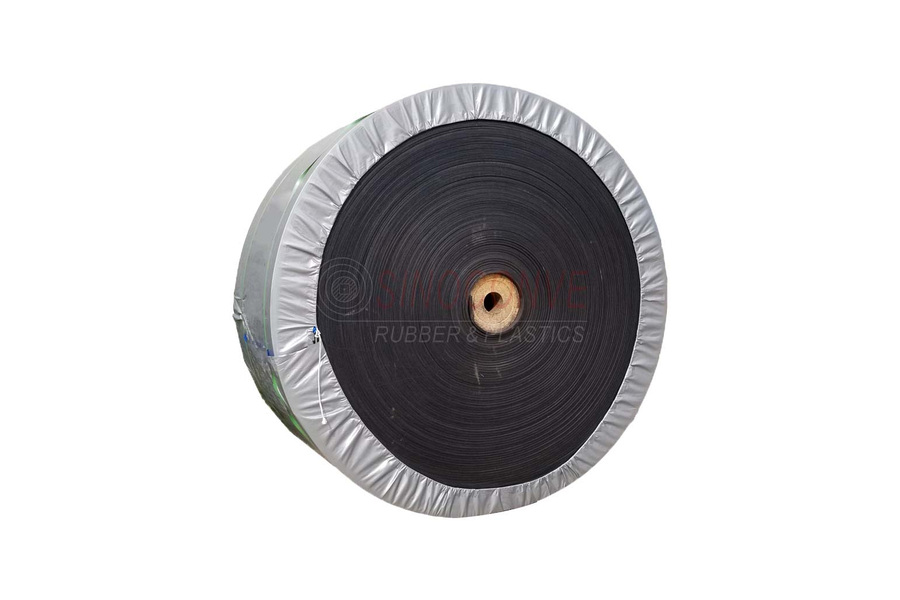
For transport protection, SINOCONVE can use PVC board and iron-sheet protection for conveyor belts and can palletize according to shipment requirements. Packaging details should be agreed in advance for long-distance export shipments, especially where the belt may be handled multiple times before reaching the plant.
8. What Proof of Capability Should a Buyer Request?
A professional factory evaluation should rely on evidence that is relevant to the actual order. A large factory photograph or a long product catalog can be useful background, but neither proves that the ordered belt meets the agreed specification.
For an aggregate conveyor belt purchase, useful verification can include:
- confirmed technical specification before production;
- relevant ISO documentation and product test reports where required;
- inspection records or agreed test documentation for the finished belt;
- third-party testing arrangements when the project requires independent verification;
- production and packaging confirmation for the specific order;
- clear procedure for handling a confirmed product-quality problem.
SINOCONVE states that conveyor belt products can be manufactured with reference to DIN, RMA and ISO requirements according to different market and customer requirements. The important procurement step is to state the applicable requirement in the RFQ and confirm exactly what will be tested and documented for the order.
9. Read the Old Belt Before Buying the New One
If the purchase is a replacement rather than a new conveyor project, the used belt is one of the most useful sources of engineering information.
| Observed Problem | What to Investigate Before Reordering |
|---|---|
| Top cover wears through too quickly | Material abrasiveness, cover grade/thickness, loading impact, chute and skirting conditions |
| Deep cuts or gouges near the loading point | Lump size, sharp material, drop conditions and impact support |
| Edge fraying or exposed fabric | Tracking, idler alignment, frame contact and uneven loading |
| Repeated splice opening | Splice method and workmanship, belt tension, pulley compatibility and contamination |
| Frequent tension adjustment | Carcass selection, loading, take-up condition and operating tension |
This approach avoids treating every failure as a supplier-quality problem. Conveyor alignment, loading design, idlers, scrapers, skirting, pulleys and splicing can all influence belt performance. A replacement belt should solve the verified problem rather than simply carry a higher specification on paper.
For buyers comparing fabric strengths, SINOCONVE's guide to EP100, EP200, EP300 and EP400 rubber conveyor belts explains why carcass rating should be considered together with the conveyor and cover construction.
10. A Practical Purchase-Risk Check Before Issuing the PO
Before choosing a sand washing conveyor belt supplier, the procurement team should be able to answer five questions.
- Is the belt specification based on actual operating conditions? Material type, moisture, loading, abrasion, conveyor geometry and the existing belt should have been considered.
- Are the quotations technically comparable? Verify carcass, covers, dimensions, standard, testing and packaging rather than comparing only price per meter.
- Can the factory manufacture the required construction? Check production range and capability against the specific order.
- Is quality evidence defined before production? Agree on certificates, test reports, inspections or third-party testing where the project requires them.
- Are delivery and after-sales responsibilities clear? Confirm production timing, packaging, shipment requirements and the procedure if a product-quality issue is verified.
This is a more reliable supplier qualification method than asking for a generic “best price.” It also produces cleaner quotations because suppliers receive enough information to price the same technical requirement.
11. Frequently Asked Questions
Is an EP conveyor belt suitable for a sand washing plant?
EP fabric conveyor belts can be used in many sand, aggregate, quarry and bulk-material applications. Suitability still depends on the conveyor's required strength, wet or dry conditions, material abrasion, loading impact, belt dimensions, pulley arrangement, cover requirement and splice design. “EP” alone does not define the complete belt.
Which EP rating should I use for aggregate conveying?
Do not select EP100, EP200, EP300, EP400 or a higher strength simply from the material name. Required carcass strength depends on conveyor tension and design conditions. If replacing an existing belt, provide its full marking together with conveyor data and any failure history so the specification can be reviewed.
Does a higher EP rating mean better abrasion resistance?
No. The EP rating relates to the fabric carcass strength class, while abrasion occurs primarily at the rubber cover. Carcass strength and cover performance should be specified separately.
What information should I send for a conveyor belt quotation?
At minimum, provide belt width and length, conveyed material, material condition, current belt specification if available, required standard and quantity. For technical review, conveyor length, capacity, speed, incline, pulley information, lump size, loading conditions and photographs or drawings can make the recommendation more reliable.
Can SINOCONVE provide conveyor belt test reports?
Yes. According to the company's confirmed quality-control information, SINOCONVE can provide ISO documentation and product test reports. Third-party testing can also be arranged where a customer has specific testing or standard requirements. The required documents should be confirmed before production.
What is SINOCONVE's MOQ for rubber conveyor belts?
The confirmed minimum order quantity for conveyor belts is 50 meters. Because the belts are customized rather than maintained as general finished stock, buyers should confirm the final construction, quantity and production schedule when requesting a quotation.
How long does conveyor belt production normally take?
SINOCONVE's general production lead time is approximately 30 days. Urgent orders may be evaluated for an accelerated production channel of approximately 15–20 days depending on the specification and production situation. The confirmed order schedule should be used for project planning.
12. Prepare the Right Data Before Requesting a Bulk Quote
The best time to reduce conveyor belt purchasing risk is before the purchase order is issued. For a sand washing or aggregate processing project, prepare the belt dimensions, current belt marking or specification, conveyed material, wet or dry condition, approximate lump size, conveyor layout, required standard, quantity and destination. If an existing belt is failing, include clear photographs of the worn cover, edges and splice.
SINOCONVE has more than 35 years of confirmed conveyor belt manufacturing experience and produces customized fabric and steel cord conveyor belts for industrial applications. Buyers who are still defining the belt construction can start with the rubber conveyor belt range and then compare the required carcass, cover and application conditions against the existing conveyor.
For a technical or commercial quotation, send the operating data to sales@sinoconve.com or use the SINOCONVE contact and RFQ page. Providing the operating data with the RFQ allows the technical and production teams to review the required belt construction before price becomes the only point of comparison.

13. Related Products and Technical Guides
If you are still comparing belt constructions for a quarry, crusher, sand washing line or aggregate processing plant, the following SINOCONVE product and technical pages can help narrow the specification before requesting a quotation.
Relevant Conveyor Belt Products
- Rubber Conveyor Belt Range — Start here when comparing general rubber conveyor belt options for bulk material handling.
- EP Rubber Conveyor Belts — Relevant when the application requires a polyester-polyamide fabric carcass and the buyer needs to compare EP belt constructions.
- Stone Crusher Conveyor Belt for Quarry Applications — A product option to review for crushed stone, gravel and other demanding quarry conveying conditions.
Related Selection and Engineering Guides
- Abrasion Resistant Conveyor Belts for Quarry and Aggregate Operations — Explains how abrasion, cutting, gouging, loading impact, cover selection and carcass construction affect quarry belt performance.
- EP100 to EP400 Rubber Conveyor Belt Selection Guide — Useful when comparing fabric strength classes and determining why a higher EP rating is not automatically the better specification.
- Sidewall Conveyor Belt for Quarry and Bulk Handling — Relevant when aggregate, wet sand or fines must be conveyed at a steeper angle and material containment becomes part of the selection decision.
- Rubber Conveyor Belt Buying Guide — Reviews the specification and operating factors industrial buyers should check before ordering a replacement belt.
Preparing an RFQ? Send the conveyed material, belt width and length, existing belt specification, operating condition, required standard, quantity and destination through the conveyor belt RFQ and contact page or email sales@sinoconve.com.