

Engineered belt solutions for demanding industries worldwide

Recent Posts
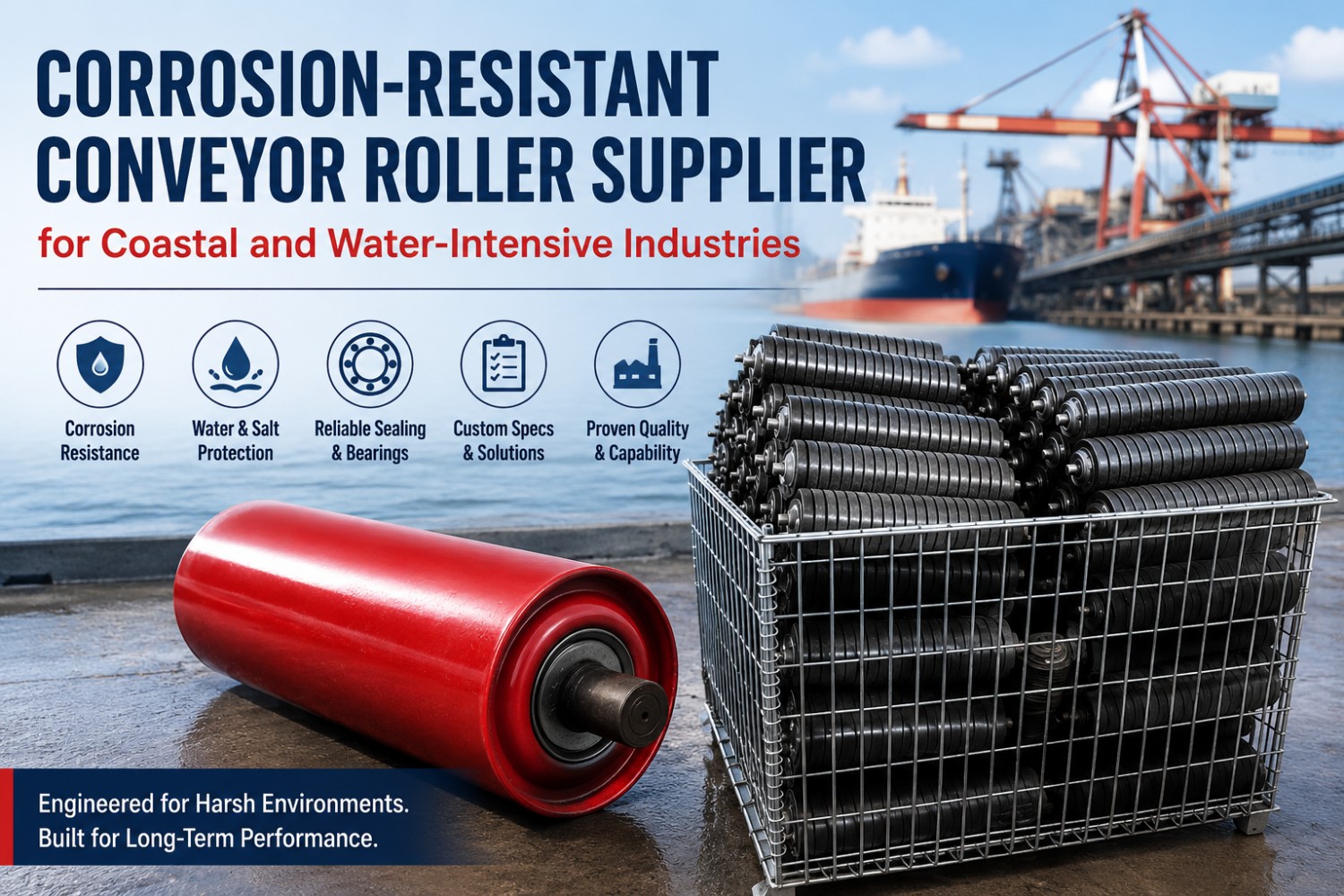
Corrosion-Resistant Conveyor Roller Supplier for Coastal and Water-Intensive Industries

Corrosion-Resistant Conveyor Roller Supplier for Coastal and Water-Intensive Industries

Coastal ports, terminals, washdown plants, and water-intensive facilities expose conveyor rollers to moisture, salt, contamination, and corrosion risks that a standard dimensional specification may not address. This guide explains how port and plant buyers can evaluate roller materials, corrosion protection, bearing sealing, mechanical compatibility, supplier documentation, and proof of capability. It also provides practical RFQ requirements and supplier-qualification questions to help procurement teams compare technically equivalent quotations and reduce purchasing and replacement risk.

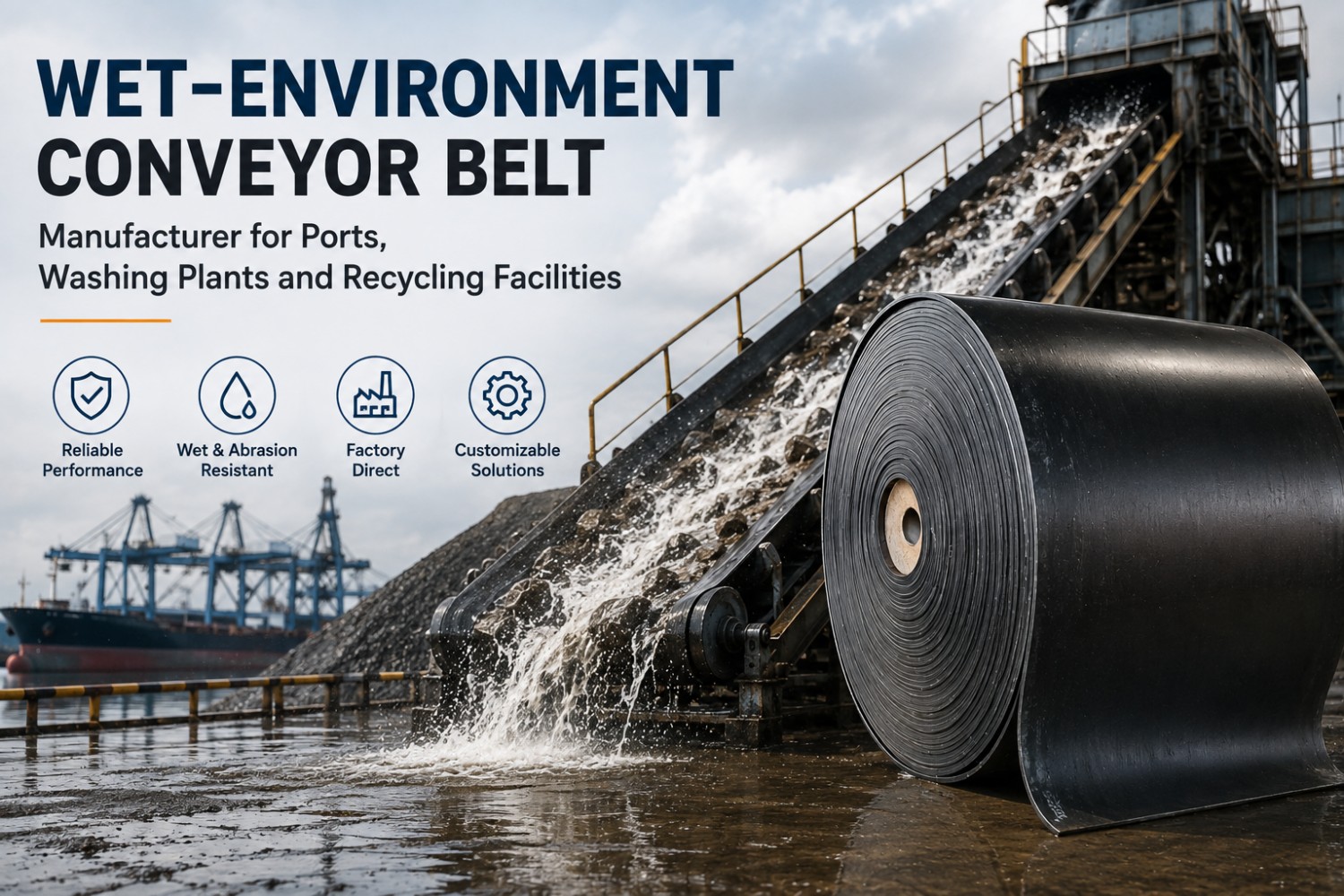
Wet-Environment Conveyor Belt Manufacturer for Ports, Washing Plants and Recycling Facilities

Wet-Environment Conveyor Belt Manufacturer for Ports, Washing Plants and Recycling Facilities

Wet conveyor projects in ports, washing plants and recycling facilities require more than a generic water-resistant belt. This buyer-focused guide explains how moisture, abrasive fines, carryback, contamination and conveyor conditions affect specification decisions. It also shows procurement teams what to include in an RFQ and BOM, how to verify factory capability and quality evidence, how to plan batch deliveries and spare belts, and how to compare conveyor belt suppliers before approving a project order.

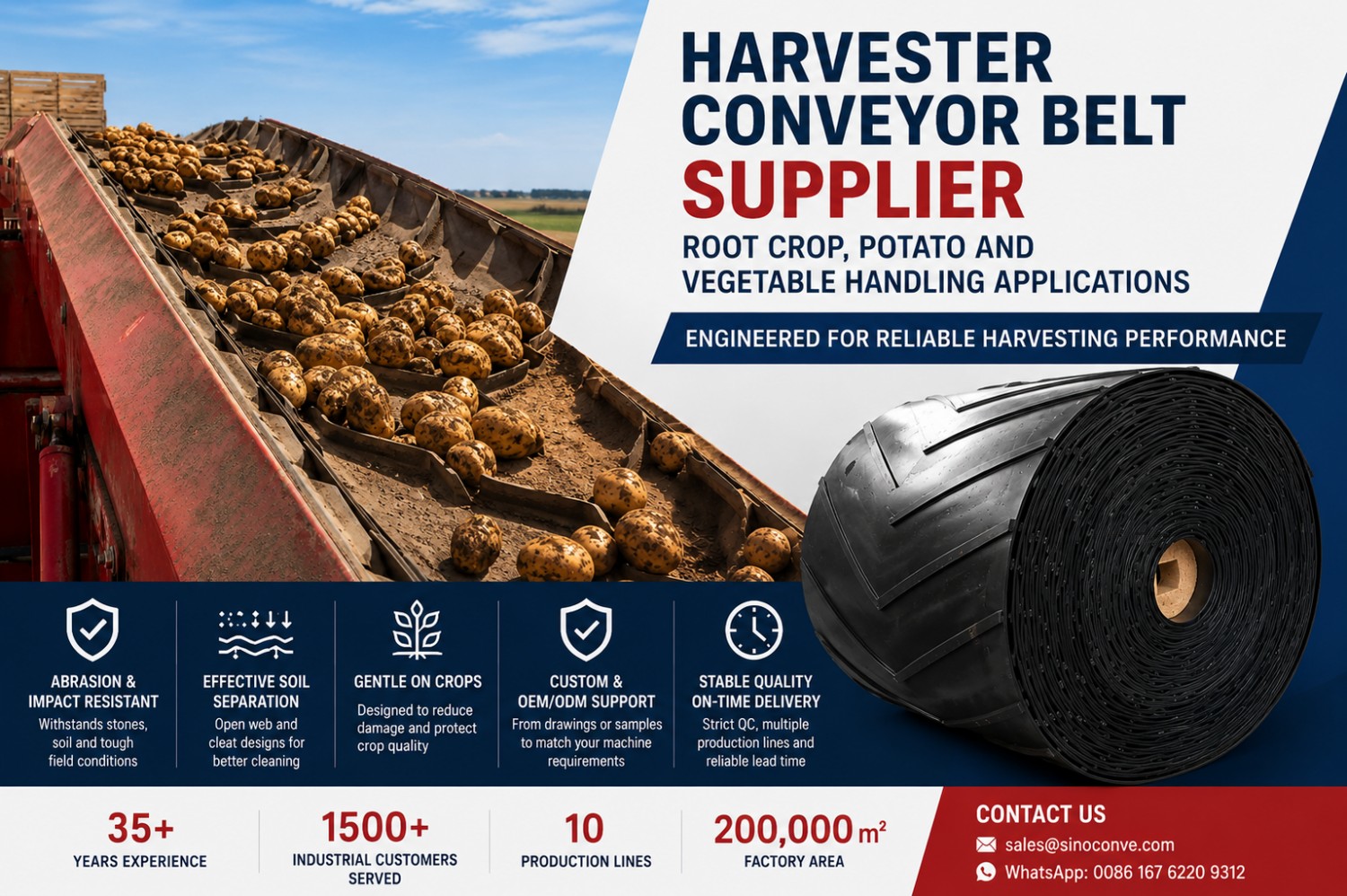
Harvester Conveyor Belt Supplier: Root Crop, Potato and Vegetable Handling Applications

Harvester Conveyor Belt Supplier: Root Crop, Potato and Vegetable Handling Applications

Agricultural OEMs sourcing harvester conveyor belts need to evaluate more than belt width, length and unit price. Root crop, potato and vegetable handling can involve soil separation, crop damage, stones, mud, machine interfaces and application-specific belt or web geometry. This guide explains what to include in an RFQ, how to control sample approval, what proof of manufacturing capability to request, and how to compare suppliers before moving from prototype development to repeat production orders.

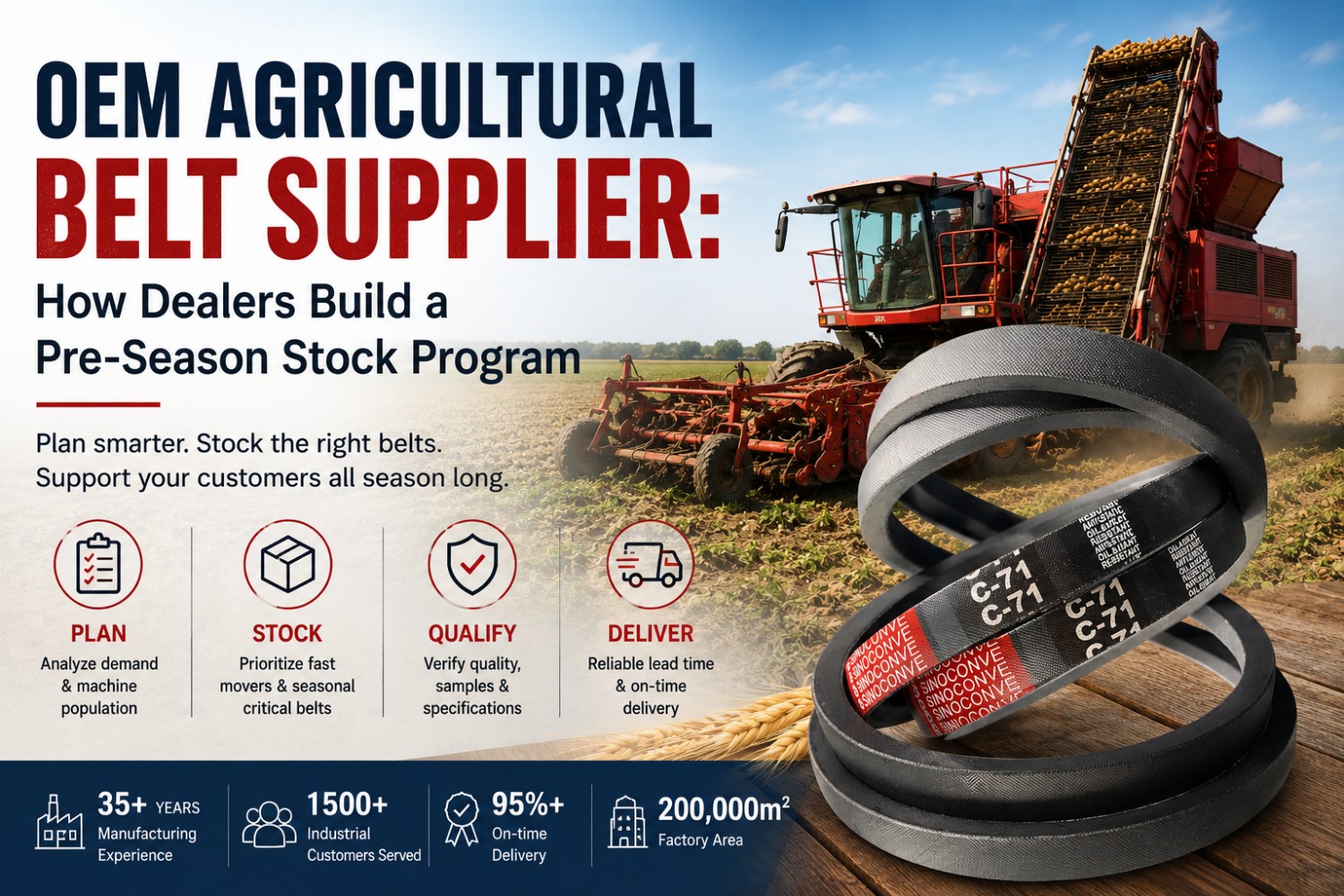
OEM Agricultural Belt Supplier: How Dealers Build a Pre-Season Stock Program

OEM Agricultural Belt Supplier: How Dealers Build a Pre-Season Stock Program

Agricultural belt demand can rise quickly around planting, harvesting, and other seasonal work, making inventory planning critical for equipment dealers and distributors. This guide explains how to build a pre-season agricultural belt stock program using sales history, machine population, SKU classification, sample validation, MOQ, supplier qualification, private-label requirements, and realistic lead-time planning. It also shows buyers what to include in an RFQ when comparing OEM agricultural belt suppliers for repeatable wholesale supply.

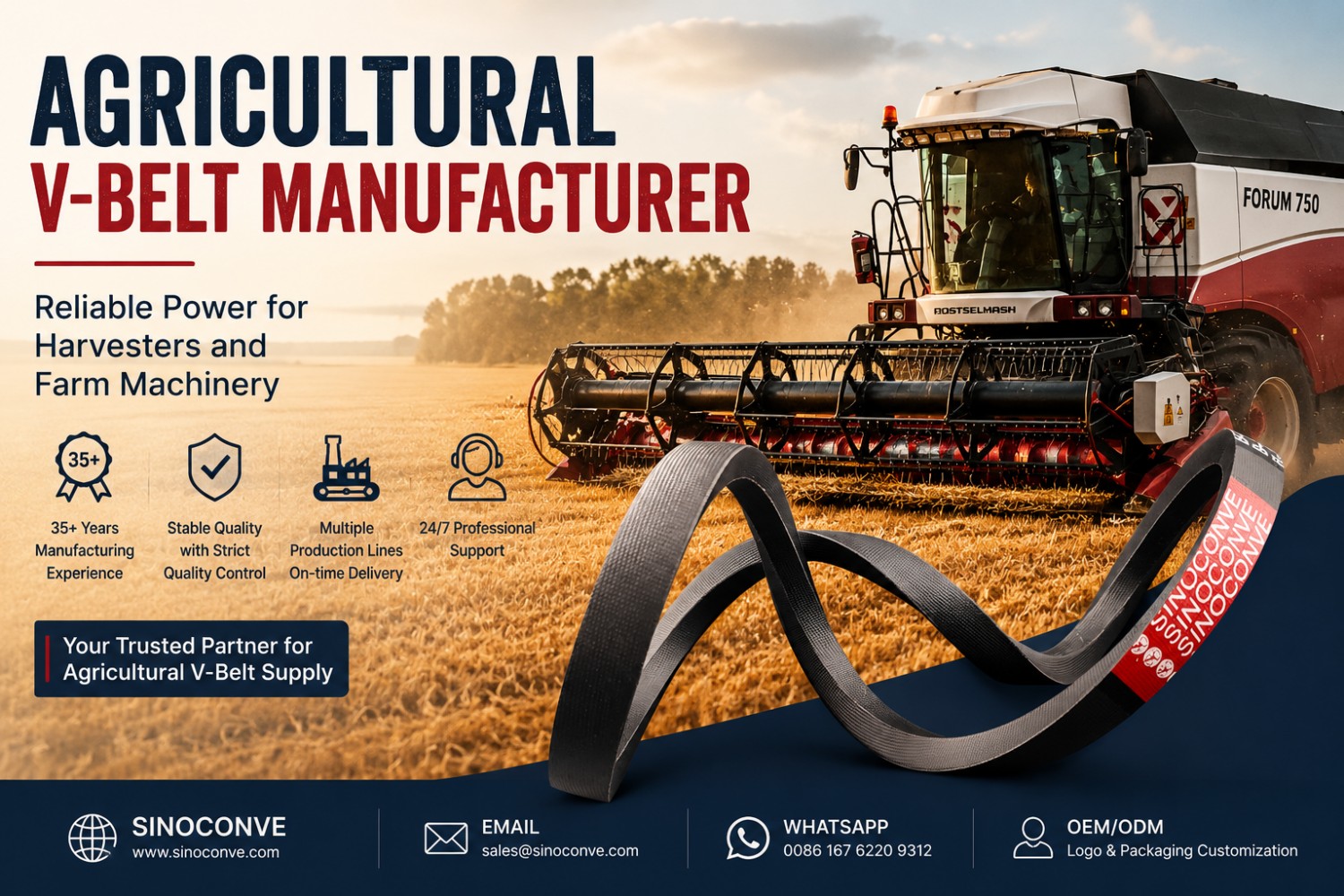
Agricultural V-Belt Manufacturer for Harvesters and Farm Machinery Distributors

Agricultural V-Belt Manufacturer for Harvesters and Farm Machinery Distributors

Selecting an agricultural V-belt manufacturer requires more than comparing unit prices. Distributors need to verify harvester and farm machinery belt coverage, construction, replacement compatibility, samples, quality documentation, private-label capability, MOQ and seasonal lead time. This guide explains how agricultural machinery dealers and wholesalers can qualify a V-belt supplier, compare quotations on the same technical basis, reduce specification and inventory risk, and prepare a clearer RFQ for repeat or OEM purchasing programs.

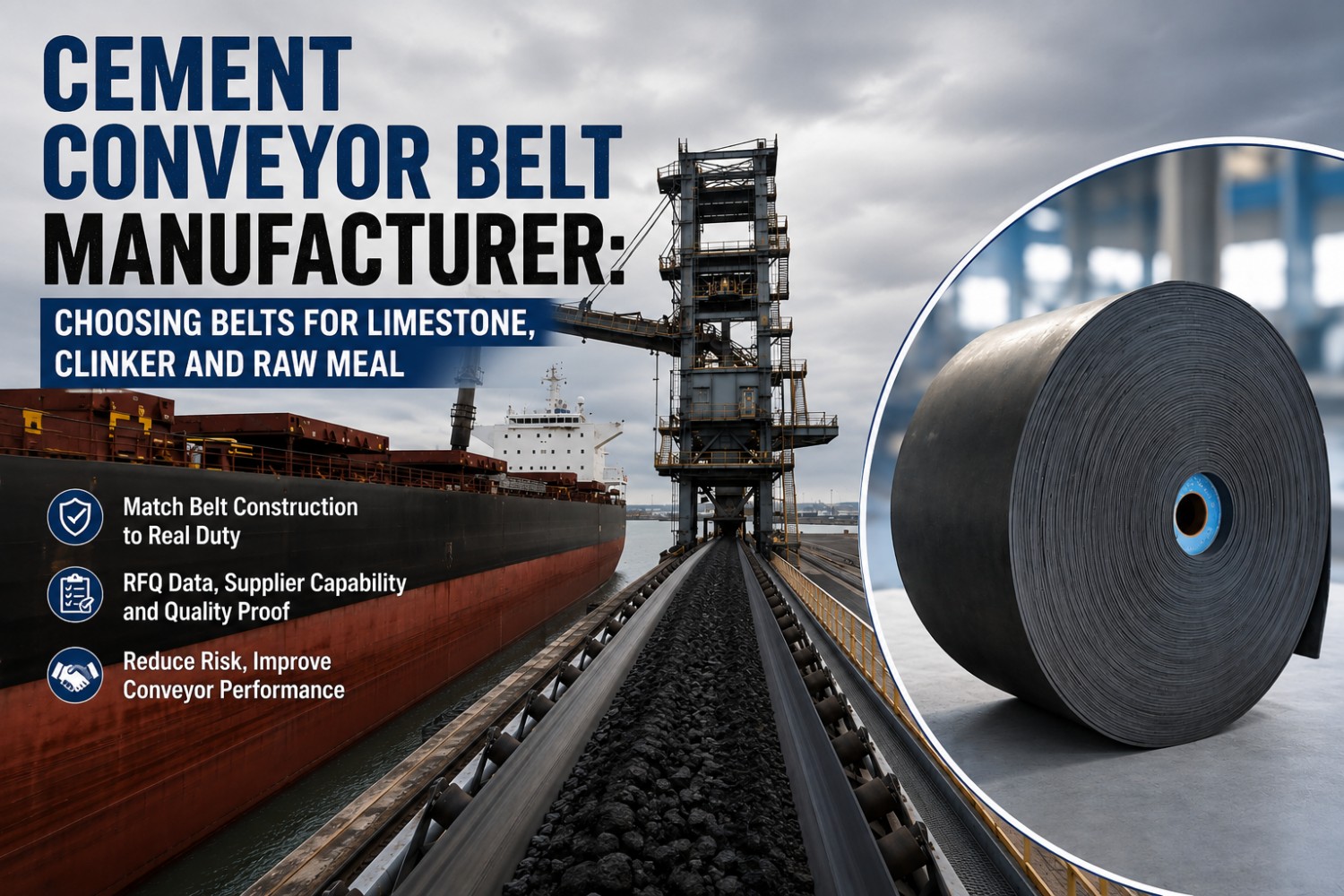
Cement Conveyor Belt Manufacturer: Choosing Belts for Limestone, Clinker and Raw Meal

Cement Conveyor Belt Manufacturer: Choosing Belts for Limestone, Clinker and Raw Meal

Cement plants expose conveyor belts to very different duties, from abrasive limestone and raw materials to hot clinker and long, high-tension transfer lines. This guide helps procurement teams match belt construction to operating conditions, compare EP fabric and steel cord options, evaluate manufacturer capability, verify quality documentation, and prepare a technically complete RFQ. It also explains what buyers should check beyond unit price when qualifying a cement conveyor belt manufacturer for factory-direct supply.

Corrosion-Resistant Conveyor Roller Supplier for Coastal and Water-Intensive Industries
SINOCONVE
Aug 24, 2026

Corrosion-Resistant Conveyor Roller Supplier for Coastal and Water-Intensive Industries

Coastal ports, terminals, washdown plants, and water-intensive facilities expose conveyor rollers to moisture, salt, contamination, and corrosion risks that a standard dimensional specification may not address. This guide explains how port and plant buyers can evaluate roller materials, corrosion protection, bearing sealing, mechanical compatibility, supplier documentation, and proof of capability. It also provides practical RFQ requirements and supplier-qualification questions to help procurement teams compare technically equivalent quotations and reduce purchasing and replacement risk.

Wet-Environment Conveyor Belt Manufacturer for Ports, Washing Plants and Recycling Facilities
SINOCONVE
Aug 24, 2026

Wet-Environment Conveyor Belt Manufacturer for Ports, Washing Plants and Recycling Facilities

Wet conveyor projects in ports, washing plants and recycling facilities require more than a generic water-resistant belt. This buyer-focused guide explains how moisture, abrasive fines, carryback, contamination and conveyor conditions affect specification decisions. It also shows procurement teams what to include in an RFQ and BOM, how to verify factory capability and quality evidence, how to plan batch deliveries and spare belts, and how to compare conveyor belt suppliers before approving a project order.

Harvester Conveyor Belt Supplier: Root Crop, Potato and Vegetable Handling Applications
SINOCONVE
Aug 21, 2026

Harvester Conveyor Belt Supplier: Root Crop, Potato and Vegetable Handling Applications

Agricultural OEMs sourcing harvester conveyor belts need to evaluate more than belt width, length and unit price. Root crop, potato and vegetable handling can involve soil separation, crop damage, stones, mud, machine interfaces and application-specific belt or web geometry. This guide explains what to include in an RFQ, how to control sample approval, what proof of manufacturing capability to request, and how to compare suppliers before moving from prototype development to repeat production orders.

OEM Agricultural Belt Supplier: How Dealers Build a Pre-Season Stock Program
SINOCONVE
Aug 21, 2026

OEM Agricultural Belt Supplier: How Dealers Build a Pre-Season Stock Program

Agricultural belt demand can rise quickly around planting, harvesting, and other seasonal work, making inventory planning critical for equipment dealers and distributors. This guide explains how to build a pre-season agricultural belt stock program using sales history, machine population, SKU classification, sample validation, MOQ, supplier qualification, private-label requirements, and realistic lead-time planning. It also shows buyers what to include in an RFQ when comparing OEM agricultural belt suppliers for repeatable wholesale supply.

Agricultural V-Belt Manufacturer for Harvesters and Farm Machinery Distributors
SINOCONVE
Aug 21, 2026

Agricultural V-Belt Manufacturer for Harvesters and Farm Machinery Distributors

Selecting an agricultural V-belt manufacturer requires more than comparing unit prices. Distributors need to verify harvester and farm machinery belt coverage, construction, replacement compatibility, samples, quality documentation, private-label capability, MOQ and seasonal lead time. This guide explains how agricultural machinery dealers and wholesalers can qualify a V-belt supplier, compare quotations on the same technical basis, reduce specification and inventory risk, and prepare a clearer RFQ for repeat or OEM purchasing programs.

Cement Conveyor Belt Manufacturer: Choosing Belts for Limestone, Clinker and Raw Meal
SINOCONVE
Aug 20, 2026

Cement Conveyor Belt Manufacturer: Choosing Belts for Limestone, Clinker and Raw Meal

Cement plants expose conveyor belts to very different duties, from abrasive limestone and raw materials to hot clinker and long, high-tension transfer lines. This guide helps procurement teams match belt construction to operating conditions, compare EP fabric and steel cord options, evaluate manufacturer capability, verify quality documentation, and prepare a technically complete RFQ. It also explains what buyers should check beyond unit price when qualifying a cement conveyor belt manufacturer for factory-direct supply.

Explore more

We are committed to providing you with better products and services. Welcome to browse more content for details