
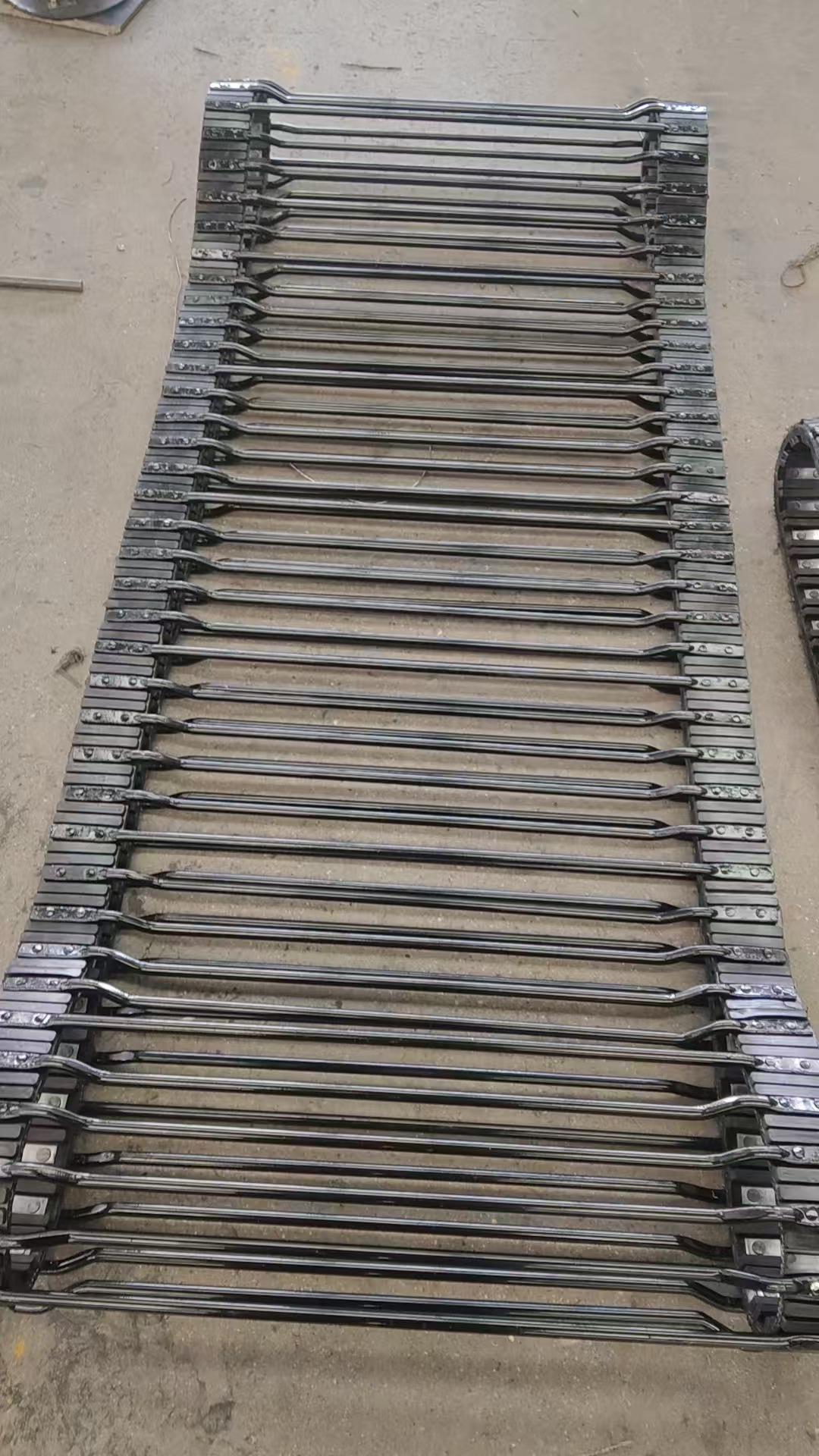
Conveyor Belt of Beet Harvester: A Farm Revolution
1. Introduction to the Conveyor Belt of Beet Harvester 2. Case Study: Implementing the Conveyor Belt on Midwest Farms 3. Key Features and Performance Metrics 4. Long-Term Impact and Recommendations
Engineered belt solutions for demanding industries worldwide

1. Introduction to the Conveyor Belt of Beet Harvester 2. Case Study: Implementing the Conveyor Belt on Midwest Farms 3. Key Features and Performance Metrics 4. Long-Term Impact and Recommendations
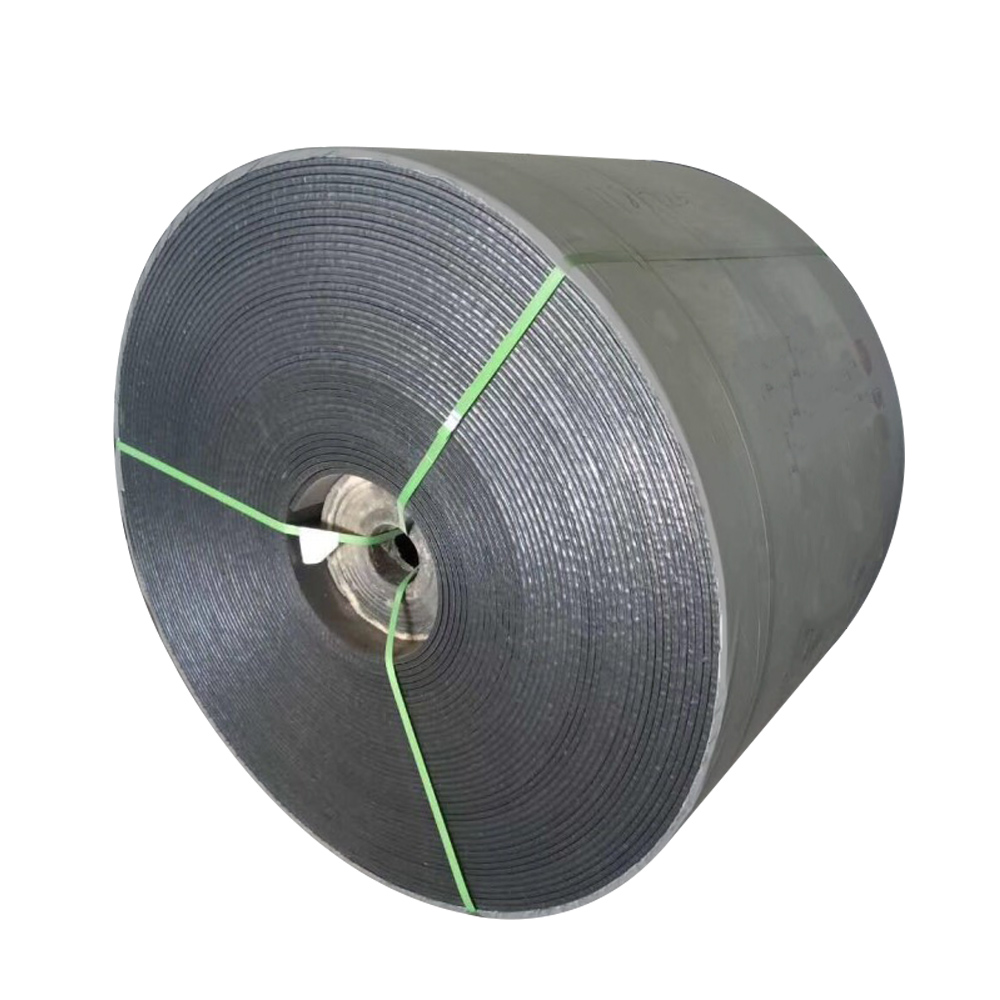
A PVG conveyor belt should be selected by fire resistance, antistatic behavior, coal condition, moisture, pulley layout, splice method, and site safety rules. This article explains where PVG belts fit, why coal conveyor belt failures happen, and what buyers should confirm before ordering.
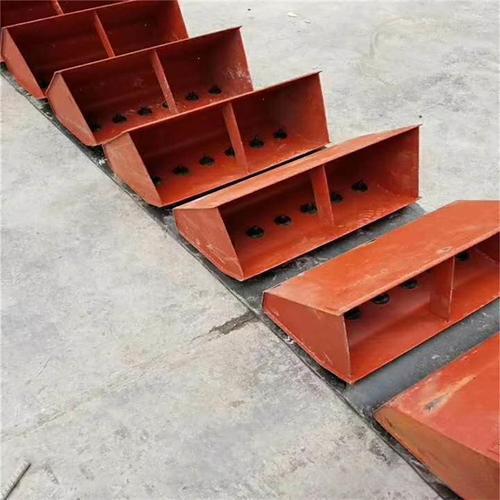
A Feeding hopper conveyor belt should be selected by material flow, hopper outlet pressure, belt support, surface behavior, pulley layout, and cleaning access. This article explains how hopper feeding affects belt life, where feeding hopper belts work best, and what buyers should check before ordering.
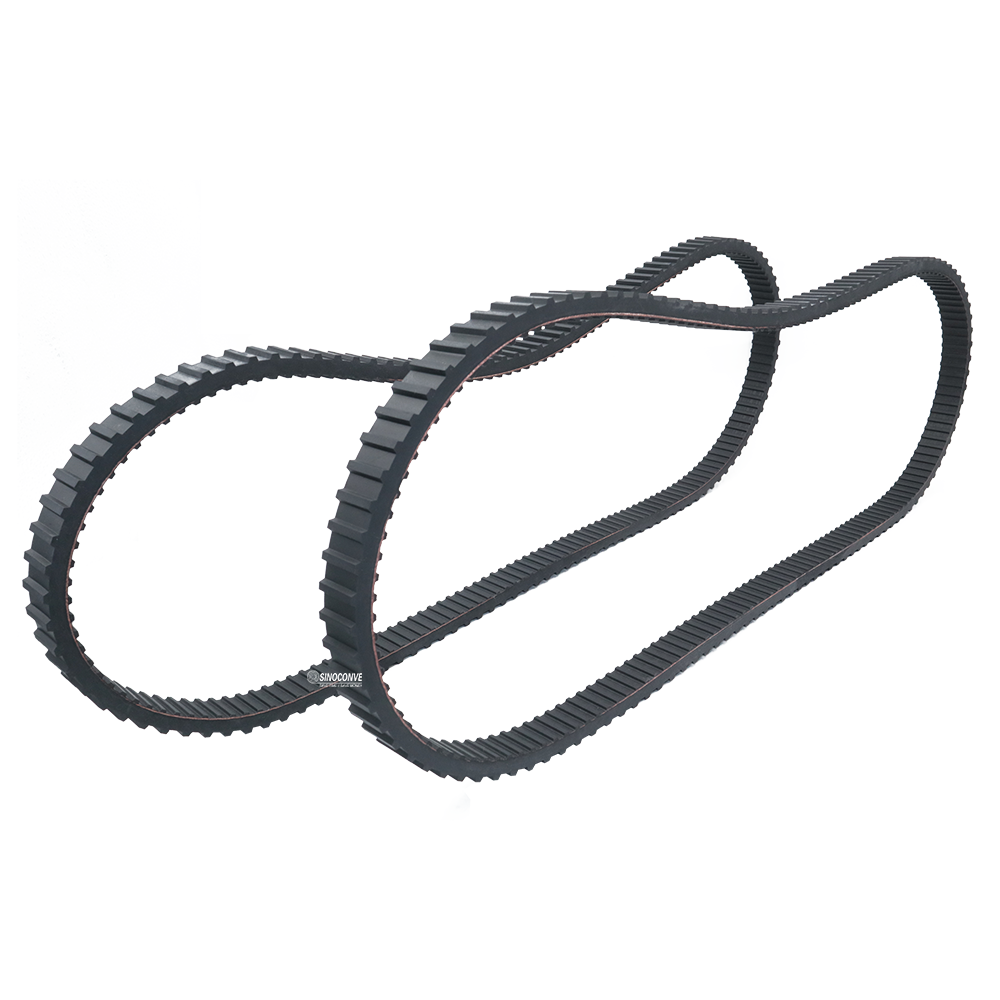
1.Revolutionizing Mobility with Advanced Robot Tracks 2.Superior Engineering Behind the Robot Belt 3.Enhancing Precision with the Robot Track Belt 4.Optimizing Transmission: The Role of Robot Transmission Belts 5.Why Choose Our Robot Mobility Solutions?
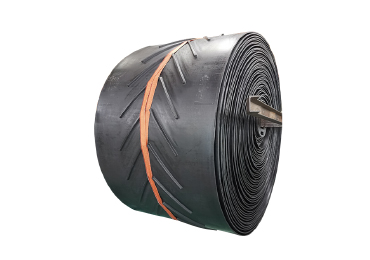
Learn how a cleated conveyor belt improves inclined bulk handling, when to choose rubber cleated belts, and what buyers should check.
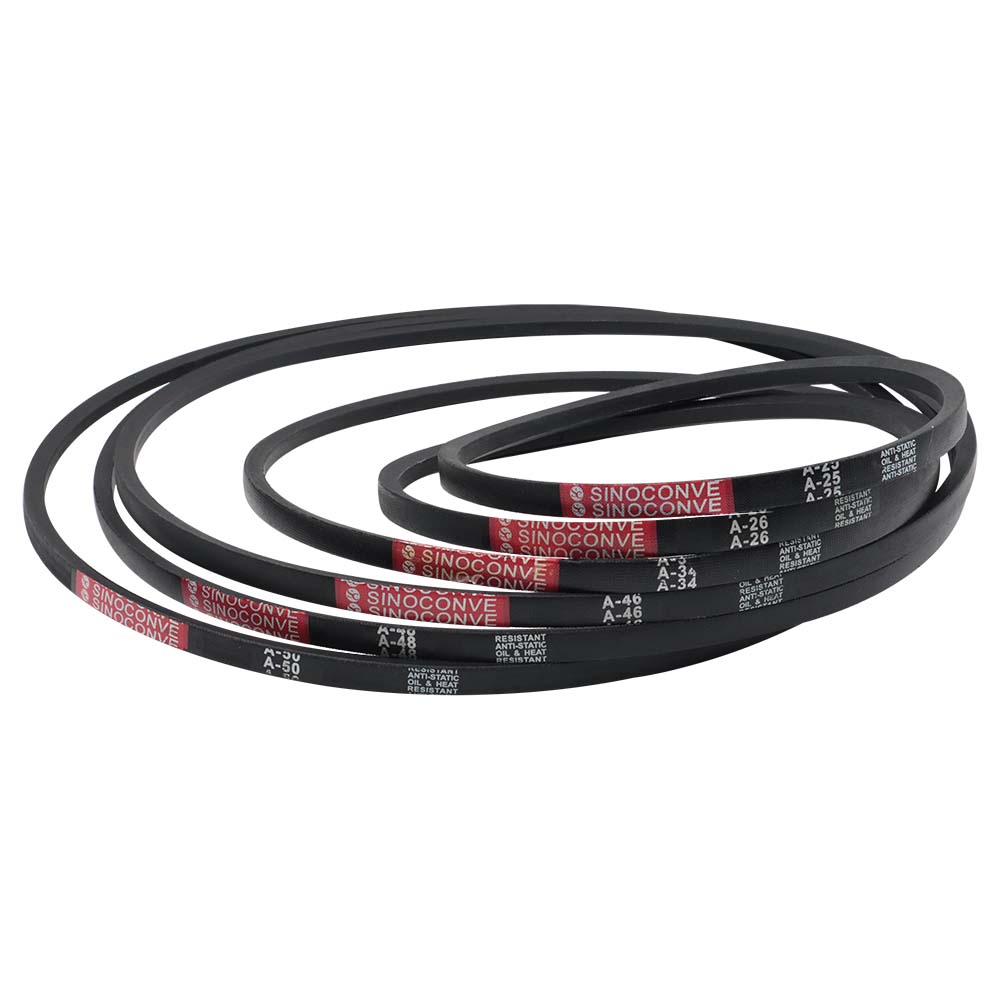
A Transmission Rubber Wrapped v Belt is widely used in conventional pulley-driven systems where stable power transmission, surface protection, and practical maintenance matter. This article explains how fabric wrapping, rubber body construction, tension cords, pulley groove fit, and operating environment affect service life. It also compares Wrapped v Belt options with other belt types and gives failure checks, supplier inquiry details, and selection guidance for industrial buyers.
1. Introduction to the Conveyor Belt of Beet Harvester 2. Case Study: Implementing the Conveyor Belt on Midwest Farms 3. Key Features and Performance Metrics 4. Long-Term Impact and Recommendations
A PVG conveyor belt should be selected by fire resistance, antistatic behavior, coal condition, moisture, pulley layout, splice method, and site safety rules. This article explains where PVG belts fit, why coal conveyor belt failures happen, and what buyers should confirm before ordering.
A Feeding hopper conveyor belt should be selected by material flow, hopper outlet pressure, belt support, surface behavior, pulley layout, and cleaning access. This article explains how hopper feeding affects belt life, where feeding hopper belts work best, and what buyers should check before ordering.
1.Revolutionizing Mobility with Advanced Robot Tracks 2.Superior Engineering Behind the Robot Belt 3.Enhancing Precision with the Robot Track Belt 4.Optimizing Transmission: The Role of Robot Transmission Belts 5.Why Choose Our Robot Mobility Solutions?
Learn how a cleated conveyor belt improves inclined bulk handling, when to choose rubber cleated belts, and what buyers should check.
A Transmission Rubber Wrapped v Belt is widely used in conventional pulley-driven systems where stable power transmission, surface protection, and practical maintenance matter. This article explains how fabric wrapping, rubber body construction, tension cords, pulley groove fit, and operating environment affect service life. It also compares Wrapped v Belt options with other belt types and gives failure checks, supplier inquiry details, and selection guidance for industrial buyers.
We are committed to providing you with better products and services. Welcome to browse more content for details