
Feeding Hopper Conveyor Belt: Matching Flow, Load, and Belt Life
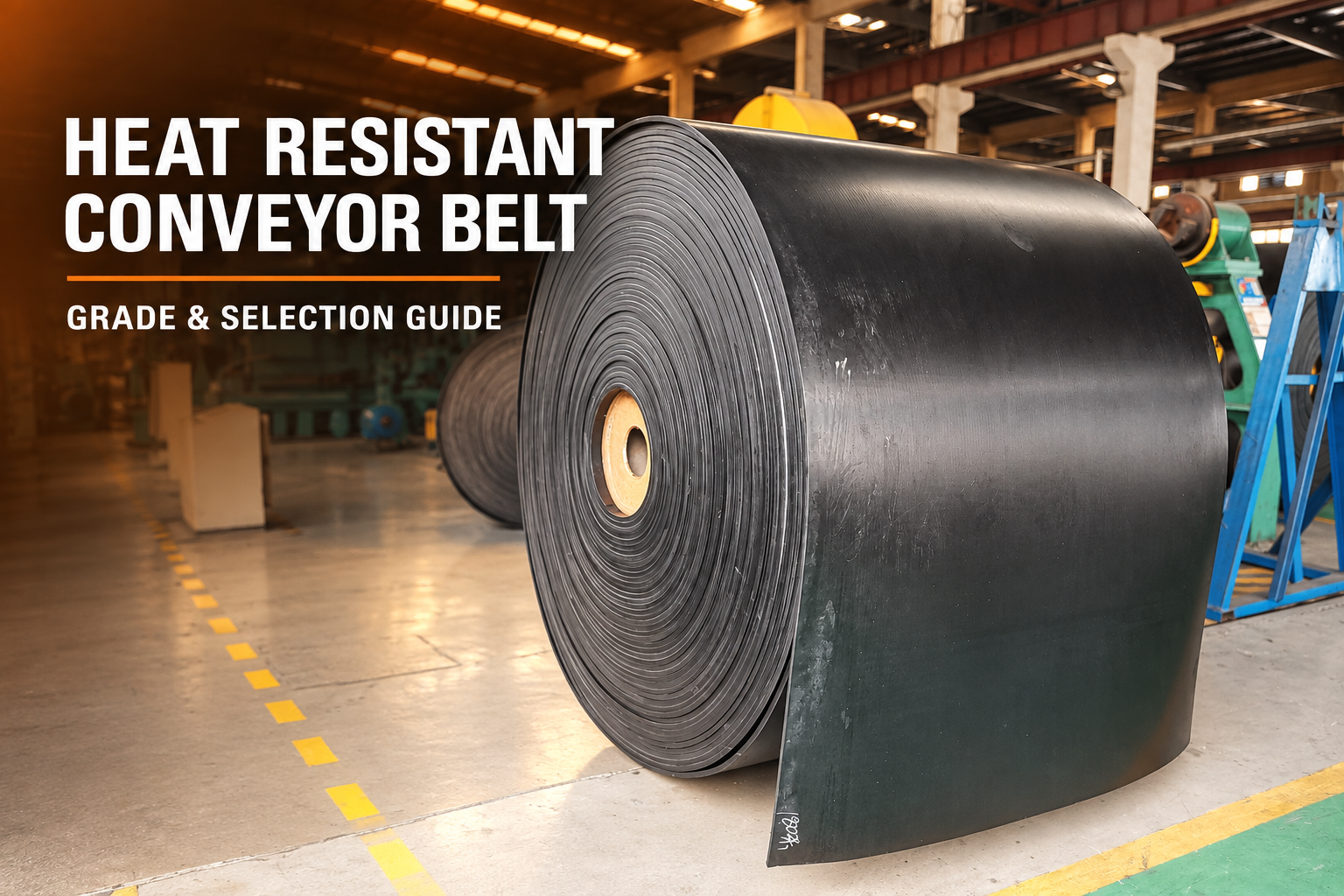
A feeding hopper conveyor belt is not only a belt placed under a box of material. In a real bulk-handling line, the hopper decides how material lands, how much pressure sits on the belt, and whether the first few meters of the conveyor become a controlled feed point or a constant cleanup area.
For buyers, the useful question is not simply whether the conveyor belt can carry the material. The better question is whether the feeding hopper belt can pull material out of the hopper at a stable rate without belt sag, side spillage, uneven loading, or early cover damage. That depends on the hopper opening, skirt design, belt support, material behavior, and the belt construction working together.
This is especially true in mining, fertilizer handling, grain processing, aggregate transfer, recycling, and small batching systems. The material may be dry and free-flowing in one season, sticky after rain, or sharp enough to cut the top cover near the loading zone. The belt sees all of that first.
Start with Material Flow, Not the Belt Color
A feeding hopper looks simple from outside, but different materials behave very differently inside it. Fine powder may bridge near the outlet. Wet fertilizer can drag and smear on the belt surface. Grain flows more easily, but a high feed rate can still overload one side of the belt. Crushed stone may flow well yet punish the cover and splice area when it drops from height.
If the hopper outlet is too open, the belt may be asked to pull more material than the drive, support rollers, or skirt area can control. If the outlet is too restricted, material may surge, bridge, or feed unevenly. Both conditions make the conveyor look like the problem, even when the real issue starts above the belt.
|
Material handled |
Common behavior at hopper outlet |
Belt-related risk |
|
Grain or seed |
Usually free-flowing, but sensitive to uneven side loading |
Tracking drift, edge rubbing, spillage at skirt area |
|
Fertilizer or damp powder |
May stick, bridge, or build up near the outlet |
Carryback, surface contamination, difficult cleaning |
|
Aggregate or sand |
Flows steadily but can be abrasive at the loading point |
Fast top cover wear, splice stress, dust around return path |
|
Recycled material |
Irregular size, sharp pieces, unpredictable feed |
Cuts, punctures, belt mistracking, fastener damage |
|
Pellets or granules |
Generally stable if the feed gate is controlled |
Rollback on incline, product bouncing at transfer point |
What the Hopper Adds to Conveyor Belt Stress
A standard transfer conveyor mainly receives material from another belt, chute, or machine. A feeding hopper conveyor belt often carries material pressure directly from above. That changes the work the belt has to do.
When material sits in the hopper, part of the load presses against the belt before the belt starts moving. As the belt pulls material forward, the top cover works like a moving extraction surface. Too much downward pressure can increase friction and heat. Poor support under the loading zone allows the belt edge to sag, which opens gaps near the skirt and lets material escape. If the hopper is not centered, one side of the belt carries more load than the other.
The result may appear as simple spillage, but the chain is usually longer: uneven feed causes side loading, side loading causes mistracking, mistracking causes edge wear, and edge wear eventually shortens the belt body or opens the splice.
|
Design point |
Why it matters |
What buyers should check |
|
Hopper outlet size |
Controls material depth on the belt |
Whether flow is steady or surging |
|
Skirt board position |
Contains material near the loading zone |
Gap, wear liner condition, side spillage |
|
Belt support under hopper |
Prevents sag and edge leakage |
Impact bed, slider bed, roller spacing |
|
Belt speed |
Affects feed rate and material stability |
Whether product bounces, rolls back, or piles up |
|
Pulley diameter |
Affects belt bending and splice life |
Minimum pulley fit for belt thickness and joint style |
|
Cleaning access |
Controls residue and carryback |
Scraper, brush, wash area, access for maintenance |
Where a Feeding Hopper Belt Works Well
A feeding hopper belt is useful when the process needs a controlled, repeatable feed from stored material into the next stage. It may feed a crusher, packaging scale, mixer, screening machine, bucket elevator, or another conveyor. The application sounds simple, but the belt specification changes with the material and the duty cycle.
In a small aggregate plant, the belt may need a thicker top cover and better support under the hopper because stone impact and abrasion are the main concerns. In a grain or seed line, the issue may be gentle handling, dust control, and stable tracking rather than heavy impact. In fertilizer handling, residue and corrosion around the frame may become more important than the belt strength alone.
|
Application area |
Main handling requirement |
Better belt question |
|
Aggregate feeding |
Controlled feed to crusher or screen |
Is the top cover and loading support enough for impact? |
|
Grain and seed handling |
Stable, clean movement without excessive damage |
Does the belt track well under light but continuous flow? |
|
Fertilizer transfer |
Resistance to residue and moisture-related buildup |
Can the surface and cleaning routine prevent carryback? |
|
Packaging scale feeding |
Even feed rate and accurate product delivery |
Does the belt surface release product at the discharge point? |
|
Recycling line feeding |
Handling mixed, irregular materials |
Does the belt need stronger cover, guides, or fastener protection? |
Choosing the Belt Construction: More Than Thickness
Many buyers first ask for a thicker conveyor belt. Sometimes that is right. Often it is only half of the answer. A thick belt with the wrong cover compound may still wear quickly under sharp aggregate. A stiff belt may not bend well around a small pulley. A high-grip surface may hold sticky material instead of releasing it cleanly.
For a feeding hopper conveyor belt, the base construction should be matched to working tension, pulley diameter, expected impact, and cleaning method. Fabric-reinforced rubber belts are common for many bulk-feeding lines because they balance strength, flexibility, and fabrication practicality. PVC or light-duty belts may work in clean, low-impact feeding systems, but they should not be assumed suitable for abrasive or heavy materials.
|
Belt feature |
Useful when |
Risk if overused or mismatched |
|
Thicker top cover |
Impact and abrasion are concentrated under hopper |
May reduce flexibility around small pulleys |
|
Rough or textured surface |
Material needs more grip on incline |
May hold dust or sticky residue |
|
Cleats or flights |
Feed needs spacing or rollback control |
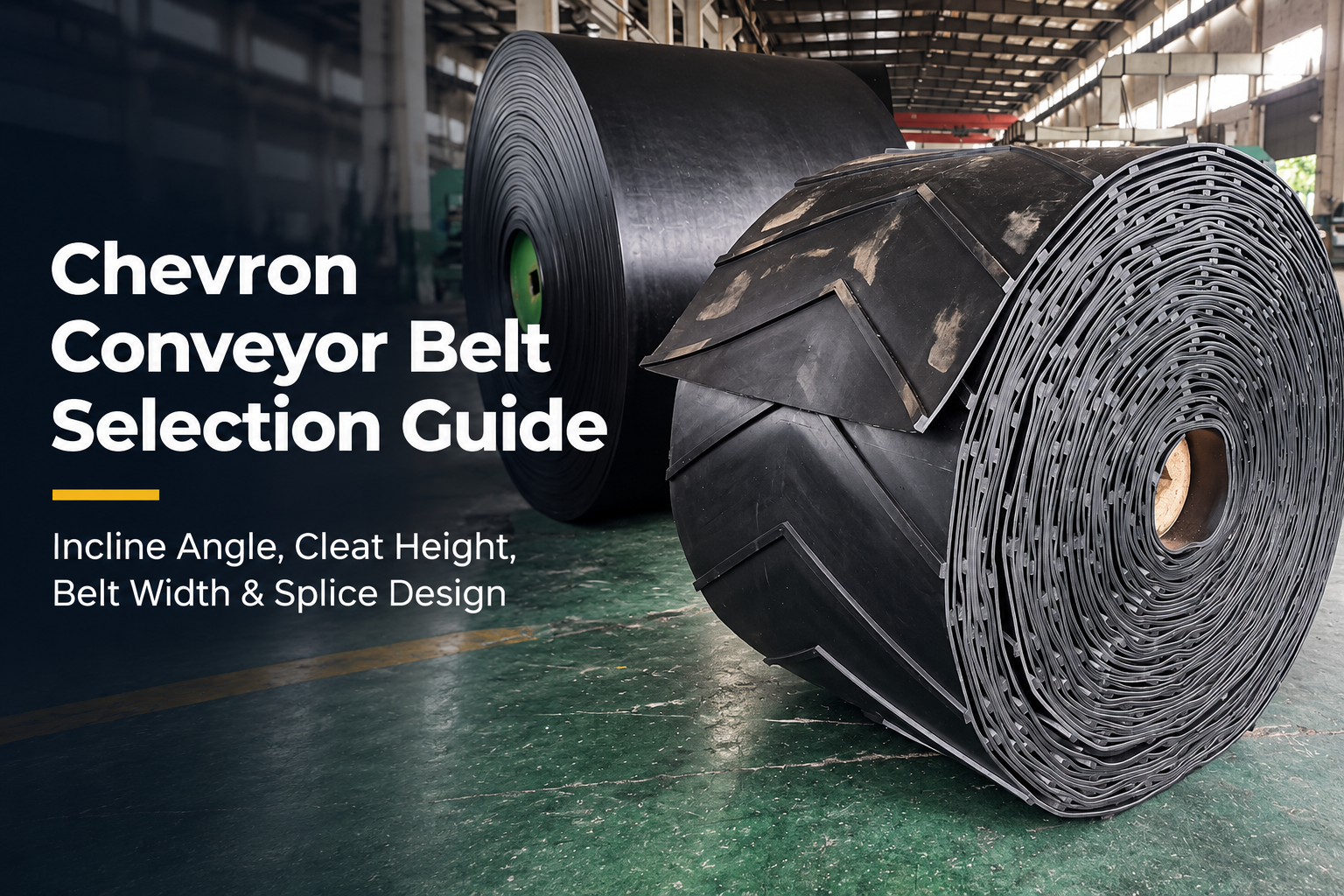
Cleaning gaps and return clearance must be checked |
|
Tracking guide |
Side drift occurs due to transverse force |
Wrong groove or guide position can create wear |
|
Mechanical fastener |
Fast field repair is important |
May catch material or cleaners in some layouts |
|
Vulcanized joint |
Smooth running and cleaner contact are important |
Needs more preparation and shutdown time |
Common Problems Around Hopper Feeding
The most useful inspection is often done with the old belt still in place. Look at where the material first lands, where the belt starts to drift, and where residue collects. Those marks usually explain why the previous belt failed.
|
Observed problem |
Likely cause |
Before ordering another belt |
|
Material spills along both sides |
Belt sag, poor skirt sealing, overloaded hopper outlet |
Check support under hopper and skirt gap |
|
Belt runs to one side after loading |
Off-center feed or uneven material pressure |
Check hopper alignment and loading pattern |
|
Top cover wears in one short zone |
Impact concentrated under outlet |
Check chute height, impact bed, cover grade |
|
Material sticks to return side |
Surface release or cleaning method mismatch |
Check residue type and cleaning access |
|
Joint opens early |
Wrong joint method, small pulley, repeated loaded bending |
Check pulley diameter and splice style |
|
Belt slips after tensioning |
Material overload, pulley lagging issue, wet contamination |
Check drive pulley, belt tension, and feed rate |
Installation Details That Affect Belt Life
A feeding hopper belt can be damaged before production really begins if installation is treated like a simple belt replacement. The belt should be centered under the hopper. Skirt rubber should seal without cutting into the belt cover. The support bed or rollers under the hopper should prevent sag, but not create sharp contact points. Tension should be enough to drive the belt without slipping, not so high that bearings and joints are punished.
Trial running should include material, not only an empty belt test. An empty belt can track well and still drift when the hopper is loaded. Watch the first loaded run at low speed if possible. Check whether material lands centrally, whether the belt edge contacts the frame, and whether the discharge is clean. These small checks prevent many early complaints.
What to Send for a Useful Quotation
A feeding hopper belt quotation should not be based only on width and length. The supplier needs to understand the material, the hopper, and the machine around the belt. A few photos often reduce several rounds of email clarification.
|
Information to send |
Why it helps |
|
Belt width, length, and thickness |
Basic production and size matching |
|
Material handled and particle size |
Determines cover grade, surface, and support needs |
|
Hopper outlet photo or drawing |
Shows feed depth, pressure, and centering risk |
|
Loading zone and skirt photos |
Helps identify spillage and belt sag issues |
|
Pulley diameter and layout |
Checks belt flexibility and joint choice |
|
Old belt failure photos |
Prevents repeating the same selection mistake |
|
Operating hours and duty cycle |
Helps judge whether standard or heavier construction is needed |
|
Quantity and packaging needs |
Supports sample planning, bulk order, and export packing |
How SINOCONVE Approaches Feeding Hopper Belt Matching
For SINOCONVE, a feeding hopper conveyor belt inquiry starts with the application, not just the belt code. A hopper feeding aggregate asks different questions from a hopper feeding grain, fertilizer, or small recycled material. The belt may need better impact support, a different cover compound, a textured surface, guides, cleats, or a smoother joint depending on the machine.
This is where Save Time, Save Money fits the buying process. Clear working-condition details save time before production. Better belt matching saves money after installation. A nearest-standard belt may look cheaper on the first quotation, but the wrong belt under a hopper can create spillage, cleanup, tracking problems, and repeated replacement.
FAQ
What is a feeding hopper conveyor belt used for?
It is used to pull material from a hopper and feed it into another conveyor, crusher, mixer, scale, screen, or processing machine at a more controlled rate.
Is a feeding hopper belt the same as a normal conveyor belt?
Not always. It may look similar, but the loading pressure, skirt contact, impact zone, and feed control requirements are different from many standard transfer conveyors.
Why does material spill from a hopper conveyor?
Common causes include belt sag under the hopper, poor skirt sealing, off-center loading, too much feed depth, or a belt surface that does not match the material.
Should I choose a thicker belt for hopper feeding?
Only if the real issue is impact or cover wear. If the problem is tracking, pulley diameter, sticky residue, or poor skirt design, thickness alone may not solve it.
What should I send before asking for a quotation?
Send belt size, material handled, hopper photos, pulley layout, loading zone photos, old belt failure marks, duty cycle, and any special packing or branding needs.
Final Note for Buyers
A feeding hopper conveyor belt should be selected from the hopper outward: material flow, outlet pressure, belt support, surface behavior, joint method, and cleaning access. When those details are clear, the belt specification becomes much easier to match. When they are ignored, the same problems often return with the new belt.
For buyers comparing Feeding hopper belt options, the best starting point is the working condition. Show the supplier what the belt is pulling, where the material lands, and how the old belt failed. That gives enough information to recommend a conveyor belt that supports stable feeding instead of simply replacing one roll with another.