
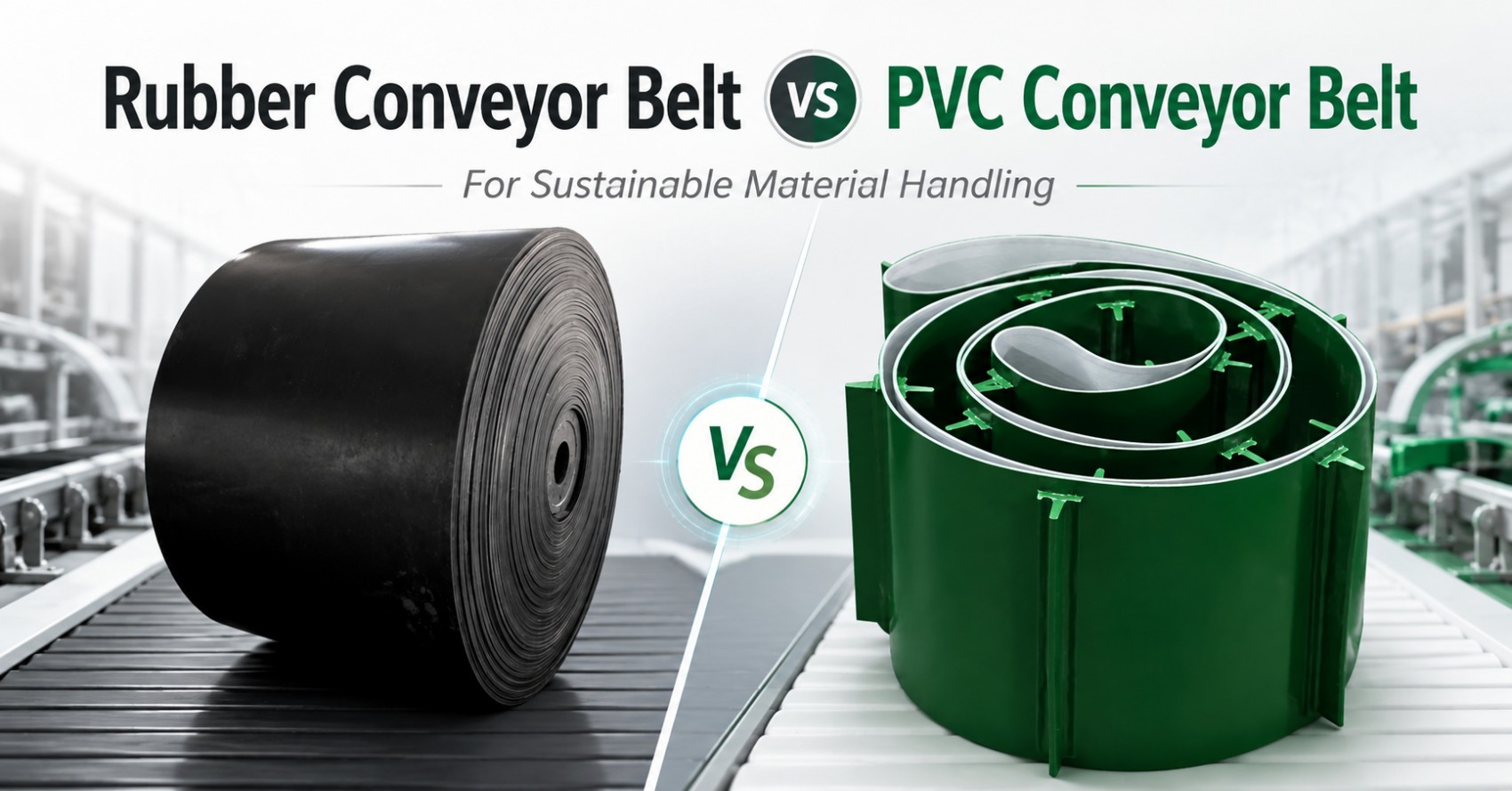
A quotation can make a PVC conveyor belt look like the more economical and “lighter” option, while a rubber conveyor belt may appear to be the tougher choice. That comparison is often too simple. The real question is whether the belt construction matches the load, pulley system, conveyed material, cleaning method, and operating environment.
For sustainable material handling, application fit matters because a belt that wears rapidly, slips, mistracks, or requires repeated replacement creates more waste, more maintenance work, and more production disruption. A material label alone does not tell a buyer which option will deliver the better lifecycle result.
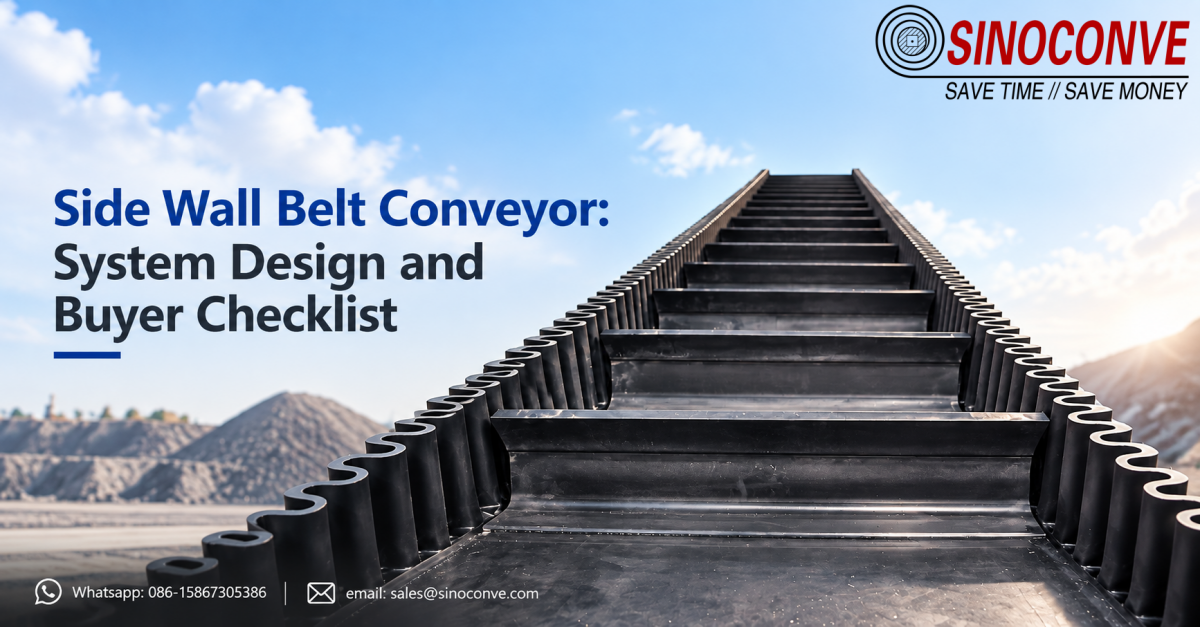
Rubber and PVC conveyor belts also span different construction families. Many PVC belts are light fabric belts used in logistics, packaging, and process conveying, while PVC can also appear in solid-woven or plastics-covered constructions. Rubber belts range from general-purpose textile belts to specialty compounds. Compare the complete specification, not simply “rubber versus PVC.”
Rubber Conveyor Belt vs PVC Conveyor Belt: Start with Duty, Not Material
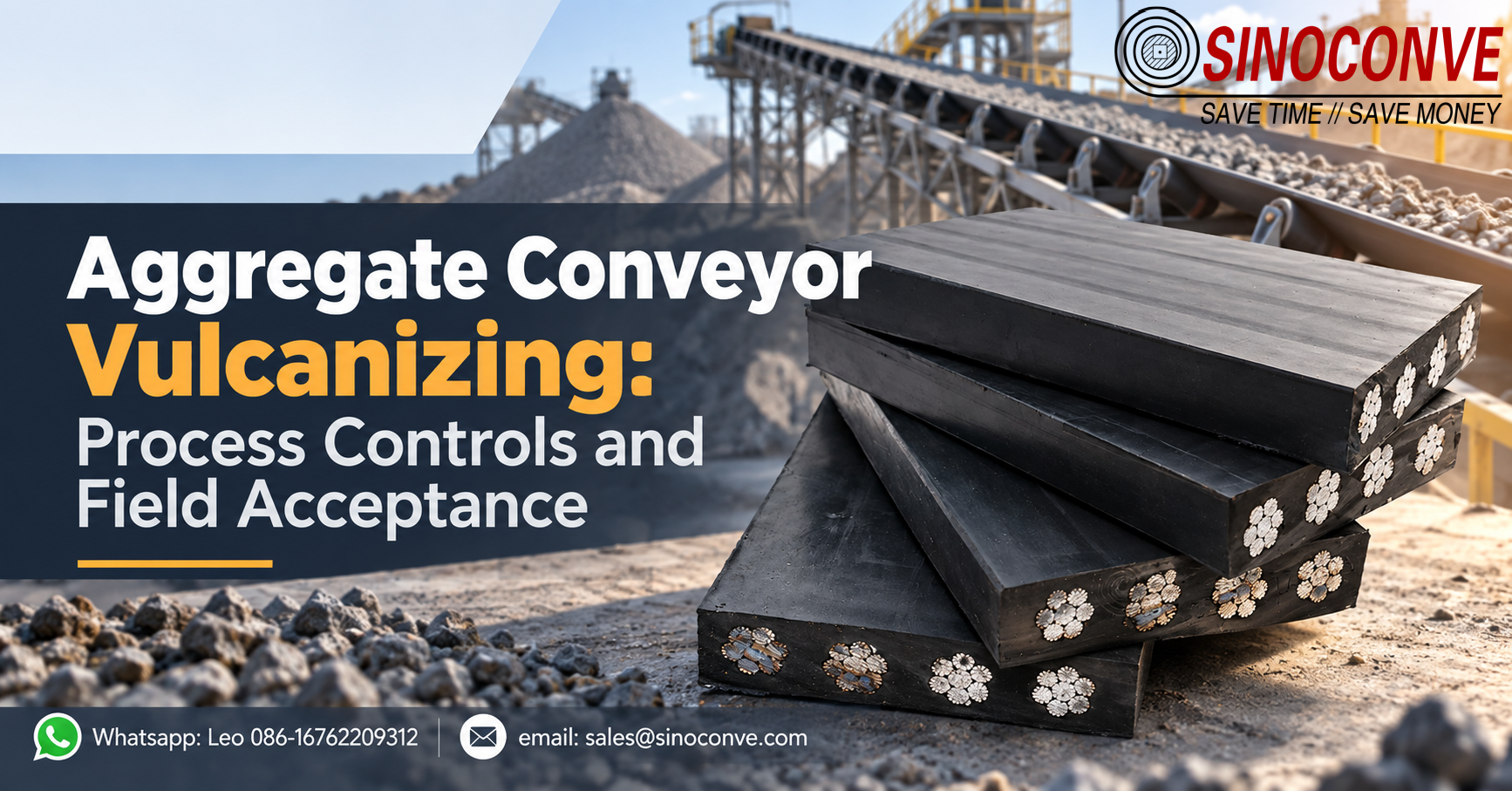
The most useful first distinction is heavy-duty versus light-duty conveying. Rubber-covered textile belts are widely used where bulk materials create impact, abrasion, high belt tension, or troughing demands. Typical examples include aggregates, minerals, fertilizer, grain, cement materials, and other bulk solids where the belt must carry load between idlers and tolerate a loading zone.
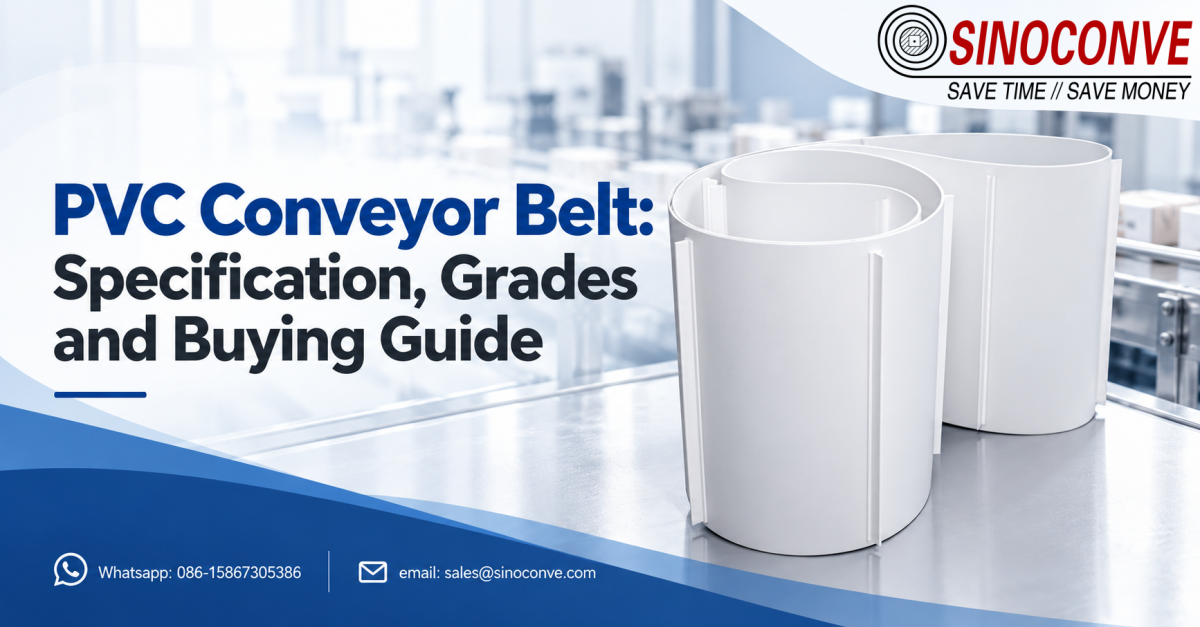
PVC-coated fabric belts are common in lighter conveying systems where flexibility, compact pulleys, surface grip, low-friction backings, or easy fabrication may be more important than thick impact-resistant covers. Distribution centers, packaging lines, woodworking, and general industrial transfer systems frequently use this type of construction.
This is not a rigid material rule. ISO 14890:2026 covers rubber- or plastics-covered textile conveyor belting for general surface use and explicitly separates that scope from light conveyor belts described by ISO 21183-1. That distinction is useful for buyers: two belts can both contain PVC and still belong to very different duty classes.
|
Buyer question |
Rubber conveyor belt |
PVC conveyor belt |
|
Typical duty |
Often heavy-duty bulk handling |
Often light-duty or controlled product handling |
|
Impact / abrasion |
Strong fit when cover and carcass are specified for the material |
Good in suitable grades, but light constructions may be vulnerable to severe impact |
|
Flexibility / pulleys |
Construction may require larger pulleys |
Many light fabric designs suit compact pulley layouts |
|
Surface options |
Smooth, cleated, patterned, and specialty compounds |
Wide range of smooth, grip, textured, fabric-back, and coated surfaces |
|
Key sustainability lever |
Avoid premature cover/carcass damage in severe duty |
Avoid over-specifying a heavy belt for light conveying |
|
Main buying risk |
Assuming thicker or harder always means longer life |
Assuming all PVC belts are interchangeable or light-duty |
Where Rubber Usually Has the Stronger Application Fit
Rubber is often the safer starting point when material is coarse, sharp, heavy, or dropped from height. The cover protects the carcass, while the carcass carries tension and supports the load. Excessive top-cover wear may also point to poor loading, trapped material, weak impact support, or an incorrectly adjusted cleaner.
A thicker or harder cover does not automatically improve belt service life. High-impact loading, trapped material, damaged idlers, or poor cleaner setup can consume even a premium compound. Sustainable material handling therefore includes correcting the conveyor condition that is damaging the belt.
Rubber constructions allow cover properties to be matched to demanding bulk service. Heat, oil, abrasion, fire, and other requirements should be confirmed against the supplier’s data sheet and applicable standard. Do not transfer a rating from one compound to another merely because both are called rubber conveyor belts.
Where a PVC Conveyor Belt Can Be the Better Lifecycle Choice
A PVC conveyor belt can be a better fit for cartons, packaged goods, components, wood products, and other controlled loads. Fabric constructions are available with different textures and friction levels for transfer, incline, accumulation, or general conveying. Antistatic behavior, grip, oil resistance, and backing design are product-specific, not universal PVC properties.
Many light-duty PVC fabric belts are thin and flexible enough for compact pulley layouts. But minimum pulley diameter belongs to the exact construction and splice, not to PVC as a raw material. Running below the specified diameter can overstress the belt or splice.
PVC should not be selected merely because the load looks clean or because the belt is lighter. Sharp product edges, repeated impact, aggressive scrapers, chemical exposure, hot product, or a requirement for deep troughing may change the decision. The buyer must also verify whether the belt is suitable for the required hygiene, food-contact, flame, static, or other regulatory conditions.
Sustainability: Compare Replacement Demand, Not Just Material Claims
Environmental comparisons are stronger when they consider a defined life cycle rather than one material attribute. ISO 14040 and ISO 14044 provide the framework and requirements for life cycle assessment. For buyers, “PVC is recyclable” or “rubber lasts longer” does not by itself prove environmental preference in a specific conveyor duty.
Both rubber and PVC conveyor belts are engineered composites. Reinforcement fabrics, covers, coatings, adhesives, and splices complicate end-of-life handling. Actual recycling or recovery options depend on local infrastructure and the belt construction. A procurement team should ask for documented material information or lifecycle evidence if an environmental claim will influence the award decision.
Industrial waste reduction often begins with avoiding unnecessary replacement. If a correctly specified rubber belt withstands an abrasive bulk duty that would quickly damage a light PVC belt, the heavier belt may use resources more effectively over its operating period. On a clean packaging conveyor, an oversized rubber belt may add stiffness without useful durability. The sustainable choice is the belt that meets the duty with an appropriate margin.
Five Conditions That Change the Rubber vs PVC Decision
1. Loading impact and lump size. Large or sharp material and high drop height increase the need for impact protection and carcass support. Review the loading chute and impact zone, not only the belt cover.
2. Abrasion and carryback. Fine abrasive material can wear a cover gradually, while trapped particles can gouge or cut the belt. Cleaner condition, skirting pressure, return-side contamination, and pulley buildup can shorten service life regardless of cover material.
3. Pulley diameter and belt flexing. A compact conveyor may favor a more flexible belt, but minimum pulley requirements vary with construction, thickness, reinforcement, profiles, and splice design.
4. Tension, troughing, and conveyor length. Long or heavily loaded conveyors may require greater tensile capacity and stable troughing behavior. A light PVC belt should not be substituted on appearance alone.
5. Oil, heat, chemicals, static, flame, or hygiene requirements. These are compound- and product-specific. Include the actual exposure in the RFQ and request the applicable test method, standard, or supplier data sheet.
Use Failure Marks to Improve the Next Belt Specification
A removed belt is useful evidence. Uniform loss of top cover points toward normal or excessive abrasion; localized grooves can suggest trapped material or skirting contact; damaged edges often accompany mistracking or off-center loading; recurring splice trouble can indicate a joining method, pulley, tension, or contamination problem.
Before changing from rubber to PVC, or from PVC to rubber, record where the old belt failed and how the damage developed. If the root cause is mechanical, changing the cover material may only reset the maintenance clock. Belt tracking, idler condition, pulley buildup, belt cleaner setup, tension, and loading alignment should be checked before the replacement specification is finalized.
What to Put in an RFQ for a Meaningful Comparison
A supplier cannot compare lifecycle value from belt width and length alone. Give enough operating information for the supplier to recommend construction, cover, splice, and minimum pulley compatibility. This also makes competing quotations easier to normalize.
|
RFQ item |
Why it matters |
|
Material and lump size |
Defines impact, cutting, abrasion, and carryback risk |
|
Capacity / unit load / belt speed |
Helps establish working duty and tension demand |
|
Width, length, incline, conveyor layout |
Affects load support, traction, and belt construction |
|
Drive and tail pulley diameters |
Must be compatible with belt flexing and splice |
|
Idler / slider-bed arrangement |
Influences troughing, friction, and support |
|
Temperature, oil, chemicals, moisture |
Determines cover or coating requirements |
|
Required surface / profile |
Controls grip, release, incline performance, or cleaning |
|
Safety / hygiene / standard |
Prevents unsuitable assumptions about flame, static, or food use |
|
Existing failure marks |
Helps separate material problems from conveyor problems |
When comparing quotations, ask each supplier to identify the carcass or traction layer, number of plies where applicable, total thickness, top and bottom cover or coating construction, rated belt strength or allowable working tension, recommended pulley diameter, splice method, and any claimed resistance properties. If one quotation omits these items, the lower price may simply reflect a different duty class.
Supplier Quality Control Also Affects Lifecycle Value
A sustainable specification still depends on manufacturing consistency. Buyers should ask how raw materials, in-process production, finished dimensions, adhesion, strength, and other relevant performance items are controlled. Standards can define test methods and minimum requirements, but the purchase order must still identify the required construction and acceptance criteria.
Ningbo Sinoconve Belt Co., Ltd. has 35 years of industrial belt manufacturing experience. SINOCONVE applies raw-material inspection, process control, finished-product inspection, and performance testing, with about 15 quality inspection personnel. For projects where ISO, DIN, RMA, SANS, BS, or other requirements apply, the exact standard and grade should be agreed before production rather than assumed from a product name.
FAQ
Which has a longer belt service life, rubber or PVC?
There is no universal winner. Rubber is often better suited to heavy impact and abrasive bulk handling, while PVC can provide long service in lighter, controlled conveying. Service life depends on construction, load, tension, pulley geometry, tracking, cleaning, and maintenance.
Is a PVC conveyor belt automatically more sustainable?
No. Sustainability should be evaluated across the relevant life cycle and operating duty. A belt that requires frequent replacement can create more waste even if one material attribute sounds environmentally preferable. Ask for documented lifecycle or material evidence when environmental claims affect purchasing.
Can a PVC conveyor belt replace a rubber conveyor belt on a heavy-duty conveyor?
Only after checking the exact construction and conveyor requirements. Some plastics-covered or solid-woven belts are designed for demanding service, but a conventional light PVC fabric belt should not be treated as a direct substitute for heavy rubber belting.
When should I choose a rubber conveyor belt?
Rubber is commonly considered for bulk handling with significant impact, abrasion, troughing, or higher belt tension. The correct cover compound and carcass must still be matched to heat, oil, chemicals, fire, lump size, and the conveyor design.
What information should I send before asking for a rubber vs PVC quotation?
Provide conveyed material, maximum lump size, belt width and length, capacity or load, speed, incline, pulley diameters, take-up method, operating environment, exposure to oil or chemicals, temperature conditions, required standards, surface profile, and splice preference.
Final Selection Check
For sustainable material handling, do not award the belt order on a “rubber is durable” or “PVC is greener” assumption. First classify the conveyor duty. Then compare tension capacity, impact and abrasion exposure, pulley compatibility, troughing, surface requirements, splice design, maintenance conditions, and any safety or hygiene standards.
The best lifecycle value usually comes from a belt that is neither under-specified nor unnecessarily heavy. A complete RFQ, evidence from the old belt, and comparable supplier data sheets make that decision much more defensible—and reduce the chance that the next replacement becomes avoidable industrial waste.