
A lawn mower belt does not get much attention until the deck slows down, the blades stop under thicker grass, or the mower begins to make a sharp squeal near the pulley area. At that point the belt is no longer a small spare part. It is the link between engine power and the work the mower is supposed to do.
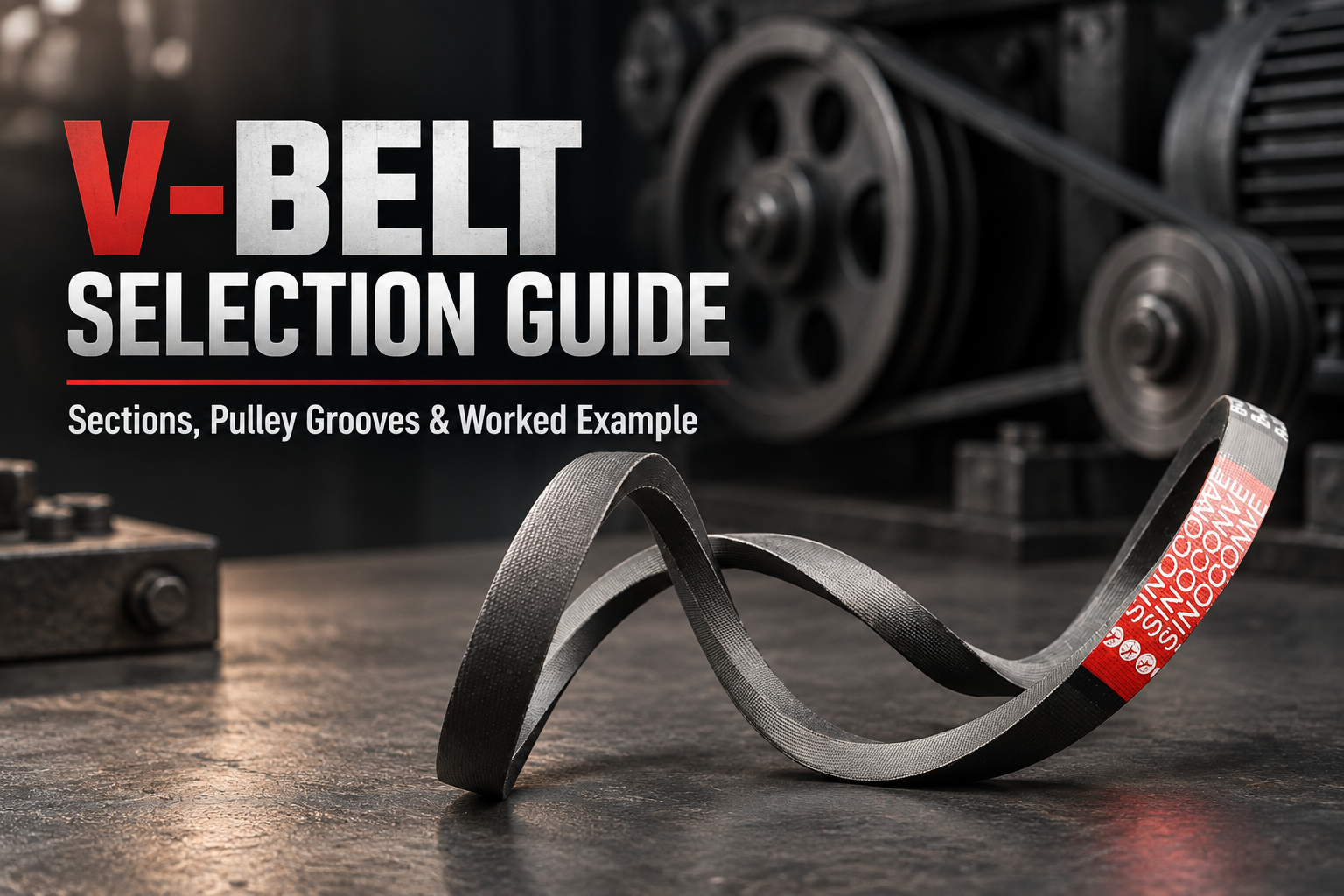
In many walk-behind mowers, riding mowers, garden tractors, and grass cutting machines, a V-shaped belt is used because it can grip the pulley groove without needing excessive tension. The idea is simple, but the working conditions are not. Grass clippings, dust, moisture, repeated starts, heat around the engine, and sudden blade load all shorten belt life if the belt is not matched correctly.
For buyers and maintenance teams, the useful question is not only ‘Which lawn mower belt fits?’ It is also whether the belt profile, length, cord reinforcement, rubber compound, and pulley condition can handle the machine’s normal cutting work.
What a Lawn Mower V Belt Actually Does
A lawn mower v belt transfers power from the engine pulley to the blade deck, drive system, or auxiliary pulley layout. Its cross-section sits inside a matching pulley groove. As tension is applied, the belt wedges into the groove and creates side contact. That side contact is what carries the power.
This is different from a timing belt. A v belt does not use teeth to lock into a sprocket. It depends on correct belt size, pulley angle, tension, and surface condition. Too loose, and the belt slips. Too tight, and bearings may suffer. If the pulley groove is worn, even a new belt can fail early.
In mower use, the belt also sees shock. Blade engagement is not gentle, especially when cutting wet or tall grass. A belt that works well on a light fan drive may not last long on a mower deck that starts and stops under load.
Common lawn mower belt positions
|
Belt position |
What it drives |
What usually matters |
|
Deck drive belt |
Blade deck or cutter spindle |
Shock load, grass buildup, pulley alignment |
|
Ground drive belt |
Wheel drive or transmission system |
Engagement feel, tension stability |
|
Auxiliary belt |
Fan, small pump, or related drive |
Heat, speed, available space |
|
Replacement belt |
Existing mower model |
Printed code, width, length, profile match |
Why Lawn Mower Belts Fail Early
Most belt failures are blamed on the belt first. Sometimes that is fair. Cheap rubber, weak cords, or poor molding can show up quickly. But in mower service, the surrounding drive system often tells a bigger story.
A glazed belt surface usually means heat and slip. Cracks across the belt can point to aging, small pulley bending, or long storage. Frayed edges often come from misalignment or pulley damage. Black rubber dust around the deck is another warning sign. It means the belt is being eaten somewhere in the drive path.
Moisture and grass debris make the situation worse. Wet clippings collect near the pulley area, and once the belt starts slipping, heat builds fast. The operator may only hear noise. The belt is already losing material.
Failure signs worth checking
|
Visible sign |
Likely cause |
What to inspect next |
|
Squeal during blade engagement |
Slip or weak tension |
Spring, idler, pulley groove |
|
Burnt smell near deck |
Heat from friction |
Belt tension and debris buildup |
|
Frayed belt edge |
Misalignment |
Pulley face and guide position |
|
Cracks across inner side |
Aging or tight bending |
Pulley diameter, storage condition |
|
Frequent belt jumping |
Wrong profile or damaged pulley |
Top width, groove angle, belt route |
Lawn Mower V Belt, Drive Belt, and Transmission Belts
The terms can overlap in ordinary buying conversations. A lawn mower v belt may be described as a drive belt when it transfers power from one rotating shaft to another. In some mower systems, it is also grouped with transmission belts because it helps carry power to a wheel drive, deck drive, or related mechanical transmission.
For sourcing, the label is less important than the details. The belt must match the pulley groove, the route around the idlers, and the machine’s load pattern. A small change in width or length can cause the belt to ride too high, lose tension range, or rub against a guard.
Quick term guide for buyers
|
Term |
Common meaning |
Ordering note |
|
Lawn mower belt |
General replacement belt for mower drives |
Confirm mower model and old belt code |
|
Lawn mower v belt |
V-profile belt running in pulley grooves |
Check top width and groove match |
|
Drive belt |
Belt transferring engine power |
Confirm driven part: deck, wheel, pump |
|
Transmission belts |
Belts used in power transmission systems |
Confirm load, speed, and application |
Where a Better Belt Makes a Noticeable Difference
A mower used once a week on dry grass does not face the same duty as a commercial machine cutting several lawns a day. Heavy use changes the belt requirement. The belt has to tolerate more starts, more heat cycles, and more debris around the pulleys.
For professional landscapers, downtime is not just inconvenient. It interrupts a work route. For dealers and repair shops, the bigger issue is repeat replacement. If a customer returns because the new belt failed after a few hours, the real cost is time, trust, and another repair conversation.
This is where a well-matched v belt helps. Good rubber compound, stable tensile cords, clean molding, and proper side contact all affect whether the belt runs quietly or keeps asking for adjustment.
Application guide
|
Mower or equipment type |
Belt concern |
Buyer focus |
|
Walk-behind mower |
Small pulley, frequent starts |
Correct length and flexibility |
|
Riding mower |
Longer belt route, deck load |
Stable tension and edge quality |
|
Garden tractor |
Mixed drive functions |
Belt section and pulley alignment |
|
Commercial mower |
Longer daily runtime |
Heat resistance, cord strength |
|
Agricultural or grass machinery |
Dust, vibration, outdoor storage |
Aging and wear resistance |
How to Choose the Right Lawn Mower Belt
Start with the old belt if the marking is still readable. Printed codes, mower model, belt route, and photos of the pulleys are more useful than a general description. Measuring an old belt can help, but worn belts stretch and lose shape, so measurement alone is not always enough.
The pulley condition should be checked before ordering large quantities. A clean new belt running in a worn groove may look correct at first and still slip after the machine is back in service. If the drive has already burned through several belts, the belt is probably not the only thing to blame.
For OEM orders, distributor orders, or repair shop stock, it is worth confirming packaging, printed marking, sample approval, and batch consistency. SINOCONVE can support lawn mower belt and transmission belts according to application information, drawings, samples, or part references, helping buyers save time and save money by reducing repeated confirmation and wrong-size replacement.
Information to send before quotation
|
Information |
Why it helps |
|
Old belt code or clear photo |
Reduces guesswork |
|
Top width and outside length |
Checks basic size |
|
Mower brand and model |
Confirms replacement reference |
|
Pulley groove photo |
Finds wear or mismatch |
|
Application: deck, drive, fan, pump |
Matches belt duty |
|
Quantity and packaging need |
Supports distributor or OEM supply |
Maintenance Notes That Prevent Repeat Failure
A belt should not be installed into a dirty or damaged drive path. Clean grass buildup, check idler movement, and make sure guards are not rubbing the belt edge. After the first short run, listen for noise and check whether the belt remains seated in the groove.
Tension matters, but more tension is not automatically better. A belt pulled too tight can overload bearings and still fail early. A belt left too loose slips, heats up, and polishes the sidewall. The correct point is boring: stable, quiet, and uneventful.
FAQ
What is a lawn mower belt used for?
It transfers engine power to the blade deck, wheel drive, or related mower mechanism. The exact job depends on the mower layout.
Is a lawn mower v belt the same as a transmission belt?
Sometimes it is described that way when it works inside a power transmission system. For ordering, the belt profile and size matter more than the name.
Why does a mower belt keep slipping?
Common reasons include weak tension, worn pulley grooves, wrong belt width, grass buildup, or a damaged idler.
When should a lawn mower belt be replaced?
Replace it when cracks, glazing, frayed edges, repeated slipping, or loss of tension appear. Do not wait for the belt to break during work.
What information is needed for a quotation?
Send the old belt code, photos, top width, length, mower model, application position, quantity, and packaging requirements if available.
Final Note
A lawn mower belt looks simple, but the drive around it is usually less simple than it appears. The right belt has to fit the pulley, handle the load, survive the environment, and remain stable after repeated starts.
For buyers comparing v belt and transmission belts for mower or grass machinery use, the safest route is to confirm the application before production. That saves time, saves money, and avoids treating the same belt problem twice.