

Engineered belt solutions for demanding industries worldwide

Recent Posts
Fire Resistant Conveyor Belt: What Buyers Should Check

Fire Resistant Conveyor Belt: What Buyers Should Check

A fire resistant conveyor belt should be selected by operating risk, conveyed material, cover compound, antistatic requirement, splice method, and conveyor condition. This article explains what buyers should check before ordering belts for coal handling systems, power plants, mining, and other safety-sensitive bulk lines.
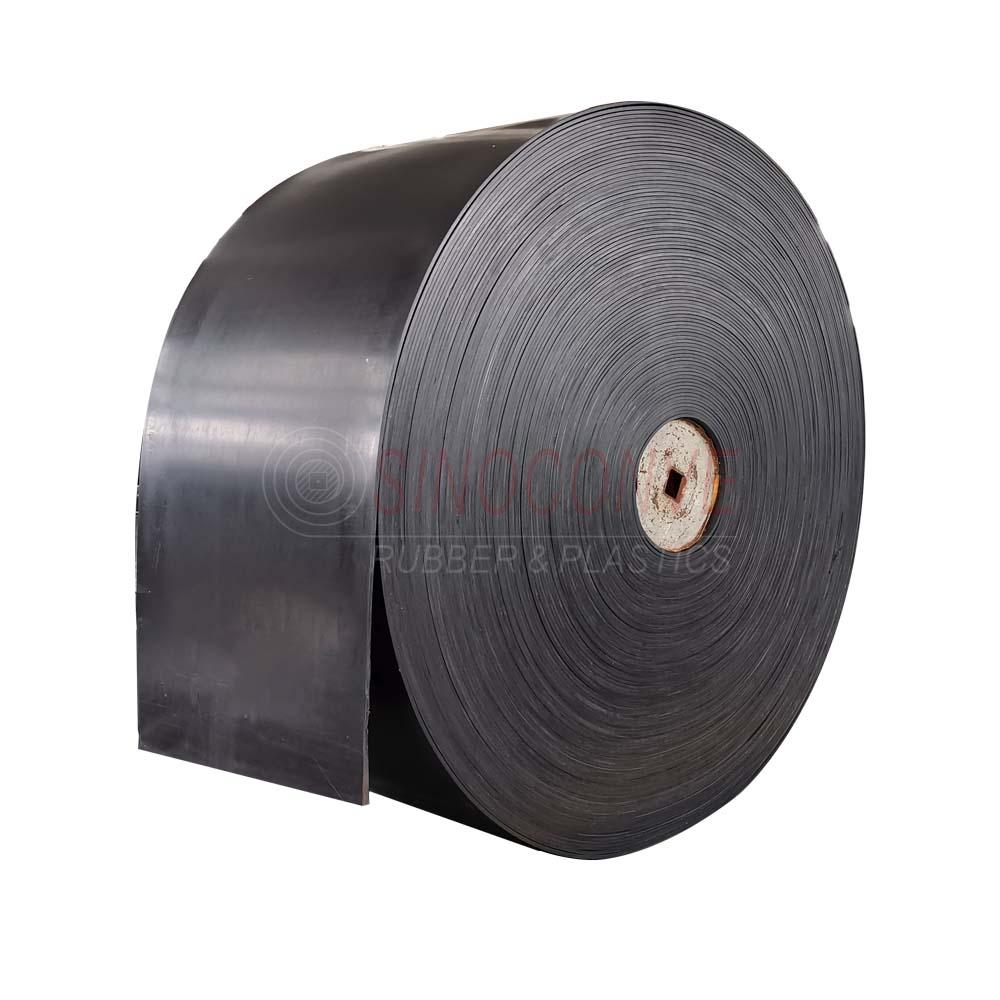
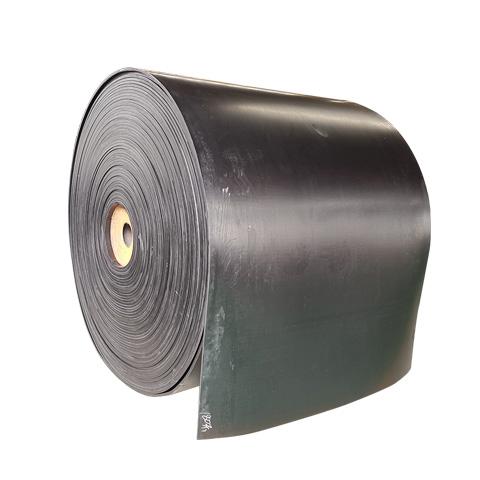
Oil Resistant Conveyor Belt: What Buyers Should Check First

Oil Resistant Conveyor Belt: What Buyers Should Check First

1. Why oil exposure changes the conveyor belt conversation 2. What oil resistance is meant to solve 3. Quick buyer takeaways before you compare options 4. Where oil resistant belts are commonly used 5. Selection criteria that actually matter 6. Common mistakes buyers make 7. Practical advice for sourcing teams and engineers 8. FAQ 9. Next step
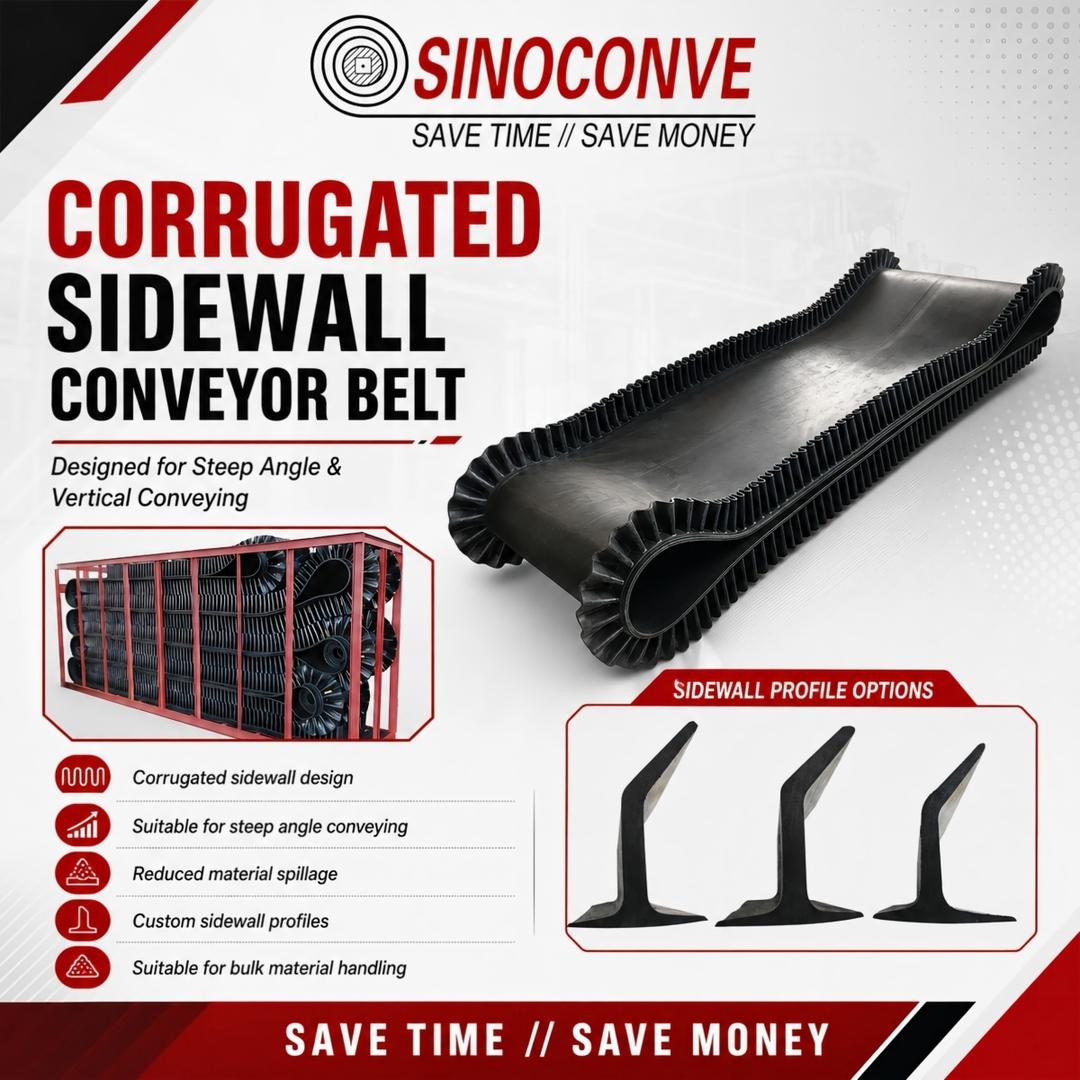
Abrasion Resistant Conveyor Belt Guide for Quarry and Steep-Angle Conveying

Abrasion Resistant Conveyor Belt Guide for Quarry and Steep-Angle Conveying

1. Why an abrasion resistant conveyor belt matters in heavy-duty conveying 2. What this type of belt is trying to solve 3. Quick reference: where the design fits best 4. How abrasion resistance and sidewall design work together 5. Buyer criteria that usually decide the job 6. Common mistakes when specifying these belts 7. What to ask before placing a production order
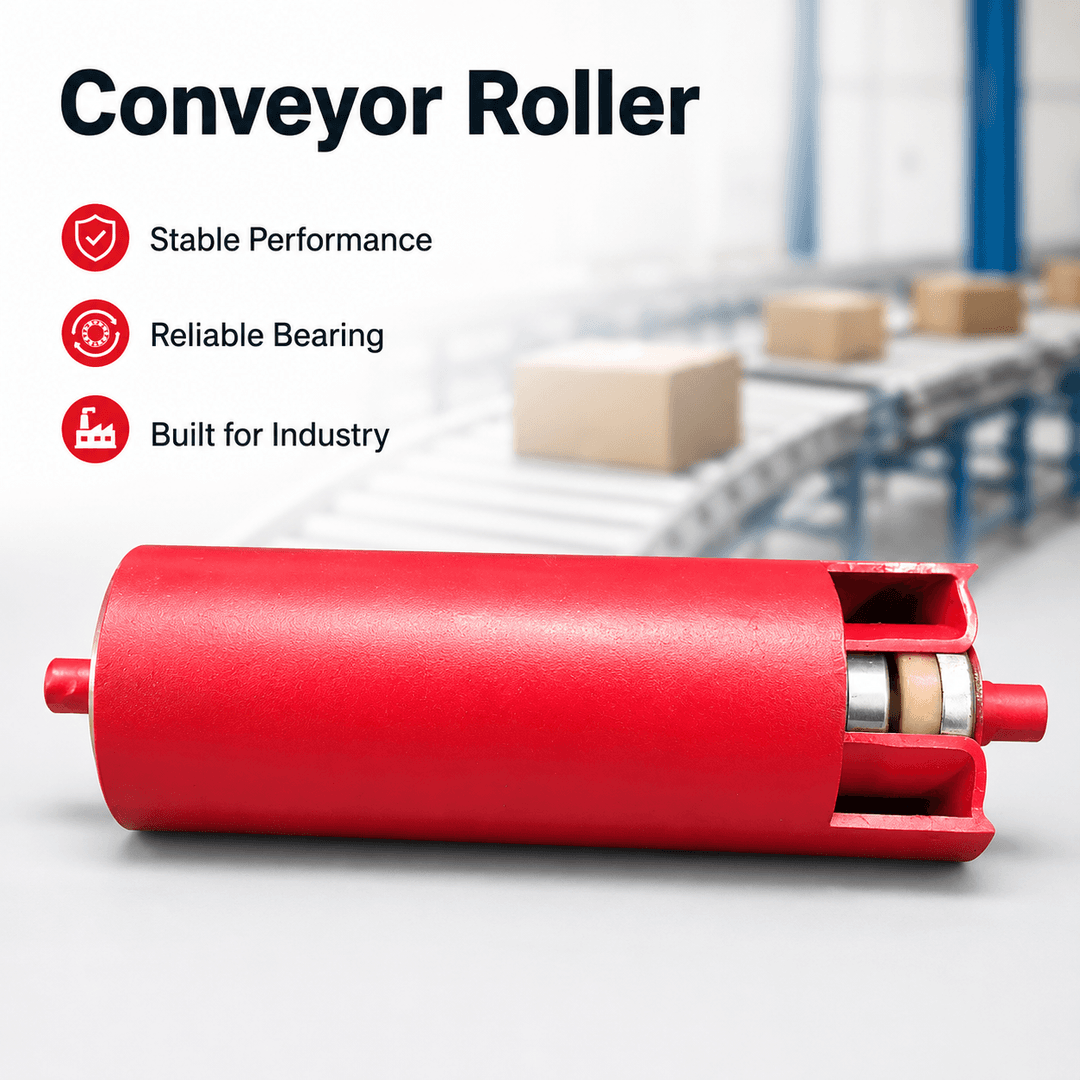
Conveyor Roller Selection Guide for Reliable Material Handling

Conveyor Roller Selection Guide for Reliable Material Handling

1. Why conveyor roller selection matters more than it first appears 2. What this roller design tells a buyer 3. Where conveyor rollers are used most often 4. Quick comparison: standard roller versus impact roller 5. Selection criteria that actually matter 6. Practical buyer checks 7. Common mistakes when sourcing conveyor rollers 8. What to request before you place an order 9. FAQ
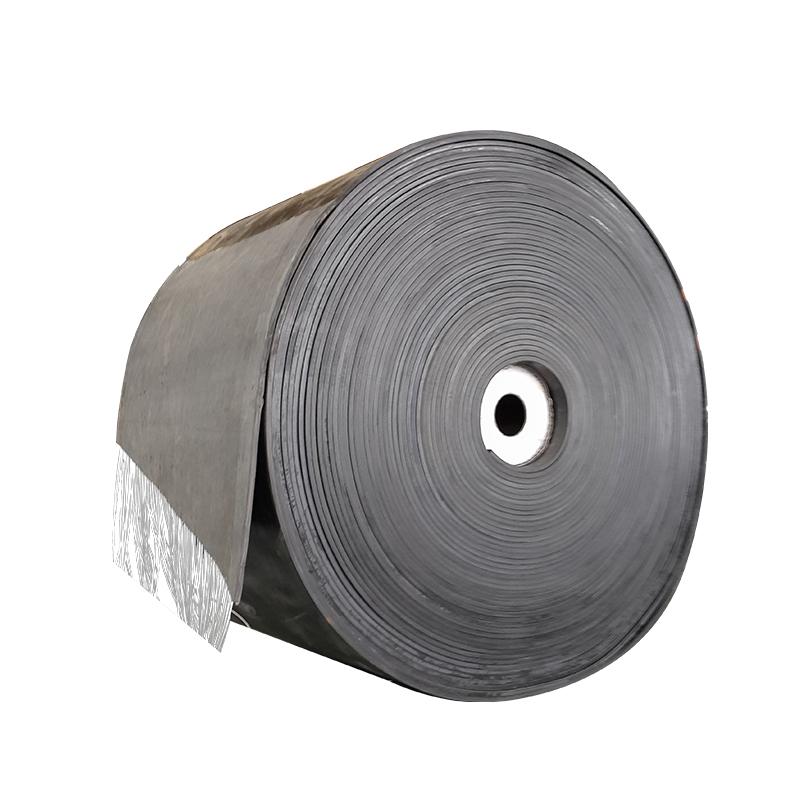
Steel Cord Conveyor Belt: What Buyers Should Know Before Specifying One

Steel Cord Conveyor Belt: What Buyers Should Know Before Specifying One

A steel cord conveyor belt should be selected by conveyor length, ST rating, cover grade, pulley diameter, splice design, and loading conditions. This article explains when high strength steel cord conveyor belt construction fits mining and long distance conveyor systems, and what buyers should confirm before ordering.
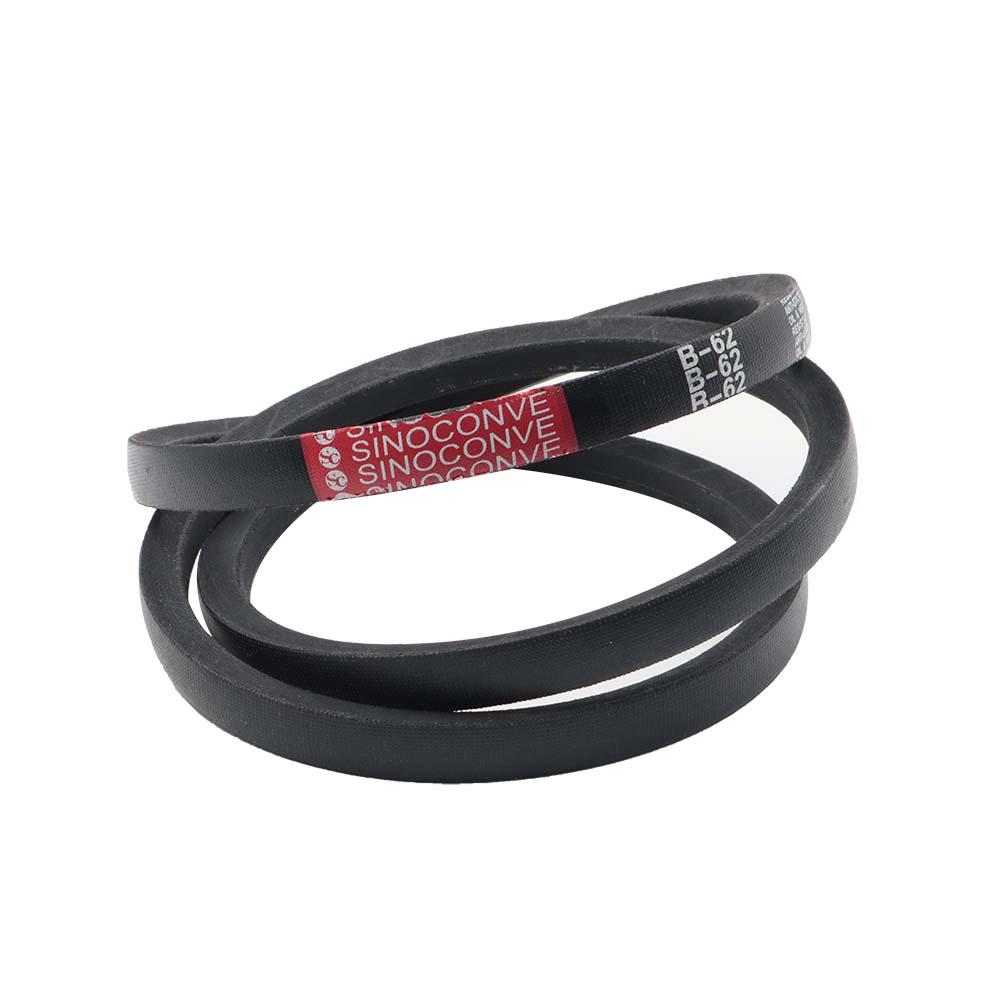
Banded V Belt for Crusher Drive and Heavy Duty Machinery

Banded V Belt for Crusher Drive and Heavy Duty Machinery

1. When a Band of Belts Becomes the Difference Between Uptime and Downtime 2. A field example: why grouped belts are often selected 3. What the buyer is really deciding 4. Why banded construction is attractive in rough service 5. Selection advice for engineers and procurement teams 6. Common mistakes that cost time later 7. Quick takeaway for buyers 8. FAQ

Fire Resistant Conveyor Belt: What Buyers Should Check

Fire Resistant Conveyor Belt: What Buyers Should Check

A fire resistant conveyor belt should be selected by operating risk, conveyed material, cover compound, antistatic requirement, splice method, and conveyor condition. This article explains what buyers should check before ordering belts for coal handling systems, power plants, mining, and other safety-sensitive bulk lines.

Read More
Oil Resistant Conveyor Belt: What Buyers Should Check First

Oil Resistant Conveyor Belt: What Buyers Should Check First

1. Why oil exposure changes the conveyor belt conversation 2. What oil resistance is meant to solve 3. Quick buyer takeaways before you compare options 4. Where oil resistant belts are commonly used 5. Selection criteria that actually matter 6. Common mistakes buyers make 7. Practical advice for sourcing teams and engineers 8. FAQ 9. Next step

Read More
Abrasion Resistant Conveyor Belt Guide for Quarry and Steep-Angle Conveying

Abrasion Resistant Conveyor Belt Guide for Quarry and Steep-Angle Conveying

1. Why an abrasion resistant conveyor belt matters in heavy-duty conveying 2. What this type of belt is trying to solve 3. Quick reference: where the design fits best 4. How abrasion resistance and sidewall design work together 5. Buyer criteria that usually decide the job 6. Common mistakes when specifying these belts 7. What to ask before placing a production order

Read More
Conveyor Roller Selection Guide for Reliable Material Handling

Conveyor Roller Selection Guide for Reliable Material Handling

1. Why conveyor roller selection matters more than it first appears 2. What this roller design tells a buyer 3. Where conveyor rollers are used most often 4. Quick comparison: standard roller versus impact roller 5. Selection criteria that actually matter 6. Practical buyer checks 7. Common mistakes when sourcing conveyor rollers 8. What to request before you place an order 9. FAQ

Read More
Steel Cord Conveyor Belt: What Buyers Should Know Before Specifying One

Steel Cord Conveyor Belt: What Buyers Should Know Before Specifying One

A steel cord conveyor belt should be selected by conveyor length, ST rating, cover grade, pulley diameter, splice design, and loading conditions. This article explains when high strength steel cord conveyor belt construction fits mining and long distance conveyor systems, and what buyers should confirm before ordering.

Read More
Banded V Belt for Crusher Drive and Heavy Duty Machinery

Banded V Belt for Crusher Drive and Heavy Duty Machinery

1. When a Band of Belts Becomes the Difference Between Uptime and Downtime 2. A field example: why grouped belts are often selected 3. What the buyer is really deciding 4. Why banded construction is attractive in rough service 5. Selection advice for engineers and procurement teams 6. Common mistakes that cost time later 7. Quick takeaway for buyers 8. FAQ

Read More

Explore more

We are committed to providing you with better products and services. Welcome to browse more content for details