
Tags
Recent Posts
Agricultural Conveyor Belt for Farm Handling Lines

Agricultural Conveyor Belt for Farm Handling Lines

An agricultural conveyor belt should be selected by crop type, machine position, belt surface, pulley layout, moisture, residue, incline angle, and cleaning routine. This guide explains where a farm conveyor belt is used, how surface texture affects crop movement, why early failures happen in field conditions, and what buyers should send before ordering. It also includes application tables, surface selection guidance, failure checks, and quotation information.

Conveyor Belt Jointing Methods Guide

Conveyor Belt Jointing Methods Guide

Conveyor belt jointing methods should be chosen by belt construction, working tension, pulley diameter, cleaner system, material load, environment, and available downtime. This guide compares mechanical fasteners, cold bonding, hot vulcanizing, and finger or stepped splicing. It also explains why conveyor belt joints fail early, how rubber conveyor belt jointing methods differ, and what buyers should confirm before selecting a repair method or conveyor belt fastener.

OEM Conveyor Belt Manufacturer Guide for Buyers

OEM Conveyor Belt Manufacturer Guide for Buyers

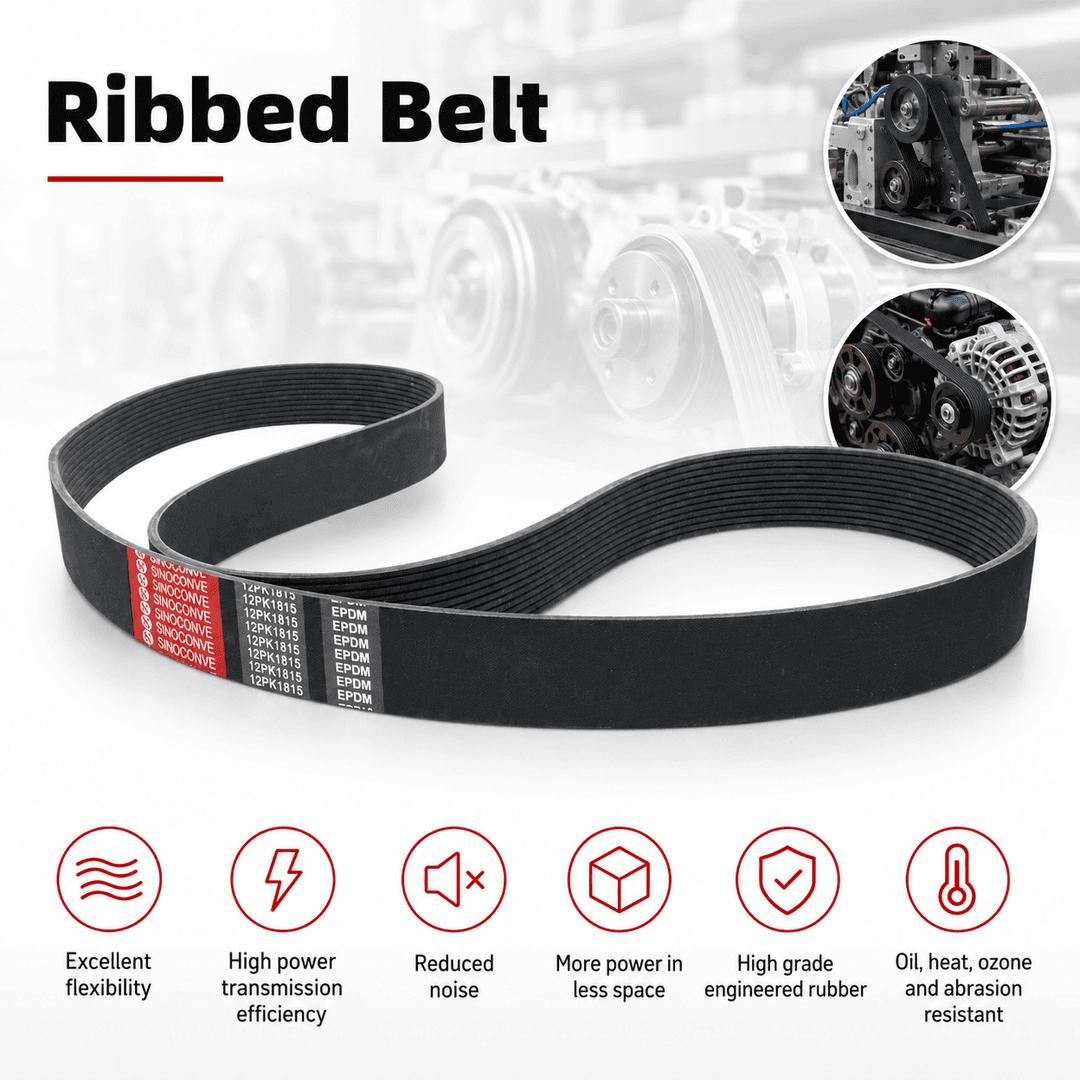
An OEM conveyor belt manufacturer should do more than produce belts by size. For industrial buyers, OEM work includes cover compound selection, carcass structure, surface design, branding, packaging, and application matching. This guide explains how to evaluate an OEM rubber conveyor belt supplier, what information buyers should send before quotation, and how SINOCONVE supports customized conveyor belt production for industrial applications.

Concrete Conveyor Belts for Industrial Site Handling

Concrete Conveyor Belts for Industrial Site Handling

1.Concrete Conveyor Belts should be selected by material type, conveyor angle, surface pattern, and cleaning conditions. 2.Chevron belts may help with inclined aggregate handling, but they are not always the right choice for wet concrete. 3.Buyers should provide belt size, material condition, pulley layout, loading point photos, and old belt failure marks before requesting a quotation.

Conveyor Belt Cleaner for Carryback Control

Conveyor Belt Cleaner for Carryback Control

A conveyor belt cleaner helps control carryback before residue damages return rollers, pulleys, belt covers, and maintenance areas. This article explains how a dual blade cleaner works, why polyurethane blade pressure and mounting position matter, and where cleaners are useful in mining, cement, agriculture, recycling, and manufacturing lines. It also covers common cleaner problems, selection checks, quotation information, and maintenance points for buyers comparing belt cleaning options.

PVC Conveyor Belt: Solving Material Handling Issues

PVC Conveyor Belt: Solving Material Handling Issues

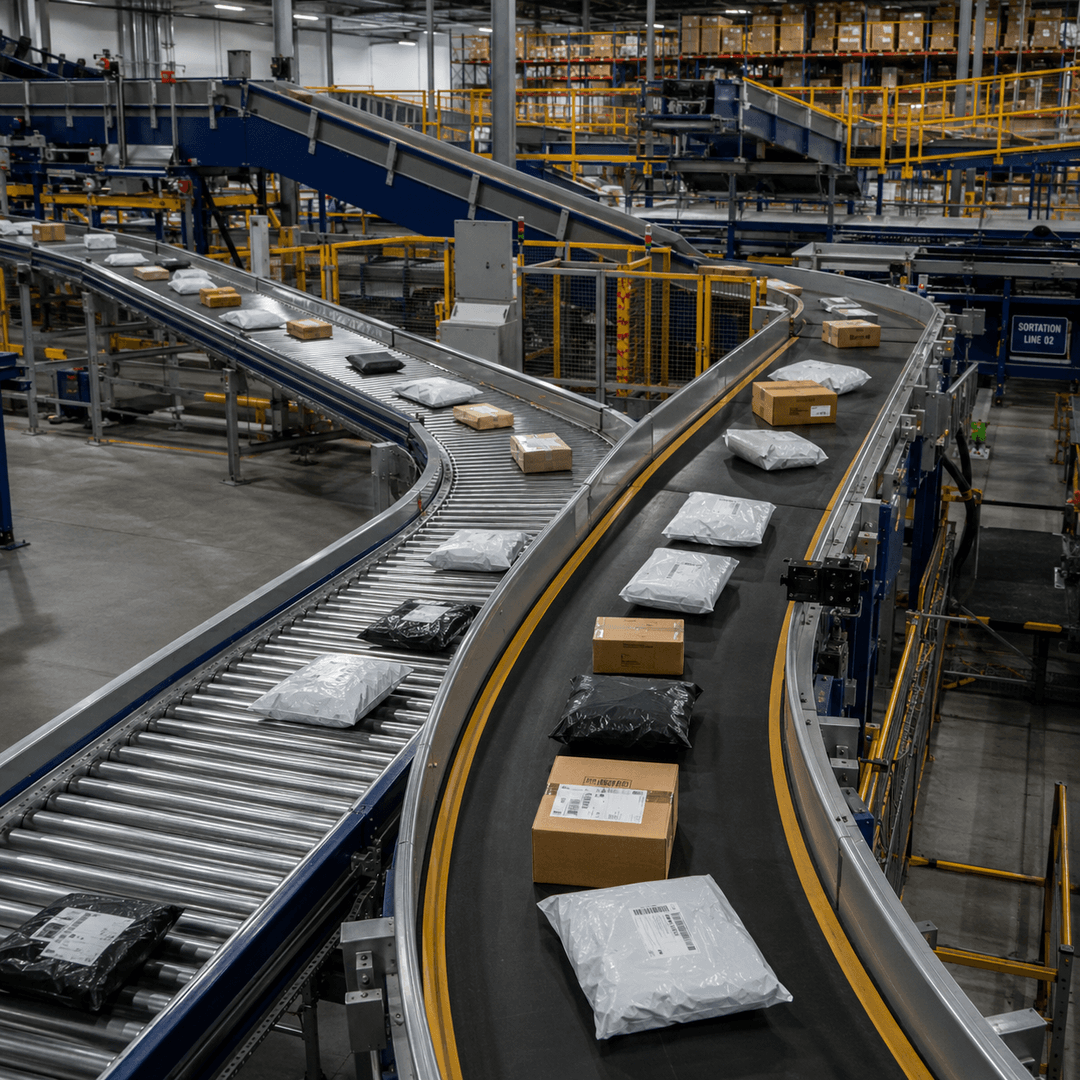
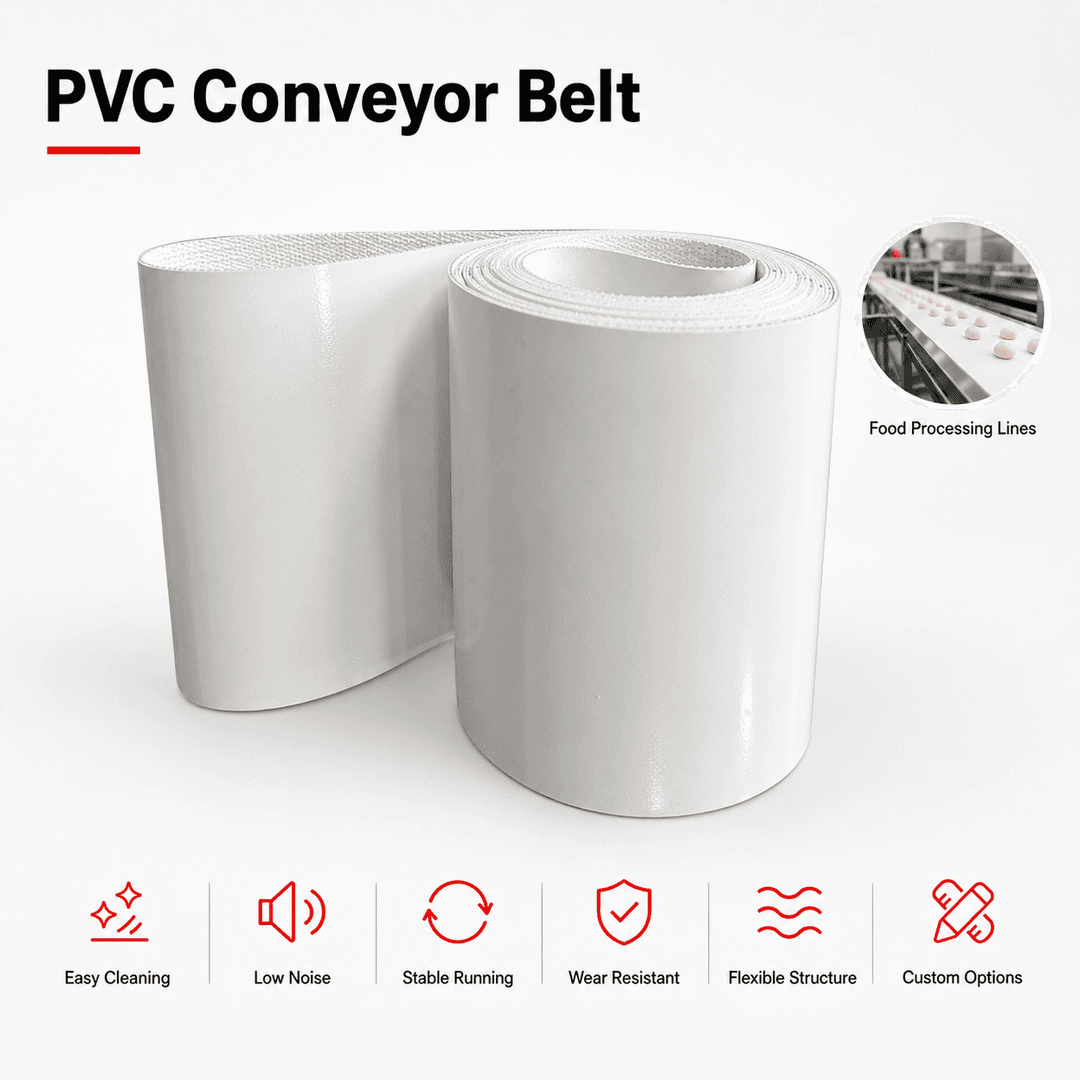
A pvc conveyor belt should not be selected only by color, thickness, or price. The real choice depends on product contact, surface grip, pulley layout, cleaning method, incline angle, and failure marks on the old belt. This article explains where PVC belts work well, when a Customized PVC conveyor belt is needed, and what buyers should confirm before ordering belts for packaging, logistics, food handling, and light manufacturing lines.

Agricultural Conveyor Belt for Farm Handling Lines

Agricultural Conveyor Belt for Farm Handling Lines

An agricultural conveyor belt should be selected by crop type, machine position, belt surface, pulley layout, moisture, residue, incline angle, and cleaning routine. This guide explains where a farm conveyor belt is used, how surface texture affects crop movement, why early failures happen in field conditions, and what buyers should send before ordering. It also includes application tables, surface selection guidance, failure checks, and quotation information.

Read More
Conveyor Belt Jointing Methods Guide

Conveyor Belt Jointing Methods Guide

Conveyor belt jointing methods should be chosen by belt construction, working tension, pulley diameter, cleaner system, material load, environment, and available downtime. This guide compares mechanical fasteners, cold bonding, hot vulcanizing, and finger or stepped splicing. It also explains why conveyor belt joints fail early, how rubber conveyor belt jointing methods differ, and what buyers should confirm before selecting a repair method or conveyor belt fastener.

Read More
OEM Conveyor Belt Manufacturer Guide for Buyers

OEM Conveyor Belt Manufacturer Guide for Buyers

An OEM conveyor belt manufacturer should do more than produce belts by size. For industrial buyers, OEM work includes cover compound selection, carcass structure, surface design, branding, packaging, and application matching. This guide explains how to evaluate an OEM rubber conveyor belt supplier, what information buyers should send before quotation, and how SINOCONVE supports customized conveyor belt production for industrial applications.

Read More
Concrete Conveyor Belts for Industrial Site Handling

Concrete Conveyor Belts for Industrial Site Handling

1.Concrete Conveyor Belts should be selected by material type, conveyor angle, surface pattern, and cleaning conditions. 2.Chevron belts may help with inclined aggregate handling, but they are not always the right choice for wet concrete. 3.Buyers should provide belt size, material condition, pulley layout, loading point photos, and old belt failure marks before requesting a quotation.

Read More
Conveyor Belt Cleaner for Carryback Control

Conveyor Belt Cleaner for Carryback Control

A conveyor belt cleaner helps control carryback before residue damages return rollers, pulleys, belt covers, and maintenance areas. This article explains how a dual blade cleaner works, why polyurethane blade pressure and mounting position matter, and where cleaners are useful in mining, cement, agriculture, recycling, and manufacturing lines. It also covers common cleaner problems, selection checks, quotation information, and maintenance points for buyers comparing belt cleaning options.

Read More
PVC Conveyor Belt: Solving Material Handling Issues

PVC Conveyor Belt: Solving Material Handling Issues

A pvc conveyor belt should not be selected only by color, thickness, or price. The real choice depends on product contact, surface grip, pulley layout, cleaning method, incline angle, and failure marks on the old belt. This article explains where PVC belts work well, when a Customized PVC conveyor belt is needed, and what buyers should confirm before ordering belts for packaging, logistics, food handling, and light manufacturing lines.

Read More

Explore more

We are committed to providing you with better products and services. Welcome to browse more content for details