

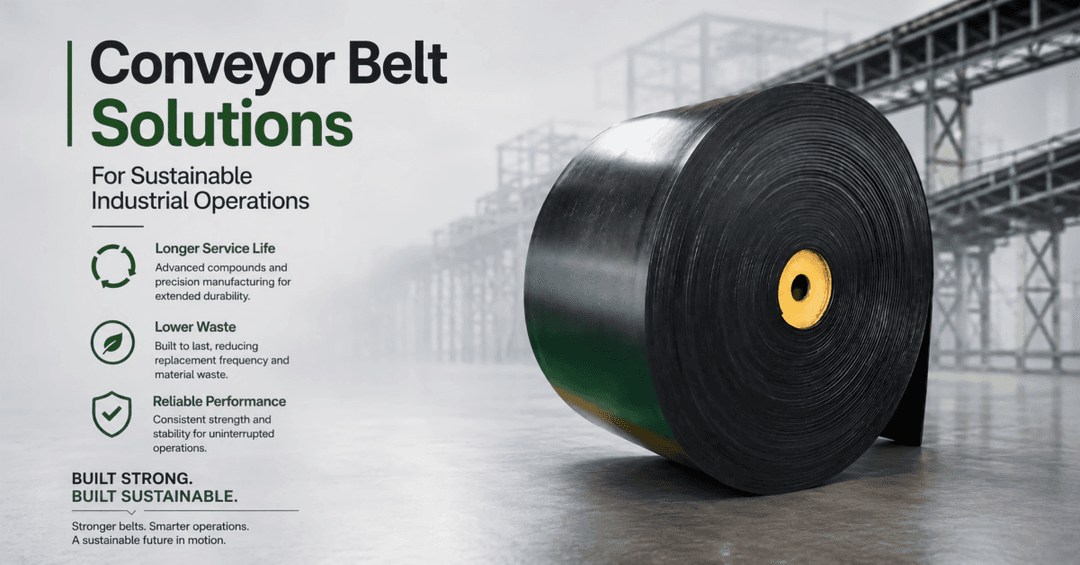
Conveyor Belt Solutions for Sustainable Industrial Operations
This article explains how conveyor belt solutions support sustainable industrial operations through longer service life, better belt selection, reliable rollers, efficient power transmission belts, and planned maintenance. It also shows what buyers should check before choosing belts and related components for harsh working conditions.
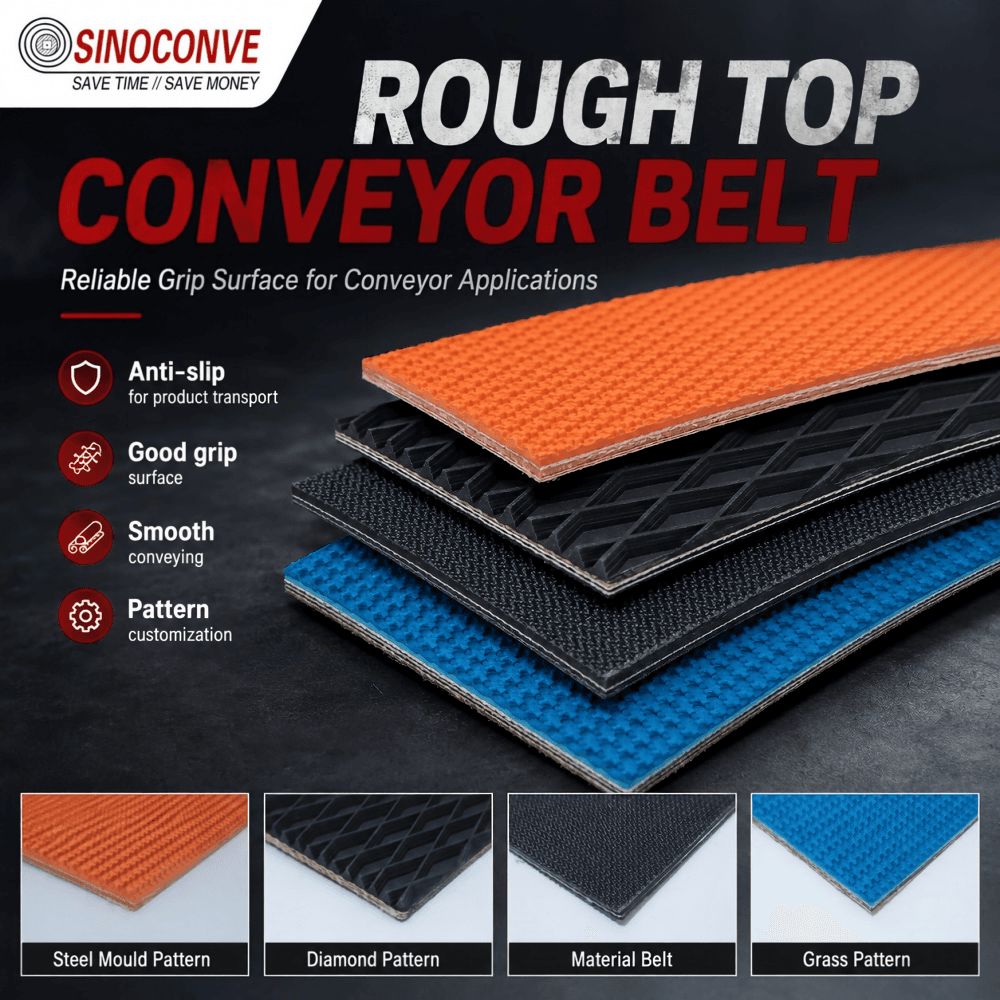
Rough Top Conveyor Belt Guide for Packaging and Light Duty Lines
1. Why a rough top conveyor belt still matters in modern handling lines 2. What the textured surface is trying to solve 3. Where buyers typically use this belt 4. What to look at before specifying a belt 5. Pattern customization is useful, but it should be tied to the process 6. Quick buyer checklist 7. What this belt is best for 8. FAQ 9. Next step
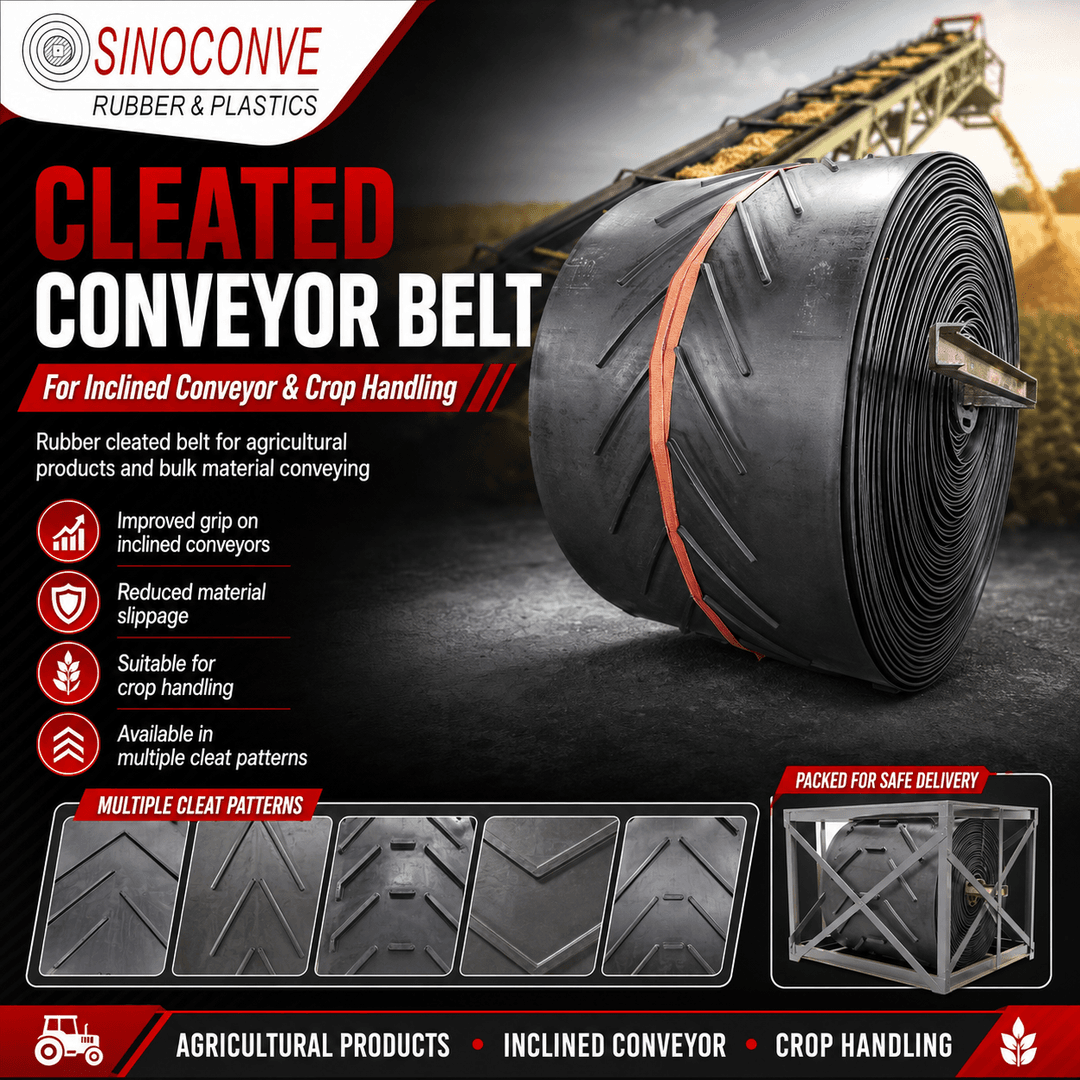
Cleated Conveyor Belt Guide for Inclined Crop Handling
1. Why a cleated conveyor belt changes the handling equation 2. Where cleated belts outperform flat belts 3. Common cleat patterns and what they suggest 4. What to look for when comparing options 5. Practical cautions buyers should not ignore 6. When this belt style makes the most sense 7. Buyer takeaway 8. FAQ 9. Next step
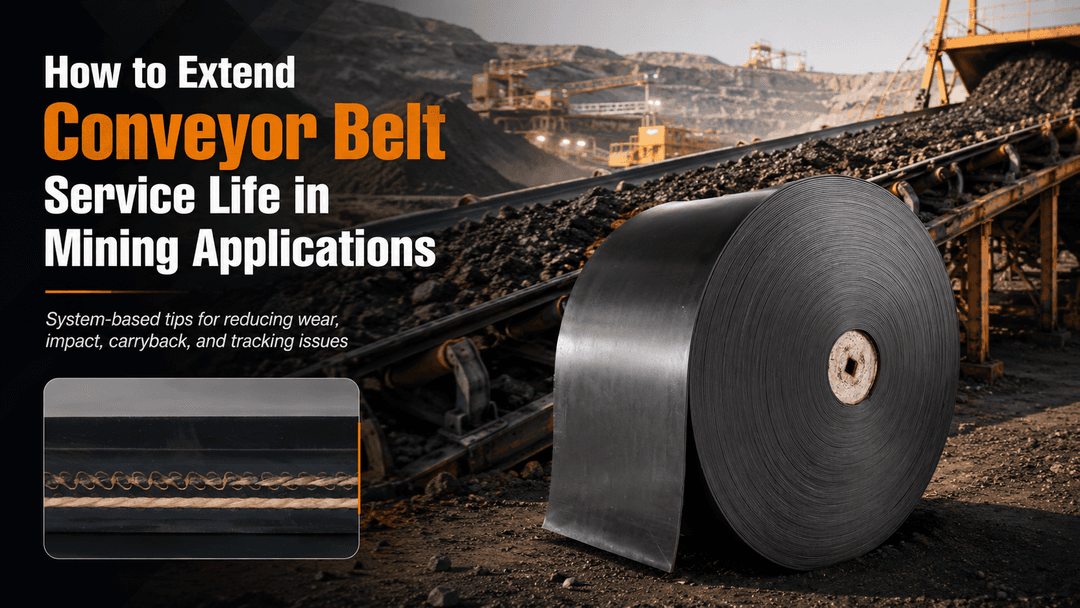
How to Extend Conveyor Belt Service Life in Mining Applications
This report explains how mining operators can extend conveyor belt service life by controlling loading impact, carryback, tracking, splicing, pulley condition, and maintenance routines. It also outlines practical inspection points, failure patterns, and buyer information needed before ordering replacement belts.
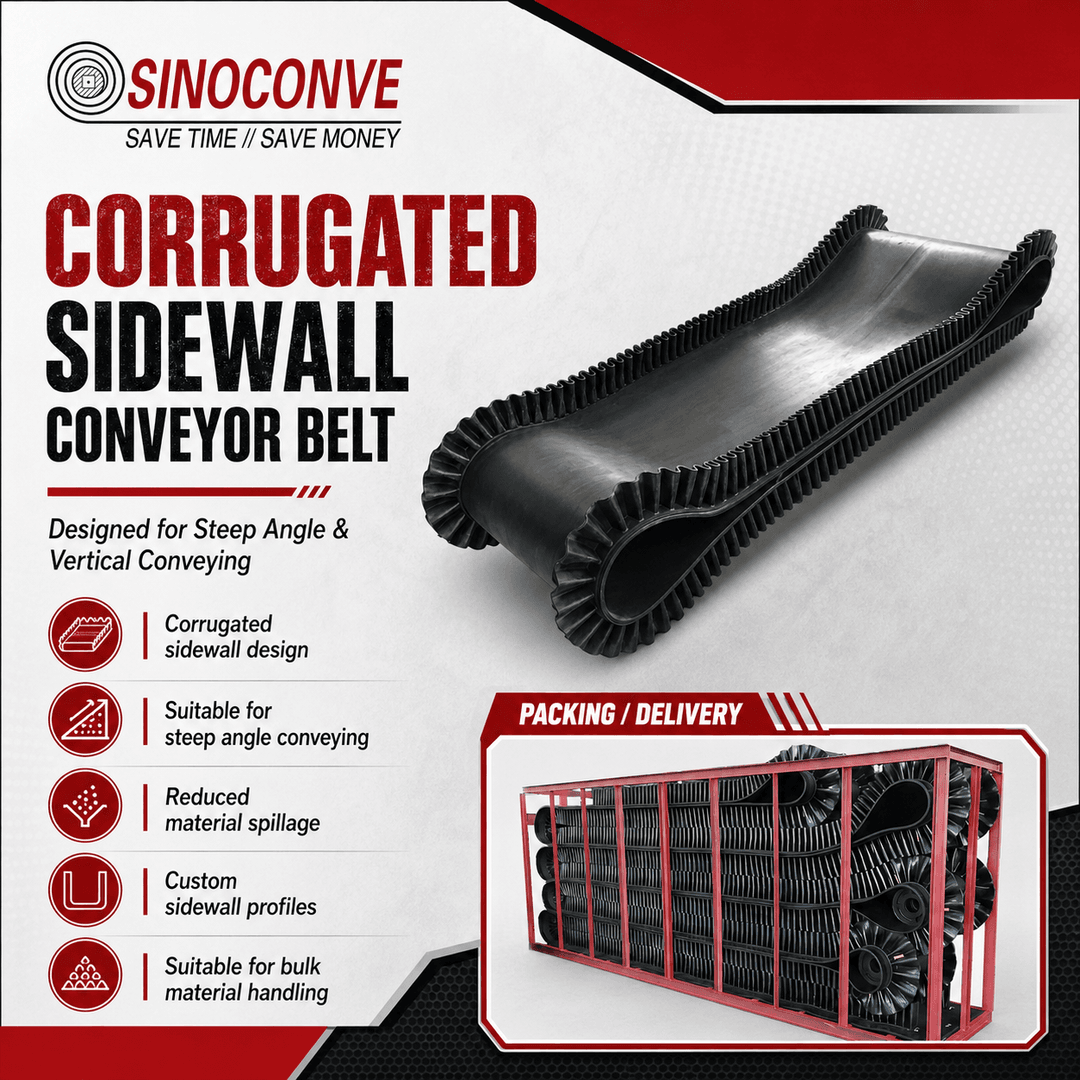
Corrugated Sidewall Conveyor Belt for Steep Conveying
1. Why corrugated sidewall conveyor belts matter in steep conveying 2. What the belt is designed to do 3. How this belt differs from a standard conveyor belt 4. Selection points that matter in practice 5. Common mistakes buyers make 6. Buyer-facing checklist before you specify a sidewall belt 7. What this product helps you decide 8. FAQ
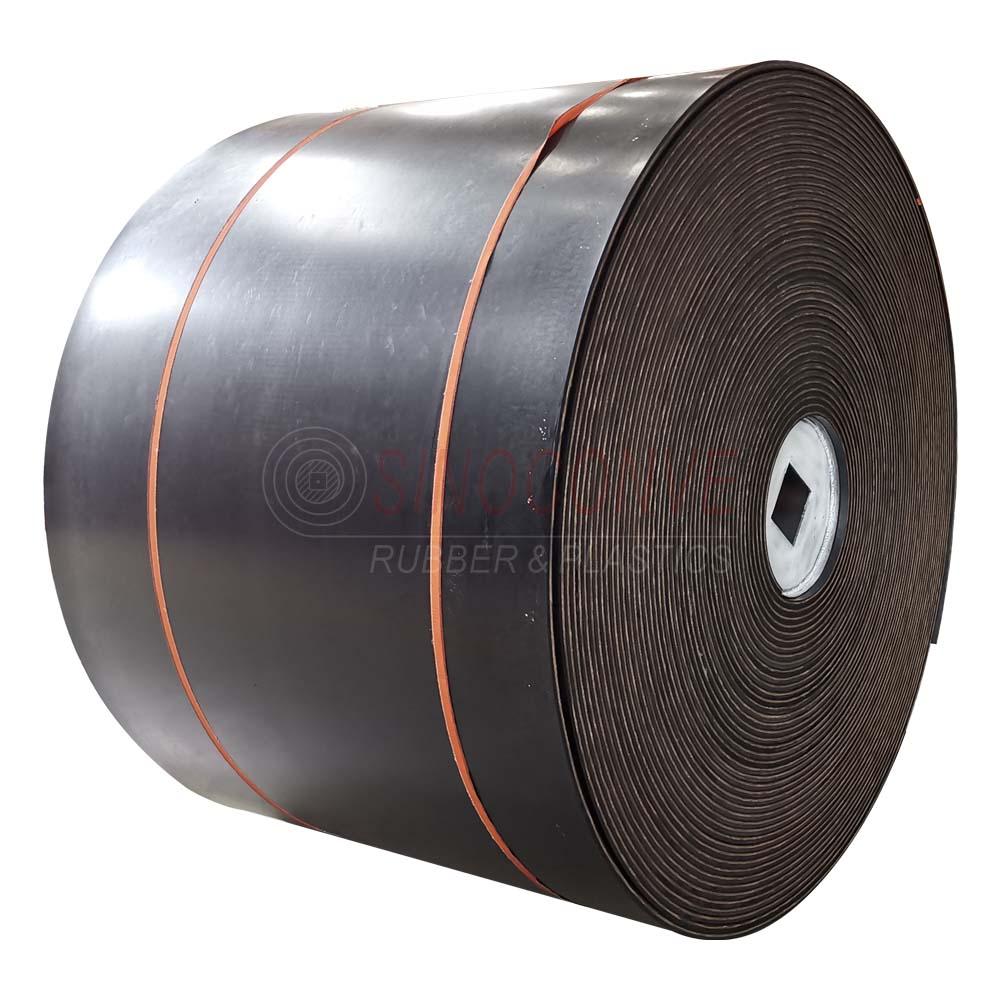
High Temperature Conveyor Belt: What Buyers Should Check
A high temperature conveyor belt should be selected by material temperature, exposure time, cover compound, carcass adhesion, splice method, and conveyor layout. This article explains what buyers should check before ordering heat resistant rubber belts for steel plants and hot material conveying lines.
Explore more
We are committed to providing you with better products and services. Welcome to browse more content for details