

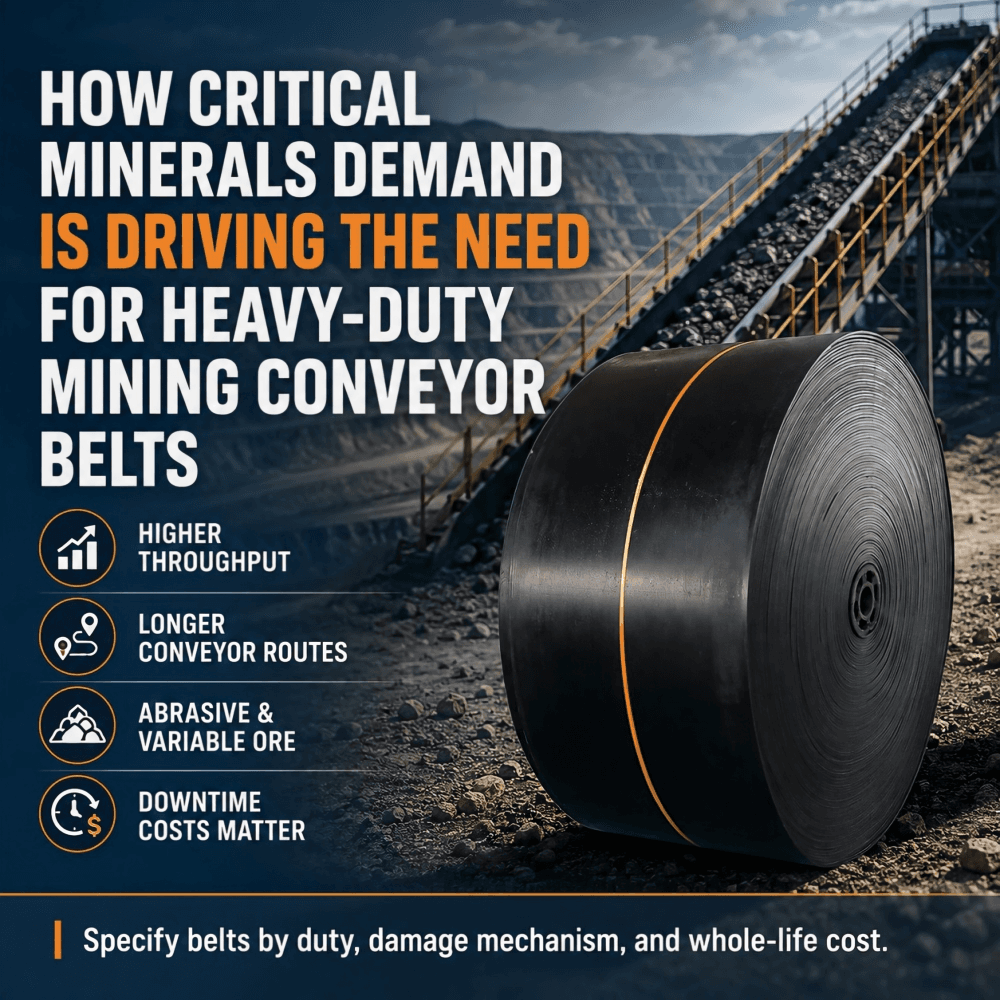
How Critical Minerals Demand Is Driving the Need for Heavy-Duty Mining Conveyor Belts
Critical minerals demand is increasing pressure on mine output, conveyor capacity, and uptime. This article explains how buyers should assess belt construction, abrasion and impact resistance, loading zones, splices, monitoring, and whole-life cost when specifying heavy-duty mining conveyor belts.
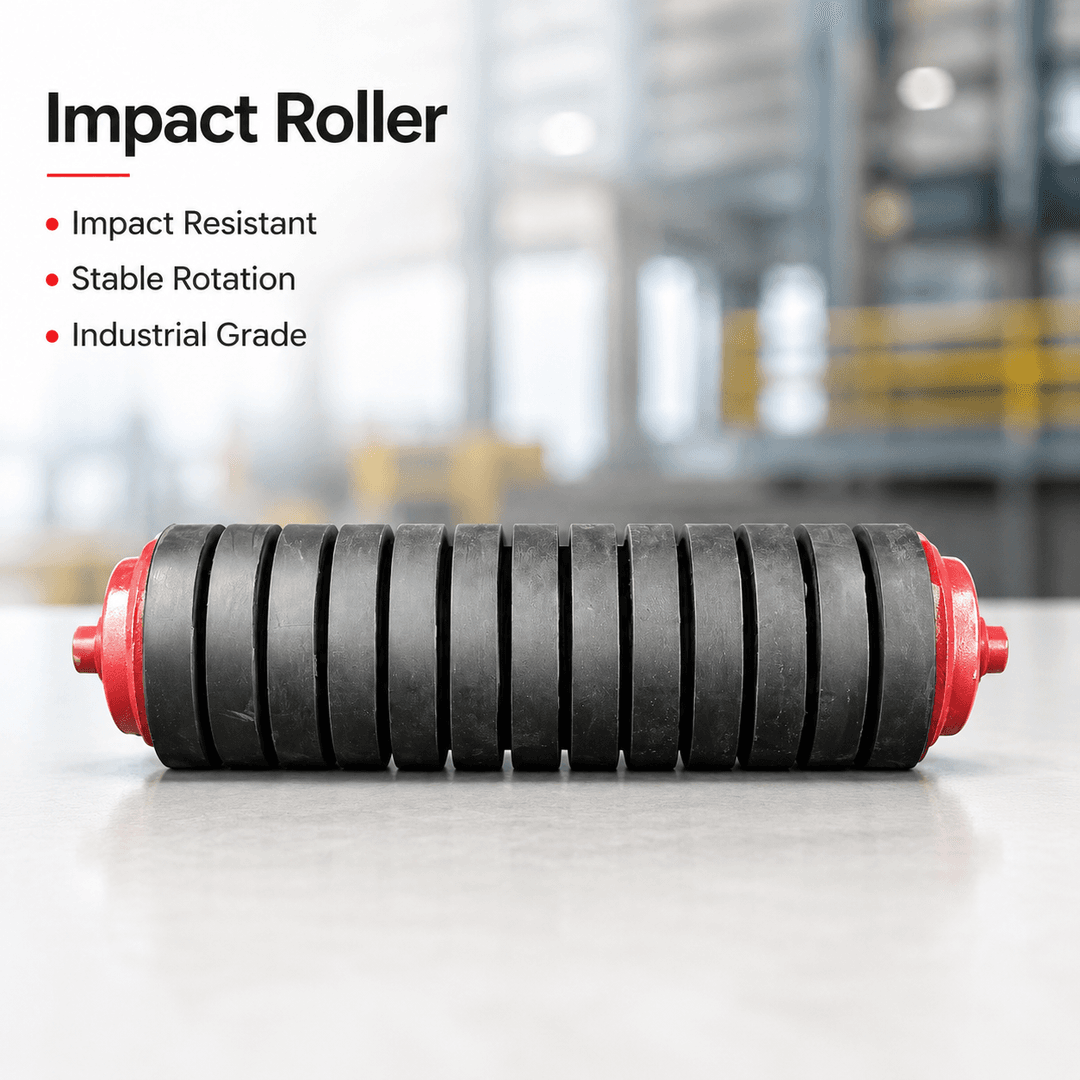
Self-Aligning Roller: Choosing the Right Conveyor Solution
1. What a self-aligning roller is really solving 2. Quick take: when this component belongs in the design 3. How the segmented impact design helps 4. Selection criteria that matter more than the brochure wording 5. Common mistakes buyers make 6. Buyer-facing guidance for conveyor maintenance planning 7. What to ask before you place the order 8. Next step
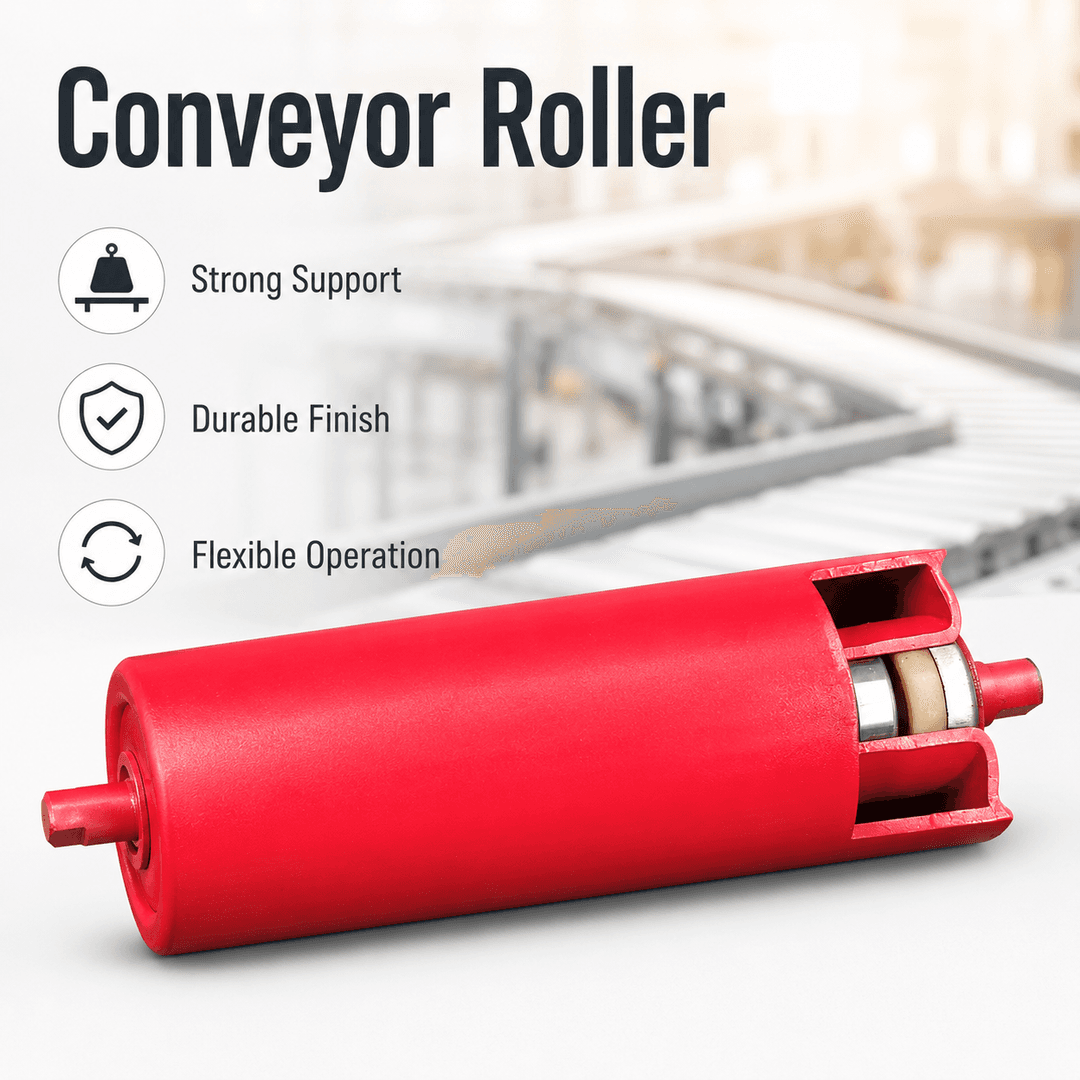
Conveyor Idler Roller Guide: How to Choose the Right One
A conveyor idler roller should be selected by its installed position, dimensions, load, speed, shaft ends, bearings, seals, runout, and operating environment. This guide explains carrying, return, impact, rubber-disc, and self-aligning idlers, along with failure signs and RFQ requirements.
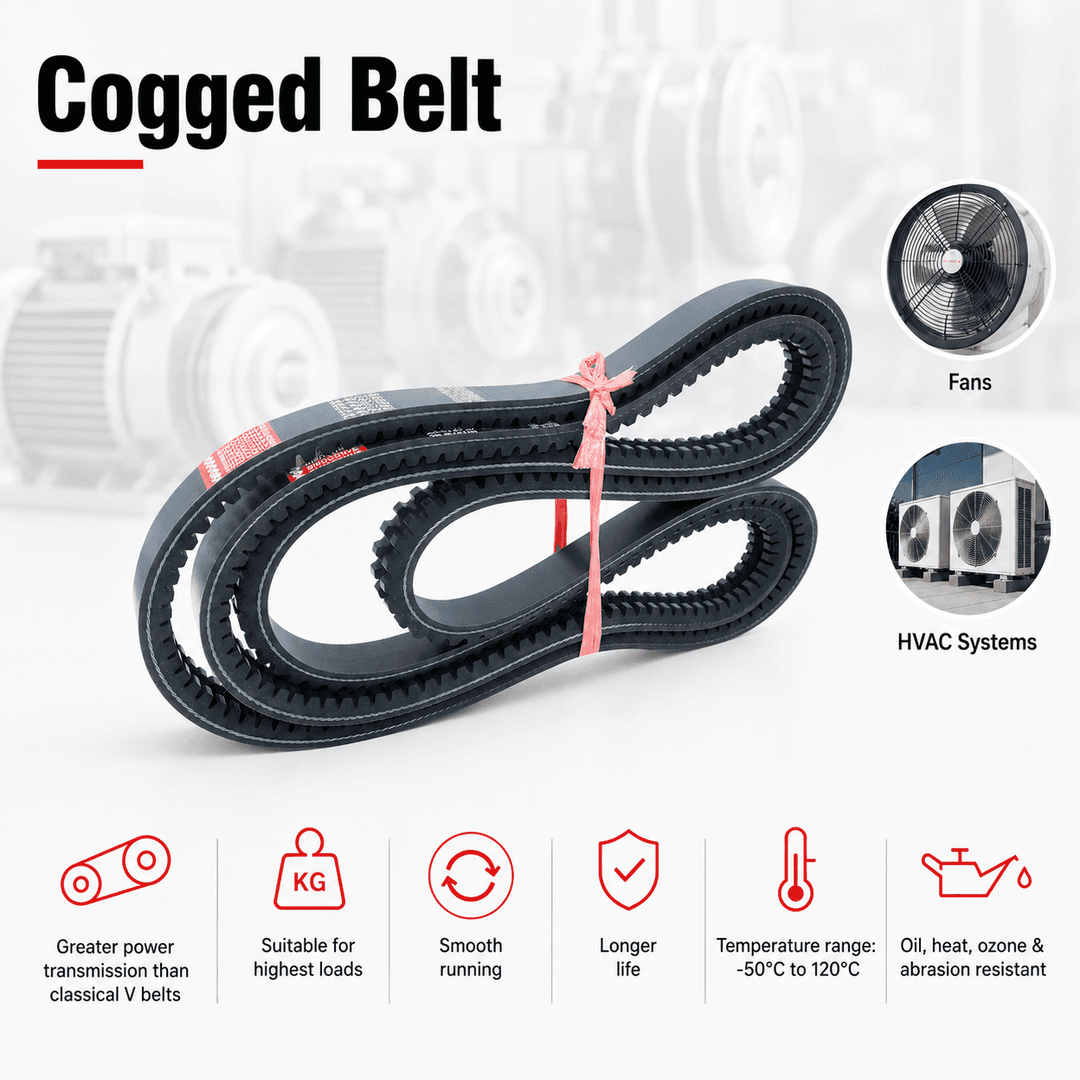
Raw Edge Cogged V Belt: When to Choose It for Industrial Drives
1. Why raw edge cogged V belts keep showing up in industrial drive systems 2. What the belt is designed to do 3. Quick comparison: where cogged belts fit best 4. Typical applications and what they tell you 5. Selection criteria engineers should not skip 6. Common mistakes in belt sourcing 7. Buyer advice for sourcing teams 8. A useful next step
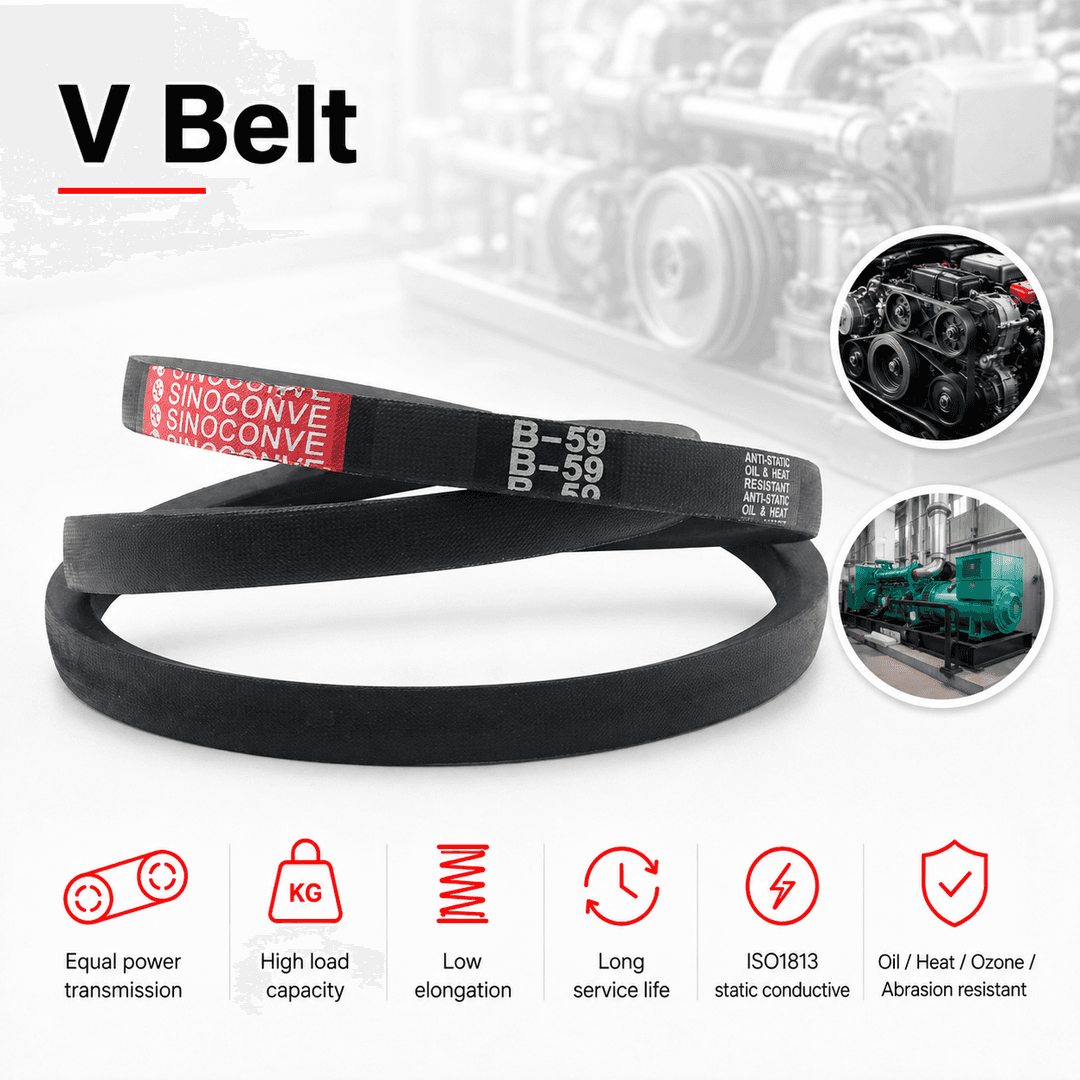
Wrapped V Belt: What Buyers Should Know for Industrial Drives
1. Why a wrapped V belt still matters in modern power transmission 2. What the product is designed to do 3. Key performance points buyers usually care about 4. Where wrapped V belts fit best 5. How to compare belt options without overcomplicating it 6. Common buyer mistakes 7. Practical procurement advice 8. A simple next step for buyers
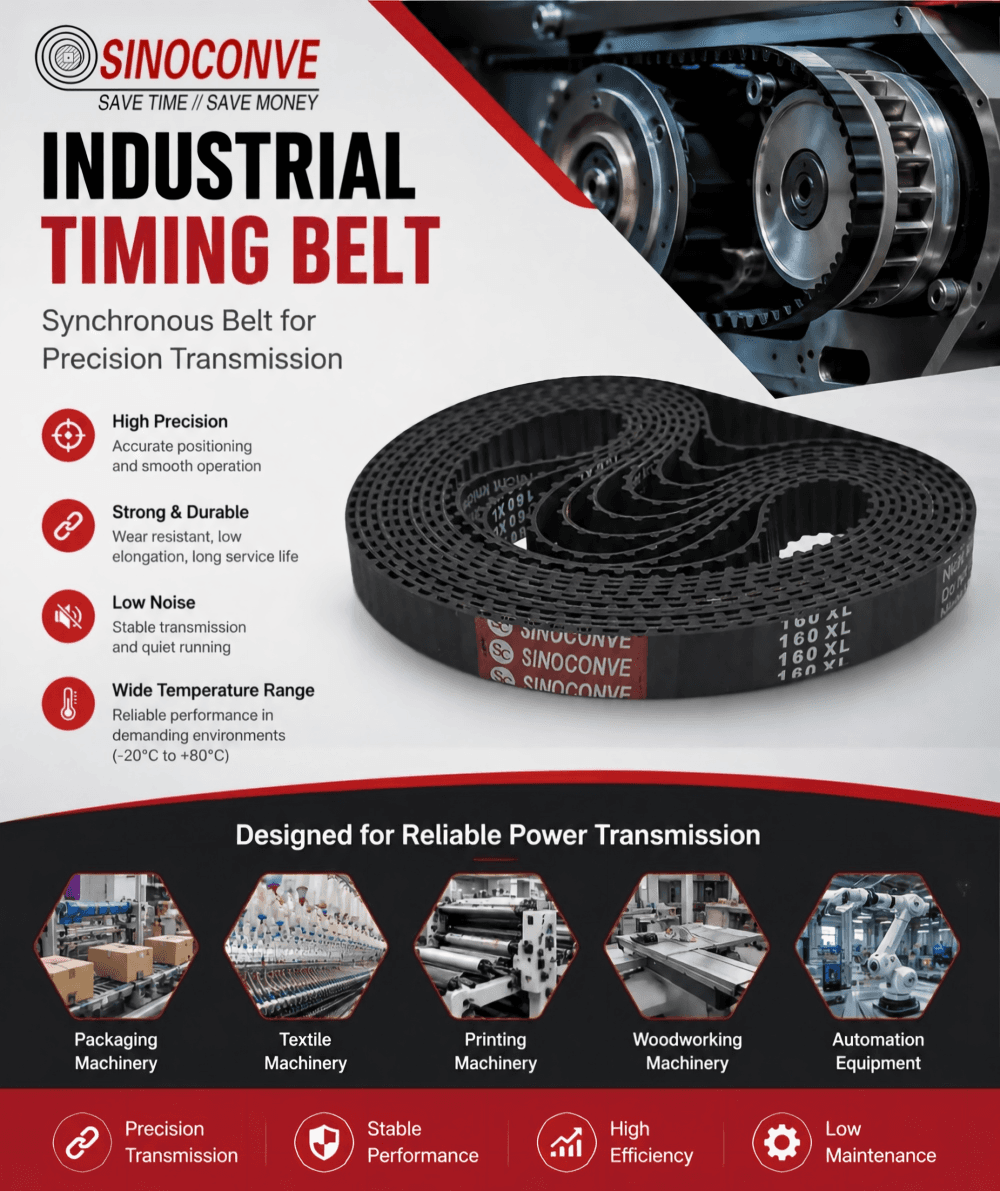
Industrial Timing Belt: Precision Drive for Machinery
An industrial timing belt should be selected by tooth profile, pitch, length, width, pulley geometry, tension, and operating duty. This article explains synchronous belt construction, machinery applications, installation checks, failure signs, and the information buyers should provide before ordering standard or customized belts.
Explore more
We are committed to providing you with better products and services. Welcome to browse more content for details