
Textile Conveyor Belt: How to Choose the Right Belt for Factory Use
On a textile floor, belt problems often look smaller than they are. A yarn package rolls into a guide. A fabric edge starts to curl. Lint gathers around one roller until the belt begins to walk sideways. The machine still runs, so nobody calls it a failure at first. Then operators begin adjusting the line every shift, and the belt becomes the part everyone complains about.
That is why a textile conveyor belt should not be selected like a simple spare roll. The same belt that works for folded cartons may be wrong for loose fabric. The same smooth surface that protects printed cloth may be too slippery for bobbins or small trims. In a textile plant, the best belt is usually the one that matches the product behavior, the conveyor geometry, and the cleaning routine at the same time.
This article focuses on factory use: textile machinery, fabric processing, yarn handling, inspection tables, packing lines, and general light-duty transfer inside textile plants. It is written for buyers and maintenance teams who need fewer complaints after installation, not just a belt that looks correct in a catalog.
What Textile Conveyor Belt Means in Real Purchasing
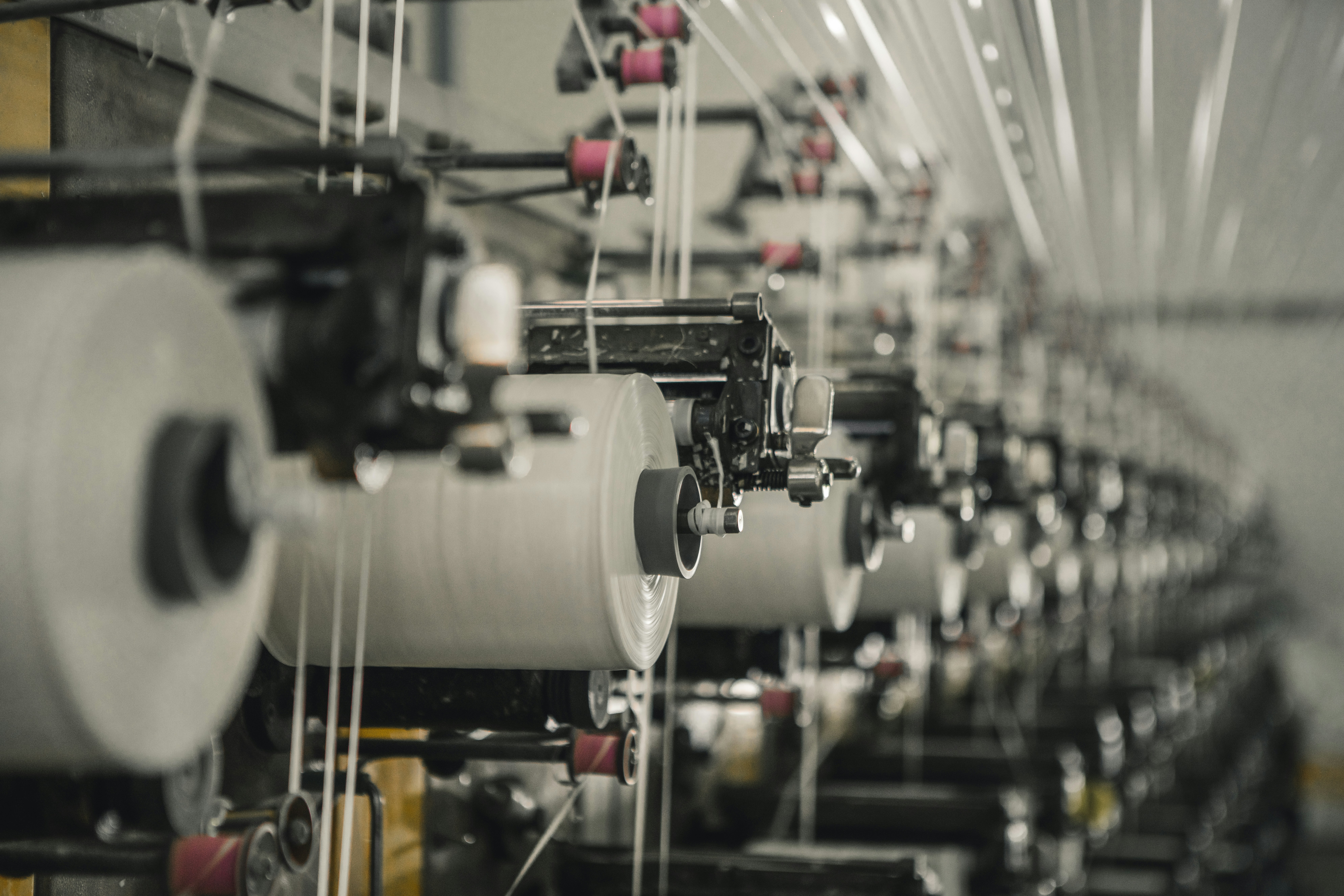
The phrase textile conveyor belt is used in two ways. Sometimes it refers to belts used directly in textile production, such as yarn manufacturing, nonwoven handling, fabric inspection, textile printing, or cutting lines. In other cases, buyers use the same phrase for a light industrial belt installed somewhere inside a textile factory, such as packing, accumulation, or finished-goods transfer.
The distinction is worth keeping. Fabric inspection needs a surface that supports cloth without snagging or leaving visible marks. Yarn packages need controlled movement so spools do not drift into guides. Packing conveyors usually care more about wear resistance, quiet running, and simple replacement. These jobs may happen in the same factory, but they do not ask the belt to behave the same way.
|
Factory use |
What the belt must do |
Risk if mismatched |
|
Yarn handling |
Move spools, cones, or bobbins without drift |
Product rolling, uneven flow, guide wear |
|
Fabric inspection |
Support soft material with low marking risk |
Snags, visible marks, edge disturbance |
|
Nonwoven handling |
Keep light sheets stable and flat |
Wrinkling, tracking drift, edge contact |
|
Printing or coating support |
Maintain clean and even movement |
Poor release, residue, process disturbance |
|
Packing and finished goods |
Move cartons or folded products reliably |
Early wear or unstable transfer |
Start With Product Behavior, Not Belt Appearance
A smooth black belt, green belt, or white belt may look familiar, but color tells very little. It does not confirm coating type, friction level, bottom fabric, reinforcement, splice method, or antistatic behavior. Two belts that look almost identical in a photo may behave differently once the machine starts and stops all day.
Loose fabric normally needs smooth support and low snag risk. Small trims may need more grip so they do not shift before the next process. Yarn cones or spools may need side control. Finished cartons may require a tougher surface than the fabric production area needs. The belt should be chosen for the product first, then checked against the conveyor frame, pulley diameter, speed, and tension method.
|
Product handled |
Useful belt behavior |
Buyer check |
|
Loose fabric or panels |
Smooth support and low snag risk |
Surface finish, splice quality, width stability |
|
Yarn cones or bobbins |
Controlled movement with enough friction |
Surface grip, side guide need, start-stop duty |
|
Nonwoven sheets |
Stable edge movement |
Tracking method, static concerns, surface cleanliness |
|
Cartons or packed goods |
Wear resistance and reliable movement |
Bottom side, pulley size, belt tension |
|
Printed or coated material |
Clean release and stable speed |
Surface material, cleaning method, chemical exposure |
Construction Details Buyers Should Check
A textile conveyor belt may be thin and flexible, but its construction still decides service life. The top surface touches the product. The carcass controls stretch and flexing. The bottom side affects pulley contact, drive noise, and tracking. The splice can become the weak point if it is not matched to the pulley size or product sensitivity.
PVC, polyurethane, polyolefin, polyester, and rubber-based belts can all appear in light industrial or textile-related conveying. The material name alone is not enough. The supplier should be able to explain why one surface is suitable for the product, how the belt should be spliced, and whether the underside matches the drive pulley.
|
Feature |
Why it matters |
What to ask |
|
Top surface |
Controls grip, marking, release, and lint pickup |
Smooth, matte, textured, high-grip, antistatic? |
|
Carcass |
Affects stretch, flex fatigue, and tracking |
Fabric type, ply structure, tension rating |
|
Bottom side |
Influences drive contact and noise |
Suitable for pulley surface and drive method? |
|
Edge finish |
Can affect fraying and contamination |
Cut edge, sealed edge, guided edge? |
|
Splice |
May click, mark product, or fail early |
Splice type and minimum pulley diameter |
When a General Light-Duty Belt Is Not Enough
Some textile plant conveyors run well with a general light-duty conveyor belt. Others need a more specific product. The difference often appears after installation rather than during quoting. Repeated short cycles expose weak tracking. Lint around rollers changes belt movement. A raised joint may disturb fabric flow. A surface that is easy to wipe may still be too slippery for small packages.
Replacement work should begin with the old failure. If the current belt has edge damage, polishing, fabric marks, or frequent tension adjustments, copying the old size may only copy the problem. A better inquiry describes the symptom first and the dimensions second.
Textile Conveyor Belt vs Rubber, PVC, and PU Options
Buyers often use belt names loosely. A rubber conveyor belt can be useful where stronger grip or tougher handling is needed, but it may be too heavy or too aggressive for delicate fabric. A PVC belt is common in light handling and packing, but it still needs the correct surface and bottom side. A PU belt may help where clean release or softer product contact is required. None of these names alone is enough for final selection.
|
Belt option |
Good fit |
Caution |
|
Textile conveyor belt / processing belt |
Fabric, yarn, nonwoven, printing, inspection |
Must match surface and machine geometry |
|
PVC conveyor belt |
Light-duty transfer, packing, general clean handling |
Not automatically suitable for every textile process |
|
Rubber conveyor belt |
Tougher handling, stronger grip, packed goods |
May mark or disturb delicate fabric |
|
PU conveyor belt |
Clean release, gentle handling, some hygiene-sensitive zones |
Check temperature and chemical compatibility |
|
Modular belt |
Drainage, positive drive, easy section replacement |
May not provide smooth support for soft fabric |
Failure Signs That Should Change the Specification
A belt failure report is often more useful than a catalog page. Edge fraying, surface glazing, splice clicking, product drift, and frequent retensioning all point to different causes. If the supplier only quotes the same size without asking about these symptoms, the recommendation may be too shallow.
|
Symptom |
Likely cause to check |
Next action |
|
Belt runs to one side |
Pulley alignment, uneven tension, lint buildup |
Inspect rollers and guides before changing belt type |
|
Fabric snags or marks |
Surface too rough, raised joint, edge damage |
Review surface finish and splice quality |
|
Product slips or drifts |
Surface too smooth, low wrap angle, speed changes |
Check grip, incline, and acceleration pattern |
|
Early edge fraying |
Frame rubbing, wrong guide, unstable tracking |
Check conveyor frame and edge treatment |
|
Noise or vibration |
Pulley wear, bottom side mismatch, tension issue |
Review drive contact and tension method |
|
Frequent replacement |
Wrong belt family or poor application match |
Build new specification from working condition |
Buyer Checklist Before Sending an Inquiry
A useful inquiry does not need to be long, but it should describe the line clearly. This saves time for both the buyer and the supplier, especially when the belt is used inside textile machinery or on a line where product marking is unacceptable.
|
Information to send |
Why it matters |
|
Belt width, length, thickness |
Confirms replacement size |
|
Old belt photos: top, bottom, edge, splice |
Shows surface type and failure marks |
|
Machine position and function |
Clarifies fabric, yarn, inspection, packing, or transfer duty |
|
Product carried |
Helps choose grip, surface finish, and marking resistance |
|
Pulley diameter and layout |
Prevents flexing or splice problems |
|
Environment |
Lint, oil, heat, static, cleaning method |
|
Current complaint |
Points to the real issue, not just belt size |
|
Quantity and packing needs |
Useful for stock orders and export packing |
Common Buying Mistakes
The first mistake is buying by appearance. Two black belts may not have the same surface, carcass, or bottom fabric. The second is buying by thickness alone. A thicker belt may be less flexible and less suitable for small pulleys. The third is copying the old belt without asking why it failed.
There is also an over-specification problem. Some textile conveyors do not need an expensive special belt. They need a clean surface, stable tracking, and consistent cutting or splicing. The right belt is the one that fits the product, the conveyor, and the maintenance routine.
Maintenance Notes for Textile Machinery Lines
Maintenance teams should watch the belt path, not only the belt surface. Lint buildup around rollers can slowly pull the belt off track. A guide touching the belt edge too often can create fraying. A dirty pulley can change grip. Solvents, oil, or cleaning residue can also change how the surface behaves.
For fabric or soft goods, the splice deserves attention. If operators hear a click every rotation or see product jump slightly at the joint, the splice may be unsuitable for the process or pulley size.
|
Inspection point |
What to look for |
Why it matters |
|
Top surface |
Glazing, scratches, sticky residue, fabric marks |
Affects product handling and appearance |
|
Edges |
Fraying, rubbing marks, uneven wear |
Shows tracking or guide problems |
|
Splice |
Raised joint, cracking, clicking |
May affect delicate textile flow |
|
Rollers and pulleys |
Lint buildup, contamination, seized rollers |
Can damage belt and cause mistracking |
|
Tension |
Too tight, too loose, frequent adjustment |
Influences tracking, noise, and bearing load |
FAQ
Is a textile conveyor belt only used in textile factories?
No. It is mainly used in textile machinery, fabric processing, yarn handling, and light-duty plant conveyors. Similar belts may also appear in packaging and warehouse transfer lines.
Can I choose a textile conveyor belt by color and size?
No. Color and size are only starting points. Surface finish, carcass, splice method, pulley layout, and product contact should also be confirmed.
When is a smooth belt better than a high-grip belt?
A smooth belt is often better when the product is soft, wide, delicate, or easy to mark. A high-grip surface can help unstable items, but it may also snag or disturb fabric.
What causes edge fraying on textile plant conveyors?
Common causes include mistracking, frame contact, guide pressure, uneven tension, lint buildup, or an edge finish that does not suit the line.
What should buyers send for a quotation?
Send belt dimensions, old belt photos, product type, machine position, pulley layout, current failure symptoms, quantity, and packing requirements.
Final Note for Buyers
A textile conveyor belt should be selected from the process outward. Start with the product and how it behaves on the line. Then check surface finish, carcass, splice, pulley diameter, tracking method, and maintenance access. Price and delivery still matter, but they should come after the working condition is clear. That order prevents many of the complaints that appear only after installation.