
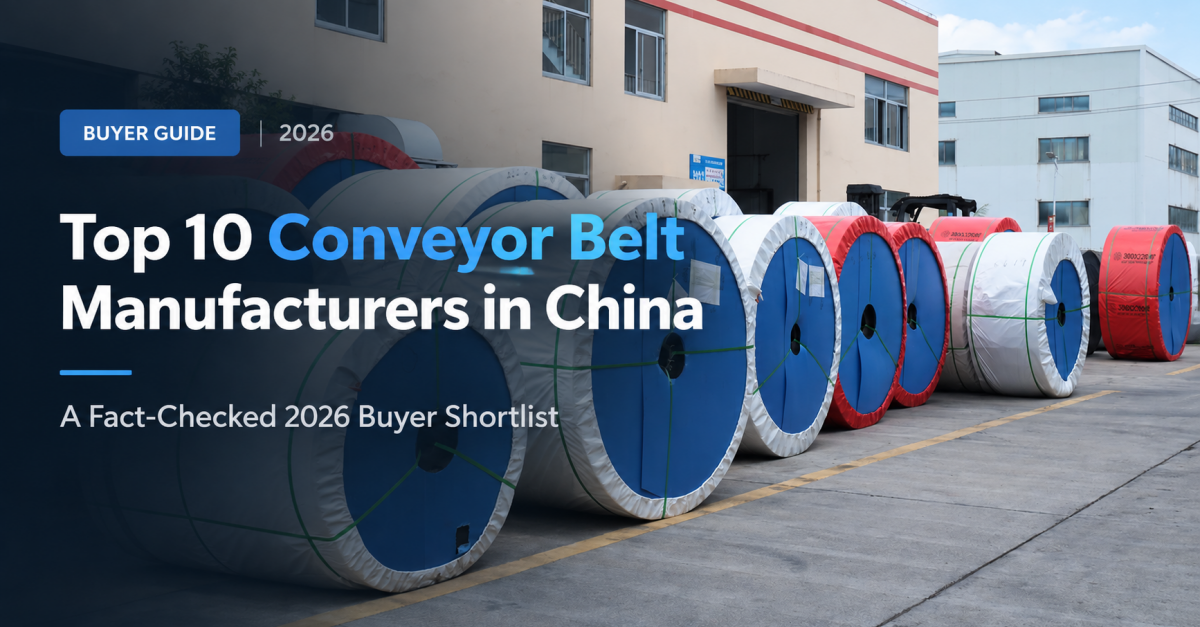
Top 10 Conveyor Belt Manufacturers in China: A Fact-Checked 2026 Buyer Shortlist
Short answer: there is no single authoritative ranking of China's conveyor belt factories. Production scale, steel cord capability, underground approvals, order flexibility and export support measure different things. For a defensible 2026 shortlist, buyers should compare manufacturers by verified production evidence, product fit and procurement risk—not by whichever supplier appears first in another company's “Top 10” blog.
This guide covers ten China-based manufacturers worth screening for heavy-duty rubber conveyor belt projects. Nine were selected using company filings, government records, the China Rubber Industry Association, parent-company disclosures and official manufacturer materials. SINOCONVE is included as the publisher of this page, with its claims clearly identified as company-published information.
Important: this is a procurement shortlist, not a quality league table. Inclusion does not replace a factory audit, certificate check, sample test or project-specific technical review. The numbered order is for navigation only.

01How We Selected These Chinese Conveyor Belt Manufacturers
We applied four minimum requirements before adding a company to the shortlist:
- Manufacturing evidence: a China-based production entity supported by an official filing, government record, parent-company disclosure, association record or sufficiently detailed factory source.
- Relevant product scope: industrial rubber conveyor belts such as fabric-ply, steel cord, solid-woven, pipe, sidewall, heat-resistant or flame-resistant belts.
- Evaluable before contact: enough public product and company information for a buyer to decide whether the factory belongs in an RFQ.
- Distinct buyer fit: a credible reason to call the company—scale, specialist construction, underground products, international process systems, custom-order flexibility or service capability.
We did not use competing suppliers' ranking articles as evidence. We also excluded marketplace-only sellers and businesses for which we could not establish a manufacturing entity. The China Rubber Industry Association's 2022–2023 conveyor-belt list was used as one industry signal, not as a permanent or absolute quality ranking.
Scope: heavy-duty rubber belting
This article focuses on belts used in mining, coal, steel, cement, ports, power generation and bulk handling. Lightweight PVC, PU and modular belts for food, parcel and electronics lines form a different supplier market and should not be compared directly with steel cord or multi-ply rubber belt plants.
02Ten Manufacturers at a Glance
| Manufacturer | Base | Verified product focus | Best-fit buyer | Evidence signal |
|---|---|---|---|---|
| Zhejiang Double Arrow Rubber | Tongxiang, Zhejiang | Fabric, steel cord and special-purpose rubber belts | Large mining, port, steel and power projects | Listed-company filings + association |
| Sanwei Holding Group | Sanmen, Zhejiang | Rubber conveyor belts and power-transmission belts | Scale buyers and mixed rubber-belt programs | Listed-company filings + association |
| Wuxi Boton Industrial Conveying | Wuxi, Jiangsu | High-performance belts, pipe belts and digital monitoring | Long-distance systems and lifecycle service | Listed parent + association |
| Shandong ContiTech Engineered Rubber | Jining, Shandong | Steel cord, fabric, solid-woven and specialist belts | International mining and specification-led projects | Joint-venture factory disclosure + association |
| Qingdao Rubber Six | Qingdao, Shandong | High-strength, pipe, heat-resistant and mining belts | Coal, heavy industry and state-owned projects | Sinochem group disclosure |
| Anhui Zhongyi Rubber Belts | Huaibei, Anhui | Steel cord, fabric and solid-woven flame-resistant belts | Underground coal and high-strength applications | Government production-line record + association |
| Baoding Huayue Rubber Belts | Baoding, Hebei | Steel cord, fabric, pipe, sidewall and heat-resistant belts | Cement, steel, high-heat and custom constructions | Association + detailed factory source |
| Shandong Yihe Rubber Conveyor Belt | Zaozhuang, Shandong | Steel cord, fabric and PVC/PVG solid-woven belts | Coal mines and buyers prioritizing mining approvals | State-owned group source + association growth list |
| Ningshun Group | Nanjing, Jiangsu | Steel cord, fabric, solid-woven and aramid belts | Mining belts and carcass-material integration | Government records + association |
| SINOCONVE | Ningbo, Zhejiang | Fabric, steel cord and made-to-order rubber belts | Export buyers needing custom specifications and lower-volume flexibility | Company-published factory information |
How to use the table: shortlist by belt construction and application first. Then compare the exact manufacturing entity, certificate scope, comparable project history, test plan, production slot, splice support and commercial terms. Do not treat a company's published annual capacity as proof that your order will receive priority.
031. Zhejiang Double Arrow Rubber Co., Ltd.
Zhejiang Double Arrow is a Shenzhen-listed conveyor belt producer based in Tongxiang, Zhejiang. Its public filings identify rubber conveyor belts as the core business, while its official product range covers fabric-carcass, steel cord and multiple special-purpose constructions. The company also appears in the China Rubber Industry Association's 2022–2023 conveyor-belt group.
Best fit: large-volume mining, port, steel, cement and power projects where a listed manufacturing group, broad product range and high-capacity delivery platform matter.
Verify before purchase: which legal entity and plant will manufacture the order, the actual production slot, the offered cover compound, and whether published capacity figures refer to the group, a specific plant, design capacity or stable output.
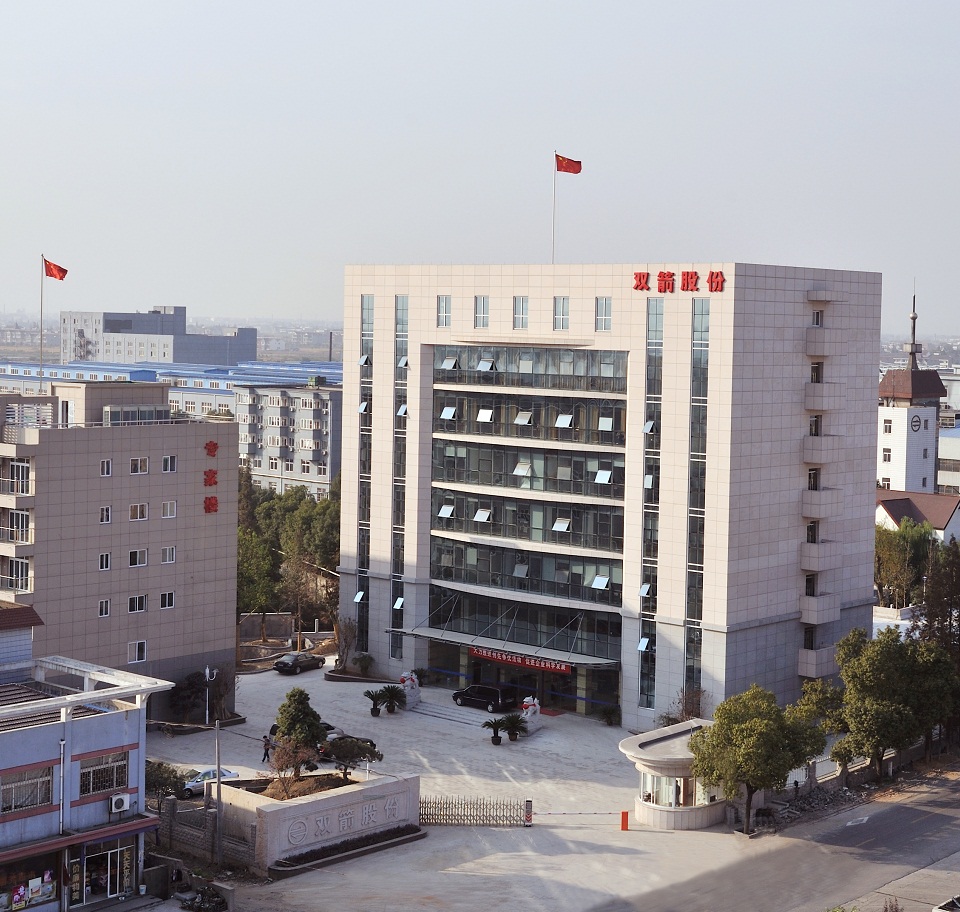
Evidence sources: Double Arrow official site; 2024 annual report summary.
042. Sanwei Holding Group Co., Ltd.
Sanwei Holding is a Shanghai-listed industrial group headquartered in Sanmen, Zhejiang. Its rubber business includes conveyor belts and power-transmission belts, and the company publishes fabric, steel cord and special-duty conveyor belt capability. Sanwei is also named in the association's 2022–2023 conveyor-belt group.
Best fit: buyers seeking a listed supplier with scale, a broad rubber-product base and the ability to support recurring industrial belt programs.
Verify before purchase: the precise conveyor-belt production base, available press width, current line loading and whether the quoted product is made by the contracting entity. Sanwei operates several other industrial businesses, so group size should not be confused with conveyor-belt capacity.
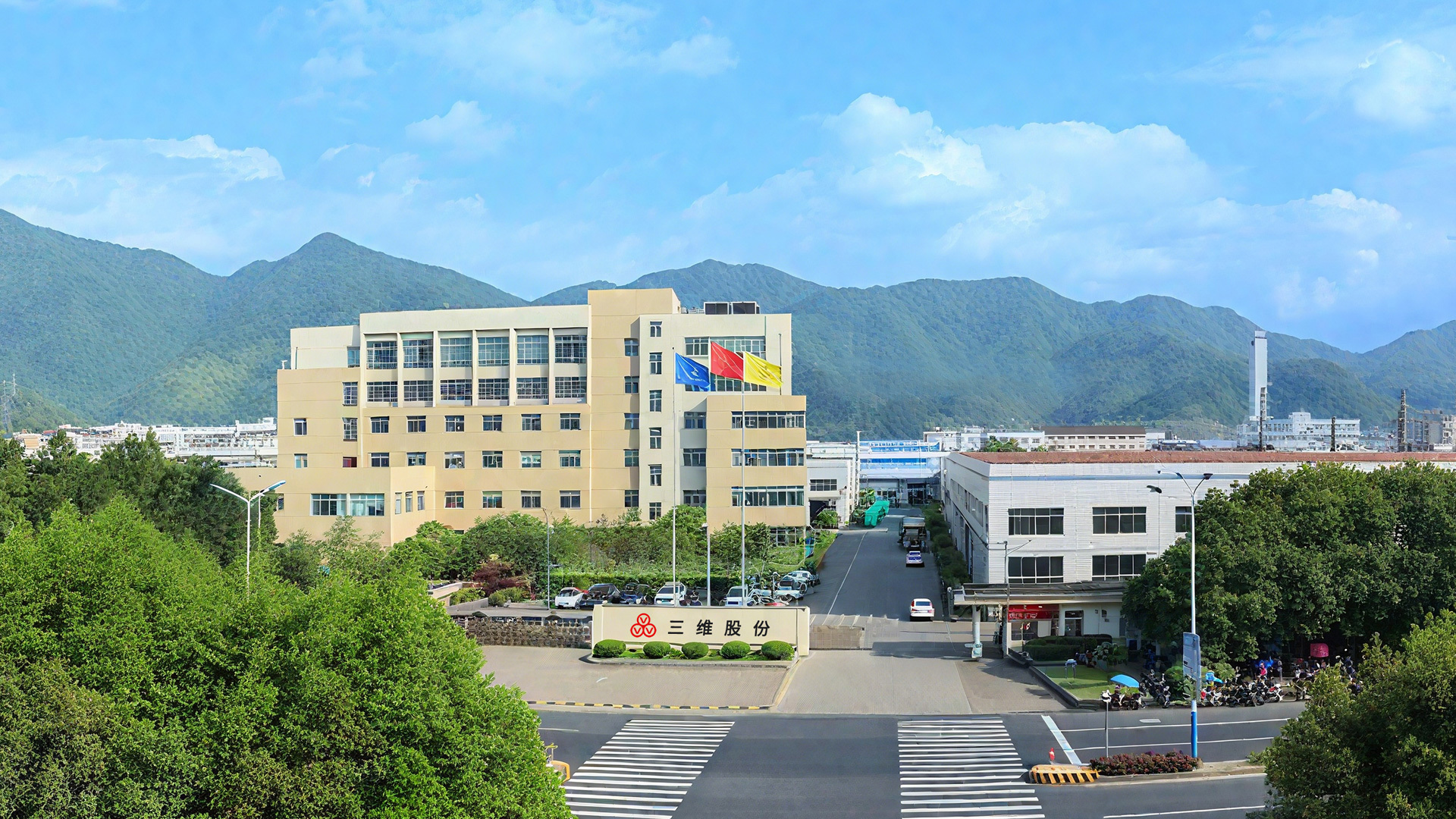
Evidence sources: Sanwei official company profile; 2024 annual report.
053. Wuxi Boton Industrial Conveying Co., Ltd.
Wuxi Boton Industrial Conveying is the manufacturing platform within listed Wuxi Boton Technology's industrial conveying business. Public materials describe high-performance conveyor belts, pipe belts, energy-saving designs and digital monitoring or lifecycle services. This makes BOTON relevant when the requirement is larger than the belt itself and includes condition monitoring, splice support or system reliability.
Best fit: long-distance mining, port and high-duty conveying projects; buyers that value energy performance, online monitoring and lifecycle service.
Verify before purchase: the legal entity responsible for manufacturing, sales and field service; whether group-level capacity includes multiple domestic or overseas bases; and which monitoring services are included in the belt quotation.
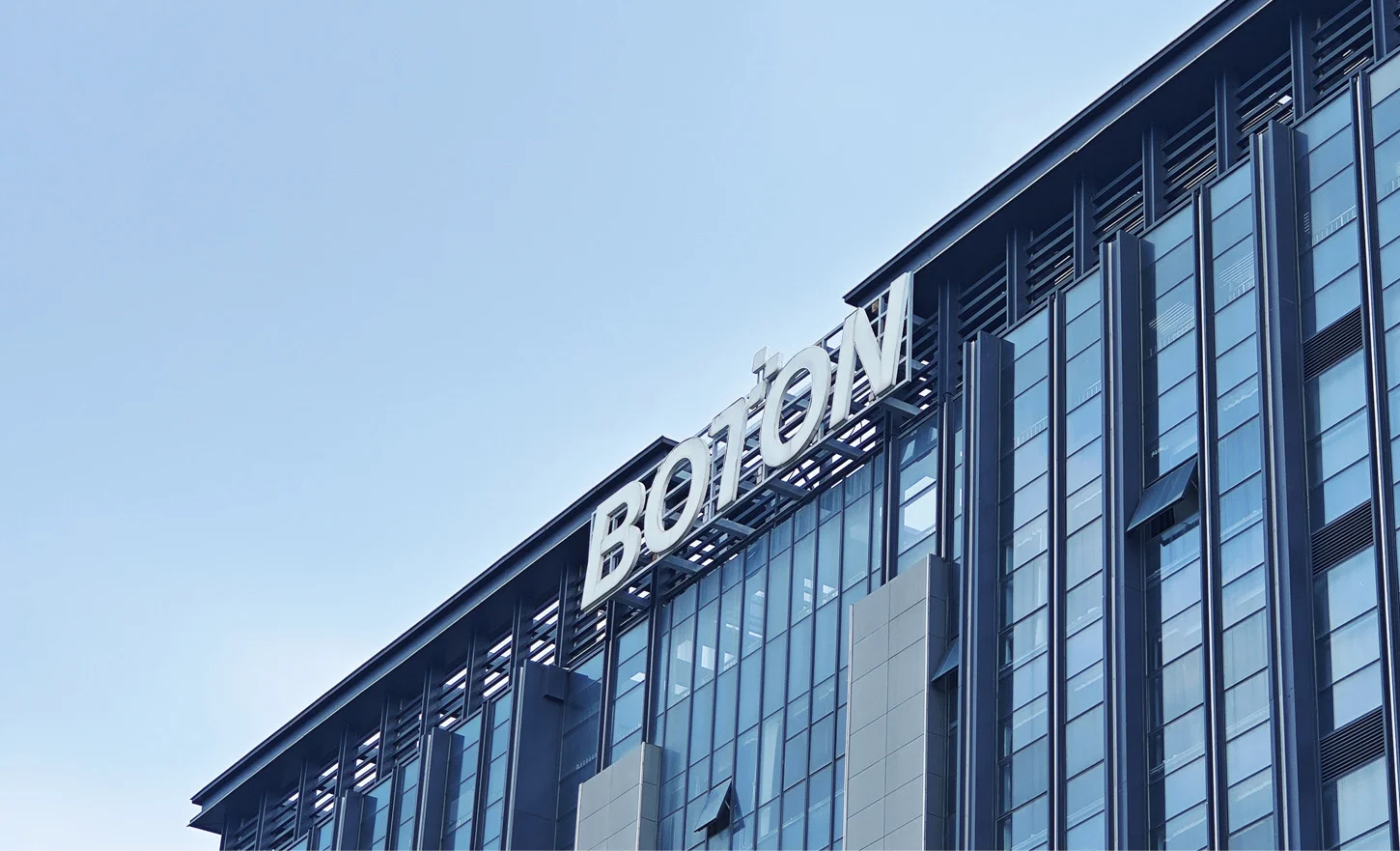
Evidence sources: BOTON official site; listed-company disclosure; China Rubber Industry Association notice.
064. Shandong ContiTech Engineered Rubber Products Co., Ltd.
Shandong ContiTech, located in the Hixih industrial area in Jining, describes itself as an engineered-rubber joint venture formed by Hixih Group and Continental. Its official factory profile lists a German Siempelkamp 3.45 × 18.5 metre press, an automated mixing centre and testing capability. The published product scope includes steel cord, fabric-ply and solid-woven conveyor belts.
Best fit: international mining groups, high-strength projects and specification-led buyers that value documented processing systems and engineering support.
Verify before purchase: current ownership, brand authorization, the exact plant making the order and whether the required Continental-related specification or warranty applies to that legal entity.
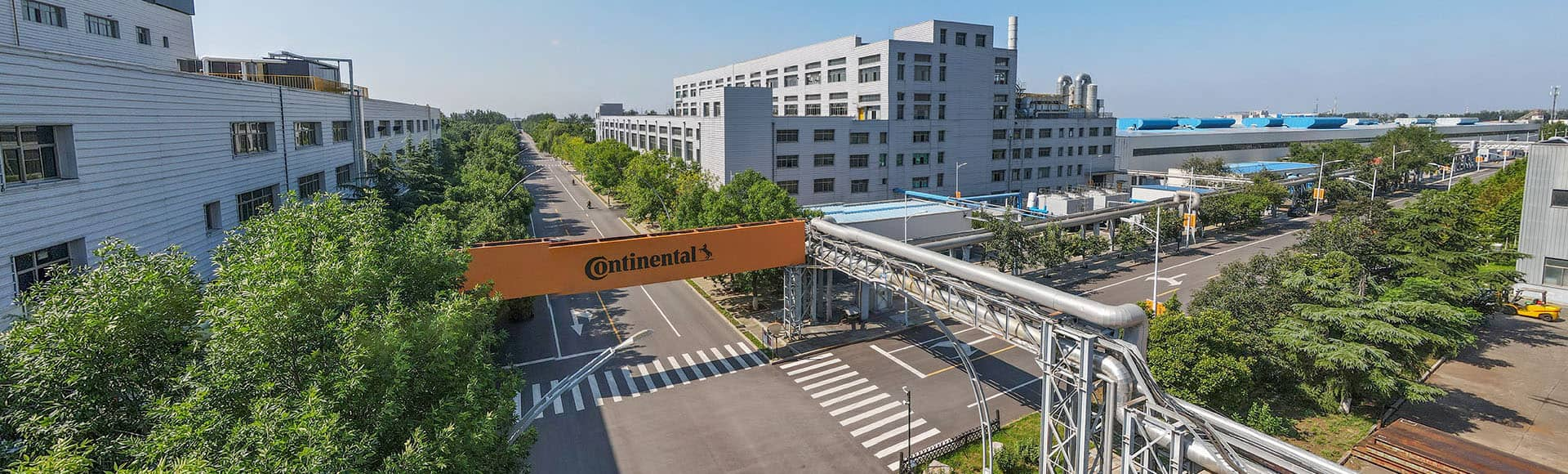
Evidence sources: Shandong ContiTech official company profile; official conveyor belt range; industry association notice.
075. Qingdao Rubber Six Conveyor Belt Co., Ltd.
Qingdao Rubber Six is an established high-strength conveyor belt manufacturer within the Sinochem group structure. Sinochem's own business page identifies the company as an important Chinese producer of high-strength rubber conveyor belts. Its product positioning includes steel cord, fabric, pipe, heat-resistant and mining-oriented belts.
Best fit: coal, steel, cement, port and state-owned industrial projects that value a long operating history, heavy-duty products and group-level governance.
Verify before purchase: current production capacity, recent references for the same duty, and the exact contracting entity. Several unrelated businesses use names resembling “Rubber Six,” so the company seal, bank account, factory address and trademark relationship must match.
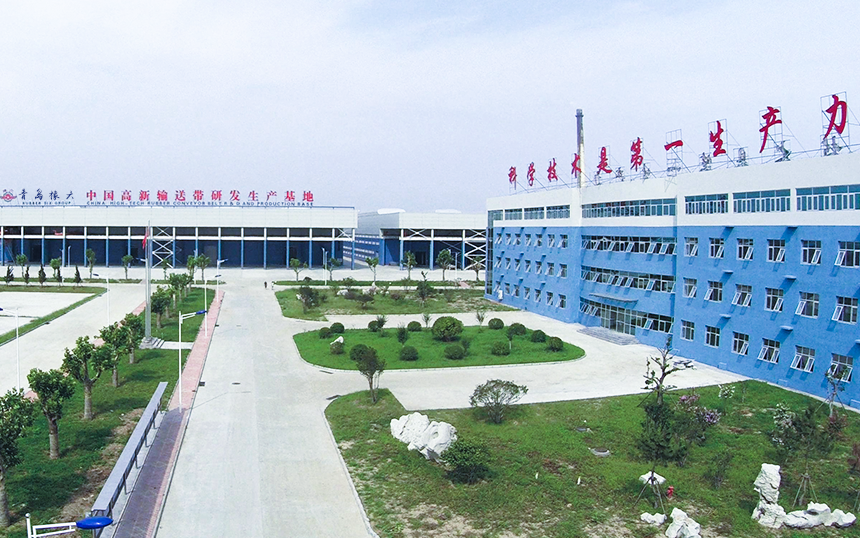
Evidence sources: Sinochem rubber-belt business page; Qingdao Rubber Six official site.
086. Anhui Zhongyi Rubber Belts Co., Ltd.
Anhui Zhongyi is a Huaibei-based manufacturer with unusually strong public evidence of physical production. A local government profile lists rubber multi-ply, steel cord and solid-woven flame-resistant production lines, while a 2025 environmental review describes ongoing equipment and process upgrades. That makes the company particularly relevant to buyers who need to establish that a supplier operates more than a sales office.
Best fit: underground coal, high-strength steel cord, tunnel and solid-woven flame-resistant applications.
Verify before purchase: the current mining-safety certificate for the exact belt model, the plant and line covered by the quotation, and the difference between company-wide capacity claims and project-specific government approvals.
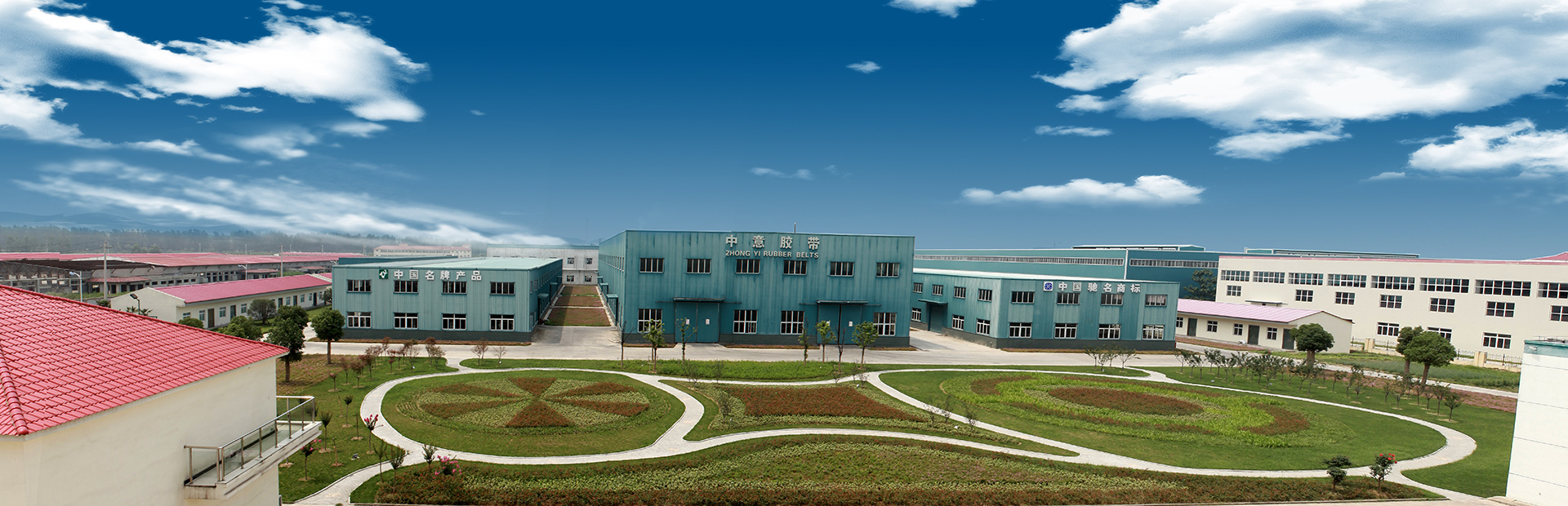
Evidence sources: Huaibei High-Tech Zone company profile; 2025 government environmental review; industry association notice.
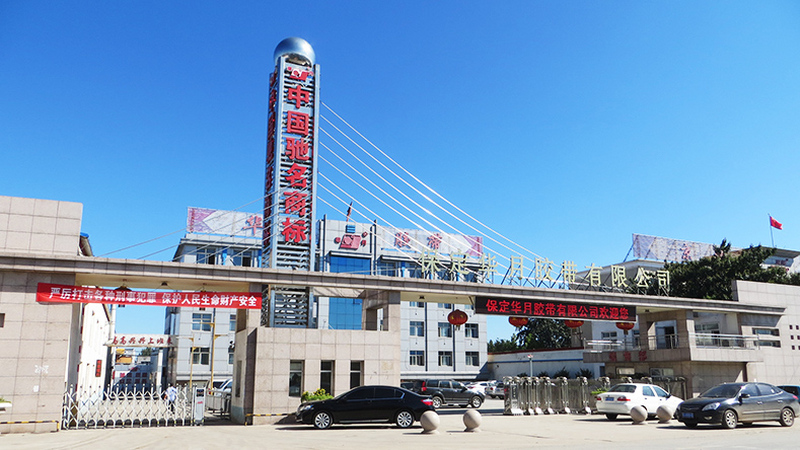
097. Baoding Huayue Rubber Belts Co., Ltd.
Baoding Huayue operates in Hebei's rubber-belt manufacturing cluster. Its official profile lists steel cord, fabric-ply, PVC/PVG solid-woven, pipe, corrugated sidewall, aramid and other specialist constructions. It also identifies heat and scorch resistance as technical development areas, and the company appears in the association's 2022–2023 conveyor-belt group.
Best fit: cement, steel and high-temperature applications; pipe or sidewall projects; buyers that need a wider menu of custom constructions.
Verify before purchase: the offered compound's test method and temperature duty, the press size needed for the quoted width, and product-specific mining approvals where applicable. Treat website capacity as a supplier statement until confirmed through an audit and production schedule.
Evidence sources: Huayue official company profile; official product range; industry association notice.
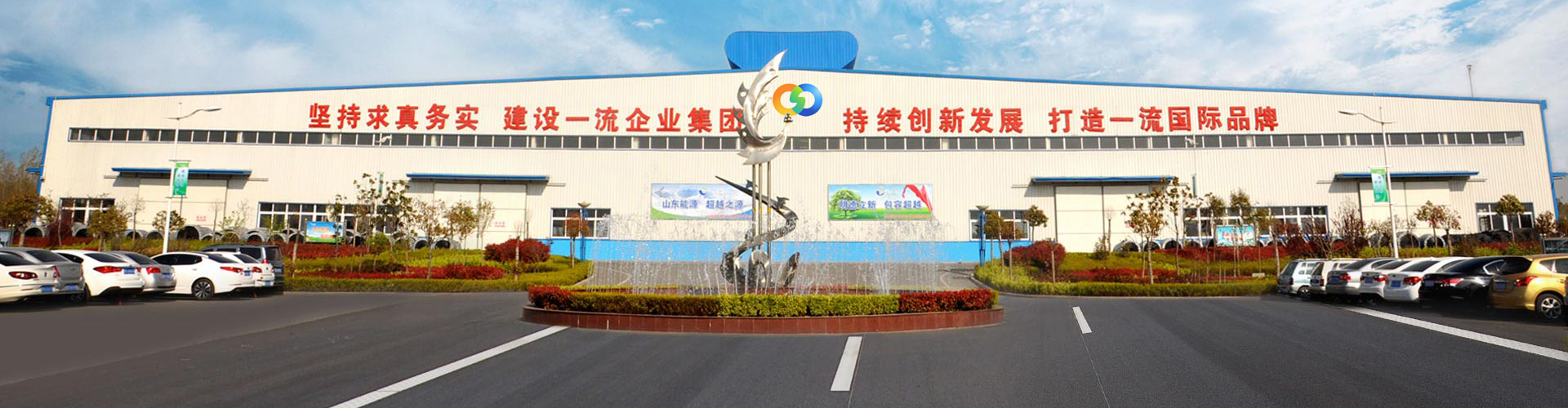
108. Shandong Yihe Rubber Conveyor Belt Co., Ltd.
Shandong Yihe states that it belongs to Shandong Energy's Zaozhuang Mining Group and manufactures steel cord, fabric-ply and PVC/PVG solid-woven conveyor belts. Its official page also identifies mining-safety certification and a product range covering heat, cold, oil, flame, pipe and tear-resistant duties. The association listed Yihe among the industry's “most growth-oriented enterprises” for 2022–2023; that is a separate category from its conveyor-belt Top 10 group.
Best fit: coal mines, solid-woven flame-resistant belt programs and buyers that value a state-owned mining-industry parent and domestic service coverage.
Verify before purchase: the valid safety certificate for every quoted underground model, current production-line availability and whether a stated qualification covers the offered construction rather than the company generally.
Evidence sources: Shandong Yihe official profile; industry association notice.
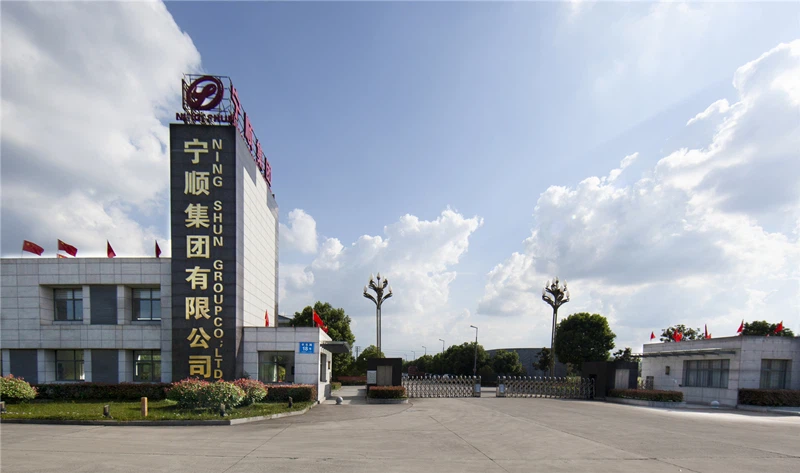
119. Ningshun Group Co., Ltd.
Ningshun Group is a Nanjing-based producer whose government records identify steel cord, fabric-carcass and solid-woven conveyor belt manufacturing. Public project material also documents an aramid conveyor belt project. The company appears in the China Rubber Industry Association's 2022–2023 conveyor-belt group.
Best fit: coal and industrial buyers looking for steel cord, fabric, solid-woven or aramid alternatives, particularly where belt and carcass-material knowledge need to be evaluated together.
Verify before purchase: the current legal manufacturer name, total and product-specific capacity, the production site for the quoted item, and active approvals. Public information is less detailed than for listed companies, so an audit carries more weight here.
Evidence sources: Nanjing Liuhe government profile; Ningshun official site; industry association notice.
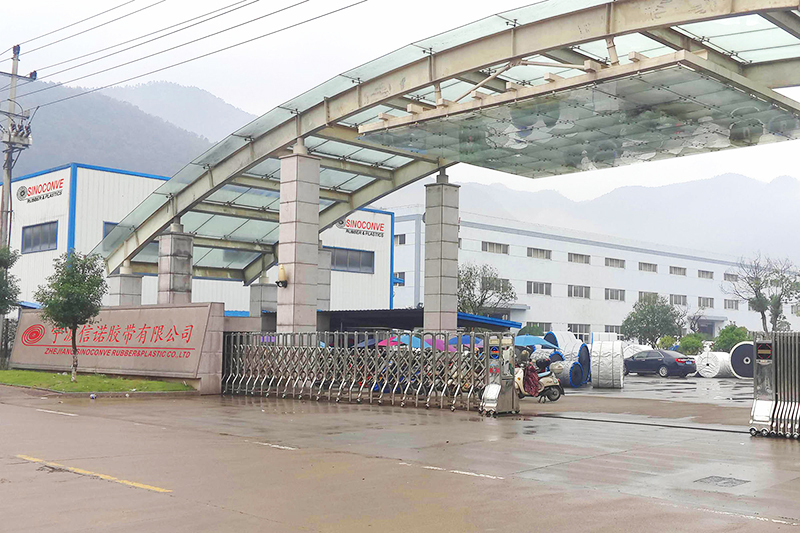
1210. Ningbo Sinoconve Belt Co., Ltd.
SINOCONVE presents itself as a Ningbo-based manufacturer and exporter of rubber conveyor belts, steel cord conveyor belts, chevron belts, sidewall belts and power-transmission products. Its company-published profile states more than 35 years of manufacturing experience, over ten vulcanizing production lines, including steel cord equipment, and more than 200 employees.
Best fit: export buyers seeking made-to-order specifications, mixed product requirements, direct English-language support and greater flexibility than a very large tender-focused mill may offer.
Verify before purchase: the manufacturing address for the exact product, current line availability, certificates and test reports tied to the ordered grade, reference orders in comparable service, and the relationship between the sales entity and manufacturing entity.
Company-published sources: SINOCONVE company profile; rubber conveyor belt range; product catalog.
13Match the Factory to the Application Before Comparing Price
| Application | Shortlist signal | Evidence to request |
|---|---|---|
| Long-distance steel cord | Steel cord forming, tension control and wide-press capability | Cord layout, adhesion test, splice design and comparable references |
| Underground coal | Solid-woven or steel cord flame-resistant experience | Current model-specific safety approval and test standard |
| Cement clinker or sinter | Heat- and scorch-resistant compound capability | Continuous/peak temperature, cover aging data and field references |
| Pipe or enclosed conveying | Pipe-belt construction and transverse stiffness control | Pipe diameter, overlap design, transition length and full-scale reference |
| Small custom export order | Flexible MOQ, export documentation and clear production slot | Written lead time, pre-shipment test plan, packing drawing and claim process |
14How to Verify a Chinese Conveyor Belt Factory
A credible website is useful, but it does not prove who will manufacture your belt. Use the following sequence before comparing final prices:
- Lock the legal identity. Match the business licence, manufacturing address, contract, bank account, invoice entity and brand authorization.
- Confirm the actual line. Ask which mixing, calendering, steel cord forming and vulcanizing equipment will produce your specification.
- Verify product-specific documents. A general ISO certificate does not prove compliance with a flame-resistant, heat-resistant or underground-belt requirement.
- Request a comparable test report. Review cover thickness, tensile strength, elongation, ply or cord adhesion, abrasion, aging and any required fire or electrical test.
- Review a comparable reference. Similar belt width, rating, compound, speed, pulley diameter and conveyed material matter more than a famous customer logo.
- Audit production and traceability. Inspect raw-material control, compound identification, ply tension, cure records, finished-belt testing and batch traceability.
- Control splicing and packing. Agree on splice materials, drawings, field support, coil orientation, core strength, edge protection and pre-loading photographs.
For a deeper checklist, see how to evaluate a rubber conveyor belt manufacturer in China and what conveyor belt factory quality control should include.
15Send the Same RFQ to Every Shortlisted Factory
A price comparison is meaningful only when every supplier receives the same technical package. Include:
- belt construction and rating, such as EP 630/4 or ST 1600;
- belt width, total length, top and bottom cover thickness;
- cover standard and grade, not only “wear resistant” or “heat resistant”;
- material, lump size, bulk density, temperature and contamination;
- belt speed, maximum operating tension and pulley diameters;
- required splice method and whether splice materials or field service are included;
- inspection standard, certificate scope and third-party witness requirements;
- packing, destination port, Incoterm and required delivery date.
Need a comparable SINOCONVE quotation?
Send the belt rating, width, cover thickness, material, operating temperature, pulley diameter and destination. Our team can return a specification review before pricing.

16FAQ: Sourcing Conveyor Belts from China
Are these the ten largest conveyor belt manufacturers in China?
No. Public capacity figures use inconsistent definitions and are often self-reported. This article is a ten-company buyer shortlist based on verifiable manufacturing evidence, product relevance and distinct procurement fit. It is not a revenue, output or quality ranking.
Why were some well-known suppliers removed from the original list?
We removed or deferred companies when the evidence came mainly from supplier-written ranking pages, marketplace listings or unverified company claims. A business may still be a genuine factory, but it does not belong in a fact-checked shortlist until its manufacturing entity and relevant product capability can be supported.
Which factory is best for steel cord conveyor belts?
There is no universal winner. Start with factories that publish steel cord capability, then compare the required belt rating, press width, cord-tension control, adhesion data, splice design, project references and available production slot. The strongest factory on paper may not be the best fit for a small or urgent order.
Which supplier should an underground coal buyer contact?
Prioritize manufacturers with solid-woven or flame-resistant mining-belt experience, then verify the current certificate for the exact model and standard required by the mine. Company-level certification is not enough; the offered construction and rating must be covered.
How can I tell whether a supplier is a factory or a trading company?
Match the business licence and manufacturing address to the contract and payment account. Ask for a live walkthrough of mixing, calendering, forming, vulcanizing and testing, with production records visible. A warehouse tour or stock photos alone do not establish manufacturing capability.
Should I choose the factory with the highest published capacity?
Not automatically. Capacity can refer to design capacity, group-wide capacity, all products combined or a new project not yet at stable output. Ask for the production slot, press allocation and written delivery schedule for your exact order.
Where does SINOCONVE fit in this shortlist?
SINOCONVE is positioned for export-oriented, made-to-order business where specification support and order flexibility matter. Because SINOCONVE publishes this article, its profile is explicitly treated as company-supplied information and should be verified through the same audit, document and testing process as every other candidate.
17Research Sources and Limitations
Research reviewed on 17 September 2026. The main external evidence included:
- China Rubber Industry Association: 2022–2023 hose and belt industry notice
- Zhejiang Double Arrow 2024 annual-report summary
- Sanwei Holding 2024 annual report
- BOTON listed-company disclosure
- Sinochem rubber-belt business page
- Huaibei government profile of Anhui Zhongyi
- China Rubber Industry Association listing for Ningshun Group (the supporting Nanjing government page may restrict automated access)
This was a desk-based review, not an on-site audit. Product availability, ownership, certificates, production lines and delivery capacity can change. Before placing an order, obtain current documents from the contracting entity and verify them against the issuing organization.
Related Products You May Need
| Rubber Conveyor Belt Fabric and steel cord belts for mining, cement, ports and bulk handling. |
EP Rubber Conveyor Belt Polyester-nylon carcass for low elongation and industrial impact duty. |
| Steel Cord Conveyor Belt High-tension construction for long-distance and high-capacity conveyors. |
Chevron Conveyor Belt Moulded profiles for incline conveying where a smooth belt slips. |
| Sidewall Conveyor Belt Corrugated sidewalls and cross cleats for steep or vertical lifting. |
Request a Technical Review Send the belt rating, dimensions, material and operating conditions. |
Related Blog Posts
- Rubber Conveyor Belt Manufacturers: Global Comparison
- China Conveyor Belt Manufacturer Sourcing Guide
- How to Evaluate a Rubber Conveyor Belt Manufacturer in China
- Conveyor Belt Manufacturer Quality Control
- Conveyor Belt Manufacturer Pricing and Factory Quote 2026
- Rubber Conveyor Belt Ultimate Guide 2026