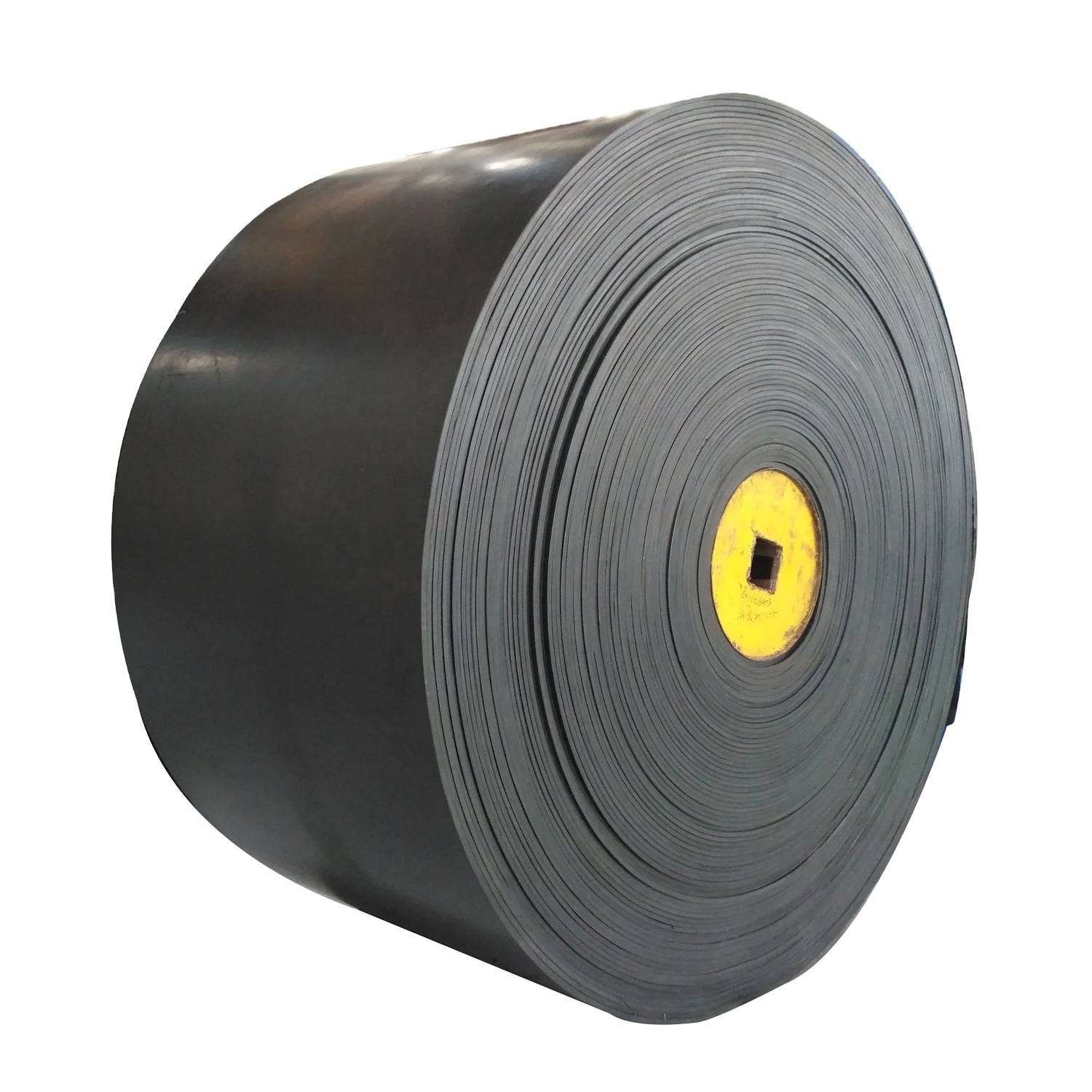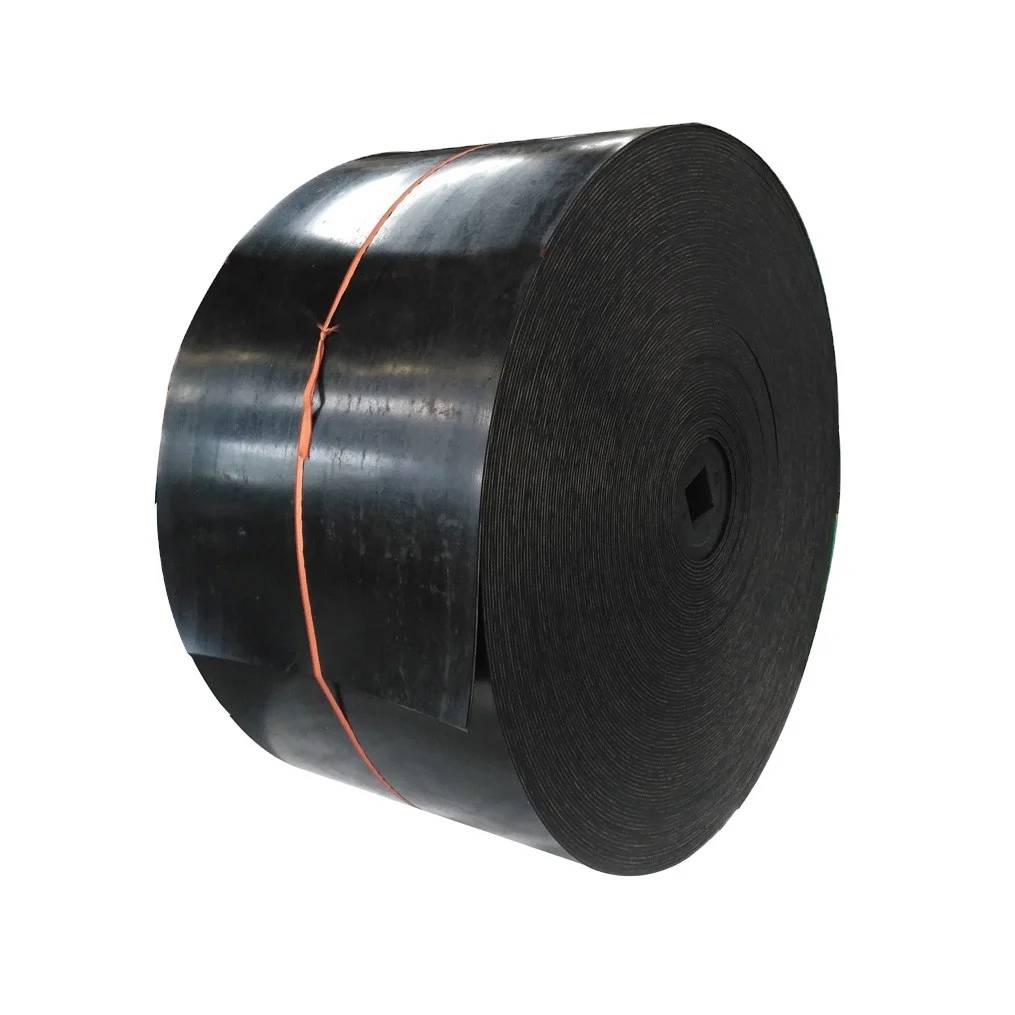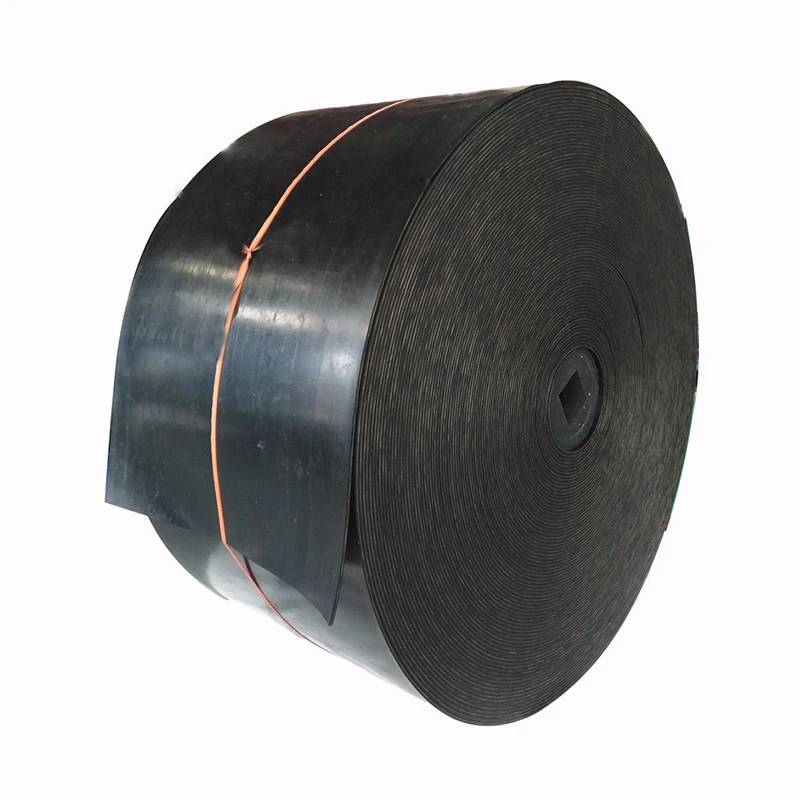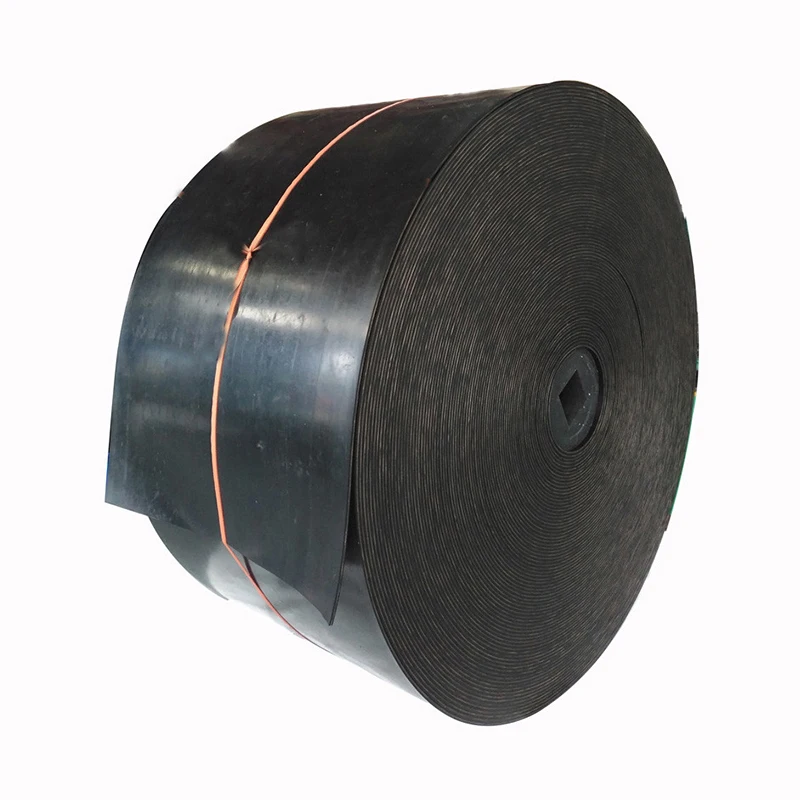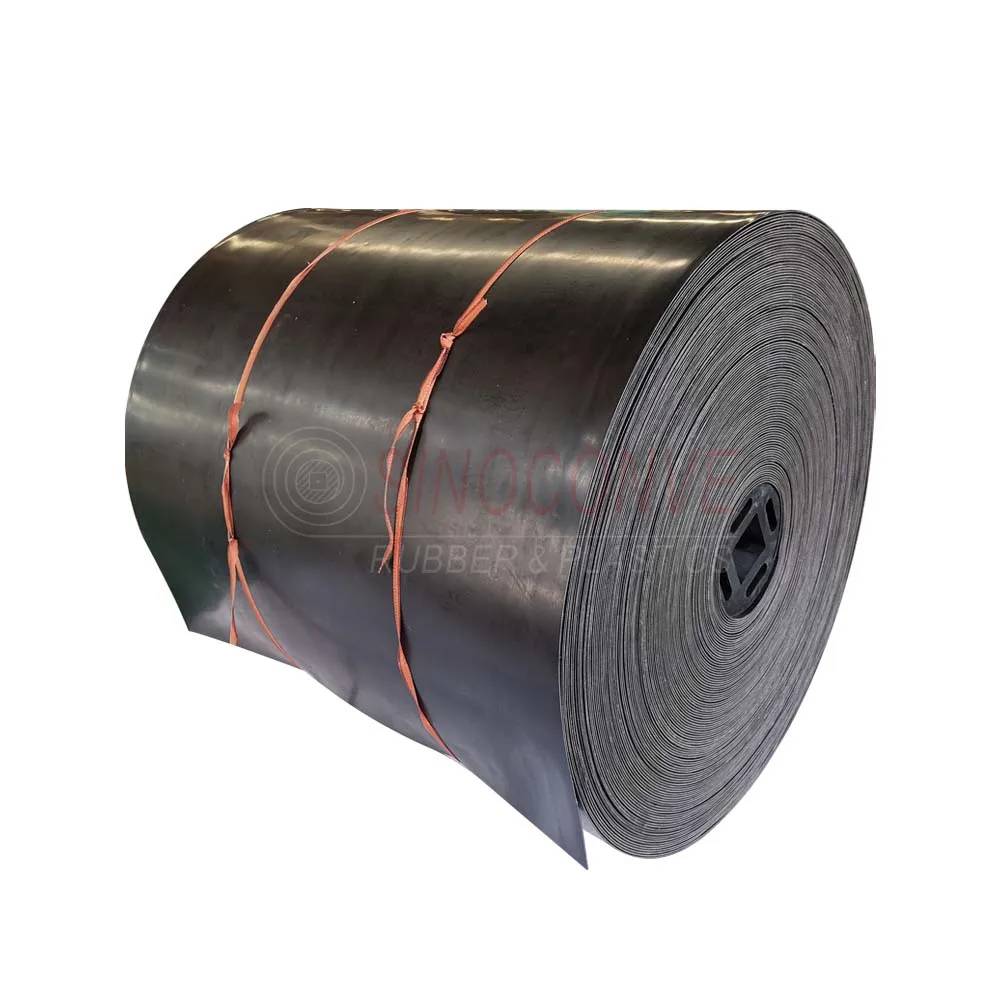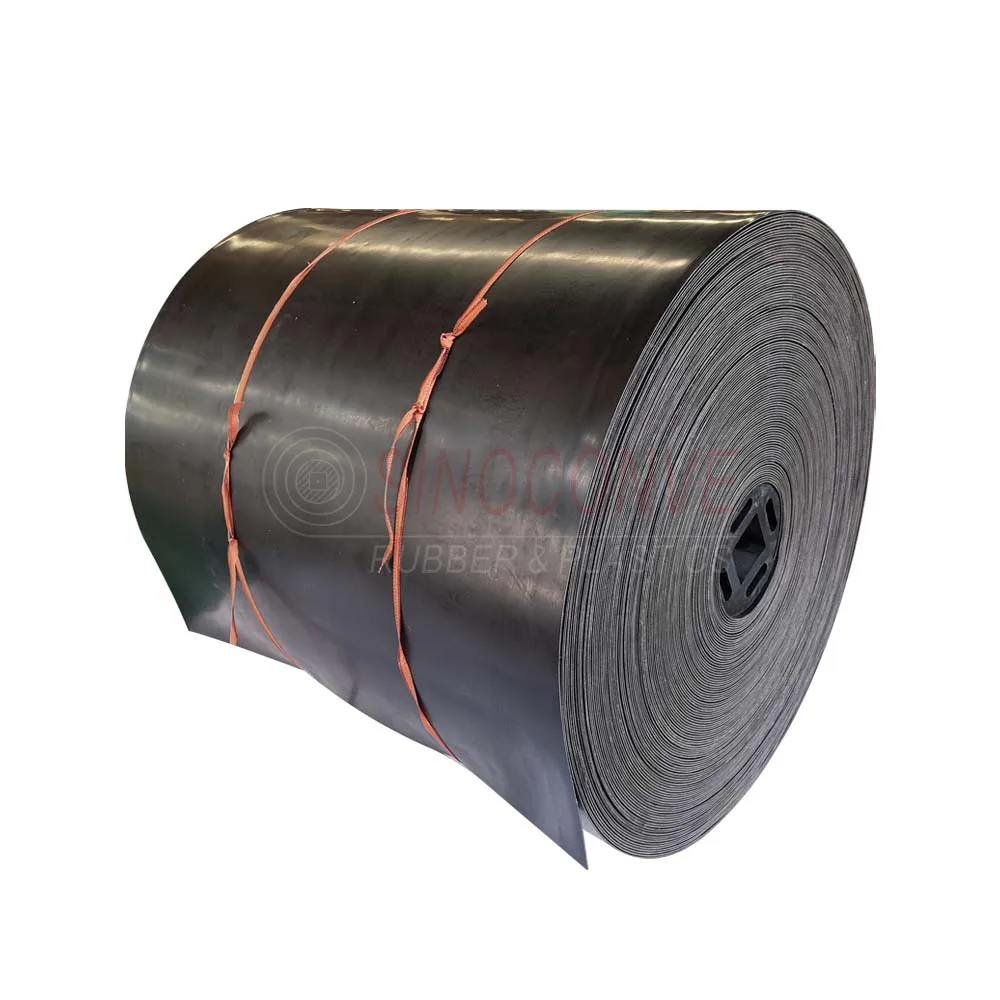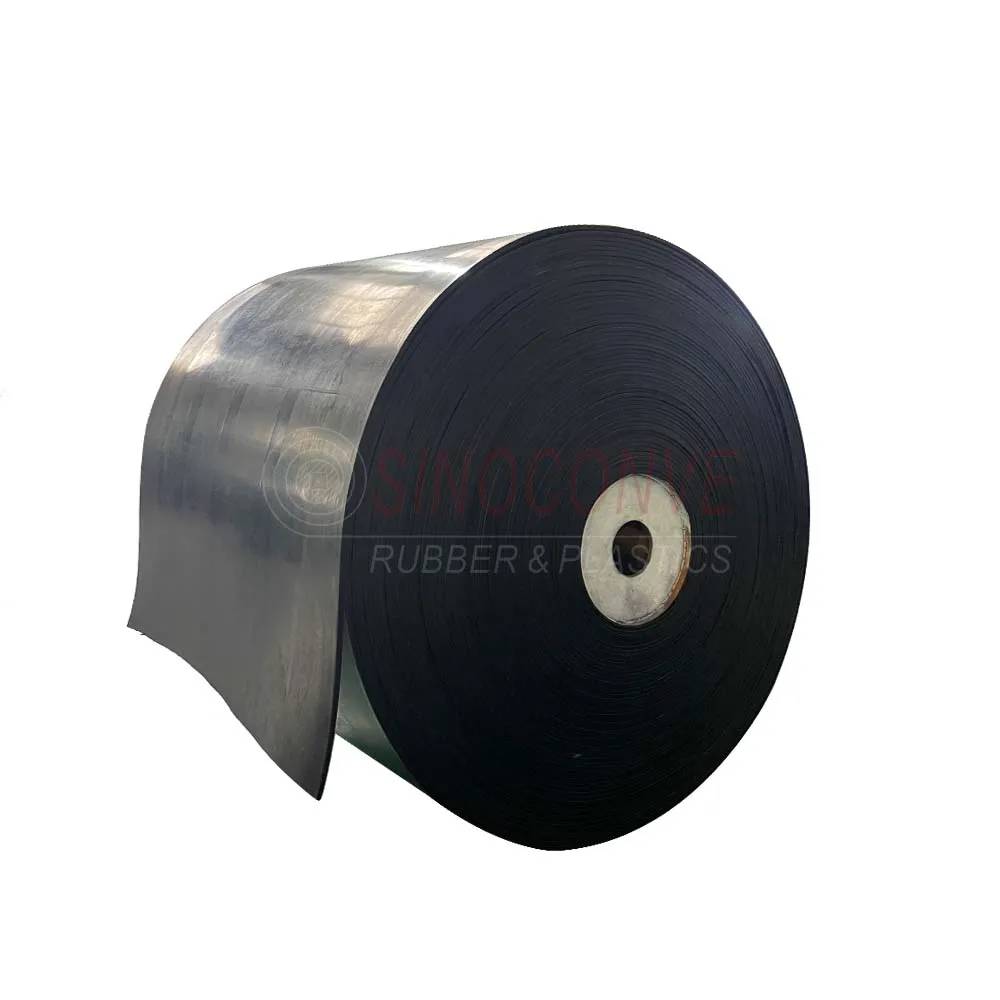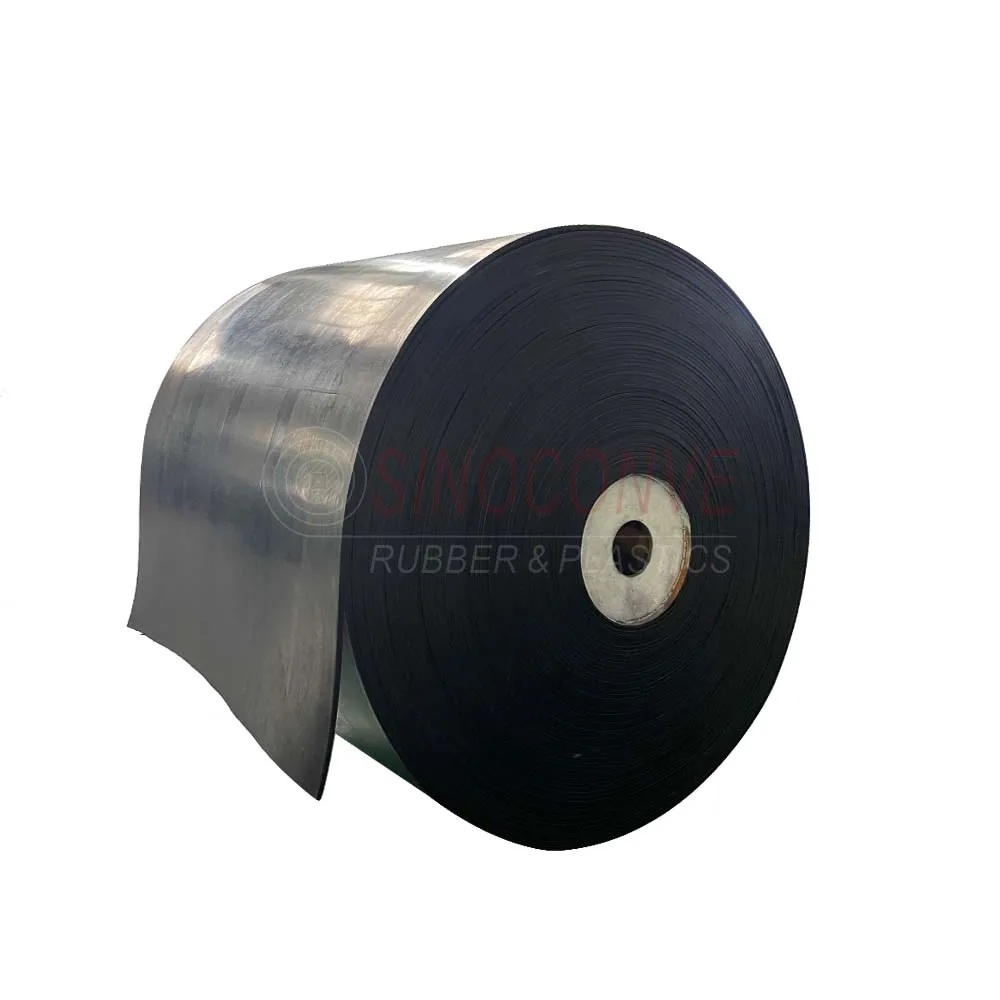


Corrugated Rubber Sidewall Conveyor Belt — Steep-Angle & Vertical Elevation
This is a corrugated rubber sidewall conveyor belt for steep-angle and near-vertical bulk material elevation. The belt consists of three bonded components: a flexible base belt (EP or NN fabric carcass), corrugated sidewalls vulcanized to the belt edges, and cross cleats vulcanized across the carrying surface at regular intervals. Together these form enclosed pockets that retain bulk material at inclines from 30° up to 90° (vertical) — a capability that standard flat belts, chevron belts, and most cleated belts cannot match.
Corrugated sidewall belts are widely used as a space-saving alternative to bucket elevators in applications where a bucket elevator's mechanical complexity, fixed geometry, or large footprint is a disadvantage. The correct belt configuration depends on the elevation height, conveying angle, material type, maximum lump size, and required capacity. Send us your application data and we will confirm the full specification.
Get a faster, more accurate quote
Click Inquiry Now and include the conveying angle, total elevation height, material type and maximum lump size, required capacity (t/h), base belt width, sidewall height, and quantity.
Key dimension parameters
| Parameter | Typical range | Notes |
| Base belt width | 300–2000 mm | Carrying width between sidewalls = base width minus 2× sidewall base width |
| Sidewall height | 40–400 mm | Taller walls = higher capacity per pocket; must exceed max lump size |
| Cross cleat height | 40–200 mm | Typically slightly lower than sidewall height; confirmed to material and angle |
| Cleat pitch (spacing) | 300–1200 mm | Shorter pitch = more pockets = higher capacity; must allow belt to wrap around return pulley |
| Conveying angle | 30°–90° | 30°–45°: standard steep incline; 45°–90°: near-vertical / vertical elevation |
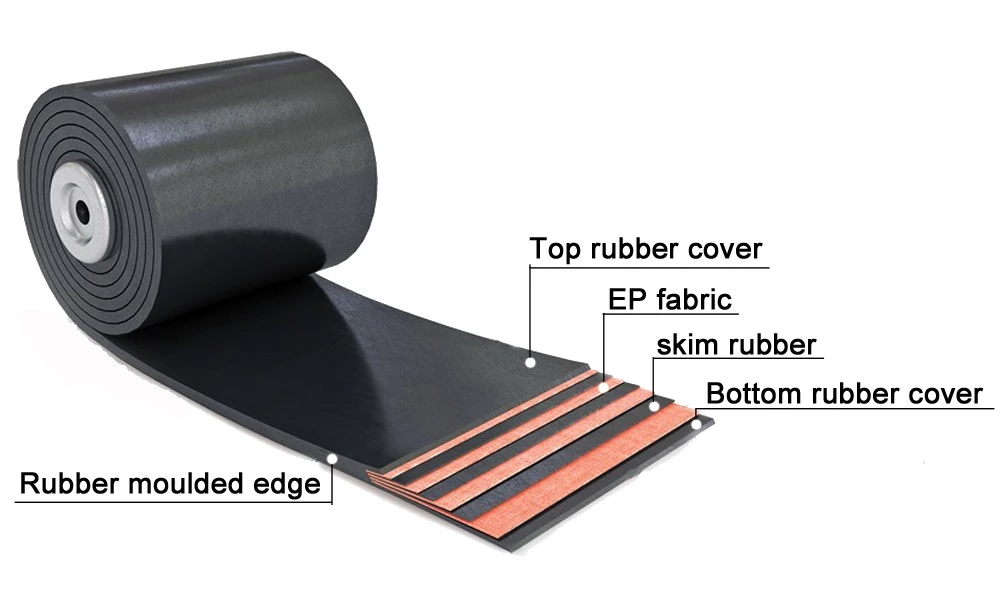
| Base belt carcass | EP or NN fabric, multi-ply | Must be flexible enough to wrap around return / head pulleys at the top and bottom |
All dimensions in the table are indicative. The specific configuration must be confirmed against your elevation height, required capacity, material lump size, and conveying angle before production.
Material and application note
Corrugated sidewall belts are designed for bulk material elevation at steep angles and are not a substitute for purpose-built liquid or slurry conveyors. Lump size must be smaller than the sidewall height. Capacity figures must be confirmed against the full pocket volume, belt speed, and material bulk density for your specific installation.
Why buyers choose corrugated sidewall belts over bucket elevators
Smaller footprint — no elevator casing needed
A corrugated sidewall belt system sits on a standard inclined conveyor frame without the heavy, enclosed casing and boot/head sections that a bucket elevator requires. This reduces the installed footprint — valuable in plants where space is limited — and simplifies the building structure above and below the elevation point.
Continuous elevation — no buckets to fill and discharge
Bucket elevators rely on discrete buckets that must fill at the boot and centrifugally discharge at the head. At lower belt speeds or with fine materials, incomplete filling or incomplete discharge reduces throughput. Corrugated sidewall belts carry material in continuous pockets, avoiding the fill-and-discharge cycle limitation.
Flexible routing — single conveyor from ground to destination
A corrugated sidewall belt can incorporate inclined, level, and inclined sections in a single continuous belt loop, moving material from the loading point to the discharge point without a transfer point. This reduces material degradation, dust generation, and spillage compared with multi-transfer conveyor routes.
Application details we check
- Conveying angle (degrees) — determines cleat height and sidewall stiffness requirements.
- Total elevation height (center-to-center of head and tail pulleys) — determines belt loop length.
- Material type, bulk density, maximum lump size, and moisture content — inputs for pocket volume calculation and material compatibility.
- Required throughput capacity (t/h or m³/h) — used to calculate required pocket volume and belt speed.
- Head and tail pulley diameter — sidewall belt return sections require large-diameter pulleys to accommodate the sidewalls; this is a critical constraint.
- Cover compound needed (standard abrasion, heat-resistant, oil-resistant) — confirm if material has special properties.
- Quantity and delivery requirements.
Customization discussion
Base belt width, sidewall height, cross cleat height and pitch, base belt carcass (EP or NN), cover compound, and sidewall / cleat rubber hardness can all be discussed. Corrugated sidewall belts are always made to order — standard sizes are indicative, and the actual specification is confirmed against your system design before production.
Get a technical recommendation and quote
Click Inquiry Now and send your elevation requirements and material data.
Suggested inquiry: "Please quote a corrugated sidewall conveyor belt — conveying angle [ ]°, elevation height [ ] m, material [type], max lump size [ ] mm, required capacity [ ] t/h, base belt width [ ] mm, quantity [ ] meters."
Frequently asked questions
What is the maximum lump size a sidewall belt can handle?
The maximum recommended lump size is typically 60–70% of the sidewall height. For example, a 100 mm sidewall can handle lumps up to approximately 60–70 mm. Oversized lumps can jam between the cleat and the sidewall or prevent the belt from returning around the tail pulley.
Can a corrugated sidewall belt run at 90° (true vertical)?
Yes — the combination of corrugated sidewalls and cross cleats forms closed pockets that retain material at any angle up to 90°. The minimum pulley diameters at the top and bottom of the vertical run must be large enough to allow the sidewalls to flex around the curve. This is the critical design constraint for vertical applications.
How is the belt spliced for a corrugated sidewall system?
Corrugated sidewall belts are typically supplied as a continuous loop (endless) — the splice is made during belt manufacture, not on-site. The vulcanized splice is located in an area without cleats or sidewalls so that it wraps around the return pulleys without interference. Confirm the head and tail pulley diameters so we can plan the splice position.
How do I submit an inquiry?
Use the Inquiry Now link to open our contact page at https://sinoconve.com/contact-us and include your conveying angle, elevation height, material, and required capacity.