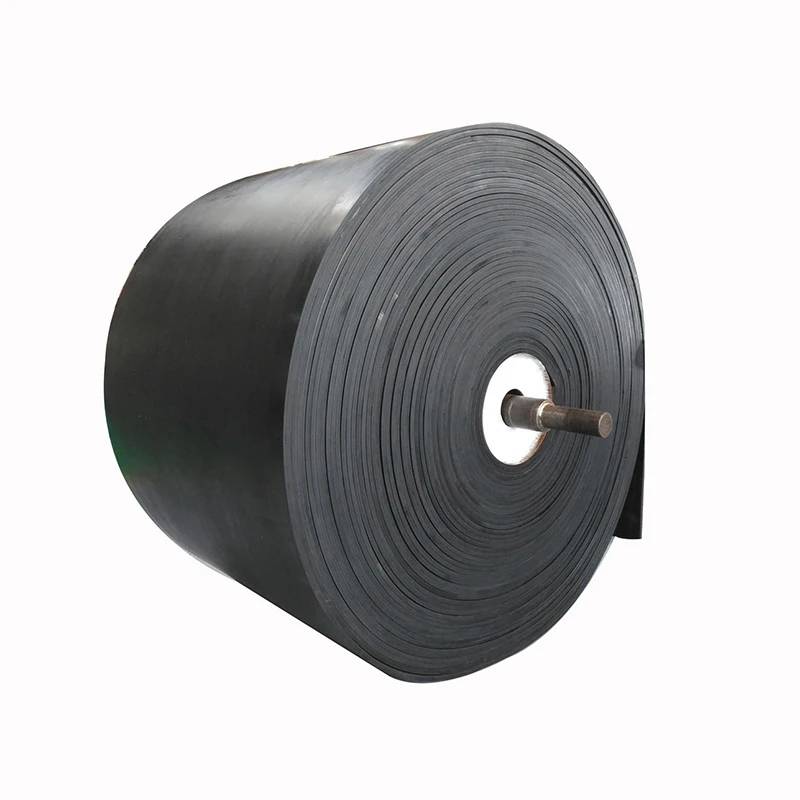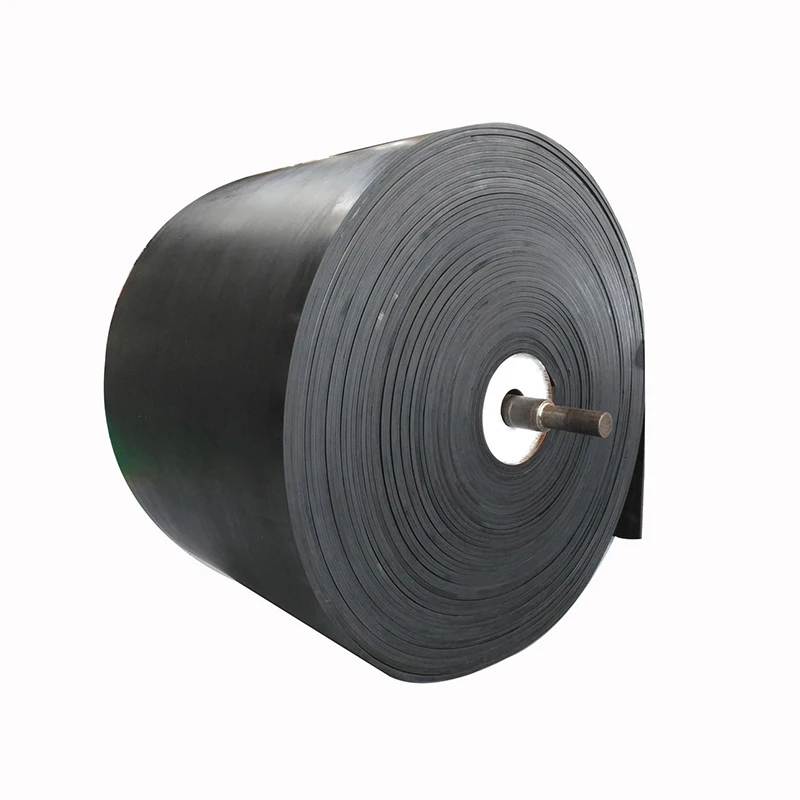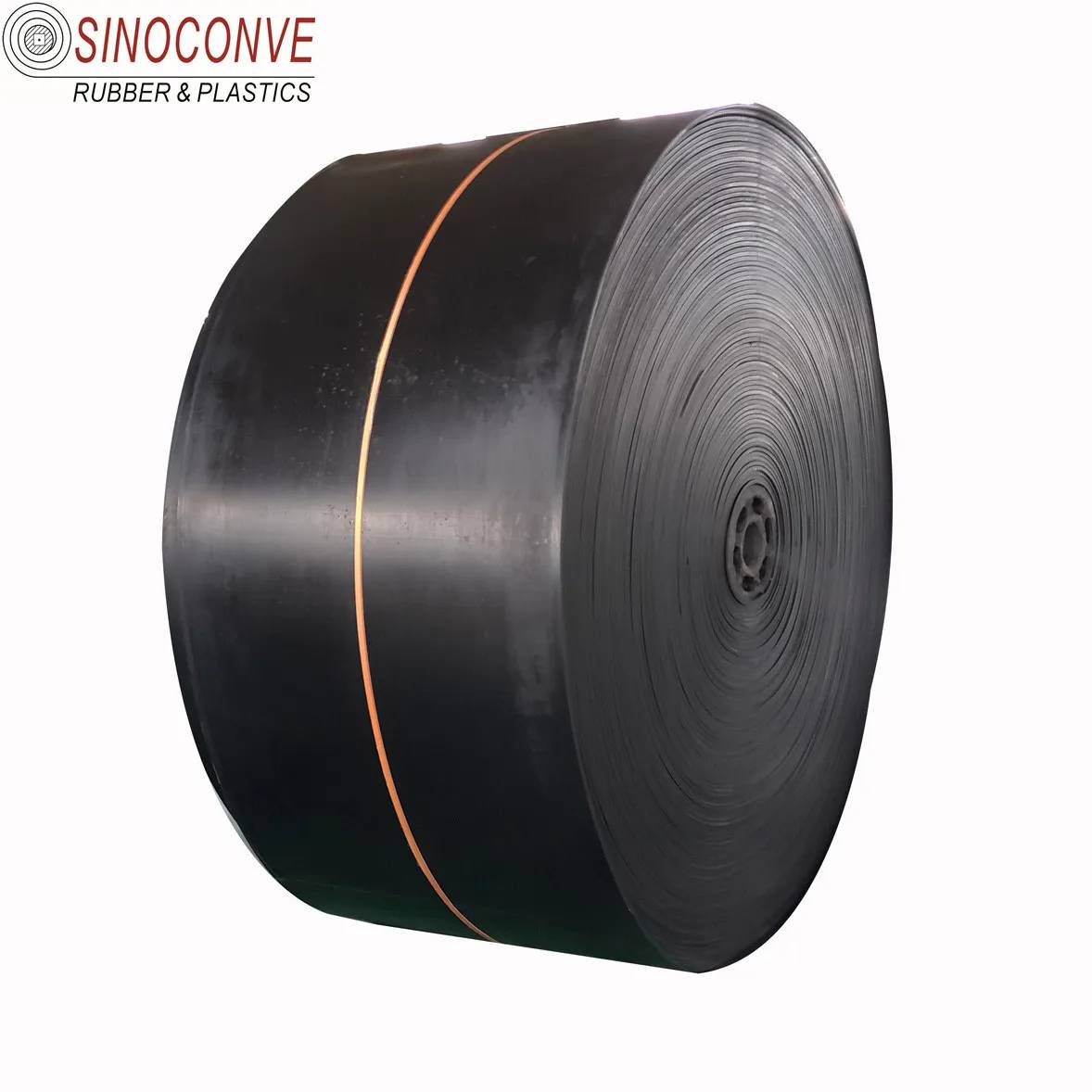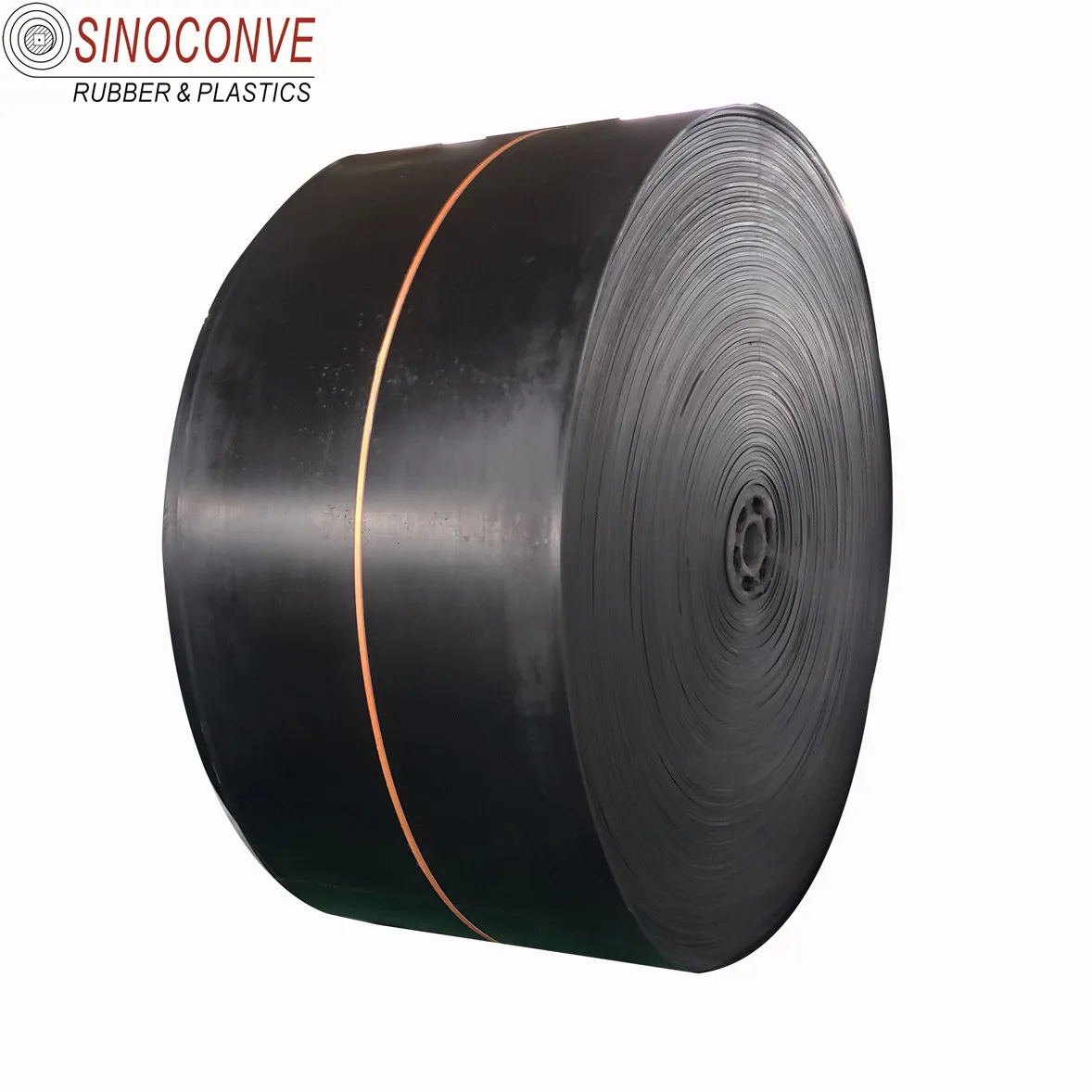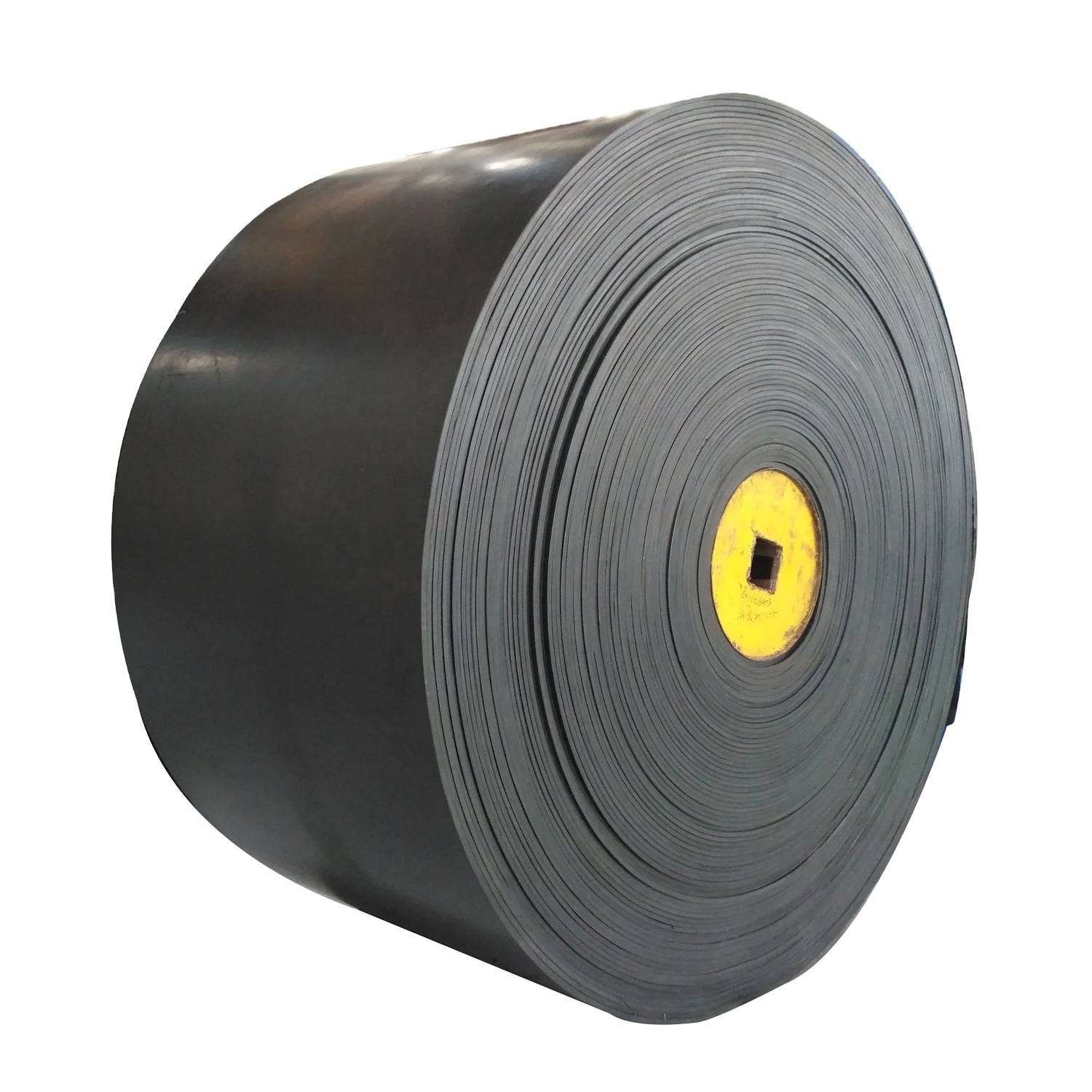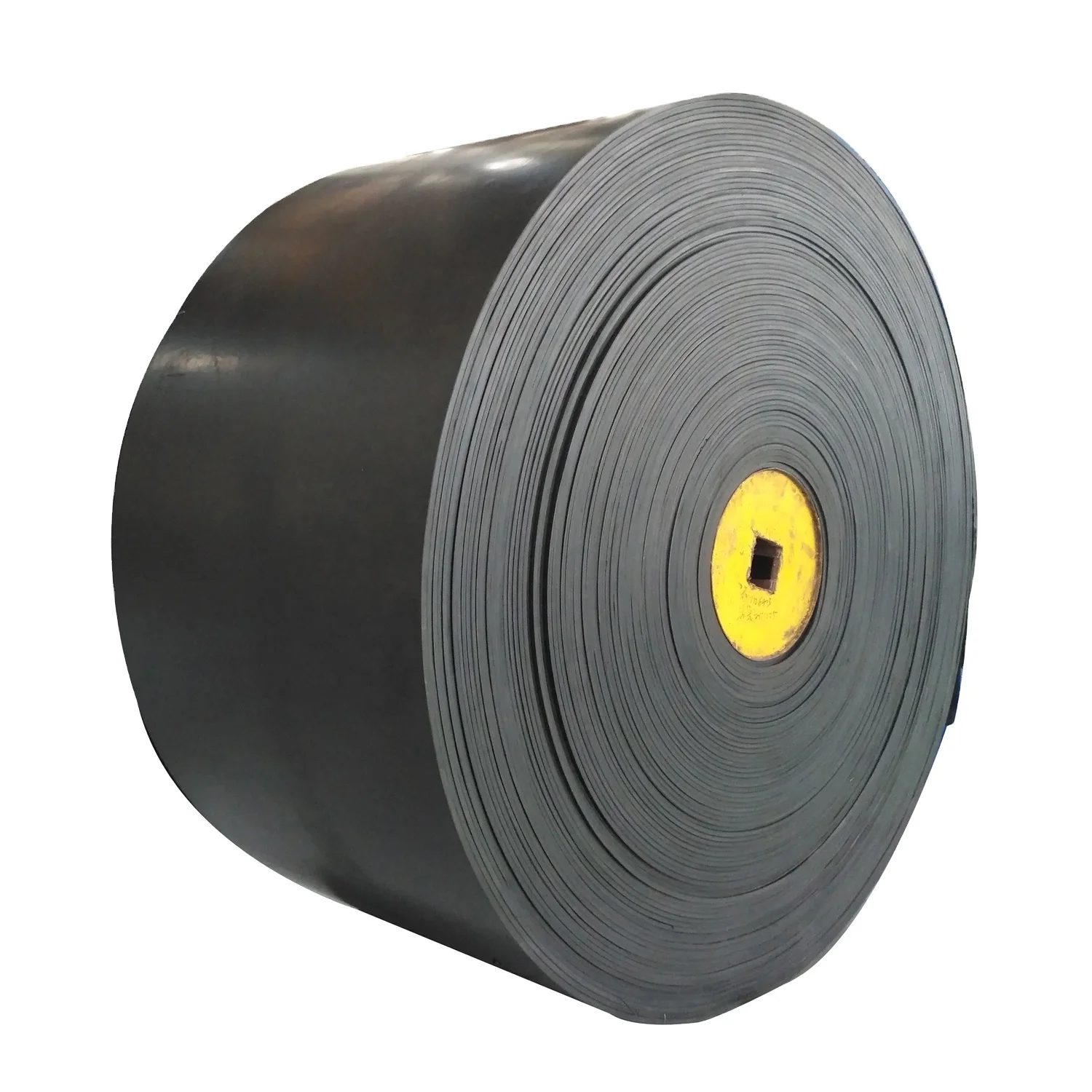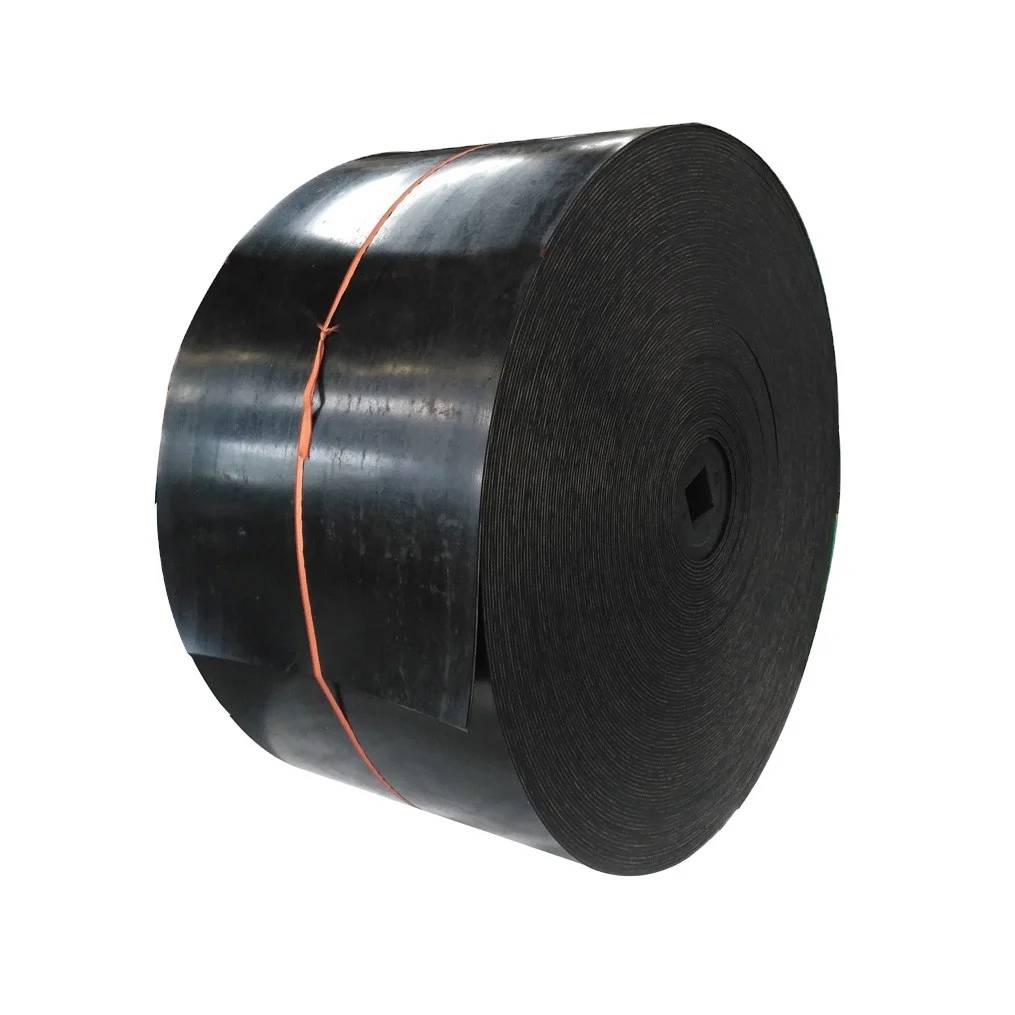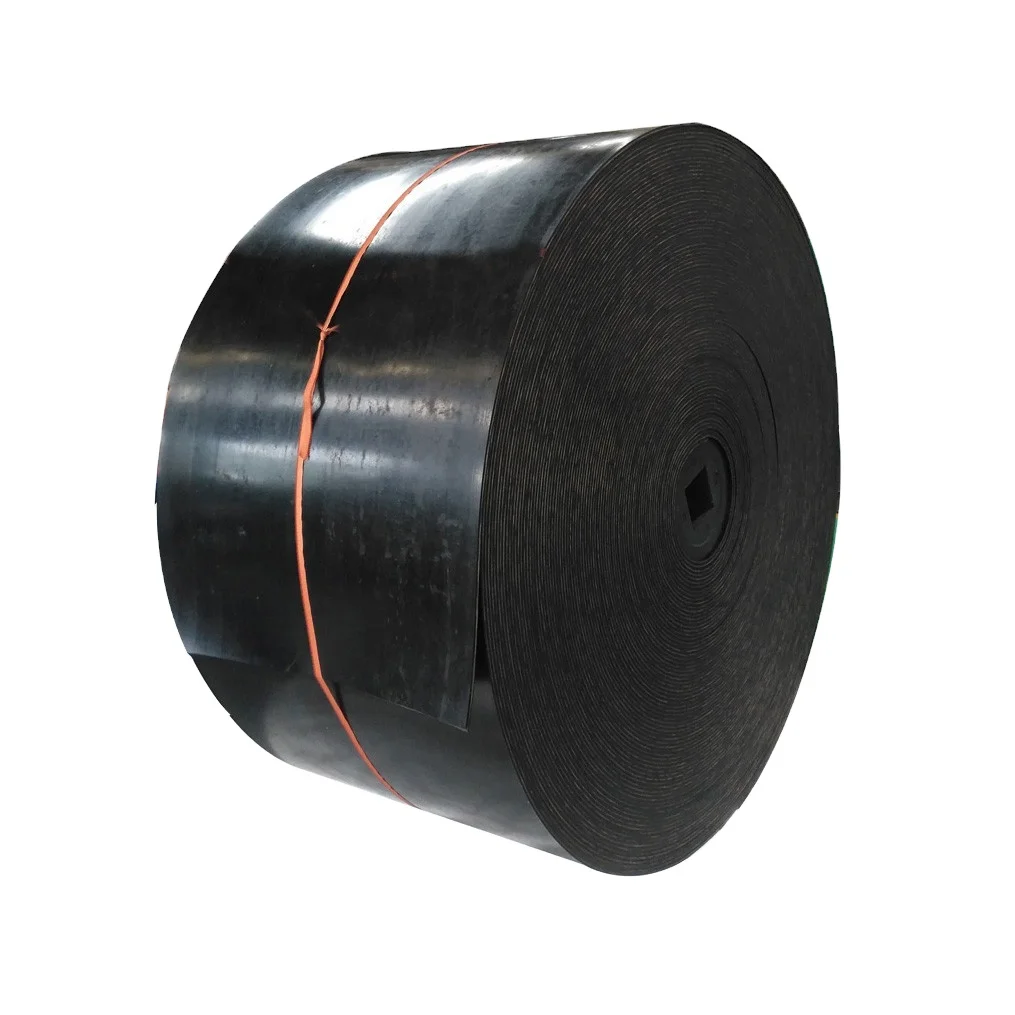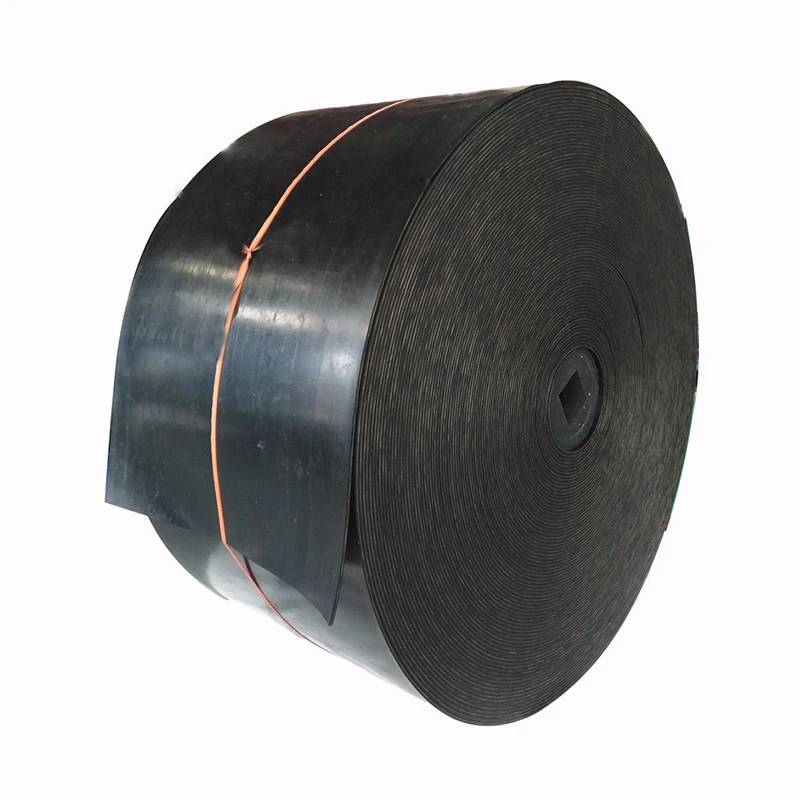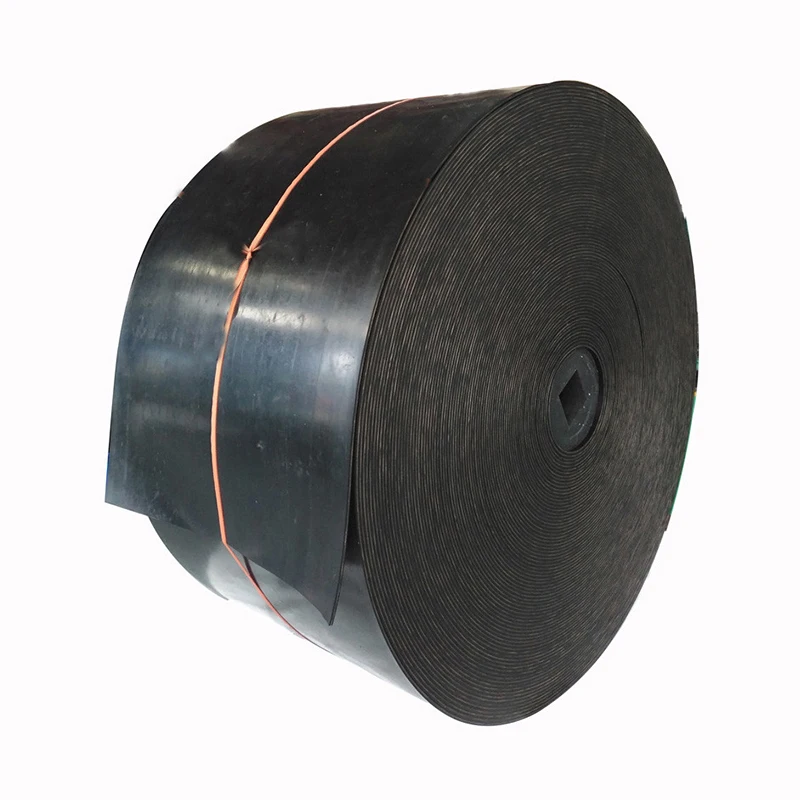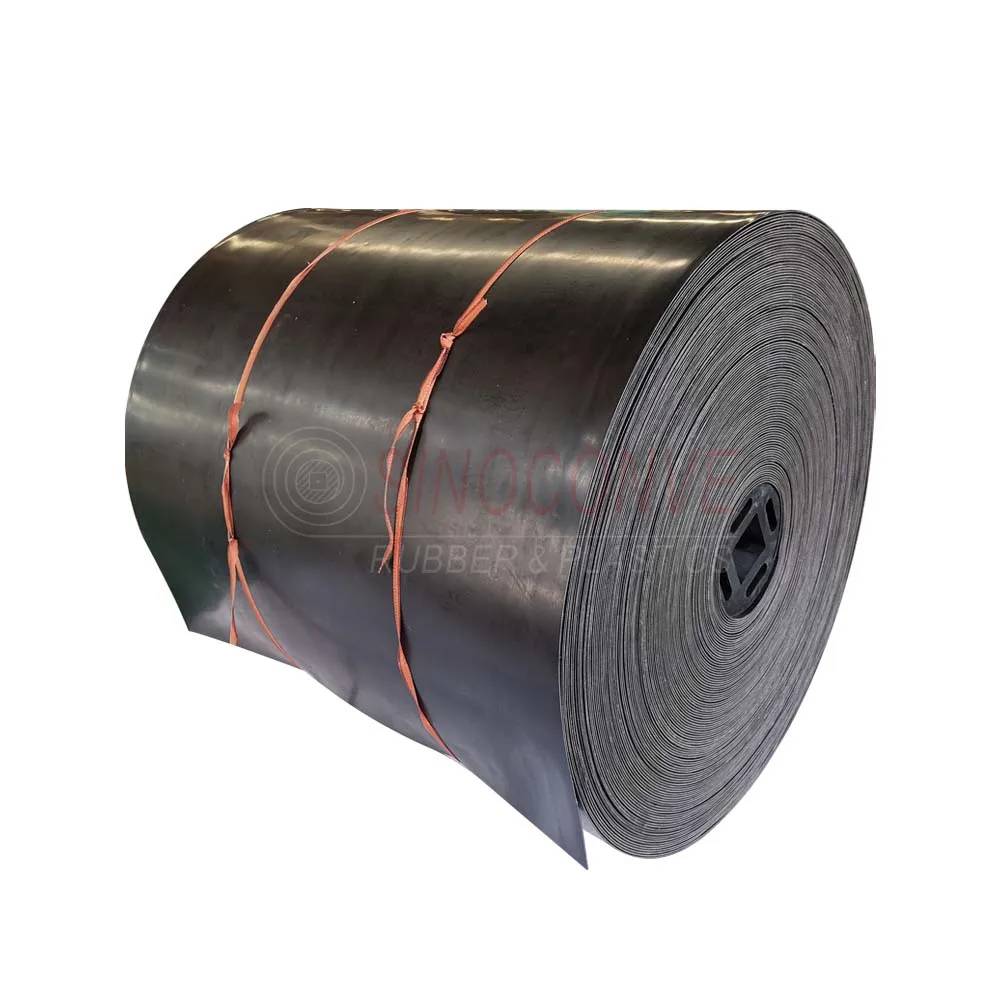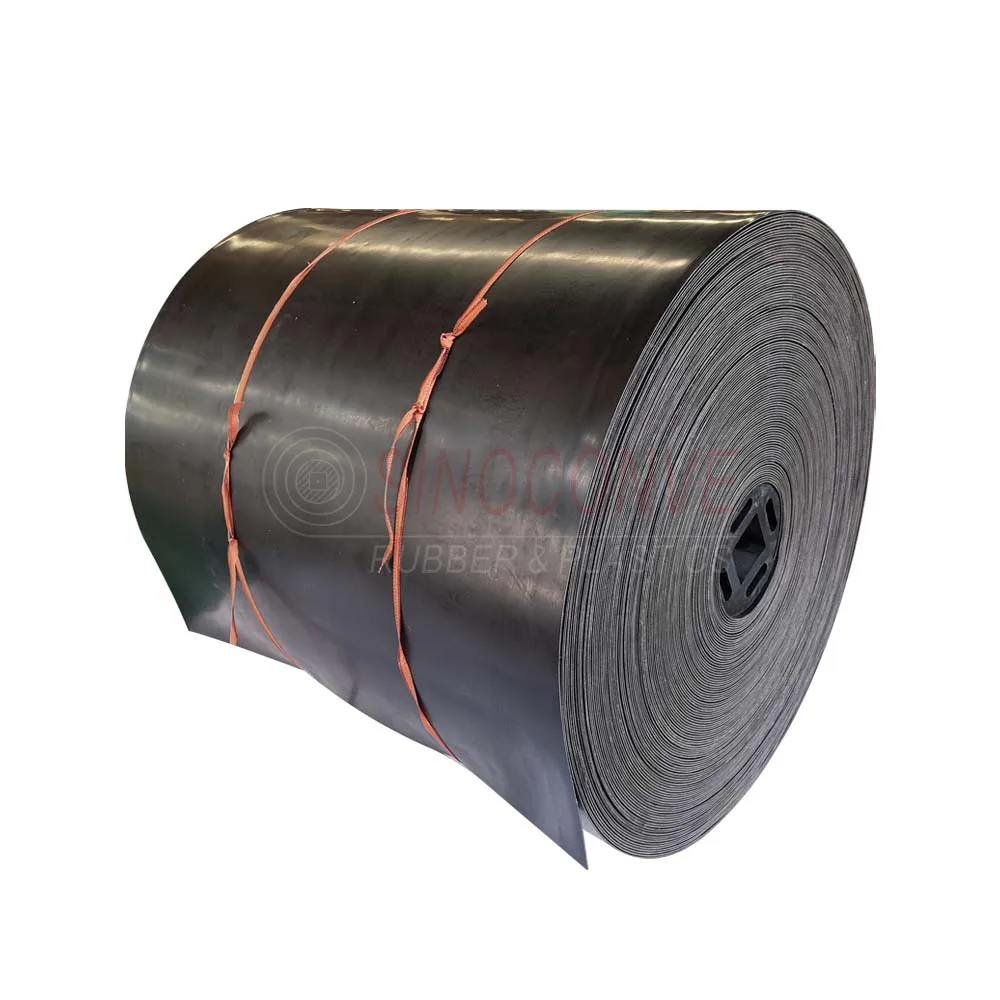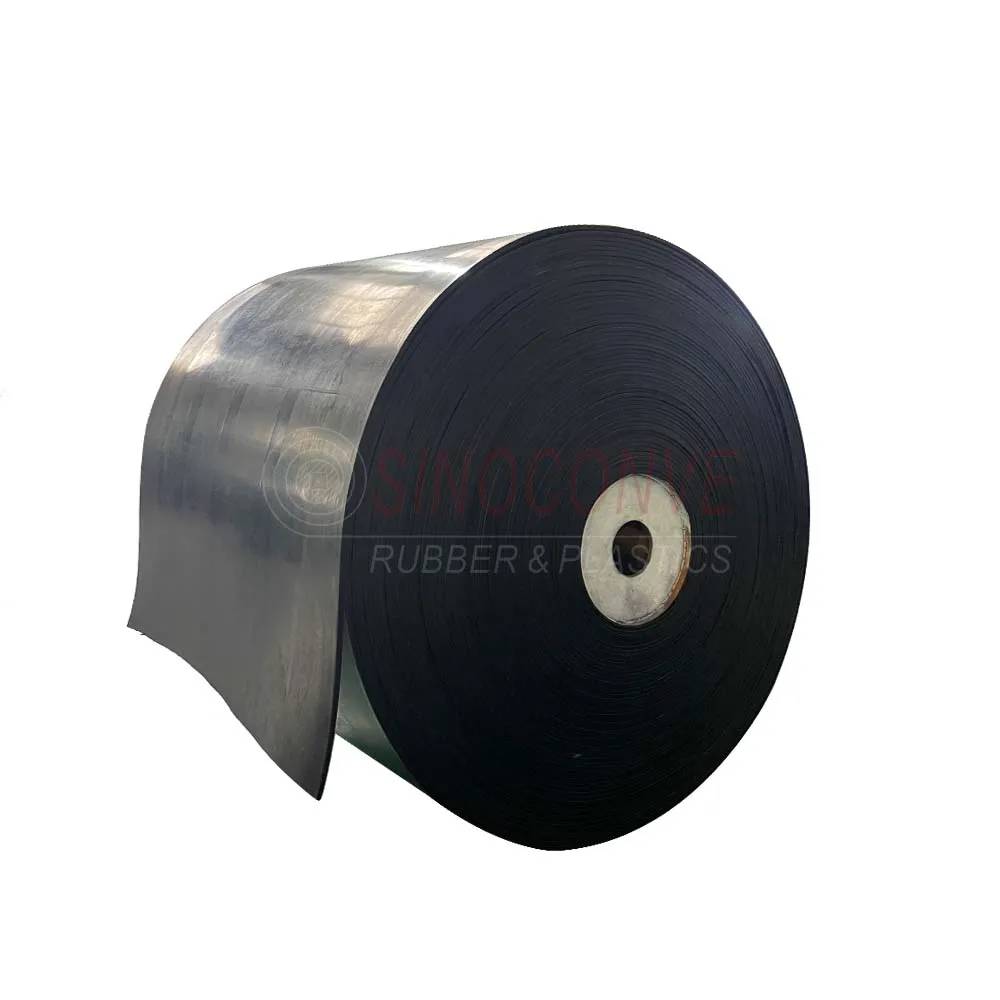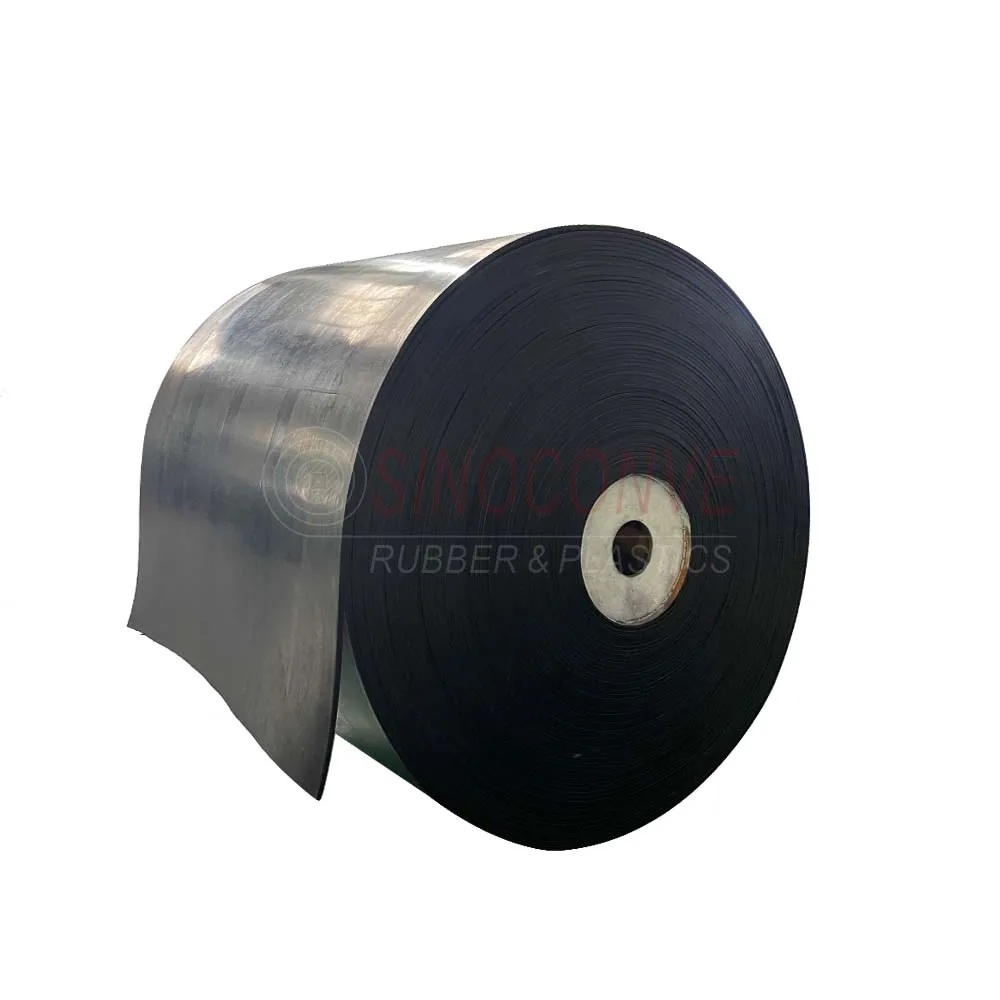


Mobile Portable Roller Conveyor Belt for Sawmill
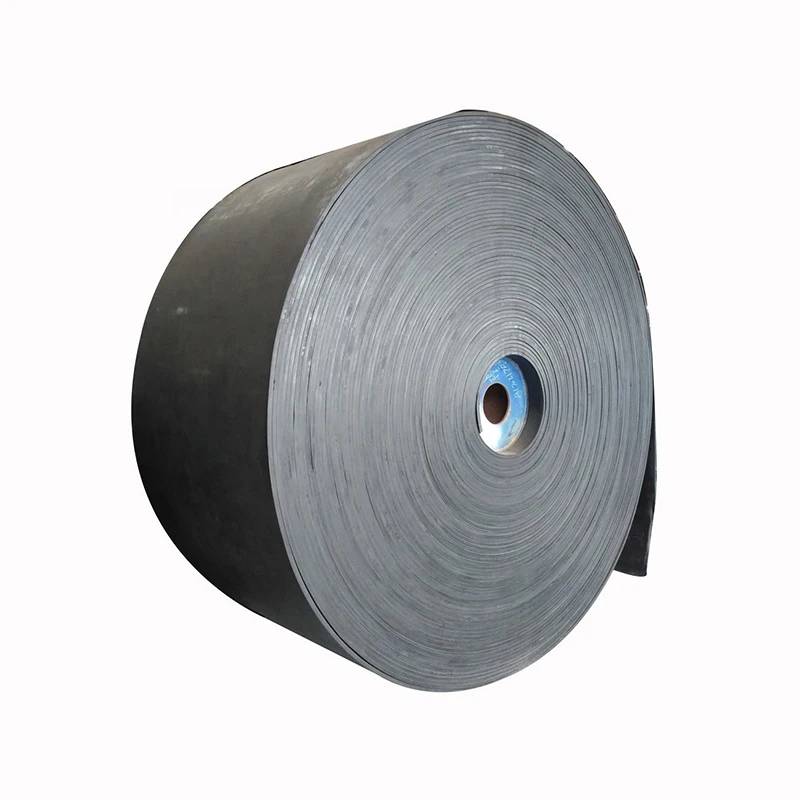
This is a mobile portable rubber conveyor belt designed for sawmill lumber and log transport. Mounted on a wheeled or skid-mounted roller frame, this conveyor can be repositioned within the sawmill yard to suit changing production layouts — moving slabs, offcuts, lumber boards, or short log sections from the saw to the sorting table, stacking area, or waste chute without fixed infrastructure.
Portable sawmill conveyors fill the gap between manual handling (too slow and injury-prone for production volumes) and fixed belt conveyor systems (too inflexible for small or changing yard layouts). The belt specification depends on the wood type, board dimensions, conveyor length, and whether the application is inclined or level. Share your requirements and our team will confirm the appropriate belt and frame configuration.
Get a faster, more accurate quote
Click Inquiry Now and include the conveyed material (lumber / slabs / offcuts / logs), belt width, total conveyor length, incline angle (if any), maximum piece weight, and quantity.
Listed product configuration
| Model | Mobile Portable Roller Conveyor Belt — Sawmill |
| Frame type | Wheeled or skid-mounted roller frame (repositionable) — confirmed to application |
| Primary application | Sawmill — lumber boards, slabs, offcuts, short log transport |
| Belt surface | Flat rubber (smooth or textured for grip) — confirmed to incline and material |
| Drive | Electric motor (single-phase or three-phase) — confirmed to available power supply |
| Customization | Belt width, conveyor length, incline angle, belt speed, drive power — confirmed to layout |
Belt width, conveyor length, frame material, drive specifications, and belt surface type are not fixed on this listing and must be confirmed based on your sawmill layout and production requirements before production.
Material and application note
This product is positioned for sawmill lumber and log transport on a portable roller frame. Belt compound, frame dimensions, and drive specification must be confirmed against your actual material type, piece dimensions, conveyor length, and incline angle before production. No load capacity or throughput figures are quoted without confirming the full application data.
Why sawmills choose a mobile portable conveyor
Repositionable — follows production layout changes
Sawmill yard layouts change with log diameter runs, product mix, and seasonal demand. A wheeled portable conveyor can be moved from the head saw to the edger, or from the edger to the sorting table, in minutes — without modifying fixed infrastructure. This flexibility reduces downtime during layout changes and eliminates the capital cost of multiple fixed conveyors.
Replaces manual lumber handling
Manual stacking and carrying of green lumber boards is a significant source of workplace injury (back strain, splinters, repetitive stress) in small sawmills. A portable belt conveyor removes the manual lift-and-carry task at the saw exit, keeping the operator at the control position and reducing injury risk.
Simple belt replacement in the field
Sawmill belts wear through contact with rough bark, wet green wood, and occasional contact with saw off-cuts and knots. The portable frame design typically allows the belt to be replaced without specialized tools or disassembling the frame — an important practical advantage in a remote or small sawmill where maintenance support is limited.
Application details we check
- Material conveyed: green lumber boards, dry boards, slabs with bark, short log sections, or sawdust / offcuts — each affects belt surface and edge design.
- Maximum board or log dimensions (width × thickness) and maximum piece weight — determine belt width and drive power requirements.
- Conveyor center-to-center length — determines belt loop length and frame section count.
- Incline angle (if any) — inclined sawmill take-off conveyors may require a cleated or rough-top belt surface.
- Belt speed — depends on the saw's production rate; typical range for sawmill outfeed is 0.2–1.0 m/s.
- Power supply available at the installation point (single-phase 220V or three-phase 380V).
- Indoor or outdoor use — outdoor sawmills may require UV-resistant covers and weather-protected electrical components.
Customization discussion
Belt width (300–1200 mm), conveyor length (1–12 m per section, extendable), belt surface (smooth, rough-top, or cleated), frame material (galvanized or painted mild steel), drive power, belt speed, and frame mobility (wheeled, skid, or fixed-leg) can all be discussed. All specifications are confirmed against your sawmill layout and production data before commitment.
Get a technical recommendation and quote
Click Inquiry Now and send your sawmill layout data and quantity.
Suggested inquiry: "Please quote a mobile portable conveyor belt for our sawmill — belt width [ ] mm, conveyor length [ ] m, material [lumber / slabs / logs], max piece weight [ ] kg, incline angle [ ]°, power supply [single/three-phase], quantity [ ]."
Frequently asked questions
What belt width do I need for lumber boards?
Belt width should be at least as wide as the widest board you expect to convey, plus 100–150 mm of clearance on each side. For most small-to-medium sawmills handling boards up to 300 mm wide, a 500–600 mm belt is typical. Share your maximum board width and we will confirm the recommended belt width.
Can the conveyor be inclined to lift lumber to a higher level?
Yes. For inclines up to approximately 20°, a flat smooth belt is generally adequate for lumber. For steeper inclines or when conveying slippery green lumber, a rough-top or cleated belt is recommended. Confirm the required incline angle and lumber type when you send the inquiry.
How do I drive the conveyor — electric motor or PTO?
Both options are available. Electric motor drives (single-phase 220V or three-phase 380V) are standard; petrol/diesel engine drives or PTO-shaft drives can be discussed for remote sawmill locations without grid power. Specify your power supply situation in the inquiry.
How do I submit an inquiry?
Use the Inquiry Now link to open our contact page at https://sinoconve.com/contact-us and include your belt width, conveyor length, material, and power requirements.