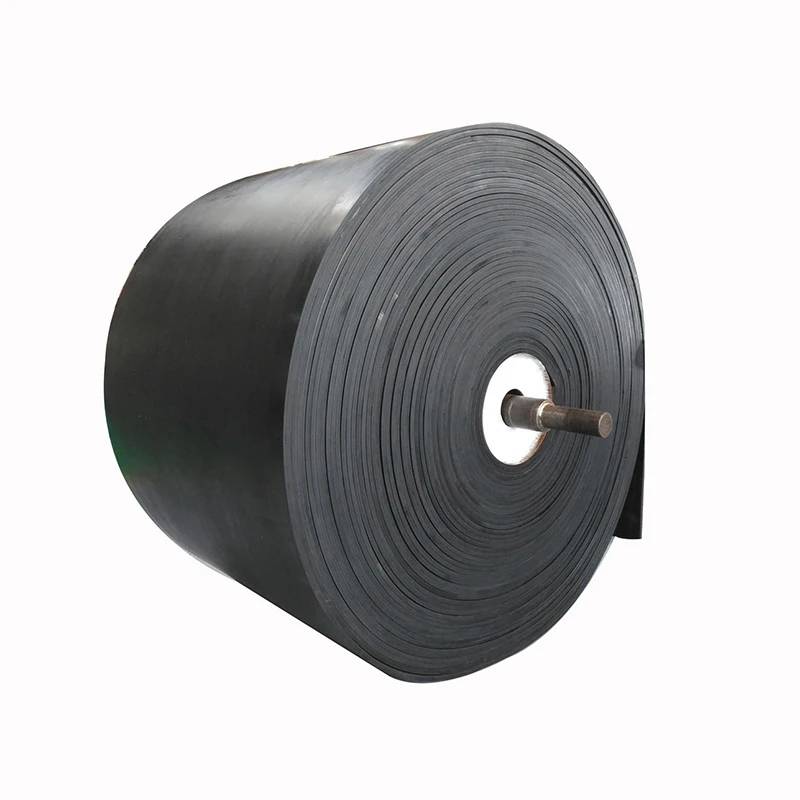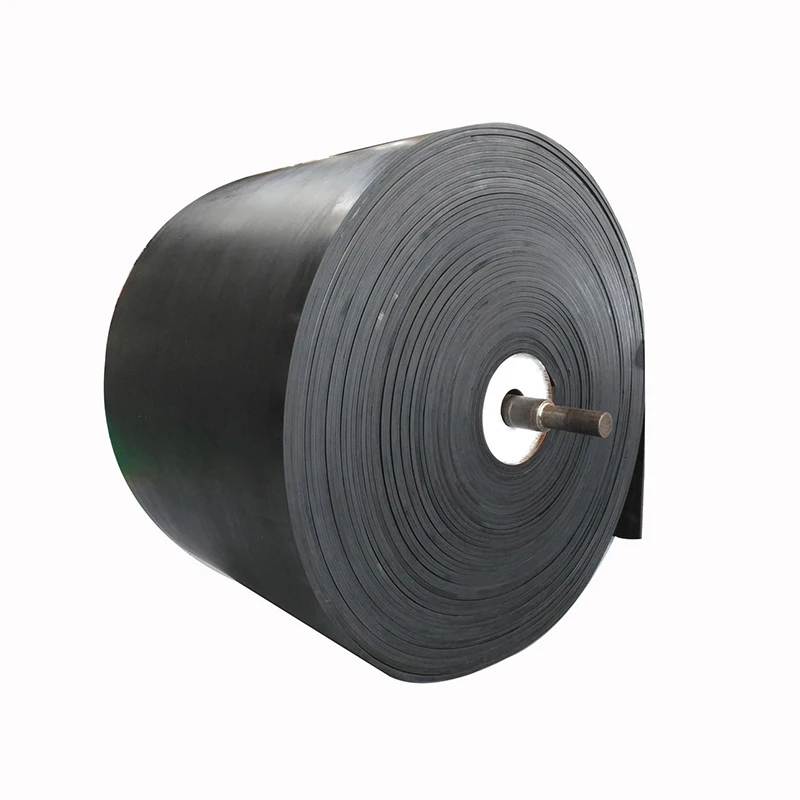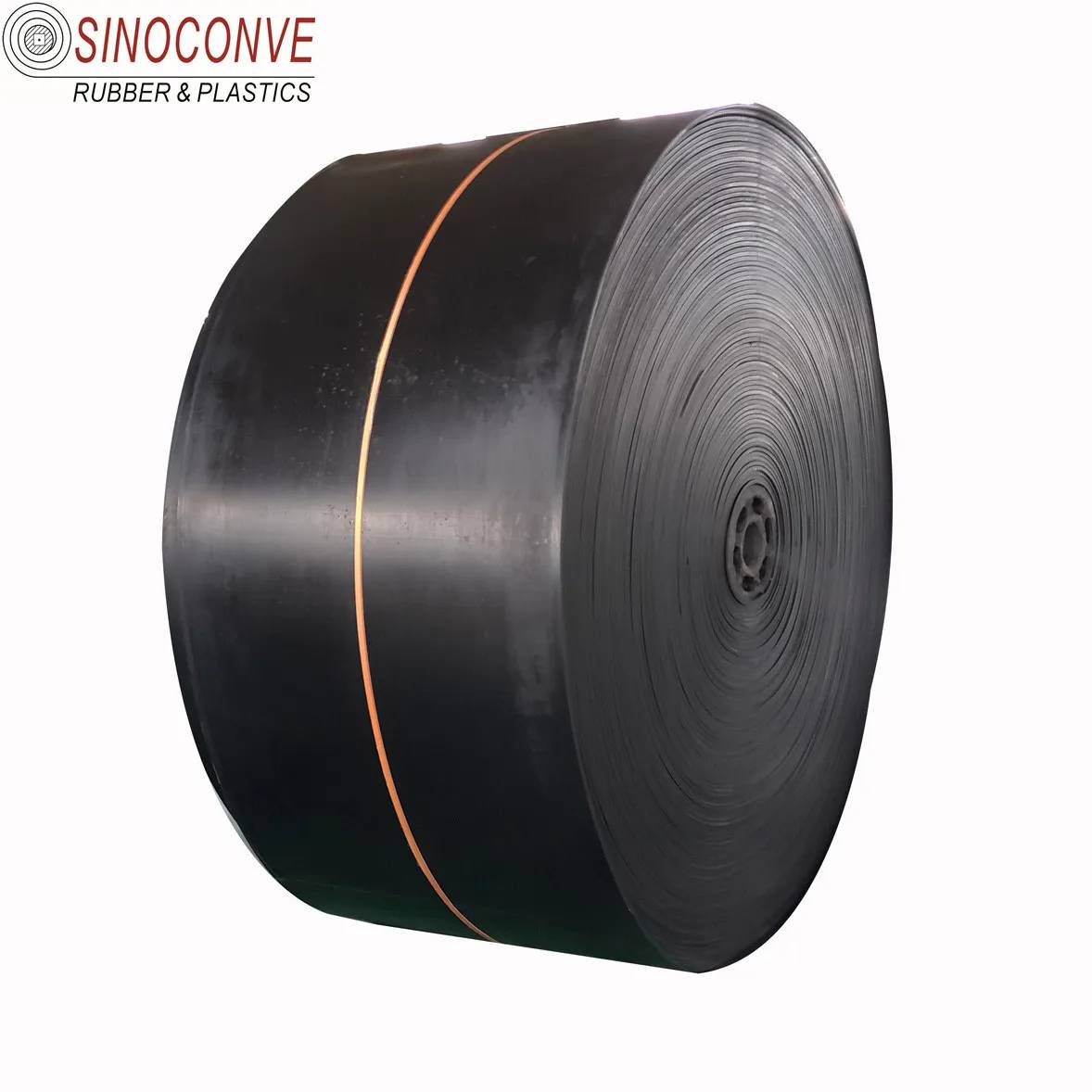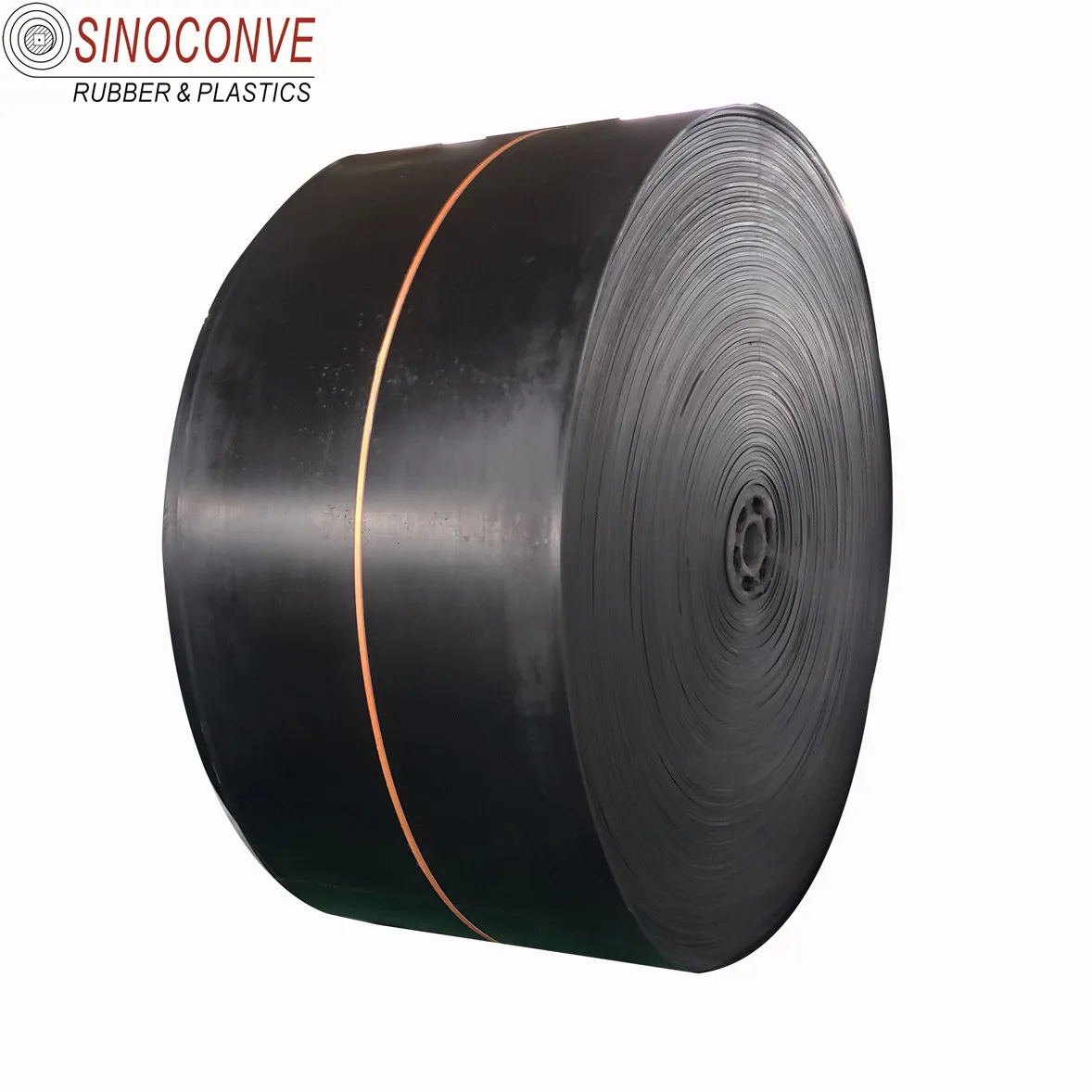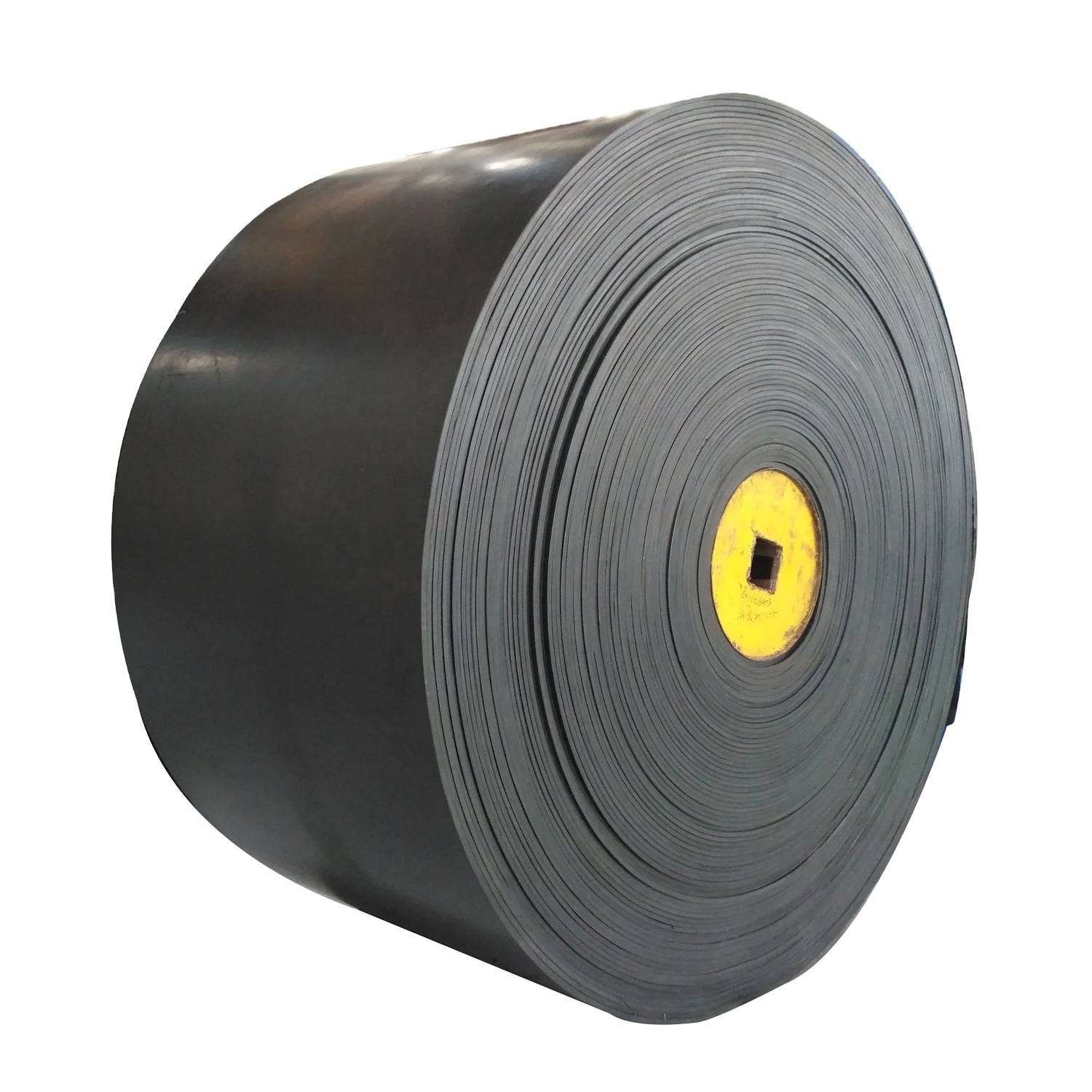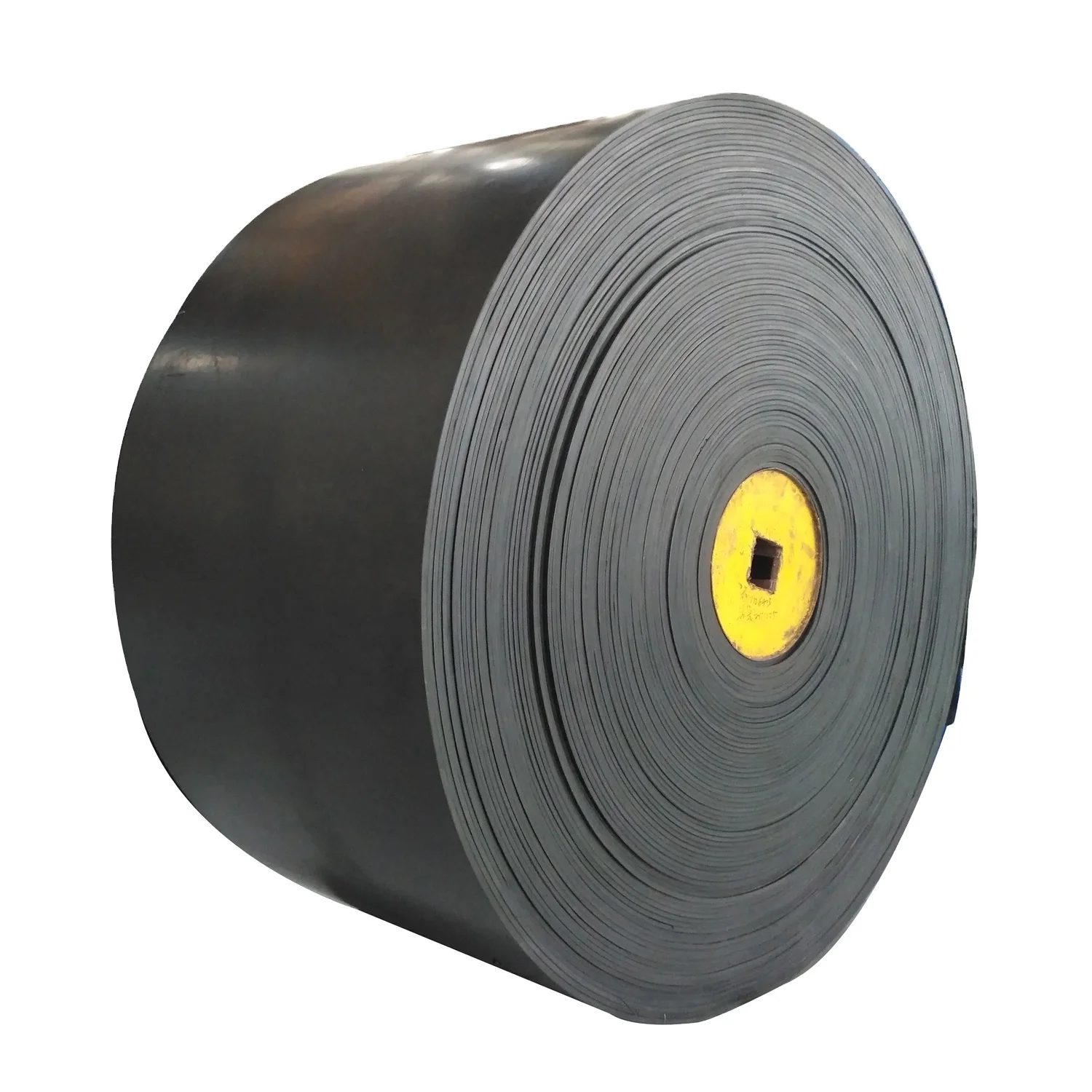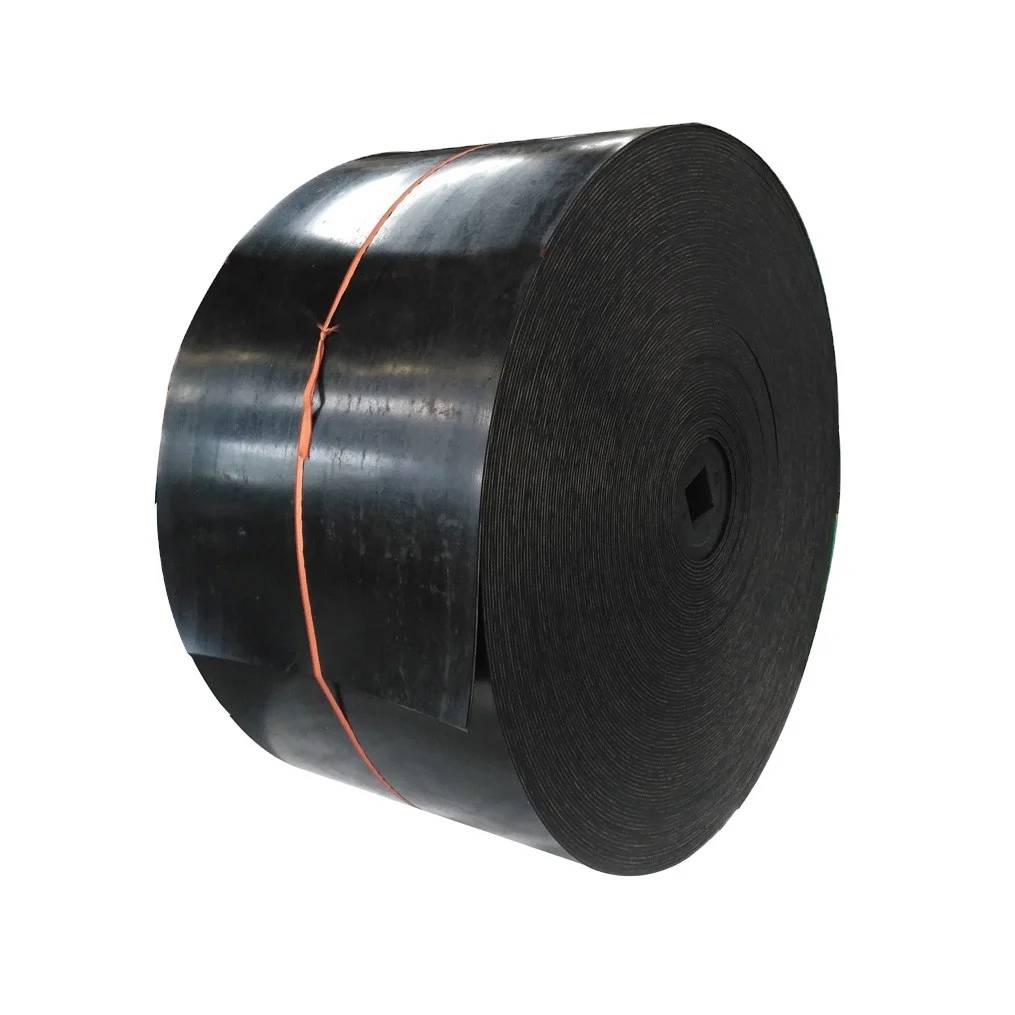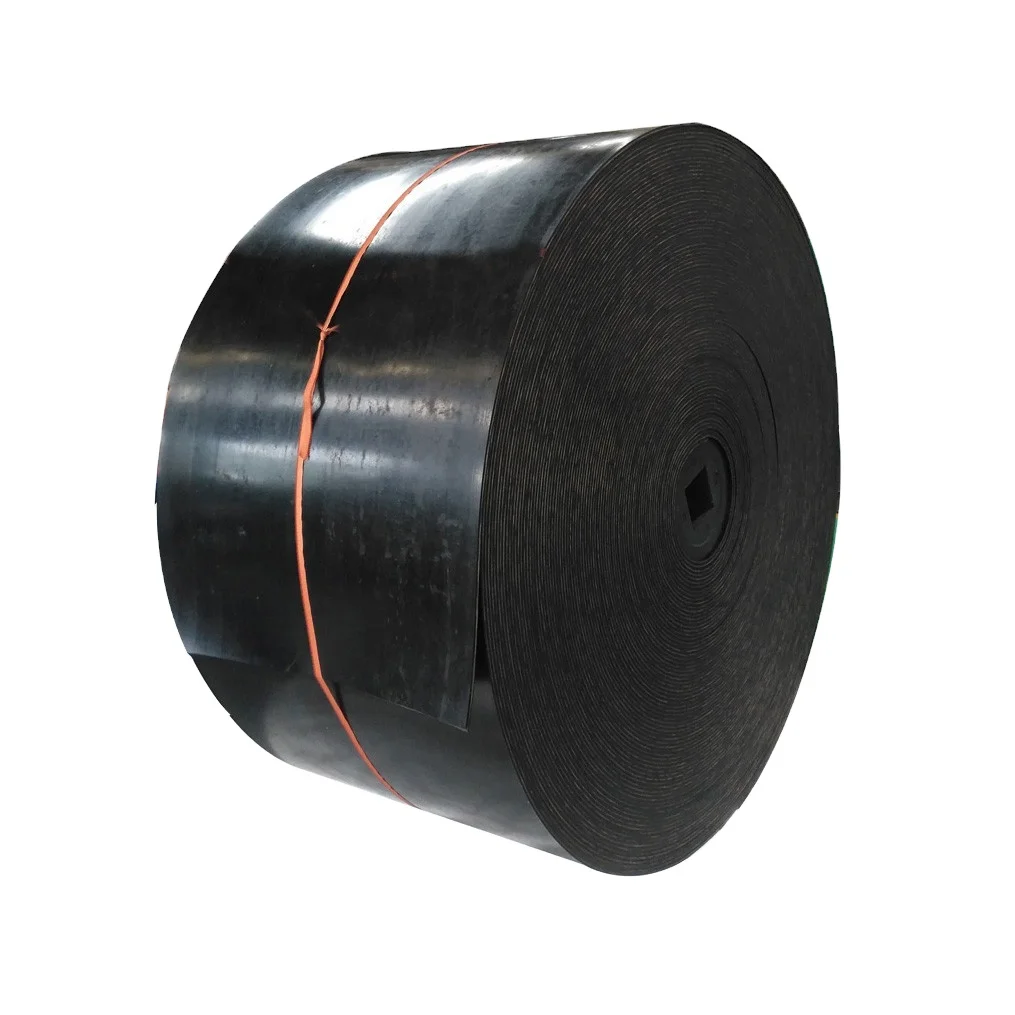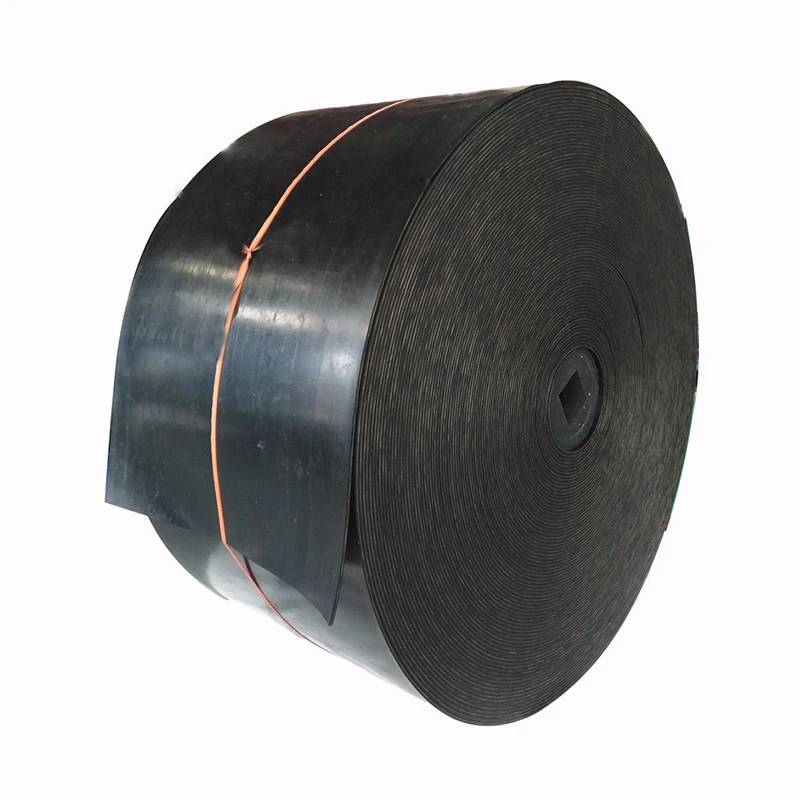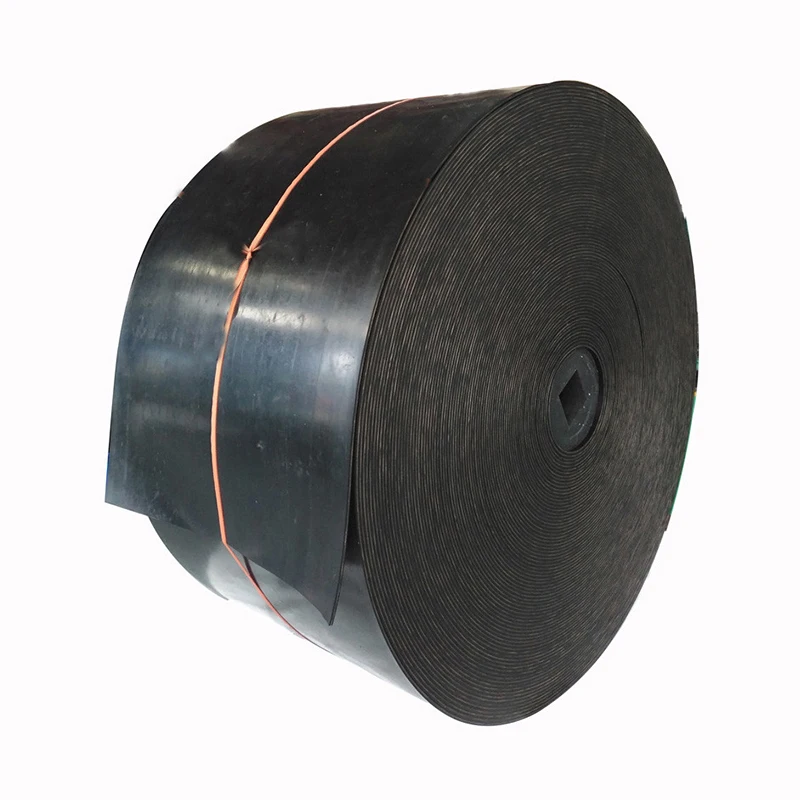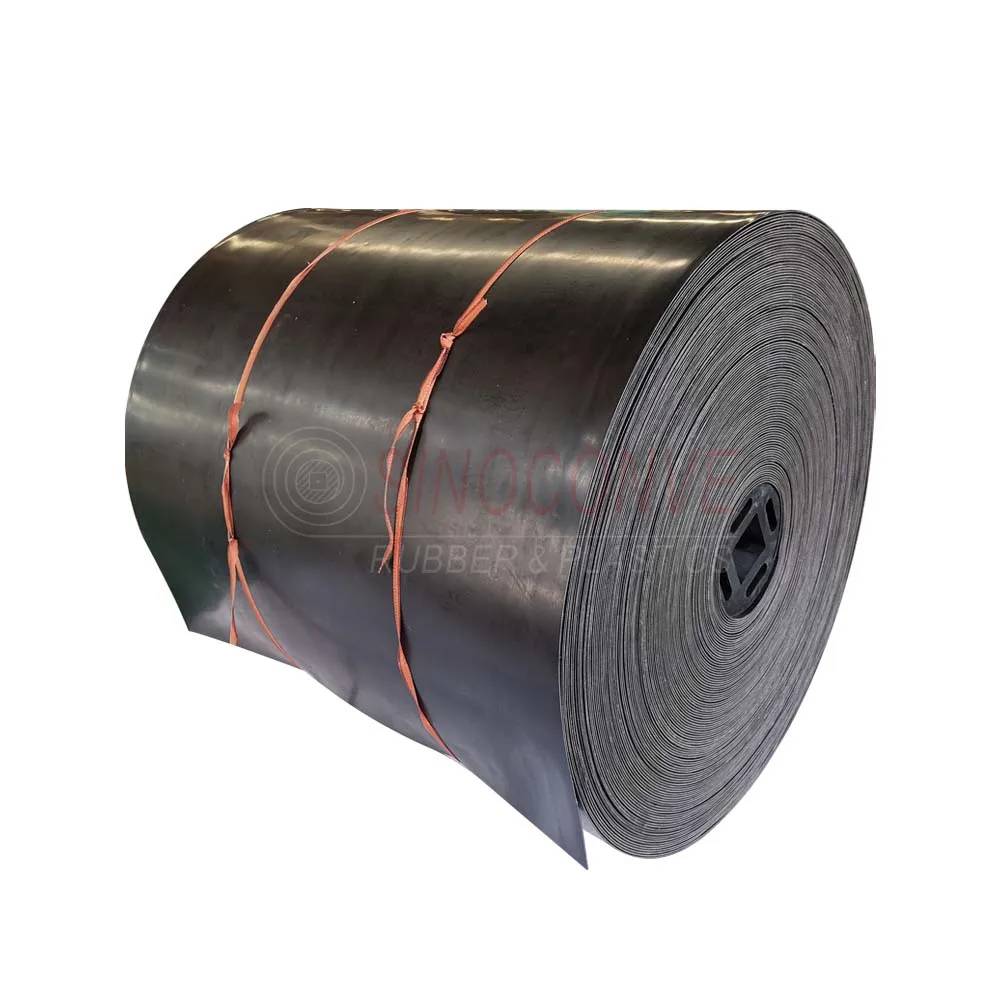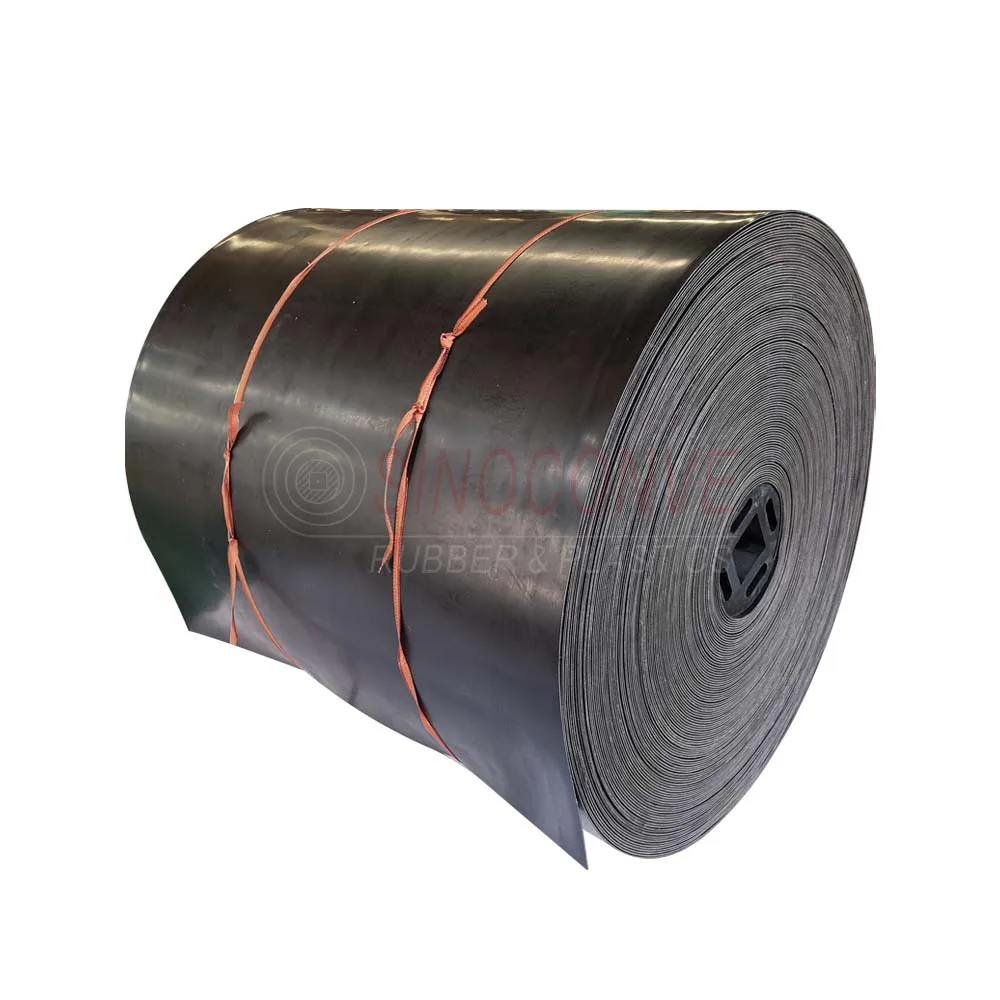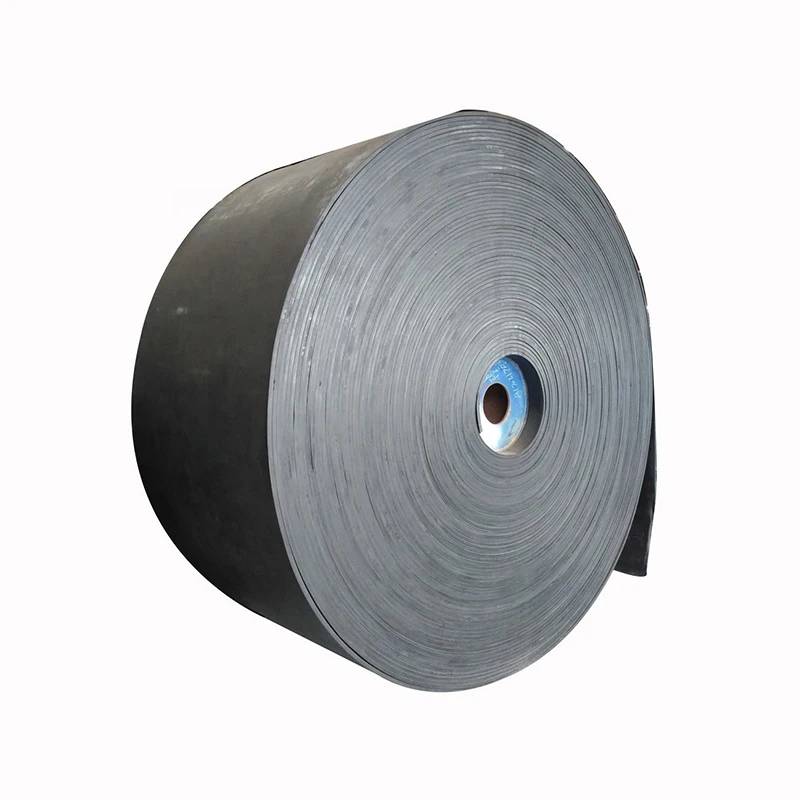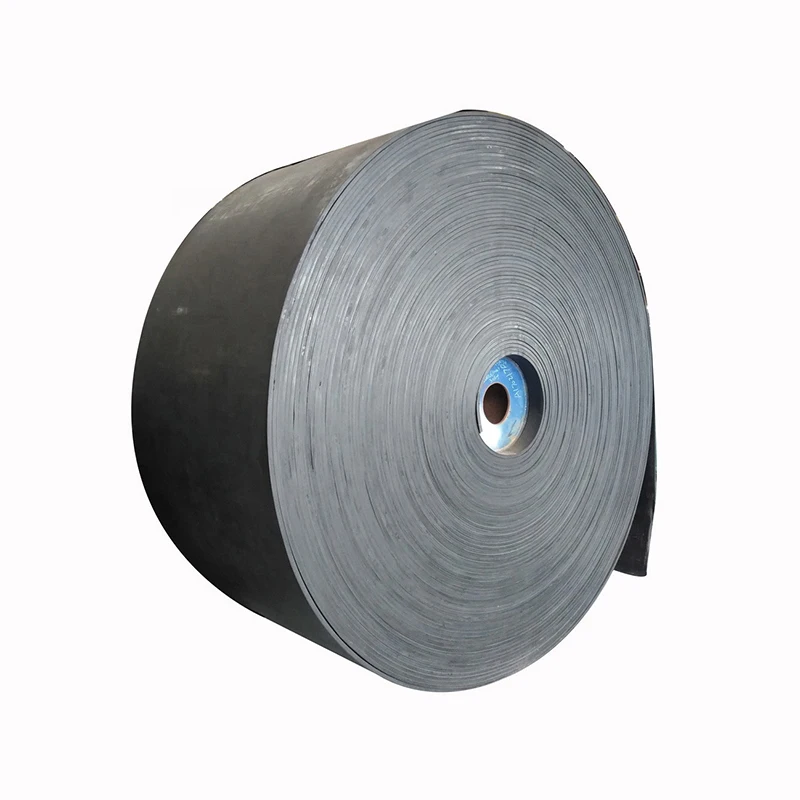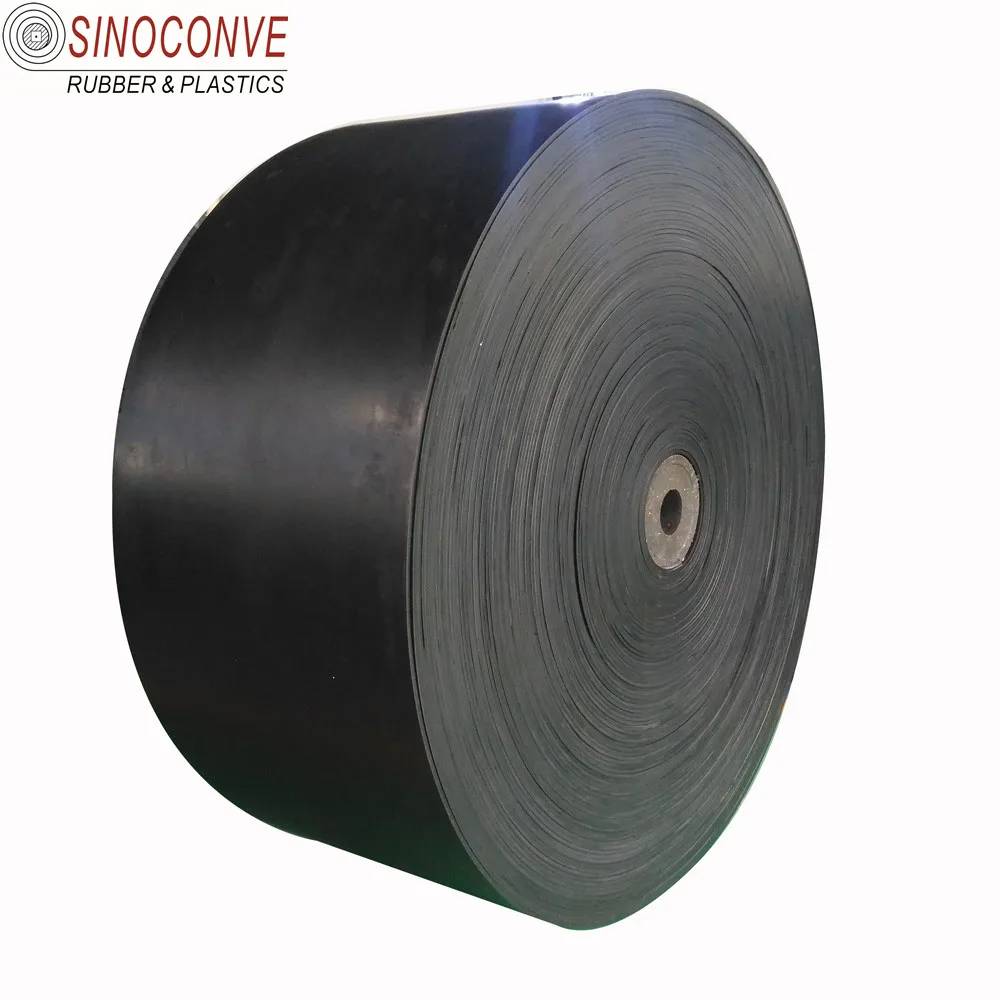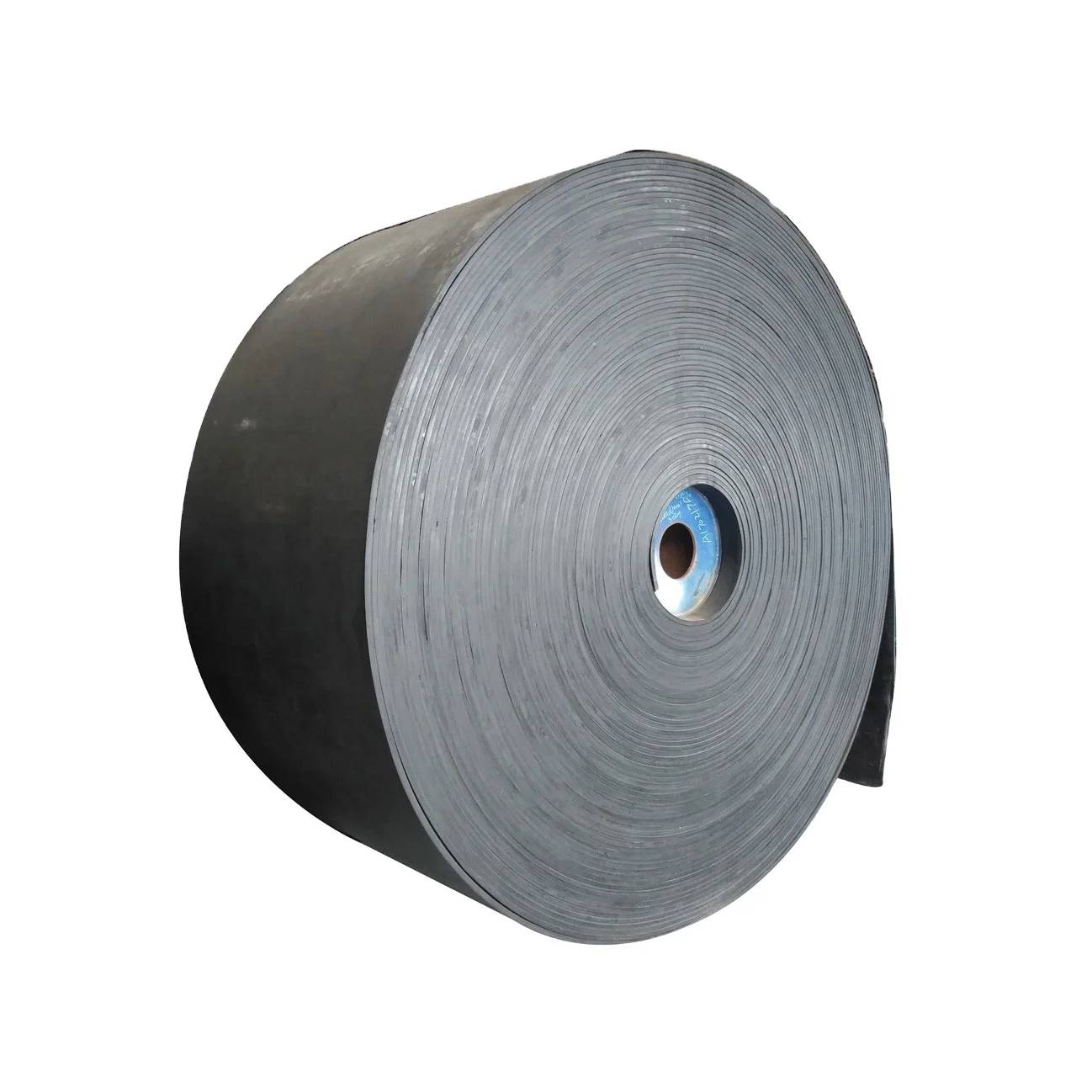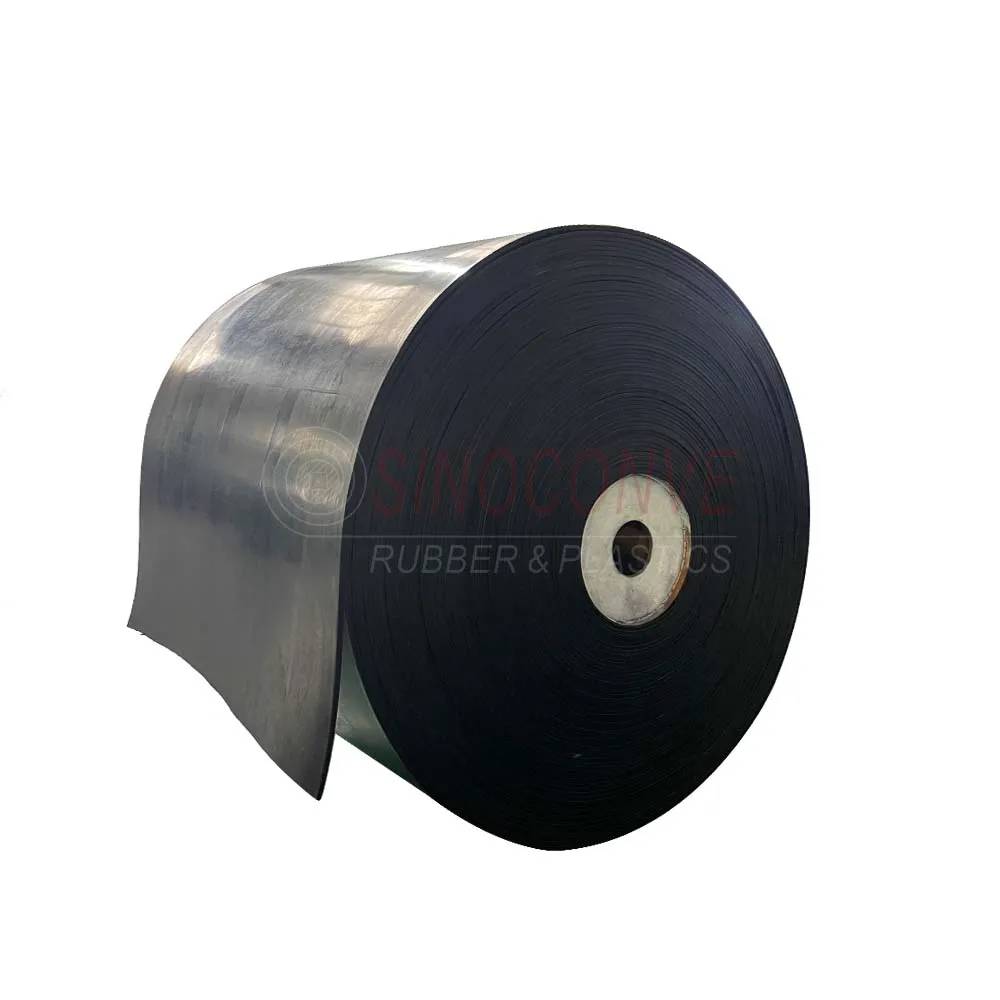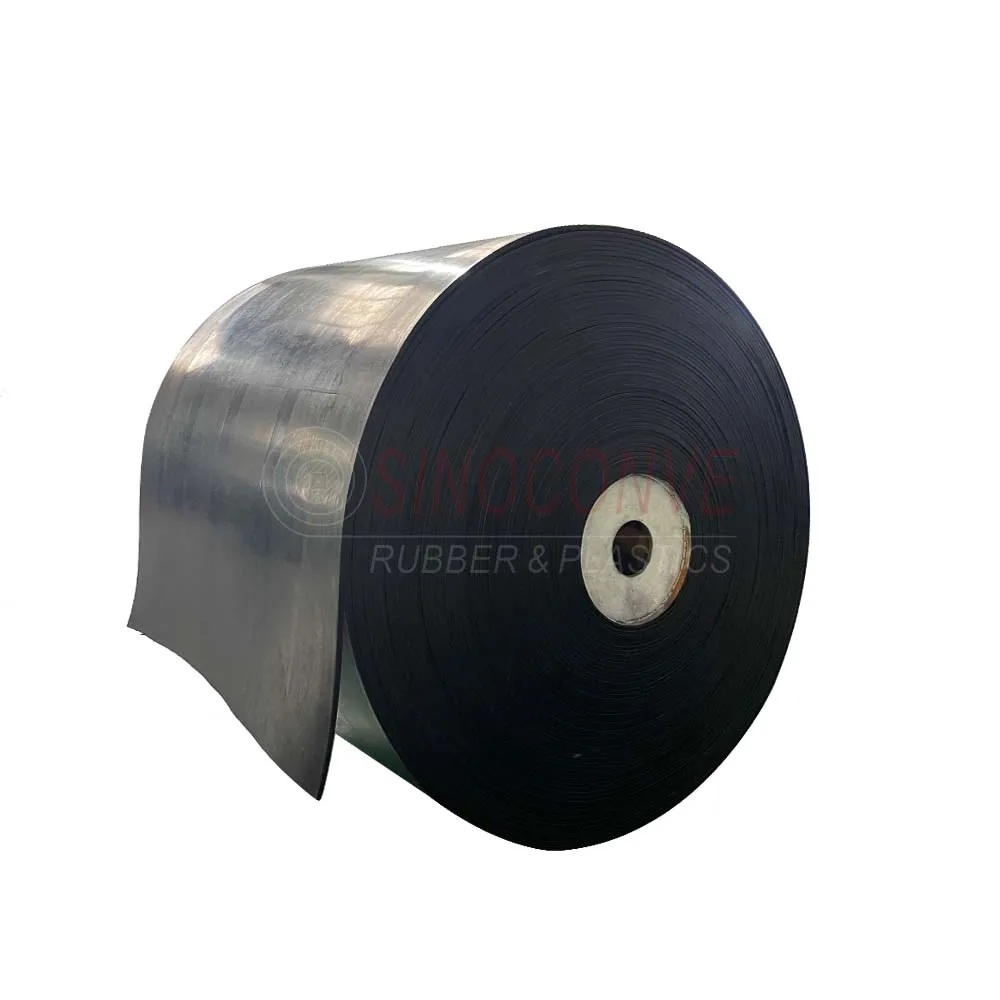


Chicken Manure Conveyor Belt for Poultry Farm Manure Removal
This is a rubber conveyor belt for chicken manure removal in poultry farms, broiler houses, and layer cage systems. The belt is positioned for continuous manure collection and transport under high-humidity, ammonia-rich conditions. The rubber surface compound and edge construction are selected to resist the corrosive effect of fresh manure, allow effective scraper cleaning at the head pulley, and maintain dimensional stability over extended operating cycles.
Poultry manure belts must fit the cage house tier spacing, resist chemical corrosion, and operate reliably for long periods with minimal maintenance. The correct specification depends on your cage system layout, belt width, belt length, and whether the belt is in a flat or inclined run. Send us your poultry house dimensions and operating requirements and our team will confirm the appropriate belt configuration.
Get a faster, more accurate quote
Click Inquiry Now and include your poultry house type (broiler / layer battery cage), belt width, center-to-center length per tier, number of tiers, belt speed, scraper type, and quantity. A sketch of the cage layout helps us respond more accurately.
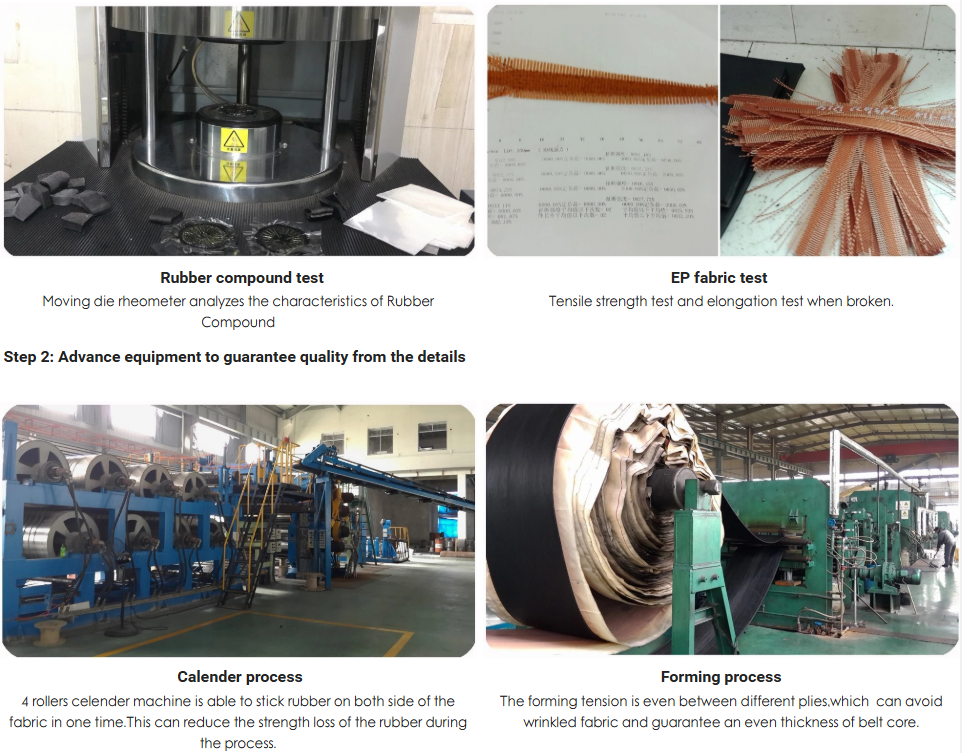
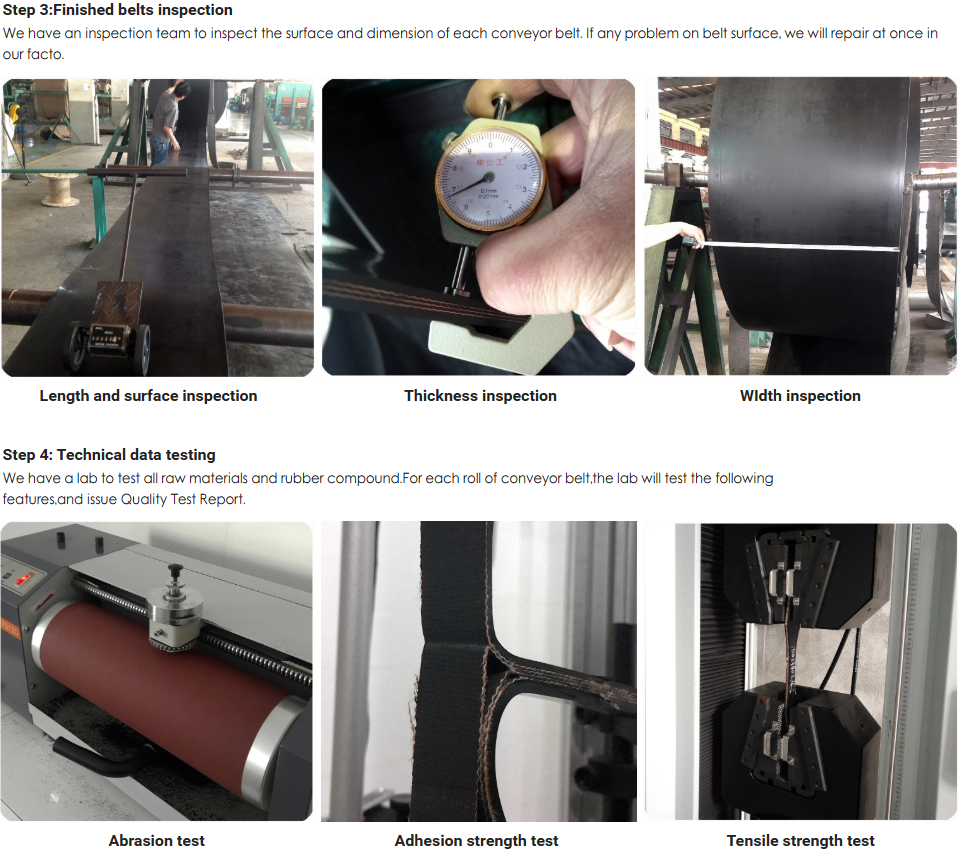
Listed product configuration
| Model | Chicken Manure Conveyor Belt — Poultry Farm Manure Removal |
| Primary application | Poultry farm manure removal — layer battery cages, broiler house cross conveyors |
| Surface compound | Corrosion-resistant, easy-clean rubber — confirmed to operating conditions |
| Edge construction | Sealed edges to minimise liquid ingress — confirmed to cage system design |
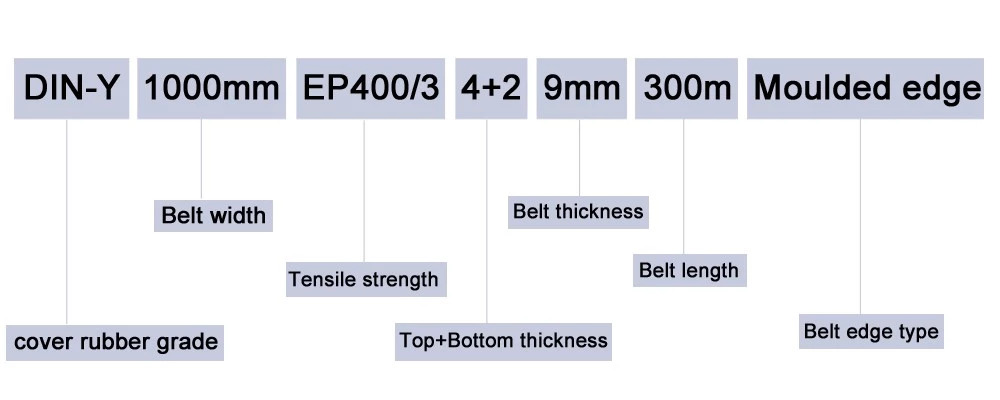
| Customization | Width, length per tier, number of tiers, belt thickness — confirmed to cage layout |
Specific belt width, length, thickness, and compound are not fixed on this listing and must be confirmed against your poultry house cage system dimensions before production.
Material and application note
This product is positioned for chicken manure removal in poultry farming systems. The rubber compound is selected for chemical corrosion resistance in a manure environment; specific compound formulation, belt dimensions, and mechanical properties must be confirmed before production. No veterinary, food safety, or regulatory compliance claims are made on this page.
Why poultry farmers choose this manure removal belt
Corrosion-resistant compound for ammonia and organic acids
Fresh chicken manure generates ammonia, organic acids, and moisture that accelerate rubber degradation in standard industrial belts. The surface compound used in this application is selected for resistance to this chemical environment, helping maintain belt integrity and reduce replacement frequency compared with using a standard abrasion-resistant compound.
Smooth surface for effective scraper cleaning
At the discharge end of the belt, a fixed scraper removes the bulk of the manure deposit. A smooth, dense rubber surface allows the scraper blade to clean more effectively, reducing build-up on the return side and minimising hygiene and tracking issues in the cage house.
Dimensional accuracy for cage system fit
Layer battery cage belts must fit precisely within the tier spacing — often 400–700 mm wide. Precise cutting tolerance and consistent belt thickness (typically 4–8 mm total) allow the belt to run flat and close-fitting within the cage frame without contacting the cage wire above or the collection trough below.
Application details we check
- Cage system type: layer battery cage (each tier has its own belt) or cross conveyor below the cages? Each layout requires a different belt specification.
- Belt width per tier — determined by the cage design; typically 300–700 mm for layer cages.
- Belt center-to-center length per tier — determines the belt loop length. Specify the cage row length.
- Number of tiers and total belt quantity — used to calculate the total order quantity and delivery schedule.
- Belt speed and daily operating cycle (continuous or timed runs) — affect drive selection and belt wear.
- Scraper type (rigid blade or brush) and mounting position — affects the recommended surface hardness and thickness.
- Ambient temperature and ventilation in the cage house — hot, humid cage environments may require a heat-tolerant compound.
Customization discussion
Belt width, loop length, thickness, surface compound (corrosion-resistant, easy-clean, or smooth rubber), edge sealing method, fabric carcass (EP or NN), and splice / joining method (finger-jointed endless, laced, or cut-to-length with clips) can be discussed. All options are confirmed against your cage system layout before commitment.
Get a technical recommendation and quote
Click Inquiry Now and send your cage system dimensions and quantity.
Suggested inquiry: "Please quote chicken manure conveyor belts for our layer cage house — belt width [ ] mm, length per tier [ ] m, number of tiers [ ], total belt quantity [ ] meters (or [ ] sets)."
Frequently asked questions
What belt width do I need for layer battery cages?
Belt width is determined by the inside width of the manure trough in your cage system, typically 300–700 mm depending on the cage manufacturer's design. The belt should be slightly narrower than the cage trough to avoid contact with the cage frame on the sides. Share the trough dimension and we will confirm the recommended belt width.
Should the belt be endless (joined) or open-ended with clips?
Both options are available. Finger-jointed endless belts provide a smooth, joint-free surface ideal for scraper cleaning but require the drive to be accessible for belt installation. Laced or clipped open-ended belts are easier to install without disassembling the cage frame but have a joint that may catch the scraper. We can discuss the best option for your specific cage design.
How long does a chicken manure belt typically last?
Belt service life depends on the chemical concentration in the manure, the scraper pressure, and the belt speed. Providing compound and operating data allows us to estimate expected wear life for your specific conditions.
How do I submit an inquiry?
Use the Inquiry Now link to open our contact page at https://sinoconve.com/contact-us and include your cage layout, belt width, length, and quantity.