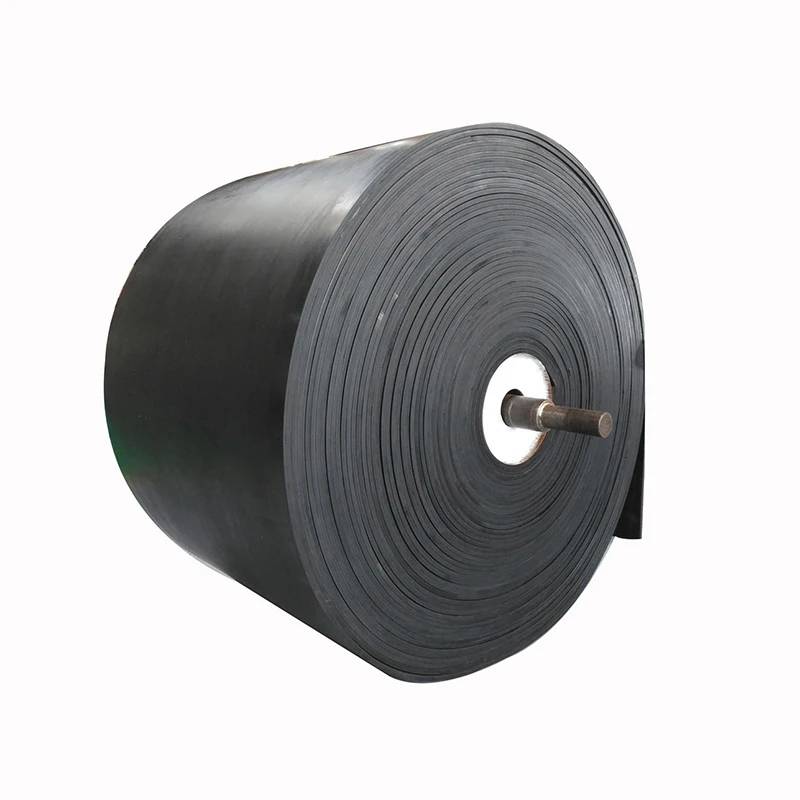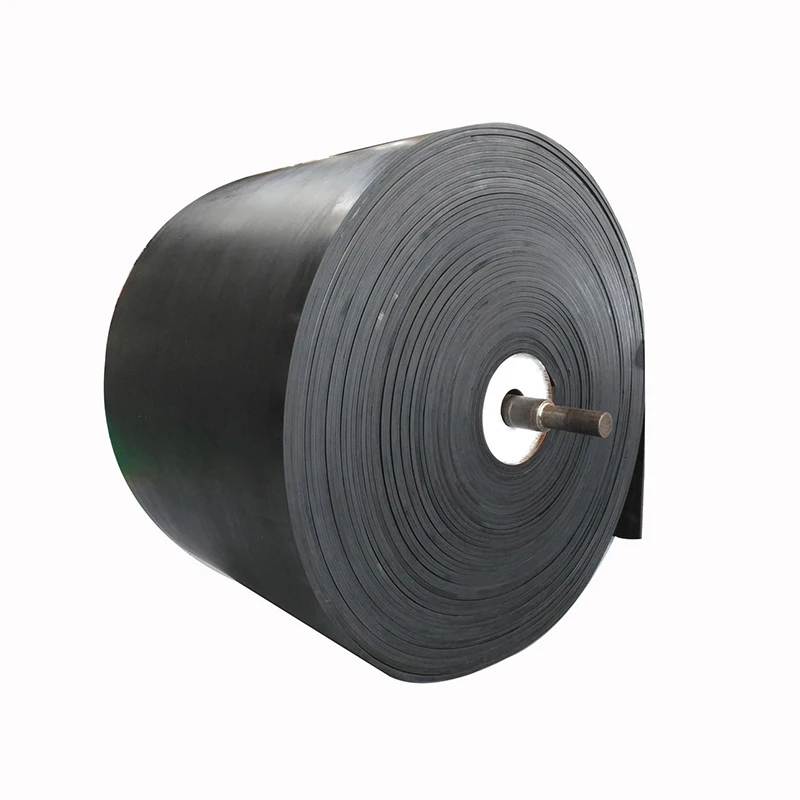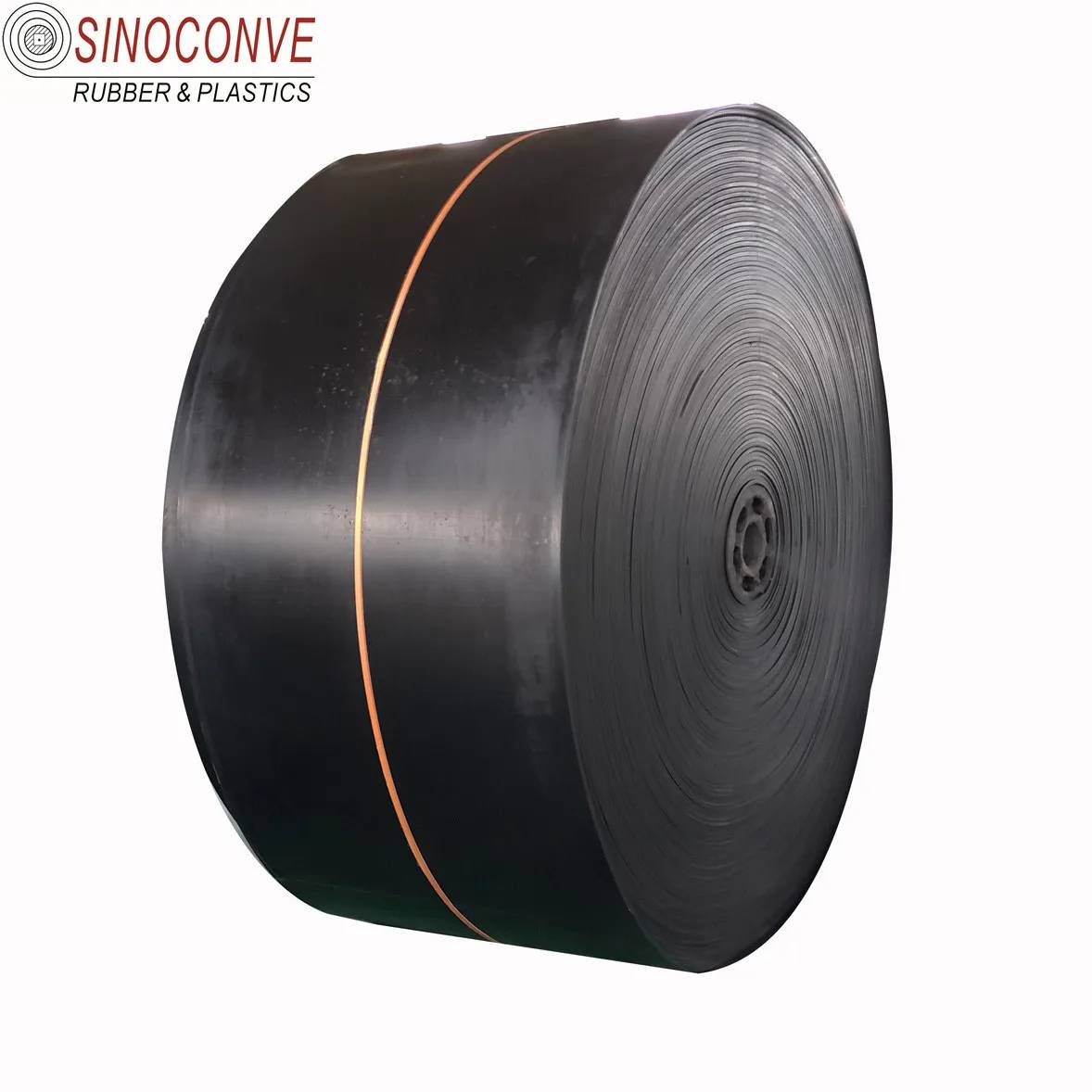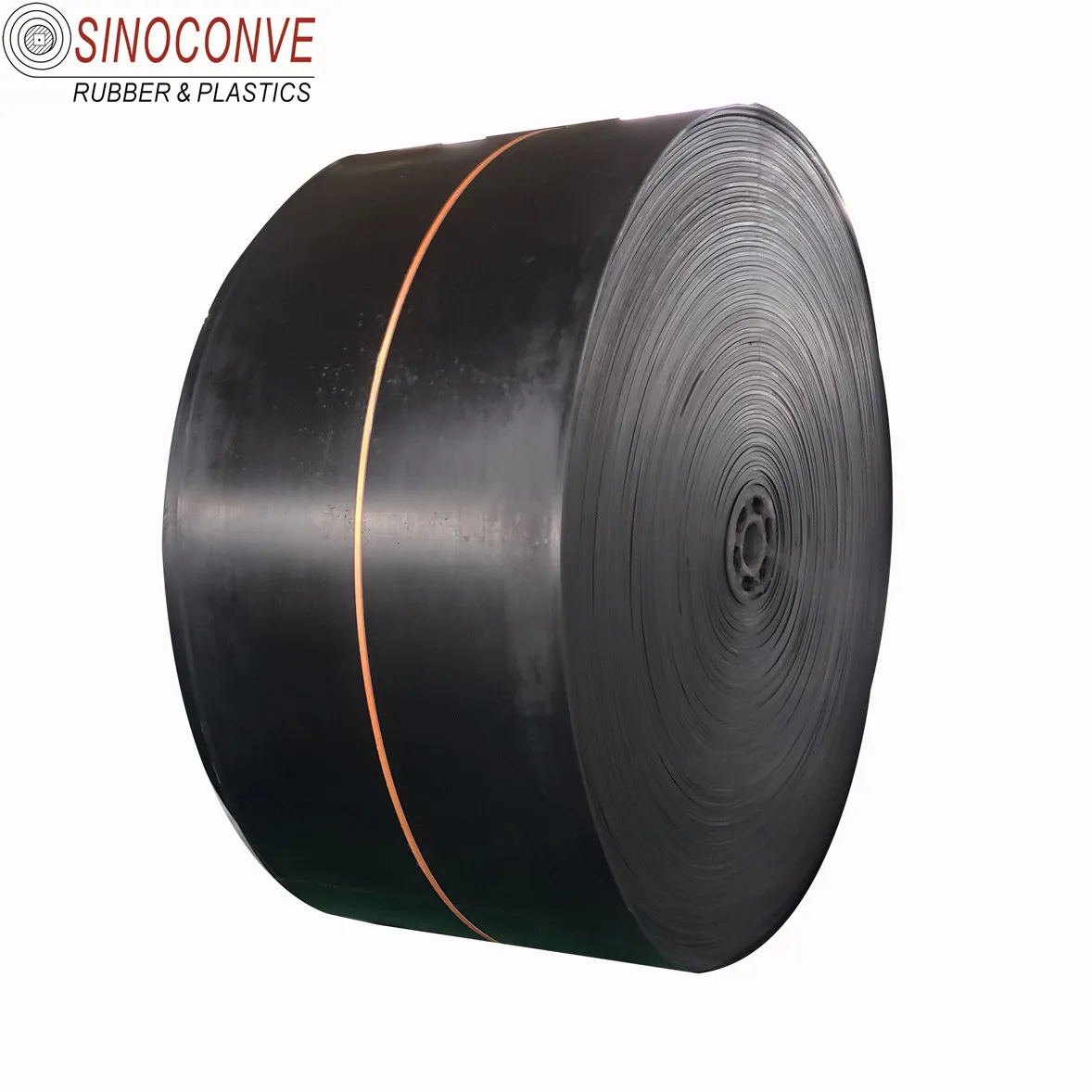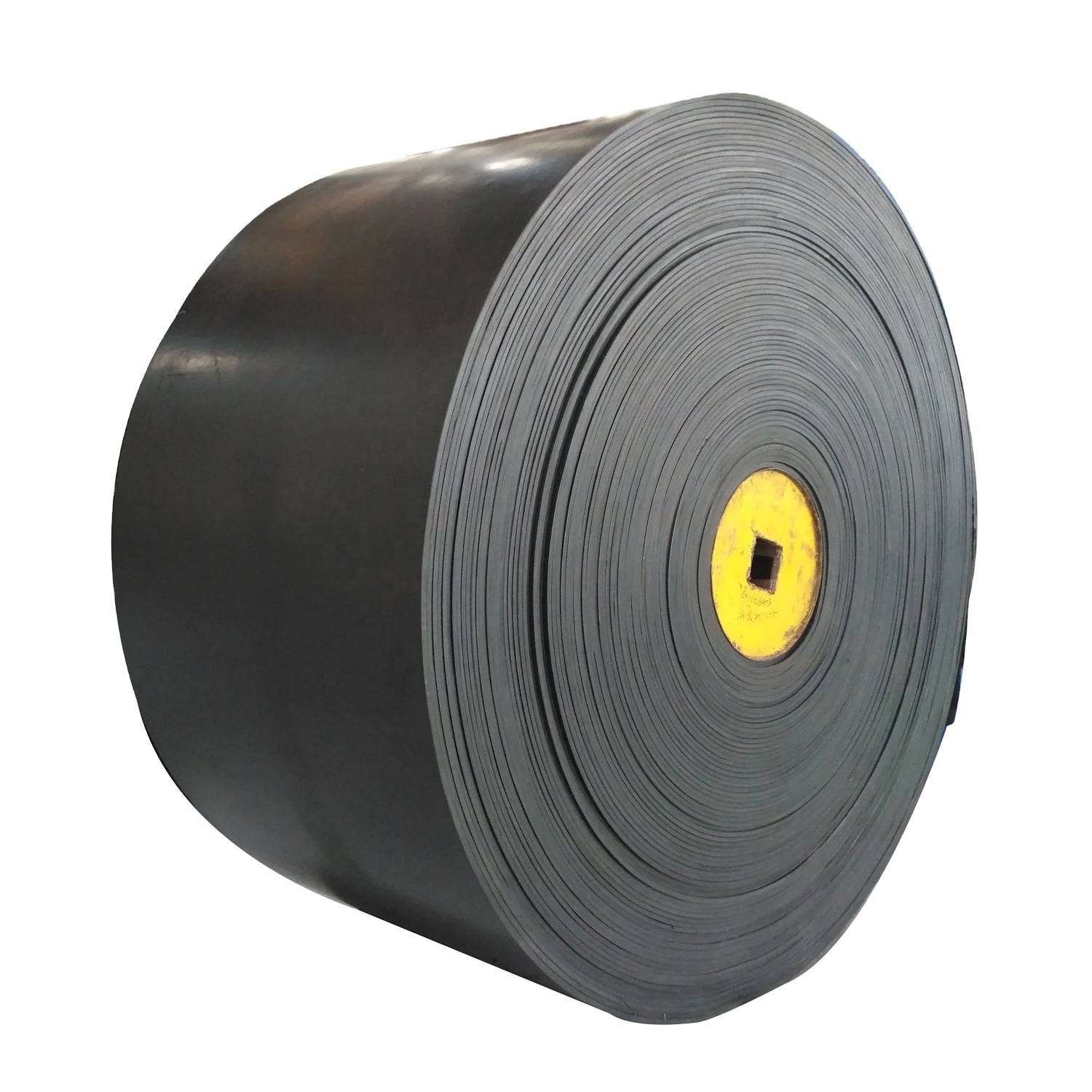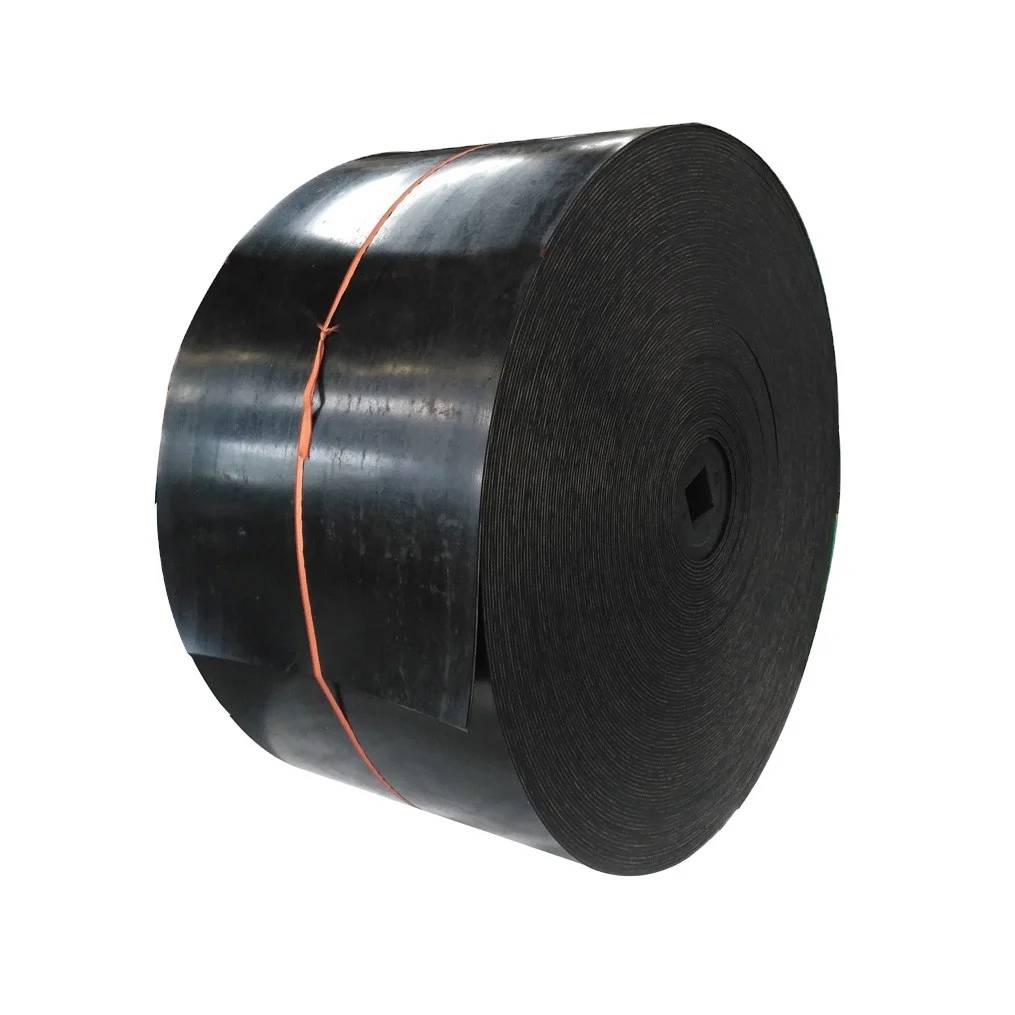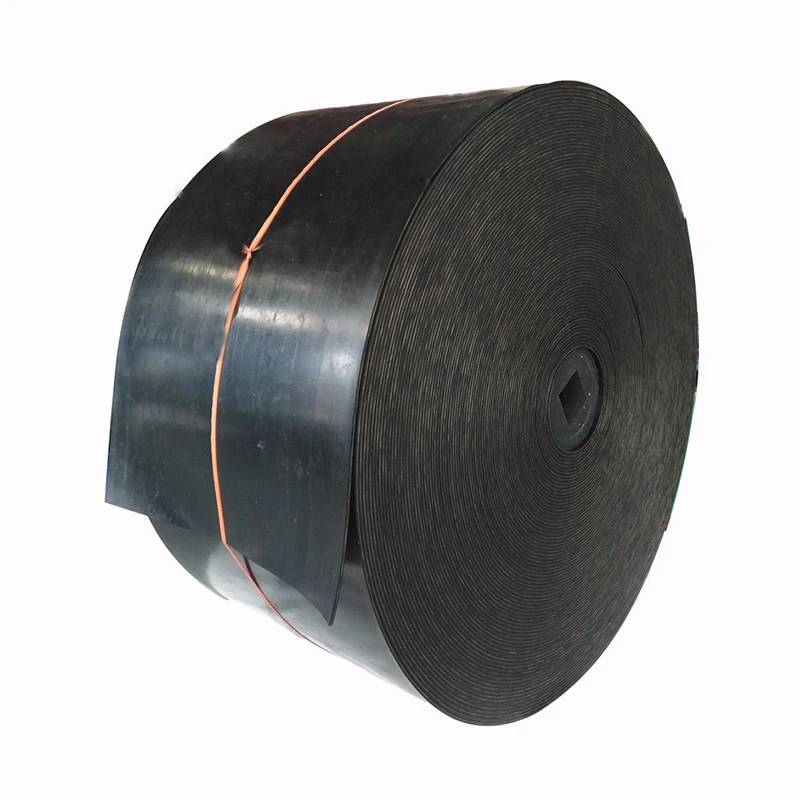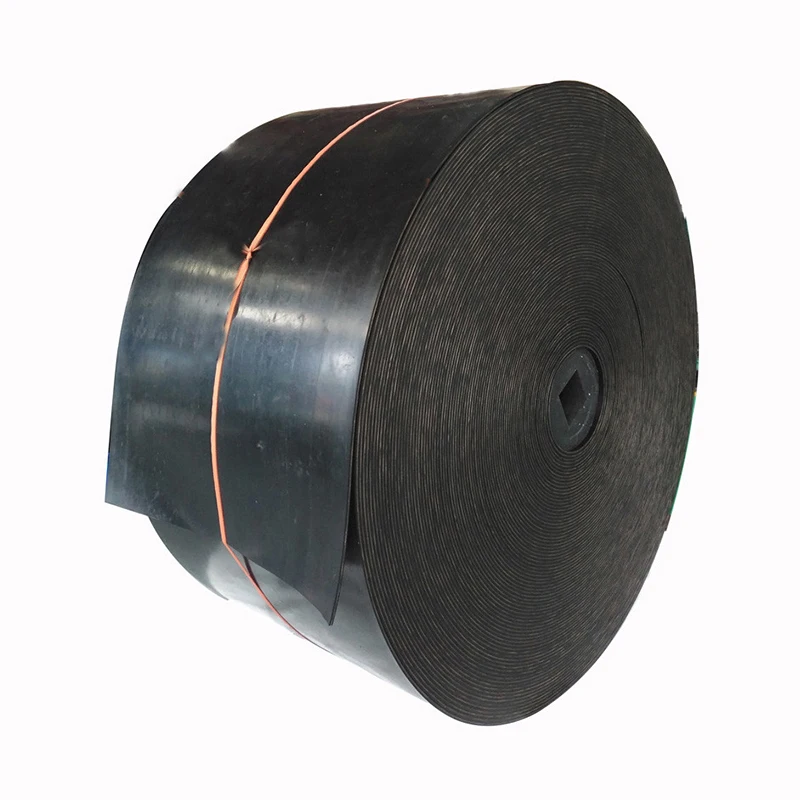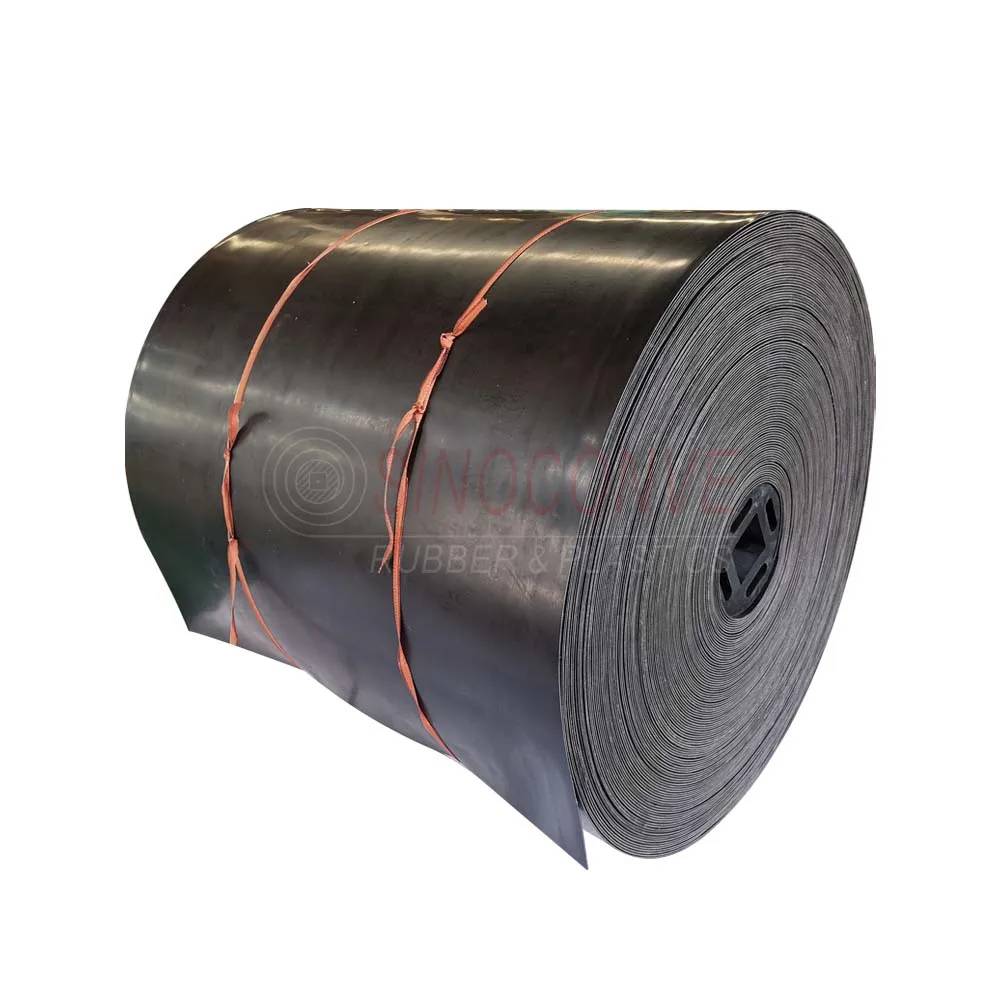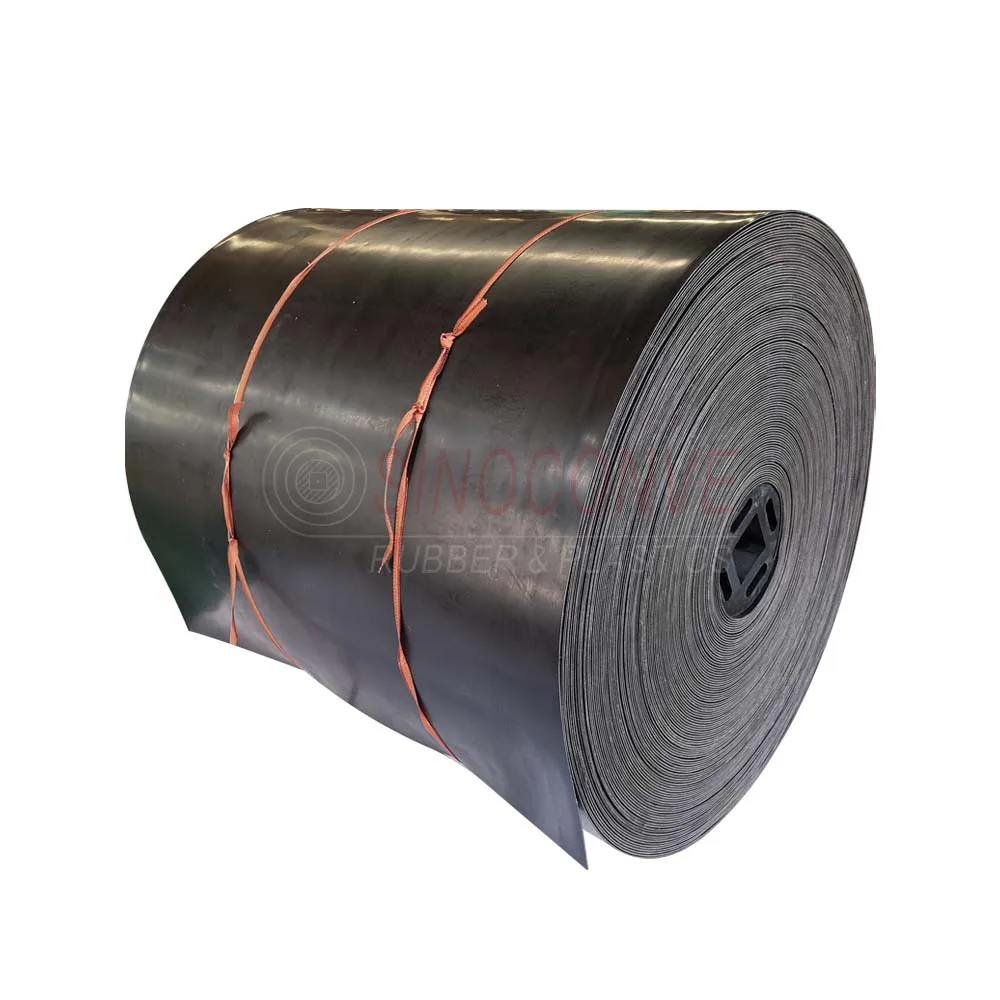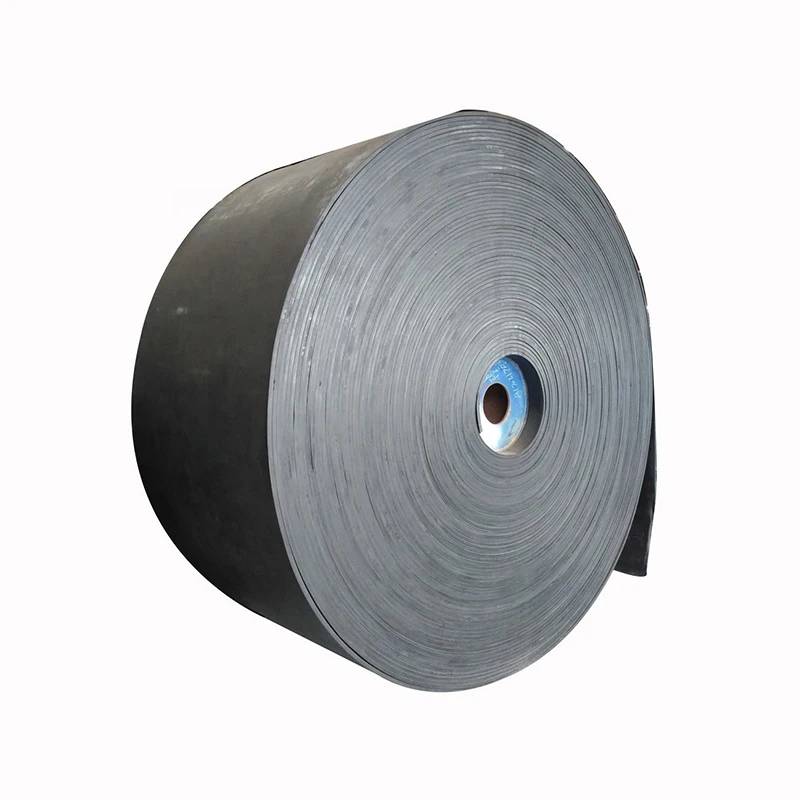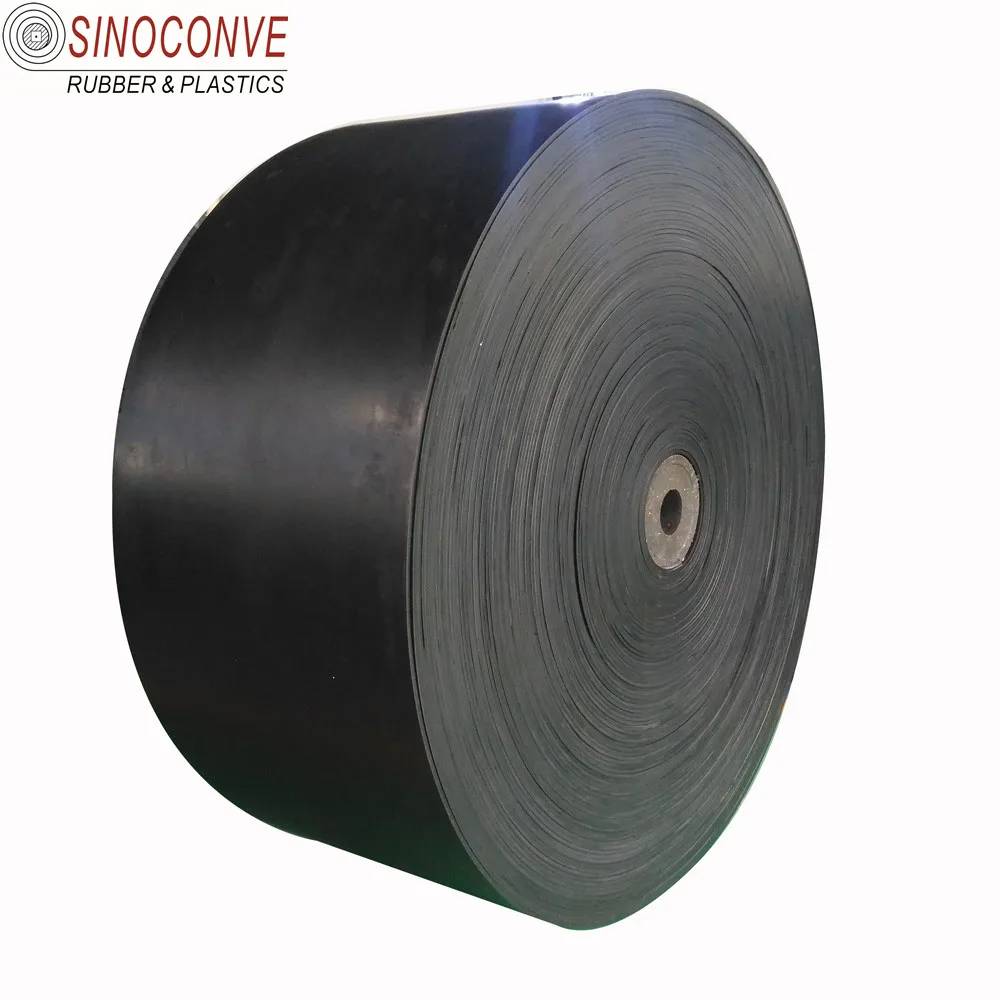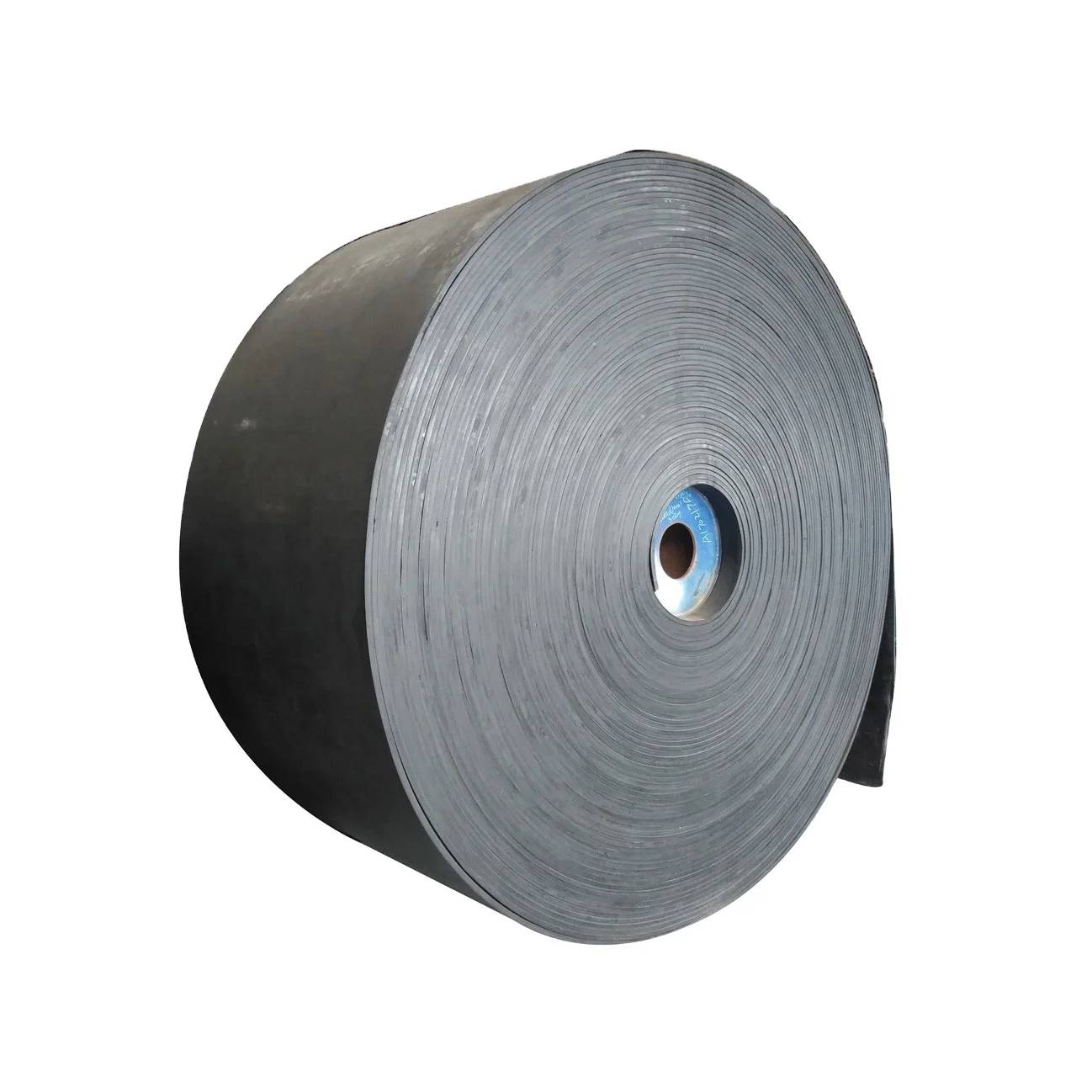


Industrial Cleated Rubber Conveyor Belt for Stone Crusher
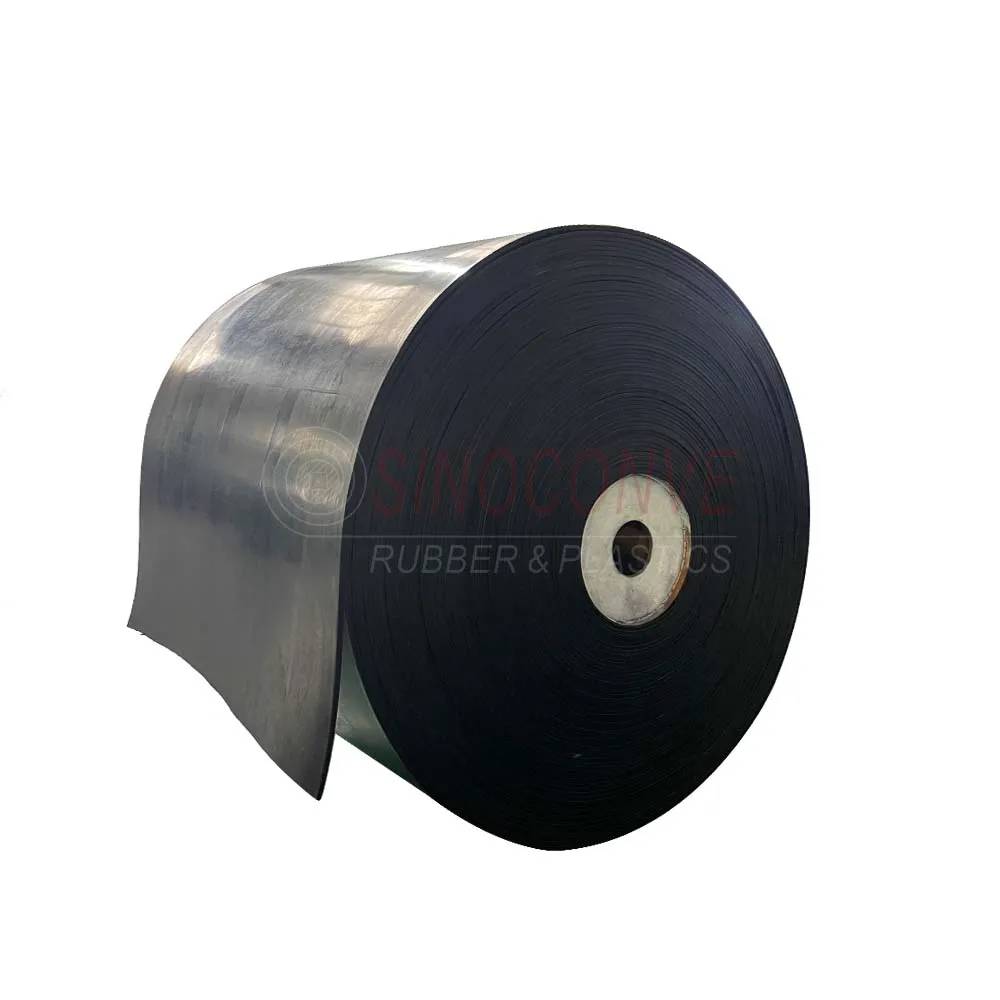
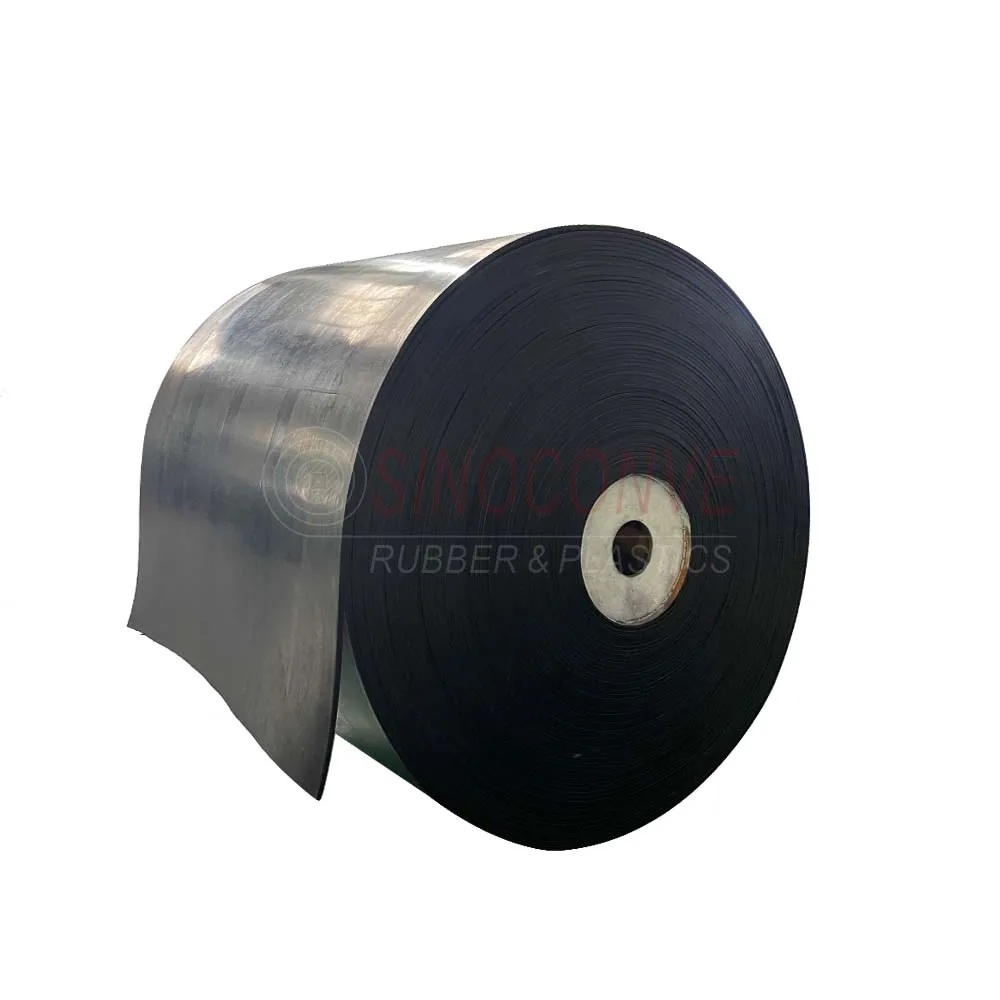
This is an industrial cleated rubber conveyor belt designed for stone crusher discharge and steep-incline conveying applications. Cleats are vulcanized directly onto the belt surface at regular intervals, forming cross-partitions that hold crushed stone, aggregate, sand, and other bulk materials in place on inclines where a flat belt would allow roll-back. Cleated belts can typically convey material at angles from 25° to 45° depending on the cleat height, profile, and material characteristics.
The cleat profile, spacing, height, belt width, carcass type, and cover compound must all be matched to the conveyed material and the conveyor geometry. Send us your incline angle, material type, maximum lump size, and conveyor dimensions and we will confirm the appropriate cleated belt configuration.
Get a faster, more accurate quote
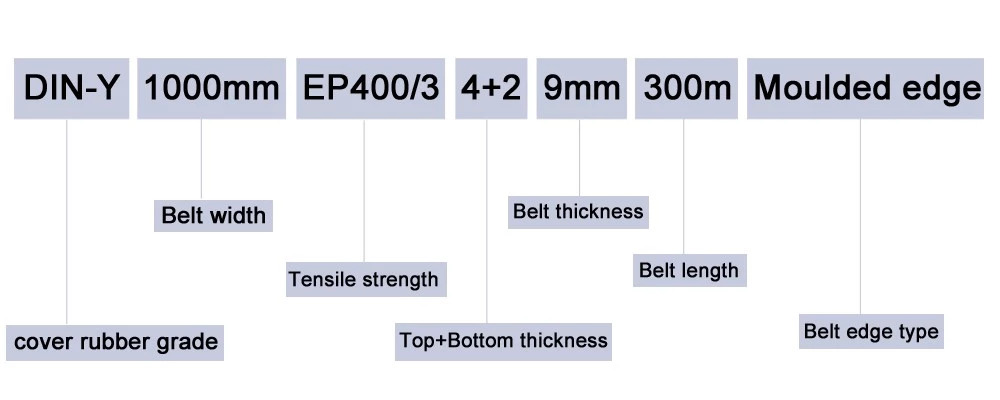
Click Inquiry Now and include your incline angle, material type and maximum lump size, conveyor width, belt length, belt speed, preferred cleat profile (if known), and quantity.
Common cleat profiles and typical applications
| Cleat Profile | Shape | Typical max angle | Typical use |
| T-type (T-rib) | T-section across full width | ~35° | Sand, gravel, small crushed stone, coal |
| C-type (C-rib) | Curved C-profile across full width | ~40° | Aggregate, crushed stone, ore, fertilizer |
| Chevron (V-type) | V-pattern angled cleats | ~30° | Wet or sticky materials: mud, clay, moist gravel |
| Corrugated + cleat | Sidewall + cross cleat | Up to 90° (vertical) | High-angle elevation, compact footprint applications |
Cleat height, spacing (pitch), and profile type must be confirmed based on your incline angle, material size, and moisture content before production. The values above are indicative only.
Material and application note
This product is positioned for inclined stone crusher and aggregate conveying using vulcanized cleats on a rubber belt. Cleat profile, height, spacing, carcass type and cover compound must be confirmed against your incline angle and material properties before production. The conveying angle limits in the table are indicative and vary by material characteristics.
Why use a cleated belt for stone crusher output
Prevents material roll-back on steep inclines
After a stone crusher, the discharge material is typically angular and varied in lump size. On a flat belt at inclines above 18–20°, this material will slide back. Vulcanized cleats create physical barriers that hold the material in place, enabling steep-incline conveying and reducing the footprint of the conveyor system.
Vulcanized cleats — not bolt-on
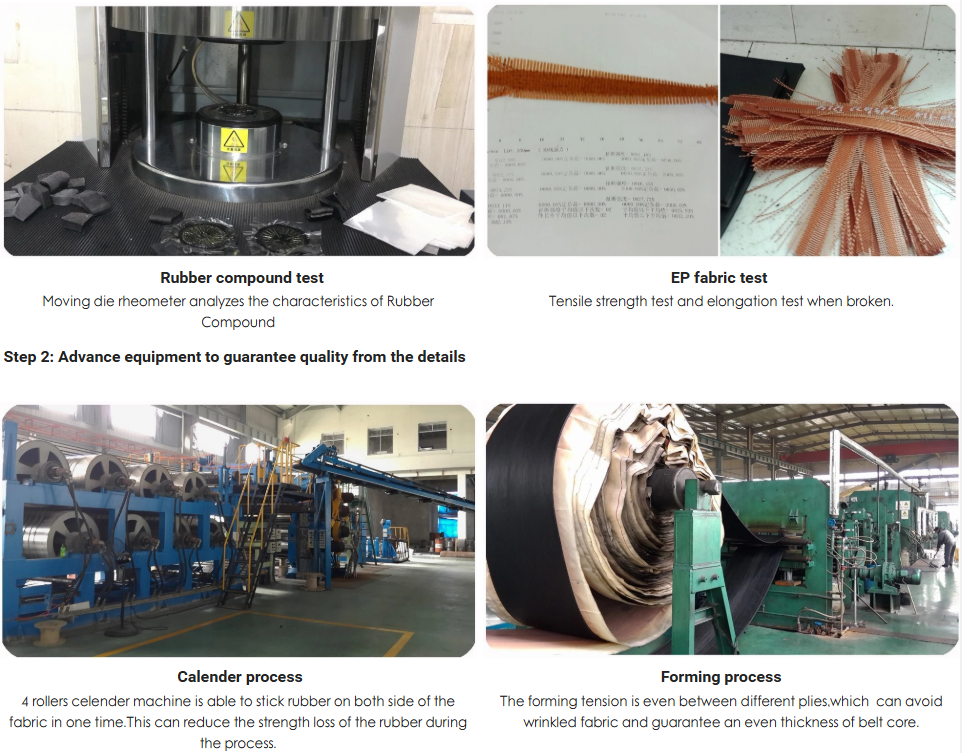
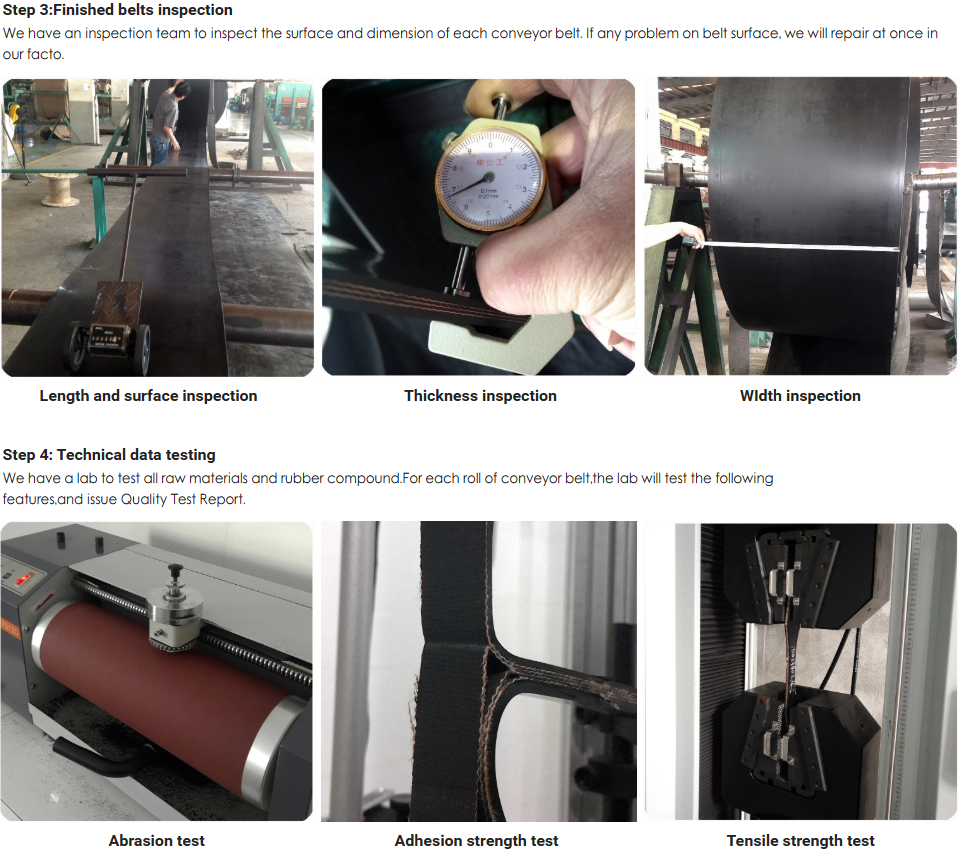
Cleats molded into the belt during vulcanization are bonded to the rubber cover without bolts or fasteners, which eliminates the risk of cleat separation under impact and avoids damage to downstream equipment from loose fasteners. Proper cleat adhesion is achieved through the vulcanization process and verified during quality inspection.
Custom cleat height and pitch
Cleat height and spacing are selected based on the maximum lump size and the required conveying angle. Larger lump sizes and steeper angles typically require taller cleats. We will recommend a suitable cleat height and pitch based on your material and angle data.
Application details we check
- Incline angle (degrees) — the primary determinant of cleat profile and height selection.
- Material type and maximum lump size — affect both cleat spacing (pitch must exceed maximum lump size) and cover compound.
- Material moisture content — wet or sticky materials may require wider cleat spacing or a different surface texture.
- Belt width, center-to-center length, and pulley diameters — used to select carcass type and strength.
- Belt speed and daily operating hours — affect cover and cleat wear rate.
- Whether the return side runs flat (cleated belts may need special idlers on the return) — must be confirmed for the conveyor design.
- Quantity and packaging requirements.
Customization discussion
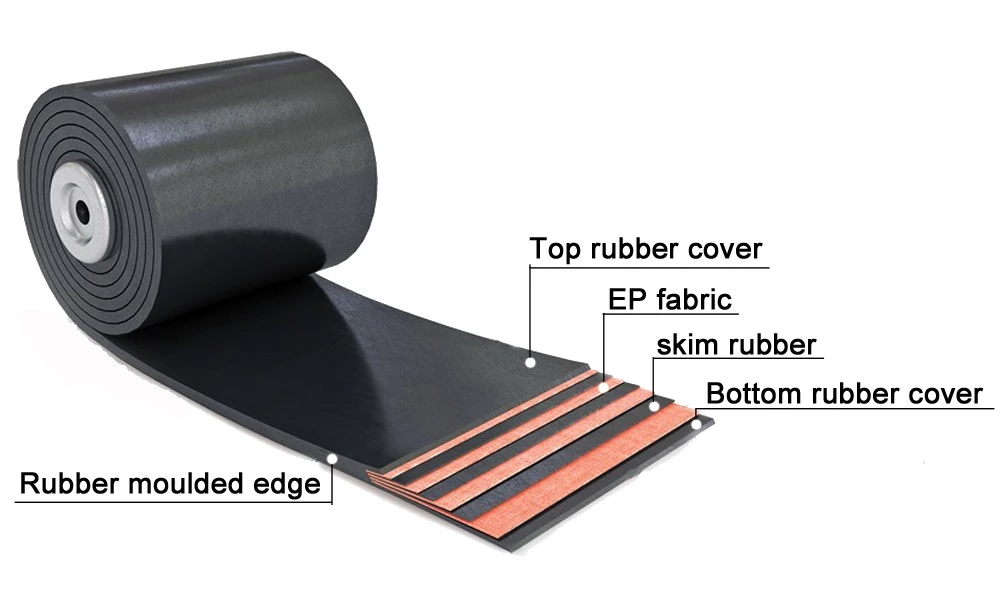
Cleat profile (T, C, chevron, block, or corrugated sidewall + cleat), cleat height (20–200 mm), cleat pitch (100–600 mm), carcass type (EP or NN fabric), belt width (300–2000 mm), cover compound (standard abrasion, heat-resistant, oil-resistant), and splice preparation can all be discussed with our technical team.
Get a technical recommendation and quote
Click Inquiry Now and send your incline angle, material, and conveyor dimensions.
Suggested inquiry: "Please quote a cleated conveyor belt for stone crusher output — incline angle [ ]°, belt width [ ] mm, belt length [ ] m, max lump size [ ] mm, material [crushed stone / aggregate / other], quantity [ ] meters."
Frequently asked questions
What is the maximum incline angle for a cleated belt?
Standard cleated belts (T-type or C-type) typically convey at 25°–45° depending on the cleat height and material. For near-vertical or vertical conveying, a corrugated sidewall belt with cross cleats can achieve 90°. The specific maximum angle for your material must be confirmed based on material flow characteristics.
Can I run a cleated belt on a standard idler set?
Cleated belts on the carrying side require either flat idlers or special wing-roller idler sets that allow the cleats to pass without interference. The return side must be flat (idlers or slider plate). Confirm your idler arrangement when you send the inquiry — we can advise on compatibility.
How are the cleats attached?
Cleats are vulcanized to the belt surface during the molding process — there are no bolts, screws, or adhesives. This gives the highest possible bond strength and eliminates the risk of cleat detachment. Cleat-to-cover adhesion is tested during finished product inspection.
How do I submit an inquiry?
Use the Inquiry Now link to open our contact page at https://sinoconve.com/contact-us and include your incline angle, material, belt dimensions, and quantity.