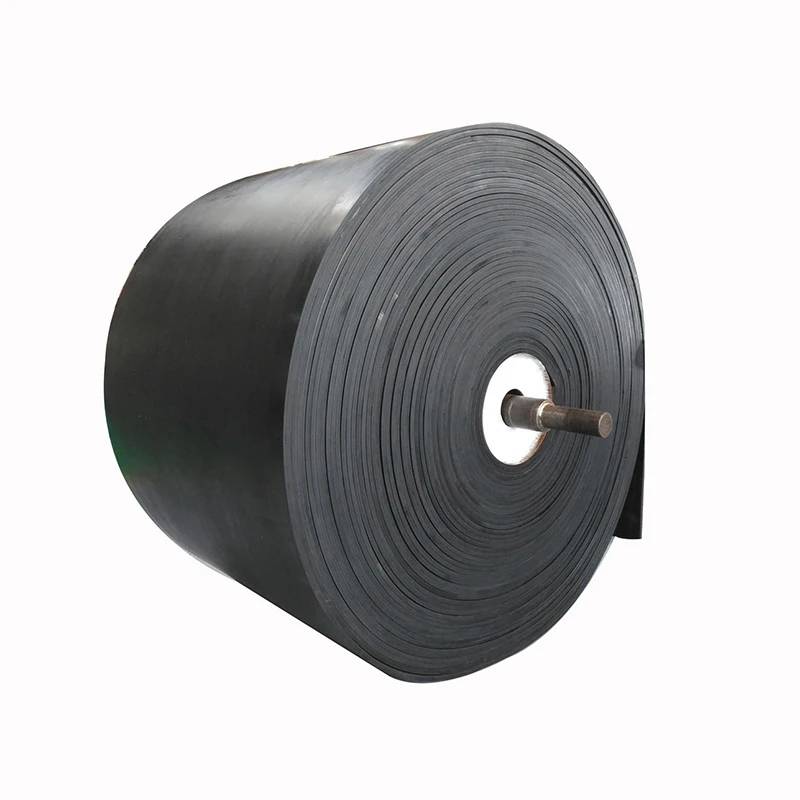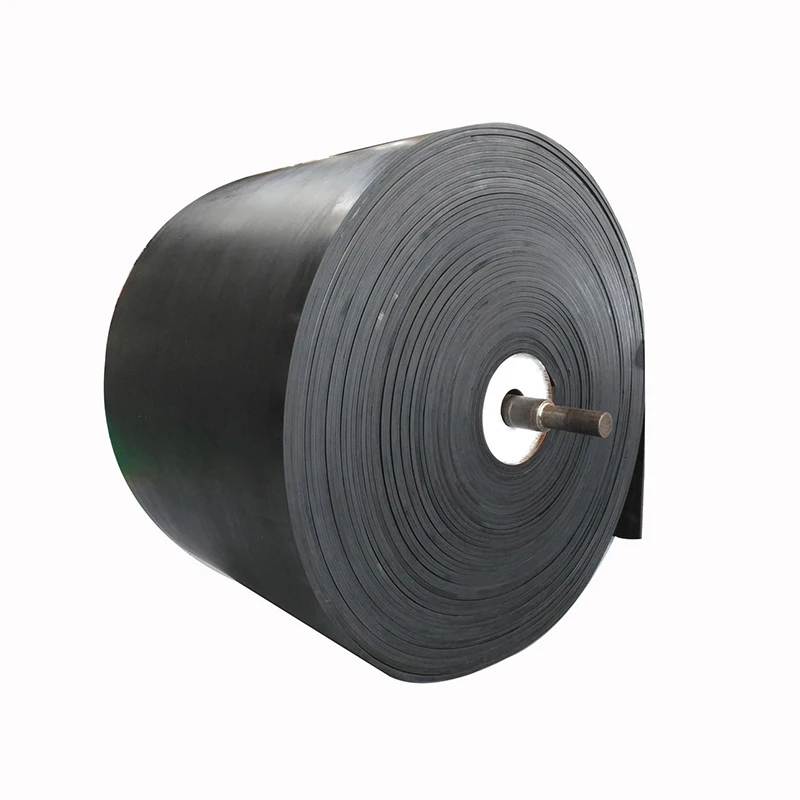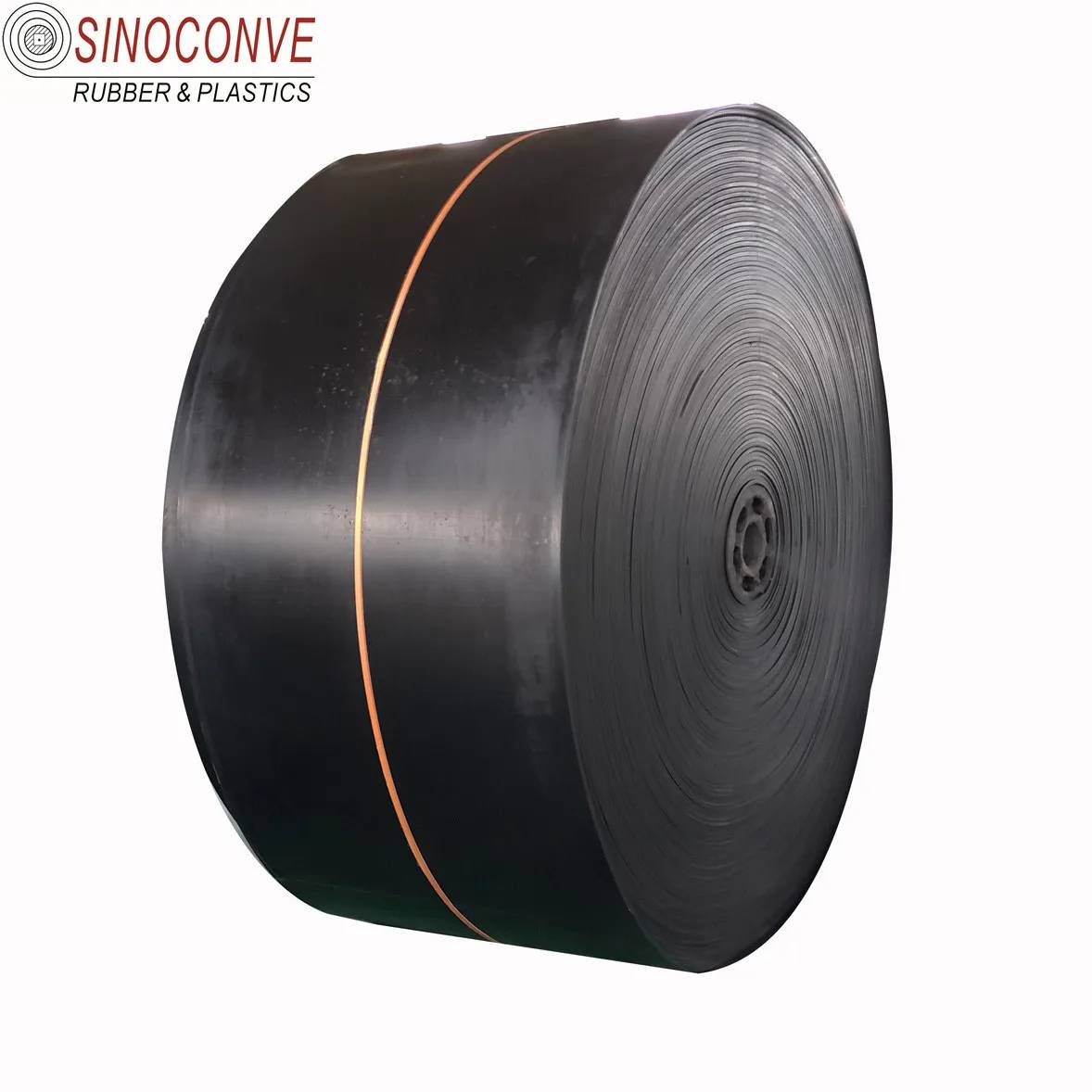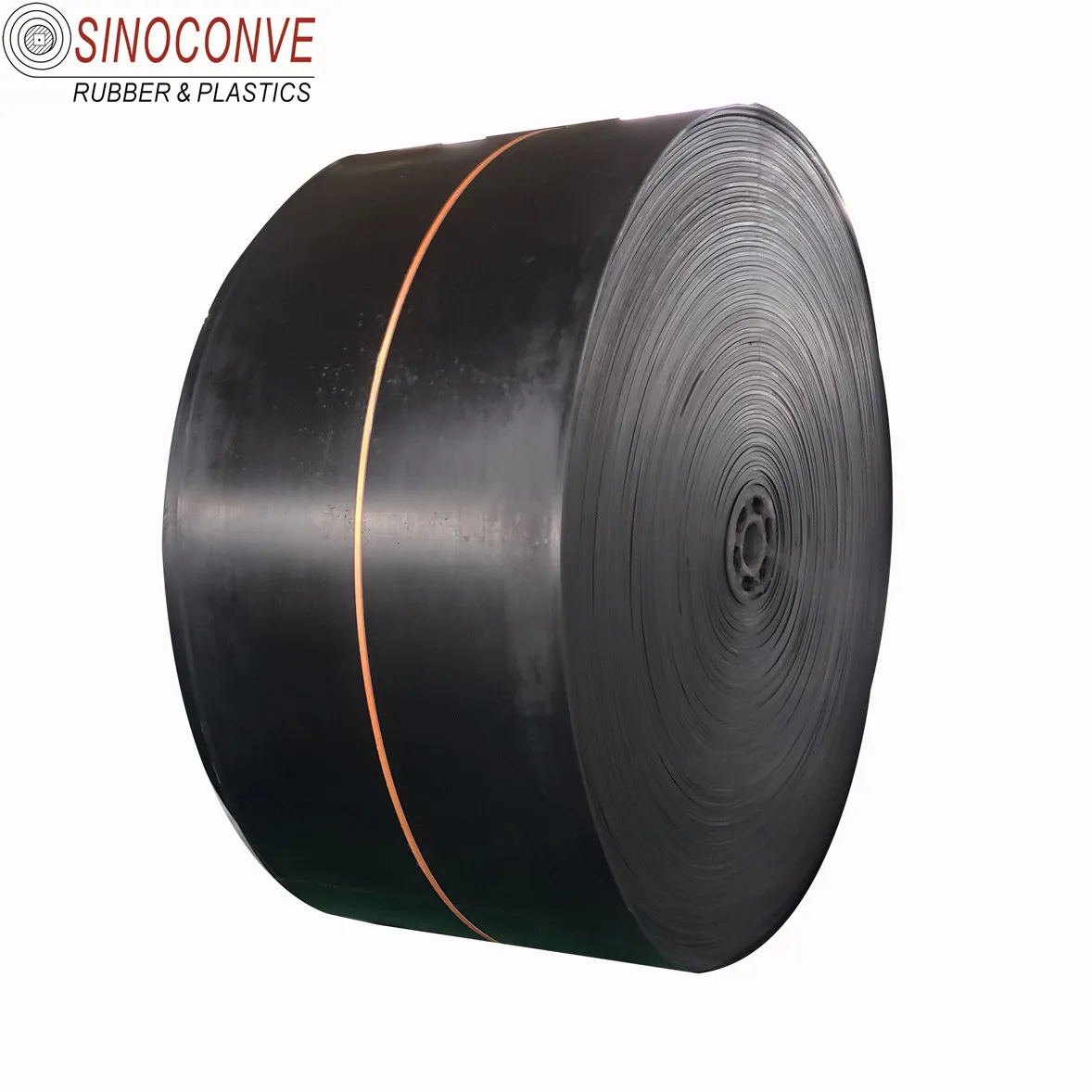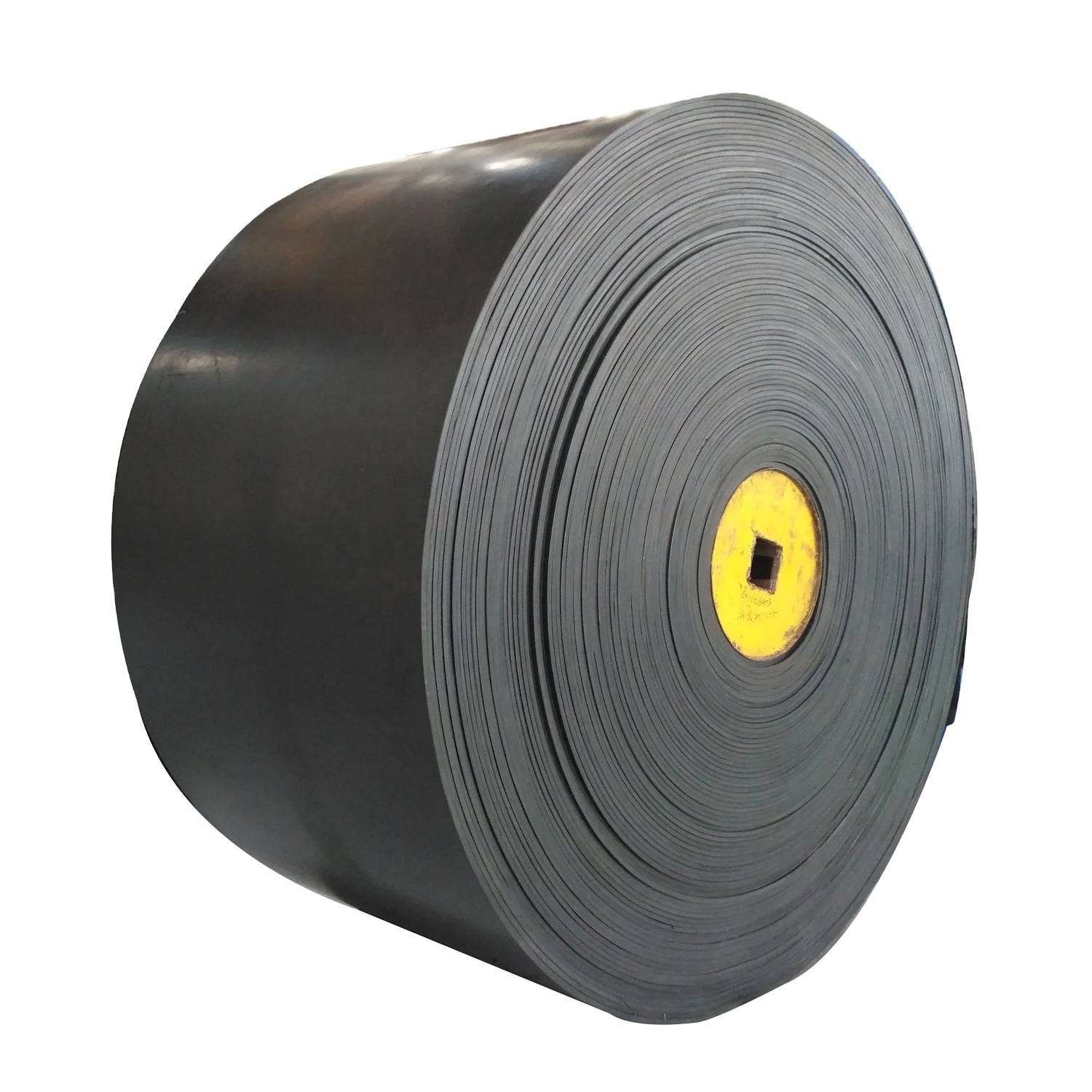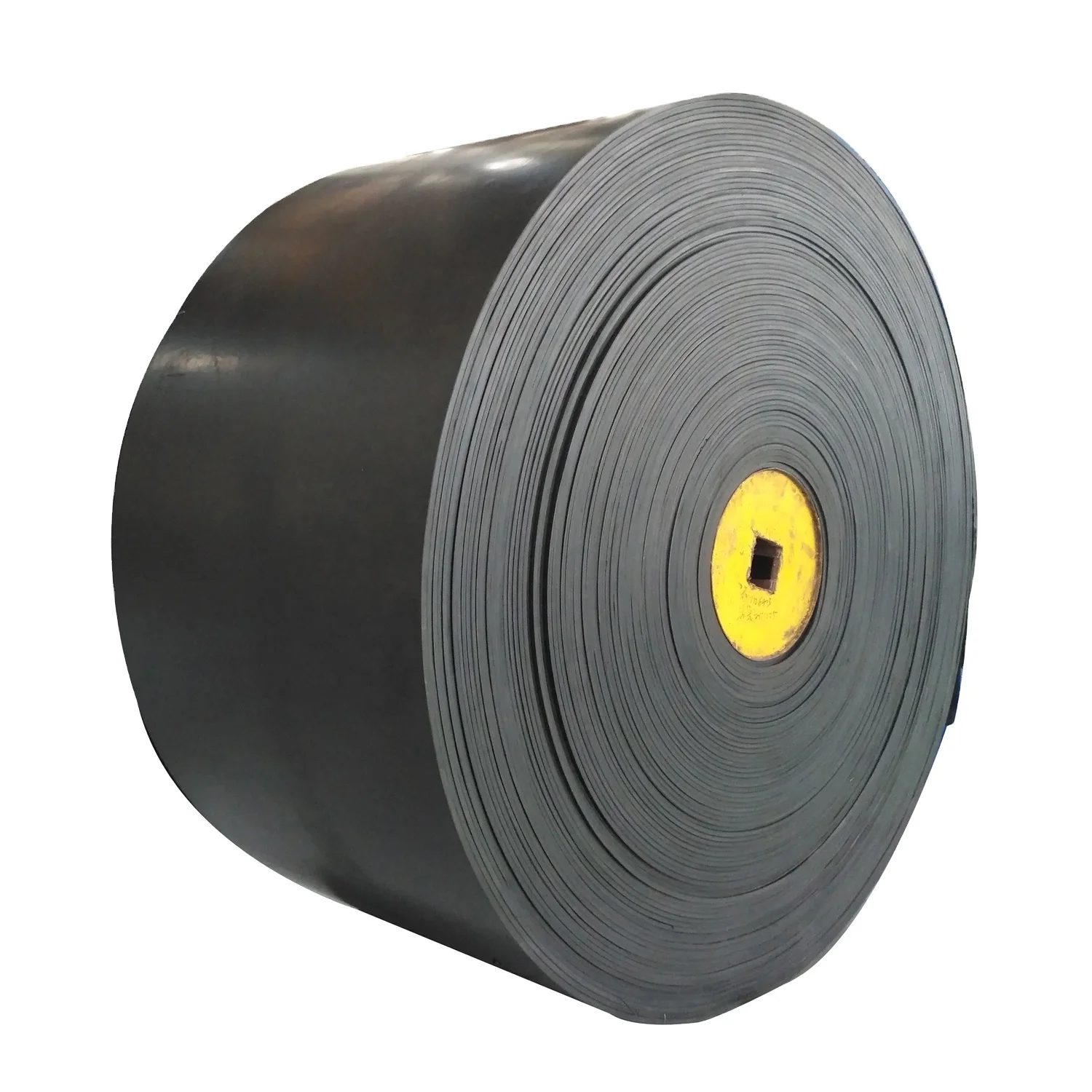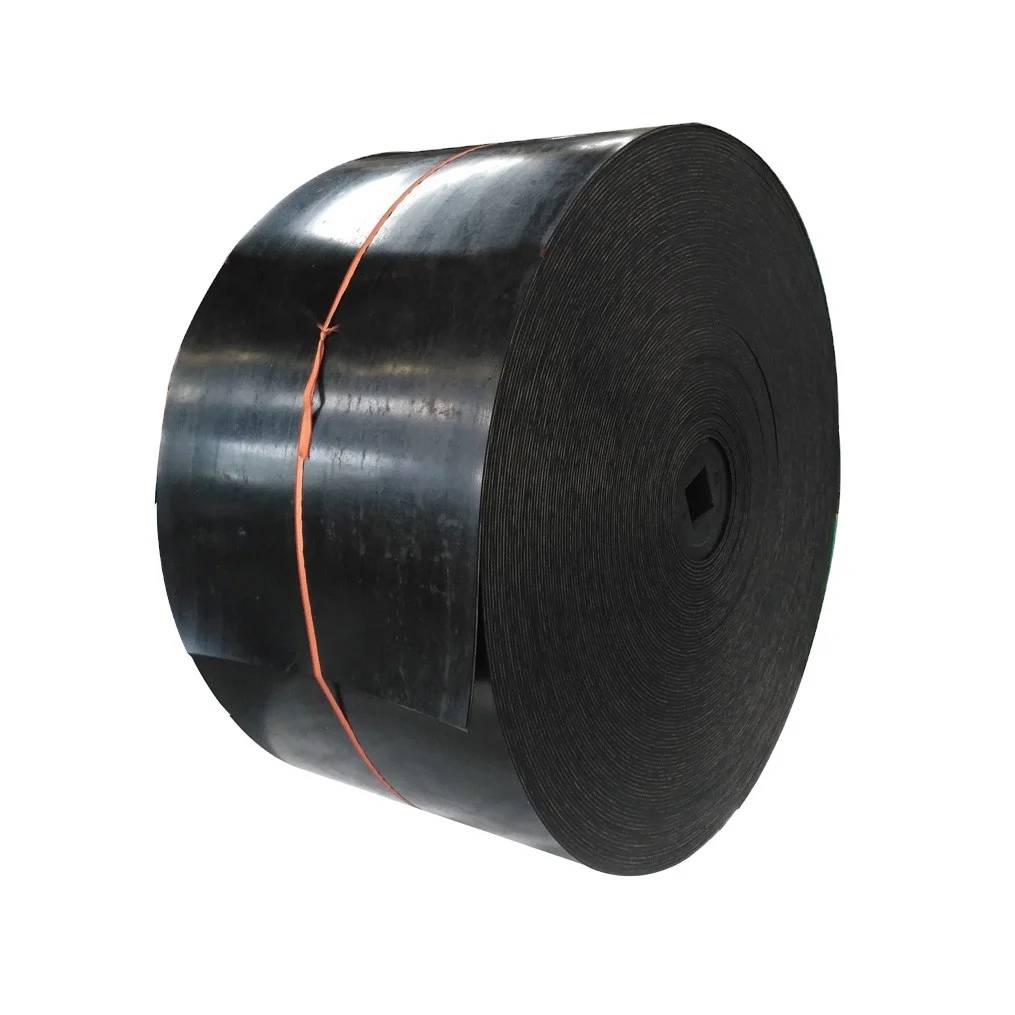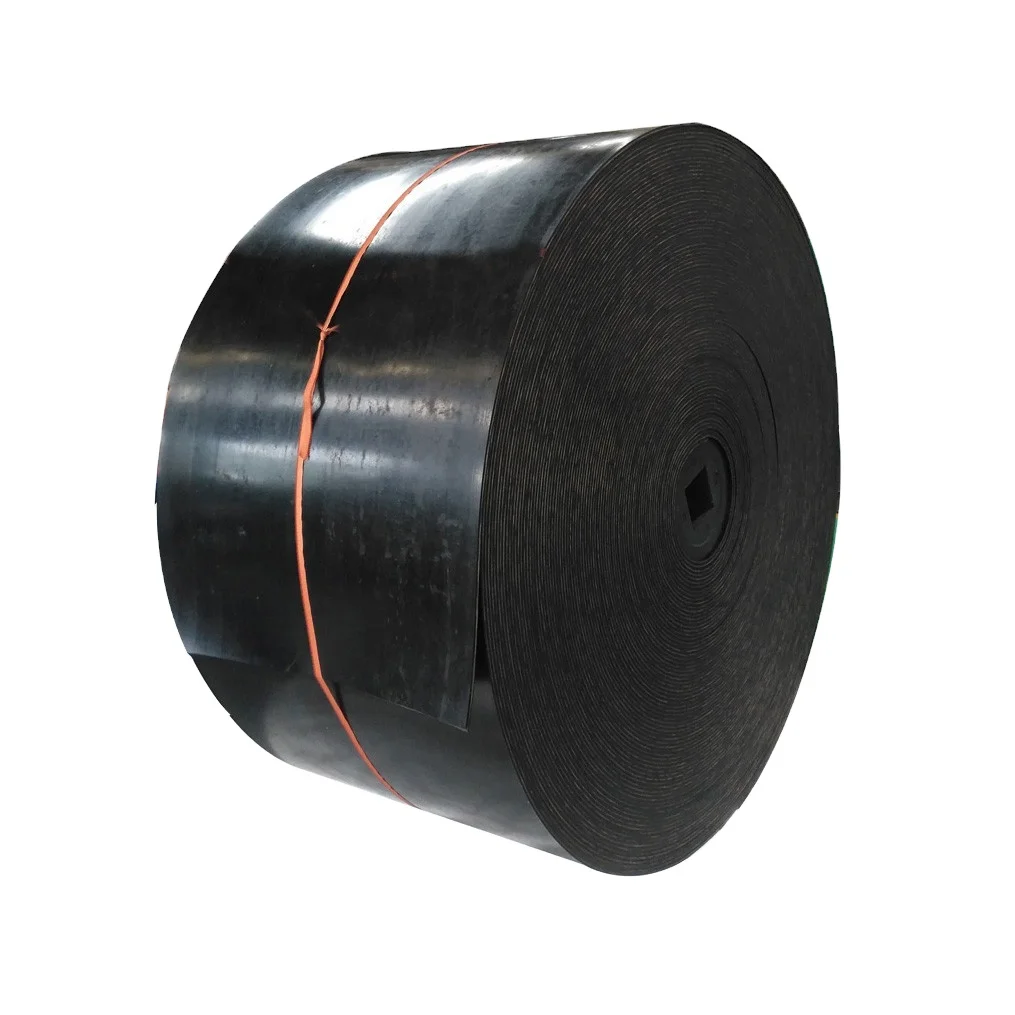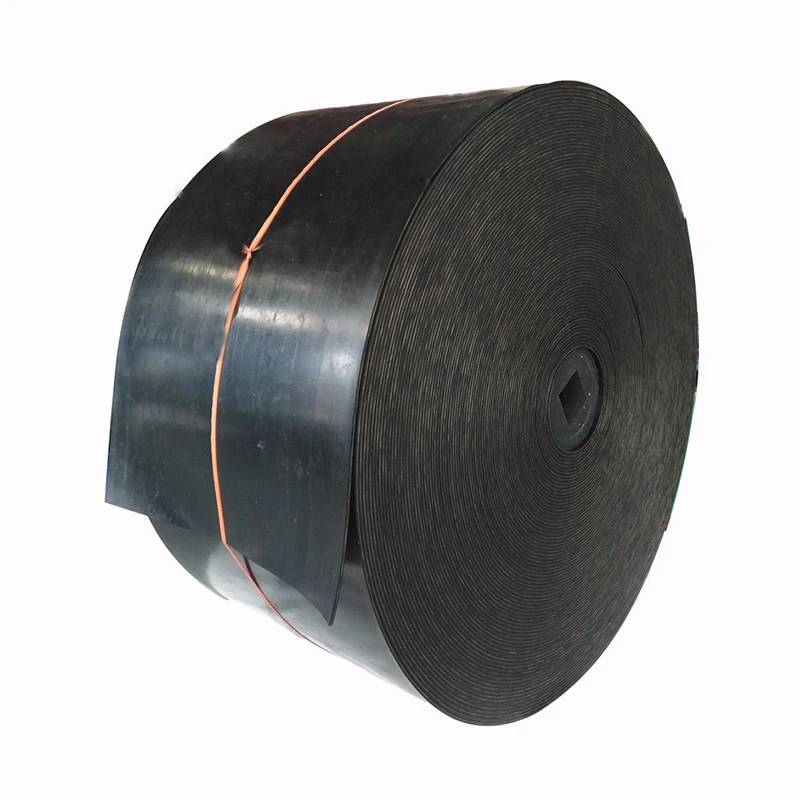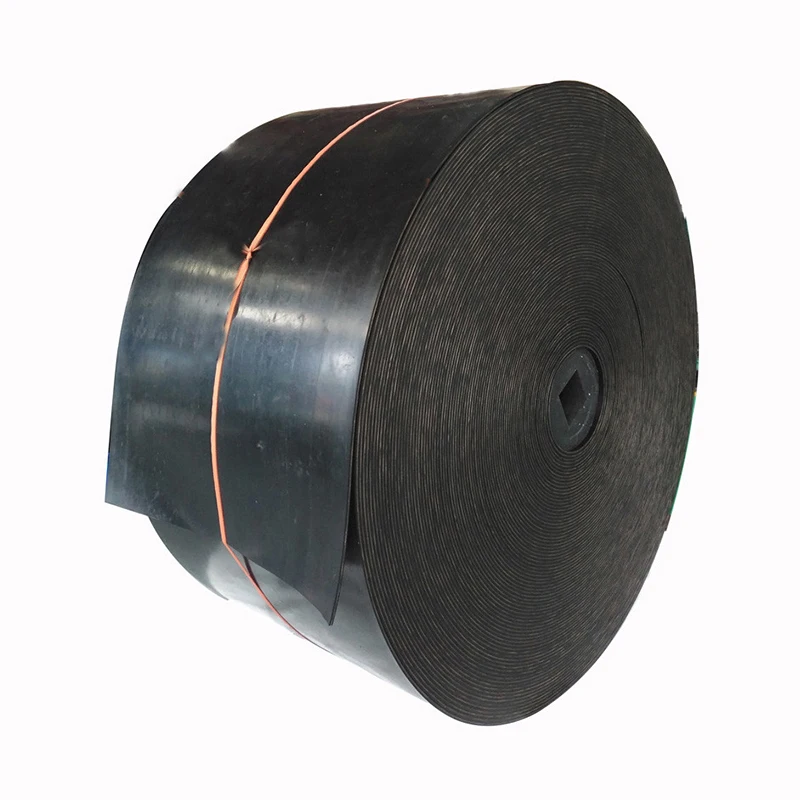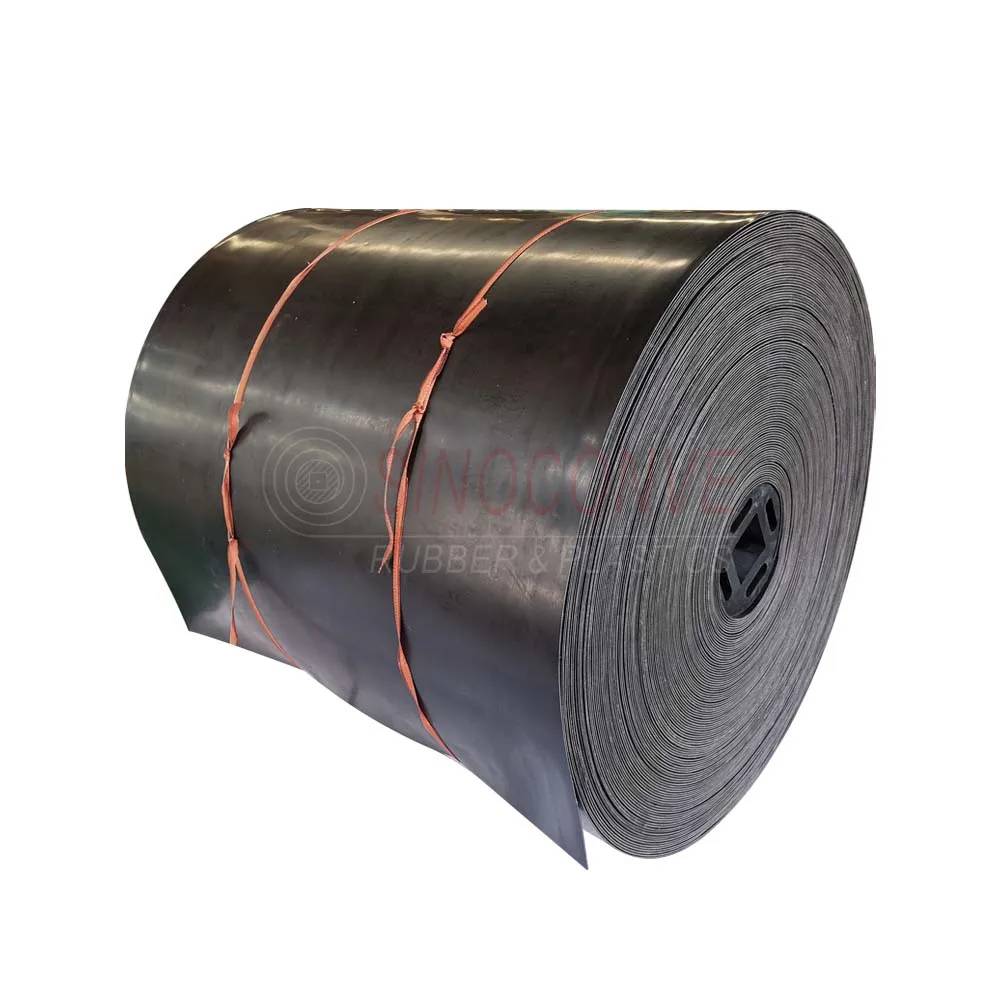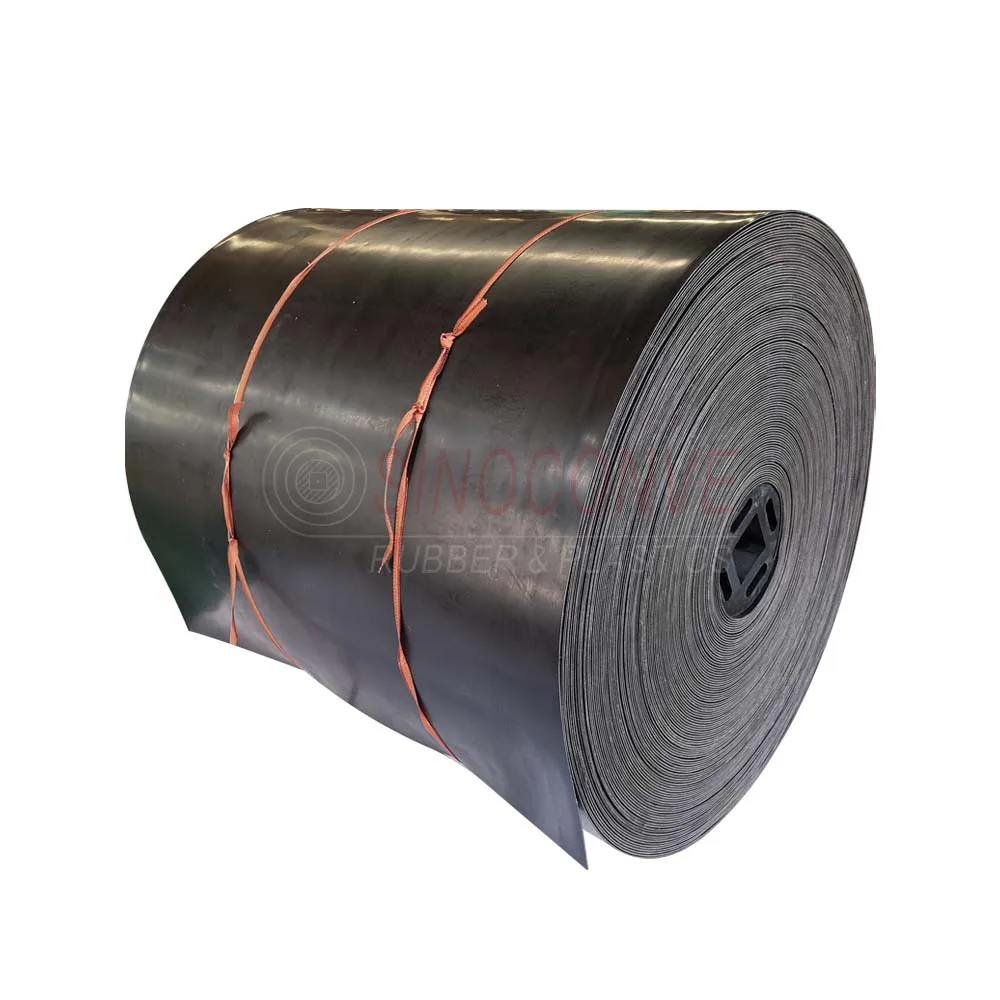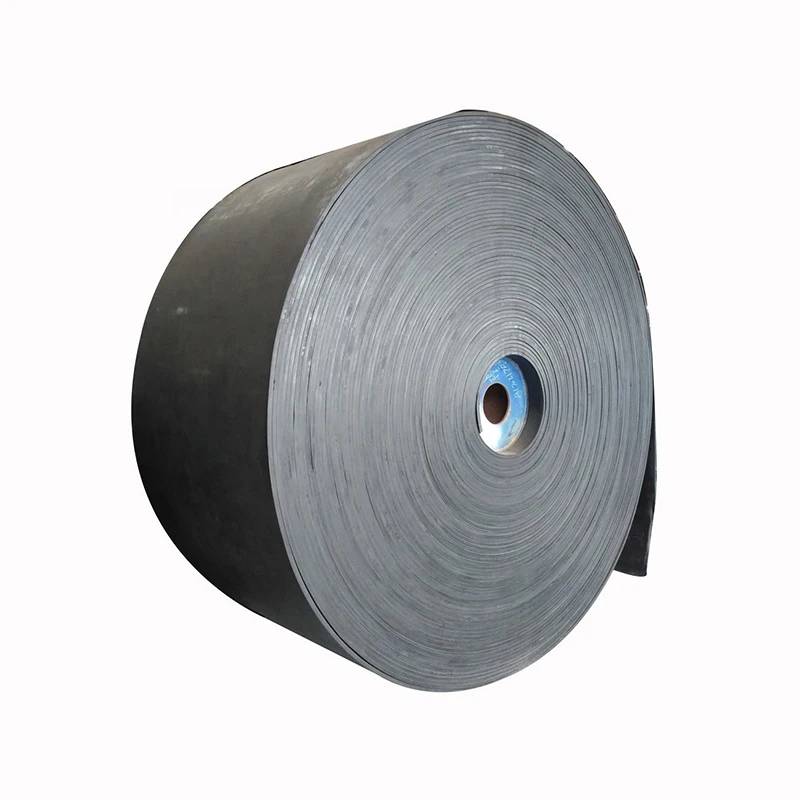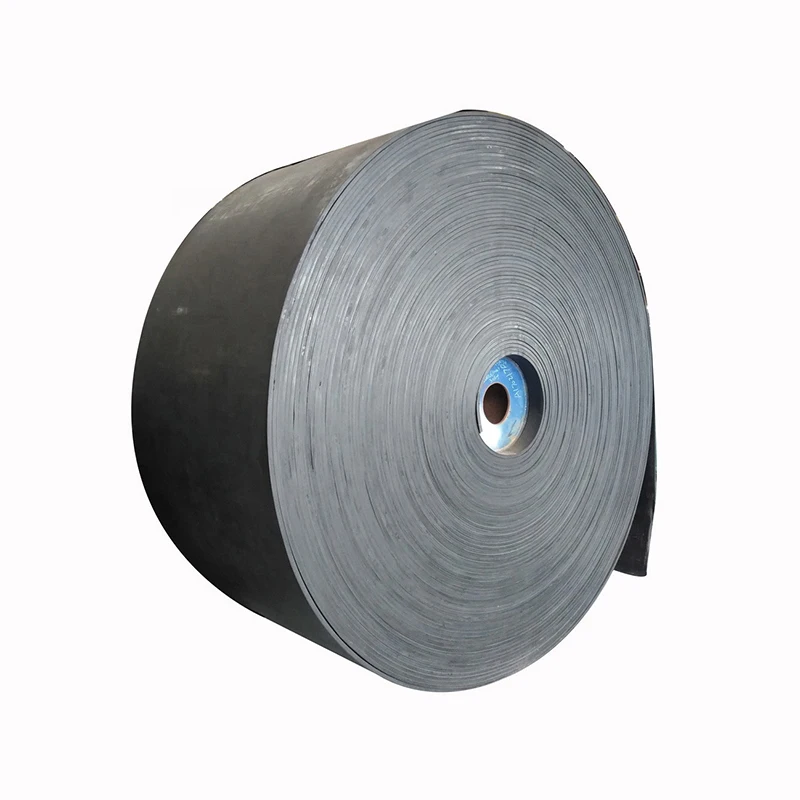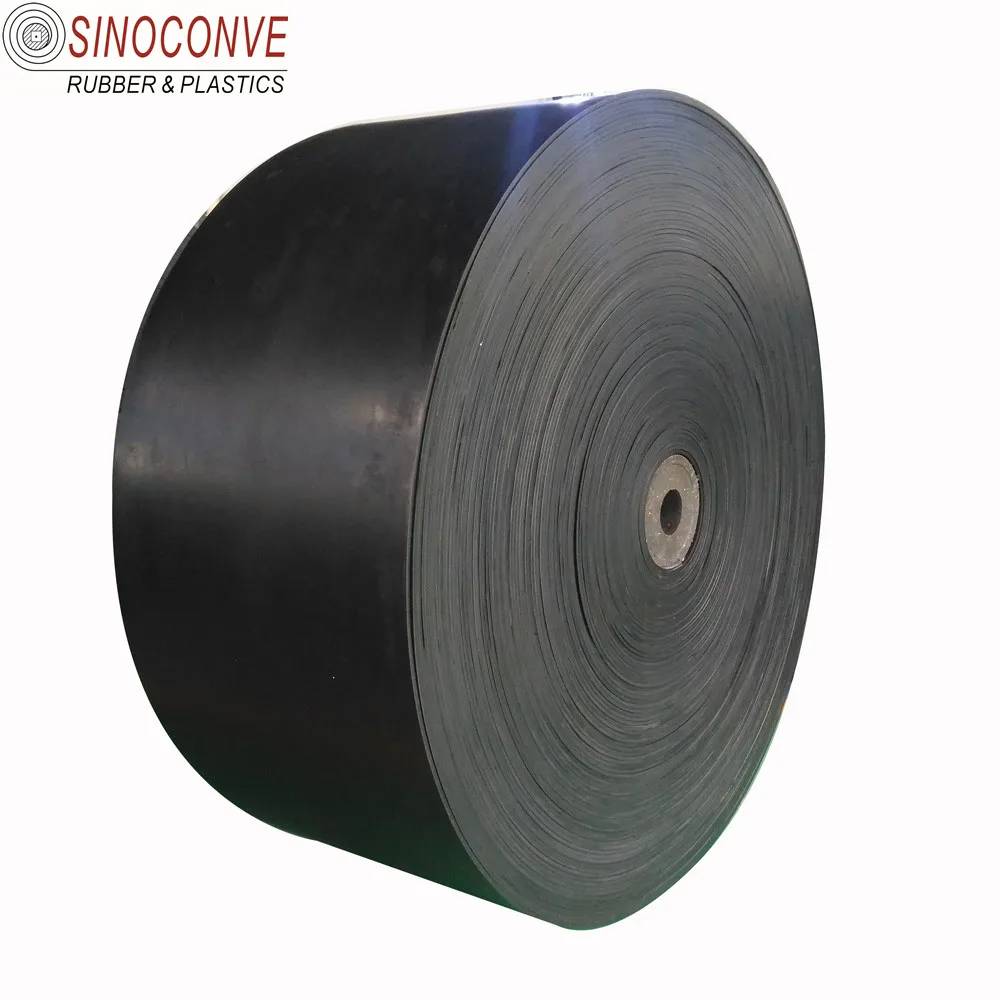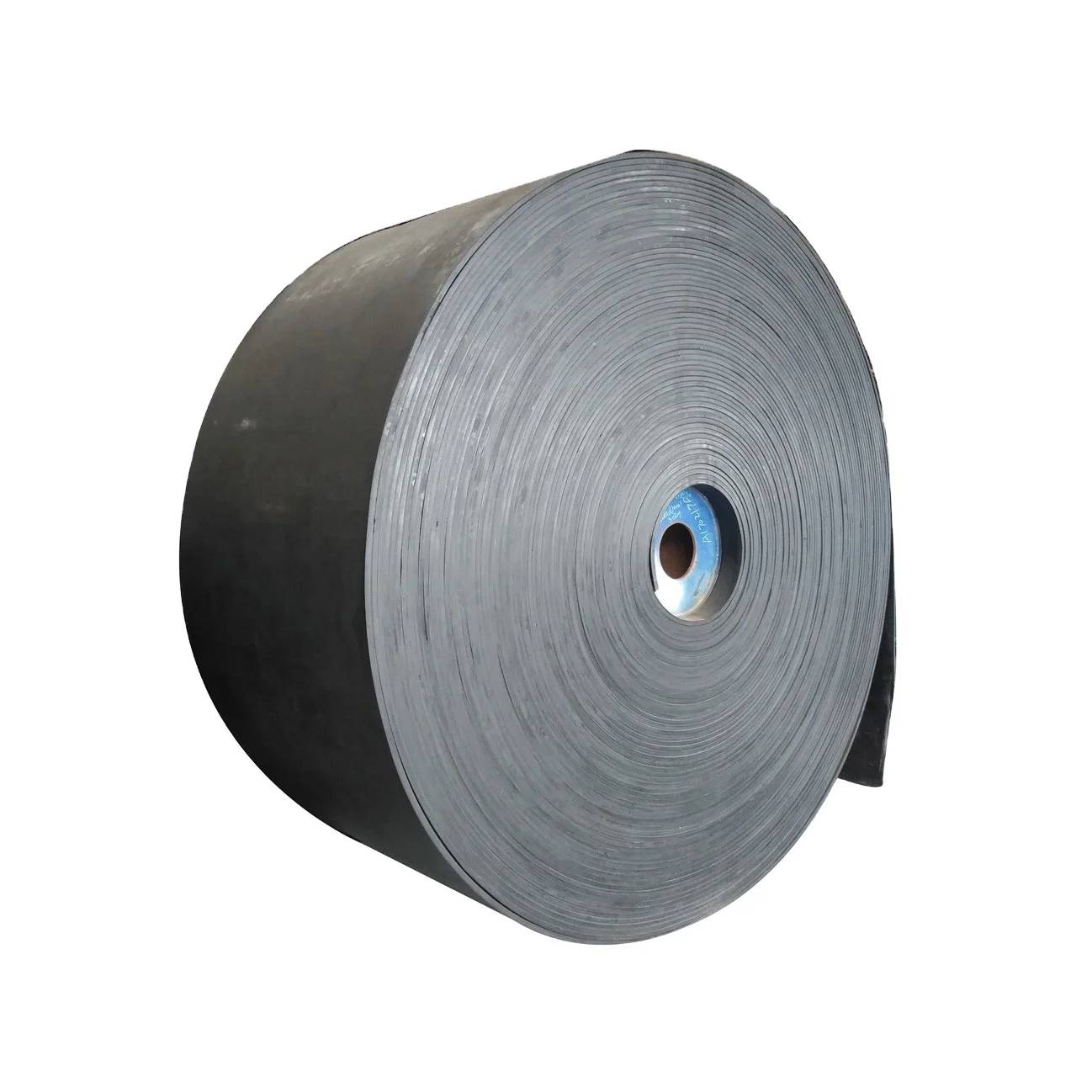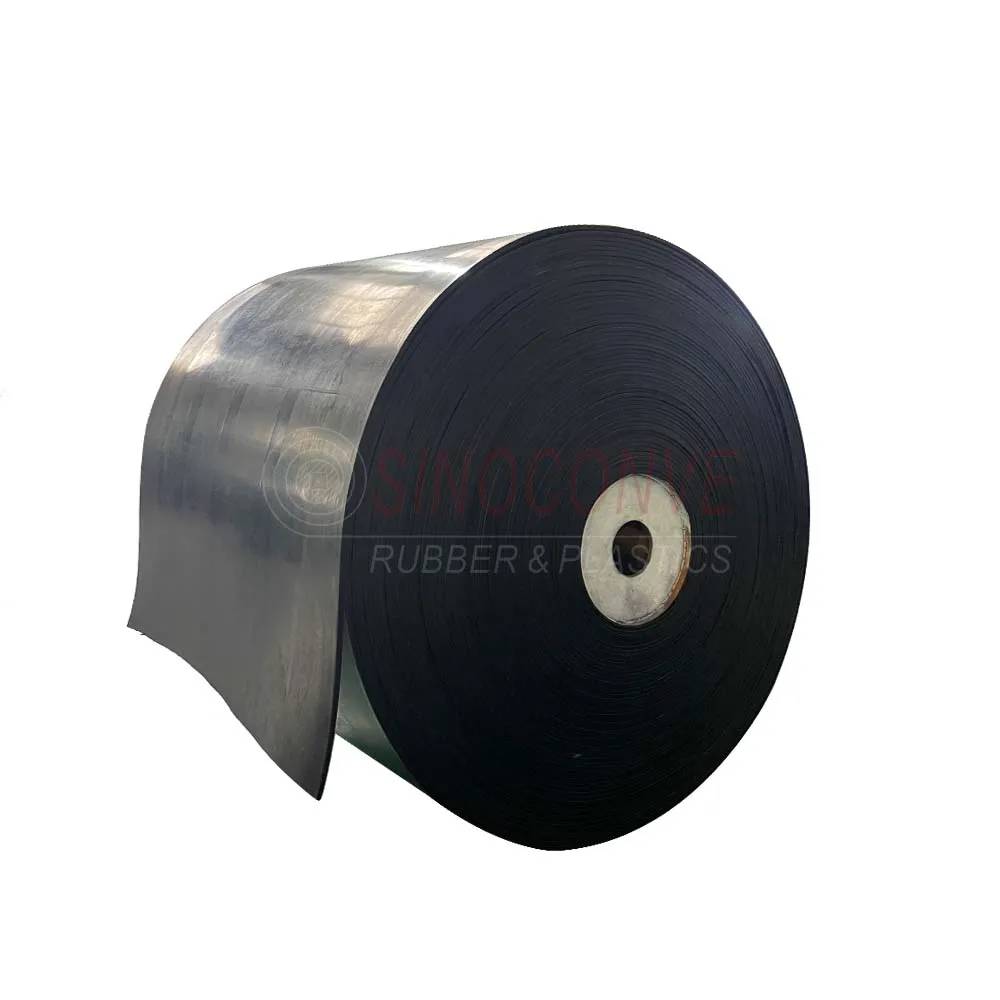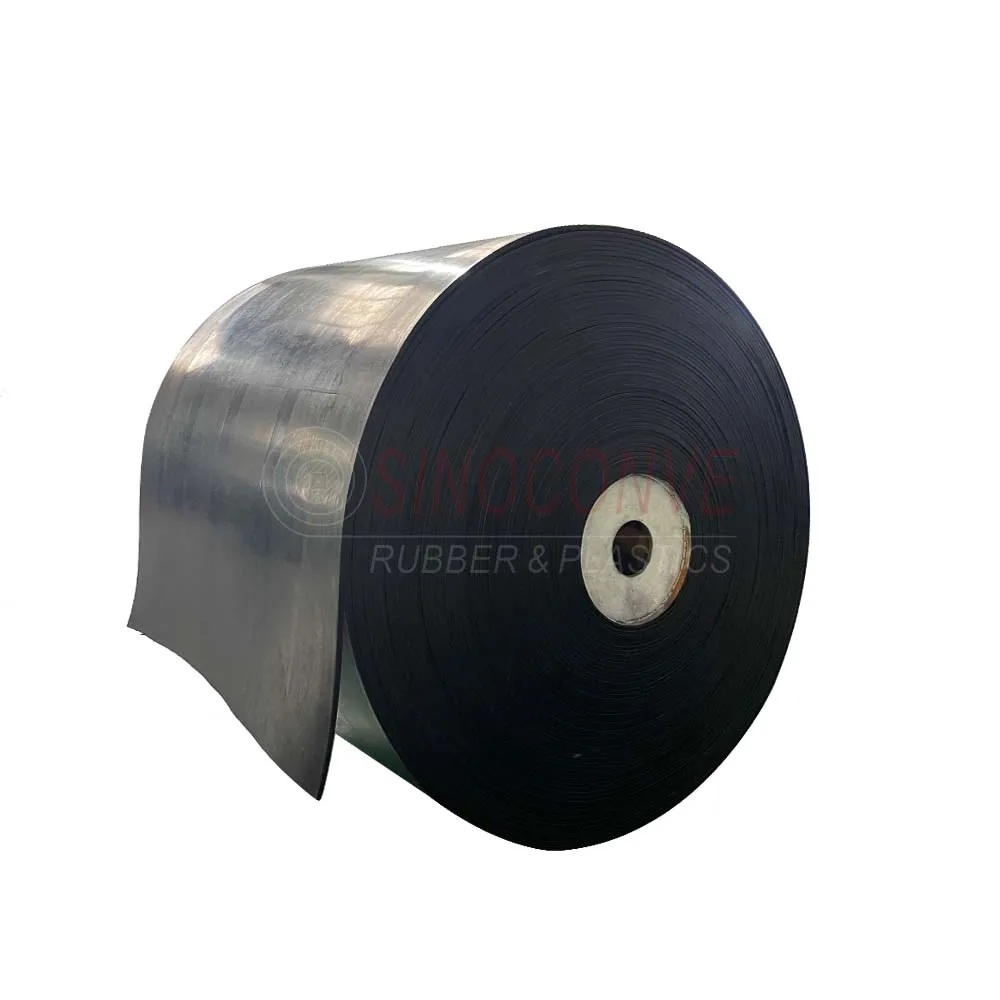


Custom EP200 Rubber Conveyor Belt for Cement Plant
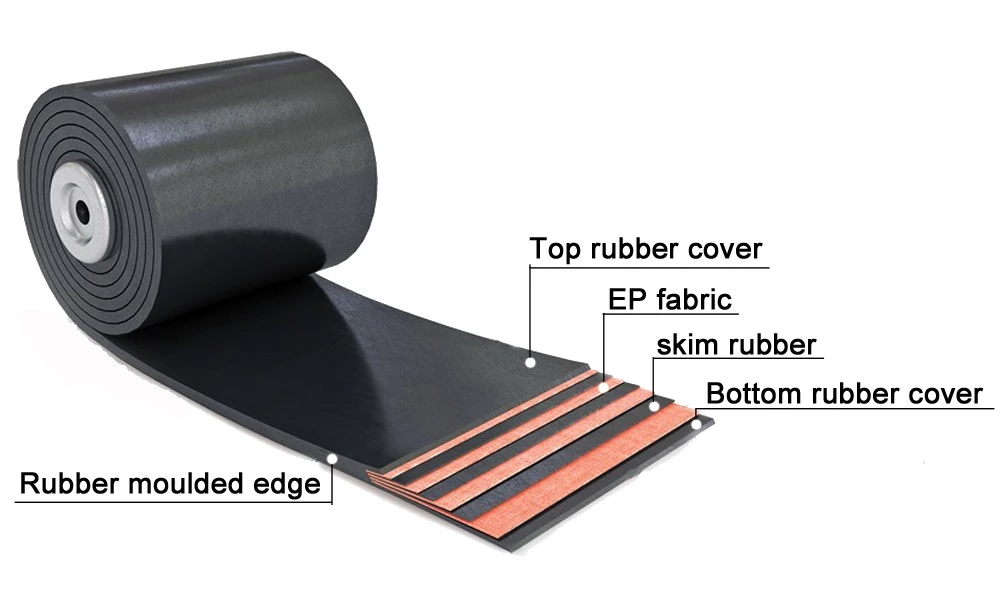
This is a custom EP200 rubber conveyor belt designed for cement plant conveying applications. The EP200 carcass uses a polyester-warp / nylon-weft fabric construction that delivers a minimum tensile strength of 200 N/mm per ply, high resistance to impact and flex fatigue, and low moisture absorption — making it a reliable core choice for cement, clinker, limestone, and aggregate handling.
Cement plant environments demand belts that handle dusty, abrasive materials under continuous loading. The right specification depends on your actual conveyor layout, material weight, temperature range, and splice requirements. Share your working conditions and our engineering team will confirm the full specification before production.
Get a faster, more accurate quote
Click Inquiry Now and include your conveyed material, required width and length, EP grade expectation, operating environment, quantity and destination. A drawing or photo of your existing conveyor is especially helpful.
Listed product configuration
| Model | Custom Cement Plant EP200 Rubber Conveyor Belt |
| Carcass type | EP (Polyester warp / Nylon weft fabric) |
| EP grade | EP200 (≥ 200 N/mm per ply tensile strength) |
| Primary application | Cement plant — clinker, limestone, aggregate, cement powder conveying |
| Customization | Width, length, ply count, cover grade — confirmed to working conditions |
Other parameters such as ply count, cover rubber thickness and belt width are not fixed on this listing and must be confirmed before production based on your conveyor system requirements.
Material and application note
This product is positioned for cement plant conveying applications using an EP200 carcass construction. Cover compound, ply count, width, length and splice type depend on actual working conditions and must be confirmed before production. No material or certification claims beyond the listed EP grade are made on this page.
Why buyers choose this EP200 cement conveyor belt
EP200 carcass — high strength, low elongation
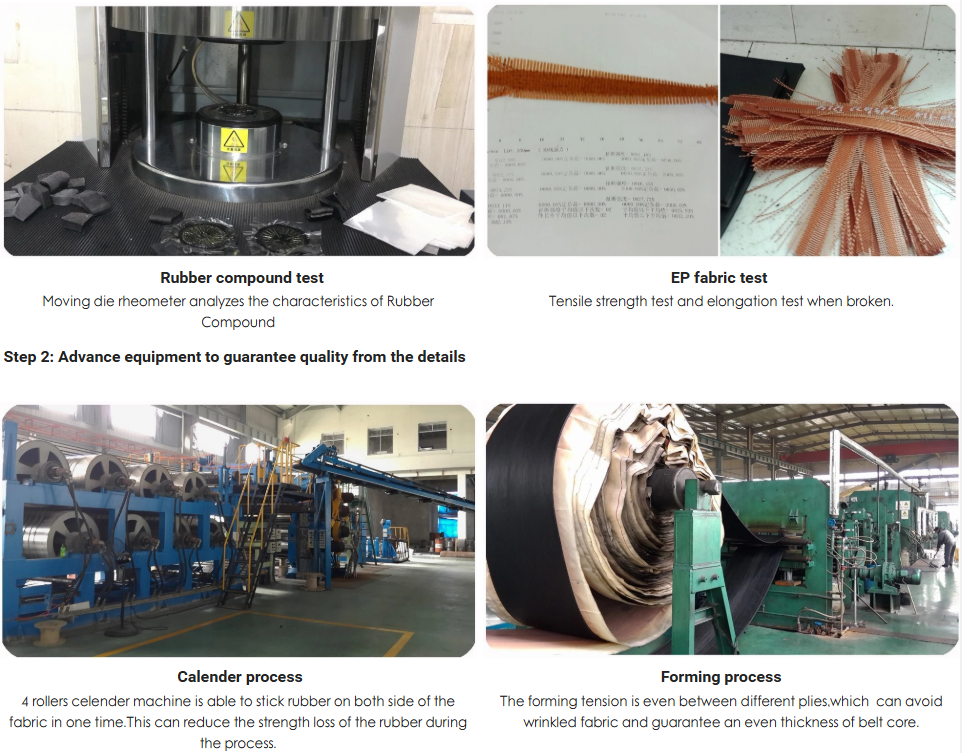
The EP200 fabric provides high longitudinal tensile strength with relatively low elongation at load, which reduces the starting tension and keeps the conveyor take-up travel short — a practical advantage in long cement plant conveyor runs.
Low moisture absorption
Polyester warp yarns absorb far less moisture than nylon alternatives, so the belt maintains stable dimensions in wet cement dust or outdoor environments and reduces the risk of belt walking on the return side.
Abrasion-resistant cover options
Cover compound is selected to match the abrasiveness and temperature of the conveyed material — whether that is raw limestone, hot clinker, or finished cement powder — and is confirmed during the inquiry process.
Application details we check
- What material does the belt carry (clinker, limestone, raw meal, cement powder) and what is the bulk density and maximum lump size?
- What are the conveyor width, center-to-center length, and drive and tail pulley diameters?
- What is the belt speed and daily operating hours?
- What is the ambient temperature range, and is the material hot (e.g. clinker exceeding 80 °C)?
- What splice method is required — mechanical fastener, cold vulcanization, or hot vulcanization?
- What quantity and packaging requirements apply?
Customization discussion
Width, length, ply count, EP grade (EP100 to EP500), cover rubber compound, cover thickness (top and bottom), surface finish (smooth, chevron, or patterned), and splice preparation can all be discussed with our sales team.
Get a technical recommendation and quote
Click Inquiry Now and send your working conditions and quantity.
Suggested inquiry: "Please quote a custom EP200 rubber conveyor belt for our cement plant — conveyor width [ ] mm, center-to-center length [ ] m, material [clinker / limestone / other], belt speed [ ] m/s, operating temperature [ ] °C, quantity [ ] meters."
Frequently asked questions
What does EP200 mean?
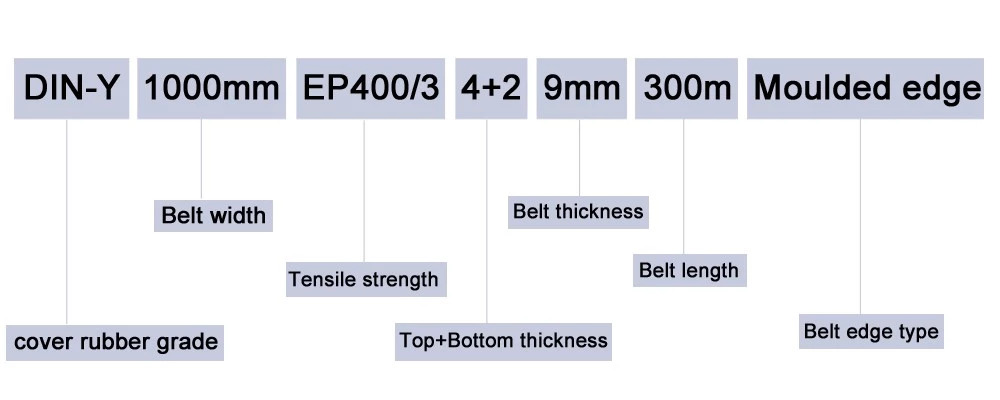
EP stands for polyester (E) warp and nylon (P) weft fabric. The number 200 refers to the minimum tensile breaking strength per ply: ≥ 200 N/mm of belt width.
How many plies do I need for my cement plant conveyor?
Ply count depends on the required belt strength and the minimum pulley diameter. Share your conveyor details and we will calculate and confirm the recommended ply count.
Can I get a heat-resistant cover for clinker conveying?
Yes. If your material temperature exceeds 60–80 °C, we recommend a heat-resistant cover compound. Confirm the expected material temperature range when you send your inquiry.
How do I submit an inquiry?
Use the Inquiry Now link on this page at https://sinoconve.com/contact-us and include your conveyor dimensions, material description, and quantity.