

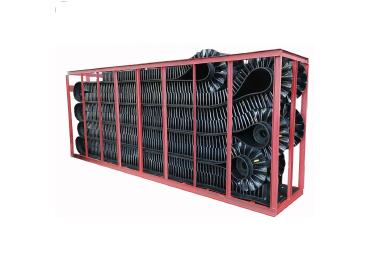
Sidewall Rubber Conveyor Belt: Efficiency Redefined
When a steep incline makes a standard belt impractical, most operations add more equipment — more transfer points, more structure, more maintenance. A sidewall rubber conveyor belt removes that trade-off by containing material within corrugated walls and transverse cleats, enabling incline angles up to 90 degrees in a single continuous run. This guide covers how the design works, how it compares to conventional belting, and what determines the right specification for your application.
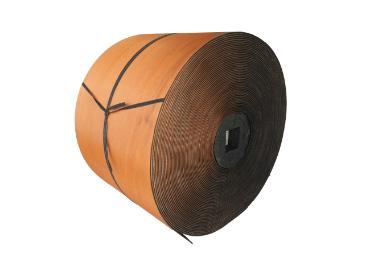
Revolutionize Material Handling with Rough Top Conveyor Belt
1.A rough top conveyor belt is mainly used when products need extra grip during inclined or declined conveying. 2.Its textured top surface helps reduce slipping, rolling, and unstable movement of cartons, parcels, bags, and packaged goods. 3.It is commonly used in logistics centers, airport baggage systems, postal sorting lines, packaging plants, and warehouse conveyors. 4.The correct belt should be selected according to product weight, incline angle, belt speed, surface texture, and pulley size. 5.For B2B buyers, long-term performance depends on matching the belt surface, carcass, thickness, and working environment instead of choosing only by price.
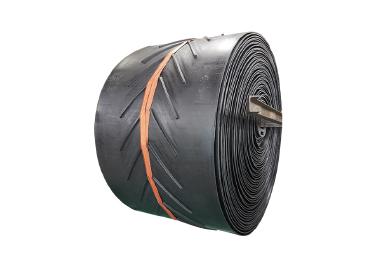
Discover the Efficiency of Cleated Conveyor Belts
Flat belts fail on inclines — material slides back the moment friction runs out. This guide breaks down how cleated conveyor belts work, what drives cleat profile selection, and which applications actually need them.
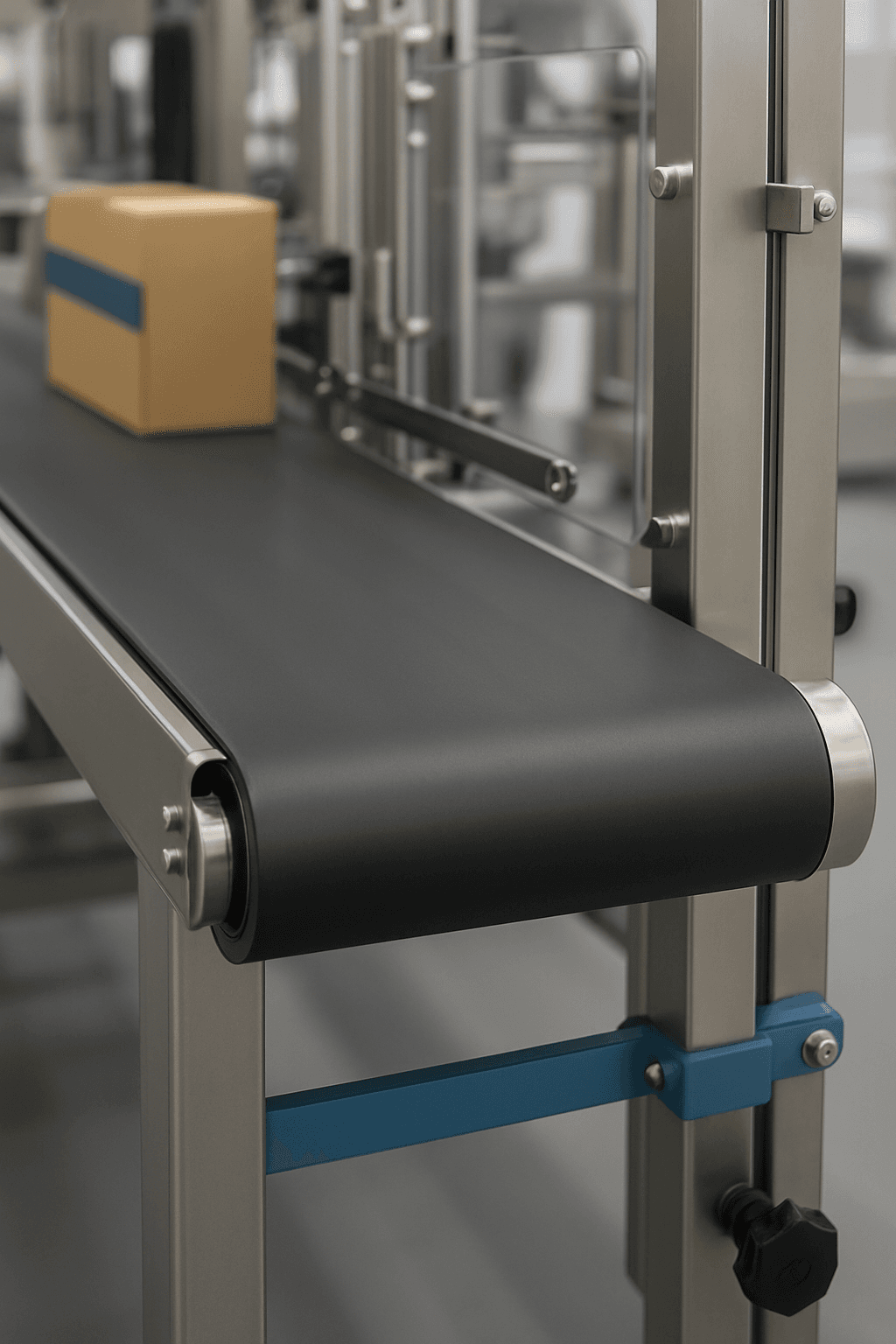
Endless Conveyor Belts: Seamless Performance for High Precision and Clean Conveying
Endless conveyor belts eliminate splice failures and improve tracking, making them ideal for clean, quiet, and continuous conveying in packaging, printing, and electronics.
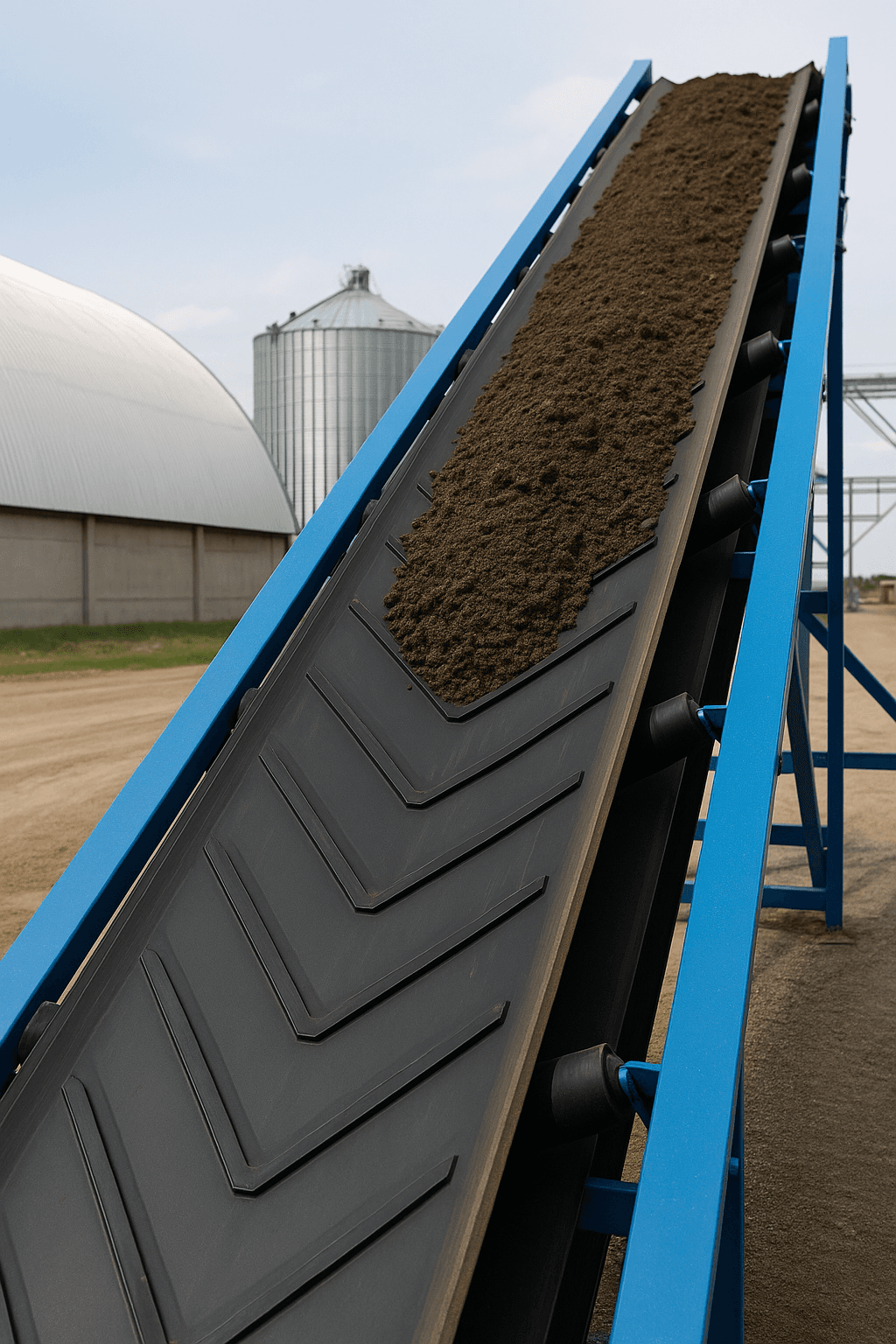
Chevron Conveyor Belts: Built for Steep Angles, Heavy Loads, and Zero Slippage
Chevron conveyor belts exist for one reason: to keep loose bulk material moving uphill instead of sliding back. This guide explains how the moulded V-profile creates mechanical resistance against gravity, why profile height has to be matched to material type and lump size, and how steep-angle operation changes the carcass and cover specification compared with a flat belt. It covers the applications where chevron belting outperforms flat belting - mining and quarrying, aggregate, agriculture, construction and recycling - and the efficiency case in practical terms: less spillage, fewer transfer points, shorter conveyor runs for the same lift and more predictable maintenance. A selection section sets out the data needed to choose the right profile - material, lump size, incline angle, belt width and throughput - and the article closes with the compound and profile options available for abrasion-, heat- and oil-resistant duties.
Cold-Resistant Conveyor Belts for Snow, Ice, and Freezing Environments
Discover how cold resistant conveyor belts stay flexible, crack-resistant, and reliable in extreme sub-zero environments—from arctic mining to refrigerated logistics.
Explore more
We are committed to providing you with better products and services. Welcome to browse more content for details