

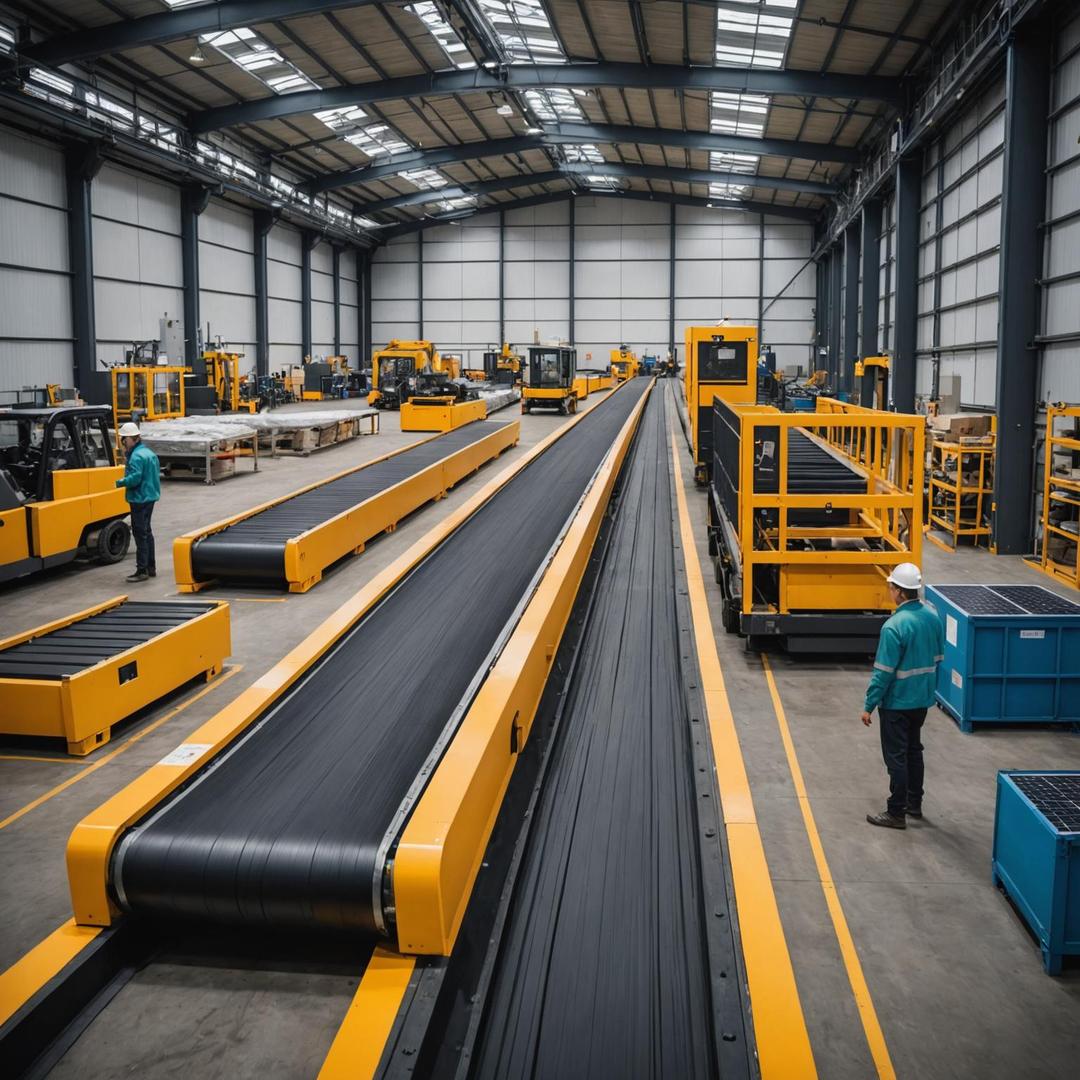
Rubber Conveyor Belt: What Actually Determines Performance in the Field
A rubber conveyor belt is a layered product, and its real-world performance depends on matching every layer and selection decision to the application rather than to a catalogue. This guide explains what actually determines field performance: why cover selection should start with the material and environment, how heat resistance depends on a defined operating condition, when textile carcasses are preferable to steel cord, and why width, strength and cover thickness must be chosen together. It also walks through the loading zone as a common cause of premature belt damage, tracking as a system-level diagnosis, splice selection tied to maintenance strategy, and surface requirements for inclined conveying. A buyer-focused section lists the application data that should accompany a rubber conveyor belt RFQ, and the standards discussion clarifies how DIN, ISO and related test methods create a comparison basis without replacing application engineering. Examples cover mining, aggregate, coal handling and cement service. The guide closes with what to check in a rubber conveyor belt manufacturer, including production scope, quality control and test documentation, so that quotations can be compared on duty and construction rather than on price alone.
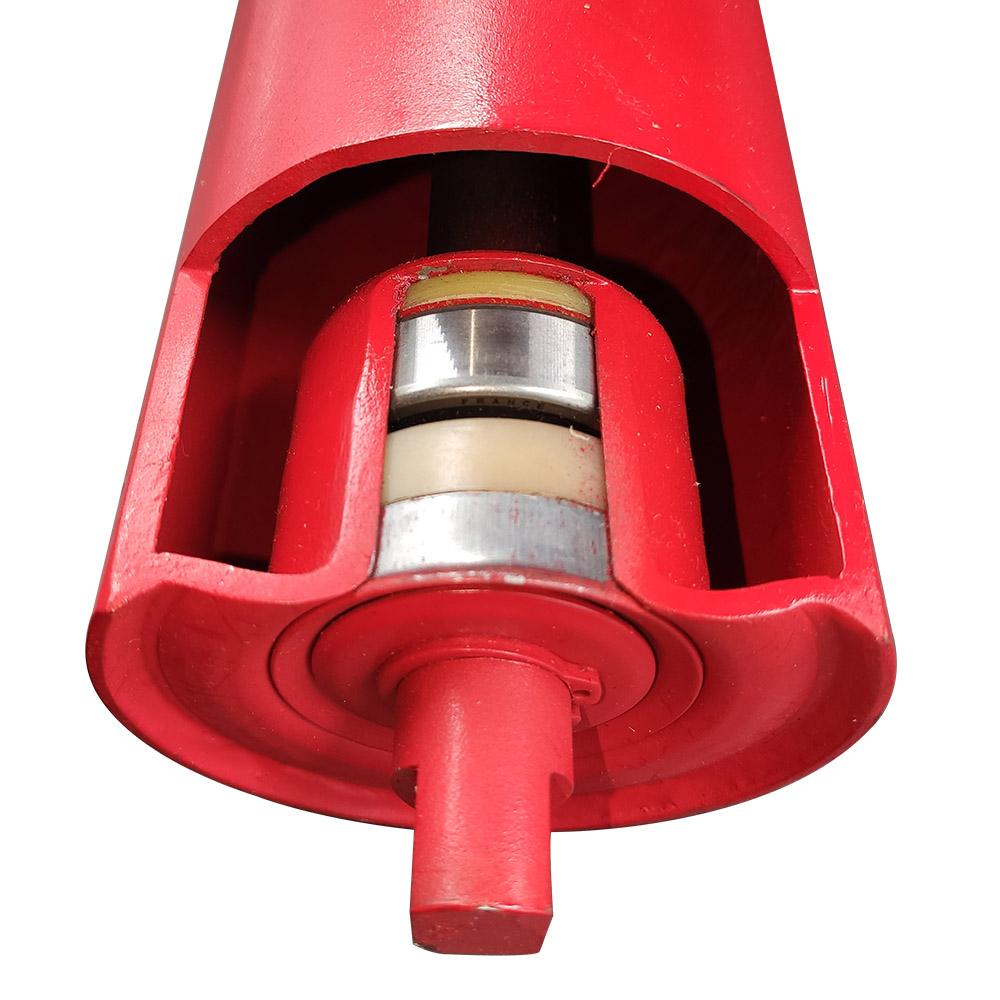
Steel Conveyor Belt Roller: Performance Under Pressure
A steel conveyor belt roller has to be specified for the position it serves, not just by tube diameter and price. This guide explains what buyers should verify before choosing heavy-duty conveyor rollers: bearing and seal design for dusty or wet environments, load capacity across carrying, return and impact duties, shell and shaft construction that matches the actual conveyor, and rotational resistance as a system-level consideration rather than a marketing claim. It also covers how operating environment changes the specification for mining, quarrying, cement, ports and logistics, how to diagnose repeated roller failures before reordering, and which details belong in a steel conveyor roller RFQ. Comparison tables help buyers check dimensions, shaft configuration, bearing protection and load conditions side by side, and the FAQ answers common questions such as whether a thicker roller is always better and why rollers become difficult to rotate. The guide closes with practical criteria for comparing suppliers beyond unit price, including quality control, documentation and duty alignment, and clear guidance on the information to send when requesting replacement rollers or quotation support from a conveyor roller manufacturer.
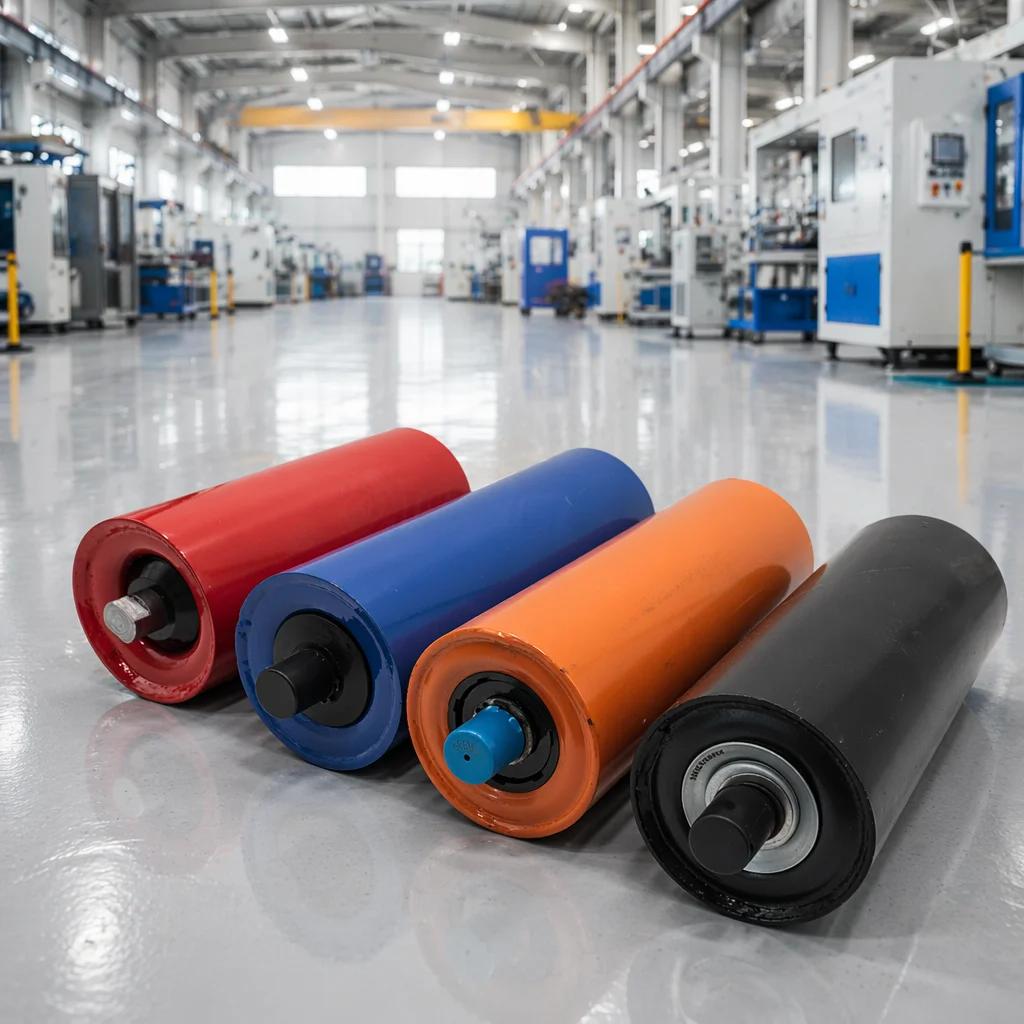
How to Choose Steel Conveyor Rollers for Heavy-Duty Systems
Steel conveyor rollers are easy to compare by diameter and length, but those two numbers do not define performance. In mining, quarrying, cement, port, and logistics systems, the correct roller must match the loaded belt, conveyor position, speed, contamination, frame geometry, and maintenance plan. This guide gives importers, distributors, engineers, and maintenance teams a practical method for specifying steel conveyor rollers without copying an incomplete old part number or selecting only by unit price. It explains what a conveyor roller must do, how to start with roller position and idler type, which construction details change performance, how to match the roller to the operating environment, and how to inspect the idler frame before ordering replacements. It also covers reading failure marks as selection evidence, preparing a technically comparable RFQ, confirming standards and documentation, planning spares and replacement work, and coordinating belt and roller selection. The article closes with a frequently asked questions section and a final selection checklist, plus related product and article links. Use the complete duty information with your RFQ so suppliers can quote on the same technical basis and you can compare quotations fairly.
Explore more
We are committed to providing you with better products and services. Welcome to browse more content for details