
Sidewall Conveyor Belt: Efficiency & Safety Redefined
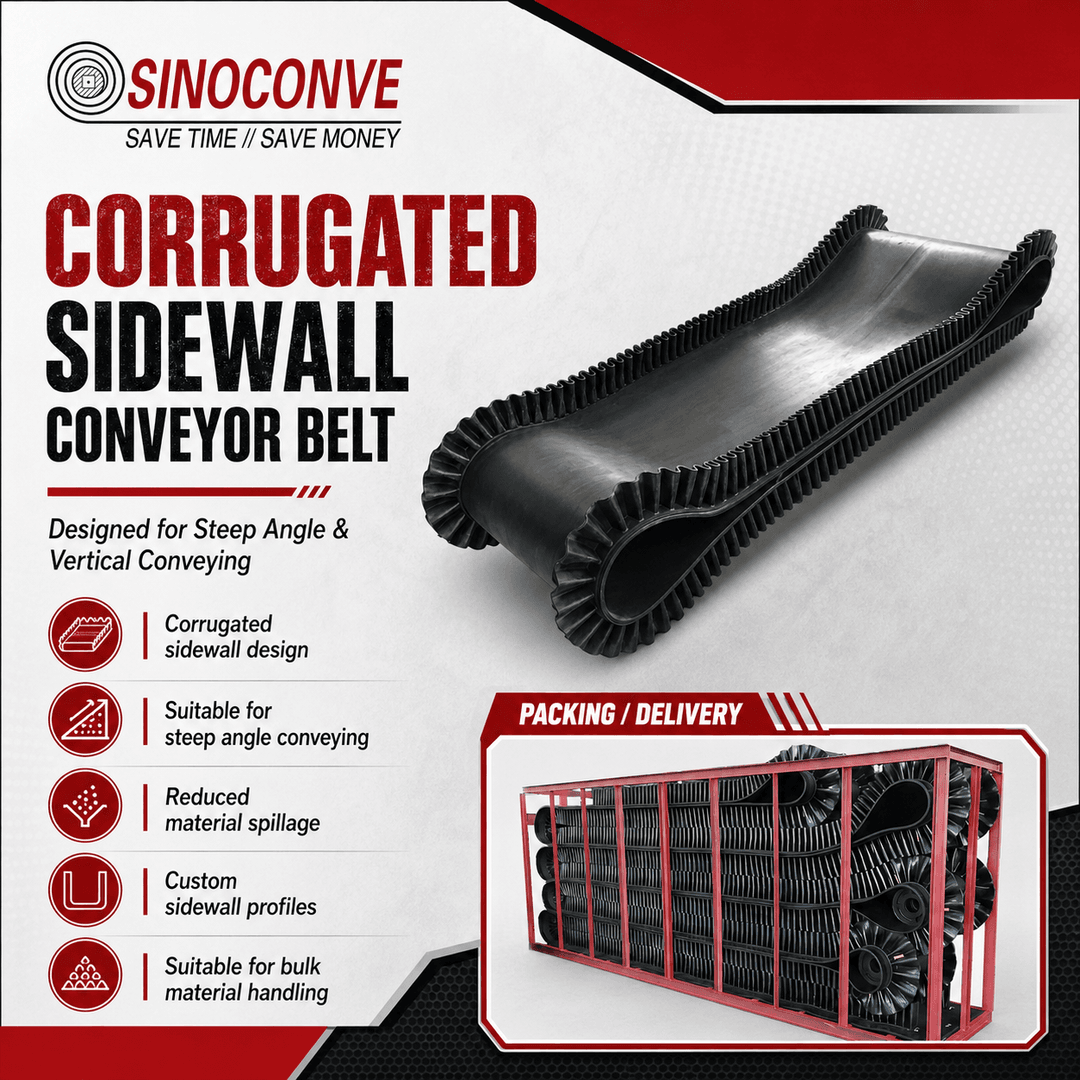
1.Standard flat belts cap out at around 20 degrees — sidewall conveyor belts handle up to 90 degrees without rollback. 2.Corrugated sidewalls and transverse cleats create enclosed pockets that carry material rather than just supporting it. 3.Steep-angle capability compresses horizontal footprint, eliminating transfer points and freeing up floor space. 4.The sidewall rubber conveyor belt contains fine powders and loose bulk materials structurally — no operator intervention needed. 5.Fewer moving parts than bucket elevators means lower maintenance frequency and simpler troubleshooting. 6.Sidewall, cleat, and base belt compounds each need separate specification — flexibility and abrasion resistance are different requirements.

Steel Cord Rubber Conveyor Belt: Durability and Efficiency in Material Handling
1.Fabric-ply belts hit their limits fast on long, heavy runs — steel cord construction is what closes that gap. 2.Parallel steel cables replace textile plies in the carcass, delivering higher tensile strength and far less elongation under load. 3.Fewer transfer points, longer single-flight spans, and lower infrastructure cost are the direct operational payoff. 4.Troughability and load stability require a design balance — longitudinal stiffness without sacrificing transverse flexibility. 5.Steel cord construction limits rip propagation when tramp material strikes, containing damage that would destroy a fabric belt. 6.Splice quality is the most critical maintenance variable — a poorly executed vulcanized splice undermines everything else. 7.Mining, ports, power generation, and cement production are the core applications, each for slightly different reasons.

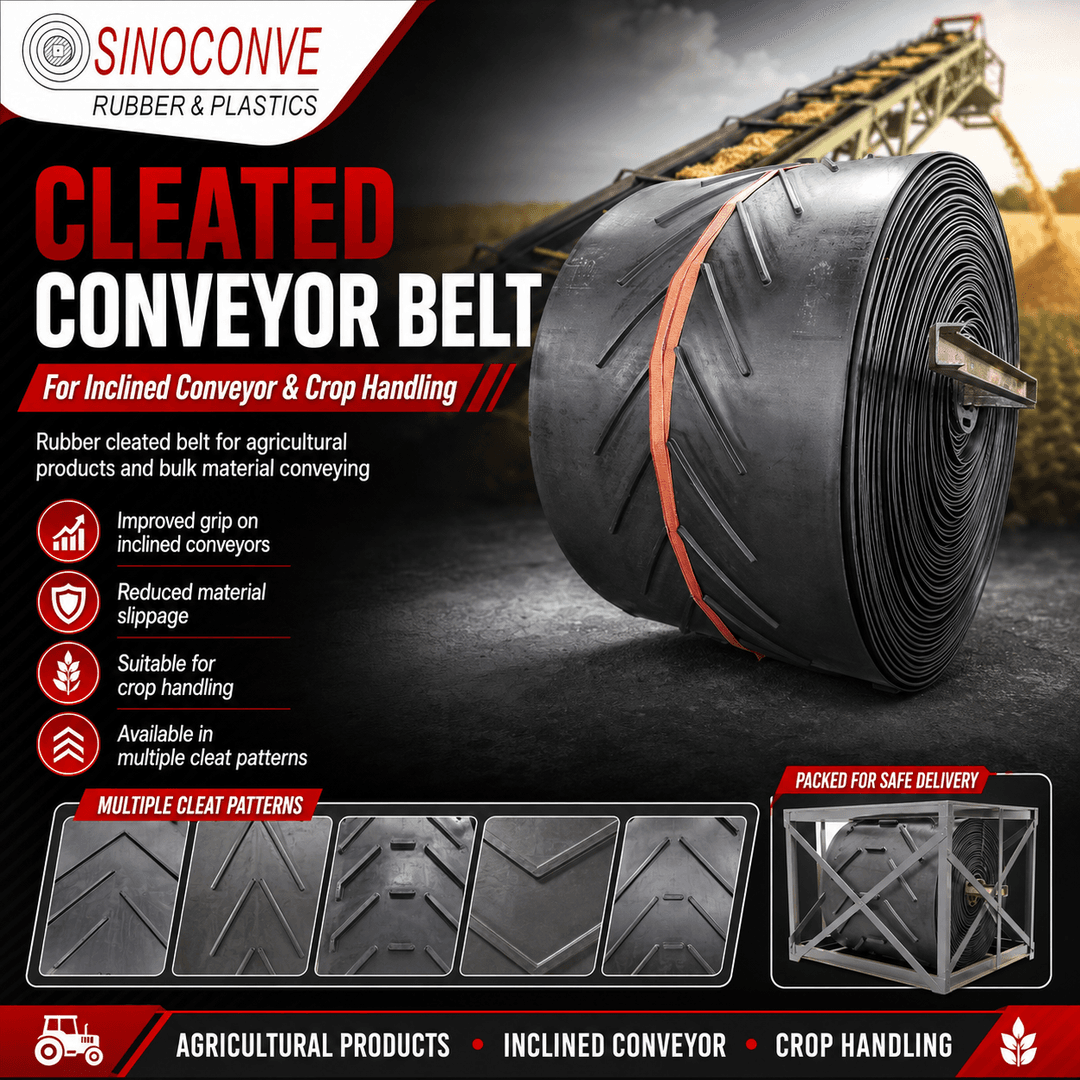
Unleashing Efficiency: Chevron Rubber Conveyor Belt
1.Flat belts fail on inclines — material slides back, throughput drops, and spillage becomes a cost problem. 2.The V-shaped chevron profile grips loose bulk material mechanically, allowing steeper angles than standard belts can manage. 3.Profile height needs to match the material — under-specifying it produces the same slippage problem the design was meant to solve. 4.Rubber compound and carcass construction together determine service life under the combined stress of incline tension and abrasive material. 5.Mining, agriculture, construction, and recycling all share the same core problem: material needs to move uphill without loss. 6.Steeper incline capability shortens conveyor runs, reduces transfer points, and saves layout space on constrained sites. 7.Correct specification from the start is what turns incline conveying efficiency from a promise into an actual outcome.

A Basic Guide to Rubber Conveyor Belts in Industrial Operations
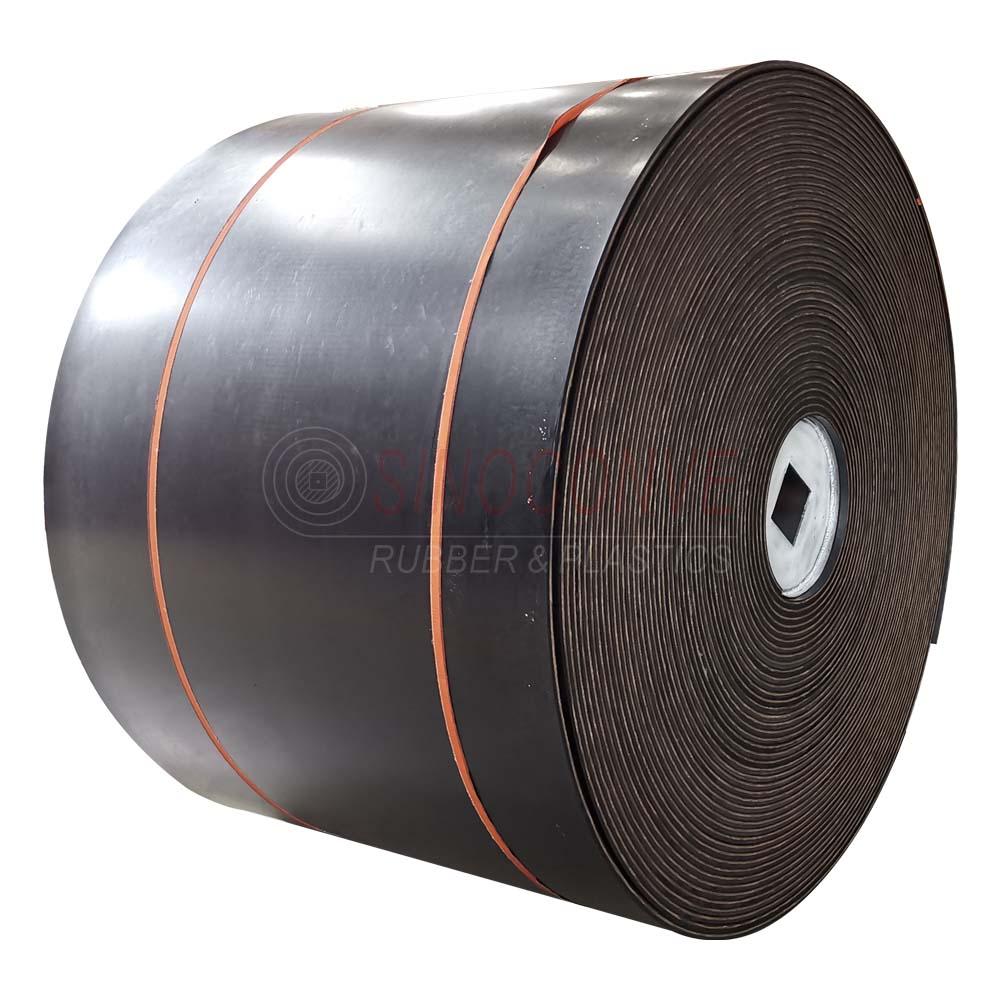
1.Wrong belt in the wrong application wears out fast — and replacement is rarely quick or cheap. 2.A rubber conveyor belt is a layered structure: outer covers handle surface conditions, the carcass carries the tension load. 3.Heat and chemical exposure push belts outside standard territory — standard compounds degrade faster than most expect. 4.Good belt construction reduces rotational resistance, motor load, and operational noise — not just wear. 5.Width, length, and surface profile all need to match the actual application, not a generic spec. 6.Standards-tested manufacturing makes supplier comparison meaningful; sector experience makes specification recommendations reliable. 7.Purchase price is the most visible cost. Shutdown time and lost production are usually larger.

Rubber Conveyor Belt: What Actually Determines Performance in the Field
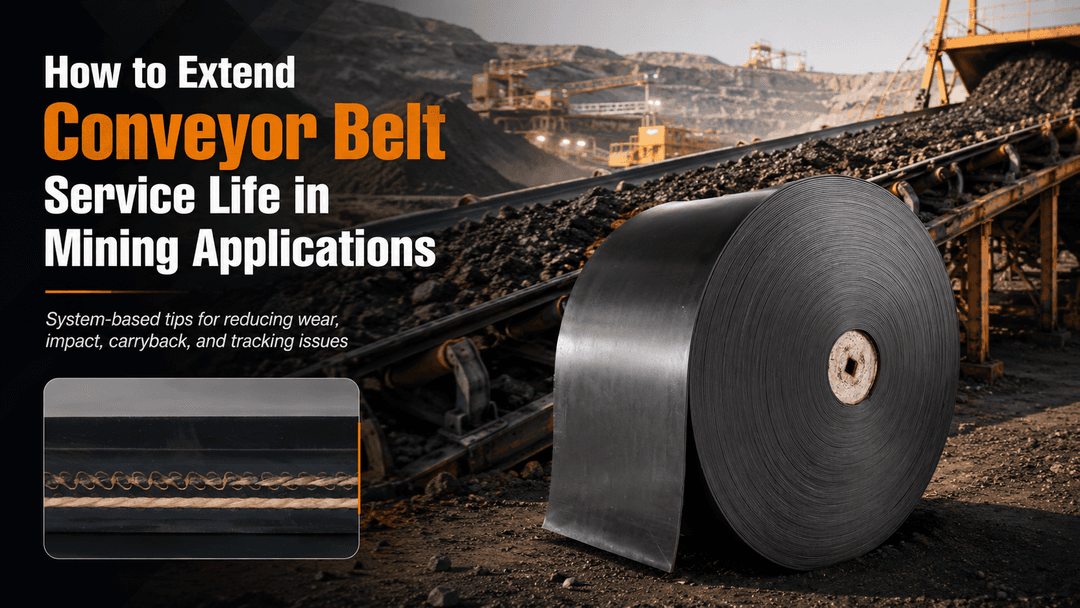
1.Conveyor belts only get noticed when they fail — and in bulk material handling, that means production stops. 2.The rubber cover is visible; the carcass underneath is what actually holds the belt together under load. 3.Wrong cover grade is the most common reason belts wear out early — spec for the material, not the price. 4.Textile-ply for shorter, lighter runs; steel cord when distance and load make fabric impractical. 5.Loading point design causes more early belt damage than most operators expect. 6.Tracking problems and splice condition are the two maintenance issues most likely to be caught too late. 7.Standards confirm a belt performs as labeled — they don't confirm it's the right belt for your application.

Steel Conveyor Belt Roller: Performance Under Pressure
1.A steel conveyor belt roller fails quietly — until the whole line stops. 2.Spec sheets show average load. Real operations run on peak load. 3.Sealed bearings keep dust and moisture out — that's where service life is decided. 4.Shaft deflection under heavy duty conveyor loads causes belt wear before the roller visibly fails. 5.Industrial conveyor belt rollers that cost more upfront cost less once downtime enters the math. 6.Mining, ports, cement, and logistics each stress rollers differently — none tolerates unplanned stops. 7.Sinoconve manufactures to DIN, RMA, and AS standards across conveyor belts, rollers, and drive components.
Explore more
We are committed to providing you with better products and services. Welcome to browse more content for details