

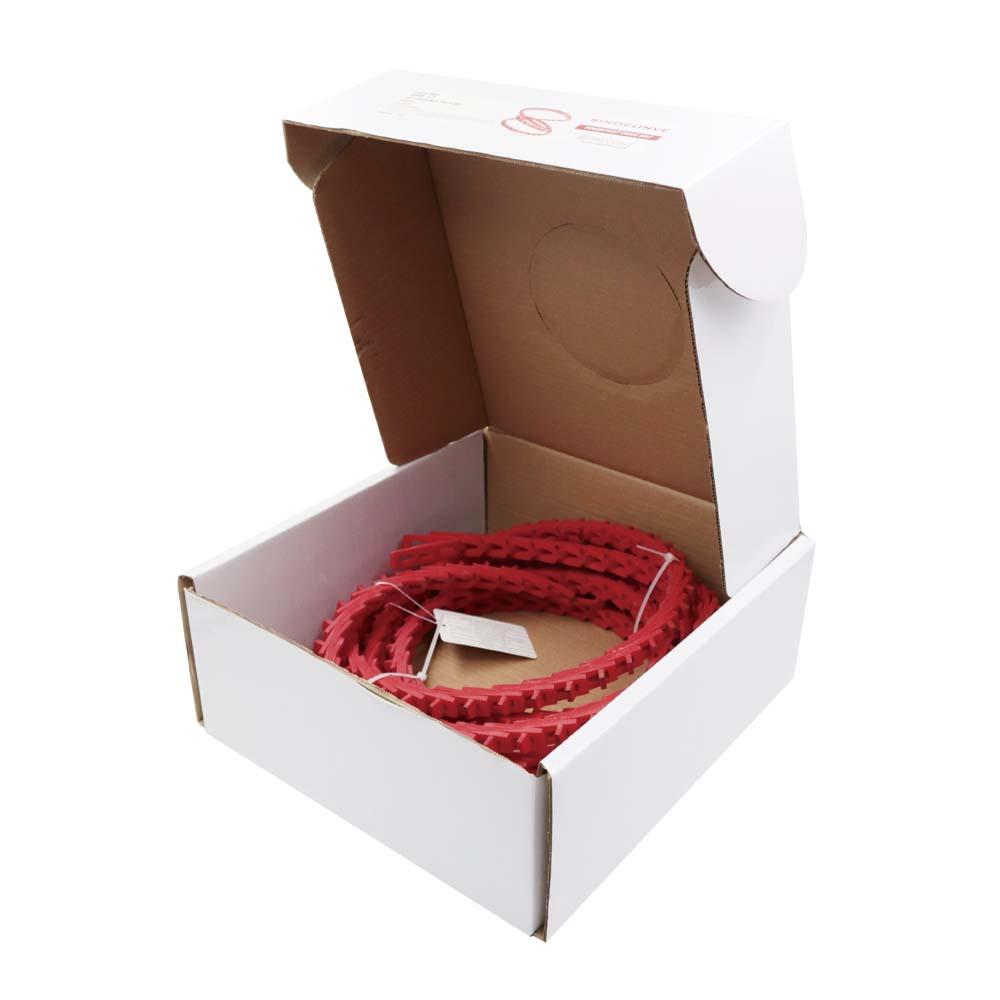
Link V Belt Guide: Where Twist Link V Belts Make Sense
A link V belt is an adjustable segmented belt used in pulley-driven systems where fast replacement, difficult installation, or uncertain belt length becomes a problem. This guide explains how a twist link V belt differs from a standard molded V belt, where it makes sense in workshops, pumps, fans, older machinery, and some automotive-related maintenance, and what buyers should check before ordering or installing one.
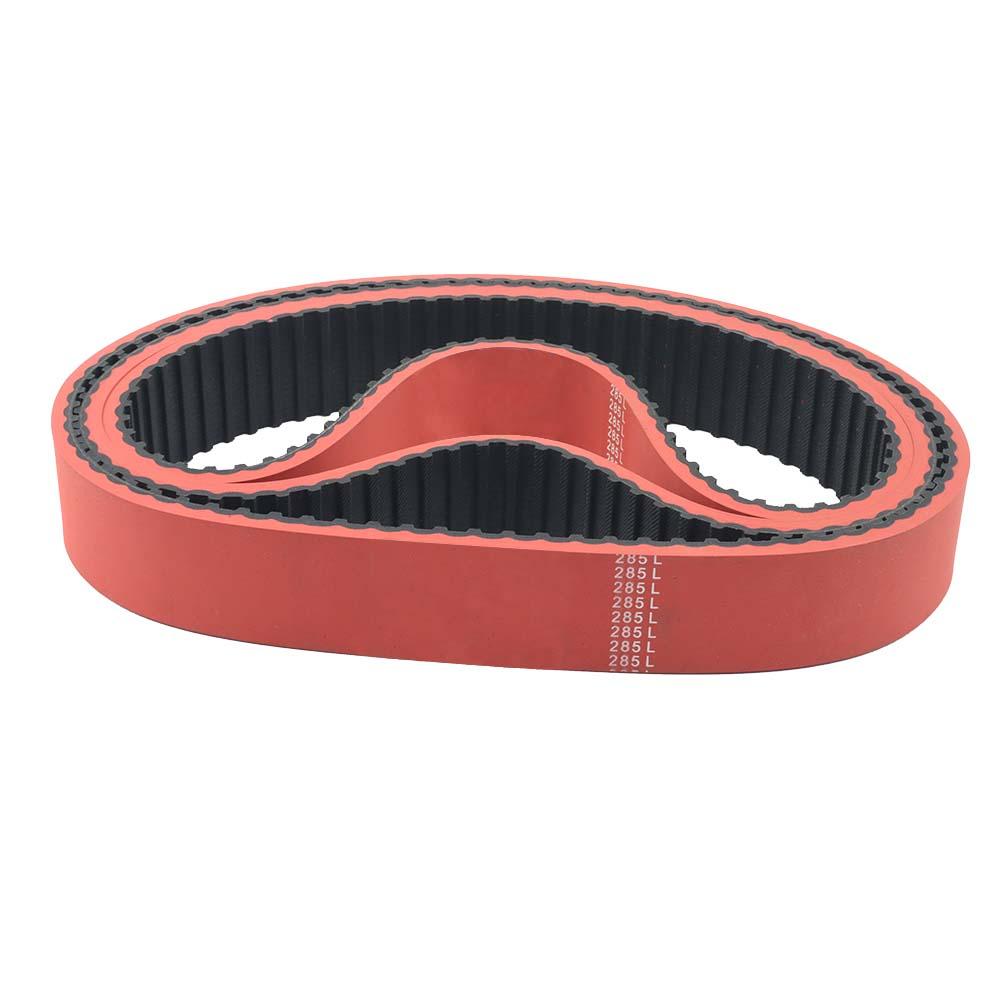
Packaging Machine Belt: Coated Timing Belt Guide
A Packaging Machine Belt does more than move power in a packaging line. It may control timing, product spacing, transfer accuracy, grip, release, or surface contact. This article explains how coated timing belt options and rubber timing belt products work in packaging equipment, why surface condition affects machine accuracy, and what buyers should confirm before ordering belts for feeding, labeling, carton handling, pouch transfer, and automated packaging systems.
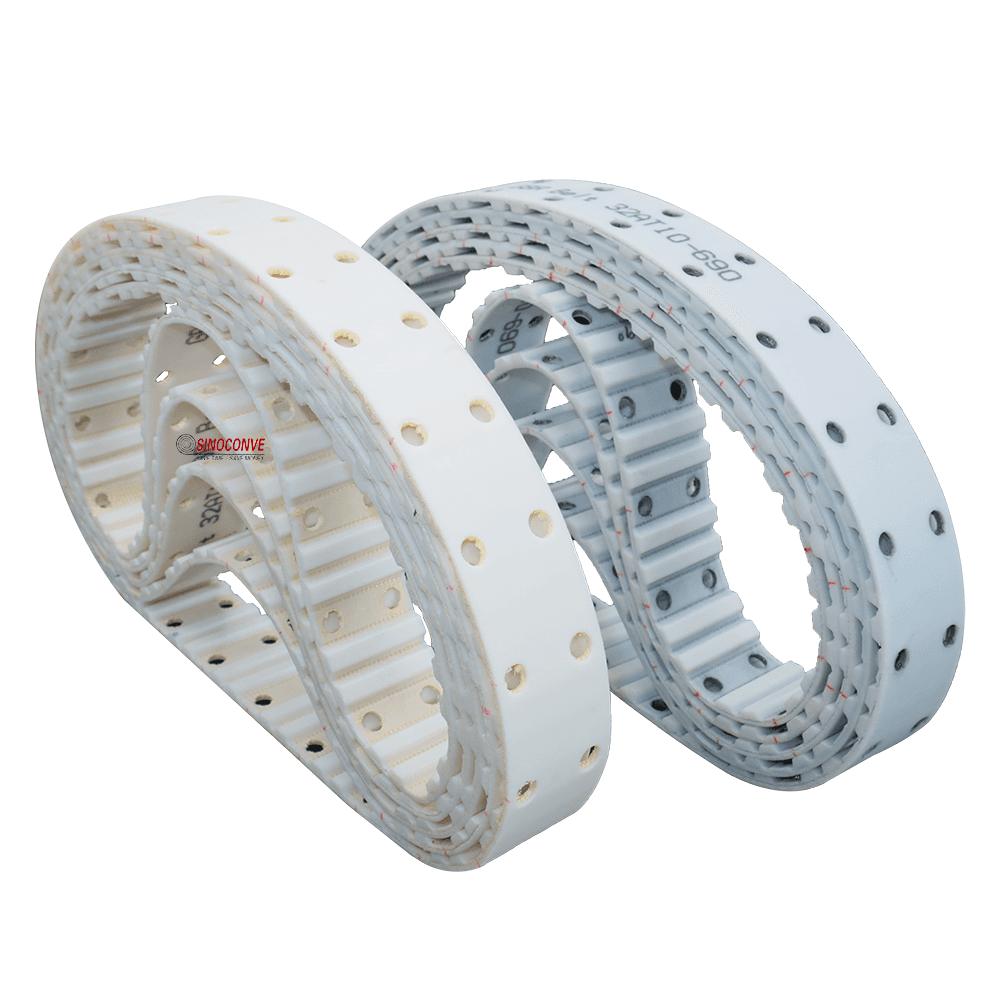
Aramid Fiber PU Timing Belt vs Steel Cord PU Belt
This article compares Aramid fiber PU timing belt and Steel Cord PU Timing Belt options from a practical drive-design view. It explains how reinforcement material affects belt weight, flexibility, stretch control, pulley bending, positioning accuracy, and long-term stability. The guide also includes comparison tables, application guidance, buyer confirmation points, failure signs, and FAQ to help users choose the right PU timing belt for automation, packaging, linear drive, and custom machinery applications.
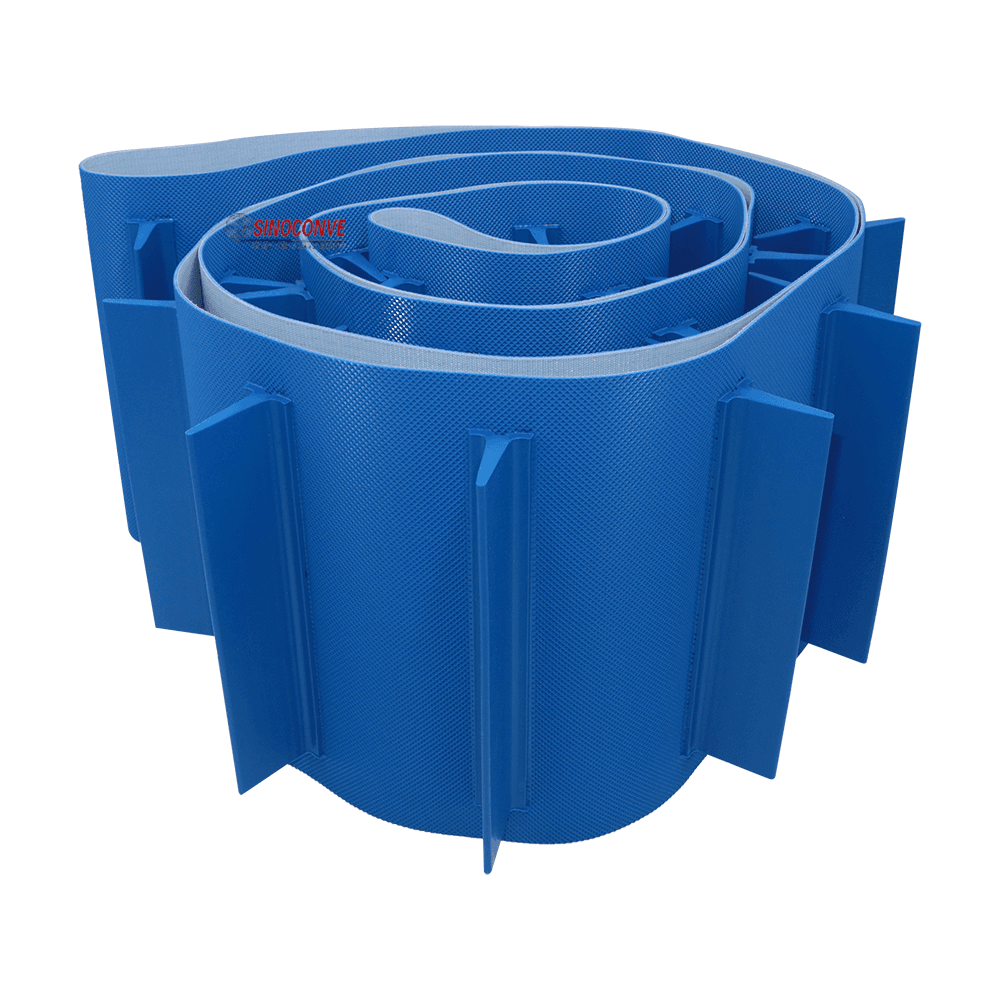
Cleat PVC Conveyor Belt for Inclined Handling
A cleat PVC conveyor belt is used when flat belts cannot hold products steadily on inclines, feeding sections, or short transfer lines. This article explains how cleats change product movement, where PVC conveyor belt systems are suitable, how cleat height and spacing affect performance, and what buyers should confirm before ordering. It also compares PVC and rubber belt options for cleated conveyor belt applications.
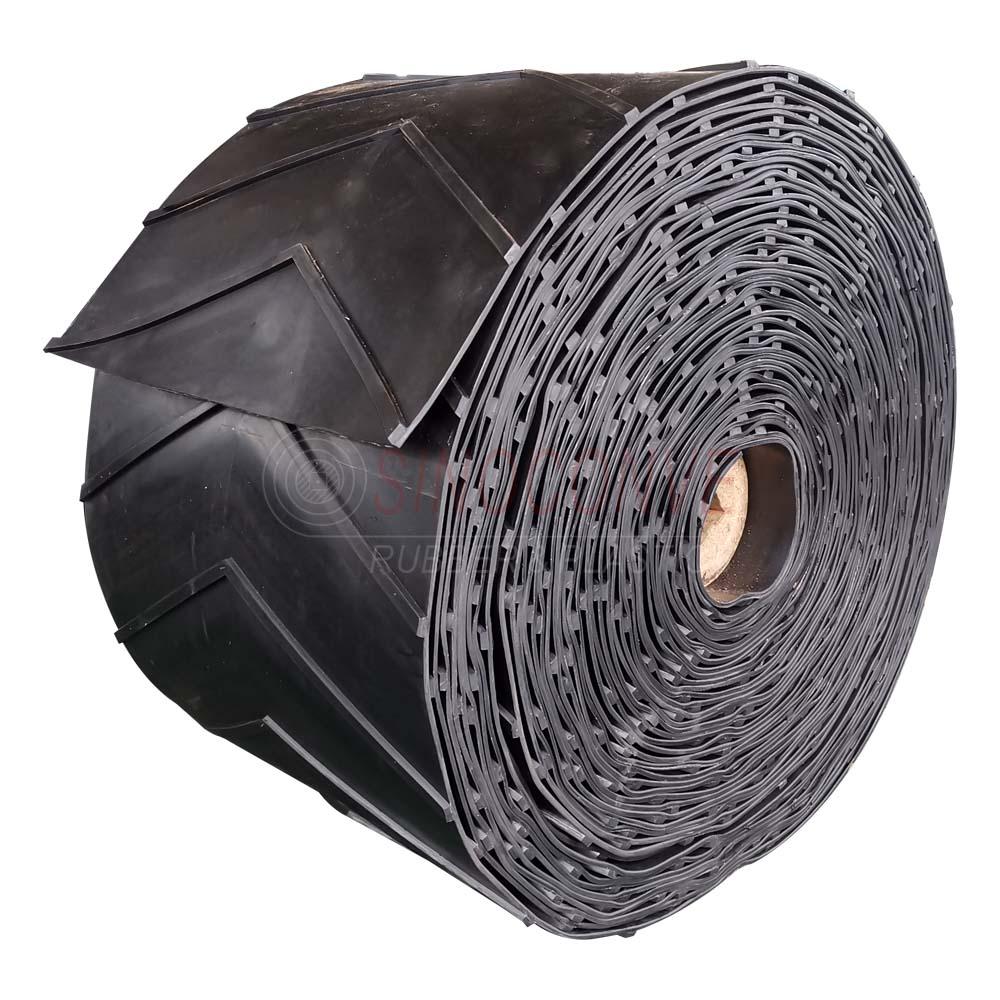
Rubber Conveyor Belt Price Guide & Buying Tips
Rubber Conveyor Belt Price is affected by belt width, length, carcass type, cover grade, thickness, pattern, splicing, packaging, and application conditions. This guide explains why the cheapest belt is not always the lowest-cost choice, how to compare Rubber Belt Company options, and what information buyers should send to Industrial Conveyor Belt Suppliers for a clear quotation.
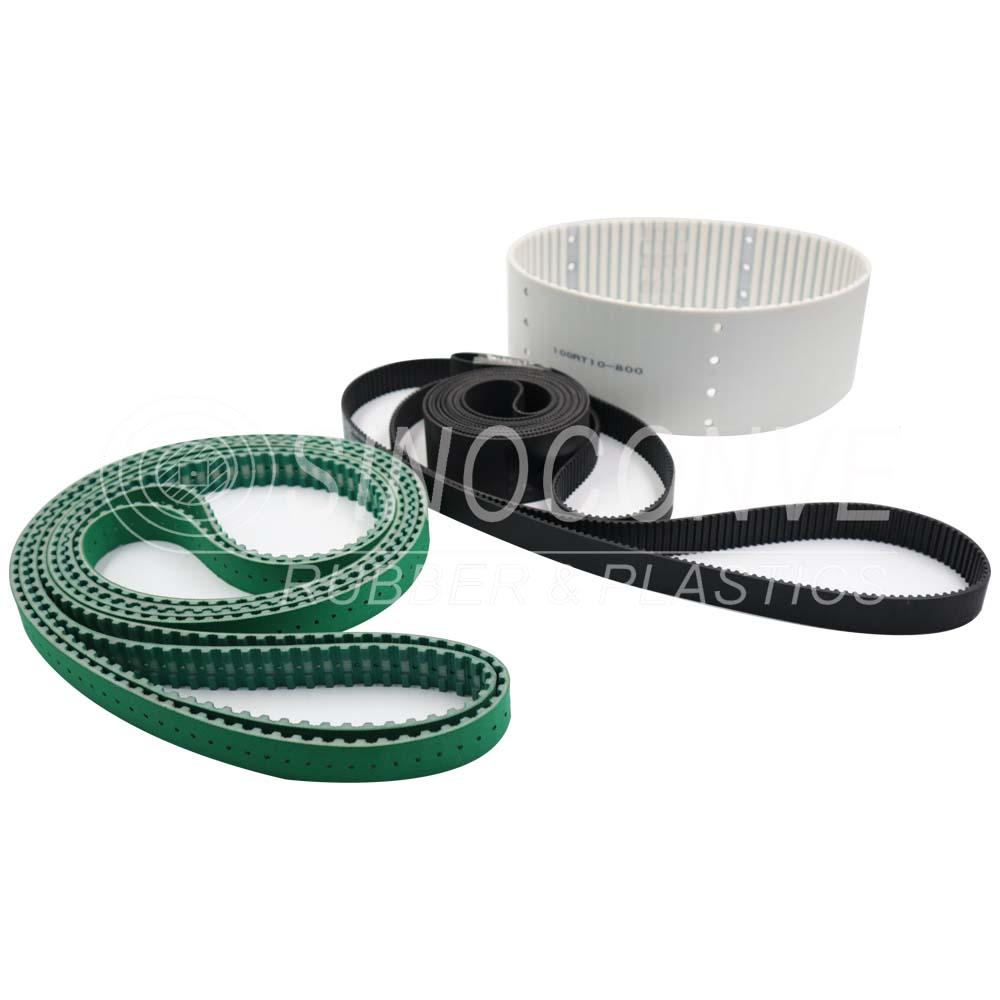
PU Timing Belt Surface: Enhancing Industrial Precision
PU Timing Belt Surface design affects more than appearance. It changes how the belt contacts pulleys, guides, products, rollers, and coatings inside a machine. This article explains standard PU surfaces, fabric facing, back-side coatings, high-friction coatings, and low-friction treatments. It also covers PU Timing Belt Surface application by machine type, wear signs, buyer confirmation points, coating risks, and FAQ for industrial sourcing teams.
Explore more
We are committed to providing you with better products and services. Welcome to browse more content for details