

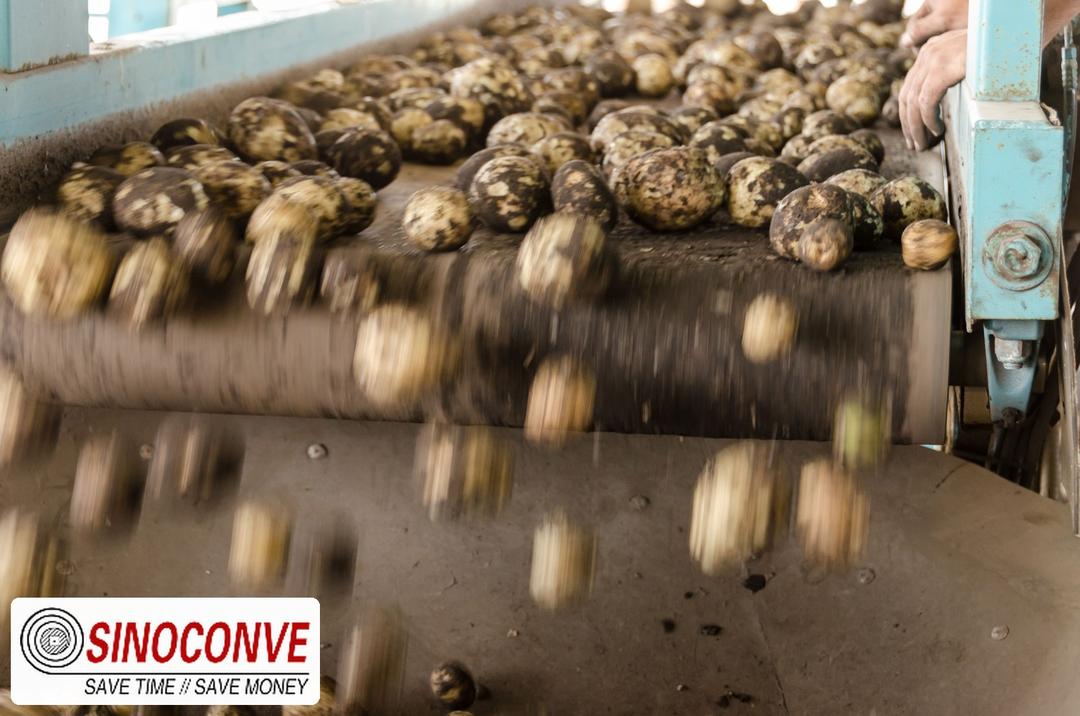
Conveyor Belt Quick Reference: Roll Length, Splice & V-Belt Formulas
Formulas for conveyor belt roll length, belt speed, splice allowance and V-belt drive length, with worked examples for maintenance and procurement teams.
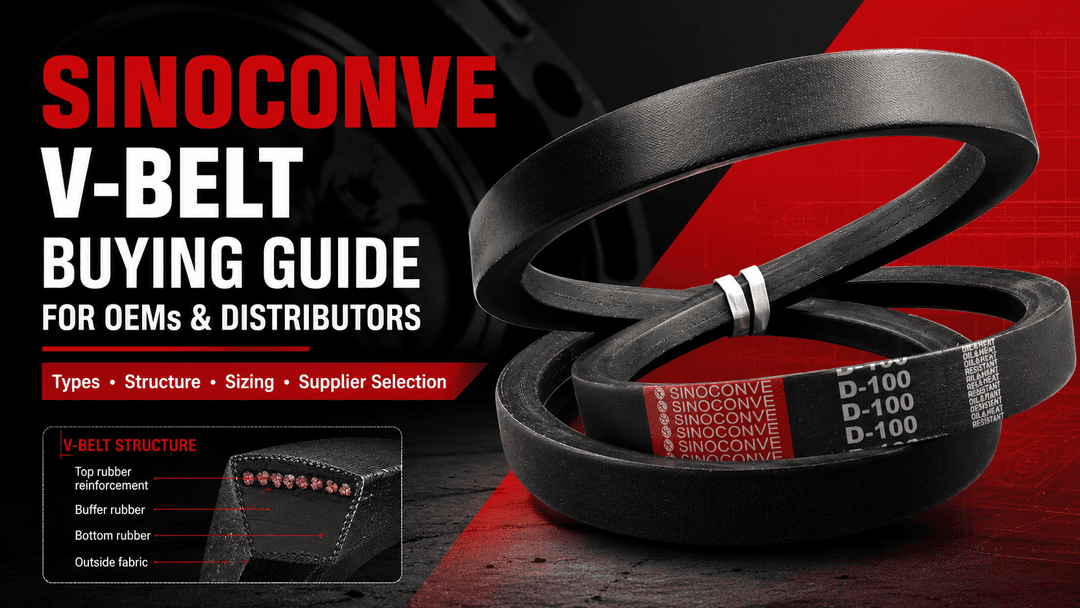
V-Belt Buying Guide for OEMs and Distributors: Profiles, Lengths and Applications
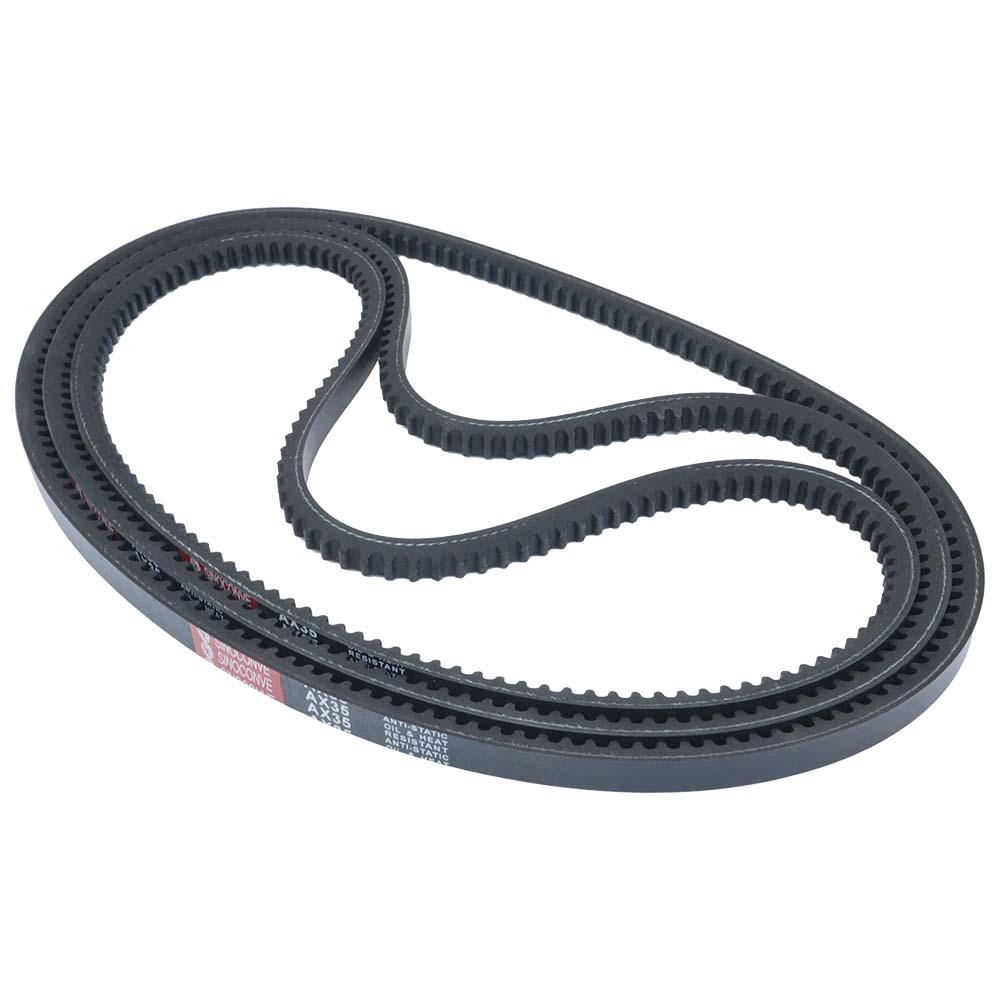
V-belt sourcing becomes risky when profile, pulley geometry and length conventions are treated as interchangeable. This guide helps OEMs and distributors specify industrial V-belts for replacement and new-drive applications. It explains classical and narrow profiles, length systems, construction choices, application conditions, failure clues and multi-belt considerations. Buyers also get a practical RFQ framework covering drive data, operating environment, quantities, customization and documentation—making supplier quotations easier to compare and reducing compatibility problems before production.
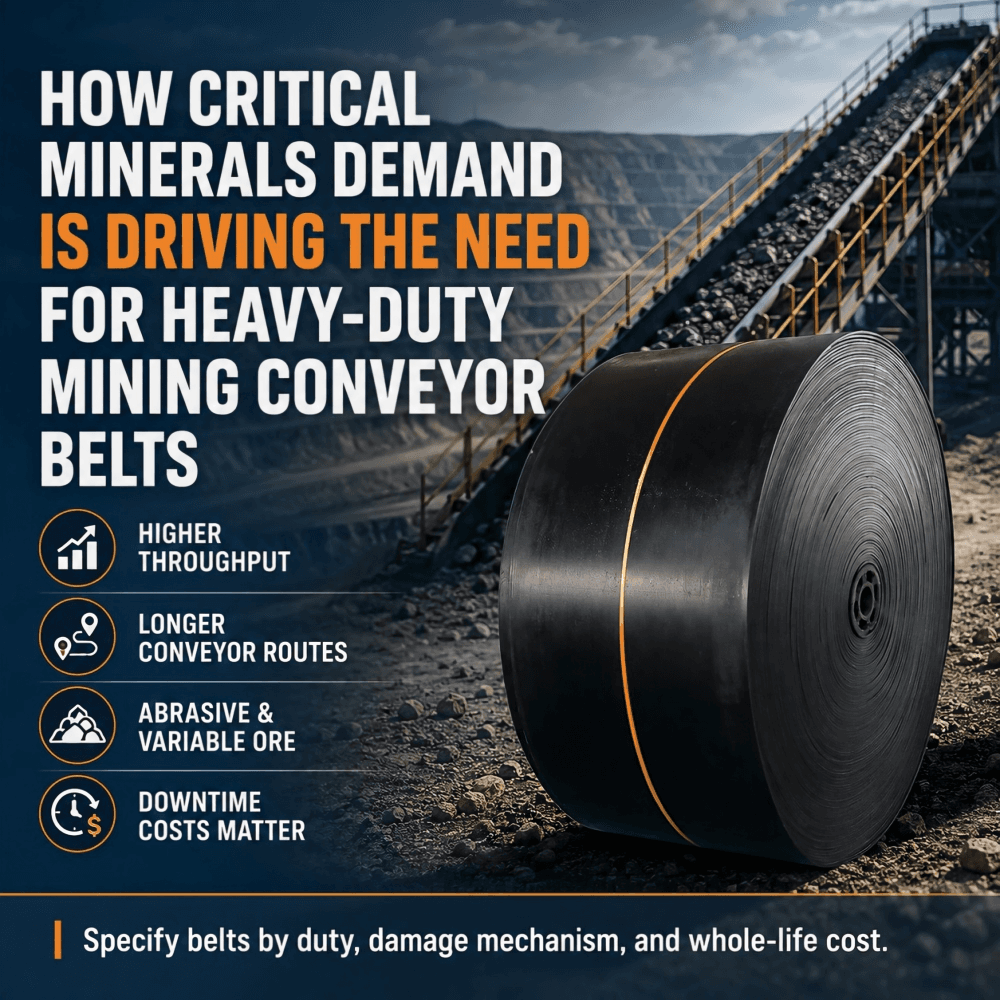
How Critical Minerals Demand Is Driving the Need for Heavy-Duty Mining Conveyor Belts
Critical minerals demand is increasing pressure on mine output, conveyor capacity, and uptime. This article explains how buyers should assess belt construction, abrasion and impact resistance, loading zones, splices, monitoring, and whole-life cost when specifying heavy-duty mining conveyor belts.
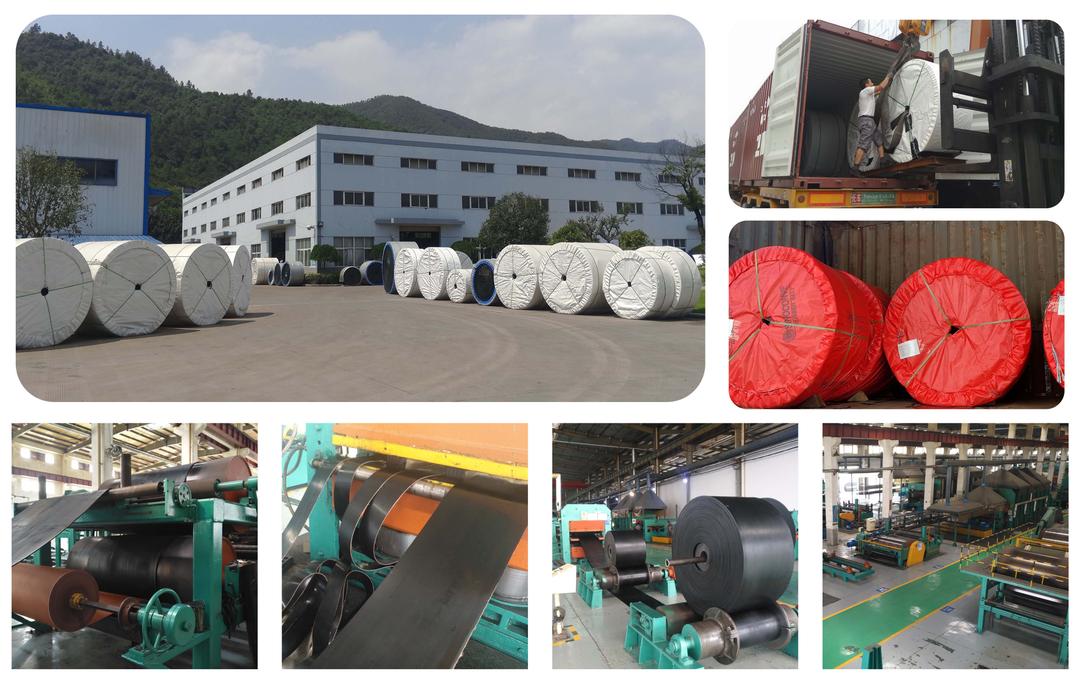
OEM Conveyor Belt Manufacturer Guide for Buyers
An OEM conveyor belt manufacturer should do more than produce belts by size. For industrial buyers, OEM work includes cover compound selection, carcass structure, surface design, branding, packaging, and application matching. This guide explains how to evaluate an OEM rubber conveyor belt supplier, what information buyers should send before quotation, and how SINOCONVE supports customized conveyor belt production for industrial applications.
Discover the Cutting Edge SINOCONVE Timing Belt
A timing belt that skips a tooth fails instantly — no warning, immediate damage. This guide decodes the HTD 670-5M specification, explains what the internal cord construction actually does, and covers what installation errors shorten belt life most.

Rubber Conveyor Belts: Material and Use Cases
A rubber conveyor belt is usually ordered too late in the decision process. This guide looks at rubber conveyor belt material choices, the failure risks behind each one, and the applications where they belong. It explains why the cover compound, not the carcass, meets the material first, and how abrasion, impact, oil, heat, weathering and flame exposure each demand a different rubber specification. Failure signals such as swelling, cracking, glazing, cover gouging and rapid wear near the loading point are covered as diagnostic evidence rather than bad luck, with guidance on matching cover grade, carcass type, ply construction and belt thickness to the actual duty. Sections on conveyor layout, loading zones, belt speed and service conditions show how material selection interacts with system design, while comparison tables help buyers weigh grades side by side. A buyer checklist sets out the information to include in an RFQ, and the closing section explains how to compare suppliers on construction, testing and documentation rather than price alone.
Explore more
We are committed to providing you with better products and services. Welcome to browse more content for details