

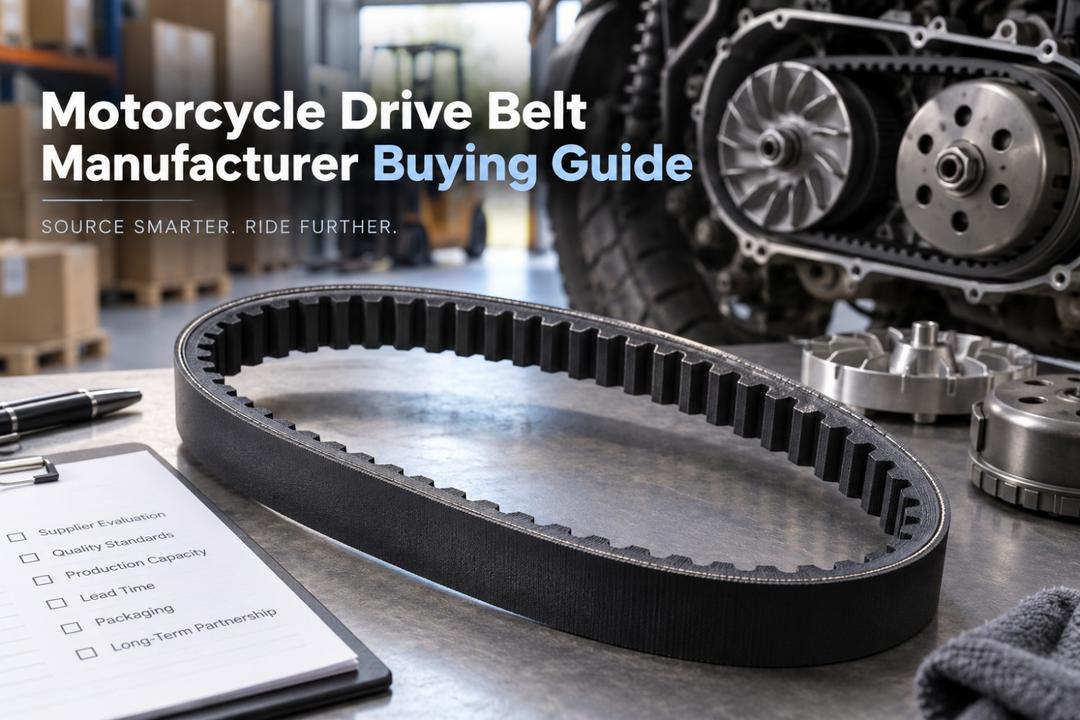
Motorcycle Drive Belt Manufacturer for Aftermarket Importers and Dealers
Scooter and ATV CVT belts are high-turnover aftermarket items, and importers who source them well build a repeat-order business; importers who source them badly sit on dead stock. This guide is written for importers and dealers who want a reliable motorcycle drive belt manufacturer behind their catalog. It explains CVT belt construction - cogged teeth, aramid or other fiber reinforcement, rubber compound and load-carrying cords - why exact sizing and part-number mapping matter more than price, what test evidence and production proof a genuine manufacturer can show, and how private label, packaging, MOQ and lead time should be structured for bulk import orders. Ready-to-use RFQ and audit checklists are included, along with the red flags that signal a reseller instead of a factory.
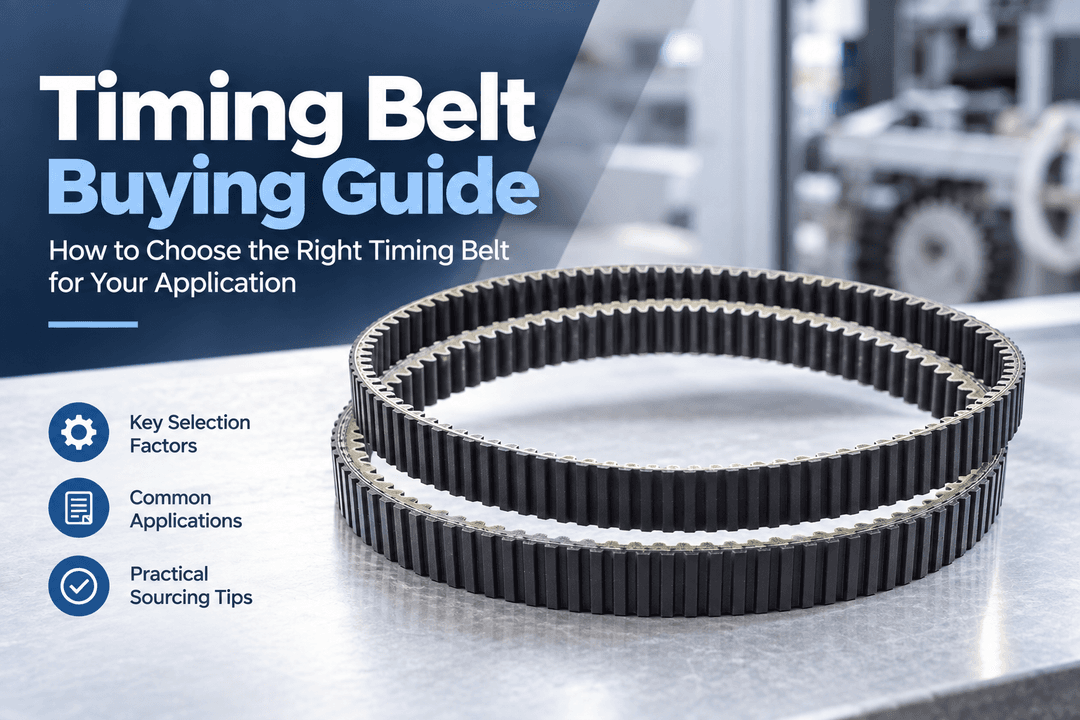
Automotive Timing Belt Manufacturer for Aftermarket Distributors: Sourcing Checklist
Distributors that stock automotive timing belts carry real liability: a belt that fails early comes back as a warranty claim, an unhappy workshop and a lost account. This sourcing checklist gives aftermarket distributors a repeatable process for qualifying an automotive timing belt manufacturer before the first bulk order. It covers the RFQ data you must send (engine application, OE number, tooth profile, belt width and tooth count), the capability evidence to request (production records, test reports, batch traceability), construction details that separate long-life rubber timing belts from cheap ones, and commercial terms from private label and packaging to MOQ, lead time and payment. Use the tables as templates for your next supplier audit, and you will cut the risk of buying engine belts that fail in service.
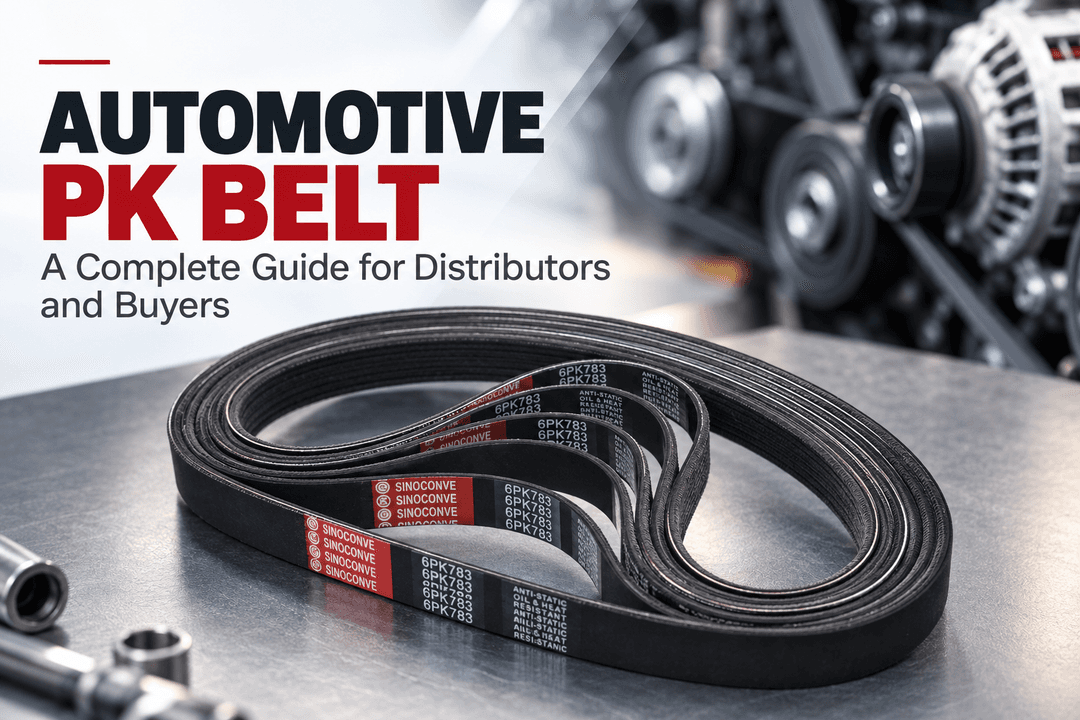
PK Belt Supplier for Automotive and Industrial Accessory Drives
The PK belt - a multi-rib poly V belt - is one of the most frequently replaced parts on a modern engine, which makes it a strong stock line for auto parts distributors but a risky one to source badly. This guide walks through what a distributor should verify before appointing a PK belt supplier: how rib count and effective length are marked and measured, why EPDM compound dominates current accessory drives and how to confirm it, the tensile-member and cover construction that decides service life, and the test evidence a real manufacturer can produce. It also covers MOQ, lead times, stock programs and packaging for wholesale ribbed belt supply. Tables give you ready-made RFQ and audit checklists so your team qualifies suppliers the same way every time.
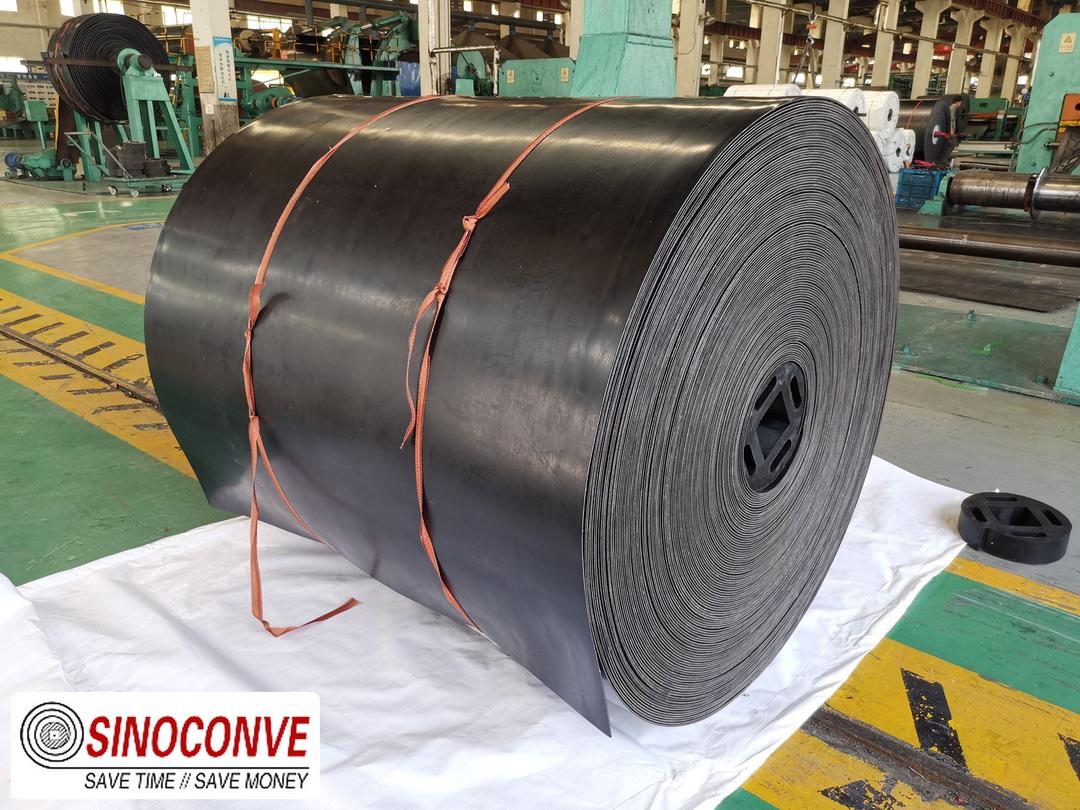
Conveyor Belt Tracking: Why EP Belts Run Off-Center & How to Stop It
Why do EP conveyor belts run off-center? We cover carcass straightness, square splice joints, even tension, and how to buy a belt that tracks true.
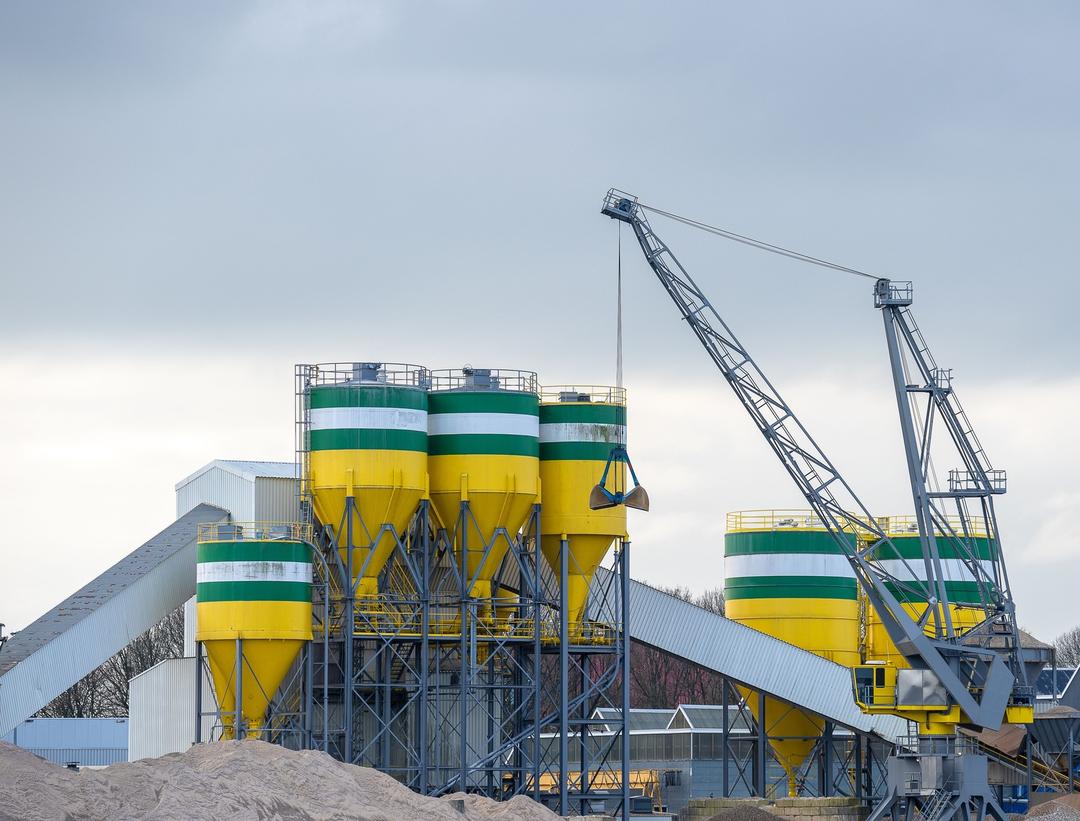
EP vs NN Conveyor Belt: Which Fabric Carcass Should You Choose?
Comparing EP and NN conveyor belt carcasses: elongation, impact resistance, splicing and cost. Practical selection guide for mining and quarry conveyors, with the RFQ data suppliers need.
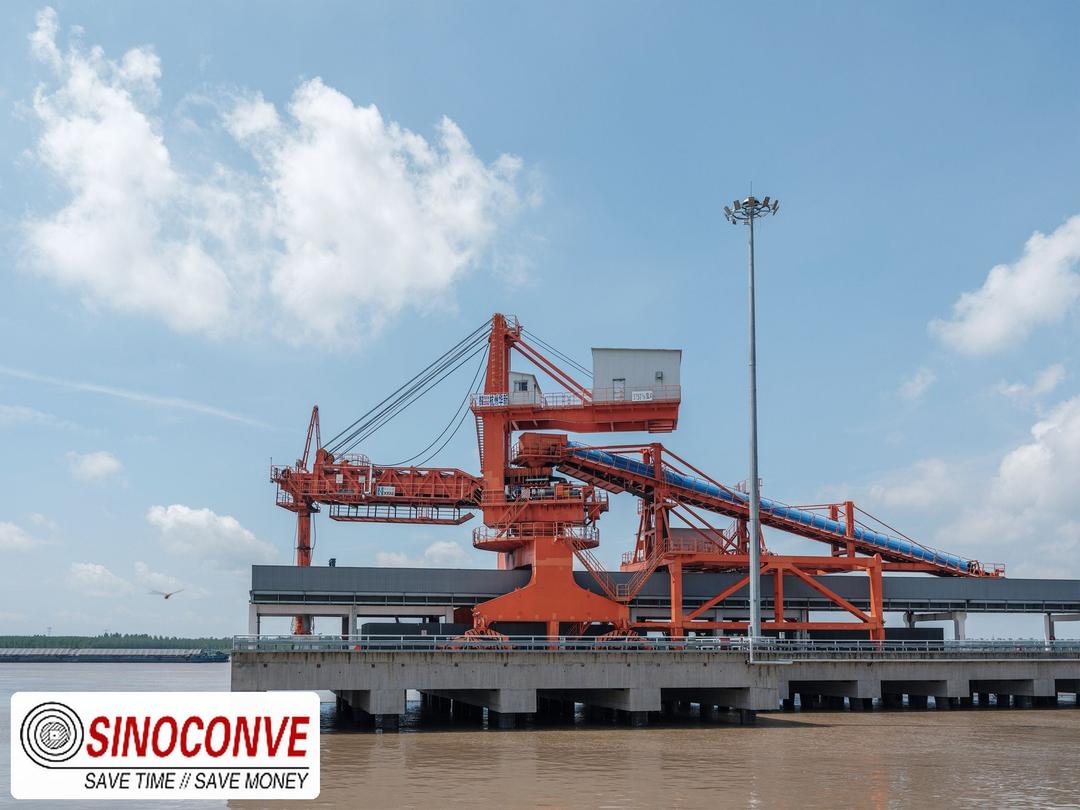
Conveyor Belt Storage, Handling and Installation: 20-Point Checklist That Prevents Early Belt Damage
Why do new conveyor belts fail early? Usually poor storage, handling, or installation. SINOCONVE's 20-point field checklist protects every rubber conveyor belt you buy.
Explore more
We are committed to providing you with better products and services. Welcome to browse more content for details