
Lawn mower belt is an essential component for maintaining the efficiency and longevity of your lawn care equipment, ensuring that your mower operates smoothly and reliably season after season. Whether you're a homeowner tending to a suburban yard or a professional landscaper handling large properties, selecting the right lawn mower belt can make all the difference in achieving a pristine lawn with minimal hassle. In this article, we'll explore the key features, benefits, and tips for choosing and maintaining these vital parts, drawing from advanced belt technologies that emphasize durability and performance.
Understanding the Importance of Lawn Mower V Belts
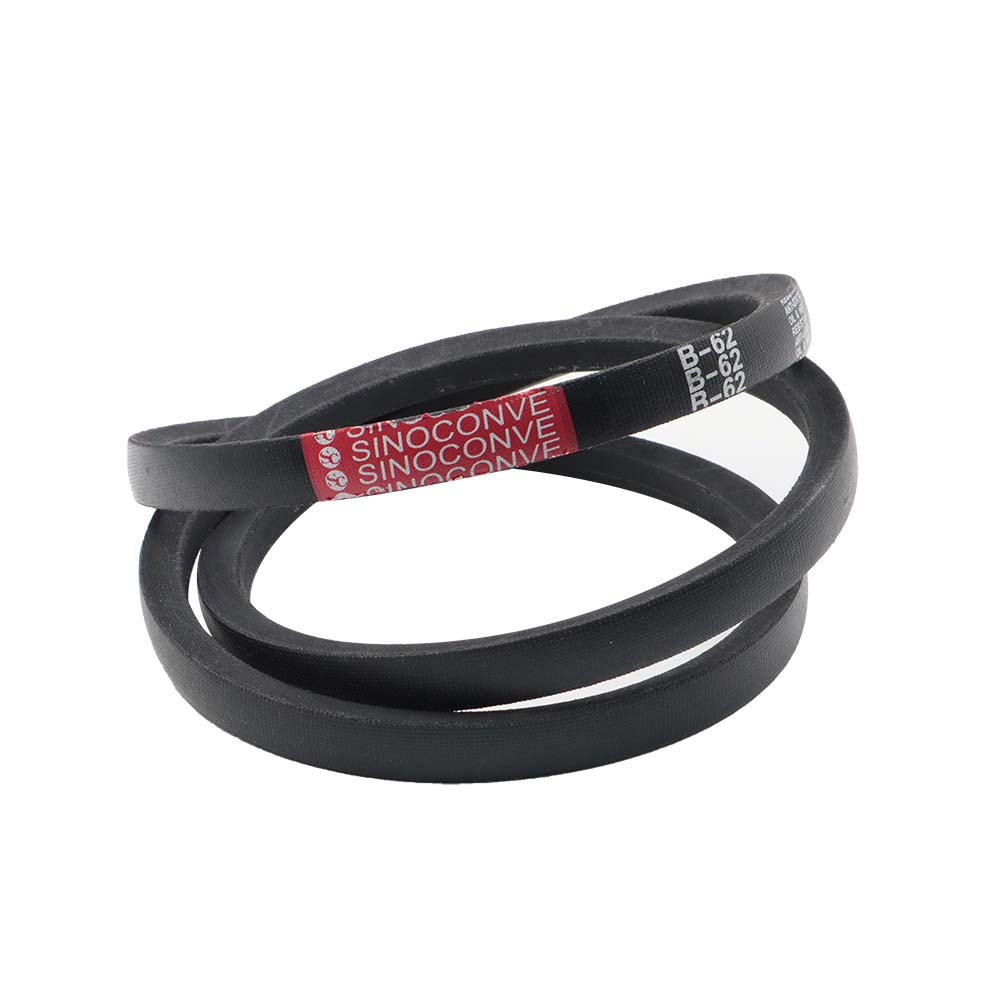
Lawn mower v belt plays a crucial role in transmitting power from the engine to the blades, allowing for consistent cutting action without slips or breaks. This type of belt is designed with a V-shaped cross-section that grips pulleys effectively, reducing the risk of slippage even under heavy loads or uneven terrain. Imagine investing in a high-quality lawn mower v belt that not only enhances your machine's efficiency but also extends its lifespan, saving you money on frequent replacements. With the latest innovations in belt technology, such as those inspired by industrial-grade materials, you can enjoy belts that resist wear and tear from grass clippings, moisture, and extreme temperatures. Don't settle for subpar performance—upgrade to a reliable lawn mower v belt today and experience the difference in your lawn maintenance routine. This simple switch can transform your mowing sessions from frustrating to effortless, proving that the right belt is an investment in both time and quality.
Exploring the Versatility of V Belts in Lawn Mowers
V belts are not just standard components; they are versatile power transmitters that adapt to various lawn mower models, from push mowers to riding ones. These belts provide the necessary traction and flexibility, making them ideal for different applications, including those involving hilly landscapes or dense vegetation. By choosing a v belt that's engineered for optimal grip and durability, you're ensuring that your equipment handles the demands of regular use without compromising on speed or precision. Think about how a superior v belt can prevent downtime during peak mowing seasons, allowing you to complete jobs faster and with better results. In fact, advancements in v belt design, such as enhanced rubber compounds and reinforced fibers, mean less maintenance and more reliability, which is why professionals swear by them for their operations. You'll find that incorporating a high-quality v belt into your lawn mower setup not only boosts performance but also adds value to your overall lawn care strategy, making it a smart, persuasive choice for anyone serious about their yard.
The Role of Transmission Belts in Enhancing Mower Efficiency
Transmission belts are the backbone of any lawn mower's drive system, seamlessly connecting the engine to the wheels and blades to deliver smooth, powerful operation. These belts, often similar in design to advanced industrial belts, are built to handle the stresses of transmission, ensuring that your mower moves forward with ease and cuts evenly across all surfaces. With transmission belts that feature improved thermal stability and reduced friction, you can minimize energy loss and maximize fuel efficiency, which translates to cost savings over time. Why stick with outdated belts when you can opt for ones that offer superior resilience against environmental factors like UV exposure and moisture? This upgrade will not only protect your investment but also enhance the overall user experience, making lawn care feel less like a chore and more like a breeze. By prioritizing transmission belts in your maintenance routine, you're taking a proactive step towards reliable performance, and in today's fast-paced world, that's an advantage you can't afford to ignore.